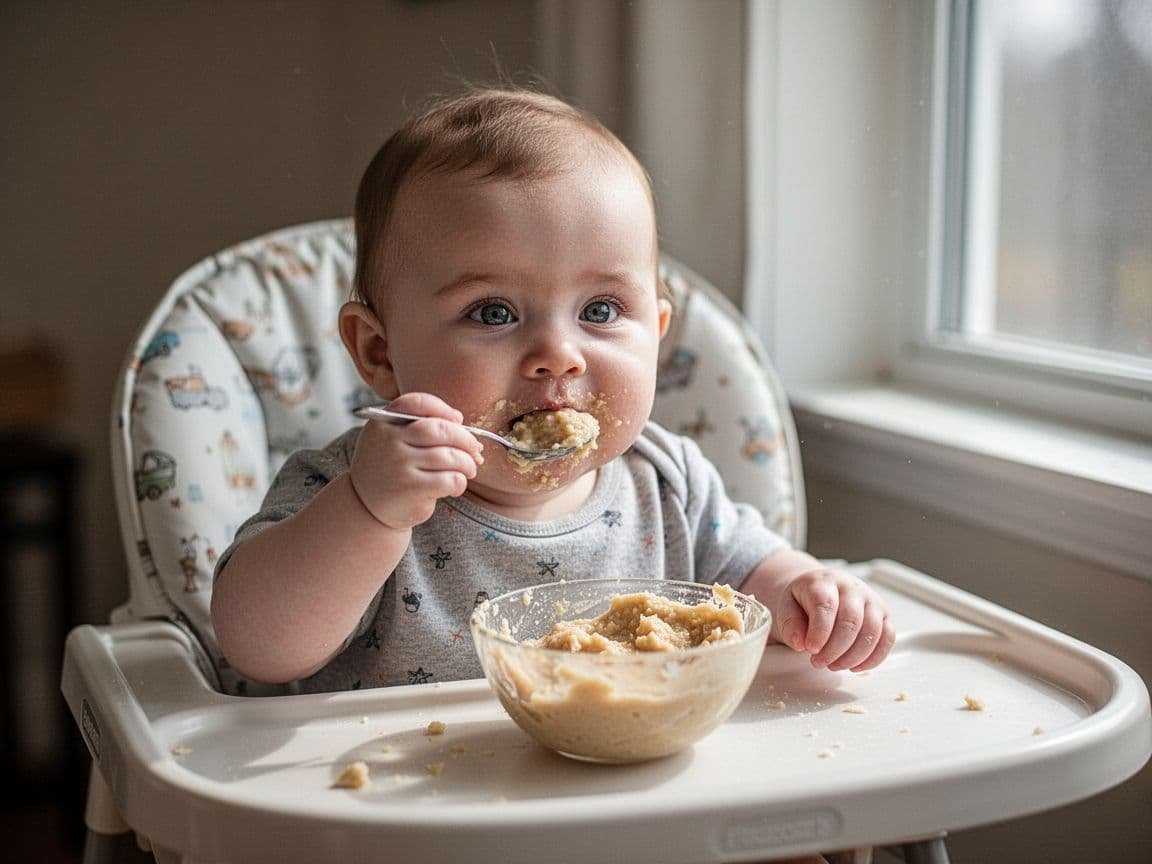
Slow weight gain can leave you second-guessing every bottle, spoonful, and feeding break. The good news is that it often comes down to a few simple changes, and food is only one part of the picture.
If your baby is ready for solids, the right choices can add more calories and nutrients without turning mealtime into a battle. A calm routine and the right textures matter too, which is why newborn feeding schedule guidelines can help you see the bigger picture.
Below, you’ll find 7 baby-friendly foods that can support healthy weight gain, along with a few feeding tips that keep meals nourishing and low-stress.
Why some babies need extra support with weight gain
Every baby grows at a different pace, and that can make weight worries feel heavy fast. Some babies are small but steady, while others need a little more help to get the calories they need.
Slow weight gain can happen for simple reasons. A baby may have a small appetite, feed less often, spit up a lot, get sick often, or burn through calories because they are very active. Feeding struggles can play a part too, especially if latching, bottle feeding, or starting solids feels harder than expected.

What matters most is watching the pattern over time. A single slow week is not the same as a steady drop in growth. If you already feel unsure about feeding or appetite, supporting baby with poor appetite can help you think through the next step calmly.
Signs your baby may not be getting enough calories
A few signs are easy to notice at home. You may see fewer wet diapers, fewer stools than usual, or diapers that stay dry longer than expected. A baby who is not getting enough may also seem sleepy, weak, or less interested in feeding.
Growth checks matter too. If your baby drops percentiles on the growth chart or stops following their usual curve, that deserves attention. Slow growth can show up as clothes fitting the same for too long, little gain between well visits, or a baby who seems smaller than expected for their age.
The diaper pattern can tell you a lot. For young babies, poor diaper output often goes with low intake, especially when feeding also feels off. The American Academy of Pediatrics notes that feeding changes should match a baby’s age and growth needs, not guesswork.
When to call your pediatrician
Call your pediatrician if weight gain stays slow over time, even after you try more frequent or more calorie-rich feeds. Reach out sooner if your baby refuses feeds, tires out during meals, or seems upset every time eating starts.
You should also call if your baby vomits often, has diarrhea, or shows signs of dehydration. Dry lips, very dark urine, a sunken soft spot, or fewer wet diapers all need attention. Babies under one year old should never be managed by food changes alone when weight gain is a concern.
Medical guidance matters because the cause is not always simple. Sometimes a baby needs help with reflux, milk transfer, swallowing, or an illness that makes eating hard. Foods that support weight gain can help, but they should support care from your child’s doctor, not replace it.
If weight gain worries you, trust that feeling and speak up early. A quick check can bring peace of mind, and if something needs treatment, it is better to catch it before small struggles become bigger ones.
The 7 foods that can help increase your baby’s weight
When a baby needs more support with weight gain, small meals can do a lot of work. The best foods are gentle, easy to swallow, and packed with calories, protein, and healthy fats.
That means soft textures matter just as much as the food itself. A spoonful of the right food can feel light on the belly but still give steady nourishment.
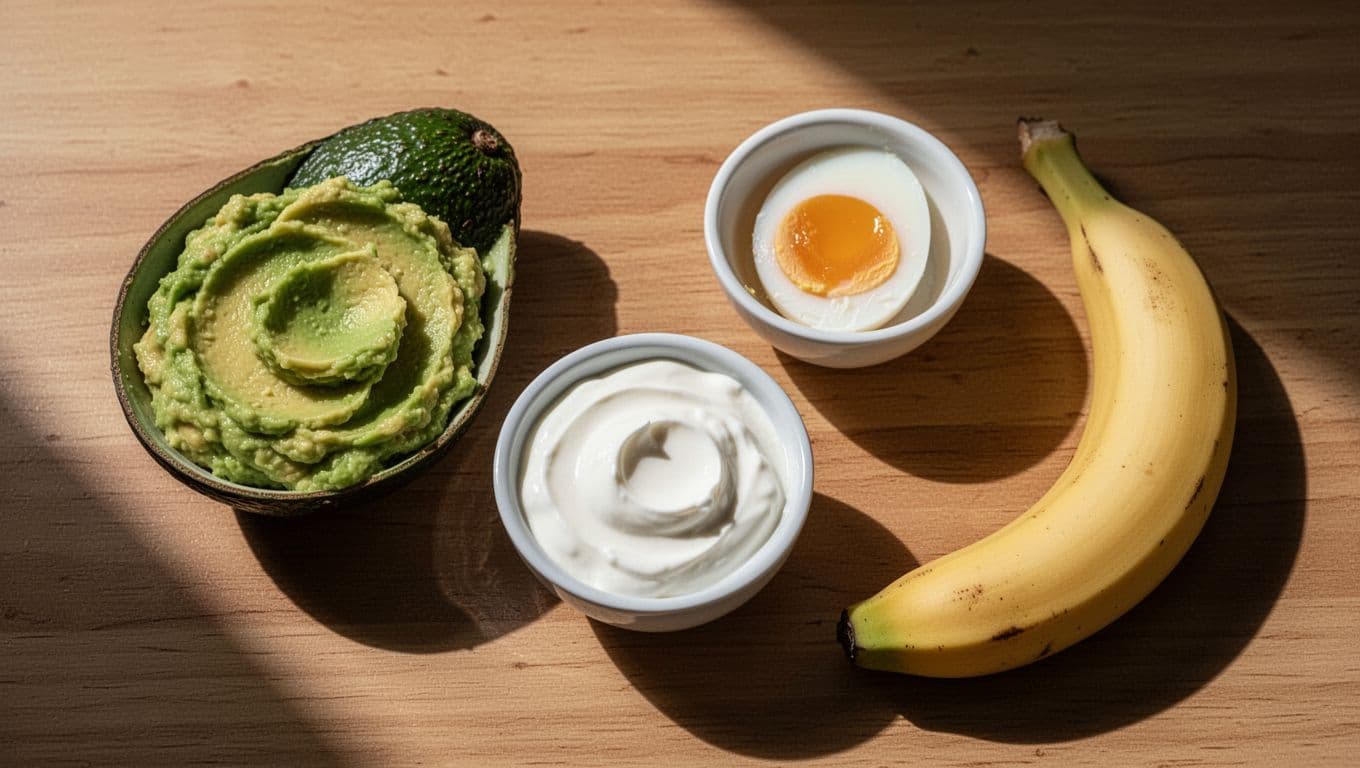
A few baby-friendly foods that can add more calories
These foods work well because they are easy to serve in age-appropriate ways. They also pair well with breast milk, formula, fruit, or grains, so you can build simple meals without much stress.
Avocado, a creamy calorie booster babies usually love
Avocado is one of the easiest foods to start with because it’s soft, mild, and full of healthy fats. Those fats help add calories without making mealtime feel heavy.
For babies starting solids, you can mash ripe avocado with a fork until it’s smooth. For older babies, try mixing it with breast milk, formula, banana, or plain yogurt to make it even creamier.
A ripe avocado should feel slightly soft when you press it. Serve a small amount at first, then watch how your baby handles it before offering more.
Eggs, a filling food packed with protein and healthy fat
Eggs are a strong choice when a baby needs more nourishment. They bring protein and fat together in one simple food, which helps build a more filling meal.
Scrambled eggs, hard-boiled and mashed eggs, or soft omelet strips all work well, depending on your baby’s stage. The key is to make sure the egg is fully cooked and easy to chew or gum.
Watch closely when eggs are new. Some babies react with rash, vomiting, swelling, or trouble breathing, so introduce them carefully and call your pediatrician if you notice allergy symptoms.
Greek yogurt, a smooth snack with protein and fat
Full-fat plain Greek yogurt is a smart option because it has more protein and fat than low-fat versions. That combo can support weight gain better than a thin, watery snack.
You can spoon it into a bowl and mix in fruit puree, mashed banana, or a little oatmeal. For older babies, it can also soften chopped fruit and make a thicker breakfast.
Choose plain yogurt without added sugar. Sweetened versions can crowd out the real nutrition your baby needs.
Plain, full-fat dairy foods are often easier to build into meals than sweet snacks.
Peanut butter and other nut butters, tiny spoons with big energy
Nut butters add calories, protein, and healthy fats in a very small amount. That makes them useful when your baby eats only a few bites at a time.
Never serve nut butter in a thick glob. It can stick in the mouth and create a choking risk. Instead, stir a small amount into oatmeal, thin it with warm water, mix it into yogurt, or blend it into fruit puree.
If peanuts or other nuts are new for your baby, introduce them with care and watch for allergy signs. A smooth texture matters here as much as the ingredient itself.
For more ideas on calorie-rich baby foods, these nutritious weight gain foods for babies can help you keep mealtimes simple.
Sweet potatoes, a soft starch that gives steady energy
Sweet potatoes bring calories, vitamins, and a naturally sweet taste many babies enjoy. They are gentle, soft, and easy to turn into a smooth meal.
You can mash baked sweet potato with a fork, serve it plain, or mix it with a little butter or yogurt for older babies. A small amount goes a long way when you want to add comfort and energy to the plate.
Keep the texture soft and age-safe. Large chunks are harder to manage, especially for younger babies who are still learning how to eat.
Oatmeal, an easy base for extra nourishing add-ins
Oatmeal is filling without being harsh on tiny tummies. It also gives you a blank canvas for higher-calorie add-ins that make each spoonful count.
Mix plain oats with breast milk or formula, then stir in avocado, nut butter, or mashed fruit. That makes the bowl richer and more satisfying than plain oats alone.
Choose plain oats, not instant sugary cereal. Those sweet packets are not the same thing, and they usually offer less useful nutrition.
Bananas, a soft fruit that adds quick energy
Bananas are easy to digest, naturally sweet, and simple to mash. They work well when your baby needs a soft food that feels familiar and comforting.
Try pairing mashed banana with yogurt, oatmeal, or a thin layer of nut butter. Those combinations add more calories and make the snack more filling.
Serve bananas in the right texture for your baby’s age. Very young babies usually do best with smooth mash, while older babies may handle soft slices or small pieces.
If you want more meal ideas for older infants, these healthy meal ideas for 9-month-old babies can help you mix and match soft foods with confidence.
A few of the best foods for weight gain are plain, simple, and easy to repeat. When you keep textures soft and portions small, it becomes easier to feed your baby often without turning meals into a fight.
Building small meals that give more nourishment
These foods work even better when you pair them well. A little fat, a little protein, and a soft starch can turn a snack into a more filling meal.
You don’t need fancy recipes. A mashed avocado bowl, a spoon of Greek yogurt with banana, or oatmeal with nut butter can give your baby more energy in a gentle way.
The goal is steady nourishment, one calm bite at a time.
How to make each bite count without overfeeding
When a baby needs more calories, bigger portions are not always the answer. Small, well-built meals often work better because babies have tiny stomachs and short attention spans.
The goal is to make each spoonful count. A little fat, protein, and slow-digesting carb can turn a few bites into real nourishment, without pushing your baby past comfort.
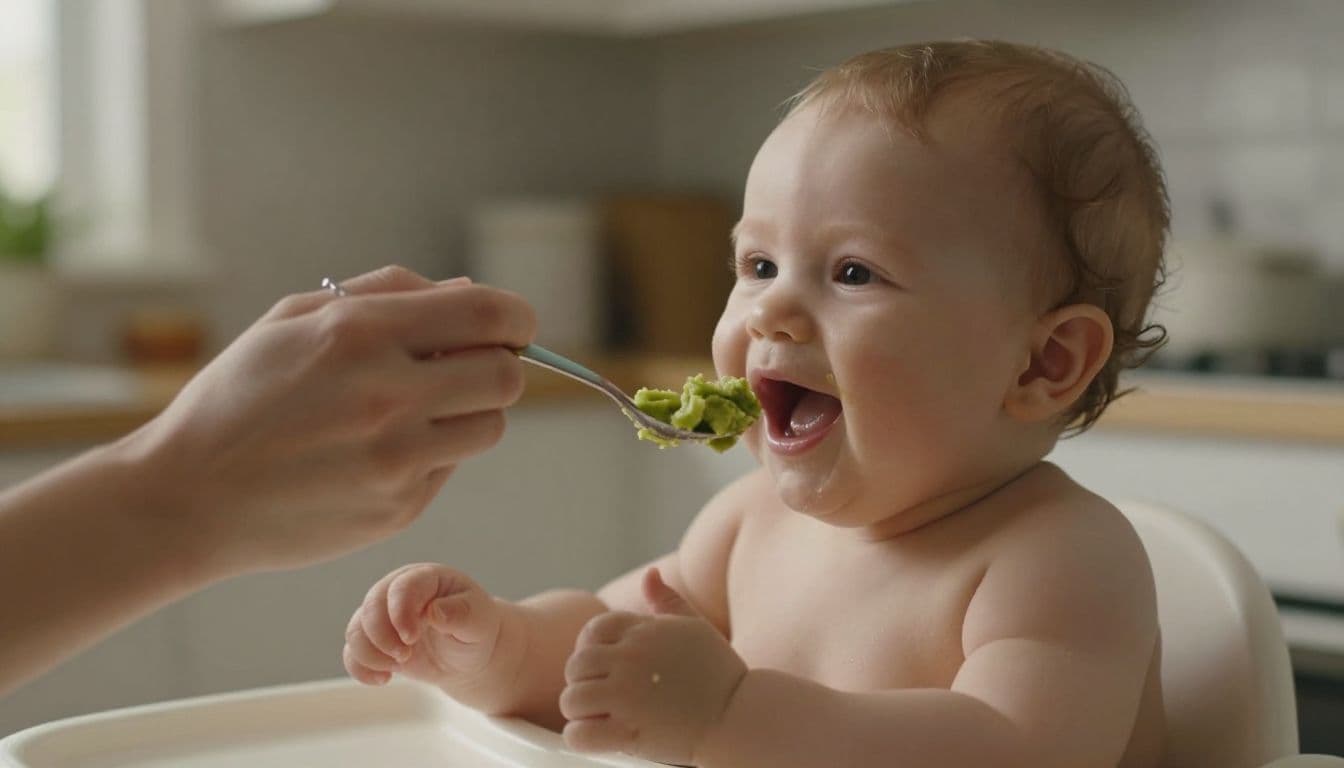
A few gentle tweaks can help. You do not need to overhaul every meal, and you do not need to pressure your baby to eat more than they want.
Use full-fat ingredients when your pediatrician says it is okay
Full-fat dairy can pack more energy into a small serving, which helps when your baby fills up fast. Plain full-fat yogurt, cheese, and other age-appropriate dairy options are often more satisfying than low-fat versions because they bring more fat to the table, and fat helps keep meals filling.
That matters when your baby only eats a few spoonfuls. A creamy yogurt or a small amount of cheese can add calories without requiring a bigger portion.
For younger babies, age matters. Follow your pediatrician’s advice on when and how to offer dairy, and keep textures soft and simple. The healthy fats for babies guide also gives a useful overview of fat-rich foods that fit into baby meals.
You can also add a little richness in everyday ways:
- stir full-fat yogurt into mashed fruit
- melt a small amount of cheese into scrambled eggs
- mix plain yogurt into oatmeal for a creamier texture
When dairy is used well, it feels like a small upgrade, not a big change.
Offer small meals and snacks more often
Babies often do better with frequent, smaller feedings than with large meals. Their appetite can rise and fall quickly, so a few calm chances to eat may work better than one big sitting.
Try spacing food through the day in a simple rhythm. For example, you might offer breakfast after the first morning milk feed, then a small snack mid-morning, lunch before the next nap, and another snack in the afternoon.
A soft pattern like this can look like:
- milk feed or breastfeed on waking
- small breakfast with oatmeal or yogurt
- a fruit or avocado snack later in the morning
- lunch with a calorie-rich puree
- a small afternoon snack
- dinner with a familiar food and a gentle booster
This keeps food available without crowding your baby. If your baby gets tired or fussy fast, shorter feedings may also help. For babies who resist meals, what to do when a baby refuses to feed can help you spot patterns without turning mealtime into a power struggle.
Small meals can be easier on little stomachs, and they often lead to better overall intake.
Mix in calorie-rich foods the baby already accepts
The easiest way to add calories is to start with a food your baby already likes. That keeps mealtime calm, because familiar tastes feel safe.
If your baby accepts oatmeal, stir in nut butter, yogurt, or mashed banana. If puree is already a win, blend in avocado or a little olive oil. If they love sweet potato, add a small spoon of full-fat yogurt or mashed egg yolk, if age-appropriate.
These tiny changes work better than pushing a brand-new dish. They keep the flavor familiar while quietly raising the energy in each bite.
A few easy pairings include:
- avocado mixed into fruit puree
- peanut butter thinned into oatmeal
- yogurt stirred into mashed banana
- olive oil added to soft vegetables
- cheese melted into scrambled eggs
For more age-specific feeding ideas, comfortable nursing holds for infants can also support babies who still rely on breast milk and need calmer feeds between solids. The smoother the routine feels, the easier it is to keep calories steady.
When you build meals this way, you help your baby eat more without asking for more food than they can handle.
Feeding mistakes that can slow weight gain
When you are trying to help a baby gain weight, tiny feeding habits can make a bigger difference than they seem. Some choices fill the tummy without adding much fuel, while others make eating harder than it should be.
The goal is not perfection. It is about giving your baby foods and textures that fit their stage, then stepping back and watching what actually helps them eat well.
Too much juice, water, or low-calorie filler foods
Drinks can take up space fast. If a baby drinks a lot of water or juice, there may be less room for milk or higher-calorie foods that do more for growth.
The same thing can happen with weak foods. Rice cereal mixed thin, watery soups, and plain fruit purees without added fat can look filling, but they do not always give enough energy. A baby’s stomach is small, so every spoon matters.
Instead, keep drinks simple and age-appropriate, and let food do the heavy lifting. Milk, breast milk, formula, and calorie-rich solids are usually more useful than extra sips of juice or water. If a baby is over one year old and drinking too much, that can still crowd out better nutrition.
For a closer look at causes behind poor intake, Boston Children’s Hospital’s guide to slow weight gain explains how feeding patterns can affect growth.
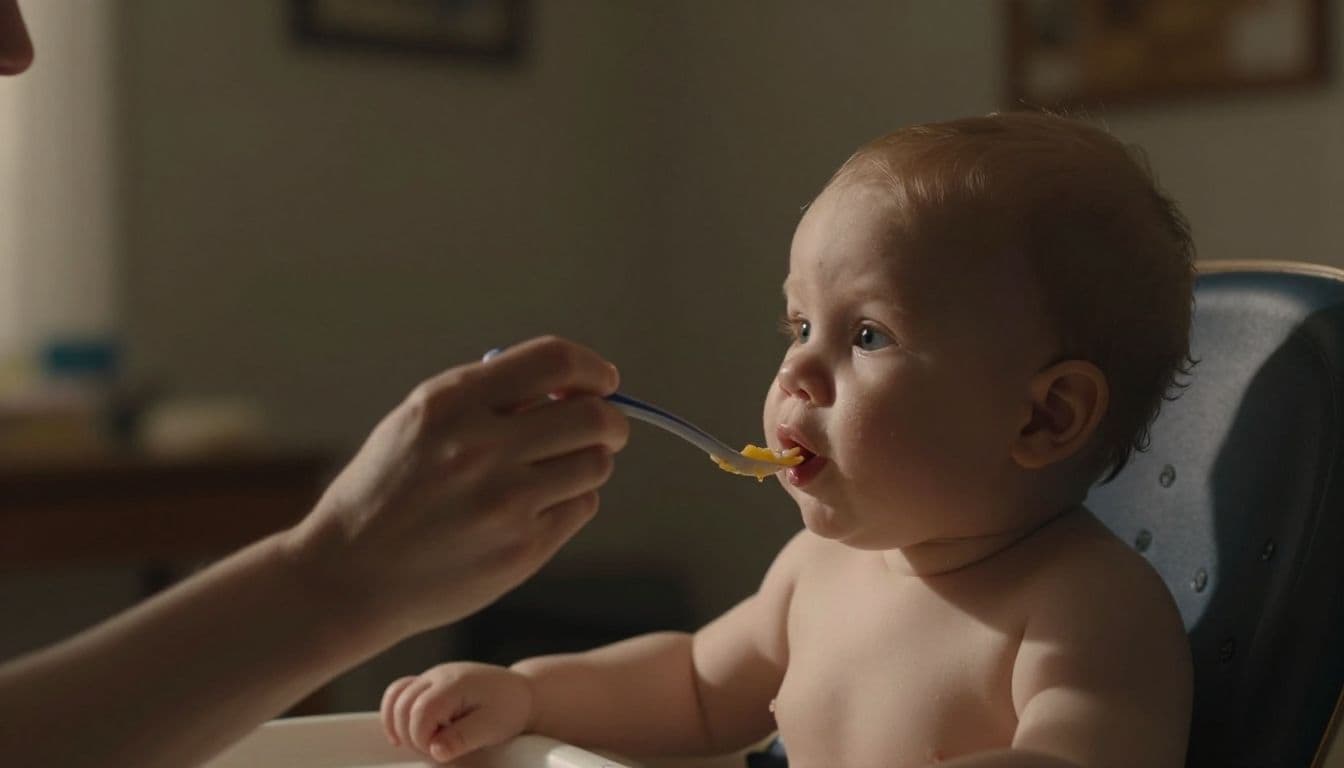
Serving textures that are too hard, too thick, or unsafe
Babies need food that matches where they are in development. If food is too hard, too sticky, or too bulky, it can turn mealtime into a struggle and raise choking risk.
Soft, mashable textures are usually the safest place to start. Think smooth avocado, mashed banana, well-cooked sweet potato, soft scrambled egg, or oatmeal with a little breast milk or formula. As babies get older, they can handle more texture, but the food still needs to break apart easily.
Choking awareness matters here. Hard chunks, whole grapes, thick globs of nut butter, and raw carrot pieces are poor choices for young babies. When in doubt, make the food softer and smaller, not bigger and denser. Babies eat better when the bite feels easy in the mouth.
Safe textures support weight gain because babies can eat more when chewing and swallowing feel manageable.
Pushing food when the real issue may be medical
Sometimes slow weight gain has nothing to do with the menu. Reflux can make feeding uncomfortable, a tongue tie can affect milk transfer, and food allergies can upset the gut enough to limit intake.
Absorption issues can also play a role. If the body is not using food well, adding more spoonfuls may not fix the problem. You may see vomiting, diarrhea, frequent spit-up, fussiness during feeds, or a baby who seems tired at the table.
That is why food changes should go hand in hand with medical care when needed. If your baby is still not gaining well after you improve textures, calories, and feeding routine, talk to your pediatrician. A baby who needs help with reflux, oral issues, or digestion needs more than a bigger snack.
Feeding can feel like a puzzle, but the clues are there. When you remove extra juice, keep textures safe, and ask for medical help when food alone is not enough, you give your baby a better shot at steady growth.
Simple feeding habits that help babies grow steadily
The best feeding habits are often the simplest ones. A baby does not need a perfect schedule or fancy meals to make steady progress, just calm, regular care and foods that fit their stage.
Small daily choices matter here. When you watch hunger cues, keep meals peaceful, and check growth with your pediatrician, feeding starts to feel less like guesswork and more like a steady rhythm.
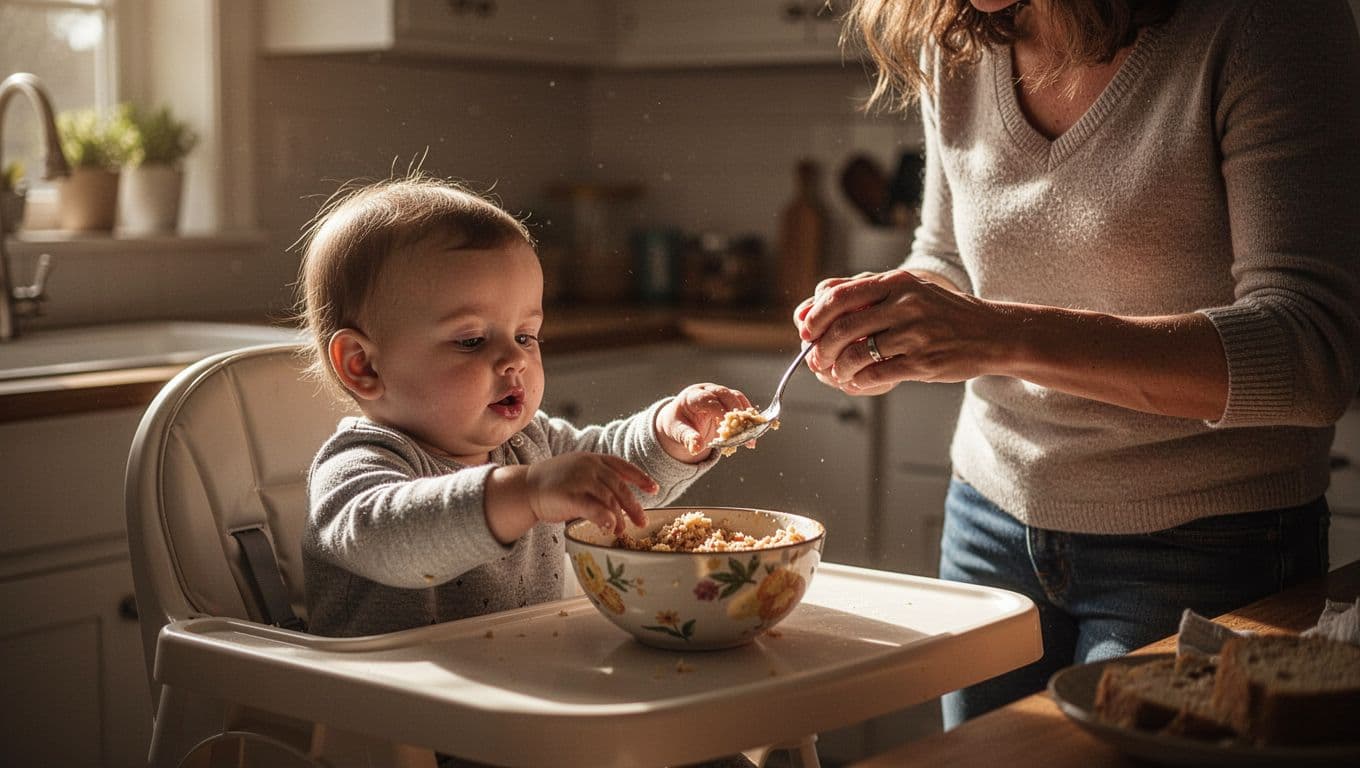
Watch hunger cues instead of forcing every spoonful
Babies often tell you when they are ready to eat. Opening the mouth, leaning toward the spoon, and reaching for food are all good signs that hunger is there.
Just as important, turning away, closing the mouth, or pushing food aside can mean they have had enough. When you notice those cues, stop and give your baby a break. That small pause can keep mealtime peaceful and help your baby stay more open to eating next time.
Feeding works better when it feels like a conversation, not a standoff. You offer, your baby responds, and the meal moves along at a natural pace. For more guidance on age-based feeding patterns, Texas Children’s baby weight gain guide gives a helpful look at early feeding frequency.
Keep mealtimes calm and repeat foods often
Many babies need to see a food several times before they accept it. A first refusal does not mean a food is bad or that your baby will never eat it.
Keep the mood soft and steady. Sit together, speak gently, and offer small portions without pressure. If your baby makes a face, that is fine. A quiet repeat exposure often works better than trying to win one meal.
A simple routine helps too. Babies often relax when mealtimes follow a familiar pattern, because the body learns what to expect. The NHS advice on helping a child gain weight also supports using extra calories in everyday meals, which can be useful once solids are part of the picture.
Track growth with your pediatrician, not guesswork
Babies grow in their own pattern, so comparison is rarely helpful. One baby may be long and lean, while another gains more slowly but still stays on track.
That is why growth charts and checkups matter. Your pediatrician can tell you whether your baby is following their curve, gaining well, or needs a closer look. If feeding changes are needed, medical advice should guide them.
Try to let the numbers, not worry, lead the way. When you pair good food choices with regular growth checks, you get a clearer picture of what your baby truly needs.
Conclusion
The seven foods, avocado, eggs, Greek yogurt, nut butter, sweet potatoes, oatmeal, and bananas, give you simple ways to add more nourishment without making meals feel heavy. When you pair them with age-appropriate textures and steady feedings, you help your baby get the calories they need in a gentle, manageable way.
Healthy weight gain is built on steady nourishment, not quick fixes. If growth still feels off, keep the conversation open with your pediatrician, because medical support matters when feeding changes are not enough.
Small daily choices add up. A soft spoonful here, a calmer meal there, and a little more patience over time can make a real difference.
Save pin for later


- Asperger’s Syndrome in Babies: Early Signs and Next Steps - October 7, 2026
- 12 Beautiful Baby Names That Mean Forest, Plus Woodland Picks - September 27, 2026
- 15 Fantastic Baby Nicknames for Boys, From Sweet to Playful - September 27, 2026