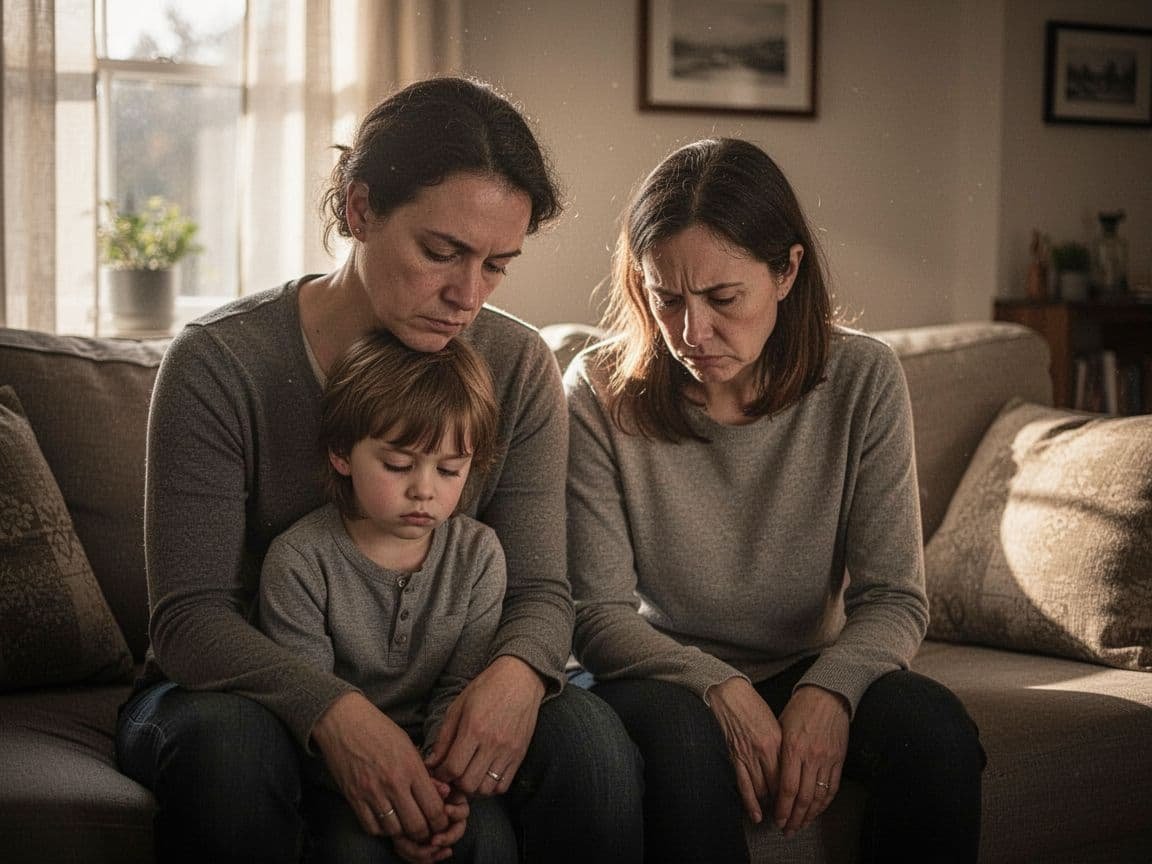
Some children stop being hurt by one bad day, and start carrying the weight of a pattern. A sharp word, a broken promise, or a missed birthday can fade, but repeated pain teaches a child that love feels shaky, safety is never certain, and trust can crack without warning.
That is why 15 things children never forgive parents for often have less to do with one mistake and more to do with the same wound opening again and again. A parent can miss the mark and still repair it, but when criticism, control, shame, or cold silence become normal, the damage sinks in. For many people, that pain looks a lot like the patterns described in signs of bad parenting, because children remember how a home felt long after they leave it.
What children carry isn’t always the event itself, but the message it sent about their worth.
Some hurts can be healed with honesty, change, and real accountability. Others linger because they shaped the way a child learned to see love, and that is where this list begins.
When love feels shaky, children remember it for years
Children do not need perfect parents. They need steady love, a sense of safety, and a home where feelings are not treated like a burden. When love feels unstable, a child starts scanning for danger instead of resting in trust.
That kind of hurt does not vanish when the house gets quiet. It stays in the body, the memory, and the way a child later expects people to treat them. Sometimes it shows up as fear. Sometimes it looks like silence. Sometimes it becomes the habit of bracing for disappointment before anything bad even happens.
Constant criticism slowly teaches a child they are not enough
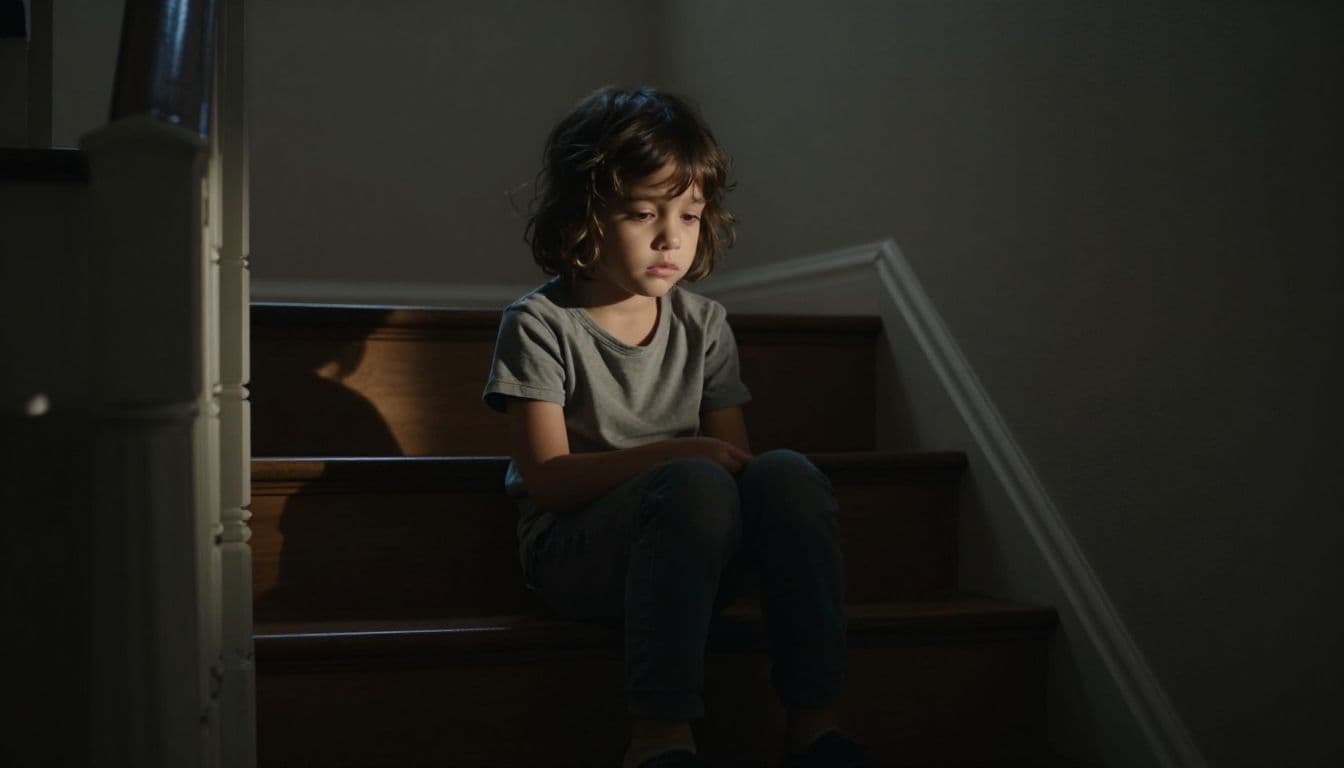
Harsh words cut faster when they come often. A child who hears sarcasm, mockery, or nonstop correction begins to treat those voices like facts. If praise is rare and mistakes are always spotlighted, self-worth starts to shrink.
The damage gets worse when criticism feels unfair. A child can handle guidance, but constant attack feels like a verdict. Over time, they may stop trying, not because they are lazy, but because they have learned that nothing they do will ever be good enough.
Those voices often stay long after childhood ends. An adult may hear a parent’s old tone in their own head, especially during failure or stress. That is why harsh parenting can echo for years, even when the parent is no longer in the room. For more on how connection changes a child’s response to stress, see building strong parent-child bonds.
Conditional love makes children feel like they must earn affection
When affection depends on grades, behavior, success, or perfect obedience, love starts to feel cold. A child may notice that warmth arrives after achievement, then disappears after a mistake. That pattern teaches them that love can be taken away.
This creates a constant sense of risk. The child may become anxious, people-pleasing, or painfully careful, always trying to stay one step ahead of rejection. Instead of feeling secure, they feel replaceable.
Children remember the small moments, too. The sigh after a bad report card. The silent treatment after a mistake. The sudden shift in mood when they fall short. When love feels like a reward, children grow up afraid of losing approval, even in healthy relationships.
Emotional neglect leaves quiet wounds that are hard to name
Neglect is not only about missed meals or poor supervision. It also happens when a parent is emotionally absent, distracted, or unavailable when a child needs comfort. A child may not have the words for that pain, but they feel the emptiness.
That emptiness can shape the rest of their life. Research on childhood emotional neglect and adult relationships links it to trouble with trust, closeness, and self-worth. Some adults pull away when others get too near. Others stay silent, because they learned early that their feelings were ignored.
A child does not only remember what was said. They remember who was absent when they needed care.
Emotional neglect can leave a person lonely in a room full of people. It can make opening up feel unsafe, and asking for help feel unnatural. Years later, the wound may still show up in friendships, love, and the hard question underneath it all: “Did I matter?”
Children never forget when their feelings are brushed aside
A child may forget the exact day, but not the feeling that followed. When a parent brushes off tears, fear, or disappointment, the child learns that their inner life is a problem to be managed, not a truth to be heard.
That lesson cuts as hard as punishment. It tells a child, “What hurts you does not matter here.” Over time, repeated dismissal can make them hide their feelings, second-guess themselves, and stay quiet when they need comfort most.
Being told to stop crying can make a child feel invisible
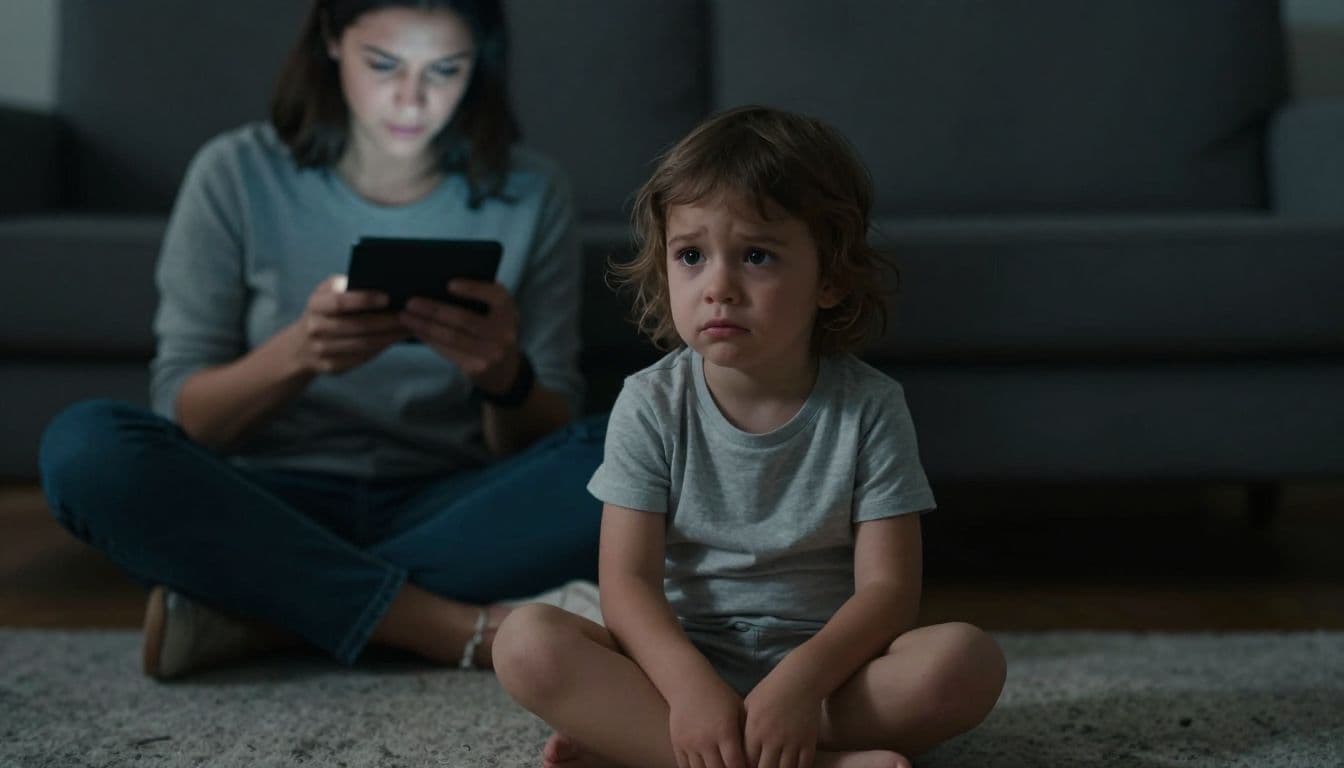
Words like “you are too sensitive” or “there is nothing to cry about” can shut a child down fast. The message lands hard: their pain is too much, their tears are inconvenient, and their feelings should be swallowed whole.
Children often remember more than the sentence itself. They remember the helplessness that came with it, the tight chest, the urge to speak, and the sudden decision to stay silent instead. That kind of moment can teach them to hide distress before anyone can dismiss it again.
Later in life, that habit can follow them into friendships, dating, and marriage. A grown child may struggle to say, “That hurt me,” because they learned early that honesty about feelings gets brushed away. For more on how this shapes long-term well-being, see how childhood invalidation affects adult well-being.
Shame and ridicule stay longer than the moment of anger
Laughing at a child’s fears, body, mistakes, or dreams does more than sting. It turns a private worry into public shame, and that kind of hurt sinks in fast.
A child who is mocked for being afraid of the dark, tripping in front of others, or speaking about a dream learns to protect themselves by shrinking. Shame attacks identity, not just behavior, so the memory can stay sharp long after the moment passes. The child does not just hear, “You made a mistake.” They hear, “Something is wrong with you.”
That is why humiliation from a parent can feel unforgettable. The person meant to offer safety becomes the source of embarrassment, and trust cracks in a place that should have felt solid. Children rarely forget the look on a parent’s face when laughter replaced care.
Humiliation teaches a child to brace for pain before they even speak.
Never being listened to teaches children to silence themselves
When parents talk over children, dismiss their opinions, or never make room for their voice, the child learns to shrink. After enough of that, speaking up feels useless, so silence becomes a habit.
That habit can follow them into adulthood. They may hesitate to trust their own judgment, apologize for basic needs, or stay quiet in relationships even when something feels wrong. Repeated invalidation makes self-trust fragile, because the child keeps hearing that their thoughts are too small to matter.
Feeling heard is a basic emotional need, not a bonus. Children grow stronger when someone listens with attention and takes their words seriously, even when the answer is no. Without that, they often become adults who doubt themselves before anyone else gets the chance.
Broken trust is one of the hardest things for children to forgive
Trust is the glue in the parent-child bond. When it holds, a child feels safe enough to speak, ask, and believe. When it cracks, even small moments can start to feel shaky.
Children may forgive a bad day, but repeated dishonesty changes the whole shape of the relationship. A lie about money, a hidden decision, or a false promise about a visit can teach a child that words are not solid. Once that happens, every new promise can feel like a test.
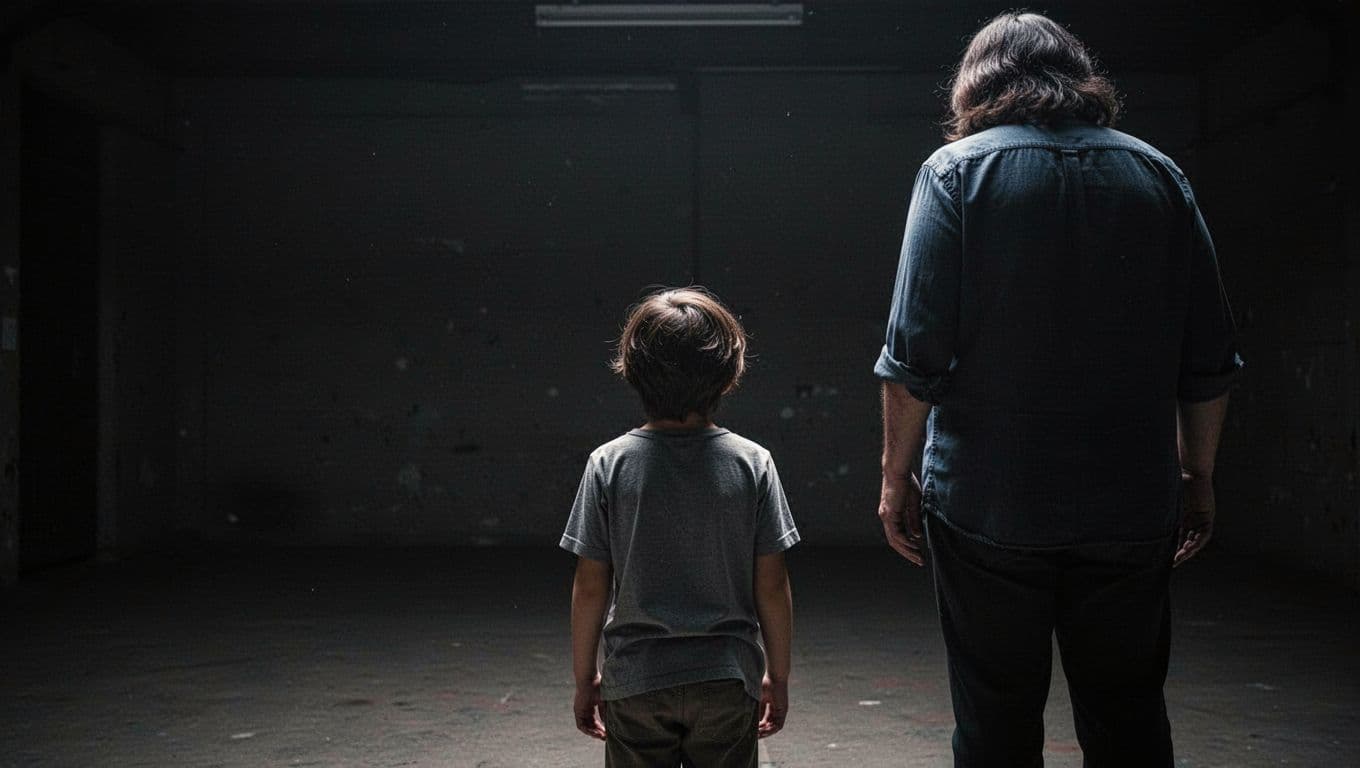
Lying to children makes them question everything else
Children remember lies about both big and small things. A parent might lie to avoid trouble, save face, or end an argument, but the child often hears something else: “You can’t rely on me.”
That shift is painful because it changes how safe home feels. A child who has been lied to may stop trusting promises, explanations, and even apologies later on. The next time a parent says, “I will be there,” the child may wait with one foot already pulled back.
Small lies can do real damage too. If a parent says, “We are going to the park later,” then never follows through, the child still feels the letdown. Over time, trust becomes fragile, like thin ice that has already started to crack.
Once trust breaks, children often listen for proof, not comfort.
This is why honesty matters even when the truth is awkward. A simple, clear answer builds more safety than a polished lie ever will. For parents who want to rebuild honesty at home, earning parental trust through consistency shows how steady actions matter more than big speeches.
Broken promises can feel like being let down again and again
A child does not only remember what was promised. They remember the hope that came before the disappointment. That hope can be bright, and the fall can hurt twice as much because of it.
Missed birthdays, forgotten pickups, and empty reassurances leave a mark. When those moments repeat, children stop getting excited. They begin to expect the letdown before the event even arrives.
That pattern can follow them into adulthood. A grown child may stay guarded, avoid depending on people, or keep their own hopes low to avoid pain. Trust once cracked can make a person treat every promise like it has an expiration date.
Repeated broken promises also teach children to stop asking. They may decide that disappointment is easier to manage than waiting, so they expect less and protect themselves more. That kind of self-protection can look calm on the outside, but inside it often feels lonely.
For a fuller look at how trust can be repaired after a rupture, rebuilding trust with a child after crisis shows why consistency matters more than grand gestures.
Favoritism and unfair treatment can damage sibling bonds too
Children notice when one child gets more freedom, more patience, or more warmth. They may not always say it out loud, but they feel the difference. Love can start to look like something scarce, something to compete for.
That kind of unfairness can stir up resentment fast. The favored child may carry guilt or pressure, while the overlooked child may carry hurt and anger. Both children lose something important, because the home no longer feels equally safe for everyone.
Favoritism also strains sibling bonds. Instead of feeling like teammates, brothers and sisters may start watching each other for unfair advantages. The house becomes a place where children compare, measure, and protect themselves.
A few patterns often create the most damage:
- One child gets lenience while another gets strict rules.
- One child receives more attention after success, while another is ignored.
- One child is forgiven quickly, while another is held to every mistake.
Children do not need identical treatment in every moment. They do need fairness, steadiness, and the sense that love is not a prize handed out to the best performer. When that balance is missing, the bond between parent and child, and often between siblings, can take years to heal.
Some wounds grow deeper when parents refuse to own them
A child can survive pain better than denial. What makes the hurt stay raw is often the parent who refuses to face it, brushes it off, or turns it back on the child. When the truth never gets named, the wound does not close. It keeps reopening every time the story gets rewritten.
That is why accountability matters so much. Many children do not only want an apology, they want the truth spoken out loud. They want the parent to say, “I did that. It hurt you. It was wrong.”

Blaming children for adult problems makes them carry what was never theirs
When a parent blames a child for stress, marriage problems, anger, or missed goals, the child starts carrying a burden that was never meant for them. A home can begin to feel like a courtroom, where the child is always on trial for the adults’ pain. That kind of blame can make a child feel guilty for simply existing.
The damage runs wide. Children may grow up believing they caused fights, broke the peace, or made life harder just by being there. Later, they can struggle to enjoy attention or ask for needs, because they learned that having needs brings trouble.
Some parents hand children emotional weight they cannot lift. Others speak as if the child ruined everything. Either way, the message is the same, “Your presence is the problem.” That message can stay for years, and many adults never forget the shame of being treated like the source of adult failure.
Refusing to apologize keeps the wound open
A real apology does more than smooth over a bad moment. It names the harm, accepts responsibility, and makes room for repair. “Sorry you feel that way” does none of that. It protects pride, but it leaves the child alone with the pain.
Children remember when a parent would rather win an argument than mend the bond. They remember the cold face, the hard silence, and the way accountability never came. Without that truth, the hurt does not soften. It hardens into distance.
An apology matters because it tells the child their pain was real.
When parents refuse to say what happened, children often stop hoping for repair. They may keep the relationship on the surface, but trust thins out underneath. Over time, the child learns that honesty is safer than closeness, and distance feels easier than waiting for change.
For parents who want to understand how ownership shapes family trust, modeling accountability for your children shows why responsibility is part of healthy parenting.
Taking credit for success but denying the damage creates lasting resentment
Few things cut harder than a parent praising themselves for a child’s success while denying the pain behind it. A child gets the diploma, the promotion, or the good reputation, and the parent acts proud. Yet the same parent refuses to name the fear, pressure, or harm that shaped that success.
That feels like rewritten history. It tells the child that only the polished ending matters, while the bruises along the way can be ignored. Many children feel furious when the parent wants credit for the outcome but none of the blame for the cost.
This kind of denial can make success taste bitter. A child may hear, “Look how well you turned out because of me,” even when they survived much more than help. The resentment grows because the child knows what really happened, and being asked to applaud the lie only makes the wound sharper.
Children want more than praise after the fact. They want the truth. They want the parent to admit, “You succeeded despite the pain, not because I caused none.” That honesty can be hard, but without it, the child is left carrying the full memory while the parent keeps the clean version.
The deepest memories often come from repeated harm, not one bad day
A single bad moment can sting, but repeated harm sinks in like rain through a cracked roof. Children rarely keep one mistake in full focus. They remember the pattern, the mood in the house, and the long stretch of feeling unsafe.
That is why some childhood pain stays vivid for years. A child can survive a hard day with comfort and repair, but repeated criticism, neglect, or fear teaches the body to stay alert. Over time, the home itself can feel like a place where love comes with a price.

Patterns shape memory more than isolated mistakes
Children live in routines. They notice tone, timing, and repetition long before they can explain them. A parent who lashes out once may be forgiven, but a parent who lashes out often creates a memory that sticks.
That memory becomes emotional muscle. The child starts bracing for the next blow, reading every face, and waiting for the next shift in mood. Over time, repeated harm teaches them that danger can arrive at any moment, even in a familiar room.
This is why childhood trauma often feels heavier than a single event. Repeated stress can affect how adults trust, love, and react under pressure, as childhood trauma and adult relationships shows in daily life. The wound is not only what happened, but how often it happened.
Repetition turns pain into belief
When the same hurt keeps returning, children begin to believe it says something true about them. If they are blamed, ignored, or shamed again and again, they may decide they are the problem. That belief can follow them for years.
Repeated harm also makes forgiveness harder. A child may want peace, but they still remember the cycle. They remember the apology that never changed anything, the promise that faded, and the silence that came after the shouting stopped.
What wounds the most is often the pattern, because the pattern teaches the child what to expect.
That is why repair has to be steady. One apology does not erase months or years of hurt. Children watch actions more than words, and they need consistency before trust can start to grow again.
Healing begins with truth, steadiness, and time
Children rarely hold onto one imperfect moment. What stays is the atmosphere, the repeated tone, and the season of hurt that shaped them. That kind of pain does not disappear because time passed.
Healing starts when the truth is named and the pattern ends. It grows when parents choose steady care, honest accountability, and calm follow-through. Small changes matter, but they have to last.
For children who grew up in repeated harm, recognizing emotional abuse patterns can help make sense of what felt impossible to name. And for adults looking back, the first step is often simple: stop calling a long injury “just one bad phase” when it was much more than that.
Conclusion
The hard truth in this topic is simple, children remember the pattern. Repeated criticism, emotional neglect, broken trust, blame, and constant dismissal teach them that love is uncertain and their feelings do not count.
That is why so many children never forgive the parents who refused to face what they did. A child can survive one painful moment, but a long trail of hurt changes how they see themselves, and how they learn to trust others later. The damage may leave scars that do not vanish, even with time.
Still, awareness matters. Accountability matters more. When parents stop denying the harm and choose steadier, kinder behavior, they give repair a real chance, even if the past cannot be erased. For families trying to move toward honesty, rebuilding trust after conflict with parents begins with truth, not excuses.
Some wounds may never fully disappear, but better choices can still change what comes next.
Save pin for later


- Asperger’s Syndrome in Babies: Early Signs and Next Steps - October 7, 2026
- 12 Beautiful Baby Names That Mean Forest, Plus Woodland Picks - September 27, 2026
- 15 Fantastic Baby Nicknames for Boys, From Sweet to Playful - September 27, 2026