A child’s room can look calm at a glance, while one small mistake still puts sleep safety at risk. Pediatricians watch for choking hazards, strangulation risks, poisoning risks, and falls, because those are the dangers that hide in plain sight.
That means the soft blanket on the bed, the loose cord by the window, or the tiny object on the floor can matter more than the cute decor. If you want a safer space tonight, start with the 10 common items and setup mistakes that need to go, then swap them for simpler choices that protect your child without making the room feel cold or bare. The Exam Room: Child Safety & the Household Hazards
Why pediatricians pay close attention to a child’s room
A child’s bedroom can look peaceful and still hide real danger. It’s where kids sleep, play, climb, stash tiny treasures, and spend long quiet hours without much adult oversight. That mix makes small hazards feel bigger fast, so pediatricians look at the room with a safety-first eye.
The goal is not a perfect room. It’s a safer one. A few smart changes can lower the risk of injury without stripping away comfort or personality. Age matters too, because a baby, a toddler, and a school-age child face different risks in the same space.
What makes a room unsafe for kids
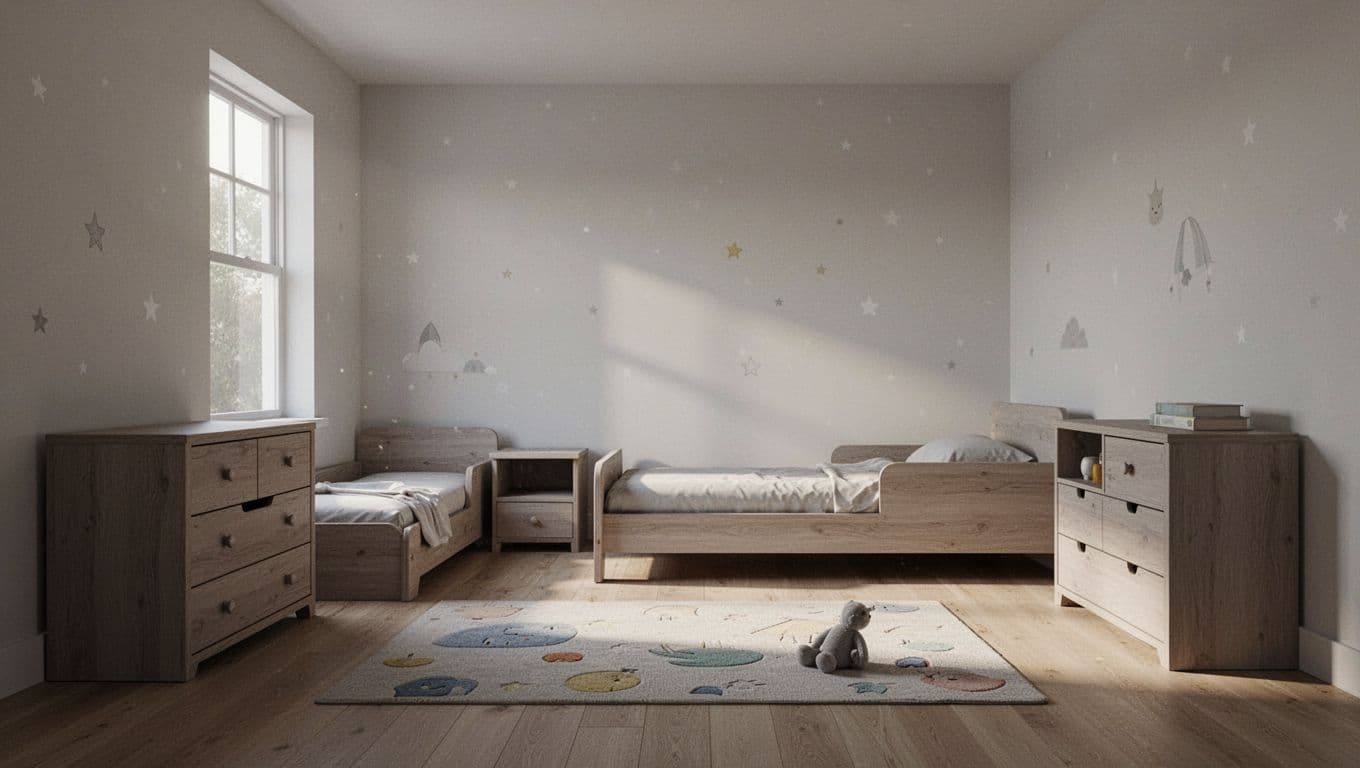
Pediatricians watch for hazards that can turn a normal room into a risky one in seconds. Suffocation is one of the biggest concerns in infant spaces, especially when soft pillows, loose blankets, or stuffed toys crowd the sleep area. For crib safety, the American Academy of Pediatrics gives clear sleep guidance that keeps the crib simple.
Other risks hide in plain sight. Strangulation can come from blind cords or curtain ties, choking can come from coins, beads, and tiny toy parts, and poisoning can happen when medicine or batteries sit within reach. Falls and tip-over injuries are just as serious, especially when a child climbs on a dresser, leans on a shelf, or reaches for a window.
A room can also become unsafe when cords, lamps, heaters, or heavy furniture sit too close to a bed. These are the kinds of details pediatricians spot right away, because they know a bedroom should help a child rest, not expose them to hidden risks. For a broader home check, these child safety guidelines for parents can help you think through everyday hazards beyond the bedroom.
How the advice changes by age
Babies need the strictest sleep setup. Their room should stay simple, with a firm mattress, fitted sheet, and nothing extra in the crib. In that stage, safety means keeping soft bedding, cords, and loose items far away.
Toddlers bring a different set of risks because they climb, reach, and explore with no warning. At that point, making a bedroom safe for toddlers means anchoring furniture, storing small items out of sight, and placing beds away from windows or anything that can tip.
Older children need less crib-style protection, but they still need smart setup. Heavy furniture should stay secure, storage should keep clutter off the floor, and cords should stay tucked away. A room that fits a five-year-old may not fit a ten-year-old’s habits, so the safety check should grow with the child.
The soft items pediatricians say should stay out of the sleep area
When a baby sleeps, the crib should feel plain on purpose. Soft items may look cozy, but they can turn a safe sleep space into a breathing hazard fast. Pediatricians keep the rule simple, a firm mattress, a fitted sheet, and nothing else in the crib or bassinet.
That empty setup may look bare to adults, yet it gives babies the best chance to breathe freely and stay clear of loose fabric. For the clearest guidance, the AAP safe sleep recommendations say to keep soft objects and loose bedding out of the sleep area.
Pillows, blankets, quilts, and bumpers
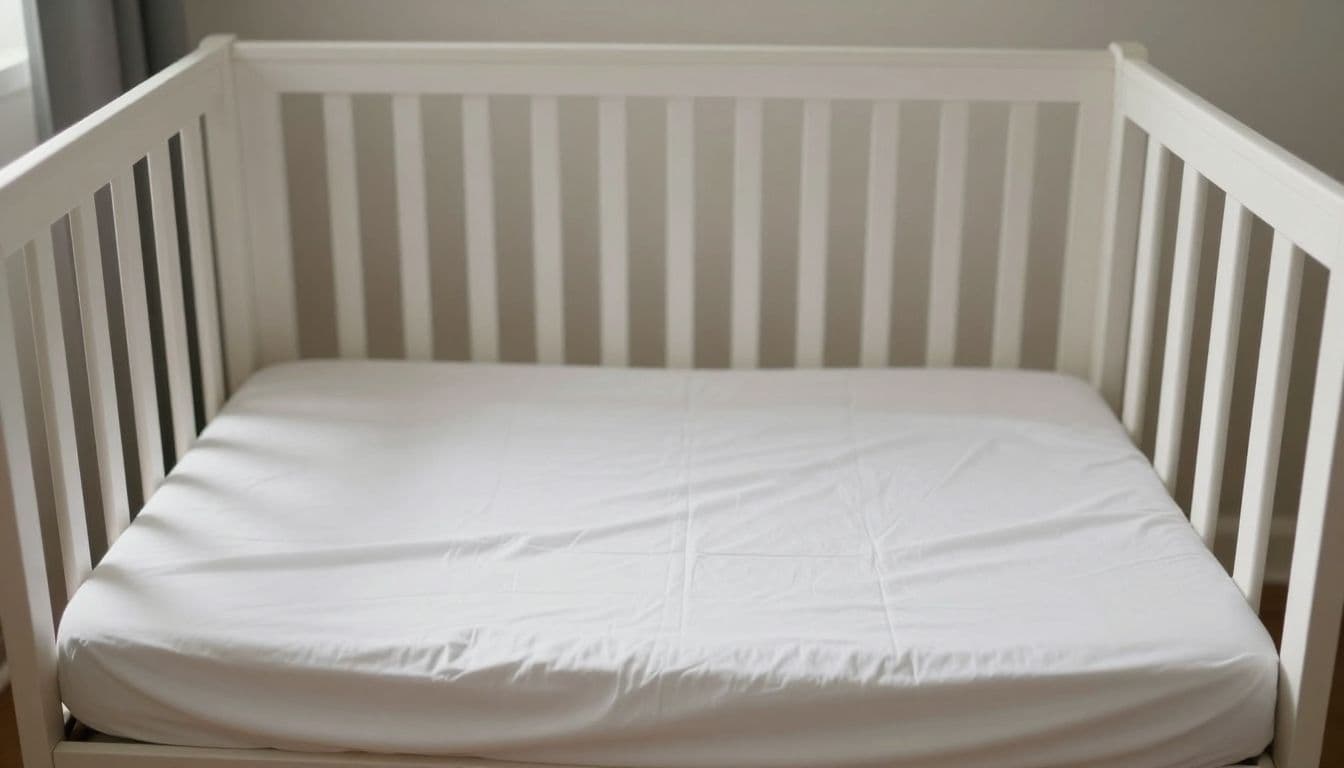
Pillows, blankets, quilts, and crib bumpers all belong outside the crib, not inside it. For an infant, even a soft blanket can shift over the nose and mouth. A pillow or quilt can also let a baby sink into fabric that blocks breathing.
Crib bumpers are a concern for the same reason. They can press against a baby’s face, trap the body near the mattress, or create an entrapment risk. The AAP policy explained by HealthyChildren.org makes the same point clearly, keep soft bedding out of the sleep space.
A safer crib looks plain, and that is the point. Use a firm, flat mattress with a fitted sheet only. If you want the room to feel warm, add softness elsewhere, like a rug, a chair blanket, or wall decor, but keep the sleep surface itself clear.
Stuffed animals and extra sleep toys
Cute plush toys can become sleep hazards once a baby rolls, squirms, or shifts in the night. A stuffed animal may seem harmless at bedtime, but in a crib it can cover the face, add clutter near the airway, or make it easier for a baby to get wedged in a tight spot.
For babies and small toddlers, the safest sleep space stays bare. That means no extra toys, no decorative animals, and no pile of bedtime companions beside the child. Older children may keep a favorite plush toy in bed, but infant sleep areas should stay simple and open.
A good rule is easy to remember, if it is soft enough to cuddle, it should stay out of the crib. Save comfort items for awake time, stroller rides, or play, where you can watch how they’re used.
Loose sheets, sleep positioners, and padded inserts
Anything that changes the shape of the sleep space can cause trouble. Loose sheets can bunch up near a baby’s face, sleep positioners can shift the body into an unsafe spot, and padded inserts can make the crib feel softer than it should.
That matters because babies need a flat surface, not a padded nest. Products that claim to keep a baby in one position or add cushioning can create more risk than comfort. If a baby can sink, slide, or get pinned by fabric, the setup is too soft.
Keep it practical. Check the bassinet or crib for anything that lifts the baby, props the body, or adds bulk around the mattress. If you want a simple test, ask whether the item changes the sleep space at all. If it does, it does not belong there.
Hidden cords, strings, and wires that can turn dangerous fast
The smallest lines in a room can cause the biggest trouble. A cord that looks harmless during the day can become a loop, a pull point, or a tangle by bedtime, especially in a room full of curious hands. That is why pediatricians pay close attention to anything that hangs, stretches, or trails near a bed, crib, or window.
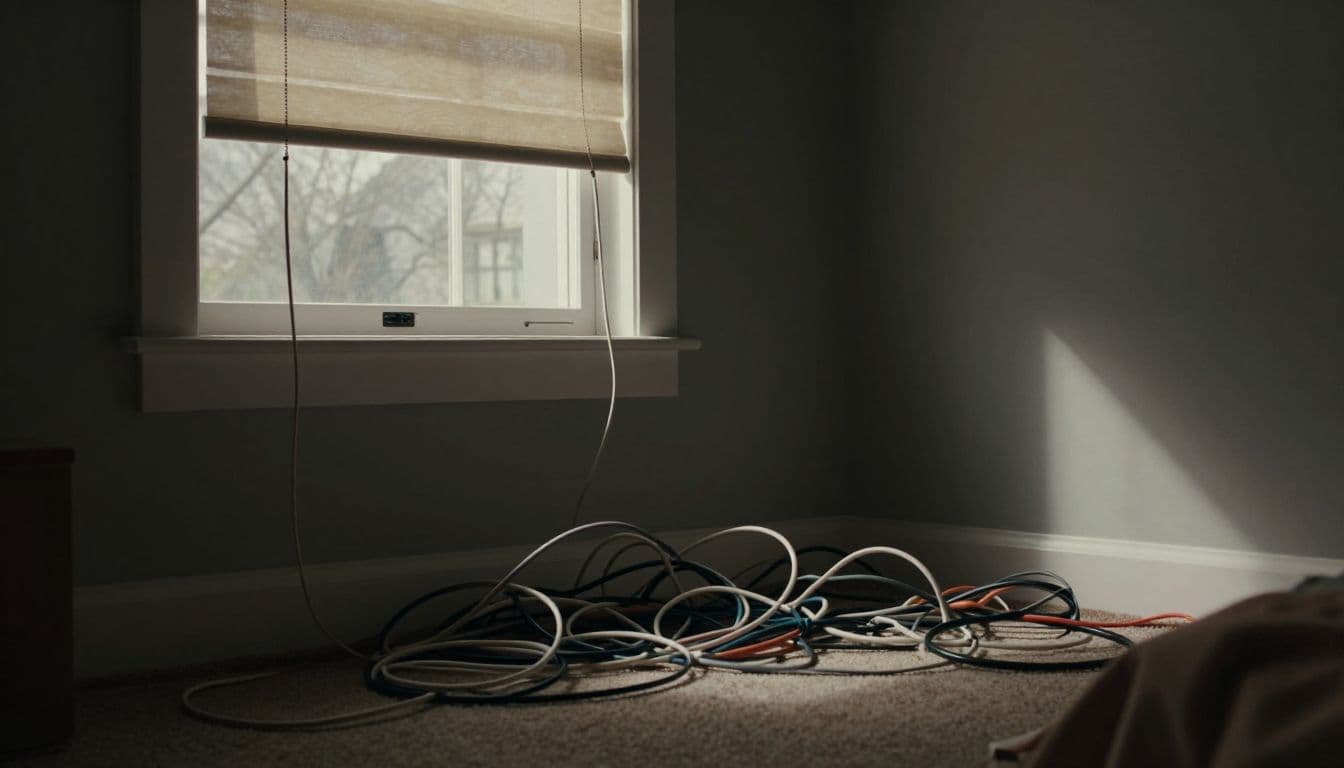
The risk is not always obvious. A child can get caught in a loop, pull a lamp down, or chew on a live cord before anyone notices. The safest move is simple: remove cords when you can, secure them when you can’t, and keep sleep areas clear of anything that dangles.
Window blind cords and curtain strings
Window blind cords are one of the biggest bedroom hazards for children because they hang at the perfect height for little hands. A child can wrap one around the neck in seconds, and curtain strings can do the same if they loop loosely near a crib or bed. The danger rises when furniture sits close to a window, because a child can climb up and reach what looked out of range.
Cordless window coverings are the safest choice. Cordless roller shades, cordless cellular shades, shutters, or motorized shades remove the exposed loop completely, which is why they are the better long-term fix. The CPSC recommends cordless window coverings for homes with young children, and that advice is hard to ignore.
If replacement isn’t possible right away, use secure cord shorteners or cleats to keep cords tight and high. That is only a backup, though. It should never be the main safety plan.
Charging cords, lamp cords, and device cables
Phone chargers, lamp cords, baby monitor cables, and tablet cords are easy to overlook because they feel part of normal room clutter. However, they can still tangle around a neck, get pulled from a nightstand, or drag a lamp onto the floor. A child who chews on a frayed cord also faces a burn or shock risk.
Keep electronics out of reach when possible, especially near the crib, bed, or play corner. Unplug what you don’t need overnight, and inspect cords often for cracks, exposed wire, or loose plugs. If a cord looks worn, replace it instead of taping it up and hoping for the best.
A few simple habits help:
- Keep chargers off the floor.
- Route cords behind furniture.
- Use shorter cords where possible.
- Move lamps away from the edge of tables.
Ties, drawstrings, and decorative strings
Small loops can be just as risky as full-length cords. Hoodie strings, curtain ties, wall hangings, and decorative nursery strings can catch on clothing, fingers, or a child’s neck. Even a pretty string garland can become a snag point if it hangs within reach.
Rooms often fill with soft decor that looks innocent. A fabric tie on a curtain, a pull string on a shade, or a decorative tassel on a shelf can all create the same problem if a child grabs, climbs, or leans back. That is why it helps to strip the room down to safe basics and keep anything looped or knotted out of reach.
When in doubt, remove it. If you want the room to keep its style, choose wall art, framed prints, or other decor that does not dangle. The cleaner the room looks, the fewer surprise hazards are left for small hands to find.
Small objects and chemicals that should never be easy to reach
Small items can look harmless on a shelf, but to a child they are pocket-sized trouble. A coin, a bead, a battery, or a bottle of cleaner can turn into a choking, poisoning, or injury risk in seconds.
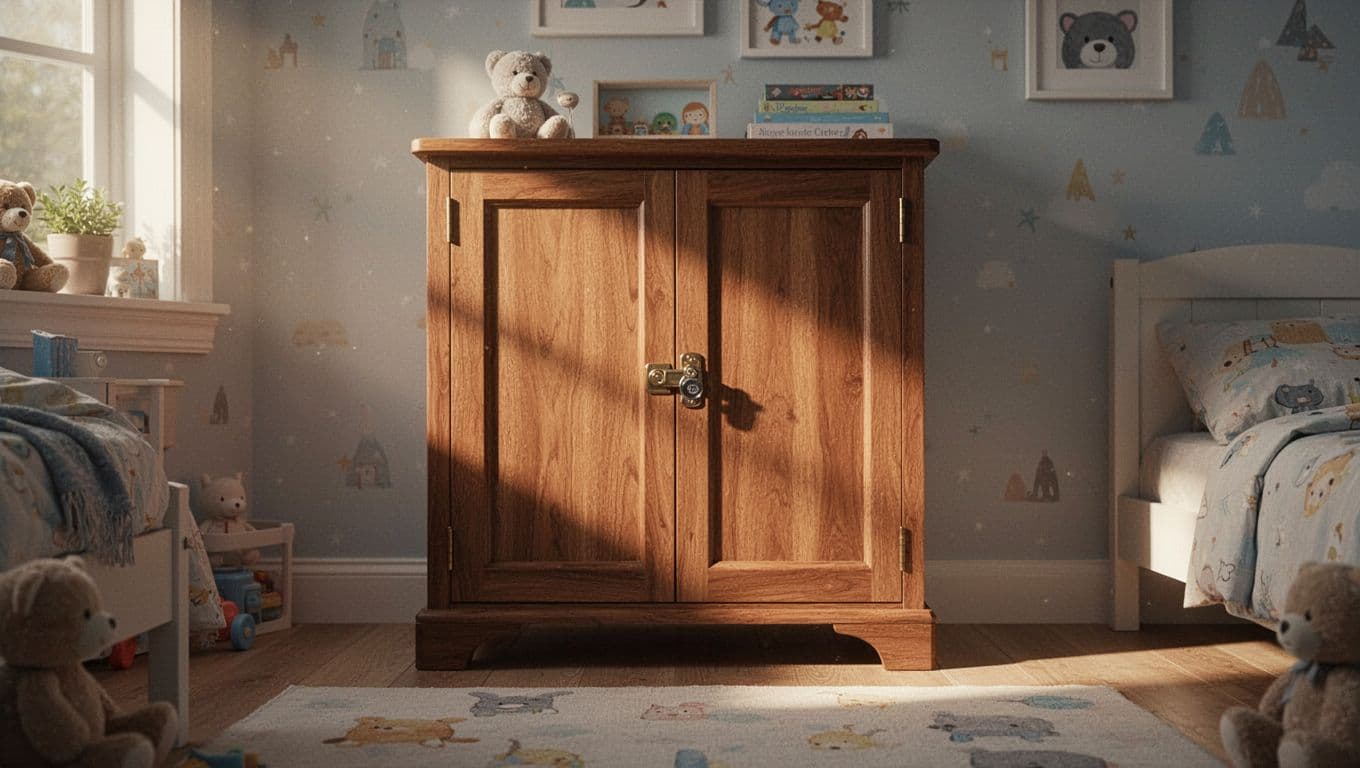
That is why pediatricians want these things out of reach, and ideally locked up. A bedroom should not be a storage spot for anything small enough to swallow or strong enough to burn, sting, or poison. Keep your child safe from household cleaners and chemicals is a good reminder of how fast these common items can become dangerous.
Coins, batteries, beads, and tiny toy parts
Coins, beads, small toy pieces, and loose craft items fit easily into a child’s mouth. That makes them a choking risk, and it also means they can be swallowed before anyone notices. A toddler can move from play to danger in a blink.
Button batteries are especially dangerous. If swallowed, they can cause severe internal burns very quickly, which is why they belong in locked storage, not a drawer, bedside table, or toy bin. Even a dead battery can still hurt a child, so treat every one as a serious hazard.
Keep a close eye on everyday objects too:
- loose change in bowls or purses
- broken toy pieces
- beads from bracelets or art kits
- magnets and tiny game parts
- batteries from remotes, watches, or small devices
If an item can vanish into a child’s fist, it can probably fit into a mouth as well. That is the line to use at home.
Medicine, vitamins, cleaners, and hand sanitizer
Many families keep medicine in bedrooms, vitamins in bedside drawers, or hand sanitizer in diaper bags. That setup is easy, but it is not safe for curious hands. Even a small amount can be dangerous, especially with pain medicine, sleep medicine, cleaners, or alcohol-based sanitizer.
Store these items out of reach and, when possible, in a locked cabinet. Do the same for products that look harmless, like gummy vitamins or colorful cough syrups, because children often mistake them for candy. If you keep supplies in a bedroom for convenience, move them after each use instead of leaving them on a nightstand or dresser. The HealthyChildren guide to battery safety also highlights how quickly hidden hazards can become emergencies.
A simple rule helps here: if you would not hand it to a child, it should not sit within reach. That means:
- no medicine in bedside drawers
- no cleaners under an unlocked sink
- no sanitizer in a purse on the floor
- no vitamins on a nightstand
If a child can reach it during a sleepy moment, it is too close.
Plastic bags and dry-cleaning bags
Plastic bags can trap air away from a child’s nose and mouth. That is why they are a suffocation risk, and the danger can happen fast and silently.
Keep shopping bags, product packaging, and dry-cleaning plastic out of the room as soon as they come in. Tear them up or throw them away right away, and never leave a loose bag on the bed, floor, or chair. A child does not need much time or much space for a bag to become a problem.
The safest habit is simple. Unpack it, remove it, and toss it. The room should stay clear of thin plastic, because once a child grabs it, the risk can rise in a heartbeat.
Furniture and room setup mistakes pediatricians want parents to avoid
A room can look neat and still be unsafe. The problem is often the layout, not the mess. If furniture can tip, invite climbing, or block a safe path, a child can get hurt in a room that seems perfectly put together.
Pediatricians look at bedrooms with a simple rule in mind, stability matters. Heavy pieces should stay secure, climbing should feel less tempting, and walkways should stay open enough for small feet and sleepy nights.
Unsecured dressers, bookshelves, and changing tables
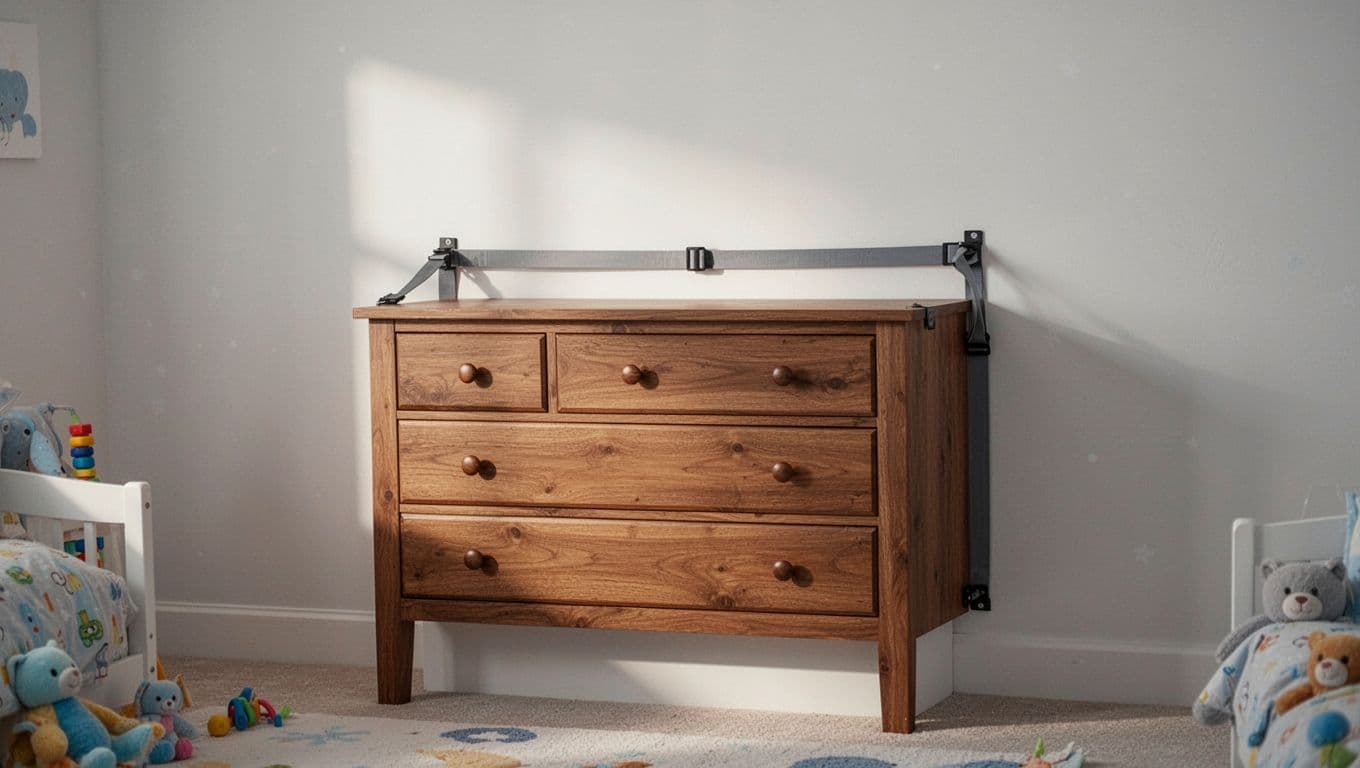
Tall furniture is a quiet hazard when it is left free-standing. A dresser, bookshelf, or changing table can tip if a child pulls a drawer open or climbs for a toy on top. Children often treat drawers like ladders, which makes a tip-over more likely than many parents expect.
Anchor heavy furniture to the wall with approved straps or brackets, then store heavier items on the lowest shelves and drawers. That keeps the center of gravity lower and gives curious hands less reason to reach up and climb. The CPSC tip-over report shows why this matters so much for young children.
A few room rules help right away:
- Put books, toys, and bins on low shelves.
- Keep TV sets and heavy decor off dressers.
- Check that drawers glide easily and do not wobble.
- Re-secure furniture after moving it or cleaning behind it.
If a piece shakes when you tug on it, it is not safe enough. A stable room starts with furniture that stays put, even when a child tests it.
Beds, chairs, and cribs near windows
Furniture under a window creates a climbing path. A child can use a bed, chair, or crib to reach the sill, and that raises the risk of a fall. Even a short drop can cause serious injury, especially if the child lands on another piece of furniture or a hard floor.
Window guards and furniture rearranging can change the whole room. Move beds and chairs away from windows when possible, and keep cribs far enough back that a child cannot use them as a step. If you need room-darkening shades or privacy, choose safer window coverings and keep the pull cords out of reach, as safe co-sleeping practices often emphasize the need for a simple, uncluttered sleep space.
Window safety does not need a full remodel. It often comes down to one smart shift, giving the window its own space and keeping climbable furniture elsewhere.
If a child can reach a window by standing on furniture, the setup needs to change.
Loose area rugs, cords on the floor, and cluttered walkways
Small trips happen fast, especially at night. A loose rug can slide under a toddler’s foot, a cord can catch a heel, and clutter can turn a clear path into an obstacle course. Older kids stumble too, especially when they wake up groggy or walk across the room in the dark.
Keep the floor as open as you can. Tuck cords along the wall, secure rugs with grippers, and clear the path between the bed, door, and light switch. That simple cleanup makes the room easier to move through and lowers the chance of a fall.
A safer room flow usually looks like this:
- The main path stays free of toys and laundry.
- Night lights guide the way without cords crossing the floor.
- Rugs stay flat and anchored.
- Storage bins stay against the wall, not in the walkway.
For more ideas on keeping a child’s room simple and safe, these baby safety precautions pair well with a room check at home. A tidy floor is more than nice to look at, it’s easier to cross when a child wakes up half-asleep and heading for the door.
What a safer child’s room looks like instead
A safer child’s room feels calm because it has fewer loose parts and fewer surprises. The goal is simple, clear sleep space, stable furniture, and only the basics within reach. When you strip away the extras, the room starts working for your child instead of against them.
The safest sleep setup for babies
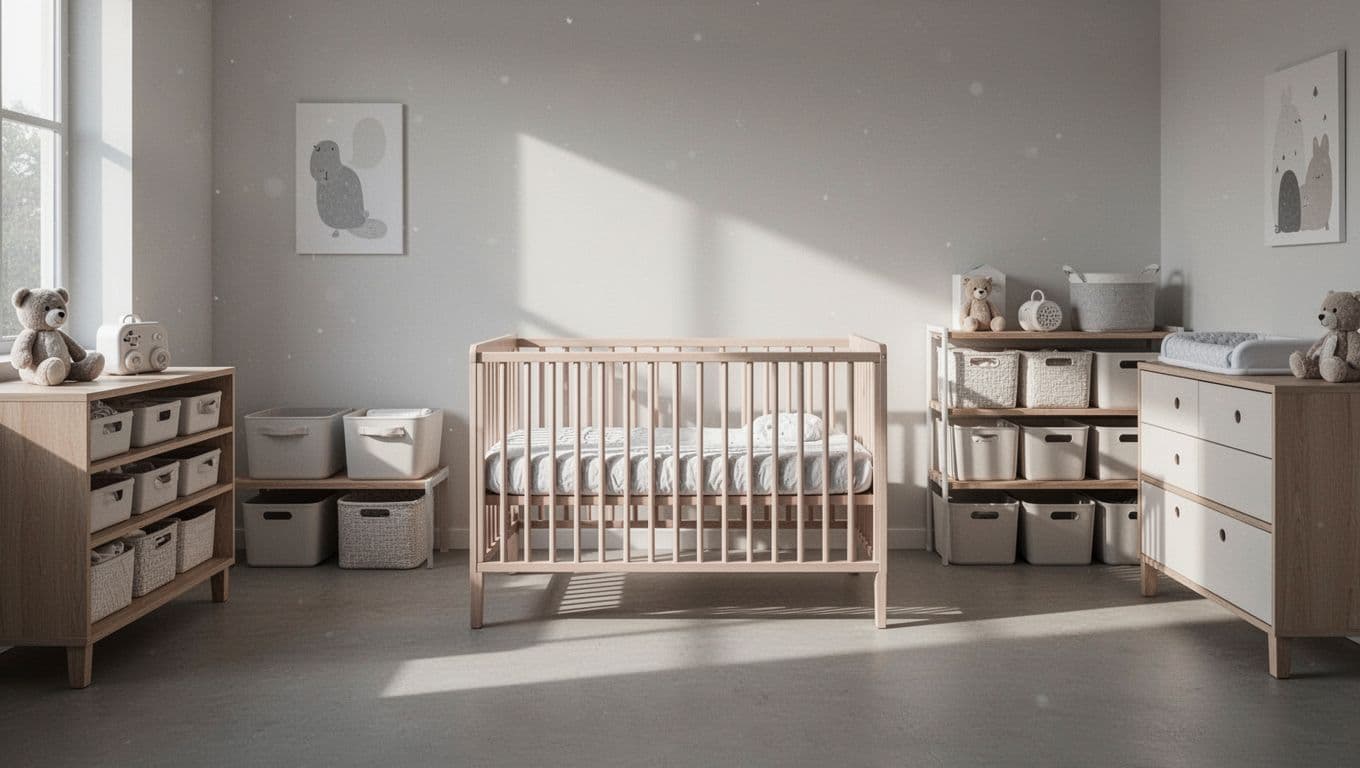
For babies, the safest sleep space is plain and easy to repeat every night. Use a crib, bassinet, or play yard with a firm mattress and a fitted sheet only. That setup keeps soft items out of the way and gives your baby a clean, flat surface for sleep.
The American Academy of Pediatrics safe sleep guidance says to keep the sleep area free of pillows, blankets, bumpers, and toys. That can feel sparse at first, but simple is safer here.
A good baby sleep space should look almost bare:
- firm mattress, snug fitted sheet
- no pillows or quilts
- no stuffed animals
- no sleep positioners or padded inserts
- no loose fabric near the face
If you want a nursery that still feels warm and inviting, keep the softness outside the crib. A rug, wall art, or a soft chair blanket gives the room comfort without crowding the sleep space. For more ideas on a calm setup, safe nursery design inspiration can help you see how beauty and safety can live in the same room.
Easy room swaps parents can make today
The best safety changes are the ones you can do without turning the whole room upside down. Start with the hazards that are easiest to miss, then move through the room one corner at a time. A few small swaps can make the space feel safer by tonight.
A practical reset looks like this:
- Replace any corded window blinds with cordless options.
- Anchor dressers, bookshelves, and changing tables to the wall.
- Move medicine, vitamins, and cleaners into a locked cabinet.
- Clear the crib so only the mattress and fitted sheet remain.
- Lift chargers, cords, and lamp wires off the floor.
- Pick up coins, batteries, beads, and small toy parts.
- Use non-slip pads under rugs and keep walkways open.
Those changes matter because they remove the things children grab, chew, climb, or pull. They also make the room easier to clean and easier to use during a busy morning or a middle-of-the-night wake-up.
A safer room does not need more stuff. It needs fewer hazards and better placement.
If you want a calm, parent-friendly place to start, walk into the room with one question in mind: what can a child reach, pull, swallow, or tip over right now? Remove those first, then keep only the items that help your child sleep, move, and grow safely.
Conclusion
A child’s room does not need to look perfect. It needs to feel safer, calmer, and easier to trust when the lights go out.
Pediatricians focus on the same danger zones again and again, soft items, cords, small objects, poisons, and unstable furniture. Clear those out, and the room starts working the way it should, as a place for rest, not risk. For babies, a safe infant sleep environment matters most, because a bare crib is the safest crib.
Take one slow walk through the room tonight and remove one hazard at a time. That simple habit can make a real difference, and it keeps safety practical instead of overwhelming.
Save pin for later

- Asperger’s Syndrome in Babies: Early Signs and Next Steps - October 7, 2026
- 12 Beautiful Baby Names That Mean Forest, Plus Woodland Picks - September 27, 2026
- 15 Fantastic Baby Nicknames for Boys, From Sweet to Playful - September 27, 2026