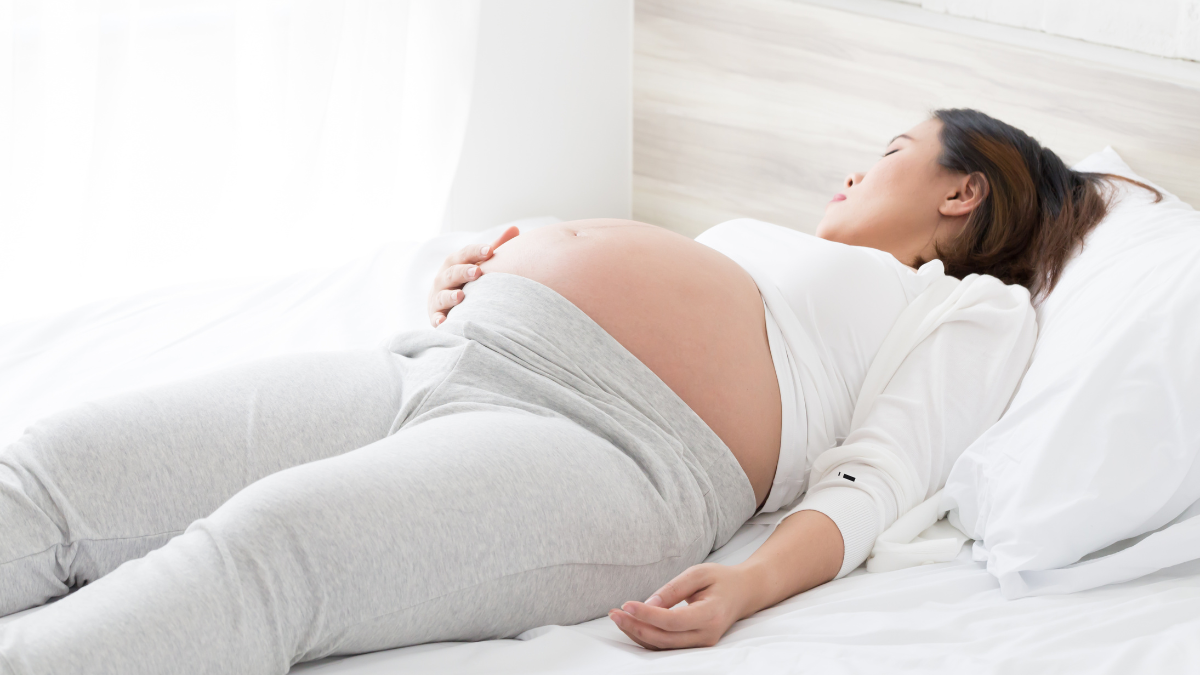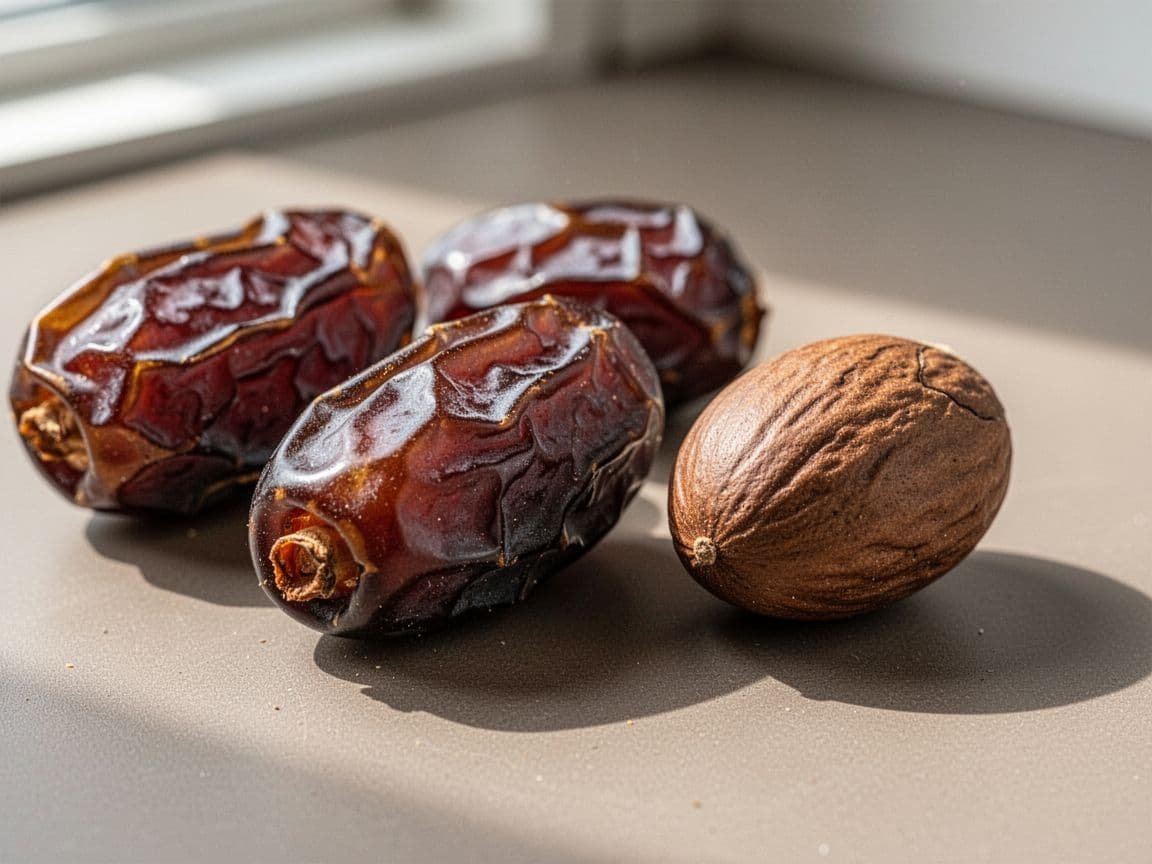
There aren’t really 0 reasons to eat dates during pregnancy, but the phrase gets attention because so many moms want a straight answer. Dates can be a helpful snack, yet they’re not magic, and they’re not the right fit for every pregnancy.
If you’ve heard dates praised for everything from fiber to late-pregnancy support, you may still be wondering what’s true and what’s hype. The answer depends on your health needs, your blood sugar, and how they fit into your wider eating pattern, like the one in this healthy pregnancy meal plan.
Dates are generally safe for most pregnant women, but moderation matters, and some people should check with their doctor first. Let’s sort out the real benefits, the limits, and when dates may not be the best choice.
Are there really 0 reasons to eat dates during pregnancy?
No, there are not 0 reasons to eat dates during pregnancy. That phrase sounds sharp, but it flattens a more honest answer. Dates can fit well into a pregnancy diet because they bring fiber, natural sweetness, and a quick energy boost.
Still, dates are not a must-have food. You can have a healthy pregnancy without them, just as you can have one without any single “superfood.” The real question is whether dates fit your body, your blood sugar, and your daily meal pattern.
Why dates can still be a smart choice
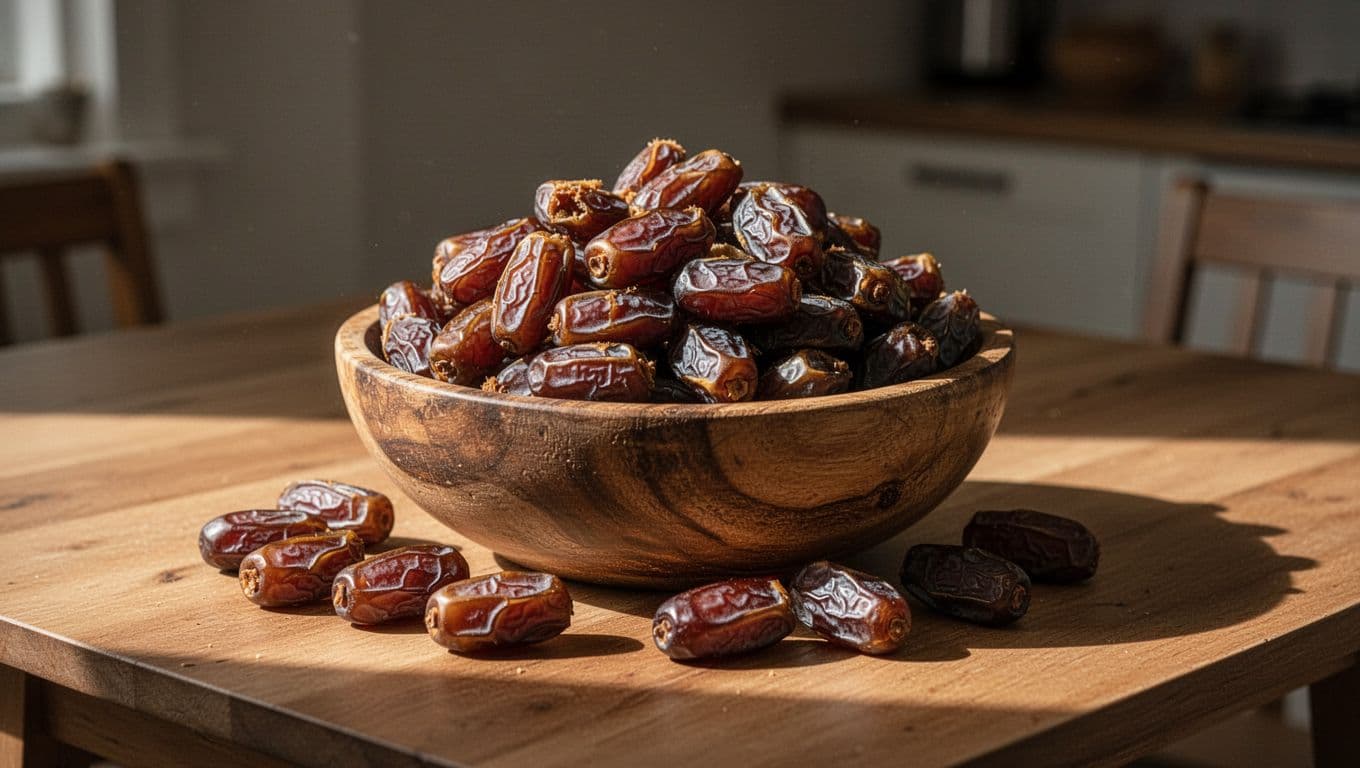
For many pregnant women, dates work as a simple snack. They can help curb afternoon hunger, pair well with nuts or yogurt, and add a little fiber to meals that feel too plain. If you want more food ideas that support pregnancy nutrition, these best prenatal vitamin food sources can help round out your plate.
Some studies also suggest that dates in late pregnancy may support labor readiness, but they are not a guarantee and they are not a treatment. Think of them as one useful food, not a promise.
Dates can help, but they are only one part of the picture.
When dates may not be the best fit
Dates are also high in natural sugar and calories, so too many can be a problem for some people. If you have gestational diabetes, insulin resistance, or a sensitive stomach, you may need to be more careful. Their sticky texture can also cling to teeth, so dental hygiene matters too.
The practical takeaway
The best choice depends on the person in front of you, not a blanket rule. A few dates may be fine for one pregnancy and a poor fit for another. When in doubt, follow your doctor’s advice and choose the foods that support your health most comfortably.
Why dates can be helpful in pregnancy
Dates are a simple food, but they can do a lot of small jobs well. They add fiber, natural sweetness, and a few useful nutrients, so they fit neatly into a pregnancy snack routine when you want something easy and satisfying.
Many women reach for them because they feel practical. They are portable, quick to eat, and easy to pair with other foods when hunger hits between meals.
They may ease constipation and support digestion
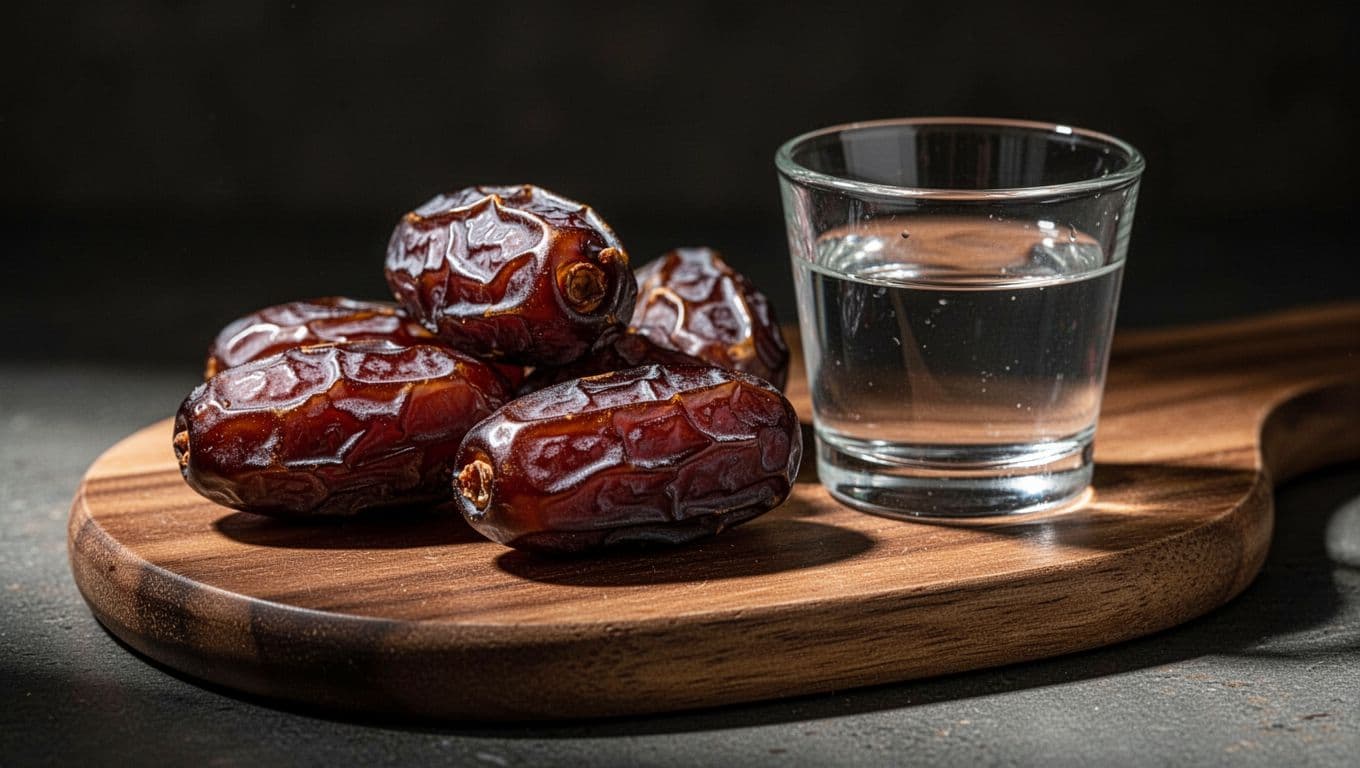
Dates contain fiber, and fiber helps keep bowel movements more regular. That matters in pregnancy, because digestion often slows down as hormones shift and the uterus grows. If your stomach feels sluggish, a few dates may help things move along a little more smoothly.
This works best when you also drink enough water. Fiber needs fluid to do its job well, so dates plus hydration can be a better combo than dates alone. If constipation is a regular issue, a broader look at your pregnancy habits can help too, including the guidance in this healthy pregnancy checklist.
A small serving is usually enough for most people. You can eat them plain or chop them into oatmeal, yogurt, or a smoothie for a gentler way to add fiber.
Fiber helps most when your water intake keeps up with it.
They provide quick energy when pregnancy fatigue hits
Dates are naturally sweet, so they can give you a quick lift when tiredness shows up. That can be useful in the first trimester, when exhaustion can hit hard, and again in the third trimester, when your body is carrying more weight and running on less reserve.
They are not a magic fix for fatigue, but they can take the edge off between meals. A few dates with nuts or Greek yogurt can feel more steady than candy or a pastry, because the mix of fiber and protein helps slow the sugar rush. For a deeper look at the nutrition side, Healthline’s overview of dates explains why they are often used as a quick snack.
Still, dates should fit into an overall balanced eating pattern. They work best as one piece of the day, not the whole answer to low energy.
They bring useful nutrients in a small bite
Dates do more than add sweetness. They also contain potassium, magnesium, iron, folate, and fiber, which can add a little extra support to your diet. Those nutrients are not enough to replace prenatal care or a varied meal plan, but they do give dates more value than a simple sugary snack.
That is part of why they appeal to so many pregnant women. A small food can still pull its weight when it brings a few helpful nutrients along with it.
Dates are best seen as a bonus food, not a complete pregnancy staple. They can fill a gap, add energy, and make a snack feel more satisfying, especially on days when eating feels uneven or rushed.
Can dates help prepare the body for labor?
Some pregnant women eat dates in the last stretch of pregnancy for a reason. The research points in a hopeful direction, but it does not promise the same result for everyone. Dates may help the body feel a little more ready for labor, yet they are still just one food, not a labor trigger.
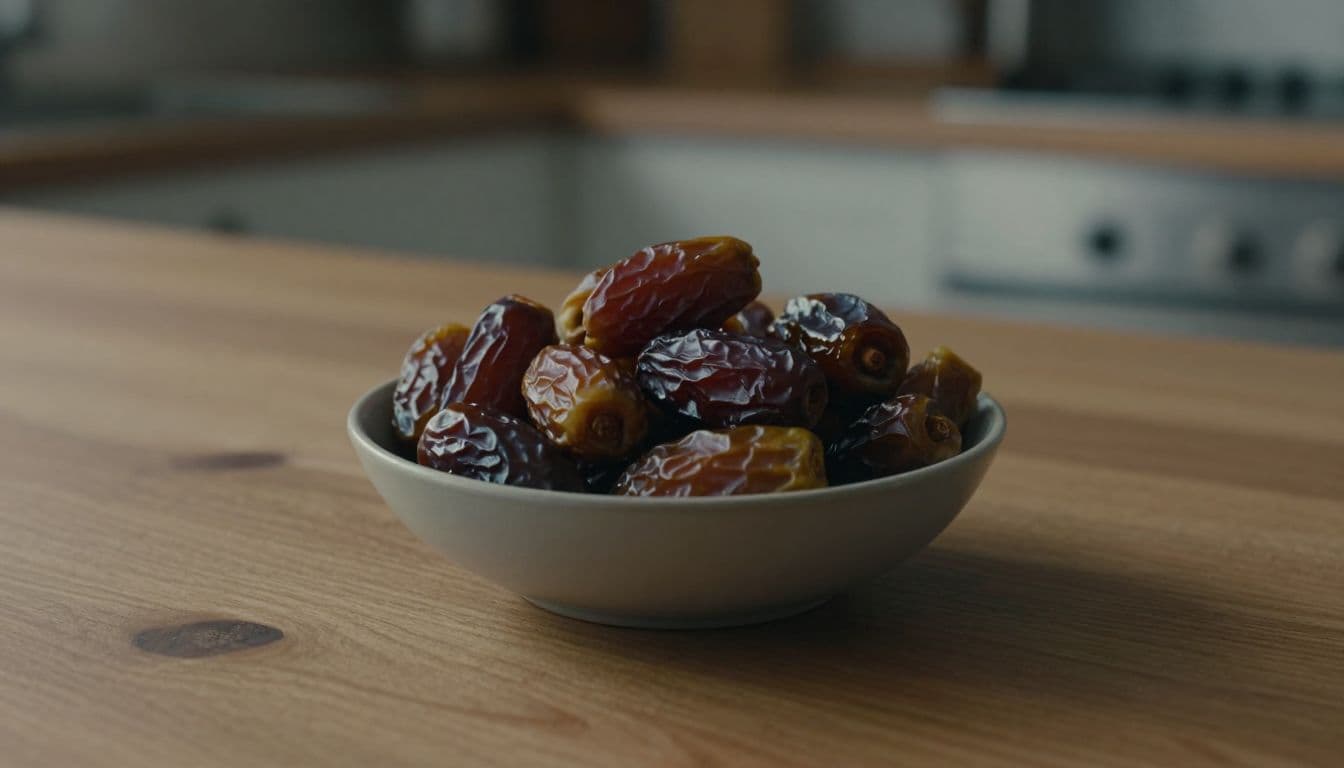
What the research seems to suggest
A few studies have found encouraging links between date eating in late pregnancy and labor readiness. In plain terms, women who ate dates during the last weeks of pregnancy were sometimes more likely to go into spontaneous labor, needed less help with induction or augmentation, and had a shorter first stage of labor.
That sounds promising, and it is. Still, the evidence is limited. The studies are not large enough or consistent enough to make bold claims, and they do not prove that dates will change labor for every pregnant person. A helpful way to read the research is this: dates may support the body’s natural preparation, but they do not control the outcome.
One review on date fruit and labor outcomes points to possible effects on the uterus and cervix, while older clinical research found reduced need for labor induction among women who ate dates in the final four weeks of pregnancy. That is why dates keep showing up in late-pregnancy conversations. They have some evidence behind them, but not enough to treat them like a guarantee.
Dates may help labor readiness, but they do not start labor on command.
Why many people start dates in the final weeks
Dates are usually added near the end of pregnancy, not early on. That timing matters. The goal is often labor preparation, especially in the last month when the body is naturally getting close to birth.
Many people follow a simple routine, such as adding dates around 36 to 37 weeks. That lines up with the way dates are studied most often. It also fits the idea of gentle preparation, not constant use through the whole pregnancy.
If you want a broader picture of getting ready for birth, pregnancy tips for normal delivery can help you see how food, movement, and rest work together. Dates belong in that mix, but they are only one small part of it.
A few readers also wonder whether dates should be paired with other labor prep habits. They can be, but the main point stays the same. Dates are commonly used late because that is when people are thinking about birth readiness, cervical change, and the first signs of labor.
For many women, that timing feels practical. The body is nearing the finish line, and dates may offer a small nudge rather than a big push.
If you’re also focusing on mindset, mental preparation for childbirth can matter just as much as food. Labor is physical, but it also asks for calm, patience, and a bit of trust in the process.
What this means for you
If dates fit your pregnancy plan, they can be a sensible late-pregnancy snack with possible labor-related benefits. If they don’t fit your blood sugar needs or your doctor’s advice, you can skip them without missing a required step. The best move is to treat dates as a possible support, not a promise, and use the final weeks to prepare your body in more than one way.
When dates may not be the best choice
Dates can be a good pregnancy snack, but they are not the right fit for everyone. Because they are sweet, dense, and easy to eat quickly, the portion can get away from you before you notice. That matters if you are watching blood sugar, calories, or how your stomach feels after a snack.
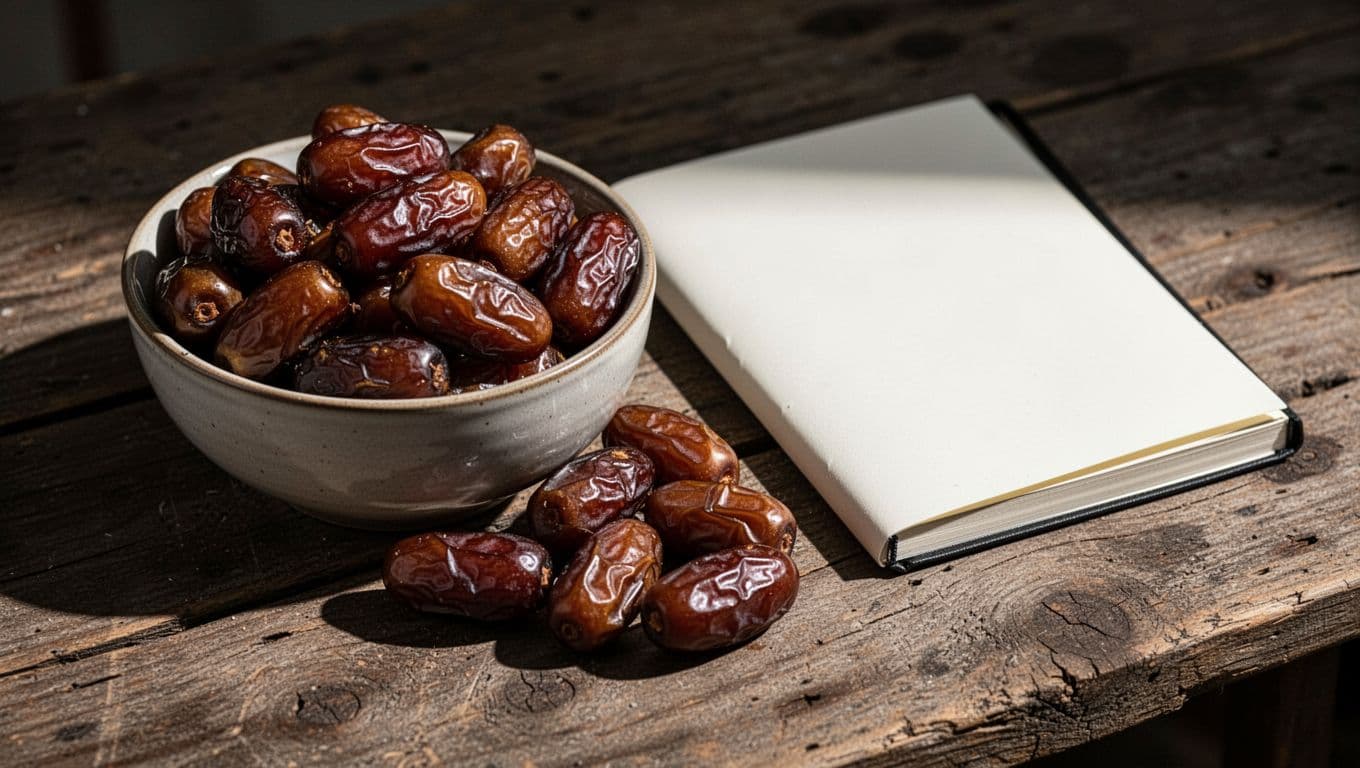
Dates are high in natural sugar and calories
Dates may look innocent, but they pack a lot into a small bite. A few dates can feel satisfying, yet a handful can add more sugar and calories than you expected. That is why portion size matters so much.
If you eat them like candy, they can raise your total daily sugar intake fast. If you pair them with protein or healthy fat, they usually feel more balanced and less likely to leave you hungry again right away. Still, even healthy foods can tip the scale when they are dense and sweet.
A simple serving may be fine, but a big bowl is another story. For many people, the line between “a snack” and “too much” is thinner than it seems.
Sweet foods can fit into pregnancy, but small portions keep them working for you instead of against you.
Pregnant people with gestational diabetes should be careful
If you have gestational diabetes, insulin resistance, or another blood sugar concern, dates deserve extra caution. They can raise blood sugar more quickly than lower-sugar snacks, especially when eaten on their own. For that reason, it helps to ask a doctor or midwife before making them a regular snack.
The general advice for gestational diabetes is to choose foods that keep blood sugar steadier, and meal timing matters too. A resource like MedlinePlus guidance on gestational diabetes diet gives a clear picture of why carb quality and portion control matter.
You may still be able to enjoy dates in a small amount, depending on your plan. The key is to treat them like a measured food, not an all-day nibble.
Some people may feel bloated or uncomfortable
Dates are sticky, rich, and high in fiber, which can be a mixed blessing. In small amounts, that fiber helps. In larger amounts, it may leave you feeling gassy, bloated, or too full.
That can be more noticeable if your digestion is already slow. Pregnancy often changes how the gut moves, so a food that feels fine one day may sit heavy the next. If dates make your stomach feel tight or uneasy, that is a good reason to cut back.
Listen to your body here. Good nutrition should still feel manageable, and a food that keeps causing discomfort is not the best everyday choice.
How to eat dates wisely during pregnancy
Dates can fit into pregnancy well when you treat them like a planned snack, not an open invitation to keep reaching into the bag. A small serving can satisfy a sweet tooth and still leave room for steadier energy. The key is to keep portions modest, pair them well, and pay attention to how your body reacts.
Choose small portions instead of mindless snacking
Start with one or two dates and see how you feel. That is often enough to take the edge off hunger without turning a healthy snack into a sugar-heavy habit. Dates are easy to eat fast, so it helps to slow down and treat them as a real portion.
A useful rule is to keep dates as an occasional treat, not a daily candy swap. If you eat them straight from the container, it gets easy to lose track. A small bowl or plate makes the amount clear and keeps the snack from growing on its own.
For many pregnant women, timing matters too. Dates often work better between meals or with breakfast than late at night, when extra sweetness can feel heavy. If you want a quick reference for snack timing, WebMD’s pregnancy date guide notes that moderation is the safest approach.
Pair them with protein or healthy fat
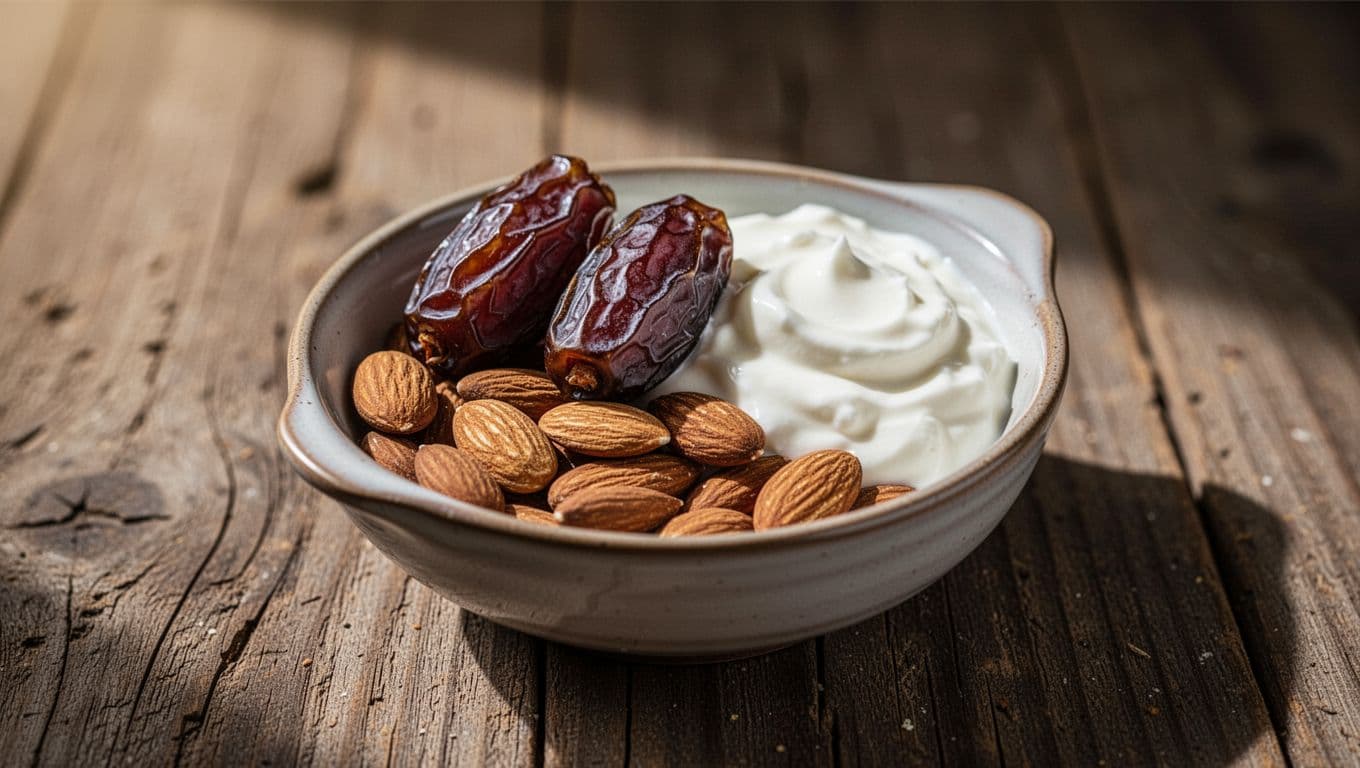
Dates feel more balanced when you add something that slows digestion. Try them with almonds, walnuts, yogurt, or nut butter. That mix can help soften a sugar spike and keep you full longer.
A few easy pairings work well:
- 2 dates with a handful of nuts
- 1 date sliced into plain Greek yogurt
- 1 to 2 dates with almond or peanut butter
This kind of snack feels more steady than dates alone. It also gives your body a slower stream of energy, which can be helpful if pregnancy hunger hits hard. If you want more snack ideas, these healthy snacks for expecting mothers on the go can help you build a better rotation.
Check with your prenatal care provider if you have concerns
If you have gestational diabetes, a high-risk pregnancy, or a diet plan from your doctor or midwife, ask before making dates a regular snack. Dates can still fit for some people, but blood sugar response matters. A small amount may be fine, while a bigger portion may not.
You can also pay attention to how your body responds after eating them. If they leave you shaky, extra thirsty, or more hungry soon after, that is useful information. The right answer is the one that works with your pregnancy care, not against it.
Conclusion
There are not really 0 reasons to eat dates during pregnancy, but there also is no need to treat them like a must-have. They can add fiber, quick energy, and a few helpful nutrients, and they may offer extra support in the last weeks of pregnancy. Still, they work best as part of a balanced eating pattern, not as a fix-all food.
The main caution is simple, dates are sweet and calorie-dense, so portion size matters. If you have gestational diabetes, blood sugar concerns, or a stomach that feels unsettled after sweets, dates may need to stay on the sidelines or stay in small amounts.
For many pregnant people, especially in late pregnancy, dates can be a helpful snack when they fit the body and the plan. A steady approach works best, and a healthy third trimester eating guide can help keep meals and snacks on track.
Save pin for later

- 20 Baby Shower Table Decor Ideas - July 22, 2026
- How To Raise A Confident Child - June 19, 2026
- Age-Appropriate Chores For Kids (By Age Group) - June 19, 2026