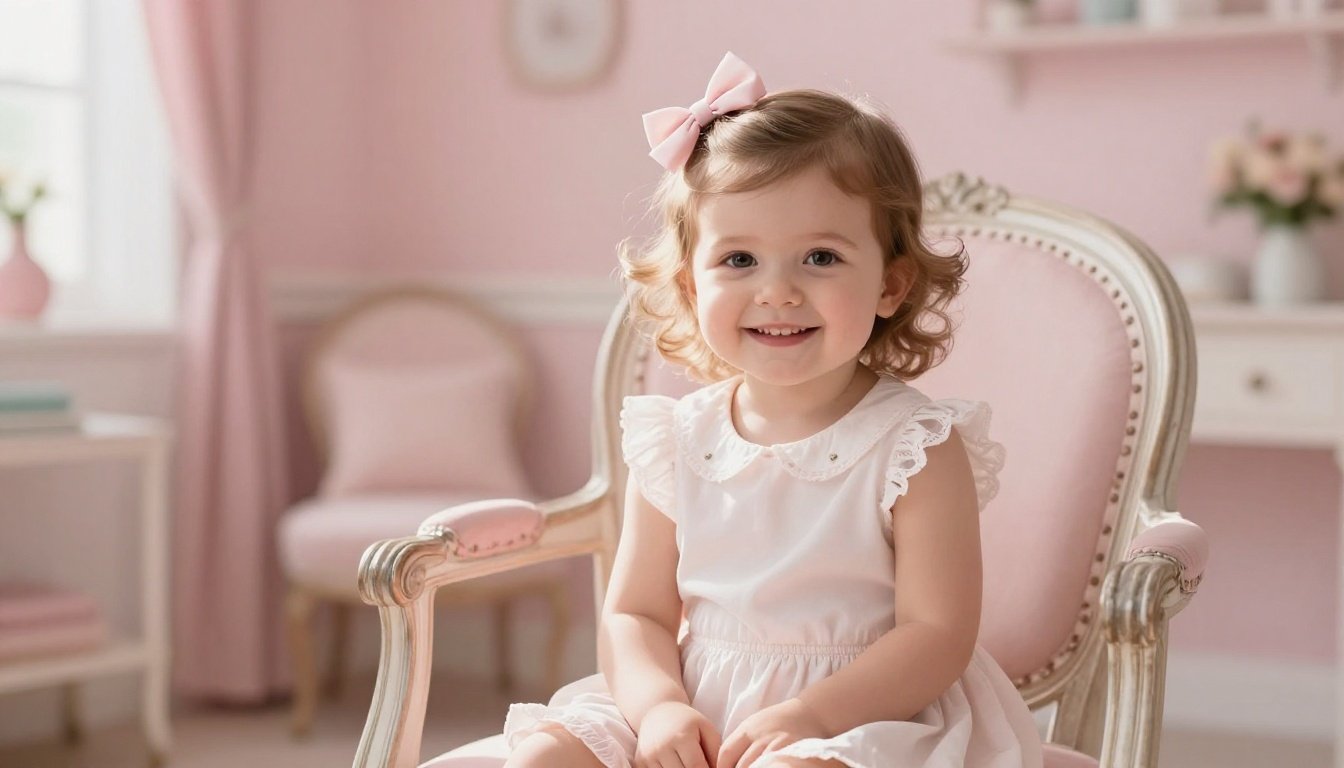
A fresh haircut can turn an ordinary afternoon into a tiny celebration: your toddler leaves the salon with bouncing curls, a bright bow, or soft strands framing her face. The best toddler haircuts for girls should look adorable, but they also need to feel comfortable during play, naps, daycare, and busy family-photo days.
Finding the right style can be tricky when your child dislikes brushing, pulls out clips, or never sits still for long. Choose according to her comfort, natural hair texture, and daily routine, rather than appearance alone. Gentle care matters too, so these safe hair care tips for babies can help protect delicate strands.
Ahead, you’ll find 20 charming toddler hairstyles and easy little girl haircuts for short, medium, long, straight, wavy, curly, and coily hair. Start with the ideas that match your child’s texture and personality, then find the first style to try.
Toddler Adorable Haircut for Girls and Hairstyle Ideas That Are Easy to Manage
Short haircuts can make busy toddler mornings much easier. Soft edges, fewer tangles, and simple brushing help little girls stay comfortable while they play, nap, and explore. These first five ideas look polished without needing elaborate styling or long salon routines.
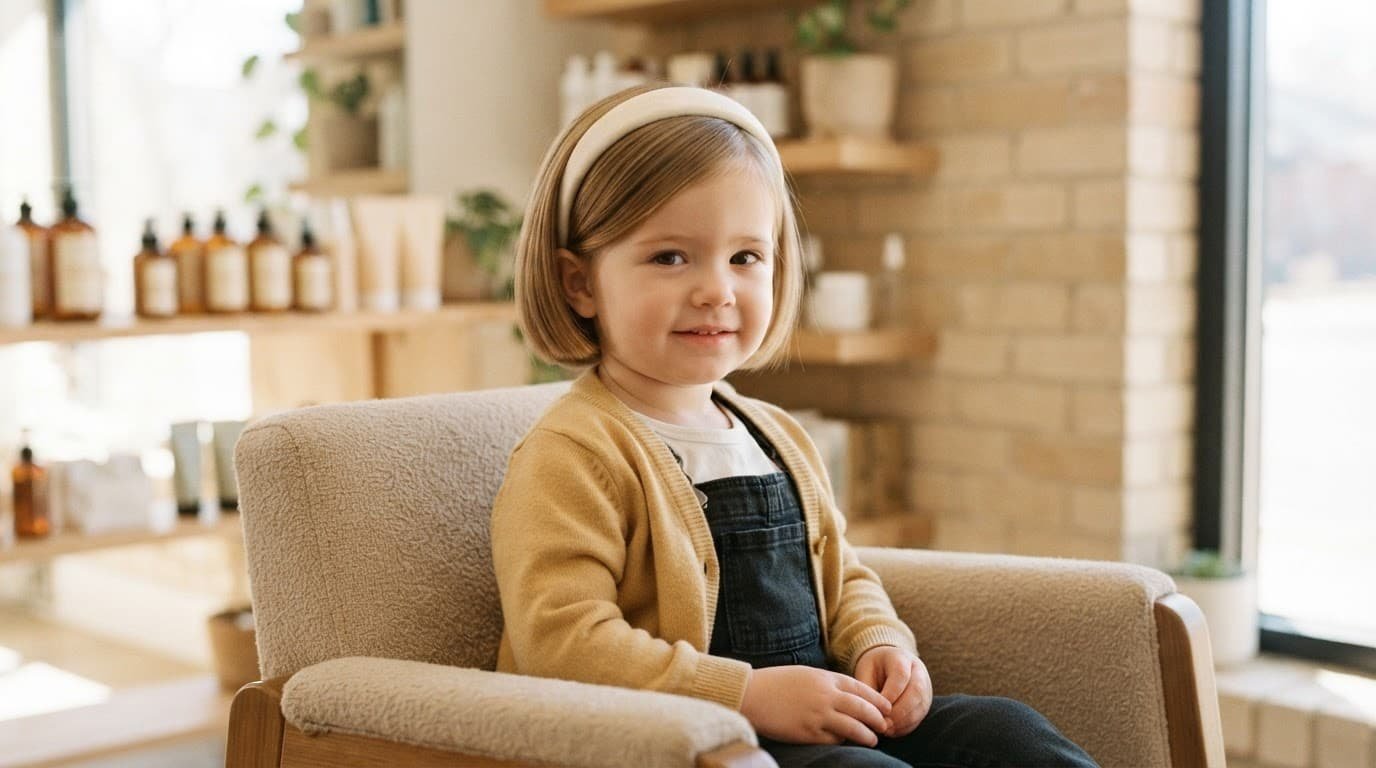
The Classic Blunt Bob Keeps Fine Hair Looking Full
A one-length bob that falls near the chin or jaw gives fine or straight hair a tidy, fuller appearance. Ask the stylist for a slightly rounded shape that follows the face without creating a sharp, severe line.
This cut needs little daily upkeep. Your child can wear it loose, tuck the front behind her ears, or add a soft fabric headband for a special outing. It also shortens brushing time, which helps when she would rather get back to playing. Parents can request soft ends and enough length to stay comfortably away from the neck.
Soft Bangs and a Bob Create a Picture-Ready Look
A bob with light, softly curved bangs can draw attention to a toddler’s eyes without looking heavy. Unlike thick, blunt fringe, delicate bangs move naturally and give the haircut a sweet, relaxed finish.
Bangs may need regular trims, especially if they begin touching your child’s eyes. Ask for a gentle shape that grows out neatly between salon visits. A stylist can leave the sides slightly longer, allowing the fringe to blend into the bob as it grows. Keep styling simple with a tiny side part or a plain fabric headband. For accessory safety, follow these safe baby hair grooming practices and supervise any clip or barrette.
The Pixie Bob Offers Short-Hair Convenience With a Feminine Shape
The pixie bob sits between a classic bob and a very short pixie cut. Slightly longer pieces around the face and ears soften the shape, while the shorter back keeps the neck cool during warm days.
This toddler haircut works with straight, wavy, and lightly curly hair. It usually needs only a quick comb after washing, though a side part can refresh the look for photos. Ask the stylist to keep the ears and neckline comfortable rather than shaving them too close. A small, secure clip may hold back one section, but use it only while supervising your child.
A Rounded Pageboy or Layered Crop Adds Gentle Movement
A rounded pageboy has a smooth, even shape with curved ends that frame the face. It suits straight or gently wavy hair and looks neat after simple brushing.
For thicker hair, a short layered crop adds playful movement and removes some bulk. Request light layers, because too many can make toddler hair harder to control. Rounded, soft edges usually feel more natural than stiff, highly styled lines. A plain snap clip can add a tiny side detail for supervised wear.
Short Toddler Haircuts That Stay Cute Through Playtime
Short hair can make busy toddler days easier. Less length means fewer tangles, faster drying, and fewer battles before daycare or bedtime. Ask the stylist for soft edges around the ears, a comfortable neckline, and enough length at the forehead for a sweet side part or natural texture.
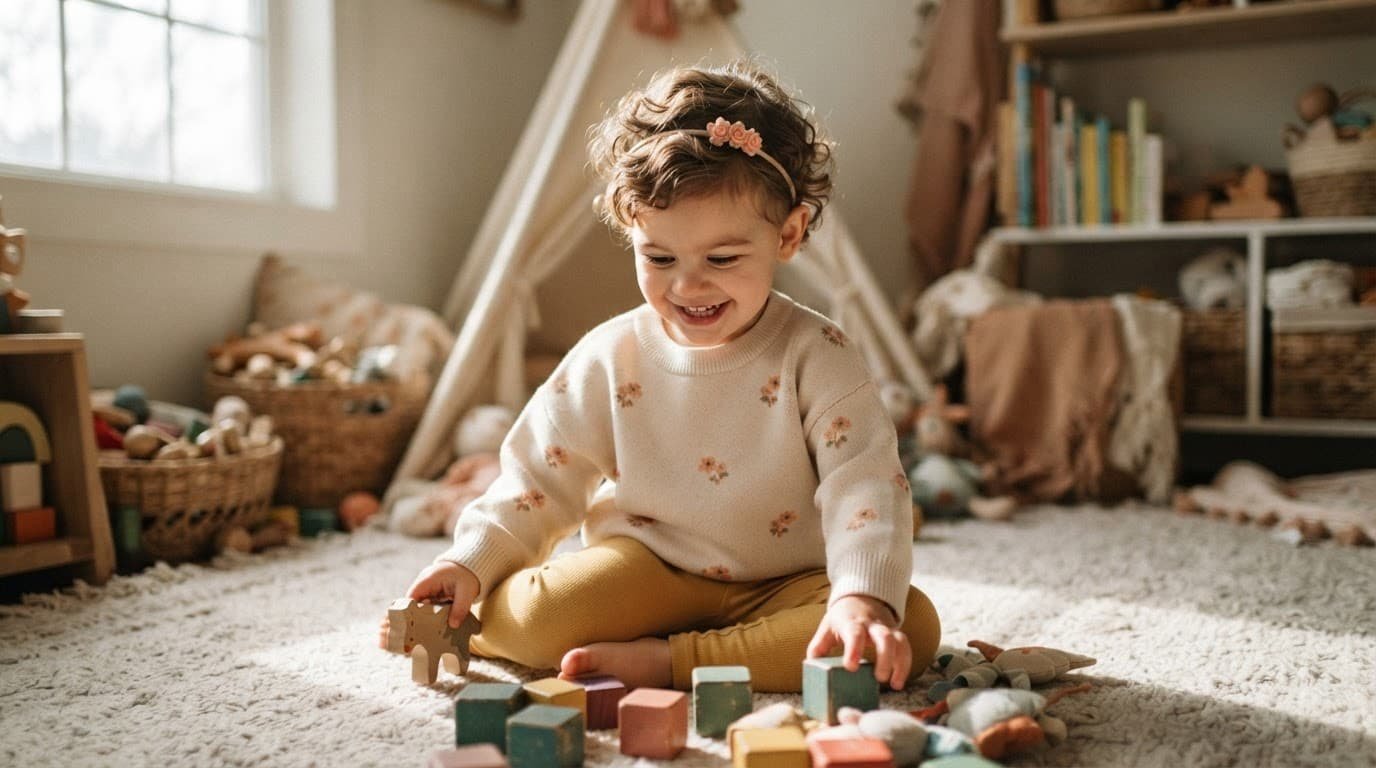
A Classic Pixie Cut Makes Mornings Faster
A classic pixie has slightly longer layers on top with softly tapered sides. It suits toddlers who pull out clips, dislike ponytails, or won’t sit still for lengthy brushing. The short shape stays off the neck during active play and dries quickly after bath time.
Ask the stylist to leave enough length on top for a tiny side sweep, natural curls, or a soft headband. Keep the taper gentle around the ears and neckline so the cut feels sweet rather than severe. Regular trims may help maintain its tidy shape as the hair grows.
A Textured Crop Gives Thick Hair a Light, Playful Shape
A short textured crop removes some weight from thick, straight, or wavy hair without making the ends look choppy. Gentle texture helps the hair move instead of forming a heavy cap, while rounded edges keep the finish soft around the forehead and ears.
Request subtle layers and feathered ends rather than sharp razor work. Strong gels and sprays aren’t necessary for toddler hair, especially when little hands touch the style often. A splash of water, a wide-tooth comb, or the child’s natural wave can refresh the shape in minutes.
Side-Swept Layers Add Charm Without Extra Work
This short cut keeps the sides and back neat while leaving longer layers across the top. Brushed to one side, the hair looks polished for pictures, yet it can handle climbing, running, and floor play without much fuss.
A soft brush and a little water usually provide enough control. Skip gels and sprays when your toddler has sensitive skin or tends to rub her scalp and face. Tell the stylist how much forehead coverage you prefer, then ask for a side section that falls gently without covering her eyes.
A Short Curly Cut Lets Natural Texture Shine
A rounded short cut allows curly or coily hair to keep its shape without creating a boxy outline. The stylist should leave enough length for curls to spring up naturally, since textured hair often looks shorter after it dries.
Choose someone who understands shrinkage and curl patterns, and ask them to shape the hair with its natural movement in mind. Detangle gently with moisture and avoid daily brushing on dry hair. The American Academy of Dermatology’s curly hair guidance recommends avoiding dry brushing to reduce breakage and frizz.
The Mini Top Knot Works for Hair That Is Growing Out
A tiny top knot helps when hair is too long for a crop but too short for a full ponytail. Gather only the strands that reach the crown, then leave the sides loose or softly brushed around the ears and neckline.
Use a gentle, fabric-covered elastic that doesn’t pull or snag. Keep the knot loose enough for comfort, and remove it before sleep. This small detail adds personality while the rest of the haircut grows into its next style.
Adorable Medium and Long Hairstyles for Toddler Girls
Shoulder-length and longer hair opens the door to quick toddler hairstyles that look sweet without slowing down the morning. Keep each style comfortable, secure, and loose enough for daycare, playground adventures, naps, and family photos.
Before leaving the house, slide a finger beneath each elastic and check your child’s scalp. Redness, pulling, headaches, stinging, or discomfort mean the hairstyle is too tight. The American Academy of Dermatology also recommends loose ponytails and covered bands to reduce tension on the hair.
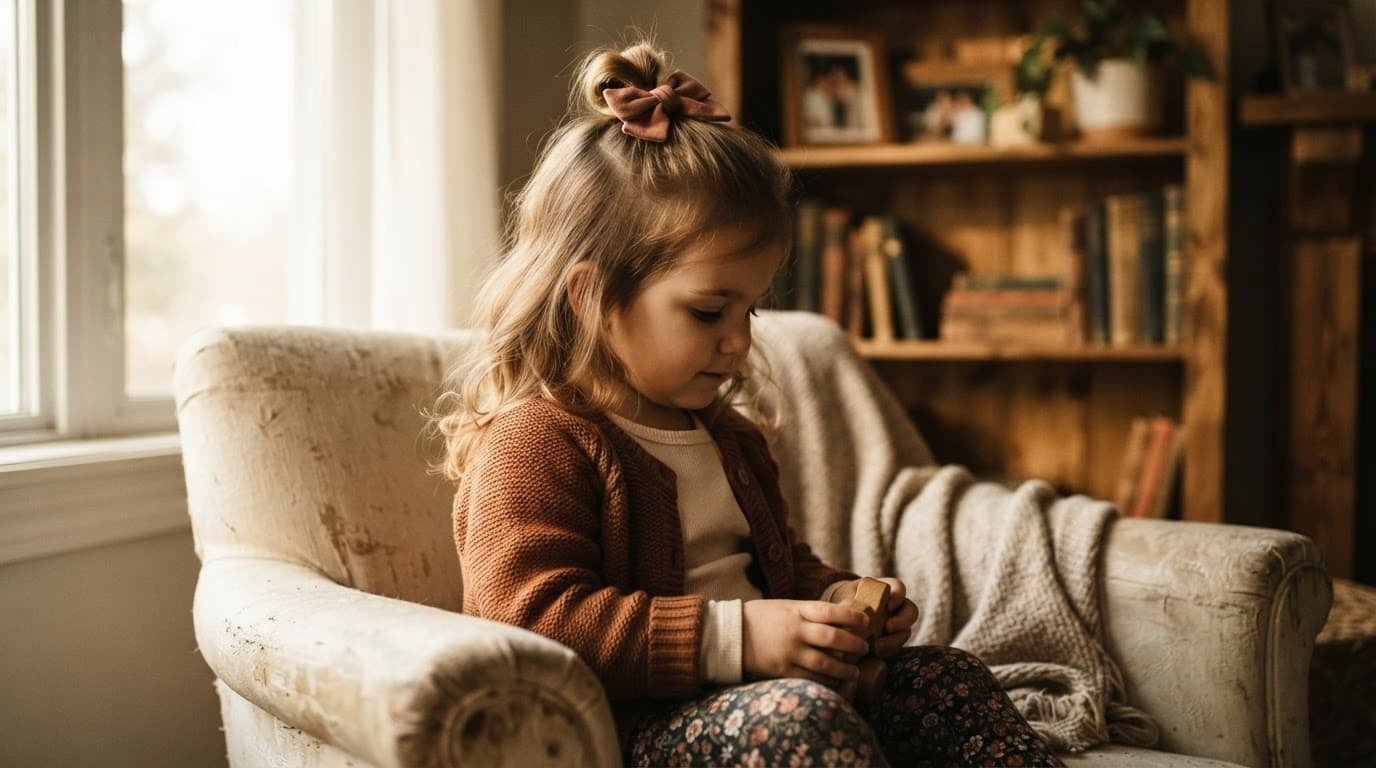
A High Ponytail With Spaced Elastics Looks Full and Fun
Gather the hair high on the crown and secure it with a soft, fabric-covered elastic. Place two or three more gentle elastics down the ponytail, leaving even spaces between them. Then, use your fingertips to loosen each section slightly, creating a rounded, bubbly shape.
This playful style works best on medium to long hair. It keeps loose strands away from your toddler’s face during outdoor play and looks cheerful in photographs. Check the ponytail during the day, especially after active play, because shifting elastics can create tangles or unwanted tension.
Classic Pigtails Are Simple, Balanced, and Play-Friendly
Part the hair down the middle, then secure two low or mid-height ponytails with soft covered bands. Matching placement matters more than perfect symmetry, so don’t worry if one side sits slightly higher than the other.
Low pigtails are often more comfortable during naps or in a car seat because they rest below the back of the head. Leave a little room at the roots rather than pulling the hair close to the scalp. A quick spritz of water can smooth flyaways before daycare, while colorful bands add a festive touch for pictures.
Braided Pigtails Keep Longer Hair Neat
Divide the hair into two sections and secure each one before braiding. Separate one ponytail into three equal strands, cross the outside strand over the middle, and repeat on the opposite side. Finish with a soft, covered elastic, then repeat on the other pigtail.
Colorful bands can give the style personality, but keep both braids loose enough to feel comfortable. Braided pigtails help reduce tangles during playground time and outdoor walks. Loosen them before bedtime, and follow the American Academy of Dermatology’s hairstyle guidance if you notice pulling or scalp irritation.
A Half-Up Bow Style Keeps Hair Out of the Eyes
Gather the top and side pieces into a small ponytail while leaving the lower hair loose. Secure it gently at the crown or just behind the head, then add a fabric bow for a celebration or family photo.
This style suits fine, straight, and wavy hair because it adds shape without needing much volume. Use an age-appropriate clip only with close supervision, especially around younger toddlers. Remove small accessories before naps and bedtime.
A Low Side Ponytail Adds a Sweet Twist to Everyday Hair
Gather the hair near one shoulder and secure it low beside the neck. Before fastening the elastic, gently twist the ponytail once or twice for a soft, playful finish.
A low side ponytail takes only a few minutes and usually fits comfortably beneath a hat or away from stroller straps. Keep the finish relaxed instead of tight. A little water or gentle detangler can smooth flyaways without making the hair stiff or sticky.
Curly, Wavy, and Coily Toddler Hairstyles That Respect Natural Texture
Natural texture gives every toddler hairstyle its own shape and personality. Curls and coils often need moisture, patience, and section-by-section detangling, while wavy hair may only need water, gentle scrunching, and time to air-dry. Hair patterns can also change as toddlers grow, so a stylist who works with children and natural hair can offer useful guidance.
A Defined Curl Bob Makes Natural Curls the Main Feature
A rounded bob gives curly hair room to spring up without creating a boxy outline. Choose the length according to your child’s shrinkage, curl pattern, and comfort. A shorter bob may feel cooler and easier to manage, while a longer shape can provide more weight and coverage.
Detangle curls with conditioner or a child-safe leave-in product while the hair is damp. Work gently in sections with your fingers or a wide-tooth comb, starting at the ends and moving upward. The American Academy of Dermatology’s child hair-care guidance also recommends conditioner for children with dry or curly hair.
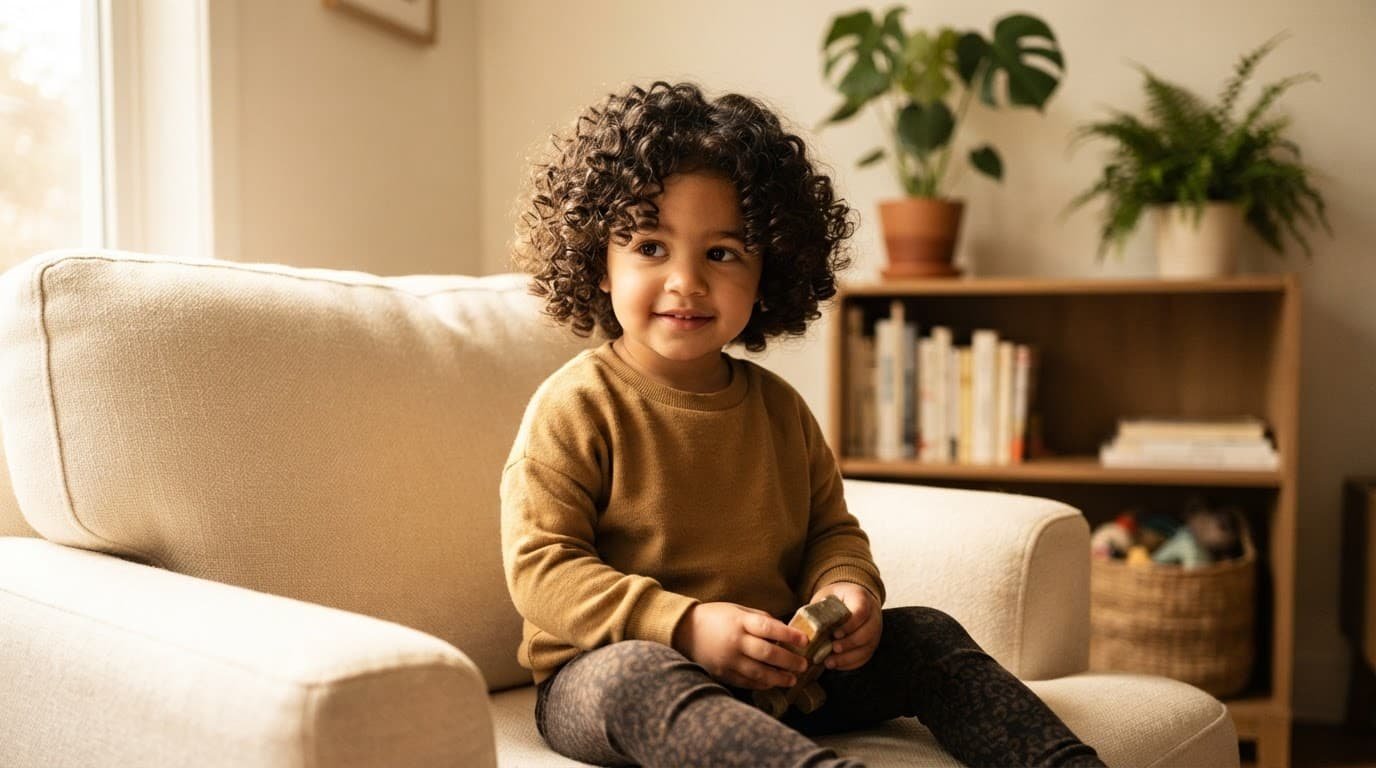
Refresh the bob with a little water and gentle scrunching. Brushing curls after they dry can create frizz and breakage, so let the natural pattern lead.
Two-Strand Twists Protect Hair and Create a Neat Look
Two-strand twists work well for curly or coily hair that tangles easily. Divide damp, moisturized hair into small sections, then gently twist each section from the roots toward the ends. Keep the sections comfortable rather than aiming for perfect uniformity.
Your toddler can wear twists for a day or two, depending on her routine, sleep habits, and hair needs. Use a wide-tooth comb, plenty of slip, and a child-safe moisturizer during detangling. Most importantly, the twists should never feel tight around the scalp or hairline.
Puff Ponytails Add Shape to Coily or Curly Hair
Gather the hair into one or two soft puffs with gentle, fabric-covered elastics. This cheerful style takes little time and keeps hair away from your child’s face during meals, play, and family photos.
Avoid slicking the edges tightly. If your toddler rubs her scalp, complains, or develops redness, remove the style. When taking out the elastics, loosen them with your fingers instead of pulling through the tangles.
Bubble Ponytails Turn a Simple Style Into a Celebration Look
Secure one ponytail with several loose elastics spaced along its length, then gently puff each section with your fingertips. Bubble ponytails work on straight, wavy, curly, or stretched hair, so siblings can share the idea while wearing different textures.
Leave enough space between elastics to prevent pulling. Stop immediately if your child seems uncomfortable, and remove the style before sleep.
A Loose Braid Crown Feels Special Without Being Fussy
Make one or two loose braids, then place them across the top or sides of the head. Larger supervised accessories can hold the braids in place without adding much tension.
This style suits toddlers who tolerate styling and works best for short events rather than long, active days. Keep the braid gentle, and never place pins where your child may lie on them. Parents can also review how newborn hair changes after birth because early texture often shifts as children grow.
How to Choose the Best Toddler Haircut and Keep It Safe
The best toddler haircut fits your child’s hair, comfort level, and your morning routine. A cute style becomes frustrating when it needs daily brushing, tight accessories, or more time than your family has.
| Style choice | Daily upkeep | Typical trim timing |
|---|---|---|
| Short bob, crop, or pixie | Quick brushing and fewer tangles | Every 4 to 8 weeks |
| Shoulder-length or longer style | More detangling and styling | Every 8 to 12 weeks |
Longer hair can offer more hairstyle options, while short cuts often simplify busy mornings. Choose the option you can maintain comfortably.
Match the Style to Hair Texture and Your Morning Routine
Fine hair often looks fuller with a blunt bob because the even ends create a denser outline. Thick hair may feel lighter with subtle layers, but too much layering can make it harder to brush and control. Curls and coils usually look best when the stylist shapes them for shrinkage, since dry hair may spring up much shorter than it appears when wet.
Before choosing a cut, consider how much brushing your child accepts and whether her hair tangles during sleep. Does your family prefer a wash-and-go style, or do you enjoy spending time on braids and ponytails? The easiest haircut is the one you can care for without discomfort or a daily struggle.
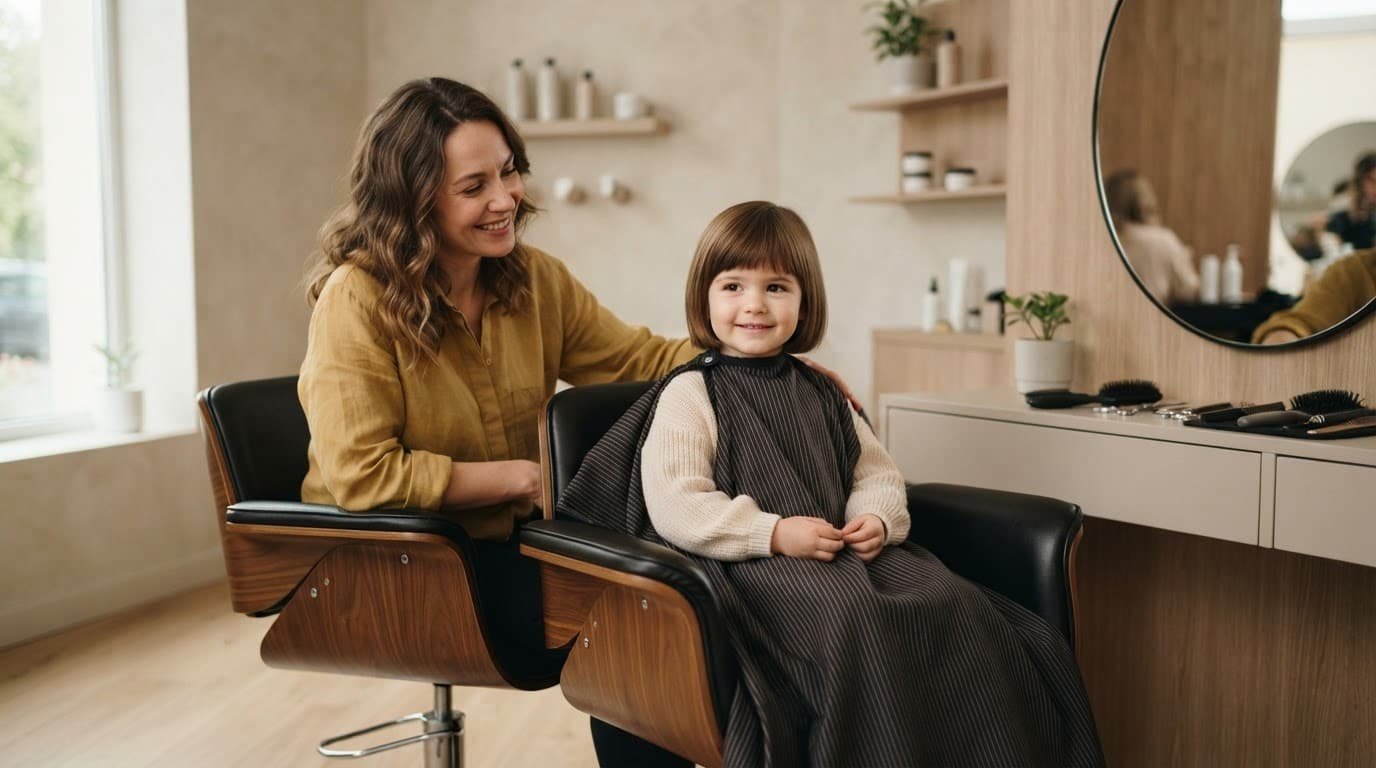
Prepare Your Toddler for a Calm First Haircut
Visit the salon before the appointment so your child can see the room, chair, and friendly routine. At home, read a picture book about haircuts, practice wearing a towel around her shoulders, and show her a photo of the stylist’s chair. Bring a picture of the desired cut, then explain any sensory needs, such as discomfort with buzzing clippers, loose hair, bright lights, or unexpected touch.
Schedule the appointment after food and rest, not right before a nap or meal. Use calm, neutral language instead of promising that nothing will feel strange. Let a trusted adult stay close, and remember that the haircut can pause or end if your toddler becomes distressed. Comfort matters more than finishing the shape.
Use Gentle Care and Safe Accessories Between Trims
Detangle damp hair from the ends upward with a wide-tooth comb. Choose child-safe products that suit the hair type, and follow gentle baby hair-washing tips during bath time.
Tight ponytails, repeated pulling, harsh brushing, and sleeping in elastics can cause discomfort, breakage, and hair loss from tension. Research on traction alopecia in children connects prolonged pulling with damage around the hairline. Remove bows, clips, bands, and other small accessories during sleep and whenever close supervision isn’t possible.
Know When a Professional Stylist Is the Better Choice
A professional is especially helpful for bangs, textured or coily hair, major shape changes, clipper cuts, and children who move often. If you trim at home, use a stable setup and keep sharp tools out of reach. Make only tiny adjustments, and stop when your child turns, cries, or tries to leave.
Scissors, clippers, hot tools, chemical products, and small accessories require close adult supervision. Skip heat and chemical treatments whenever possible, especially for young children. A calm experience and safe haircut matter more than creating a perfect line.
Conclusion
The best toddler haircuts for girls make everyday life easier while keeping her style sweet and age-appropriate. The 20 ideas in this guide include easy bobs and pixie cuts, soft crops, pigtails, braids, curls, twists, and playful ponytails. Each option can suit a different hair texture, length, comfort level, and family routine.
Start with the way your child’s hair naturally falls and the amount of styling she accepts each day. Then add one small personal touch, such as a gentle part, soft headband, or supervised bow. For busy mornings, these easy hairstyle ideas for busy mornings can help keep grooming simple without making the routine feel rushed.
Above all, choose a style that supports comfort, movement, and confidence. A good haircut should let her play, nap, run, and laugh without tugging or distraction. The sweetest look is a little girl racing across the yard, smiling freely, and feeling completely comfortable in her own hair.

- Dry Cough in Kids: 5 Causes and Safe Solutions - September 23, 2026
- How to Help a Child Deal With Anxiety at Home - September 12, 2026
- How to Prepare Your Child for the First Day of School - September 12, 2026