Picture your toddler giggling at playgroup, toys flying between friends. Then, without warning, she clamps down on another child’s arm. Ouch. Your face flushes; other parents stare.
You’re not alone. Up to 50% of toddlers bite at some point, say experts at Zero to Three and NAEYC. It’s normal brain development, not “bad” behavior. They lack words for big feelings or teething pain.
We’ll cover why toddlers bite (like frustration or testing limits), spotting triggers, calm responses, prevention tips, and when to get help. Positive parenting techniques for toddlers make all the difference. Check this video for real-talk advice from Emma Hubbard.
Stay consistent, and you’ll stop toddler biting fast. Let’s dive into the top causes first.
Uncovering the Real Reasons Your Toddler Bites
Your toddler bites because of normal development, not malice. Zero to Three notes it peaks from ages 1 to 2, as kids test limits and lack words. Most outgrow it by 3, with steady guidance. Your child isn’t trying to be mean. They just navigate big changes.
Here are the top triggers.
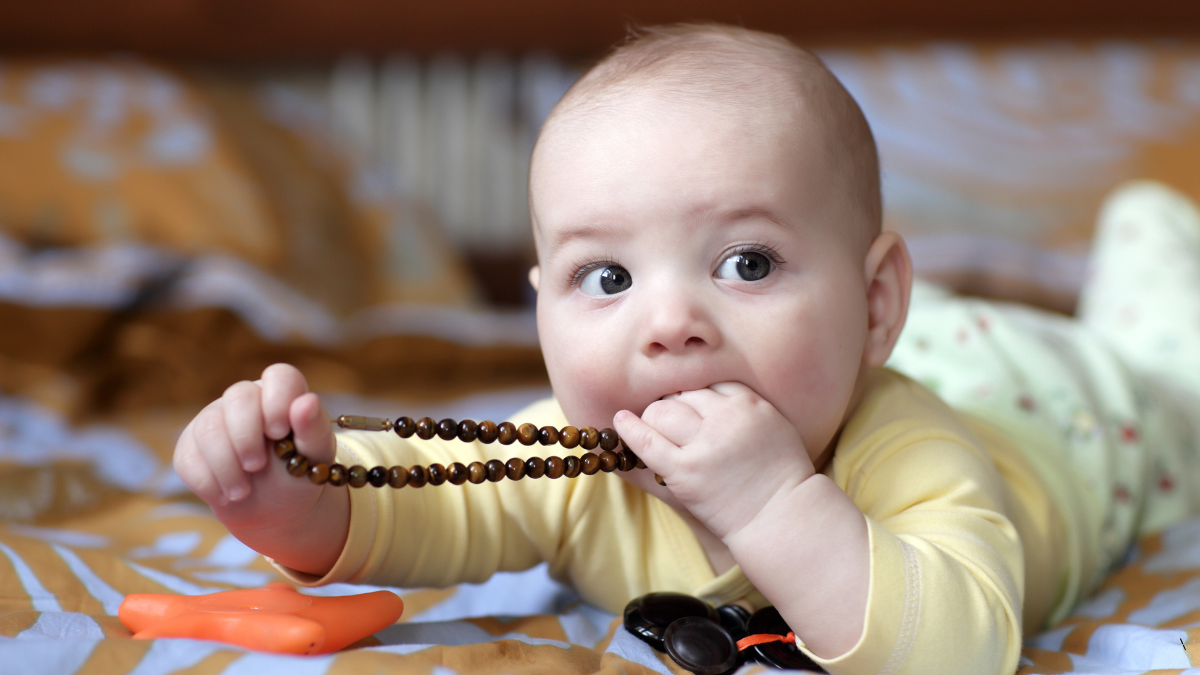
Teething Pain and Mouthing to Explore the World
Sore gums from new teeth make everything hurt. Biting presses on those tender spots and soothes the ache right away. Toddlers also mouth toys, fingers, or legs to learn textures and test cause and effect. What happens when they chomp down?
Look for drooling, red cheeks, or chewing on hands. These signal teething more than mischief.

Offer cold teething rings or frozen washcloths. They numb gums without risk. Rubbing chilled carrots works too. This redirects the urge safely, so they explore without harm.
Frustration When Words Fall Short
Toddlers aged 1 to 2 grab toys or push siblings close by. They yell “mine” or “stop,” but words fail them. Biting steps in to claim space or end the bother. NAEYC explains this push for independence sparks it most.
Picture a playdate: your child wants the truck back now. No words? Chomp. Or a hug feels too tight; bite says back off.
Stay calm and name the feeling: “You want the toy. Use words next time.” Model “mine” clearly. This builds skills fast, as NAEYC guidance on biting shows.
Big Emotions and Sensory Overload
Tiredness, loud rooms, or crowds overwhelm little ones. Anger boils or excitement spikes; they lash out with teeth. Kids with sensory needs crave that firm mouth pressure to calm down.
Noise at daycare amps it up. Or after nap, everything feels too much. Pediatric occupational therapy guides from sources like KidsHealth link this to poor regulation.
For related meltdowns, check tips to prevent toddler aggression. Deep breaths or quiet corners help reset them quick.
Grabbing Attention or Copying Others
A quick bite guarantees eyes on them. Even a stern “no” beats silence. They also mimic a playmate’s nip or defend against a grab.
Positive chats and play fill the gap best. Praise sharing: “Great job waiting!” This shifts focus from reactions to rewards. Self-defense bites drop as they learn words.
Spotting the Warning Signs to Head Off Bites
You catch bites early when you spot patterns first. Keep a simple journal for a week. Note the time, place, and what happened right before. Hunger strikes before lunch. Fatigue hits late afternoon. Crowds at playgroup overwhelm them. Steady routines cut these triggers, so bites drop.
MSU Extension stresses observing where, when, and who gets bit. Patterns show up fast.
Key Patterns to Track in Your Journal
Start today. Jot down details after playtime or meals. Common ones include:
- Hunger: Fuss starts 90 minutes after eating. Offer snacks like apple slices.
- Fatigue: Yawns or rubs eyes mid-morning. Shorten outings.
- Crowds or noise: Tension builds in groups. Limit playdates to two kids.
This data helps you act ahead. No more surprises.
Body Language Clues They Can’t Hide
Watch close. Your toddler signals trouble seconds before. Tense face scrunches up. Little hands grab clothes or toys tight. Whining ramps higher than usual. These mean frustration boils.
Step in quick. Say, “I see you’re mad. Let’s use words.” Redirect to a soft toy. Practice pays off.
Causes by Age: A Quick Reference Table
Biting shifts with growth. Use this table to match signs to stages.
| Age Group | Main Causes | Details |
|---|---|---|
| Infants (0–12 months) | Teething, exploration, sensory learning | Babies bite to soothe gums and test reactions. |
| Toddlers (12–36 months) | Language gaps, frustration, overstimulation, attention | Peaks here from tiredness, hunger, or crowds. |
| Preschoolers (3–5 years) | Strong emotions, stress, self-defense | Rare now; check home or peer issues. |
Data from sources like DECAL’s Chew on This guide. Biting fades by 3.5 years usually.
Build routines to prevent it all. Check bedtime routine tips for steady evenings that ease fatigue.
What to Do Immediately After a Bite Happens
A bite shocks everyone. You feel heat rise in your cheeks. But stay calm first. Big reactions like yelling give the biter attention, which fuels repeats. Zero to Three’s response guide outlines clear steps: comfort the victim right away, tell the biter no in a firm voice, then label feelings. Skip punishment; it backfires. These moves teach limits fast. Follow them every time for quick results.
Comfort the Hurt Child and Clean Up
Rush to the bitten child. Hug them tight and say, “Ouch, that hurts friends.” They need your warmth most. Check the mark close. Wipe with a cool cloth. If skin breaks, wash with soap and water right away. Add ice in a cloth for swell. Distract with a toy or snack.
This priority shows biting gets no reward. The biter watches and learns.

Comfort builds trust. Your quick care eases tears and sets the tone.
Calmly Address the Biter Without Yelling
Kneel to eye level with the biter. Keep your voice steady and low. Say, “No biting. We use gentle hands.” Or try, “Biting hurts.” Make it short. No long talks; they tune out.
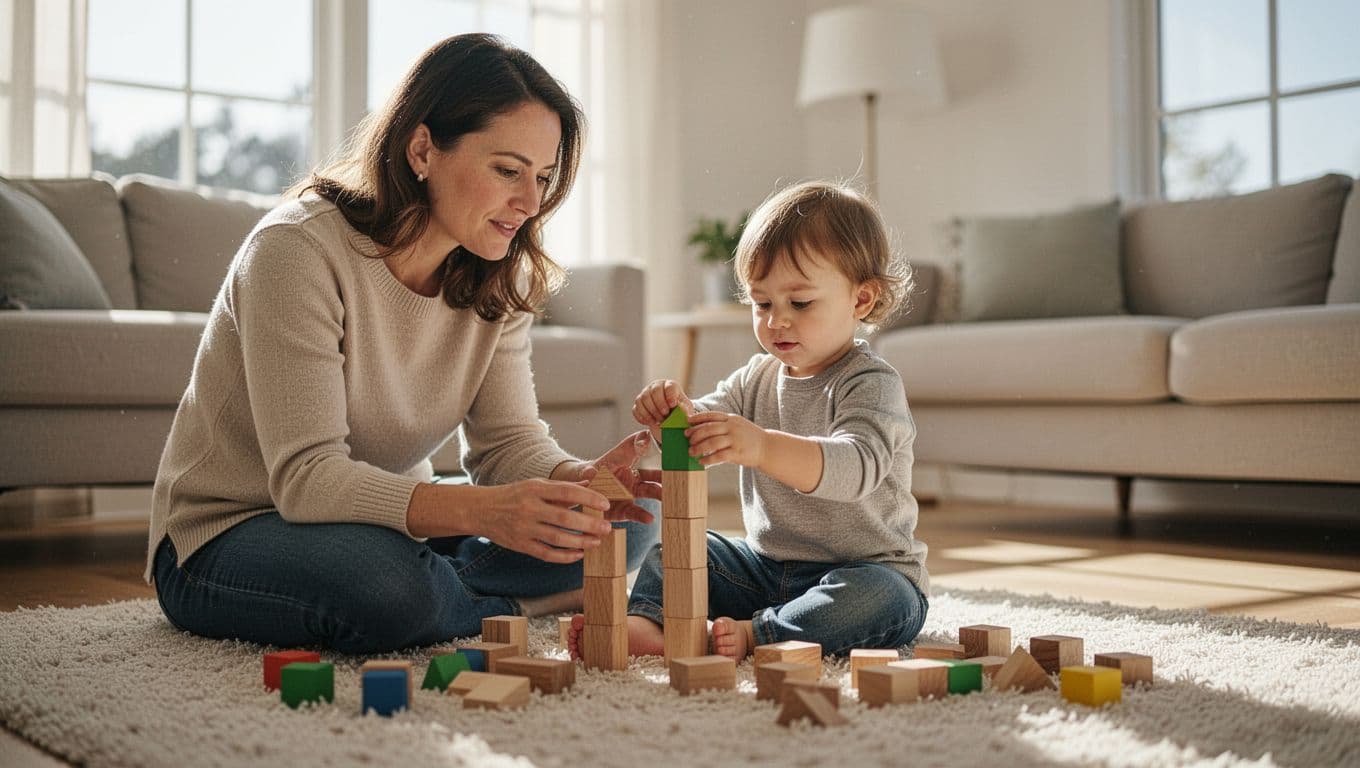
Gently pull them away for 30 seconds. Sit quiet nearby. Then redirect: “Let’s build blocks.” This breaks the cycle without drama.
Calm words stick better. They hear you and feel safe to change.
Help Them Name Feelings to Build Skills
Once settled, point to the biter’s face. Say, “You seem mad. Biting hurts; say ‘stop’ next time.” Or, “You’re excited. Use words like ‘my turn.'” This links actions to emotions.
Grab a book with feelings faces. Read together: “The boy looks sad. What do we say?” Point to pictures of mad kids. Practice on stuffed animals: “Gentle touch!”
Words replace teeth over time. Praise tries: “You said ‘stop’! Great job.” Skills grow with reps.
Proven Ways to Stop Biting for Good
You’ve handled the immediate aftermath. Now prevent bites with steady strategies. These build skills and meet needs before frustration hits. Consistency across home and daycare cuts repeats fast. Connect Pediatric Therapy’s guide for parents backs chew tools and routines for sensory kids. Track progress weekly: note fewer bites, better words used. Praise heavily. Small groups and active play release energy. Check DIY sensory play activities for toddlers for outlets.
Create Predictable Routines and Safe Spaces
Set a daily schedule: meals, play, naps at set times. Predictability lowers stress, so bites drop. Add quiet breaks in a cozy corner with pillows. It resets overload.
For sensory urges, offer chew alternatives. Crunchy snacks like carrot sticks or pretzels satisfy the need. Silicone chew necklaces work during play.

Model sharing: hand toys gently to siblings. Say, “Your turn soon.” Limit groups to two kids. Active play like chasing bubbles burns energy first. Results show in days.
Practice Words and Gentle Ways to Express Needs
Toddlers bite from word gaps. Role-play daily. Use dolls: “Mine! My turn.” Practice “stop” with pats, not teeth.
Read emotion books together. Point to mad faces: “He feels angry. Say ‘no thanks.'” Stuffed animals act it out: gentle hugs win praise.
Repeat in real moments. After a grab, coach: “Use words: my toy.” They copy fast. Besides, it builds confidence. Stay patient; skills stick with reps.
Catch Them Being Good and Reinforce Positively
Ignore minor grabs; focus on wins. Spot sharing: “I love how you gave the ball! You made her happy.” Specific praise lights them up.
Heavy positivity shifts habits. After calm play, hug and say, “Gentle hands rock!” It beats attention from bites.
Repeats fade as good gets the spotlight. Journal wins: three shares today? Celebrate. Your cheers make change last.
When Biting Won’t Stop: Time for Extra Help
Most toddlers quit biting by age 3 as words and self-control grow. But if it drags on, don’t panic. It’s rare, yet worth checking. You spot patterns from your journal. Bites keep happening despite routines and coaching? Time for backup. Pediatricians help sort causes like hidden pain or stress.

Red Flags That Signal Professional Support
Watch these signs closely. They point to more than typical phases.
Bites continue past age 3 or 4. Or they ramp up, leaving marks or bruises. Pair that with hitting, daily tantrums, or speech delays. No remorse after calm talks? Or new triggers like family changes spark it. Cleveland Clinic notes these need a doctor’s look.
KidsHealth adds sensory overload or sleep issues often hide behind it. Track bites for two weeks. Share details at the visit.
Check for Pain, Stress, or Sensory Needs First
Rule out teething remnants or ear infections. Stress from moves or new siblings amps aggression. Sensory kids crave deep pressure; biting fills that gap.
Ask your pediatrician about occupational therapy. OTs offer chew tools and calm-down plans. Utah Valley Pediatrics suggests this for stubborn cases.
Team Up with Family and Daycare for Best Results
Talk openly with caregivers. Share your journal and strategies. Align on “no biting” responses. How to stop a child from repeating bad behavior fits here for united tips.
Pros reassure you too. Early steps prevent bigger issues. Your child thrives with this support. Call today if flags wave.
Conclusion
Toddlers bite from teething pain, frustration, or overload. You spot triggers, respond with calm words, and teach gentle alternatives. Prevention through routines and praise stops it best.
Consistency turns chaos into calm playdates. It builds skills fast, so bites fade by age 3. You’ve got this; steady steps make the difference.
Try one tip today, like a chew toy or feeling words. Share your wins in the comments below. For more on staying calm during tough moments, check that next. Your little one thrives with your lead.
Save pin for later

- 12 Things Pregnant Women Do When They’re Alone - June 7, 2026
- 25 Healthy Pregnancy Snacks You Should Try - June 7, 2026
- 100 Funny Baby Jokes That Will Make You Laugh - May 15, 2026