Getting dressed when your body changes every week can make even a simple outfit feel complicated. One day your jeans fit, the next day they don’t, and after birth you’re often dressing for comfort, feeding, and healing at the same time.
A small pregnancy wardrobe essentials list can save you money and a lot of stress. With the right basics, you can stay comfortable, layer with ease, and keep clothes that work for breastfeeding and postpartum days without losing your style.
This is about choosing pieces that feel like you, not chasing a perfect closet. Keep reading for the smart staples that carry you through the bump and beyond.
Build a pregnancy wardrobe that works before, during, and after the bump
A capsule-style pregnancy wardrobe keeps getting dressed simple when your body and schedule both feel unpredictable. Instead of buying a closet full of one-use pieces, you choose a smaller set that works hard in more than one season of life.
That approach saves time in the morning, money at checkout, and mental energy on days when even tiny choices feel heavy. It also makes postpartum mornings easier, because the same flexible clothes that fit a growing bump can often still feel good when your shape changes again after birth.
Choose pieces that stretch with your changing shape
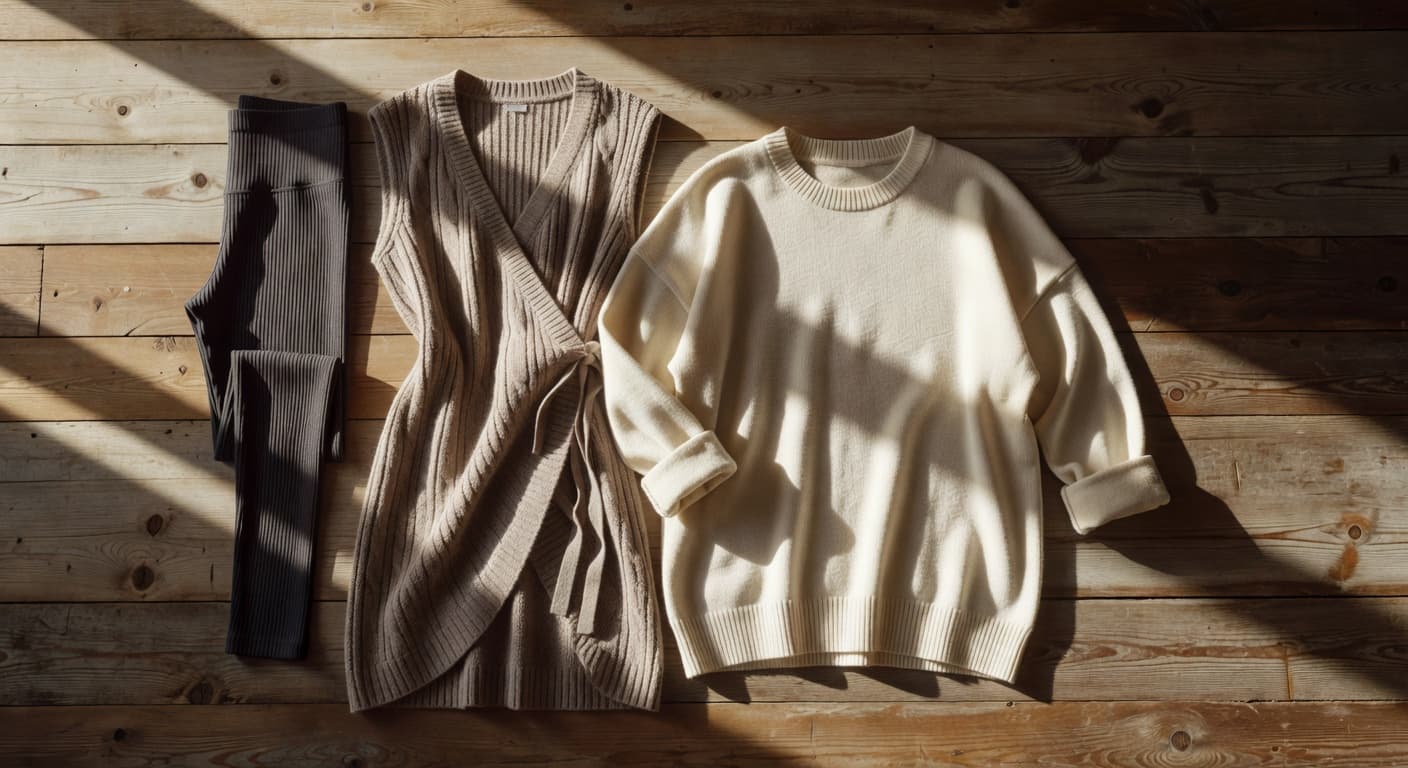
Pregnancy clothing should move with you, not fight you. Soft knits, ribbed fabric, adjustable waistbands, and gentle stretch give your body room to expand without pinching or pulling.
Rigid waistlines and stiff fabric stop working fast because they leave no room for change. Scratchy seams can also turn a simple outfit into a constant annoyance, especially as your skin gets more sensitive. For a closer look at pregnancy basics that hold up well, essential maternity wardrobe staples can help you think through your first few picks.
The best pieces feel comfortable across all trimesters, then still make sense in the early postpartum period. That matters because your shape does not snap back overnight, and your clothes should not expect it to.
A simple rule helps here:
- Choose stretch where your body changes most so waistbands and seams do less fighting.
- Pick fabrics that drape instead of cling when you want comfort and a smoother fit.
- Look for adjustable details like wrap shapes, drawstrings, or fold-over waists.
- Keep touch points soft since itchy necklines and rough seams get old fast.
Even your go-home outfit should follow this idea. If you want practical packing advice for that stage, choosing the best going-home outfit is a helpful place to start.
Aim for mix and match colors that make dressing easy
A small color palette makes a capsule wardrobe feel calm instead of crowded. Neutrals like black, white, cream, gray, navy, and tan give you a base, then a few favorite shades add life without making outfits harder to build.
When your colors work together, a handful of pieces can create many looks. That means fewer decision-heavy mornings and less money tied up in clothes that only match one thing.
Darker colors can also be handy during pregnancy and postpartum, especially for spills, spit-up, and leaks. Still, lighter pieces can work well too if the fit is forgiving and the fabric has enough weight to hang nicely.
A simple mix might look like this:
| Color choice | Why it helps |
|---|---|
| Neutrals | Mix easily and keep outfits flexible |
| One or two accent shades | Add variety without clutter |
| Darker basics | Hide stains and feel practical after birth |
| Light tops or layers | Keep outfits fresh when the fit is relaxed |
If you want inspiration for pieces that already lean versatile, building a versatile pregnancy wardrobe is a useful reference. The goal is simple, your clothes should work together like a small, reliable team, not sit in the closet waiting for the perfect match.
The best pregnancy wardrobe is not the biggest one. It is the one that keeps working when your body, energy, and routine keep changing.
That mindset makes shopping easier too. Instead of chasing trends, you can ask one clear question: will this still feel useful in a few months? If the answer is yes, it earns its place.
The bump-friendly basics you will reach for every week
The best everyday pieces are the ones that slide into your routine without a fight. They fit the bump, still feel good after birth, and make getting dressed feel less like a daily project.
That usually means buying fewer pieces, but choosing them with care. A small set of reliable staples gives you more outfits than a closet full of trend items that pinch, slide, or stop working after a few weeks.
Leggings, maternity jeans, and pants that do not fight your body
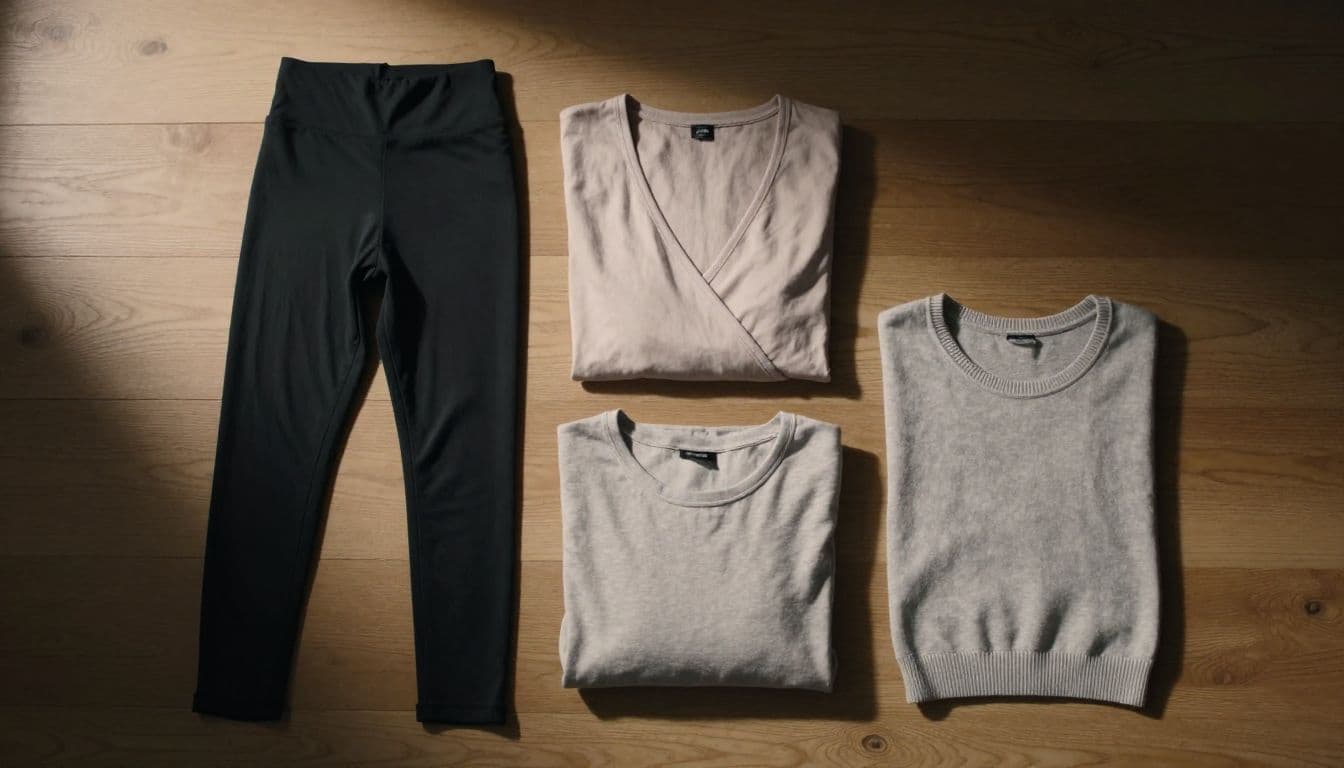
Bottoms should support your body, not squeeze it. The right pair gives you room where you need it most, while still keeping shape and structure where you want it.
Over-the-bump styles rise above the belly and usually feel smoother for all-day wear. Under-the-bump styles sit lower on the hips, which some people like better early in pregnancy or when they want less fabric up top. Both can work well, so the best choice is the one that stays put and never digs in.
Leggings are the true workhorse here. They work for school runs, doctor visits, long naps, and everything in between. Maternity jeans come in handy for errands and outings when you want a more finished look, while black pants or joggers bridge the gap when you want comfort with a little polish.
If you want one smart place to start, choose a pair that feels secure when you sit, walk, and bend. For more help comparing fits, a good maternity pants buying guide can be useful when you are narrowing down styles.
The best bottoms disappear into the background. You should notice your day, not your waistband.
Tops, tanks, and tees that layer without adding bulk
Simple tops do a lot of heavy lifting during pregnancy and postpartum. Long tanks, fitted tees, and soft tops make it easier to layer without feeling boxed in.
Slightly longer lengths matter because they give you more coverage as your belly grows. They also help after birth, when your shape may feel different from one week to the next and you want clothes that sit smoothly instead of riding up.
Nursing-friendly basics are especially useful if breastfeeding is part of your plan. Wrap styles, side ruching, and easy neckline access can make feeding simpler, while still looking put together under a sweater or jacket.
A good mix of tops can also keep your closet from feeling bulky. A few soft tees, a couple of tanks, and one or two wrap-friendly tops often cover far more ground than a pile of one-off pieces. If you want a wider starting list, these pregnancy wardrobe staples pair well with the basics you already own.
One-piece outfits that save time on busy days
Some days call for a dress that goes on in seconds and asks nothing more of you. One-piece outfits are perfect for those low-energy mornings when matching separates feels like too much work.
Dresses, jumpsuits, and maxi styles are easy choices for doctor visits, errands, and casual outings. Pair them with sneakers for a grounded, everyday look or sandals when you want something lighter and simpler.
Stretchy, drapey fabrics usually work better than tight, structured ones at this stage. They move with your body, skim instead of squeeze, and keep you comfortable through sitting, walking, and long appointments. A fabric that hangs well can feel like a small relief on a busy day, especially when your body is changing fast.
A few good one-piece options can also cut down on decision fatigue. When your closet has one outfit that already looks complete, you get dressed faster and leave the house with less friction.
Postpartum clothes that make recovery feel a little gentler
Postpartum dressing changes fast because your body changes fast. One day you want softness against every sore spot, and the next you want clothes that make feeding easier and help you feel a little more like yourself.
The best pieces work with healing, not against it. They give your stomach room, avoid pressure on tender skin, and keep life simple when sleep is thin and the baby needs you now.
Soft waistbands and loose fits for healing days
Early postpartum clothes should feel calm on your body. Tight waistbands can press on a sore belly, rub a C-section incision, or sit awkwardly on skin that still feels tender and swollen.
That is why joggers, soft leggings, loose shorts, oversized tees, and roomy loungewear make sense in the first weeks. They move with you, let you rest without fussing with your outfit, and keep you from thinking about every seam and waistband.
If you gave birth vaginally, looser clothing can also feel kinder around stitches, swelling, or pelvic heaviness. If you had a C-section, stay away from anything that rubs the incision area or sits too high on sensitive skin. A lower-rise waistband, a wide soft panel, or a relaxed dress often feels easier than anything snug.
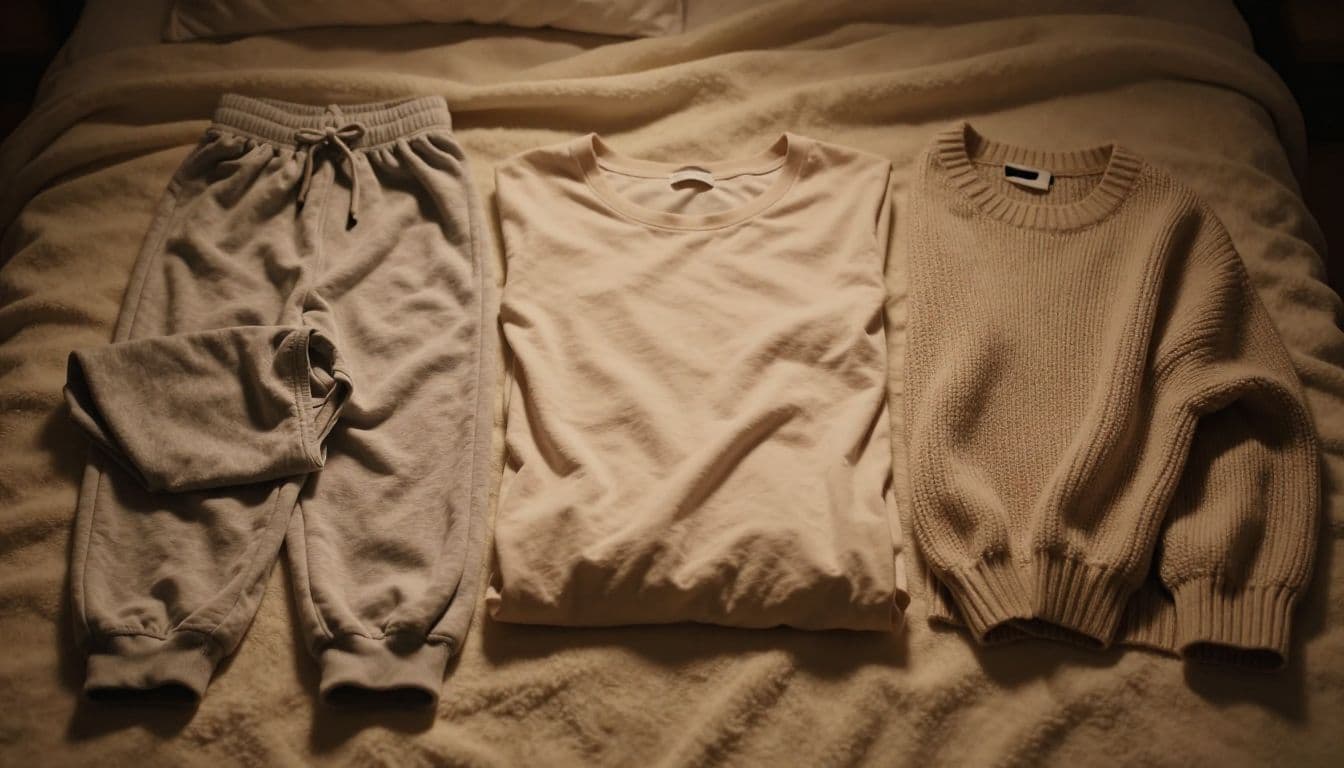
A good postpartum outfit should feel like a blanket with shape. If it does, you’ll reach for it again and again, especially on the days when comfort matters more than polish.
Nursing-friendly pieces that make feeding simpler
Feeding a newborn can happen at home, in the car, during a night wake-up, or while half asleep on the couch. Clothes with easy access take some pressure off that moment. Wrap tops, button fronts, pull-aside styles, and nursing bras all help make feeding less awkward and more direct.
You do not need a fully nursing-specific wardrobe to get by. A few smart pieces can make life easier, especially when your baby feeds often and your own energy runs low. A wrap top can double as a daytime shirt and a quick feeding layer. A button-down can work for nursing, pumping, or even worn open over a tank.
If you want more support while you figure out what feels practical, postpartum recovery tips for new mothers can help you keep the bigger picture in view. Clothing is part of that picture because comfort affects how easily you settle into feeding, resting, and moving through the day.
For readers who want a quick reference, these features usually help most:
- Wrap or crossover tops for fast access without changing clothes.
- Button-front shirts that work day or night.
- Pull-aside tops that stay soft and simple.
- Nursing bras that support you without extra pressure.
For more on what practical postpartum pieces tend to look like, Kindred Bravely’s guide to what to wear after a C-section offers helpful examples of soft, easy options. The goal is not perfection, just fewer obstacles when your hands are full.
Layering pieces that help you feel put together fast
A simple layer can change a whole outfit. Cardigans, open shirts, lightweight jackets, and blazers add shape without asking much from you, which is exactly what many postpartum mornings need.
Layers also help when temperatures keep shifting. Hospitals can feel cold, homes can swing warm, and quick trips outside often call for one extra piece. Tossing on a cardigan or open shirt can make leggings and a tee look intentional in seconds.
The best layering pieces are roomy enough to move over nursing clothes and soft enough to wear for long stretches. A blazer can even work when you want a more polished look for an appointment or dinner, as long as it doesn’t press too tightly across your chest or stomach. For something more relaxed, a long cardigan usually feels easier and still gives that finished touch.
When you want an outfit that looks pulled together without much effort, start with a simple base and add one layer. That small step can make you feel ready for the day, even when the day is running on very little sleep.
If you’re building a postpartum wardrobe with real life in mind, think softness first, access second, and style third. When clothes heal with you, feed with you, and move with you, getting dressed stops feeling like another chore.
How to shop smarter so your maternity clothes last longer
Smart maternity shopping starts before you hit “add to cart.” The goal is to buy fewer pieces, wear them more often, and keep them useful after the bump stage ends. That usually means choosing clothes with stretch, simple care, and a fit that works through pregnancy and postpartum.
A good rule helps right away, buy for your real life first. If you spend most days in leggings, tees, and one favorite pair of pants, those pieces deserve the most attention. When your closet matches your routine, you waste less money on clothes that look nice but never leave the hanger.
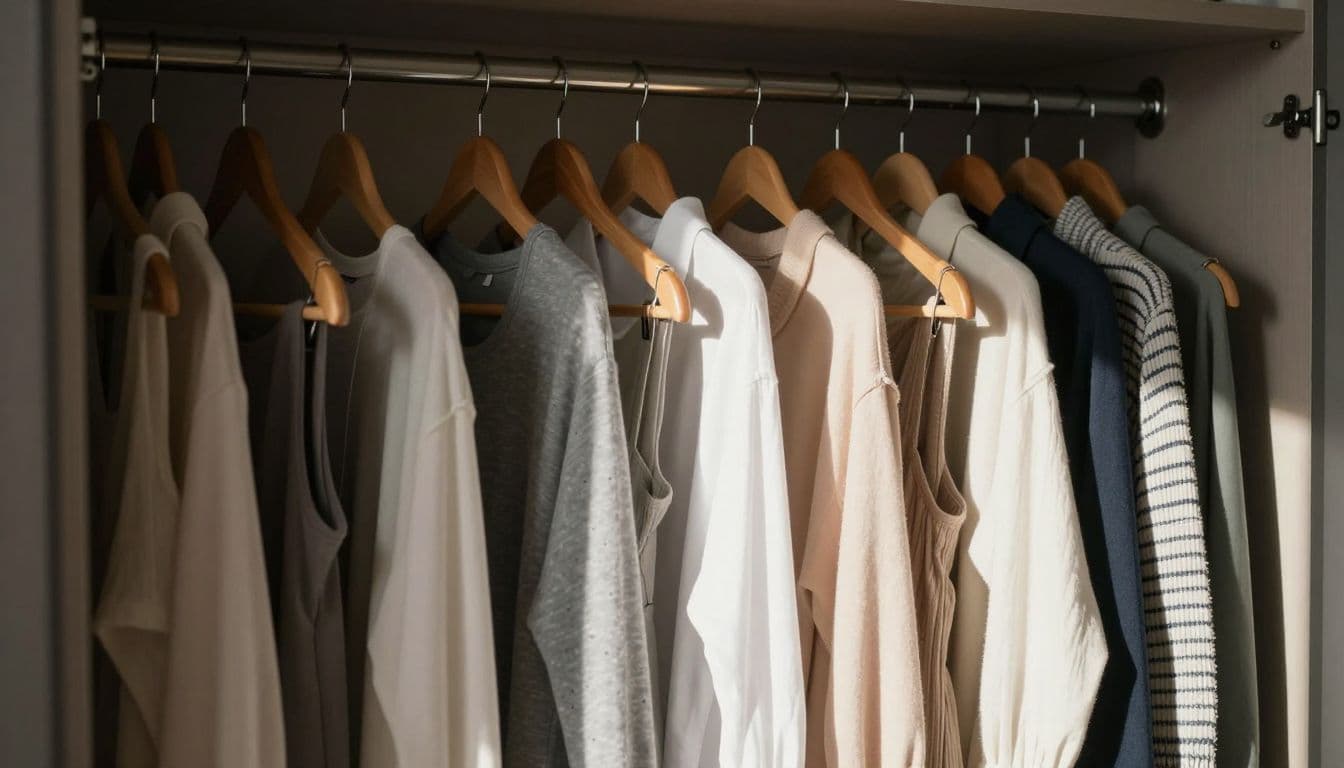
Start with the items you will wear most often
Begin with the pieces that will work hardest. For most people, that means leggings, bras, tees, and one great pair of pants. These are the clothes you’ll reach for on school runs, grocery trips, lazy mornings, and doctor visits, so they should fit well and hold up to repeat wear.
Daily basics matter more than special occasion outfits because they do the heavy lifting. A dress for one event can be borrowed, repeated, or skipped. A bra that fits badly, on the other hand, will bother you every single day.
Before you shop, picture your week in real scenes. If you live in soft basics, buy better versions of those first. If you need workwear, start there instead of collecting pieces you may wear once.
A simple order keeps impulse buys in check:
- Buy the items you wear almost daily.
- Add one or two versatile layers.
- Save occasion pieces for last.
That approach keeps your closet practical and your budget focused. It also makes postpartum dressing easier, because the same staples often carry you forward when comfort matters most.
Know when to splurge and when to save
Spend more where fit and support matter most. A well-made nursing bra, supportive maternity bra, or jeans that truly sit right can change how you feel all day. Those are the items that should not pinch, slip, or wear out after a few washes.
Save on simple pieces that do not need to do much. Basic tank tops, casual tees, and throw-on layers can often come from more affordable brands, especially if they are easy to replace. A soft cardigan does not need to be expensive to do its job.
The best place to invest is in clothes you will wash often. Repeated laundering is hard on fabric, so better stitching and thicker material usually pay off. For a practical budget-friendly perspective, The Bump’s maternity wardrobe guide also recommends starting with a few key basics instead of a full new closet.
Use this quick filter before buying:
- Splurge on bras, jeans, and any piece with a tricky fit.
- Save on plain tops, sleepwear, and casual layers.
- Check fabric care before paying more for something delicate.
- Skip trendy details if they make the item hard to rewear later.
If one item has to work overtime, let it be the one you spent a little more on.
That balance keeps your wardrobe sensible. You get the support where you need it, without overspending on pieces that only fill space.
Plan for future use, not just one season
The smartest maternity pieces keep working after birth. Stretchy tops, wrap styles, and nursing-friendly layers can stay in your rotation long after your bump is gone. Neutral colors help too, because they mix easily with what you already own.
Think past the due date when you shop. A cardigan you can throw over a tee, a tank that layers well, or a soft dress that still feels good postpartum gives you more value than a one-time outfit. Even if you have another pregnancy later, those pieces may come back into use.
For items that will not get constant wear later, use resale, hand-me-downs, or storage. Maternity clothes are a good category for all three. Many pieces have a short active life, so there is no reason to pay full price if you can borrow or buy secondhand. Healthy travel tips for expectant mothers also points to the value of comfortable, flexible clothing that stays useful in changing situations.
A few future-friendly choices go a long way:
- Stretchy fabrics that recover well after repeated wear.
- Nursing access in tops and dresses when breastfeeding is a possibility.
- Adjustable waist details that help clothes last through body changes.
- Neutral basics that can blend into your regular wardrobe later.
If you want one final shopping habit, try the 24-hour pause. Put the item on your list, then wait a day. If it still fits your real needs, it’s probably worth keeping.
Conclusion
A pregnancy wardrobe works best when it stays small, soft, and ready for real life. The same few pieces that support your bump can also make those early postpartum days feel less rough, especially when comfort and easy access matter most.
The strongest takeaway is simple, choose clothes that flex with your body and fit your routine. When every item has a purpose, getting dressed takes less energy, and your closet starts to feel calm instead of crowded.
A good pregnancy wardrobe does not need to be large, expensive, or trendy. A few comfortable essentials can carry you through the bump and into postpartum with less stress, and that kind of ease matters every single day.
Save pin for later

- Dry Cough in Kids: 5 Causes and Safe Solutions - September 23, 2026
- How to Help a Child Deal With Anxiety at Home - September 12, 2026
- How to Prepare Your Child for the First Day of School - September 12, 2026