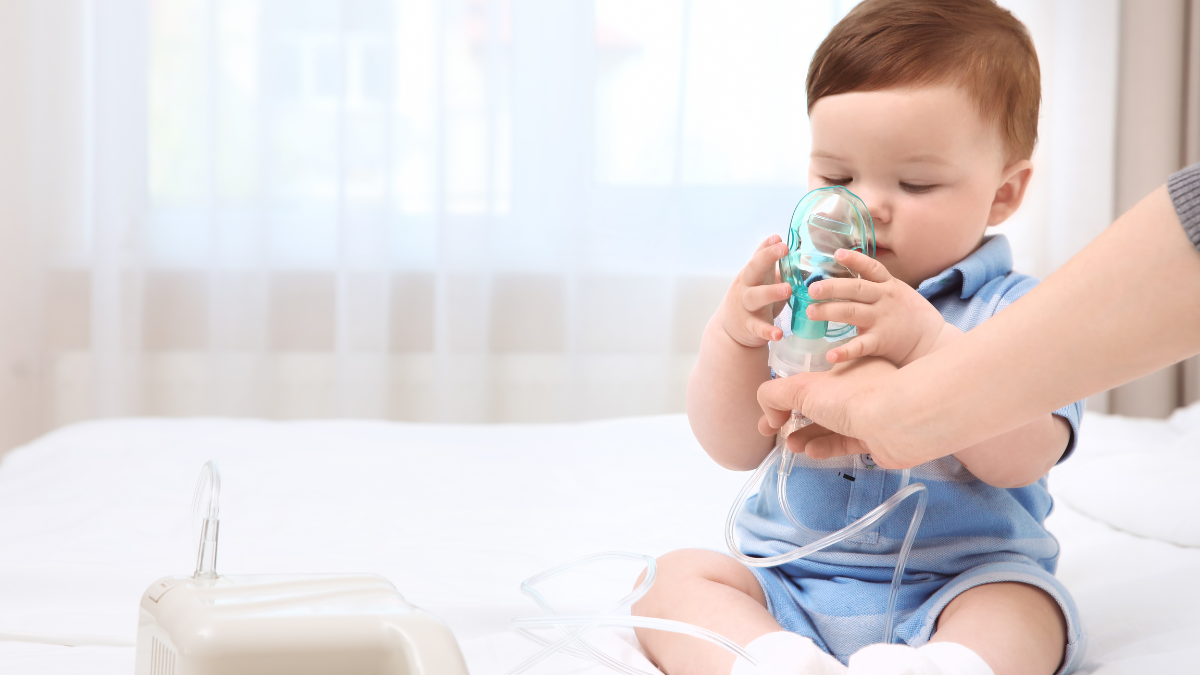
After a busy family visit, loud outing, or long play session, your baby may suddenly become fussy, cry harder, turn away, or struggle to settle. These reactions can be signs of overstimulation, which happens when your baby takes in more sights, sounds, touch, movement, or social interaction than they can process.
Overstimulation isn’t bad behavior, and it doesn’t mean you’ve done anything wrong. Your baby’s body is communicating that they need less input and more help returning to a calm state. The signs can look different depending on your baby’s age, temperament, and what happened beforehand, so noticing early changes can make soothing easier.
Below, you’ll learn the 14 common signs of overstimulation in babies, along with common triggers, calming steps, age-related differences, and medical red flags that shouldn’t be mistaken for sensory overload. For a visual overview, watch this video on overstimulation in babies.
14 Signs of Overstimulation in Babies to Watch For
One sign alone doesn’t prove overstimulation. Look for a pattern, the timing after busy activity, and a clear change from your baby’s usual behavior. Babies may first disengage quietly before they cry, so early cues deserve attention.
Early quiet cues your baby may need a break
These signs can appear after visitors, noisy errands, bright lights, or extended play:
- Looking or turning away may mean your baby needs less to process. For example, they may turn from your face during an animated conversation.
- Avoiding eye contact or covering the face can show a need for reduced social input. A baby might hide behind their hands or press their face into your chest.
- Yawning, hiccupping, or sneezing may appear when your baby is tired or overwhelmed. These cues can happen before intense crying.
- Changes in breathing deserve your attention. Faster breathing, breath-holding during distress, or irregular breathing may occur when your baby struggles to settle.
- Red or pale, mottled skin can accompany distress or overstimulation. Color changes should improve as your baby calms, and breathing problems require prompt medical advice.

When you notice these quieter signals, pause the game, lower your voice, dim the room, and give your baby time to re-engage. Adding songs, toys, or extra movement can push them closer to crying.
Body movements that show your baby feels overwhelmed
Your baby’s body may become tense, busy, or suddenly still as stimulation builds.
- Clenched fists can show tension, especially when they appear with fussiness or a turned-away face.
- Jerky or frantic arm and leg movements may look like flailing, rapid kicking, or sudden bursts of movement after too much handling.
- Arching the back or stiffening can happen when your baby resists more touch, movement, or noise.
- Falling asleep or seeming to shut down may follow a period of intense input. A limp, exhausted posture can mean your baby has run out of energy rather than reached a peaceful state.
These movements can have other causes, including hunger, gas, reflux, tiredness, pain, or a wet diaper. Consider the setting, recent activity, feeding, sleep, and your baby’s normal behavior before deciding that overstimulation is the cause.
Crying, feeding changes, and the need for comfort
The later signs often involve crying, contact, and feeding.
- Louder-than-usual crying may begin after a crowded room, a long outing, or vigorous play.
- Persistent or difficult-to-console crying means your usual soothing methods aren’t working quickly.
- Fussiness or irritability may look like constant squirming, whining, or repeated short cries.
- Wanting to be held more than usual can show that your baby needs help feeling secure. Some babies settle with close contact, while others become more upset when handled.
- Refusing touch or becoming upset when handled, including refusing to nurse or feed, can signal that your baby needs a quieter reset. Don’t force a feed, since hunger and fullness cues can be confused when a baby is distressed. The American Academy of Pediatrics calming guidance recommends reducing stimulation and using simple, calm soothing steps.
Keep the room quiet, offer comfort in the way your baby accepts, and check basic needs first. Sudden changes in crying, breathing trouble, fever, repeated vomiting, poor feeding, or unusual sleepiness call for medical guidance rather than assuming overstimulation.
What Causes Baby Overstimulation and When It Usually Happens
Normal stimulation helps babies learn. Talking, cuddling, eye contact, floor play, and gentle movement give your baby useful sensory input. Overstimulation happens when the input arrives faster than your baby’s developing nervous system can process it.
The difference often appears in your baby’s response. A content baby may look around, smile, kick, or engage with you. An overwhelmed baby may turn away, stiffen, fuss, cry, or suddenly stop responding. Tired or unwell babies usually tolerate stimulation poorly, so ordinary activity can feel like too much.
Why tired babies can look overstimulated
Missed naps, late bedtimes, hunger, and an overlong wake window can make your baby sensitive to noise, touch, movement, and play. A baby who has stayed awake too long may seem restless or frantic, then cry when you try to soothe them. That reaction can look like sensory overload, even though exhaustion or hunger is adding to the problem.
Several small stressors may build across the day. A short nap, a delayed feeding, a noisy errand, and an exciting play session can leave your baby with very little patience by evening. A disrupted routine can have the same effect, especially when your baby is already fighting sleep or recovering from illness.
Watch for patterns instead of chasing a perfect schedule. Note when your baby slept, ate, went out, and began showing signs of distress. Yawning, rubbing the eyes, staring, looking away, or falling asleep often mean your baby needs rest, not more rocking, songs, toys, or conversation. Lower the lights and noise, check hunger and comfort, then offer a safe sleep space when your baby is ready.
Busy places, visitors, and too much input at once
Family gatherings, shopping trips, holidays, playdates, and social visits can bring several triggers together. Bright lights, loud voices, constant movement, new faces, repeated touching, and multiple people talking may arrive within minutes. Being passed from person to person can add even more input, while flashing toys or screen-like visual activity keeps your baby’s attention moving.
A baby may seem fine during a busy event, then cry as soon as the family gets home. Holding it together in a crowded room doesn’t mean the experience was easy. Once the noise stops, your baby may finally show how tired and overloaded they feel.
Plan quiet time after busy events. Let your baby watch from a calm caregiver’s arms instead of joining every interaction. Move to a dimmer room, reduce conversation, and pause handling before distress grows. For more examples of common triggers, see this guide to signs of an overstimulated baby.

How to Calm an Overstimulated Baby Without Adding More Stress
When your baby shows signs of overload, your first job is to remove input, not add more comfort attempts. A calm response gives their nervous system room to settle. Move slowly, speak less, and allow several minutes before deciding whether your approach is working.
A simple reset routine for the first few minutes
Start by stopping the activity. Move your baby to a quiet, familiar space, then lower the lights, turn off the television, put away toys, and ask visitors to pause.
You can say, “The baby needs a quiet moment. Please give us a few minutes without talking or touching.”
Next, check basic needs. Look for hunger, a wet diaper, gas, overheating, or tiredness. If hunger seems possible, offer a feed based on your baby’s usual cues, but don’t force feeding when they turn away or become more distressed.

Then choose one soothing action. If your baby seeks contact, hold them against your chest with their head and neck supported. Slow rocking, gentle back rubbing, skin-to-skin contact when appropriate, or a low, steady voice may help. If they stiffen, arch, push away, or turn their face aside, give them space while staying close and watchful.
Avoid switching rapidly between bouncing, singing, toys, feeding, and passing the baby to another person. Each new attempt adds more movement, sound, or touch. Instead, try one method for a few minutes and observe your baby’s response.
The goal isn’t to make your baby smile right away. You are helping their body move from overload toward calm. If your baby falls asleep, place them on their back in a separate crib, bassinet, or play yard with a firm, flat surface. The American Academy of Pediatrics safe sleep guidance recommends keeping soft objects and loose bedding out of the sleep space.
How to prevent overstimulation during everyday routines
Prevention often begins with shorter periods of activity. Stop play while your baby still seems interested, then offer a quiet break before fussing starts. Keep only a few toys nearby, since a crowded play area can create more visual input than your baby can manage.
During errands or family outings, plan pauses in a calm location. A short break in a quiet room, stroller, or carrier may help your baby recover before the next activity. After visitors leave, skip another exciting play session and move directly into your usual feeding, wind-down, or sleep routine.
Watch for early disengagement cues, including staring, yawning, looking away, rubbing the eyes, or becoming suddenly still. These signs often appear before crying. When you notice them, reduce the activity instead of trying to regain your baby’s attention.
Every baby has a different temperament and tolerance for noise, touch, and social contact. Use your child’s normal patterns as your guide, then adjust the length of play, outings, and visits accordingly.
How Overstimulation Looks at Different Baby Ages
Overstimulation can look different as your baby grows. Newborns often withdraw or become sleepy, while older babies may protest loudly or resist comfort. Age gives you context, but your baby’s usual behavior is the best comparison.
Newborn signs can be subtle and easy to miss
Newborns may not cry right away when the room becomes too busy. Their nervous systems are still developing, so they may respond by turning their face away, staring, yawning, sneezing, hiccupping, or suddenly falling asleep. A change in skin color, jerky movements, or a stiff body can also appear after too much noise, handling, light, or social attention.

Treat these early cues as a request for a pause. Stop the activity, lower the lights, reduce conversation, and give your newborn a few calm minutes. A newborn who falls asleep after stimulation may be tired rather than peacefully settled, so continue following safe sleep practices.
Still, don’t dismiss every concerning change as overstimulation. Fast or irregular breathing, persistent blue, gray, or very pale coloring, difficulty waking, unusual weakness, or trouble feeding needs medical attention. Contact your pediatrician promptly, or seek emergency help for severe breathing trouble, blue lips or face, or a baby who cannot be awakened.
Older babies may show stronger emotional reactions
Young infants may add fussiness, crying, clenched fists, and body stiffening to their earlier disengagement cues. As babies become more alert and mobile, they can push away, arch their backs, refuse a feeding, cling tightly, or become upset when someone tries to hold them. Older babies may cry intensely, resist soothing, or show anger that resembles a brief tantrum.
These reactions are communication, not evidence that your baby is spoiled. Your child may be saying, “I need less,” even without words. Remove extra input first, then offer one calm response, such as holding, quiet rocking, or space to settle.
Age alone doesn’t explain every behavior. Teething, hunger, pain, reflux, missed sleep, fever, and illness can look similar. If the reaction is sudden, unusually intense, keeps returning without a clear trigger, or comes with poor feeding or unusual sleepiness, check with your pediatrician rather than assuming overstimulation.
When Fussiness Is More Than Overstimulation
Overstimulation should begin to ease after you reduce noise, dim the lights, stop handling, and give your baby time to rest. If your baby seems ill, symptoms keep worsening, or the behavior doesn’t improve in a calm environment, stop assuming sensory overload and seek medical advice.

Signs that call for prompt medical advice
Call your pediatrician if your baby has a fever or an unusually low temperature, especially if your baby is under 3 months old. A rectal temperature of 100.4°F (38°C) or higher in an infant younger than 3 months needs prompt medical evaluation. You should also call if your baby:
- Feeds poorly, refuses several feeds, or cannot keep milk down.
- Has fewer wet diapers than usual, dry lips, or other signs of dehydration.
- Seems unusually sleepy, difficult to wake, weak, or unlike their normal self.
- Cries repeatedly and cannot be comforted after basic needs are checked.
- Has a cry that sounds sudden, shrill, weak, or different from normal.
- Continues showing distress after rest, quiet, and a calm environment.
Keep track of when the symptoms began and what happened beforehand. Tell the pediatrician about recent feeding and diaper patterns, sleep, temperature readings, vomiting, breathing changes, and anything that helped or failed to help. These details can help separate overstimulation from illness. The American Academy of Pediatrics parent guide can also help you understand when a pediatrician, urgent care clinic, or emergency department is the right choice.
Emergency symptoms parents should not wait on
Use local emergency services right away if your baby has trouble breathing, pauses in breathing, severe retractions, grunting, or blue or gray lips or skin. Very pale or blotchy skin can also signal a serious problem, especially when it appears with weakness or breathing changes.
Seek emergency help for a seizure, unresponsiveness, extreme floppiness, or a baby who cannot be awakened normally. Projectile or repeated vomiting, a rapidly spreading rash, or purple-red spots that don’t fade when pressed also need urgent care. No wet diaper for about eight hours can point to significant dehydration. AAP emergency-care guidance includes low urine output, breathing difficulty, and blue, gray, or pale coloring among serious warning signs.
Trust your instincts when something feels wrong. An online article cannot diagnose your baby, so get immediate help for urgent danger rather than waiting to see whether the fussiness passes.
Conclusion
Overstimulation is often your baby’s way of saying the world feels like too much. Watch for patterns such as turning away, frantic movements, crying, feeding changes, or shutdown-like behavior, especially after a busy outing, gathering, or long play session. These signs can help you notice when your baby needs a pause before distress grows.
Respond by reducing noise, light, and activity, then offer calm connection in the way your baby accepts. Hold them if they seek contact, or give them space if touch makes them more upset. There is no single perfect soothing method, and your baby may respond differently from one day to the next. Over time, you’ll learn to recognize their signals and adjust your approach.
Most importantly, trust your instincts. Seek pediatric guidance whenever your baby’s symptoms seem unusual, severe, persistent, or don’t improve after quiet and rest.
Save pin for later


- Dry Cough in Kids: 5 Causes and Safe Solutions - September 23, 2026
- How to Help a Child Deal With Anxiety at Home - September 12, 2026
- How to Prepare Your Child for the First Day of School - September 12, 2026