Newborn swaddling can calm a fussy baby fast, especially when the startle reflex keeps waking them up. Done well, how to swaddle a newborn can support safer sleep and longer stretches of rest, but the wrap has to be snug in the right places and loose where it matters most.
If you want a clear, practical way to do it without second-guessing every fold, you’re in the right place. This guide walks through the supplies, the wrapping steps, the safety rules, common mistakes, and when it’s time to stop swaddling, with extra sleep tips in this newborn sleep guide. For a quick visual, this step-by-step swaddling video can also help.
What swaddling does for a newborn
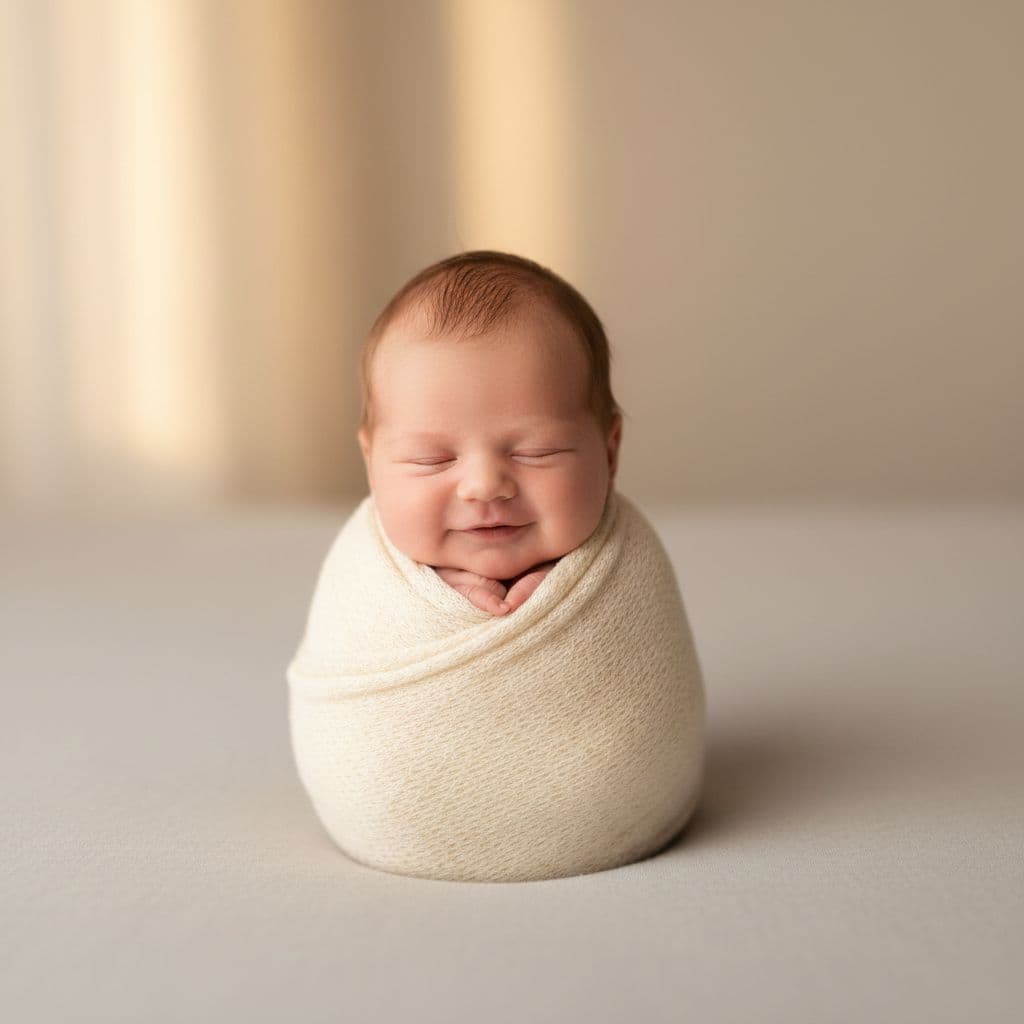
Swaddling helps many newborns feel calm, secure, and a little easier to settle. The snug wrap can mimic the tight comfort of the womb, which is familiar to a baby who has just moved into a much bigger world. For many parents, that means fewer jolts, less fussing, and smoother naps.
Why babies often sleep better when they are wrapped snugly
A snug swaddle can make a baby feel held without needing to be carried. That matters because newborns often react strongly to the startle reflex, also called the Moro reflex. Their arms may fling out suddenly, and that movement can wake them up right when they were drifting off.
When the arms stay tucked in, babies often settle more easily. The wrap reduces those sudden jerks, and the steady pressure can feel soothing at nap time or bedtime. In simple terms, swaddling gives some babies the cozy, contained feeling they had before birth.
That’s why swaddling can help with:
- Calmer sleep onset: Some babies fall asleep faster when they feel secure.
- Fewer wake-ups: Less arm flailing can mean fewer interruptions between sleep cycles.
- Easier soothing: A baby who feels snug may cry less and relax sooner.
Swaddling can support sleep, but it works best as one part of a safe sleep routine, not as a fix for every fuss.
If you want a fuller look at newborn sleep support, these baby sleep tips connect swaddling with other simple habits that help at night.
When swaddling can be helpful, and when it may not be
Swaddling often helps most when a baby startles easily, has trouble settling, or seems restless after being laid down. It can also be useful during those early weeks when your newborn needs extra help shifting from sleepy to fully asleep.
Still, not every baby likes it. Some babies calm down right away, while others fight the wrap, stiffen their legs, or cry more. If your baby seems uncomfortable, don’t force it. A swaddle should feel secure, not restrictive.
You may get the best results when you use swaddling for:
- Babies who wake from their own arm movements.
- Newborns who seem overstimulated or hard to calm.
- Short sleep stretches, where extra comfort helps them settle.
Swaddling is helpful, but it is not required for every baby. Some newborns sleep just fine without it, and some prefer a sleep sack or no wrap at all. For a good safety overview, the American Academy of Pediatrics swaddling guide explains why comfort and safe sleep both matter.
Choose the right blanket and a safe sleep setup
Before you start wrapping, get the basics right. The right swaddle blanket, a firm sleep space, and a cool room make the whole routine safer and easier. A good setup also helps the swaddle stay neat without turning bulky or loose.
The best fabric for a newborn swaddle
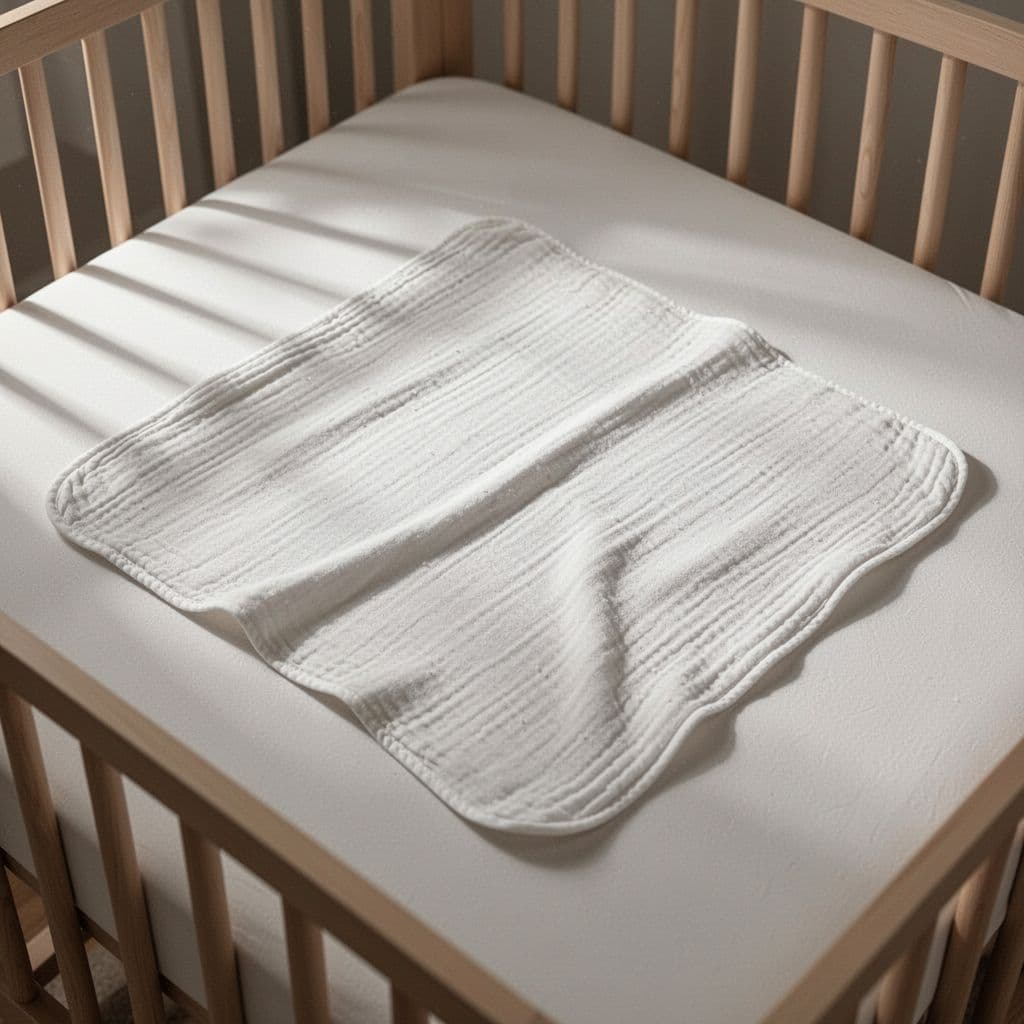
Choose a lightweight, breathable fabric such as cotton or muslin. These materials are soft on newborn skin, easy to fold, and less likely to trap heat during sleep.
Thin muslin is a strong choice because it has an airy weave. Lightweight cotton works well too, especially if it feels soft and stays flexible in your hands. If you want a swaddle that stays comfortable without feeling stiff, this is the kind of fabric to look for.
Heavy blankets are a bad match for newborn swaddling. They can hold in heat, make the wrap too thick around the chest, and add extra pressure where you want the fabric to stay light. Thick material also makes it harder to tuck the blanket securely, which can lead to a messy wrap that loosens too easily.
A safer swaddle blanket should feel:
- Thin enough to breathe through
- Soft without being bulky
- Large enough to wrap snugly, but not heavy
The American Academy of Pediatrics also warns against weighted swaddles and weighted blankets. For a quick safety reference, HealthyChildren.org’s swaddling guide explains why a light, secure wrap is the better choice.
If the blanket feels thick in your hands, it will probably feel too warm on your baby.
What to check before you start wrapping
Set up the space first, then start swaddling. A clean, flat surface gives you more control, and it lowers the chance of loose fabric slipping out of place.
Use this quick checklist before you wrap:
- A clean, flat surface like a bed, changing table, or floor mat.
- A blanket with no loose layers, strings, or bulky edges.
- A baby who is awake enough for handling, not overly sleepy or fussy from being moved around too much.
- A room that feels comfortable, not warm or stuffy.
- A safe sleep space with no pillows, toys, bumpers, or extra blankets.
Keep the swaddle away from the baby’s face at all times. The blanket should sit below the shoulders and stay tucked securely. If fabric creeps up near the mouth or nose, unwrap and try again.
Place your baby on their back for sleep every time. That rule matters even when the swaddle feels snug and well-made. The AAP’s safe sleep guidance is clear on back sleeping and flat surfaces, and its safe sleep recommendations are worth a look if you want the full picture.
Also watch the room temperature. Newborns can overheat quickly, so skip extra layers and check for sweating, flushed skin, or damp hair. A cool, calm setup makes swaddling safer and more comfortable for your baby.
Follow these simple steps to swaddle your newborn
Once you have the right blanket and a safe sleep space, the wrapping itself is straightforward. The goal is simple: keep your baby snug, keep the chest secure, and leave room for the hips and legs to move.
A good swaddle should feel tidy in your hands and calm on your baby. If the fabric slips, bunches, or rides up, start again and adjust the folds.
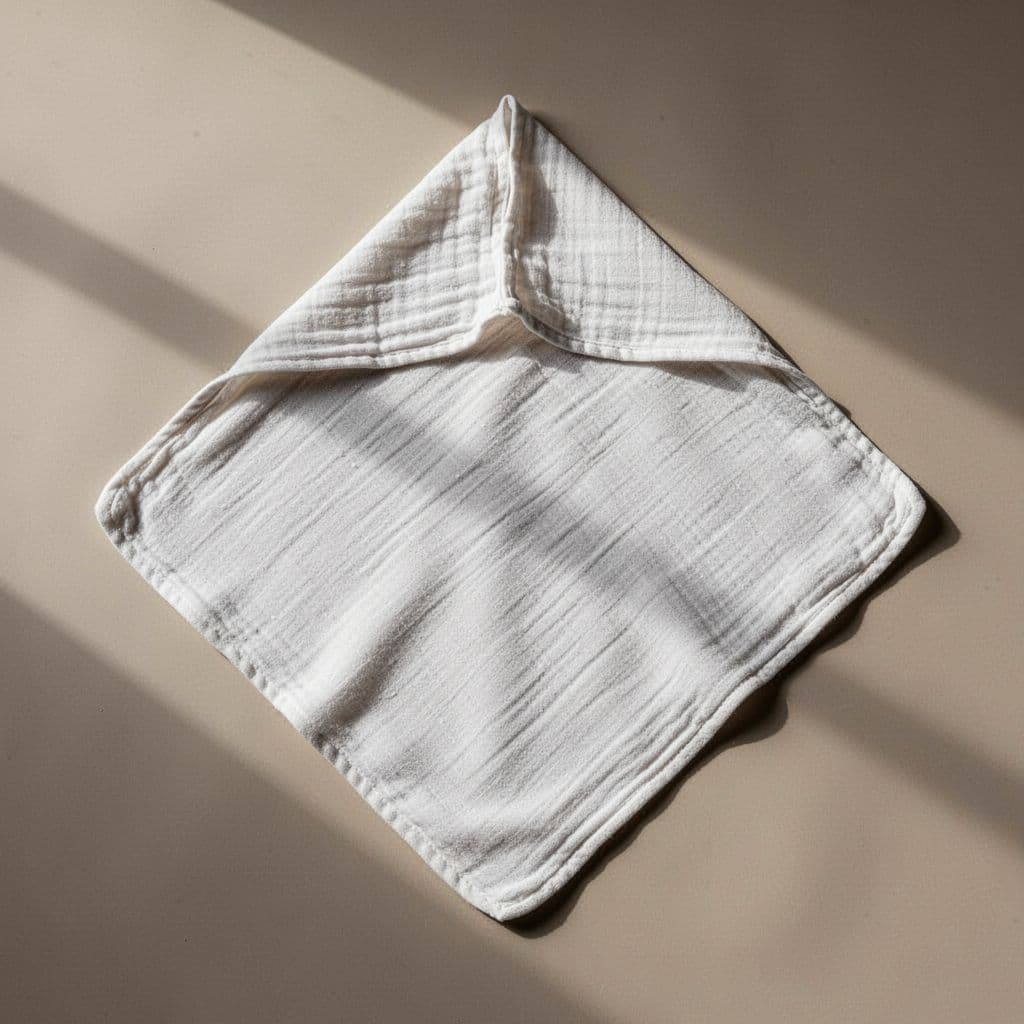
Lay the blanket in the right shape
Spread the blanket flat on a clean surface so it looks like a diamond, with one corner pointing up, one down, and one on each side. Then fold the top corner down a few inches to make a straight edge across the top. That folded edge should sit level, like the top of a small envelope.
Place your baby on the blanket with their shoulders just below that folded line. Their head should stay above the blanket, with the fabric resting low on the chest, not near the face. If the starting shape looks neat and centered, the rest of the swaddle is much easier to manage.
Tuck the first side across the chest
Hold one arm gently against your baby’s side, then pull the first side of the blanket across the body. Keep the fabric smooth as it crosses the chest, so it lies flat instead of twisting.
Tuck that corner under the body on the opposite side. The wrap should feel snug, like a firm hug, but never tight enough to press into the chest or pin the arm hard against the body. If you can see the blanket pulling too much at the shoulders, loosen it and try again.
For a quick visual reference, the HealthyChildren swaddling guide shows the same basic fold pattern in clear steps.
Fold up the bottom and finish the second side
Next, bring the bottom corner up over your baby’s feet. Leave the legs in a natural bent position, with space for the knees and hips to move. The blanket should cover the feet without pinning them straight or trapping them tightly.
Then wrap the remaining side across the body and tuck it under the baby. This last fold should hold everything in place, but still allow gentle movement at the hips and legs. A swaddle that is too tight around the lower body can cause trouble, so keep the fit secure and roomy at the same time.
If you want a second visual comparison, this step-by-step swaddle guide matches the same wrap order and safety checks.
Check the fit before putting baby down
Before you lay your baby in the crib or bassinet, do one last check. Slide two fingers between the blanket and the chest. If they fit easily, the swaddle is usually in the right range.
Make sure the chin stays clear, the face is uncovered, and the wrap does not slip loose near the shoulders. The fabric should stay in place without unraveling, but it should never creep toward the mouth or nose.
A final look takes only a few seconds, and it gives you peace of mind. If the swaddle feels too loose, redo it. If it feels too tight, loosen the folds until it stays secure without squeezing the body.
Keep the swaddle safe while your baby sleeps
A safe swaddle is calm, neat, and practical. It should help your baby settle without squeezing the chest, forcing the legs straight, or trapping heat. The goal is comfort with room to breathe, move, and rest safely.
How snug is snug enough
A swaddle should feel secure at the chest and loose at the hips and legs. That means the fabric stays in place, but it does not press hard across the ribs or pin the arms tight against the body.

The chest should feel supported, almost like a firm hug. However, you should still be able to slide two fingers between the blanket and your baby’s chest. If the wrap looks strained or leaves marks, it is too tight.
The lower body needs even more freedom. Your baby’s legs should stay bent and relaxed, not pinned straight or wrapped tightly together. Loose room at the hips supports healthy movement and keeps the swaddle more comfortable.
A good swaddle stays tidy without fighting your baby’s shape. A bad one looks neat at first, then turns stiff, tight, or bulky. If you feel unsure, loosen it and try again.
How to avoid overheating and keep baby comfortable
Babies can get too warm fast, especially when they are swaddled. Watch for sweating, flushed skin, or a damp neck, since those are common signs that your baby is overheating.
Light sleep clothing works best under a swaddle. A simple onesie or a thin layer is usually enough, and extra blankets should stay out of the crib or bassinet. The swaddle is already doing the job of one layer.
Room temperature matters too. Keep the sleep space cool and comfortable, and check your baby’s chest or back instead of just the hands or feet. Hands often feel cool even when a baby is warm enough.
If you want a quick safety reference on sleep positioning and swaddling, the American Academy of Pediatrics safe sleep advice is clear about back sleeping and a bare sleep space. In short, fewer layers are safer than too many.
If your baby feels hot at the chest or has a damp neck, remove a layer right away.
Why back sleeping matters every time
A swaddled baby should always sleep on the back. Every nap, every night, every caregiver, same rule.
Back sleeping lowers risk and keeps the airway open. Side sleeping is not safe, and stomach sleeping is even riskier, especially when a baby is wrapped. Once the swaddle is on, the back is the only sleep position that belongs in the crib.
This rule is simple, but it matters more than almost anything else in swaddling safety. For more on why this matters, see why babies should sleep on their backs.
Know the common swaddling mistakes before they happen
Swaddling works best when it feels simple and calm. The trouble starts when the wrap gets too tight, too loose, or stays on past the point where your baby has outgrown it. A few small mistakes can turn a helpful sleep tool into a safety risk, so it helps to spot them early.
The good news is that most swaddling problems are easy to fix. If you know what to look for, you can adjust the fit, choose better fabric, and stop swaddling at the right time.
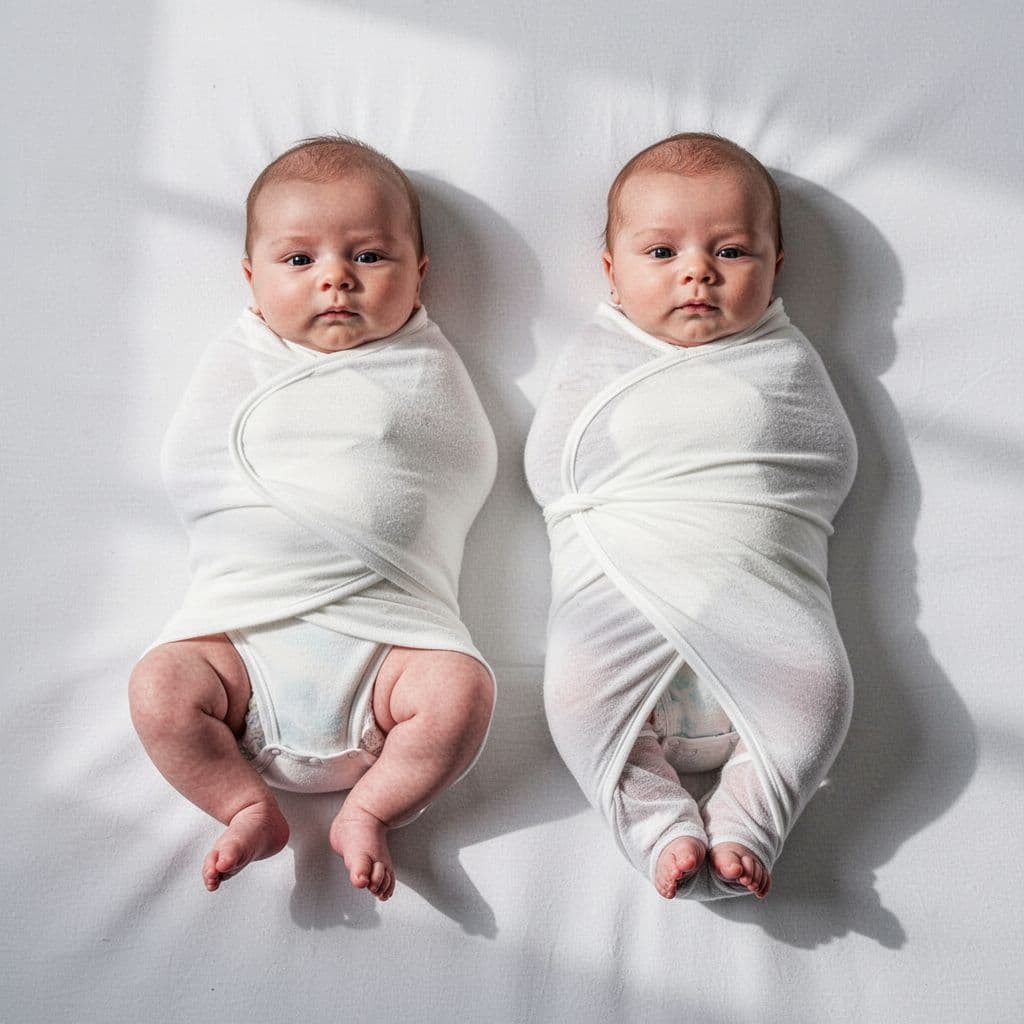
Wrapping too tight around the hips or chest
A swaddle should feel snug across the upper body, but it should never squeeze the chest or pin the hips and legs straight. Tight wrapping around the lower body can put stress on the hip joints, which need room to bend and open naturally in the early months. Tight wrapping across the chest can also make breathing less comfortable and can leave a baby fussy or restless.
That is why the lower half of the swaddle needs extra space. The hips should be able to move, and the legs should rest in a bent position. A safe fit leaves the chest secure while still letting you slide two fingers between the blanket and your baby’s chest.
A simple rule works well: snug at the shoulders, loose at the hips. If the blanket presses the legs straight, starts to leave marks, or feels hard to breathe in, loosen it right away.
For more detail on why this matters, HealthyChildren.org’s swaddling guide explains how tight swaddling can affect both hips and breathing.
If your baby cannot bend at the hips, the swaddle is too tight.
Using blankets that are too thick or loose
Blanket choice changes everything. Thick blankets hold in heat, which raises the chance of overheating, especially during naps in a warm room. Loose fabric creates the opposite problem, because it can shift, unravel, or ride up toward your baby’s face.
A swaddle should stay in place without turning bulky. Thin cotton or muslin works well because it is breathable and easier to tuck neatly. Heavy quilts, padded blankets, and layered wraps make the swaddle harder to control and less comfortable for sleep.
Loose swaddles cause trouble too. If the fabric comes undone, your baby may startle more easily or end up with fabric near the mouth and nose. That is why a good swaddle should feel tidy and secure before you lay your baby down.
Keep the fabric light and flat, and avoid anything that adds extra bulk around the body. The MDHHS infant safe sleep guide gives a clear reminder that a swaddle should stay secure, breathable, and low on the chest.
Leaving swaddling on too long once rolling starts
Swaddling has a time limit. As soon as your baby shows signs of rolling, it is time to stop swaddling altogether. That includes early attempts at rolling, not just a full roll from back to tummy.
Once rolling begins, arms need to stay free for safety. If a swaddled baby rolls over, the wrap can block the ability to push up or turn the head. That creates a serious risk during sleep, which is why swaddling should end as soon as movement changes.
You may notice your baby rocking, lifting the hips, or turning sideways more often. Those are your clues to move on from swaddling and switch to a sleep sack or another safe sleep option with free arms.
A smooth transition helps here, so start before your baby becomes fully mobile. If you want help planning the next sleep step, this newborn sleep guide can help you build a routine that still feels soothing without relying on a wrap.
When to stop swaddling and what to try next
Swaddling helps newborns settle, but babies grow fast. You need to stop when they gain new skills that make a tight wrap unsafe. Spot the signs early, then shift to options that keep sleep smooth.
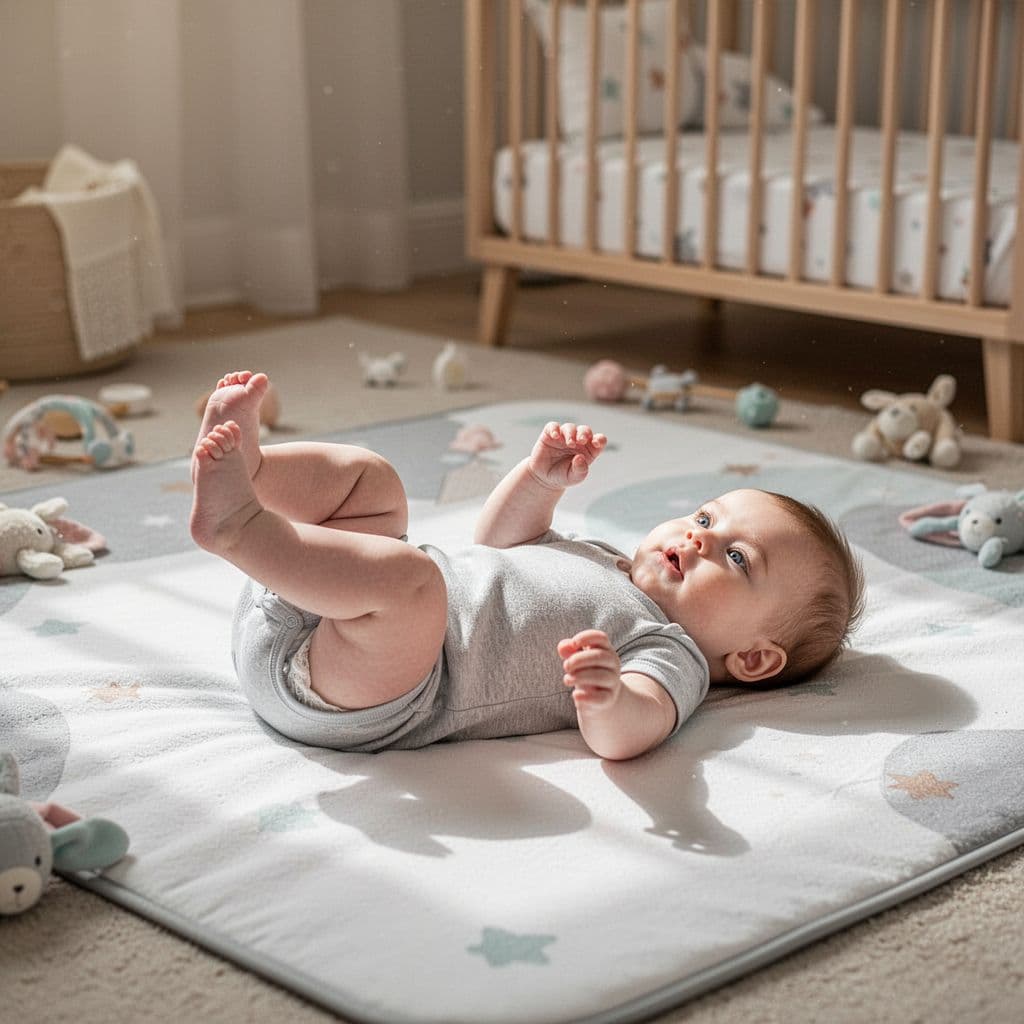
Signs your baby is ready to stop
Babies show clear clues before they fully roll. They might rock side to side on their back or lift their head high during tummy time. These moves mean stronger muscles are coming in, so arms need freedom soon.
Watch for attempts to roll over, even if they don’t complete it. Your baby could push up with arms or twist their body during play. That happens because core strength builds, often starting around tummy time sessions.
A baby who breaks out of the swaddle often gives another hint. They kick hard, arch their back, or work arms free every time. Stronger movements like these show they outgrow the snug fit.
If your baby consistently fights the wrap, unwrap them. Free arms let them practice skills safely. The HealthyChildren.org swaddling safety page notes to stop at the first rolling tries, since loose fabric then raises risks.
Other signs include grabbing toys with purpose or scooting on their tummy. Legs might push stronger too. Focus on these changes, not just the calendar. Every baby hits milestones at their pace, but rolling attempts demand a quick switch.
Safer alternatives for babies who still want comfort
Sleep sacks step in nicely after swaddling. These wearable blankets zip around the body and give a cozy hug without binding arms or legs. Your baby stays warm, but they move freely.
Wearable blankets work the same way. They replace loose sheets in the crib and mimic womb pressure on the torso. Arms stay out for rolling, yet the fabric soothes fussy sleepers.
Start with a thin sleep sack over a onesie. It prevents startles without full wrapping. Babies often nap longer because the gentle hold feels familiar.
Sleep sacks cut SIDS risks compared to blankets, per safe sleep rules.
You can use them until about two years or 30 pounds. Then transition to light blankets if needed. For more on cozy sleep setups, check tips for creating a baby sleep environment.
Pick one with roomy hips and breathable cotton. Test it during naps first. Your baby might settle faster than you expect.
Conclusion
Swaddling your newborn works best with a thin, breathable blanket. Keep the wrap snug across the chest, but loose at the hips and legs. Always place your baby on their back for sleep.
Stop swaddling as soon as rolling starts, even early attempts. Switch to a sleep sack then, so arms stay free and safe.
You now have the steps for safer, calmer nights. Trust the process, and your baby rests easier.
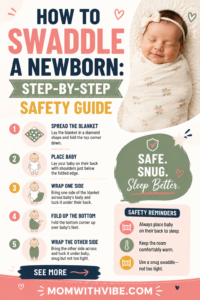
Save pin for later

- 12 Things Pregnant Women Do When They’re Alone - June 7, 2026
- 25 Healthy Pregnancy Snacks You Should Try - June 7, 2026
- 100 Funny Baby Jokes That Will Make You Laugh - May 15, 2026