


A baby lip tie can hide in plain sight until feeding turns bumpy, slow, or painful. This tight band of tissue under the upper lip can make it hard for your baby to get a deep latch, and that can leave you dealing with milk leaks, fussiness, or feeding sessions that seem to go on forever.
Not every lip tie causes trouble, and some babies feed and gain weight with no issues at all. But when it does get in the way, it can affect comfort for both you and your baby, which is why parents often spot it during nursing or bottle-feeding.
If you’ve been wondering whether a lip tie might be behind your feeding struggles, the next sections will help you spot the signs, understand what causes it, and see which treatment options may help.
What causes lip tie in babies, and why some babies get it
A lip tie usually starts long before birth. In most cases, it comes down to how the tissue under the upper lip formed during pregnancy, not to anything that happened after birth.
That matters because it helps clear up a common fear. A lip tie is not an infection, and it is not an injury. It is part of a baby’s anatomy, like a small thread that formed a little tighter than usual. Some babies have no trouble at all, while others feel the effects when feeding begins.
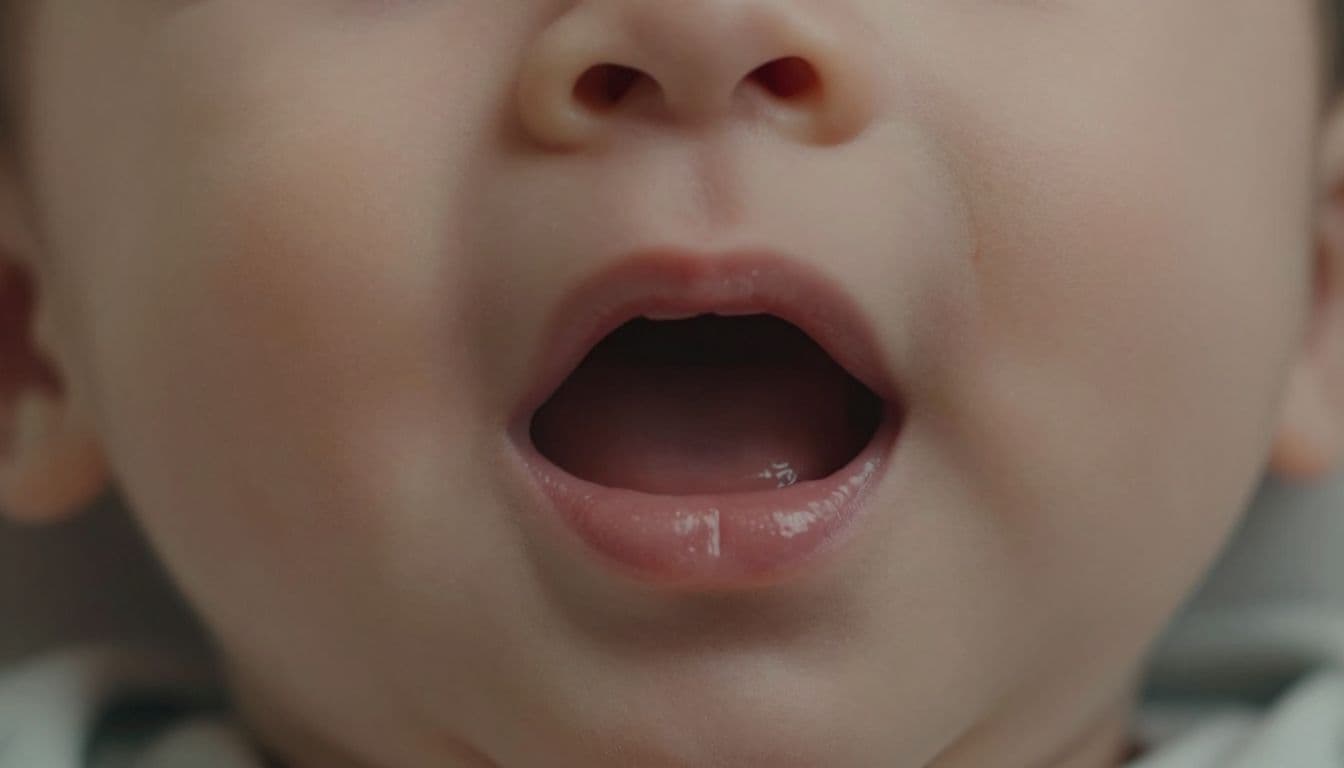
Born with it: the congenital link
Lip tie is a congenital condition, which means it is present at birth. The small band of tissue under the upper lip, called the frenulum, can be shorter, thicker, or tighter than usual. When that happens, the lip may not move as freely.
That is why many parents first notice it during feeding. The upper lip may stay tucked in, the latch may look shallow, or milk may leak more than expected. Even so, some babies feed well despite having a visible tie.
A lip tie usually develops before birth, so parents should not blame themselves or think they caused it.
Because the tissue is formed early, there is no sign of a parent doing something wrong during pregnancy. The baby simply developed with that particular mouth structure. For a plain-language overview of what a lip tie is, WebMD’s guide to lip tie in babies gives a helpful summary.
Family history may play a role
Some clinicians think lip tie may show up more often in certain families. If a parent, sibling, or close relative had a tongue tie or lip tie, the chance may be a little higher.
Still, the pattern is not clear-cut. The exact genetic link is still being studied, so there is no single known cause that explains every case. In other words, family history may raise the odds, but it does not tell the whole story.
That is why two babies in the same family can look different. One may have no feeding issues, while another struggles right away. The tissue may look similar, but the effect on feeding can vary a lot.
For now, the key point is simple: lip tie is usually something a baby is born with, and it may run in families, but researchers have not pinned down one exact cause.
Signs of lip tie parents may notice during feeding
Lip tie often shows up at mealtimes first. A baby may look fine at rest, then struggle the moment feeding starts. The upper lip cannot flange well, suction weakens, and the whole feed can feel like a stop-and-start chore.
Parents usually notice one thing before anything else: feeding is harder than it should be. That can happen at the breast, at the bottle, or during both.

Latch problems, clicking sounds, and long feeding sessions
A tight upper lip can keep a baby from making a strong seal. When that seal keeps breaking, you may hear clicking, smacking, or popping as the baby loses suction and grabs again. Some babies also slip off the breast or nipple again and again, which makes the whole feeding session feel messy and tiring.
Long feeds are another common clue. A baby may stay on the breast or bottle for a long time, yet still act hungry when the feed ends. That can leave parents wondering why so much effort still leads to so little satisfaction.
For bottle-feeding babies, the same pattern can show up as weak suction, dribbling milk, or frequent pauses. Feeding may look busy, but not very effective.
A good feed should not feel like a tug-of-war every time.
If the baby keeps working hard but never seems settled, lip tie may be one piece of the puzzle. For a quick reference on feeding-related signs, the La Leche League guide to tongue and lip ties lists common latch and nipple-shape clues.
Fussiness, tired feeding, and poor weight gain
Some babies with lip tie burn a lot of energy just trying to eat. They may pull off, cry, arch, or get frustrated midway through a feed. Others tire out so fast that they fall asleep before they finish.
That can make feeding look almost like a marathon with no clear finish line. The baby starts hungry, works hard, then gives up too soon or wants to eat again very soon after.
Watch for signs like these:
- Frequent fussing during feeds
- Falling asleep before finishing
- Short, ineffective feeds followed by quick hunger
- Slow weight gain over time
Slow weight gain is a red flag parents should not brush off. A baby who is eating often but not gaining well needs a closer look, especially if feeding seems exhausting for both baby and parent. In many cases, the issue is not appetite. It is efficiency.
Breastfeeding pain that can show up in moms
Lip tie can show up in the parent’s body, too. A shallow latch may leave nipples sore, pinched, cracked, or shaped oddly after feeds. Some parents also notice engorgement because the baby is not removing milk well enough.
Pain during nursing is a major clue, especially when it happens again and again. If feeding hurts from the start, the latch may be too shallow, and the lip tie may be making it hard for the baby to hold on properly.
Common signs for breastfeeding parents include:
- Sore nipples
- Cracked or damaged nipples
- Engorgement after feeds
- Pain while nursing
- A sense that the baby is still hungry
Sometimes the parent feels the strain before anyone sees the lip tie. The mouth may look small and innocent, but the latch can still act like a rough pull instead of a smooth seal. When pain keeps showing up, it deserves attention, even if the tie looks mild.
If feeding hurts, feels inefficient, or leaves your baby still hungry, the signs are worth taking seriously.
How doctors check for a lip tie and rule out other causes
A lip tie diagnosis starts with a simple, hands-on look at the baby and the feeding pattern. Doctors do not rely on appearance alone, because a tight-looking frenulum does not always cause trouble. The real question is whether the tissue is getting in the way of feeding.
What the exam usually looks like
During the visit, a clinician may lift the baby’s upper lip and check the frenulum, the small band of tissue that connects the lip to the gums. They look at how far the lip can move, whether it flanges outward, and whether the tissue seems to pull too tightly.
They also watch how the baby feeds. That part matters just as much as the mouth exam, because a lip tie only matters if it affects function. A baby can have a visible tie and still feed well, so the exam has to connect the anatomy with real feeding problems.
A good exam often includes:
- A look at the upper lip movement
- A check of the frenulum’s shape and tightness
- Observation of latch, suction, and milk transfer
- A quick review of the baby’s comfort during feeding
A lip tie diagnosis should answer one question first, “Is this limiting feeding?”
Some babies need a broader look, too. The Mayo Clinic’s overview of tongue-tie diagnosis explains how physical exam and movement matter when a tie is suspected.
Why the rest of the feeding story matters
The full feeding story helps doctors sort lip tie from other problems. Time at the breast or bottle, diaper output, weight gain, and parent pain all add clues. If feeds are long but ineffective, or if weight gain is slow, the issue may be more than a fast-fading latch.
Doctors also think about other causes before settling on lip tie. Tongue tie can limit tongue movement and create similar feeding trouble. Reflux can cause crying, arching, or spit-up after feeds. Low milk supply can leave a baby hungry even when the mouth exam looks normal. Bottle flow can matter too, because a nipple that is too fast or too slow can make feeding look harder than it really is.
That bigger picture keeps the diagnosis balanced. A baby who struggles to feed deserves a careful look, not a guess based on one part of the mouth.
Lip tie treatment options, from watchful waiting to frenectomy
Treatment depends on whether the lip tie is actually causing problems. A visible tie alone does not call for a procedure. If your baby feeds well, gains weight, and you are not dealing with major pain, many clinicians simply keep an eye on it and support feeding as needed.

When no treatment may be the best choice
Some babies have a lip tie and never seem bothered by it. They latch well, transfer milk normally, and grow on track. In those cases, watchful waiting makes sense, because a procedure would add stress without clear benefit.
Doctors usually look at the whole picture before suggesting treatment. That means feeding time, diaper output, weight gain, and parent comfort all matter. If those pieces are steady, observation is often enough.
Support can still help, even without surgery. A lactation consultant may suggest small latch changes, feeding positions, or bottle adjustments. Those steps can make feeding feel smoother while the baby grows.
A simple guide is easy to remember:
- Good feeding and steady weight gain often point toward observation
- Ongoing pain or poor milk transfer may call for more help
- Mild visible ties do not always need treatment
What a frenectomy is and how it helps
A frenectomy is a quick procedure that releases the tight band of tissue under the upper lip. In plain terms, the doctor or dentist cuts or frees the tissue so the lip can move more naturally.
The main goal is better lip movement and easier feeding. When the upper lip can flange and seal well, some babies latch more deeply and feed with less struggle. That can reduce nipple pain for the parent and make feeds less tiring for the baby.
This is usually a brief outpatient procedure. Families often hear about it when feeding problems keep going despite good support. For a broader look at infant release procedures and aftercare, frenectomy post-op aftercare explains common recovery steps.
What to expect after treatment
Recovery is often short, but the first day or two can bring mild soreness or fussiness. Some babies feed right away with less pulling and better suction. Others need time, because the mouth still has to learn a new pattern.
Follow-up feeding support matters a lot. Even after a frenectomy, a baby may still need help with latch, positioning, or bottle flow. The release can open the door, but feeding skill still needs practice.
A few babies improve quickly. Others keep needing guidance for a while, especially if they had a shallow latch for weeks before treatment. That is normal, and it does not mean the procedure failed.
After treatment, parents often watch for:
- Less nipple pain
- Better lip movement
- Longer, calmer feeds
- Improved weight gain over time
If feeding still feels off after treatment, the next step is usually more support, not panic. A careful re-check can show whether the latch needs adjustment or whether another issue is getting in the way.
How to care for your baby if lip tie is causing feeding trouble
When lip tie makes feeding feel rocky, small changes can bring real relief while you wait for a fuller evaluation. The goal is to make each feed calmer, more efficient, and less painful for both of you. That often starts with support, not pressure.

Feeding support that can make a difference right away
A lactation consultant can be a steady hand when feeding feels off. They can watch a full feed, spot shallow latch patterns, and suggest position changes that help your baby keep a better seal.
Small shifts often matter more than big changes. Try a more upright hold, a football hold, or a laid-back breastfeeding position if your baby keeps slipping off the breast. For bottle-feeding, a paced bottle-feeding approach can slow the flow and give your baby time to breathe, pause, and regroup.
A few gentle fixes can ease stress fast:
- Better positioning can help your baby open wider and latch deeper.
- Paced bottle-feeding can reduce gulping and leaking.
- Frequent burping can help if your baby swallows extra air.
- A slow-flow nipple may make bottle feeds easier to manage.
Keep feeds calm and unhurried. If your baby gets upset, take a short break, burp, then try again. For more breastfeeding basics, this breastfeeding support guide can help you think through simple adjustments that fit into daily feeds.
Small changes often lower the strain before bigger treatment decisions are made.
When to call the pediatrician sooner
Some feeding problems need a faster check. Call your pediatrician sooner if your baby is not gaining weight well, because slow growth can mean milk transfer is poor.
You should also reach out if you notice signs of dehydration, such as fewer wet diapers, a dry mouth, or a sunken soft spot. A baby who feeds for a very long time, then still seems hungry, also needs attention.
Watch for these warning signs:
- Poor weight gain
- Fewer wet diapers than expected
- Very dry lips or mouth
- Strong feeding pain that keeps returning
- Feeds that drag on far longer than usual
- A baby who still seems unsatisfied after meals
Trust your instincts if feeding feels harder every day. A baby who cries through feeds, falls asleep too fast, or never seems settled after eating deserves a closer look. The sooner you speak up, the sooner you can get a clearer plan for feeding support and next steps.
Conclusion
Lip tie in babies is common, and it usually starts before birth. The important question is not how the frenulum looks, but whether it is making feeding harder or slowing growth.
When a lip tie causes trouble, the signs tend to show up in the feed itself, through poor latch, clicking, nipple pain, fussiness, or slow weight gain. If those signs are present, a doctor or feeding specialist can help sort out whether simple support is enough or whether treatment makes sense.
A lip tie does not always need a procedure. With the right guidance, most families can find a feeding plan that works and bring more calm back to the table.
Save pin for later


- Dry Cough in Kids: 5 Causes and Safe Solutions - September 23, 2026
- How to Help a Child Deal With Anxiety at Home - September 12, 2026
- How to Prepare Your Child for the First Day of School - September 12, 2026