

Some childhood wounds don’t leave bruises, they leave patterns. As an adult, you might second-guess yourself, work hard to keep people happy, or feel panic when conflict shows up, even when nothing seems “wrong” on the surface.
That can happen after childhood emotional abuse, when criticism, neglect, shame, or constant tension shape the way you learned to see yourself and other people. If you’ve ever wondered why trust feels hard or why your emotions seem too big, too small, or hard to name, those patterns may point to something that deserves attention. For a related look at how harsh words in childhood can shape adult life, see the long-term effects of verbal abuse.
This post is not about diagnosing you. It’s about recognizing the signs, understanding why they show up, and getting a clearer view of what to do if you see yourself in them.
What childhood emotional abuse can leave behind in adult life
Childhood emotional abuse can leave marks that are hard to see, but easy to feel. A child who hears constant criticism, shaming, rejection, threats, or mocking may grow up learning one painful lesson: staying small feels safer than being seen.
That kind of environment can shape a person’s inner voice for years. Instead of feeling steady and valued, they may carry shame, low self-worth, self-blame, or the sense that they are always “too much” or never enough. If emotional needs were ignored, a child can also learn that their feelings are a burden, which makes adult closeness feel risky later on. For a closer look at how emotional neglect can affect children, see recognizing emotional neglect in the home.
These signs are patterns, not proof on their own. Stress, neglect, trauma, and mental health struggles can overlap.
How emotional abuse shapes the way a child sees themselves
When a child is repeatedly put down, they often start to believe the words around them. A harsh parent’s voice can become an inner voice that says, “You messed up again,” or “Don’t need too much.” Over time, that child may grow into an adult who apologizes for taking up space, doubts their choices, and feels guilty for normal emotions.
The hurt often shows up as shame, not just sadness. Shame says, “Something is wrong with me,” while healthy guilt says, “I did something wrong.” That difference matters, because shame can sink into identity and make a person feel unlovable. A child exposed to emotional abuse may also blame themselves for conflict at home, even when the adults were the ones causing the harm.
Why these patterns can follow someone into adulthood
The brain and body learn fast when a child is trying to survive. If calm depends on pleasing others, staying quiet, or reading every mood in the room, those habits can stick. Years later, that person may still scan faces for danger, freeze during conflict, or shut down when emotions get loud.
Those survival habits can look like fear, people-pleasing, perfectionism, or emotional numbness. They are not random personality flaws. They are old coping skills that once helped a child get through the day, even if they now get in the way of close, healthy relationships. A look at the long-term effects of abuse-related trauma can help make that connection feel a little clearer.
Why relationships can feel so hard after emotional abuse
Childhood emotional abuse can leave a person wanting closeness and fearing it at the same time. That push and pull can make love feel confusing, friendships feel fragile, and family ties feel tense even when no one is shouting.
A person may look calm on the outside while their nervous system stays on alert. They may want comfort, yet brace for hurt the moment someone gets close. That tension can show up in dating, marriage, and even close friendships, where small moments can feel loaded with meaning.
People-pleasing and the fear of upsetting others
Many adults who lived through emotional abuse become expert peacekeepers. They read faces, tone, and silence like weather signs, always trying to spot a storm before it starts. Their own needs often slide to the back of the line.
This can look like saying yes when they mean no, laughing off hurt feelings, or apologizing before anyone asks. Over time, people-pleasing becomes a shield. It keeps the peace, but it also hides the real person inside the relationship.
In friendships, this can lead to resentment. In dating or marriage, it can create a one-sided pattern where one partner gives and gives, then feels unseen.
Trouble trusting people even when they are kind
Past hurt can make kindness feel suspicious. A caring partner may seem safe one day, then the next day the old alarm system starts whispering, “This won’t last.” That makes it hard to relax and receive love.
Some people pull away when closeness grows because intimacy feels risky. Others watch for hidden motives, search for signs of change, or expect a sudden shift from warmth to cruelty. Childhood trauma and adult relationships often follow this pattern, where the body remembers danger long after the danger is gone.
When trust was broken early, closeness can feel like standing on thin ice, even with someone gentle.
Fear of rejection, criticism, or being abandoned
A small sigh, a delayed reply, or a mild correction can hit like a wave. For someone with an abuse history, those moments can trigger panic, shame, or a flood of overexplaining. The fear is often bigger than the event itself, but it feels very real.
This can show up as needing constant reassurance, reading too much into changes in mood, or assuming the worst after one hard conversation. In family life, it can mean staying silent to avoid conflict. In dating, it can mean clinging too tightly or panicking when plans change.
Difficulty saying no or setting boundaries
Many people learned early that their needs were ignored, mocked, or punished. As adults, they may find boundaries terrifying because “no” once led to anger, withdrawal, or humiliation.
So they let things slide. They accept too much, explain too much, and feel guilty for asking for basic respect. That pattern can leave them exhausted in marriages, friendships, and family relationships, because every boundary feels like a risk instead of a right.
Signs the body and nervous system are still on guard
When childhood emotional abuse lasts for years, the body can keep the score long after the danger is gone. A person may look calm on the outside, yet their nervous system still behaves like it has to stay ready for the next blow.
That can show up as tension, sharp reactions, numbness, or a constant sense that something is about to go wrong. The mind may know the past is over, but the body still braces, like a guard standing at a door that no longer needs guarding.
Always feeling on edge or watching for danger
Hypervigilance means being on high alert all the time. You may scan rooms, faces, tones, and small changes in mood, almost without thinking. Even a quiet room can feel loaded, like you’re waiting for something to break.
That state is tiring. It can make ordinary life feel tense, because your body never fully stands down. Cleveland Clinic’s overview of hypervigilance describes how this constant alertness can show up after trauma, and it often fits adults who grew up around emotional abuse.
Shutting down, freezing, or pulling away
Some people do not look anxious on the outside. Instead, they go blank, go quiet, or pull back when stress rises. That can be a freeze response, and it is a survival skill, not laziness or coldness.
Emotional numbness can feel like moving through fog. Silence can feel safer than speaking, and withdrawal can feel safer than being seen. The nervous system is trying to reduce pain, even if it leaves the person feeling cut off from others.
Sleep problems, anxiety, or big mood swings
A stressed nervous system often shows up at night. Sleep may be light, broken, or full of waking up at small sounds. Then the next day brings jumpiness, irritability, or a short fuse.
Anxiety can sit under the surface like static noise. Sometimes the feelings build fast, then spill over all at once. For many adults, nervous system dysregulation signs include exactly this mix of fatigue, overreaction, and sudden shutdown.
Using food, alcohol, work, or other habits to cope
Coping habits can become escape hatches. Food, alcohol, scrolling, overworking, or staying constantly busy can blur pain for a while, which is why they can become so hard to stop.
The problem is that relief can turn into a new wound. What began as comfort may start causing guilt, health issues, money trouble, or more isolation. The habit does not mean a person is weak, it means they learned to survive in the only way they knew how.
When these patterns show up in daily choices and habits
Childhood emotional abuse does not only shape big moments. It also slips into small, ordinary choices, like picking a shirt, answering a text, or deciding what to eat for lunch. For many adults, those simple moments feel loaded because they learned early that the wrong answer could bring blame, disapproval, or a mood shift from someone else.
That is why the signs often look like hesitation, self-doubt, and constant checking in with others. The habit may seem harmless on the surface, but it can make daily life feel like a test you never studied for.
Trouble making decisions and knowing personal preferences
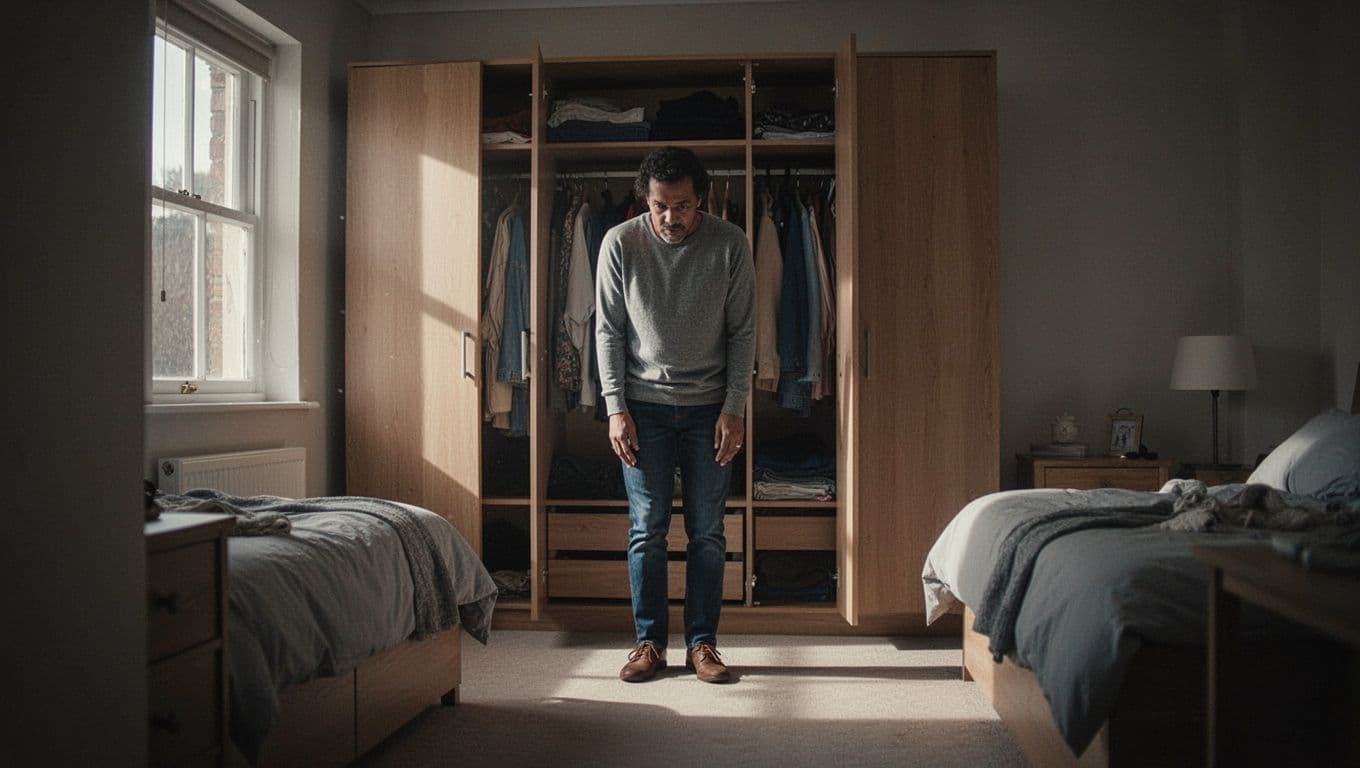
Some adults freeze when asked simple things, like what they want to wear, eat, or do on the weekend. The pause is not about being dramatic, it is about not trusting their own voice. When a child grows up with criticism or dismissal, even small choices can feel unsafe later.
You might hear someone say, “I don’t care, you pick,” even when they do care. They may open a menu, stare at it, and feel their mind go blank. After years of trying to avoid the wrong answer, choosing anything can feel risky.
This is also why some people struggle to name preferences at all. They know what other people want, but their own taste feels foggy. In many cases, that uncertainty connects to old habits shaped by how kids observe parental patterns.
Overthinking, overexplaining, and needing reassurance
An adult who grew up around emotional abuse may prepare for every reaction before they speak. They write long texts, add extra details, and explain choices that do not need a speech. The goal is simple, they want to avoid being misunderstood, punished, or seen as wrong.
That habit can show up in everyday life:
- Replaying a conversation after it ends
- Adding “sorry” to almost everything
- Asking, “Are you mad?” even when nothing is wrong
- Giving a full defense for a small decision
Overexplaining often sounds like confidence on the outside, but it is really fear in plain clothes.
Research on childhood adversity and decision-making shows that early stress can affect how people choose, plan, and rely on habits later in life. A study on childhood adversity and decision making links these patterns to reduced goal-directed behavior, which fits the way some adults get stuck second-guessing themselves.
Avoiding conflict at almost any cost
Conflict can feel unbearable to someone who learned that disagreement led to pain. So they stay quiet, apologize first, or give in before the discussion even starts. Peace matters, but forced peace can turn into self-erasure.
This may look like changing a plan they already made, agreeing with someone to end the tension, or swallowing hurt feelings until they disappear on the inside. In close relationships, that can create a pattern where one person always bends and the other never sees the full truth.
When this keeps happening, the person is not being easygoing. They are trying to stay safe. A clear explanation of emotional and psychological abuse shows how this kind of treatment can make people feel dependent and afraid to speak up.
These daily habits are easy to miss because they can look like personality traits. In reality, they often point to a nervous system that learned to expect trouble, even in ordinary moments.
What to do if you recognize yourself in these signs
Seeing your own life in these patterns can feel heavy at first. Give that feeling room without turning it into a verdict about who you are. Recognition is not failure, and it does not mean you are broken. It means you are starting to see the shape of the hurt clearly.
That clarity matters. Once you can name what has been happening, you can stop treating every reaction like a personal flaw. You can start paying attention to what sets you off, what helps you settle, and what kind of care you need next.

Start by noticing patterns without judging yourself
Begin with observation, not blame. Pay attention to what you feel, what you think, and what your body does when you get triggered. You might notice a tight chest, a racing mind, or the urge to apologize before you even know why.
A journal can help here. Write down the moment, the feeling, the thought, and the reaction. Over time, those notes can reveal a pattern that is easier to see on paper than in the middle of your day.
A small prompt can help you begin:
- What happened right before I felt anxious or ashamed?
- What did I tell myself in that moment?
- What did I need but did not ask for?
Self-compassion belongs here too. If you notice that you shut down, overexplain, or people-please, treat those reactions as old protection, not proof of weakness.
Get support from safe people and trauma-informed help
You do not have to sort through this alone. A trusted friend, partner, or support group can help you feel less isolated when old memories start to surface. Sometimes just saying, “I think this connects to my childhood,” can bring relief.
Trauma-informed therapy or counseling can go a step further. A good therapist helps you untangle shame, build language for what happened, and learn new ways to respond when old wounds flare up. If you want a place to start, treating adult survivors of childhood emotional abuse offers a closer look at how professional support is approached.
For some readers, healing also means revisiting the family story with new eyes. Learning what emotional abuse can leave behind can help you connect the dots without excusing the harm. If you need a calmer first step, simple self-care for emotional recovery can help ground you while you look for more support.
Naming the signs is often the first real step forward. Start gently, stay honest, and let that honesty open the door to healing.
Conclusion
Childhood emotional abuse often leaves marks that are hard to spot at first, but they shape a life in plain sight. The signs can look like self-doubt, people-pleasing, fear of rejection, weak boundaries, and a sense of disconnection that follows you into adult relationships.
That history can make you question your worth, your choices, and even your right to take up space. Still, those patterns are learned responses to pain, and learned responses can change with care, honesty, and time.
If you saw yourself in these signs, you are not alone. Painful childhood experiences do not have to define the rest of your life, and healing is possible, even when it moves in small steps.
Save pin for later

- Dry Cough in Kids: 5 Causes and Safe Solutions - September 23, 2026
- How to Help a Child Deal With Anxiety at Home - September 12, 2026
- How to Prepare Your Child for the First Day of School - September 12, 2026