You’re changing your newborn daughter’s diaper when you notice a tiny pink, red, or rusty-colored spot. Your heart may drop for a moment, but in some baby girls, light vaginal bleeding or discharge during the first days after birth is a normal effect of pregnancy hormones leaving the body.
This surprising baby girl fact is sometimes called a “mini period,” but it isn’t a true menstrual cycle. The bleeding usually happens because estrogen and progesterone levels fall suddenly after delivery. It may look like a few streaks of blood mixed with white or milky mucus, and it often fades within a few days.
Still, newborn bleeding shouldn’t be heavy, foul-smelling, or continue without improving. You’ll learn what this discharge can look like, why it happens, how to tell it apart from a possible health concern, and which signs mean you should call the pediatrician. If your baby seems unwell in any way, review these warning signs of illness in babies before deciding what to do next.
The Unknown Baby Girl Fact That She Can Have a Mini Period
A newborn girl can sometimes have a small amount of vaginal bleeding called neonatal uterine bleeding, newborn menstruation, or pseudomenstruation. It may appear during the first several days after birth and is usually a short-lived response to changing hormone levels, not a true menstrual period.
Why pregnancy hormones can affect a newborn’s body
During pregnancy, hormones such as estrogen and progesterone cross the placenta and support the baby’s growth and development. Some of that hormonal influence reaches the baby’s reproductive tissues, including the uterus and vagina.
After delivery, the placenta leaves the body, and the baby’s direct exposure to those pregnancy hormones ends. Hormone levels then fall quickly. The uterus and vaginal tissues may briefly respond to that sudden change by releasing a small amount of blood or mucus.
The shift is similar to the body adjusting after a major transition. The change can look surprising, but a tiny amount of discharge does not usually mean anything is wrong. Since a newborn isn’t ovulating and doesn’t have a regular menstrual cycle, this bleeding isn’t a true period.
The same pregnancy hormones can affect newborns in other ways, too. Some babies develop temporary breast swelling or produce a small amount of milky discharge. This can happen in girls and boys. Never squeeze, massage, or press a newborn’s breasts, because irritation can lead to injury or infection.
What the discharge may look like in the diaper
The amount should be small. You might see a pink smear, a thin red streak, pink-tinged mucus, or brown residue that looks like old blood. It may happen once, or you may notice light spotting for a short time. Seattle Children’s notes that newborn vaginal bleeding can begin between 2 and 10 days of life and should not last more than 3 or 4 days.
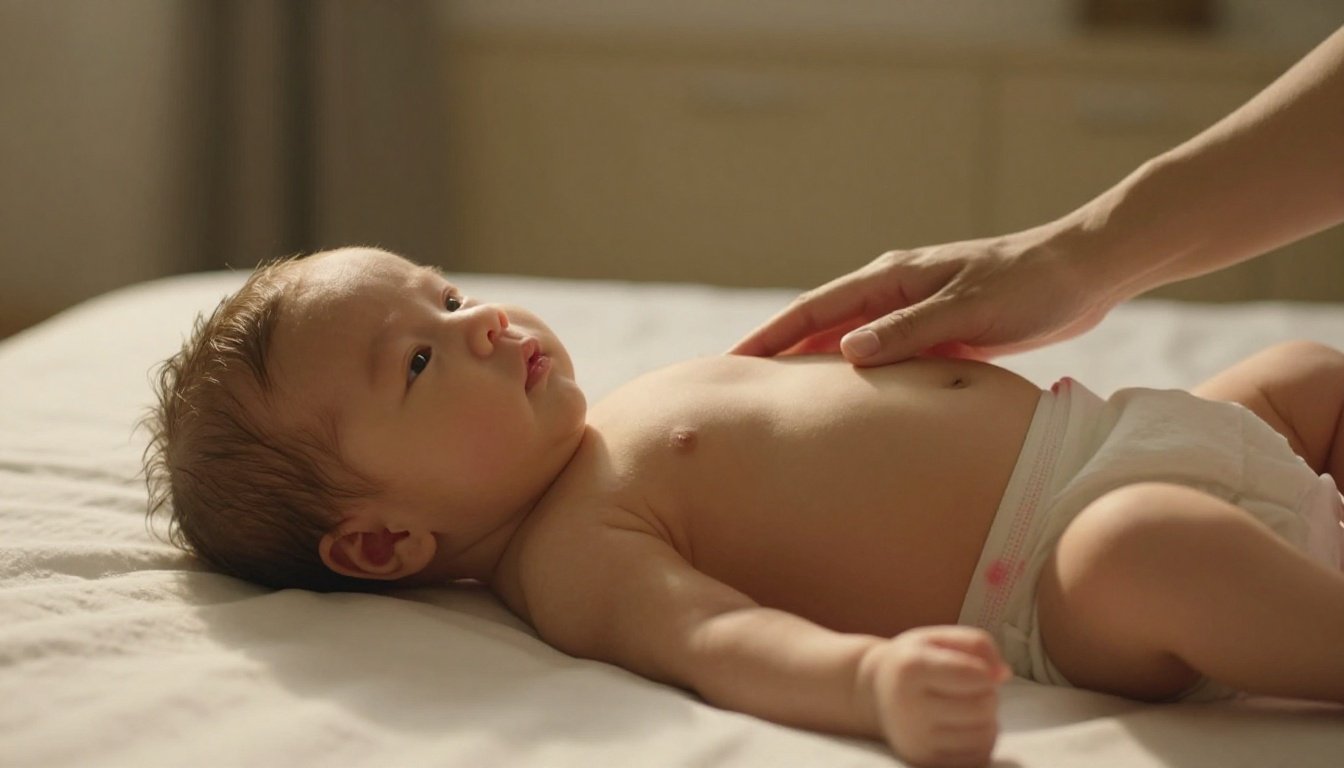
You don’t need to repeatedly wipe the area to check it. Instead, note the color, amount, and timing in case you need to describe the change to your pediatrician. During diaper changes, clean the outside gently with warm water and a soft cloth, wipe from front to back, and change diapers regularly.
The spotting should fade rather than become heavier. Contact a healthcare professional if you feel unsure, especially because bleeding in a newborn can have causes unrelated to normal hormone withdrawal. Seek prompt advice if the bleeding increases, soaks the diaper, smells unpleasant, continues without improving, or appears with poor feeding, fever, unusual sleepiness, or marked irritability. For additional context, see Seattle Children’s guidance on newborn vaginal bleeding.
How to tell normal newborn spotting from a warning sign
A tiny spot of blood during the first week can come from normal hormone withdrawal, especially when your baby is comfortable, feeding well, and wetting diapers normally. Still, blood in a diaper can also come from the urine, stool, skin, umbilical stump, or genital area, so the source and your baby’s overall condition matter.
Questions a pediatrician may ask
Before you call, write down what you noticed. Record when the spotting began, how many diapers showed blood, whether the amount is changing, and whether the color looks pink, bright red, brown, or mixed with mucus. Also note whether your baby is feeding normally, waking for feeds, and producing the usual number of wet diapers.
If it’s safe and practical, take one clear photo of the diaper for the clinician. Make sure the image shows only what is needed, and don’t share it publicly or keep unnecessary copies. A photo can help when the spotting has already faded by the time your baby is examined.
Your pediatrician may ask:
- How old is your baby, and when did the bleeding first appear?
- Does the blood seem to come from the vagina, urine, stool, skin, or umbilical stump?
- Was the delivery vaginal or cesarean, and were there any complications?
- Did your baby receive vitamin K after birth?
- Has your baby had a fever, vomiting, bruising, diarrhea, or a swollen belly?
- Is your baby feeding well, urinating normally, and behaving as usual?
Those details help the clinician decide whether to monitor the spotting, arrange an examination, or recommend urgent care. You should never feel embarrassed about calling. Pediatric offices answer questions about newborn diapers every day, and asking early is safer than guessing.

Why newborn blood in a diaper should never be ignored completely
Normal hormonal spotting is one possible explanation, but it shouldn’t become an automatic diagnosis. A diaper can hide where the blood started, much like a small leak can spread across a cloth before you find the source.
Call your pediatrician promptly if bleeding is heavy, increasing, persistent, bright red, accompanied by clots, or soaking through a diaper. Seek medical advice right away when it appears with fever, poor feeding, unusual sleepiness, vomiting, a swollen or tender abdomen, signs of pain, pale or gray skin, or fewer wet diapers. Guidance from Nationwide Children’s Hospital on newborn warning signs also emphasizes changes in appetite, sucking, and skin color.
Blood after the first week, or blood paired with illness, deserves medical advice even if the amount looks small.
Get urgent help for severe bleeding, breathing trouble, collapse, or a baby who is difficult to wake. Meanwhile, don’t insert anything into the vagina, use creams, or perform home tests unless a clinician recommends them. Trust your instincts, describe exactly what you see, and let a healthcare professional help identify the cause. If fewer wet diapers are part of the picture, review these signs of dehydration in babies while you arrange medical guidance.
Baby Girl Facts That Show How Much Newborns Are Already Doing
Your newborn daughter may look sleepy and still, but her senses are already gathering information. She can hear, notice light, focus at close range, and use reflexes to respond to the people caring for her.
These abilities don’t develop differently because a baby is a girl. They are normal parts of newborn development, and each baby shows them at a different pace.
She may recognize your voice before she can recognize your face
Hearing begins before birth and is mature at birth. Your baby has already spent months hearing muffled sounds, including voices, movement, and the steady rhythm of your body. After delivery, familiar voices may sound comforting, even while she is still learning what those sounds mean.
Talk softly during cuddles, sing while you change her diaper, or pause after speaking to give her time to respond. She might become still, move her eyes, change her expression, stop crying, or make a small movement. Some babies turn toward a voice, but a newborn may not do that right away. Responses also depend on whether she is hungry, tired, or overwhelmed.
A newborn’s noises can be surprising, too. Grunts, squeaks, sighs, sneezes, and hiccups often come with normal adjustment after birth. Voice responses show early sensory awareness, not advanced language development. She is noticing sound before she understands words.
The hospital usually offers a hearing screen before discharge. If your baby was born at home or in a birthing center, ask when and where to schedule one. MedlinePlus recommends hearing screening before a baby turns one month old.
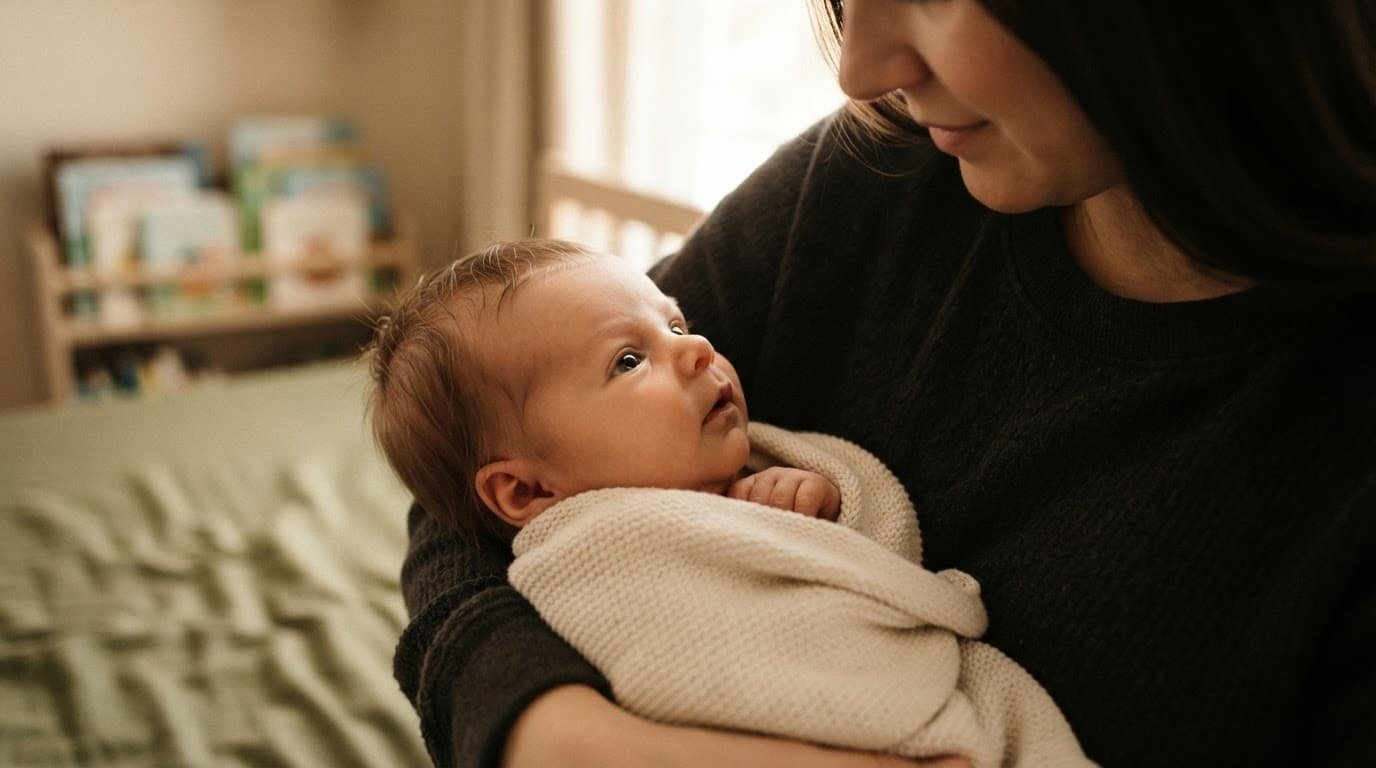
Her clearest view is the face holding her
Newborns usually see best from about 8 to 12 inches away, which is close to the distance between your face and hers during feeding or cuddling. The rest of the room may look blurry, but your nearby face gives her something meaningful to study.
At first, she can detect light and dark and often prefers faces and high-contrast patterns. Hold a simple black-and-white toy nearby, then let her rest when she looks away. Short face-to-face moments are enough because newborns tire quickly.
During the first months, her focus, movement tracking, and color vision improve. By around 2 months, many babies follow moving objects more smoothly. You can read more about newborn vision development as these changes unfold.
Mention persistent eye crossing, unusual eye movements, or little response to light and faces to your pediatrician. A calm check is better than trying to judge vision alone.
What This Surprising Fact Teaches Us About Caring for a Newborn
A newborn’s body can show temporary effects from pregnancy hormones while her own systems adjust to life outside the womb. The same idea applies to feeding, sleep, crying, wet diapers, and sensory responses. Wide variation is normal, so observation should support responsive care rather than turn every diaper change into an investigation.
Simple ways to observe her without overwhelming her
Newborns tire quickly, even during ordinary care. Keep interactions brief and quiet, then give her time to rest.

During the day, you can:
- Speak in a familiar, gentle voice and notice whether she becomes still, changes her expression, moves her eyes, or settles.
- Hold her close for a few moments of face-to-face contact, keeping your face about 8 to 12 inches away.
- Track feeding, wet diapers, and bowel movements without expecting every day to look identical.
- Check the diaper area gently when you change her, noting the color, amount, and timing of any discharge.
- Write down unusual symptoms, such as repeated vomiting, poor feeding, fever, increasing bleeding, or behavior that seems very different.
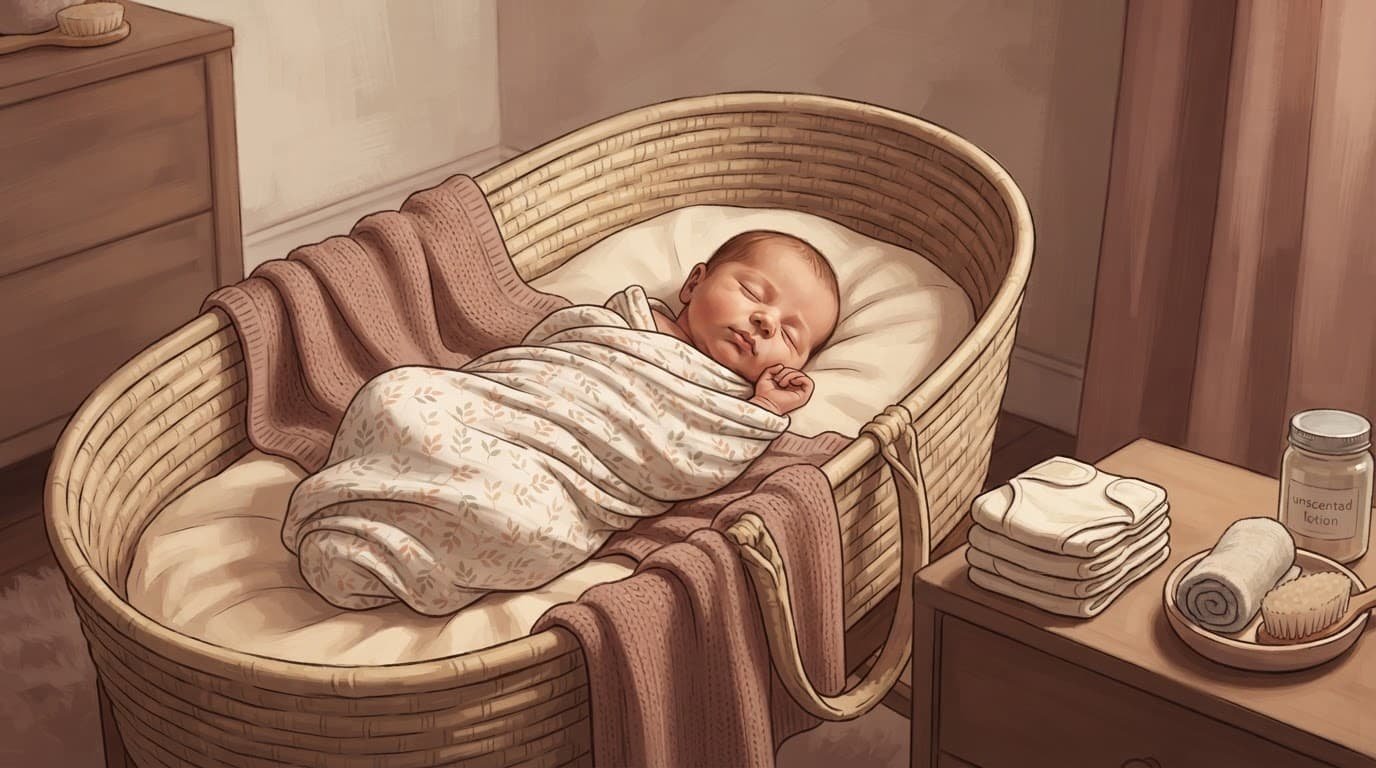
Wash your hands before diaper changes, support her head and neck, and use warm water with a soft cloth on the outside of the area. Wipe from front to back. Avoid poking, scrubbing, inserting anything, or applying powders, creams, or other products to sensitive skin unless a clinician recommends them.
After the first few days, diaper patterns can offer useful clues about milk intake. The American Academy of Pediatrics says that at least four wet diapers a day during the newborn period is generally reassuring. You can also review this guide to feeding your baby in the first weeks when you need help judging feeding patterns.
Crying adds another piece of information, but it isn’t a perfect health test. Healthy newborns may cry roughly one to three hours per day during the first three months, although some cry less and others cry more. Check common needs first, such as hunger, a wet diaper, temperature, or tiredness, then respond with cuddling and a calm voice.
The most important rule: trust your instincts and call when unsure
You don’t need to diagnose the cause of bleeding yourself. A pediatrician or midwife can help determine whether light spotting fits normal hormone withdrawal or needs further evaluation. Keep routine newborn appointments, and bring a written symptom record or photo if the spotting has already stopped.
Call for same-day medical advice if bleeding continues, returns after improving, or has no clear explanation. Seek immediate help for heavy bleeding, a baby who is difficult to wake, breathing trouble, fever of 100.4°F (38°C) or higher, poor feeding, repeated vomiting, a swollen belly, pale or gray skin, or bleeding in another area. The AAP’s guidance on a newborn’s first days can help you understand diaper changes, but your pediatrician remains the right person to assess your baby.
Newborn Myths to Leave Behind When Talking About Baby Girls
A little blood in a newborn girl’s diaper can surprise even prepared parents. However, this baby girl fact doesn’t describe a true menstrual period, early puberty, or anything your baby has done wrong. It is one possible short-term response to changing pregnancy hormones.

Why one newborn fact cannot define every baby girl
Some newborn girls have visible pink, red, or brown spotting. Many have no discharge at all, and the absence of spotting is normal. Differences in hormone exposure, timing, delivery, and individual biology mean newborns won’t all have the same experience.
When bleeding happens, it usually reflects the drop in maternal estrogen after birth. The uterus and vaginal tissues may briefly respond to that change, sometimes producing a small amount of blood or mucus. MedlinePlus explains these temporary hormonal effects in newborns, but the change doesn’t predict when puberty or future periods will begin.
A baby with spotting isn’t becoming an unusually early bloomer. She isn’t having a regular menstrual cycle, and the bleeding doesn’t reveal anything about her future fertility, health, personality, or intelligence. Likewise, a baby without spotting isn’t missing an important developmental step.
Judge the diaper alongside your baby’s overall condition. A small, brief spot in a comfortable baby who feeds and urinates normally may fit a temporary newborn change. Heavy, persistent, recurrent, or unexplained bleeding needs medical advice, whether or not your baby has other symptoms.
How to share the fact without spreading fear
The words you use can keep a surprising moment calm. You might tell a partner or caregiver:
“A small amount of spotting can happen because pregnancy hormones are leaving the baby’s body. It isn’t a true period, and it doesn’t predict her future development.”
Then add a clear safety message: “If the bleeding is heavy, continues, returns often, or has no obvious explanation, we’ll contact her healthcare team.”
Avoid forwarding alarming social media posts that treat every spot as an emergency or every normal variation as proof of early puberty. Instead, compare what you see with guidance from your pediatrician, midwife, or family doctor. The American Academy of Pediatrics symptom guidance can help you prepare questions, while MedlinePlus, Mayo Clinic, and local public health agencies offer dependable health information.
Finally, don’t attach personality claims to anatomy. Baby girls aren’t naturally quieter, more emotional, or more advanced in language. Temperament and development vary from child to child, and one newborn behavior cannot predict the person she will become. Gentle newborn diaper care tips can help you observe changes without turning every diaper into a source of fear.
Conclusion
A few spots of blood in a newborn girl’s diaper can be startling, but this baby girl fact has a simple explanation. Some newborn girls have a brief, period-like spot of blood because maternal hormones shift after birth. The bleeding is usually light and temporary, often appearing during the first days of life and fading within a few days.
Still, don’t dismiss bleeding automatically. Heavy, worsening, persistent, foul-smelling, or recurrent bleeding needs medical attention, especially when it appears with fever, poor feeding, unusual sleepiness, pain, swelling, or fewer wet diapers. When you’re unsure, contact your pediatrician and describe the color, amount, timing, and your baby’s overall behavior. Your notes can help the clinician decide what your baby needs.
That surprising diaper change is also a reminder of how much a newborn is already sensing and adapting. She listens to familiar voices, studies nearby faces, and communicates through movement, cries, and feeding cues. Keep observing with curiosity, care for her gently, and trust your instincts as you follow her first-month development. Small details can teach you a lot about the new person in your arms.

- Dry Cough in Kids: 5 Causes and Safe Solutions - September 23, 2026
- How to Help a Child Deal With Anxiety at Home - September 12, 2026
- How to Prepare Your Child for the First Day of School - September 12, 2026