By the time dinner is on the stove and laundry is waiting, your child may have scattered toys across the living room floor. Chores can feel like one more job for you, but they aren’t about making children work like adults.
Small, useful tasks help kids build independence, confidence, teamwork, and daily responsibility. The right chore depends on more than a birthday, so consider your child’s maturity, coordination, attention span, and safety awareness. If you’re teaching children responsibility through chores, remember that every child develops at a different pace, and supervision may be needed as they learn.
The guide below shares practical chore ideas for toddlers, preschoolers, school-age children, tweens, and teens, with flexible age ranges to help you choose a comfortable starting point. Begin with the youngest suitable task, teach it patiently, and increase responsibility as your child gains confidence.
Age-Appropriate Chores For Kids, From Toddlers to Preschoolers
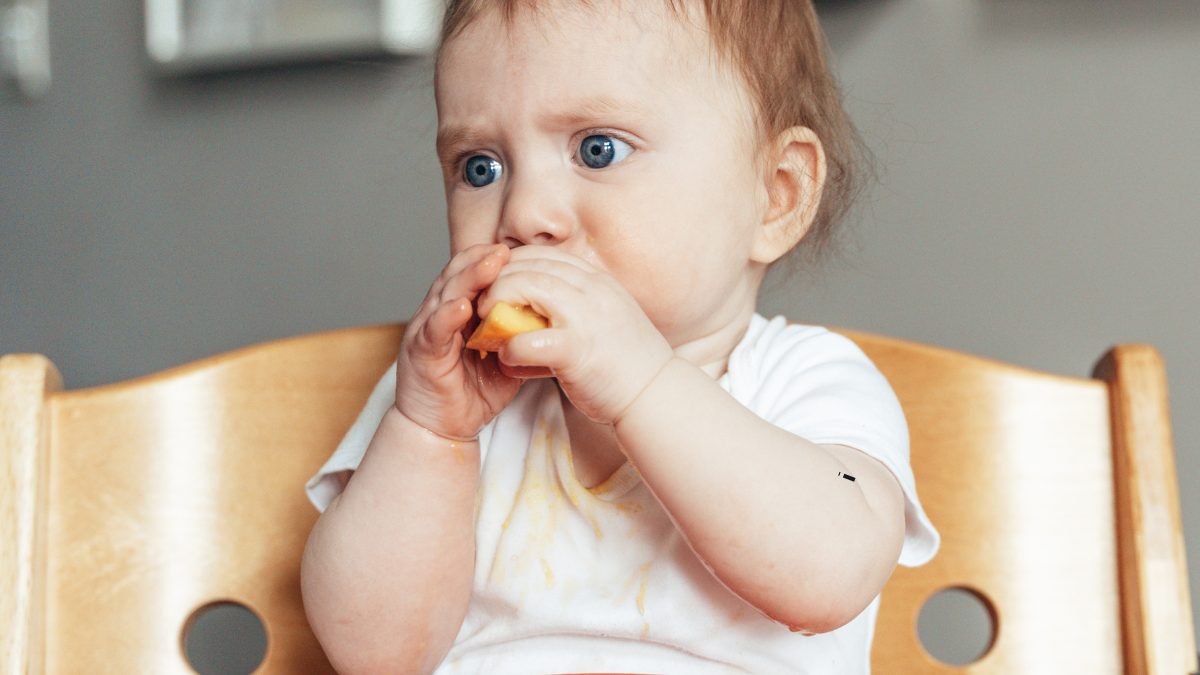
Young children learn best when chores feel like helping, not strict work. Keep each task short, repeatable, and connected to your family’s daily rhythm. A toddler may carry one napkin to the table, while a preschooler may help place several items. Both are learning that their actions matter.
Before expecting results, model the chore yourself. Give one clear direction at a time, then let your child try. Imperfect work is part of the lesson, so resist the urge to redo everything immediately. Guidance from AACAP’s chore recommendations and the American Academy of Pediatrics’ responsibility guide supports simple expectations, regular routines, and age-appropriate responsibility.

Chores for toddlers ages 2 to 3
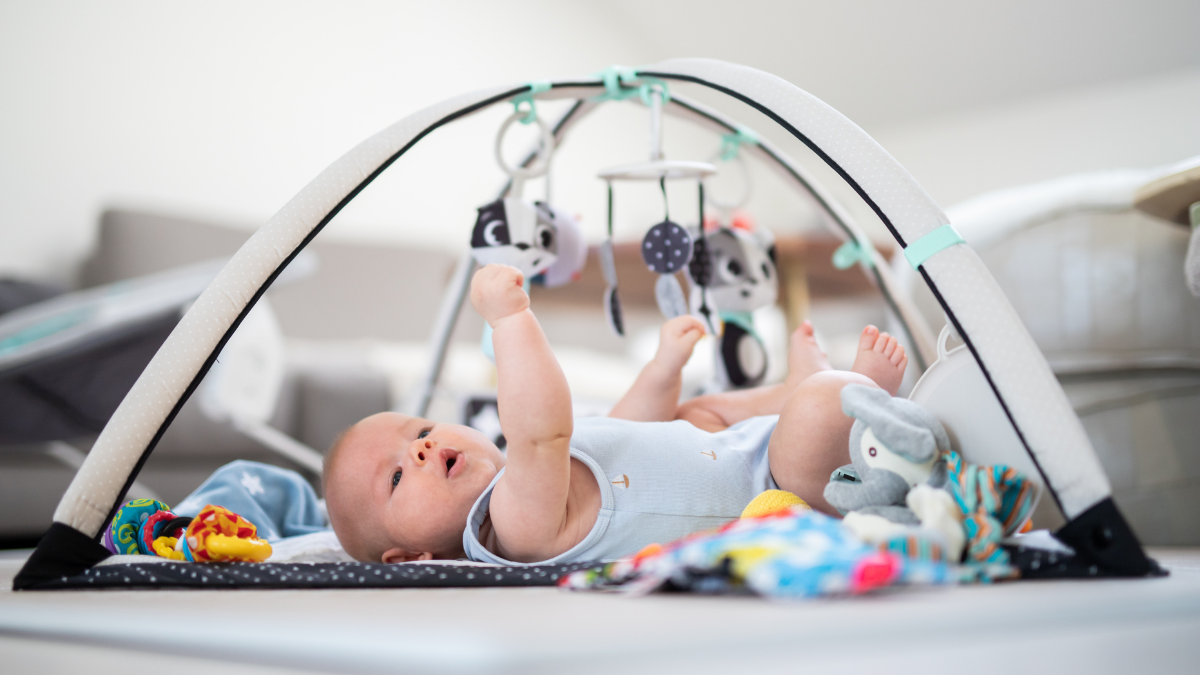
Toddlers need jobs they can understand and finish quickly. Stay nearby, especially when a task involves water, pets, stairs, or objects that could break. The goal is participation, not a spotless room.
Good starting chores include:
- Putting toys into a basket after playtime.
- Carrying clothes to the hamper.
- Placing books on a low shelf.
- Bringing an unbreakable cup or napkin to the table.
- Helping put laundry into the washing machine.
- Filling a pet’s water bowl with your help.
- Wiping a small spill with a damp cloth.
Use the same words each time, such as “Put the blocks in the basket.” Then show the action and do it together. Raising Children Network’s toddler chore guidance also emphasizes small household jobs that fit naturally into everyday routines.
Chores for preschoolers ages 4 to 5
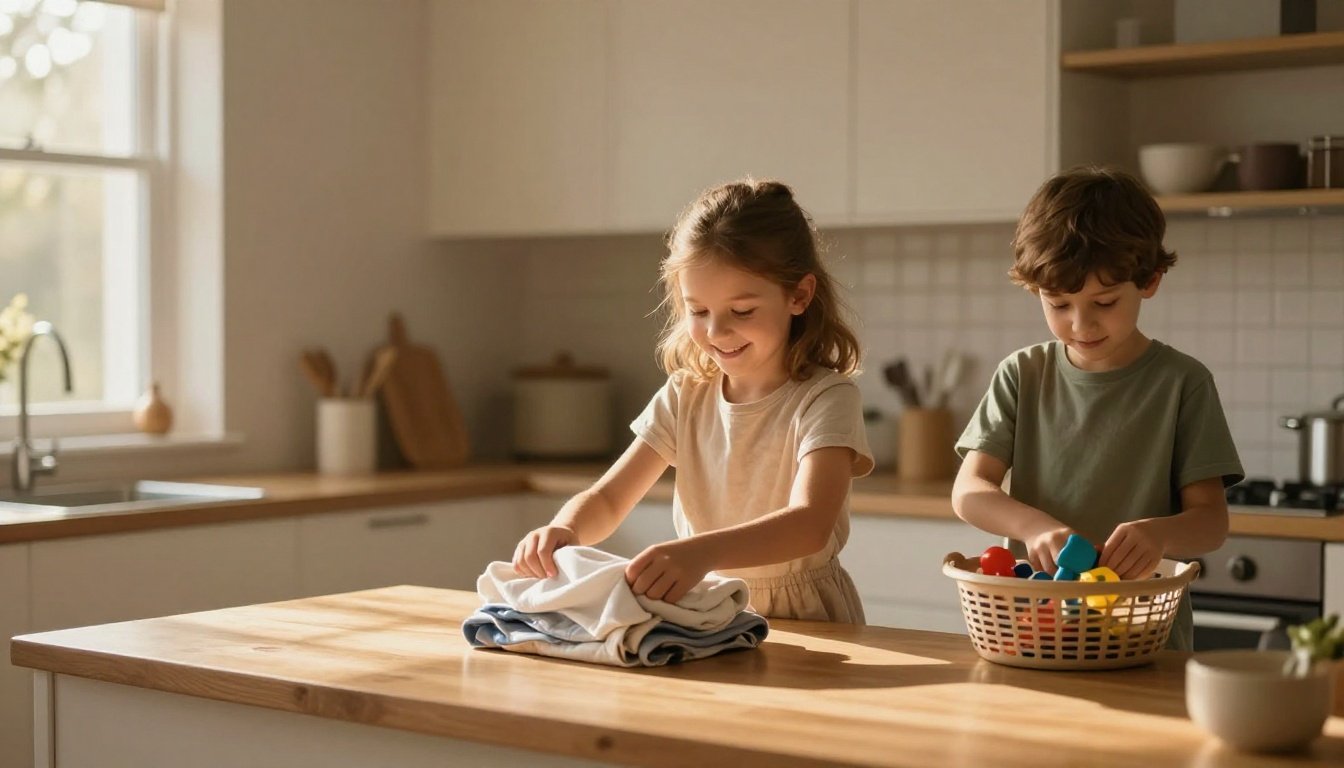
Preschoolers can follow a few steps when you stay close and keep instructions concrete. They may set part of the table, clear their own plate, sort clean laundry, help put groceries away, or make a bed that looks rumpled.
With supervision, they can also help wash produce, stir ingredients, or spread something soft with a child-safe utensil. Keep knives, hot surfaces, cleaning chemicals, and heavy objects out of reach. Raising Children Network’s preschool guidance recommends supervised involvement in meal preparation and household routines.
Praise the effort you can see: “You carried your plate carefully.” A simple song, timer, or family routine can make repetition feel playful. For more ideas that build independence through hands-on tasks, explore these practical toddler skills.
Chores for School-Age Kids That Build Real Independence
School-age children can handle more than helping for a few minutes. With practice, they can own simple responsibilities from start to finish. The shift happens gradually: first, your child sorts the laundry with you; later, they put clean clothes away without being reminded.
Ages and abilities vary, so use these ideas as flexible starting points. The American Academy of Pediatrics includes lunch packing, laundry sorting, pet care, bed-making, and table cleanup among suitable chores for children ages 5 to 7, with more complex tasks added as children grow.
Chores for kids ages 6 to 8
At this age, children are building coordination and learning how routines work. They may still need reminders, but they can complete familiar jobs with less hands-on help.
Good choices include:
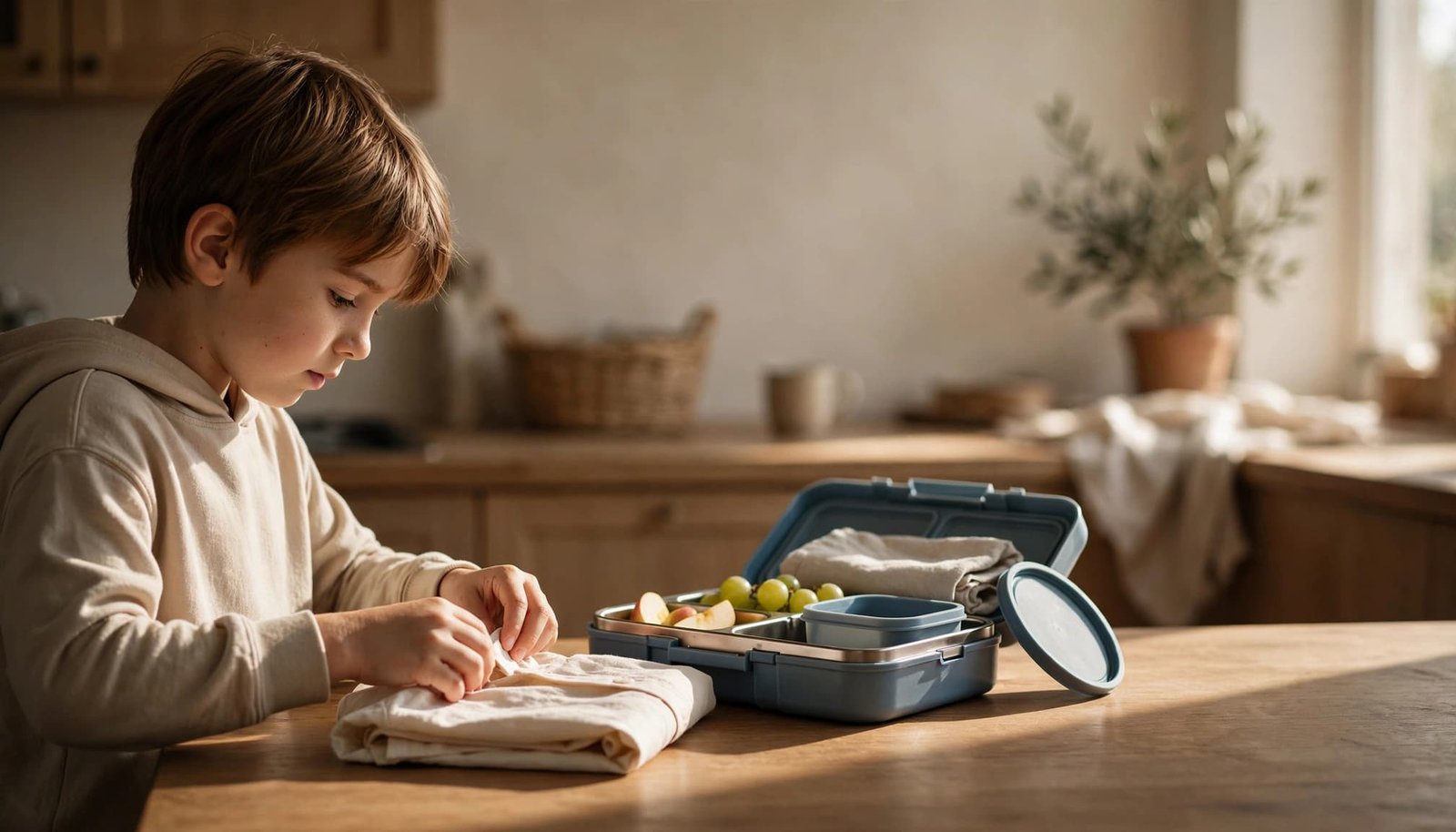
- Packing a lunch with a short list of approved foods.
- Putting a water bottle, napkin, and snack into a lunchbox.
- Placing dirty clothes in the hamper and sorting lights from darks.
- Folding simple items, such as towels, pajamas, and socks.
- Putting folded clothes into the correct drawers.
- Making the bed and keeping toys, books, and school supplies off the floor.
- Filling a pet’s food dish with a measured scoop.
- Clearing their own plate and placing safe dishes near the sink.
- Wiping the table after dinner with a damp cloth.
Start by doing the chore together. Next, watch your child complete it while you give reminders. Eventually, the child should know what to do, gather the needed items, finish the task, and put everything away. That is ownership, while handing over a lunchbox after you packed it is still helping.
Use a simple morning or evening routine to support follow-through. These organized morning routines for kids can help connect chores with school-day habits.
Chores for kids ages 8 to 10
Older school-age children can manage chores that require several steps and a little planning. They might pack lunch the night before, check whether clothes are clean, or notice that the pet’s water bowl needs filling.
At this stage, try assigning a complete responsibility rather than one isolated action:
- Pack lunch, place it in the refrigerator, and put away unused food.
- Sort, fold, and put away their own clean laundry.
- Keep the bedroom floor clear and return belongings to their usual places.
- Load non-breakable dishes into the dishwasher after dinner.
- Wipe the table and check the floor for crumbs.
- Help prepare a simple meal, following adult directions.
- Feed a calm, familiar pet or walk it only with an adult’s approval.
Supervision still matters. Keep children away from hot stovetops, sharp knives, strong cleaning products, and unfamiliar animals. An adult should also decide whether a child is ready to walk a pet, based on the child’s judgment and the animal’s size and behavior. The American Academy of Child and Adolescent Psychiatry’s chore guidance offers similar age-based examples for laundry, dinner cleanup, and meal preparation.
A useful family rule is simple: the person who starts the chore finishes the whole routine. That may mean wiping the counter after making a snack or returning the laundry basket after putting clothes away. Small details turn a household task into a dependable life skill.
Teen Chores Should Feel Like Household Ownership
By the teen years, chores can support the whole household, not just keep a bedroom tidy. A teenager may manage laundry, clean shared spaces, prepare part of a meal, care for pets, or handle groceries. These responsibilities teach teens that family life works better when everyone contributes.
AACAP’s chore guidance connects regular household tasks with responsibility and organizational skills. The goal isn’t to create a perfect cleaner. It’s to help your teen notice what needs doing and follow through without a long daily lecture.
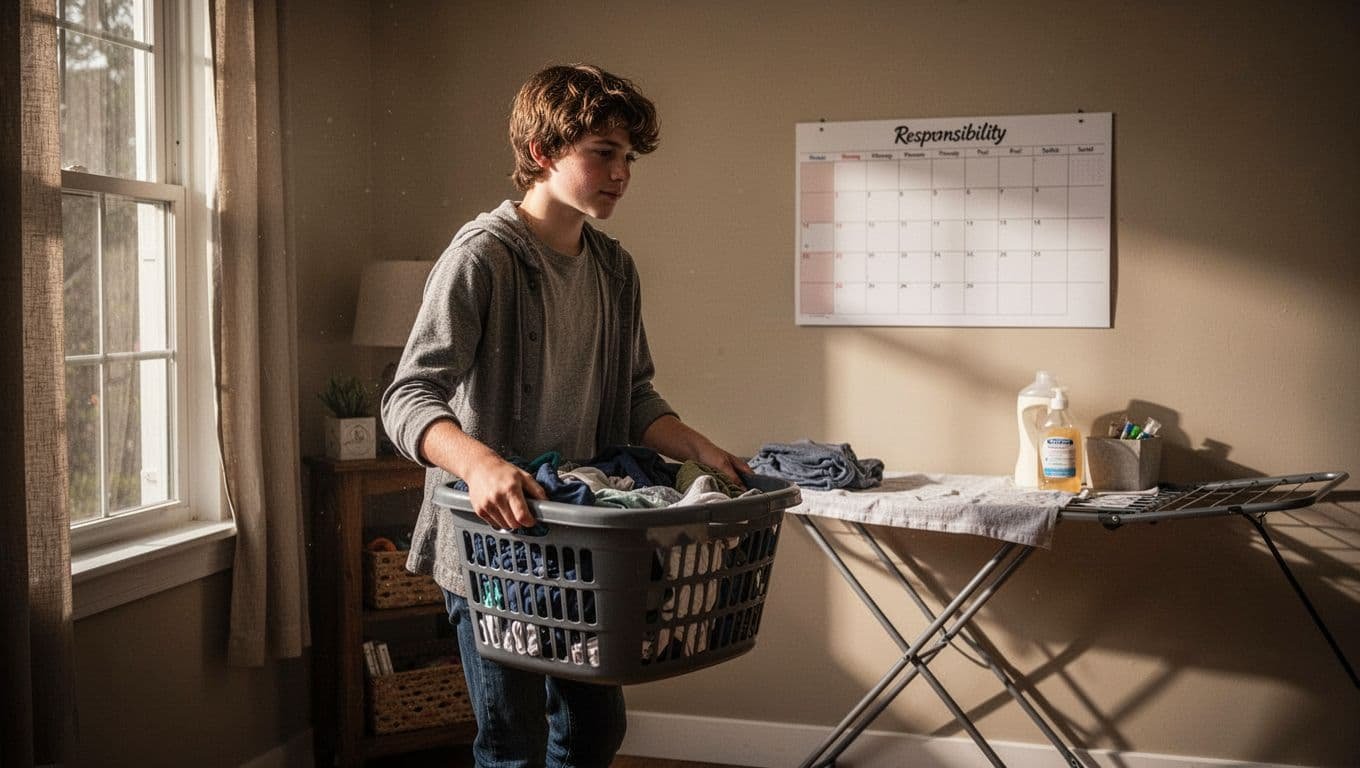
Create a weekly chore list for teens
A short weekly list works better than calling out every unfinished task. Sit down together and decide what your teen can own, then define what “done” means. For example, “clean the kitchen” could mean loading the dishwasher, wiping the counters, sweeping the floor, and putting supplies away.
A realistic teen chore list might include:
- Vacuuming shared rooms, hallways, stairs, or furniture.
- Cleaning the kitchen after a family meal.
- Washing, drying, folding, and putting away personal laundry.
- Feeding and grooming pets according to their routine.
- Taking out trash and recycling on assigned days.
- Helping with grocery shopping or preparing a simple meal.
- Mowing, weeding, shoveling, or handling other safe outdoor tasks.
- Helping care for younger siblings when an adult remains responsible.
Rotate tasks when possible, especially if one chore feels heavier than the others. Cleveland Clinic’s household skills guidance includes cleaning, laundry, caring for belongings, and knowing whom to contact for repairs as parts of independent living. A shared family chore organization system can make expectations visible without constant reminders.
Build life skills before independence
Older teens should gradually practice the work they’ll face when they live on their own. That includes planning laundry, checking household supplies, cleaning appliances safely, preparing basic food, and understanding how regular maintenance gets handled.
Still, the list must fit the teenager in front of you. School demands, a job, sports, illness, disability, neurodevelopmental differences, caregiving duties, and family circumstances may change what is reasonable. Adjust the workload without removing meaningful participation.
A teen may need fewer chores during exam week, but the family conversation about shared responsibility should continue.
Offer choices when you can, such as dishes or vacuuming, while keeping the final expectation clear. Consistent routines, specific instructions, and calm follow-up help chores feel like a normal part of belonging at home.
How to Create a Chore Routine Kids Can Actually Follow
Age-based chore ideas give you a starting point, but children also need a routine they can remember. The most effective system is usually small, predictable, and flexible enough for real family life.
Start with two or three chores, connect them to routines already happening, and add responsibility only after your child feels comfortable. A child who succeeds with a short routine is more likely to keep going than one facing a long checklist.
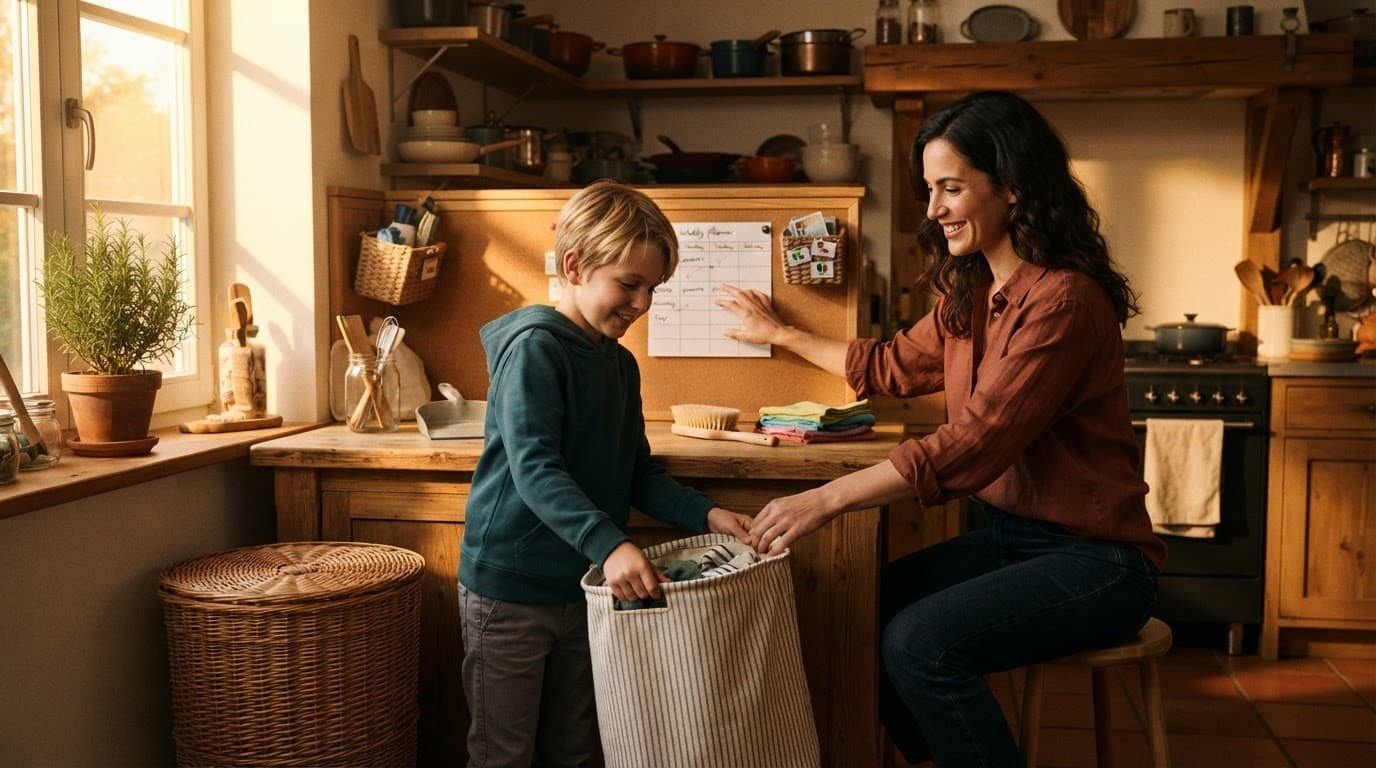
Choose starter chores your child can finish
Pick tasks that match your child’s current skills, not the age printed on a chart. Consider coordination, attention span, safety awareness, and how much supervision you can provide on a typical day.
Good starter chores are short, useful, and easy to define. For example, a preschooler might put toys in a basket, while a school-age child could clear their plate and wipe the table. Choose chores that have a clear beginning and end, such as:
- Put dirty clothes in the hamper after getting dressed.
- Place books on the shelf before bedtime.
- Feed a pet with a measured scoop after breakfast.
- Clear dishes from the table after dinner.
- Put clean pajamas in the drawer after laundry is folded.
Avoid introducing several unfamiliar tasks at once. Teach one chore until your child understands the steps, then add another when the first feels familiar. If your child struggles, reduce the task rather than treating the difficulty as defiance. Putting socks in a drawer may come before sorting and folding an entire load of laundry.
Attach chores to routines you already have
A chore is easier to remember when it follows something that happens every day. Instead of announcing tasks at random, connect them to breakfast, school arrival, playtime, or bedtime. For example, your child can put shoes away when they come home or clear their place before leaving the dinner table.
A predictable cue acts like a signpost. Once the routine becomes familiar, you won’t need to repeat the instruction as often. Families with hectic mornings may find these family morning routine ideas helpful when deciding where a small responsibility fits.
Increase responsibility one step at a time
Teach the whole process in stages. First, show your child how to do the chore. Next, complete it together, then watch while your child tries. When they can manage the steps safely, reduce your reminders and let them finish independently.
For example, laundry responsibility might grow like this:
- Your child carries clothes to the hamper.
- Your child sorts clothes with you.
- Your child transfers clean clothes to a basket.
- Your child folds simple items and puts them away.
Keep expectations visible with a picture chart, a few words, or a small weekly schedule. Praise specific effort, such as, “You remembered to put the basket back.” If school, illness, or family stress disrupts the routine, adjust the chores and restart without turning one missed day into a battle.
Chore Safety Rules Every Parent Should Set
Age ranges are guidelines, not guarantees. Your child may handle a task earlier or need more time, depending on coordination, judgment, attention span, and safety awareness. Watch what your child can do consistently, then adjust the chore to match their current skills.
Match the chore to readiness
A child should never receive a task they cannot stop safely or complete without help. If your child cannot remember the steps, follow a safety direction, or ask for help when something changes, the chore still needs adult support.
Before assigning a new responsibility, check whether your child can:
- Follow a short instruction without rushing.
- Stop immediately when you say “hot,” “sharp,” or “stop.”
- Carry or use the item without losing control.
- Recognize when a task feels too difficult.
- Put supplies away safely after finishing.
Start with low-risk jobs, such as sorting laundry, wiping a table with water, or putting toys in a basket. Keep cleaners, detergent pods, knives, scissors, and sharp appliance parts locked and out of sight. The American Academy of Pediatrics’ kitchen safety guidance also recommends securing dangerous products and preventing children from reaching hot liquids or dangling appliance cords.
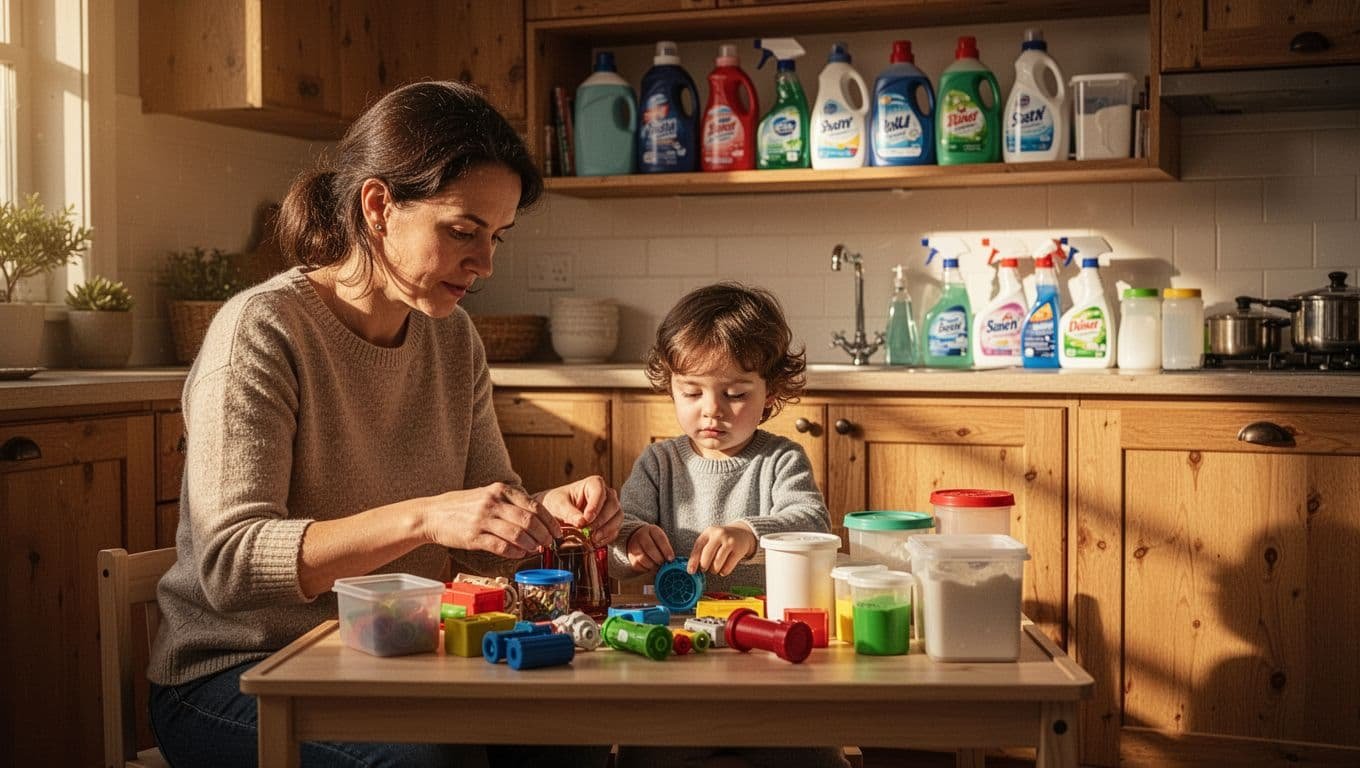
Know when to supervise directly
Direct supervision means you stay close enough to see and respond immediately. Use it for toddlers and preschoolers, plus any chore involving water, pets, stairs, sharp tools, heat, appliances, or unfamiliar equipment. A young child stirring ingredients at the counter needs you nearby, not in another room folding laundry.
Occasional check-ins are different. They may suit an older child who has already practiced the task safely and understands the rules. You might check the laundry room after a child starts a load, or inspect the kitchen after your teen cleans it. However, check-ins don’t replace direct supervision when a child is using a stove, oven, knife, strong cleaner, or hot appliance.
If you can’t explain how your child would stop the task safely, stay with them or choose a simpler chore.
Set clear household rules: turn pot handles toward the back of the stove, unplug appliances after use, never mix cleaning products, and call an adult when something spills or breaks. For more guidance, review these household safety lessons for kids.
Conclusion
Chores are less about spotless rooms and more about raising capable, connected children. Toddlers can begin with toy cleanup and supervised pet care, while school-age children gradually take on laundry, table cleanup, and kitchen help. By the teen years, household ownership can include shared spaces, meals, errands, and regular family responsibilities.
Start small, teach patiently, and give your child time to practice before expecting independence. Supervise tasks involving pets, heat, sharp tools, chemicals, or appliances, and adjust expectations when age, ability, health, school demands, or family circumstances change. When children contribute in ways they can manage, they learn that their effort matters and build confidence through household responsibilities.
A toy returned to its basket, a load of laundry folded, or a kitchen cleaned after dinner may seem ordinary. Yet each task gives children another steady step toward confidence, competence, and connection.
Save pin for later


- How to Help a Child Deal With Anxiety at Home - September 12, 2026
- How to Prepare Your Child for the First Day of School - September 12, 2026
- Age-Appropriate Chores for Kids by Age Group - September 12, 2026