Many expecting parents wonder which foods can help their baby grow well in the womb. No single food makes a baby grow, but a varied pregnancy diet gives your body the nutrients it needs to support the placenta, brain, bones, blood supply, and overall development.
You’ll find practical guidance on nutrient-rich foods, prenatal vitamins, lower-mercury fish, pregnancy food safety, and simple meal ideas that fit real life. A healthy pregnancy meal plan can make balanced choices easier, especially when your appetite and energy change from trimester to trimester.
If nausea, diabetes, anemia, food allergies, a restricted diet, or concerns about fetal growth are making eating difficult, speak with your prenatal care provider. You can also watch this helpful video on foods for baby development, then start with the key nutrients your pregnancy needs most.
Food That Helps Your Baby Have Healthy Growth in the Womb: The Best Choices
Healthy fetal growth comes from your overall eating pattern, not a miracle food. Build meals around vegetables and fruit, whole grains, protein foods, dairy or fortified alternatives, and healthy fats. Leafy greens, berries, citrus, oats, brown rice, beans, eggs, yogurt, avocado, nuts, seeds, and olive oil can all fit into ordinary family meals.
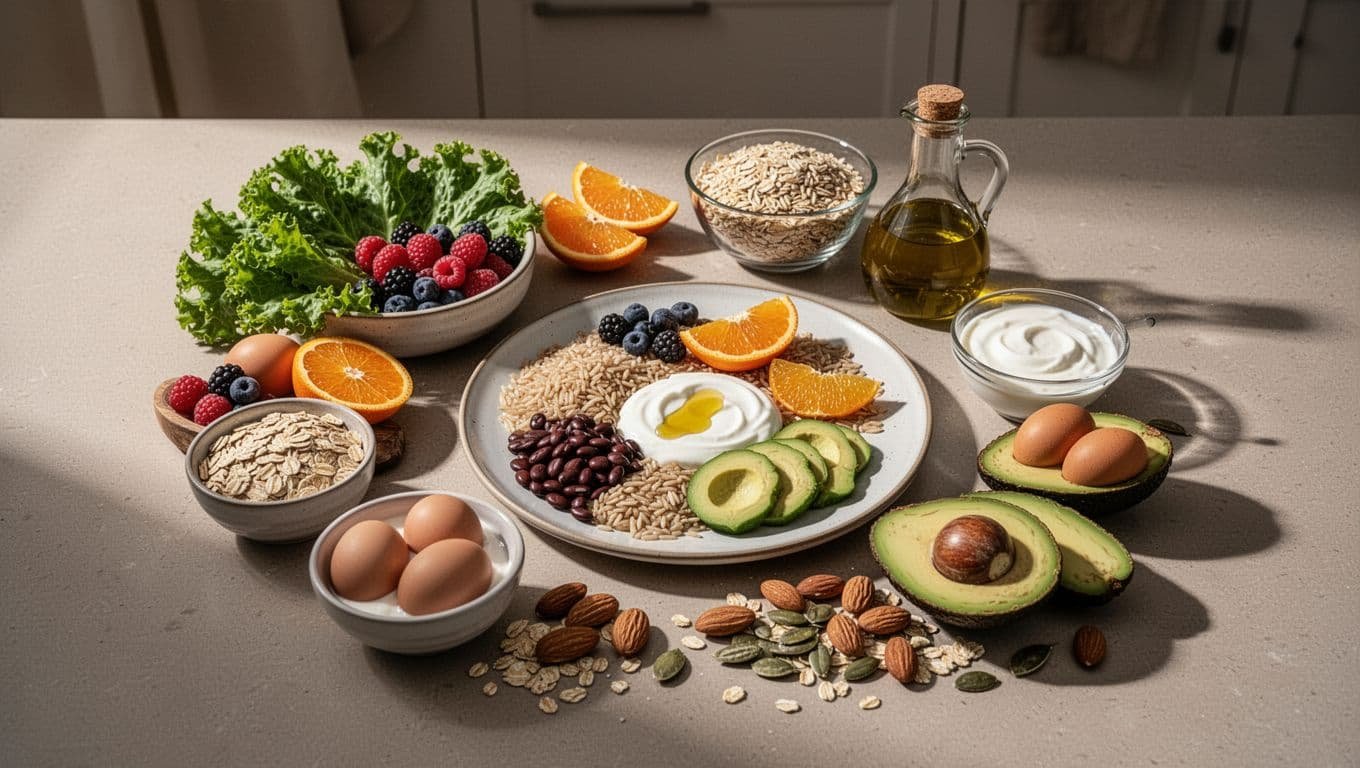
Fresh foods are helpful, but frozen, canned, and minimally processed options can also support a healthy pregnancy. Variety matters because different foods supply different nutrients, and you don’t need an expensive or perfect diet to nourish your baby.
Folate-rich foods help support early development
Folate helps your baby’s neural tube develop during the earliest weeks of pregnancy. That structure later forms the brain and spinal cord, so getting enough folate before conception and during early pregnancy matters. Pregnancy needs are about 600 micrograms of folate daily, while a prenatal vitamin should usually provide at least 400 micrograms of folic acid when you’re planning pregnancy and during early pregnancy. ACOG’s pregnancy nutrition guidance explains why food alone may not provide enough.
Add folate-rich foods to meals through:
- Spinach and other leafy greens
- Beans and lentils
- Asparagus
- Oranges and other citrus fruit
- Avocado
- Fortified breads and breakfast cereals
People with certain risk factors, including a previous pregnancy affected by a neural tube defect, may need a different dose from a clinician. Don’t self-prescribe high-dose folic acid, even if you want extra protection. The CDC’s folic acid guidance can help you understand the standard recommendation, but your prenatal provider should direct any higher-dose plan.
Protein, iron, and vitamin C work together
Protein helps build your baby’s tissues, while iron helps your body make blood and carry oxygen to you and your baby. Include lean beef, poultry, eggs, fish, tofu, beans, lentils, spinach, or iron-fortified cereal throughout the week.
Plant-based iron is easier for your body to absorb when you pair it with vitamin C. Try lentils with tomatoes, beans with bell peppers, tofu with broccoli, or iron-fortified cereal with strawberries or an orange. Yogurt, fortified soy milk, nuts, seeds, and olive oil add other useful nutrients, including calcium, protein, and healthy fats.
Prenatal providers often screen for anemia during pregnancy. If your results show low iron, your clinician may recommend a supplement, because food alone isn’t a treatment for anemia. For practical meal combinations, see these best prenatal food sources.
Nutrients That Support Your Baby’s Brain, Bones, and Eyes
A balanced pregnancy diet gives your baby the building blocks needed for growth. DHA supports the developing brain and eyes, while calcium, vitamin D, choline, iodine, and other nutrients support bones, cells, blood, and the nervous system. A prenatal vitamin can fill some gaps, but it can’t replace nourishing meals.
Choose low-mercury fish for DHA and omega-3 fats
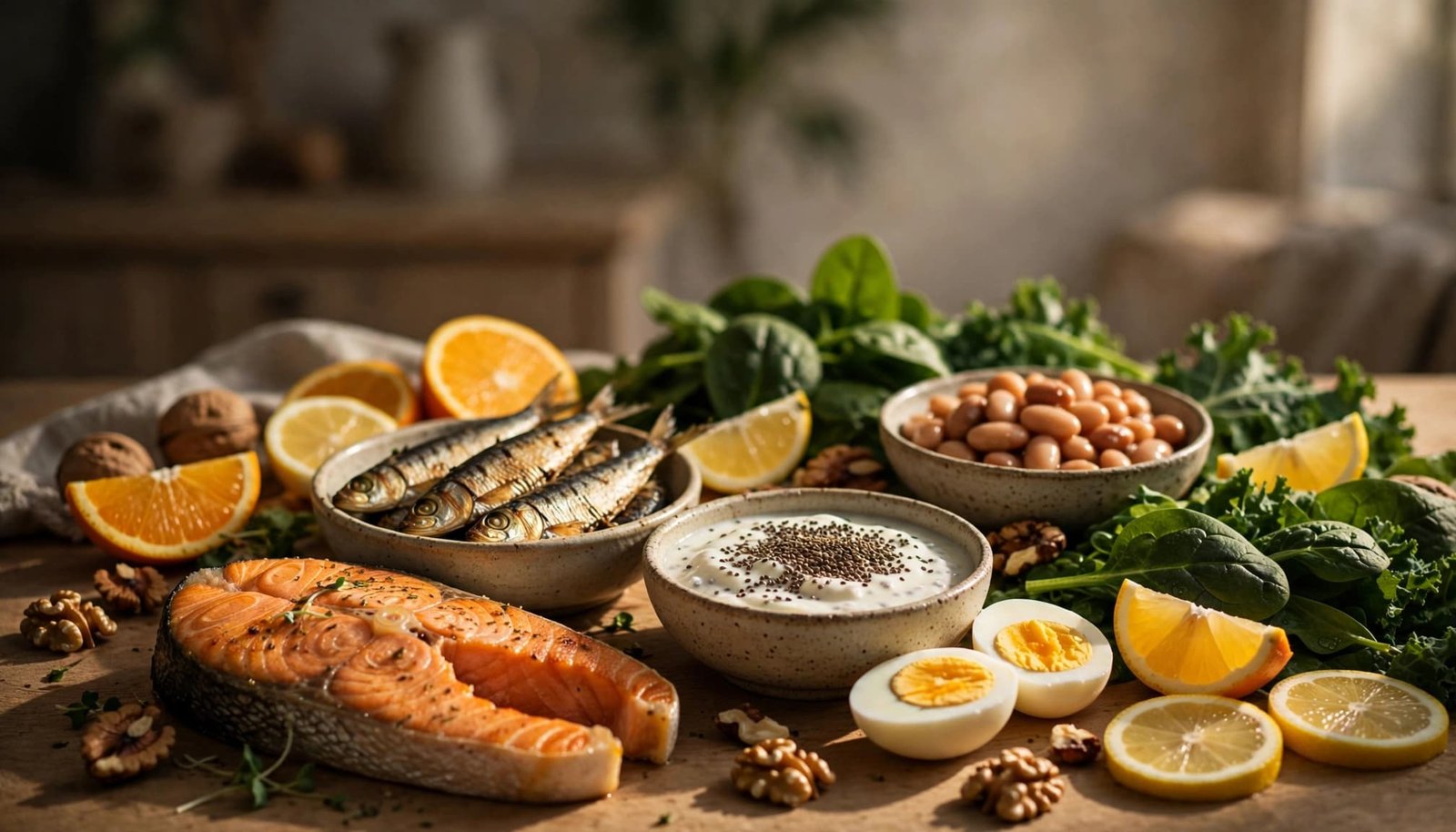
DHA is an omega-3 fat that supports fetal brain and eye development. Cooked salmon, sardines, trout, anchovies, and herring are pregnancy-friendly choices that can add DHA and protein to your meals.
The FDA advises people who are pregnant to eat 8 to 12 ounces of lower-mercury seafood per week, usually split into two or three servings. However, serving advice can change based on the fish, your health history, and local advisories, so check the FDA’s fish safety guidance and follow your clinician’s recommendations.
High-mercury fish can affect a developing baby’s nervous system. Avoid choices such as shark, swordfish, king mackerel, marlin, orange roughy, bigeye tuna, and tilefish from the Gulf of Mexico. Raw or undercooked fish also isn’t a safe choice during pregnancy because it can carry parasites and harmful bacteria. For a practical list of foods to limit or avoid, review this pregnancy food safety guide.
Eggs, walnuts, chia seeds, and ground flaxseed can add protein, fats, and other nutrients when fish doesn’t appeal to you. Plant foods provide alpha-linolenic acid, but your body converts only a small amount into DHA, so they don’t provide DHA in the same form as fish. Ask your provider before taking a fish oil or algae-based supplement.
Calcium and vitamin D help build strong bones
Calcium gives your baby’s bones and teeth structure. Vitamin D helps your body absorb and use calcium, so these nutrients work together even though they have different jobs.
Useful calcium sources include:
- Milk, yogurt, and cheese
- Calcium-fortified soy milk
- Calcium-set tofu
- Canned sardines with soft bones
Vitamin D can come from fortified milk or plant milk, eggs, and salmon. Choose pasteurized dairy products, and check plant-based drink labels because calcium and vitamin D levels vary between brands.
If you avoid dairy, have low vitamin D, or take medication that affects nutrient absorption, ask your clinician how to meet your needs safely. A third-trimester meal plan can offer practical ways to add calcium-rich foods to everyday meals.
Choline and other helpful nutrients deserve a place on the plate
Choline supports fetal growth and development. Eggs are a convenient source, while meat, fish, milk, soybeans, and beans can add more to your weekly meals.
Vitamin B12 deserves attention if you eat little or no animal food because low intake can lead to deficiency. Iodine may come from a prenatal vitamin or selected foods, but use supplements and fortified products only as your provider advises. Vitamin C, other B vitamins, and healthy fats also support a varied pregnancy diet without requiring a complicated food checklist.
Your prenatal plan should match your needs, especially if you follow a vegan diet, have food allergies, or have had a nutrient deficiency. Bring your prenatal vitamin label to an appointment so your clinician can check whether it fits your diet and health history.
How to Build Simple Pregnancy Meals That Support Healthy Growth
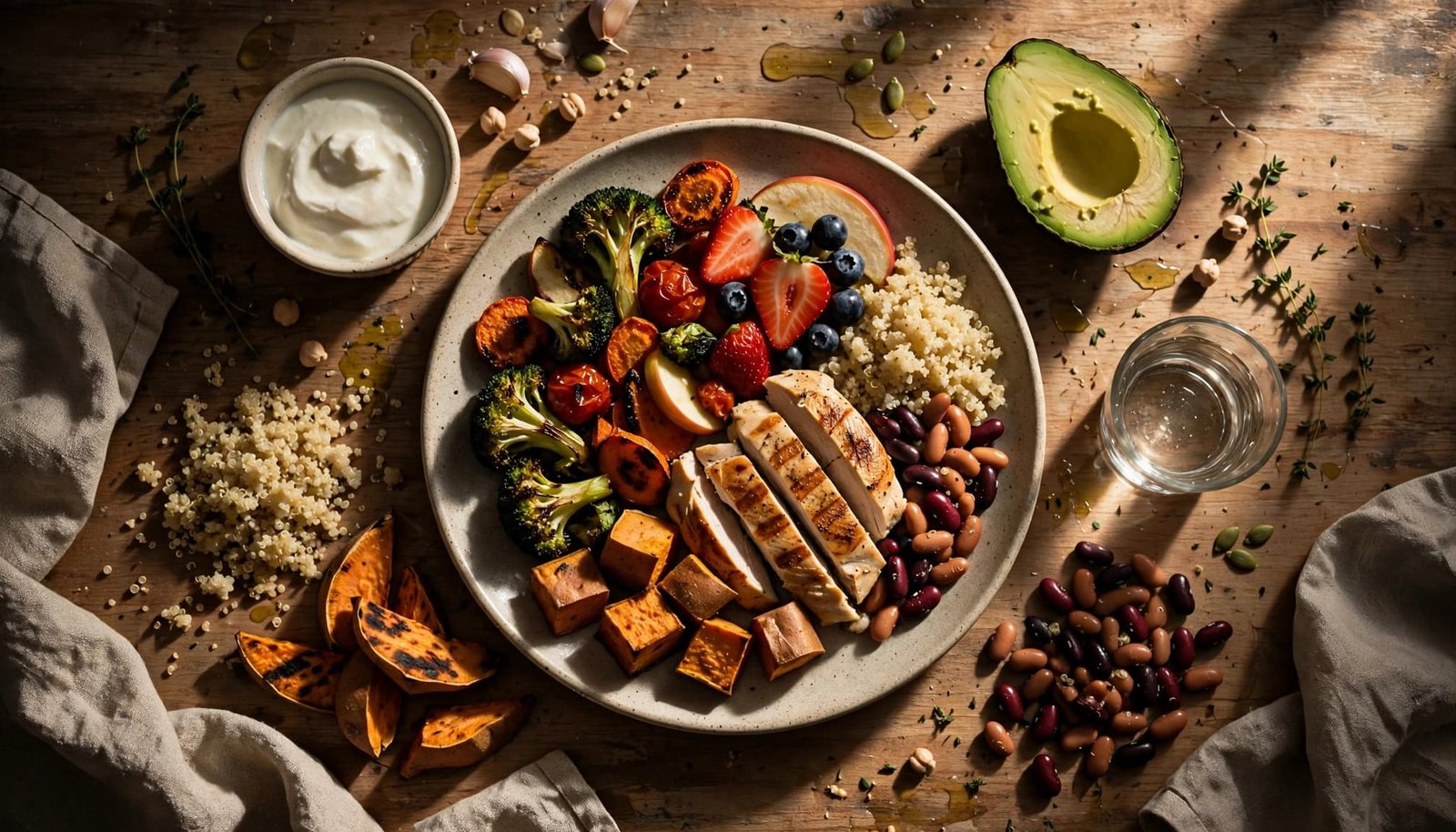
You don’t need complicated recipes to create nourishing pregnancy meals. Use a simple plate pattern: fill about half with vegetables or fruit, one quarter with protein, and one quarter with whole grains or starchy vegetables. Add calcium-rich food and healthy fat when they fit the meal. The USDA’s pregnancy plate guidance uses this same practical structure.
Easy breakfast, lunch, and dinner combinations
These ideas are examples, not a required menu. Mix and match foods based on your appetite, budget, culture, and dietary needs.
For breakfast, try oatmeal topped with berries and walnuts, served with fortified milk. Eggs with whole-grain toast and fruit make another simple combination. On a rushed morning, choose yogurt with fortified cereal and a banana, or blend pasteurized yogurt, fruit, and fortified milk into a smoothie.
Lunch can be just as straightforward. Pair lentil soup with a citrus salad, or fill a whole-grain wrap with cooked chicken, avocado, and vegetables. A bowl of beans, brown rice, roasted vegetables, and salsa gives you fiber, protein, and steady energy without requiring a special recipe.
For dinner, serve baked salmon with roasted vegetables and quinoa. A tofu stir-fry with brown rice works well when you want a meat-free option. Lean turkey chili with a side salad can stretch across several meals, which saves both time and money. Choose lower-mercury seafood according to current pregnancy guidance, and cook fish thoroughly.
Keep snacks nearby when meals feel too far apart. Apples with peanut butter, hummus with sliced vegetables, cheese with whole-grain crackers, and pasteurized yogurt with fruit are easy choices. You can find more practical healthy pregnancy snack ideas for home, work, or travel.
Make healthy eating easier on busy or nauseated days
Pregnancy appetite and energy can change by the hour. Small meals may feel better than three large plates, especially when nausea, heartburn, or fatigue makes eating difficult. Keep crackers, dry toast, plain cereal, or rice cakes beside your bed and eat a little before standing up. Nausea-friendly breakfast options can also help you start the day without forcing a full meal.
Cold foods often produce fewer strong smells than hot meals, so try chilled fruit, yogurt, sandwiches, or a smoothie when cooking odors bother you. Frozen vegetables and fruit can lower waste and cost, while batch-cooked beans, brown rice, oats, or quinoa can become several quick meals.
Canned light tuna is a lower-mercury fish choice, but follow current serving guidance and vary your seafood. Drink water regularly, along with pregnancy-safe drinks such as milk or broth. One difficult meal, a convenience-food dinner, or an occasional craving doesn’t determine your pregnancy. Return to foods that feel manageable at the next opportunity, without judging yourself.
Prenatal Vitamins Fill Gaps, but They Do Not Replace Food
Prenatal vitamins add a safety net to your pregnancy diet. They can help cover nutrients that are harder to get consistently, but they cannot provide the fiber, protein, healthy fats, and variety found in real meals.
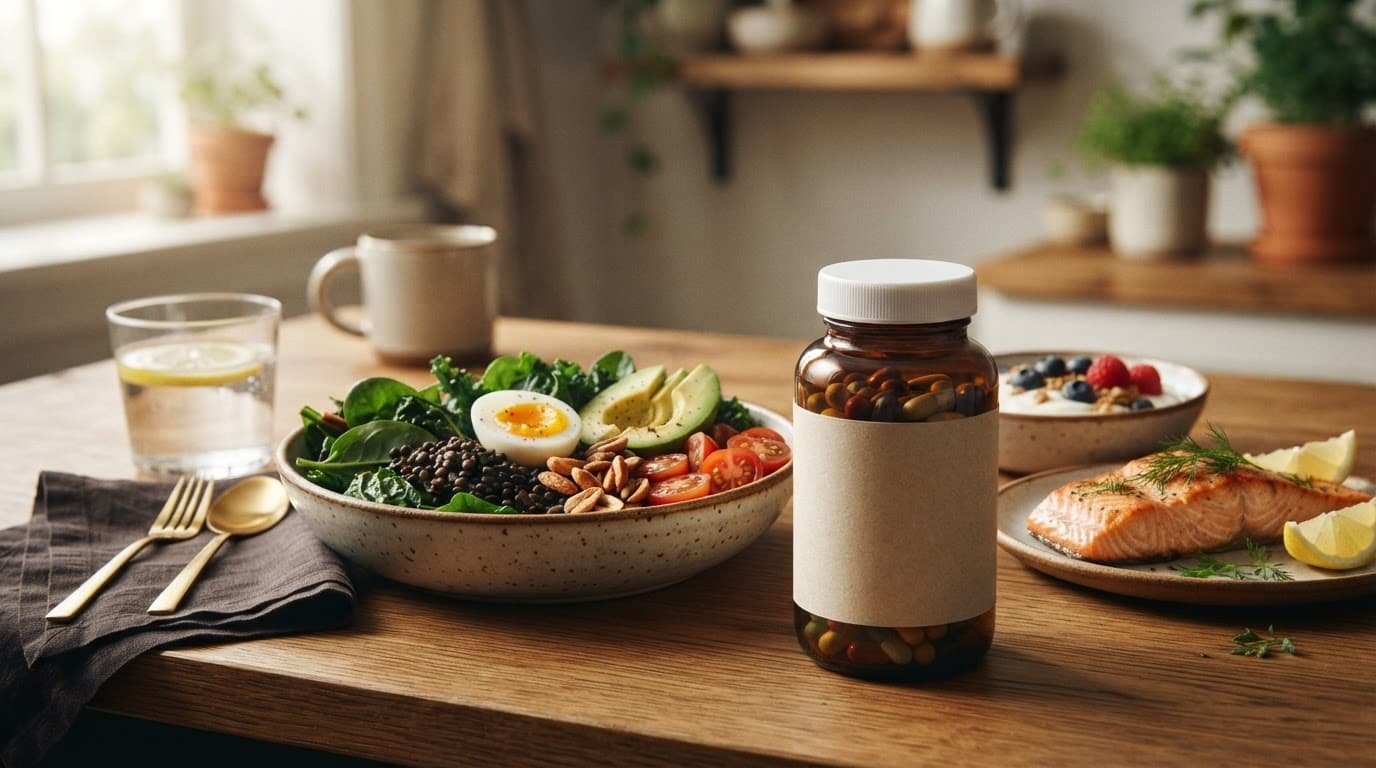
What prenatal vitamins usually provide
Formulas vary, so read the label and take the product your prenatal provider recommends. Many include folic acid, iron, iodine, vitamin D, and vitamin B12, although the amounts differ between brands.
Folic acid supports early neural tube development. For people at average risk, the USPSTF recommends 400 to 800 micrograms of folic acid daily before conception and during early pregnancy. Iron supports blood production, while iodine helps your body make thyroid hormones needed for fetal brain development. Vitamin D supports calcium use and bone health, and vitamin B12 matters for blood cells and the nervous system.
Some products also contain choline, calcium, DHA, zinc, or vitamin C. However, one prenatal may not provide enough of every nutrient you need. The NIH pregnancy supplement guidance explains why diet, lab results, and medical history all affect supplement choices.
Use extra care with doses and special needs
More vitamins aren’t automatically better. Don’t double a prenatal dose, combine two prenatal products, or add herbal supplements without medical advice. High doses of preformed vitamin A, also called retinol, can be unsafe during pregnancy. Beta-carotene from foods such as carrots and sweet potatoes is handled differently, but check supplements carefully.
Your provider may recommend an individualized plan if you’ve had a pregnancy affected by a neural tube defect, have anemia, manage a thyroid condition, had bariatric surgery, or follow a vegan diet. Vegan pregnancies often need special attention to vitamin B12, iron, iodine, and DHA.
Prenatal vitamins support nutrition, but they cannot prevent or treat fetal growth restriction by themselves.
If your provider has concerns about your baby’s growth, rely on scheduled measurements, ultrasounds, blood tests, and other medical monitoring. Keep taking the recommended prenatal while you continue building meals around varied, nourishing foods.
Food Safety Rules Protect Both You and Your Growing Baby
Pregnancy can make foodborne illness more serious, so safe preparation matters alongside nutritious choices. The CDC’s simple clean, separate, cook, and chill approach helps protect you and your baby during everyday meals.
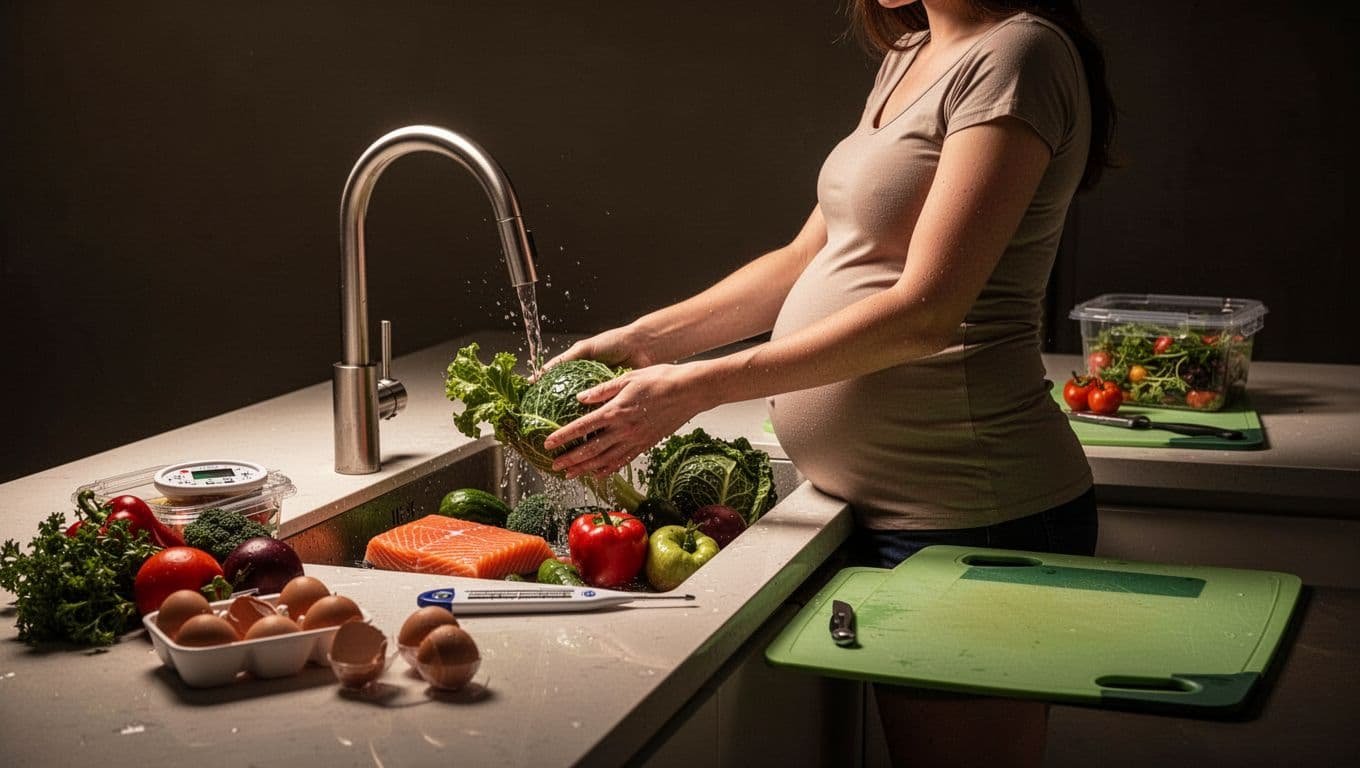
Clean and separate food during preparation
Wash your hands with soap before cooking and after touching raw meat, poultry, seafood, or eggs. Rinse fresh fruits and vegetables under running water, even when you plan to peel them. Also clean cutting boards, knives, counters, and utensils with hot, soapy water.
Keep raw animal foods away from ready-to-eat ingredients. Use separate cutting boards for raw meat and produce when possible, and never place cooked food on a plate that held raw meat. These small habits prevent bacteria from spreading through salads, sandwiches, and other foods that won’t be cooked again.
Choose pasteurized milk, juice, yogurt, and cheese. Soft cheeses such as Brie, feta, queso fresco, Camembert, and blue-veined cheese should say “made with pasteurized milk” on the label. Avoid raw milk and products made with it. For a quick reminder of foods and drinks to avoid, review this pregnancy food safety checklist.
A food thermometer is more reliable than color alone. Meat can look done before it reaches a safe temperature.
Cook thoroughly, then chill promptly
Cook food to its safe internal temperature, measured in the thickest part with a food thermometer:
- Poultry, including ground chicken and turkey, should reach 165°F.
- Ground beef, pork, lamb, or veal should reach 160°F.
- Whole cuts of beef, pork, lamb, or veal should reach 145°F, followed by a three-minute rest.
- Fish should reach 145°F, and eggs should be firm unless they are made with pasteurized eggs.
Heat deli meat, cold cuts, hot dogs, and refrigerated smoked seafood to 165°F or steaming hot before eating when pregnancy guidance advises it. Avoid raw or undercooked meat, poultry, seafood, eggs, sushi, and refrigerated smoked seafood eaten straight from the package.
Refrigerate perishable food within two hours, or within one hour when temperatures exceed 90°F. Keep your refrigerator at 40°F or below, and discard food left out too long. Store leftovers in shallow containers so they cool quickly.
Avoid alcohol during pregnancy. Also limit caffeine to 200 milligrams per day, remembering that amounts vary widely among coffee, tea, soda, energy drinks, and chocolate. Finally, check the FDA’s current fish advice for mercury levels, and ask your clinician about local fish advisories before eating a catch from nearby waters.
Conclusion
Healthy fetal growth is supported by a varied diet, enough calories and protein, key nutrients such as folate, iron, calcium, vitamin D, choline, and DHA, plus a prenatal vitamin and careful food safety. These nutrition tips for a healthy baby can guide everyday choices without turning pregnancy meals into a perfection test.
If persistent vomiting, trouble eating, suspected anemia, a special diet, food safety concern, or worry about your baby’s growth arises, contact your prenatal provider. Small, steady food choices can help nourish both you and your growing baby.
Save pin for later

- Age-Appropriate Chores for Kids by Age Group - September 12, 2026
- Can You Go Into Labor While Asleep? What to Know - September 12, 2026
- Why Do I Feel Pelvic Pressure at 36 Weeks Pregnant? Common Causes and Warning Signs - September 12, 2026