
Your toddler takes three bites, pushes the plate away, and suddenly dinner is over. That’s common at this age, but iron still matters for healthy blood, steady energy, growth, and early brain development. Children ages 1 to 3 need about 7 mg of iron each day, yet they don’t need perfect meals to reach that goal.
This guide shares more than 10 iron-rich foods for toddlers, including easy options for meat-eaters, picky eaters, and plant-based families. You’ll also find simple serving ideas, vitamin C pairings that help the body absorb plant-based iron, guidance for balancing milk with solid foods, and safety reminders for age-appropriate textures. If mealtimes often feel like a tug-of-war, these tips for helping toddlers try new foods may help, too.
Start with the practical food ideas below, then build small, balanced combinations your toddler can enjoy without pressure.
Watch: Iron-rich foods for babies, toddlers, and kids
10+ Iron-Rich Foods for Toddlers That Fit Real Family Meals
Toddlers can get iron from animal foods, plants, and fortified grains. Heme iron from meat, poultry, and seafood is usually absorbed more easily, while non-heme iron comes from plant foods and fortified products. Offering both types gives your child more ways to meet their needs.
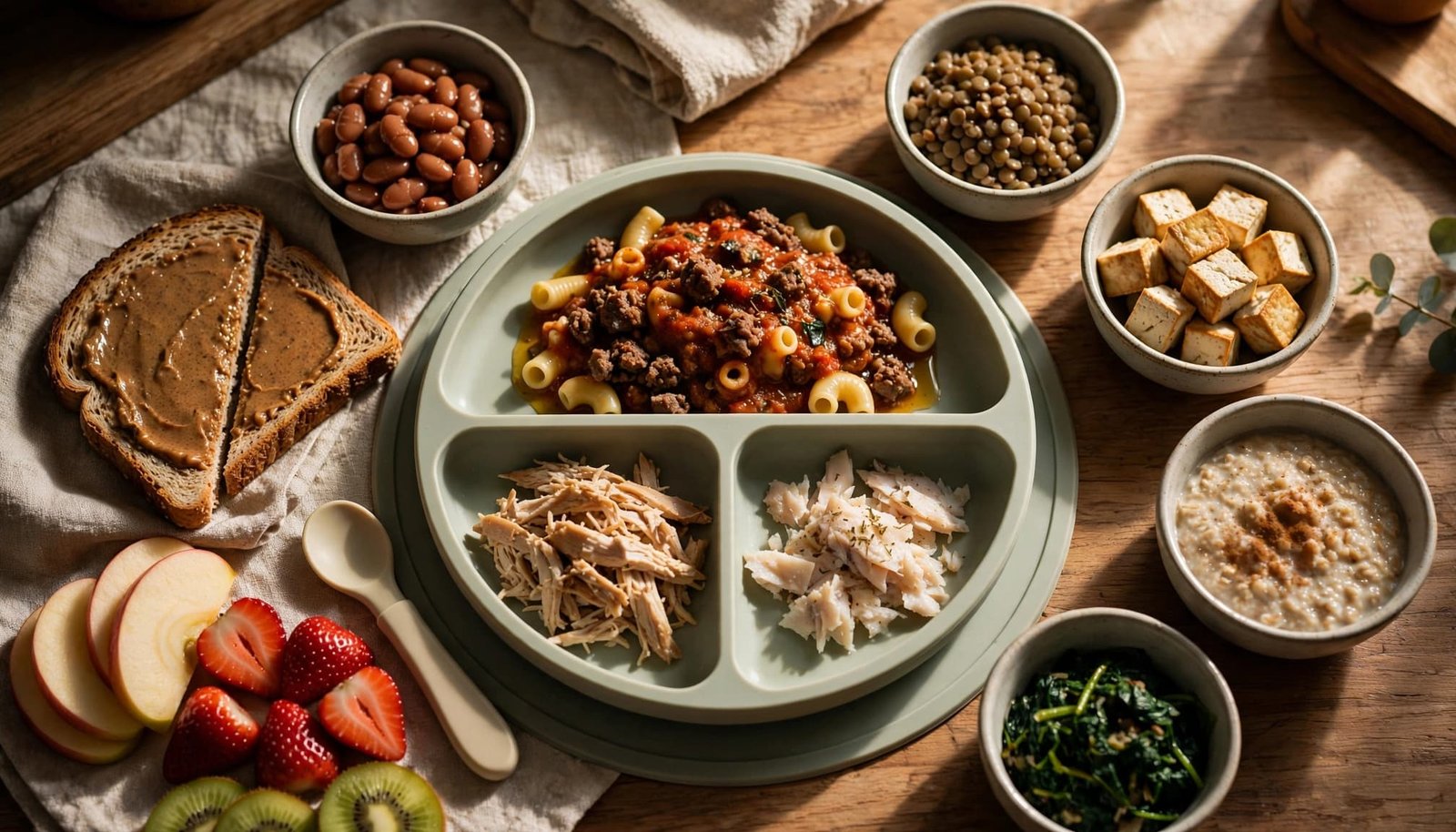
Animal foods that provide absorbable iron
Meat, poultry, and seafood are concentrated sources of heme iron. You can serve small portions alongside foods your toddler already enjoys instead of preparing a separate meal.
- Ground beef: Stir tender, fully cooked beef into pasta sauce, mashed potatoes, rice, or soft tacos.
- Shredded chicken: Mix finely shredded chicken into mac and cheese, soup, quesadillas, or rice.
- Turkey: Add ground turkey to meatballs, pasta sauce, or soft taco filling.
- Low-mercury fish: Serve fully cooked salmon, pollock, sardines, or canned light tuna in small flakes. Carefully check for and remove every bone.
- Eggs: Offer a fully cooked scrambled, chopped, or mashed egg. Eggs contain iron, but they shouldn’t replace meat, beans, lentils, or fortified foods as your only source.
- Liver: If your family serves it, offer only small amounts and ask your child’s healthcare provider how often is appropriate, since liver is very high in vitamin A.
Cook animal foods until fully done, then shred, mince, mash, or flake them. Large chunks of meat, chewy pieces, and fish bones can increase choking risk. The Dietary Guidelines food sources of iron also includes age-related safety reminders.
Plant-based and fortified foods toddlers can enjoy
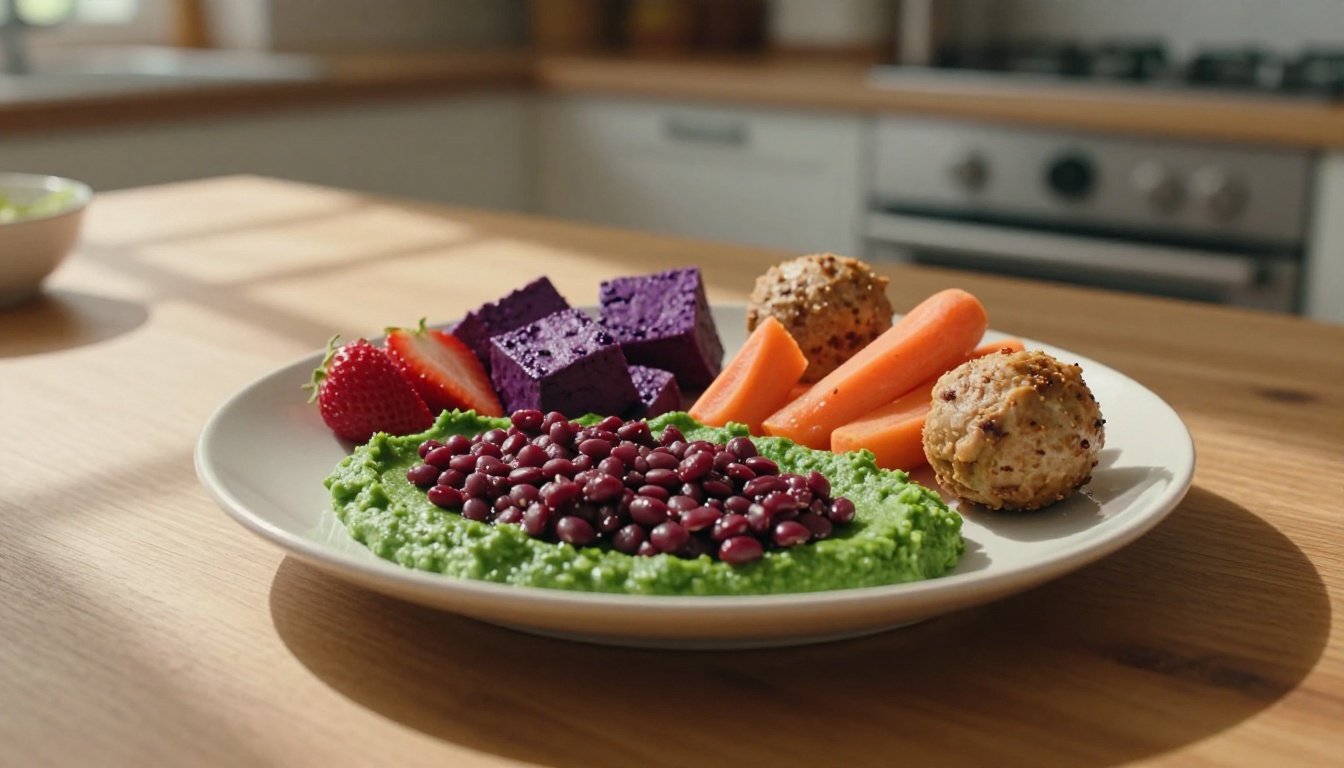
Plant-based iron still counts, especially when your toddler eats little meat. Pair these foods with vitamin C sources, such as strawberries, oranges, kiwi, tomatoes, or bell peppers, because vitamin C can help the body absorb non-heme iron.
- Iron-fortified infant or toddler cereal: Stir cereal into yogurt or serve it with mashed berries.
- Iron-fortified oatmeal: Cook oatmeal until soft and add banana, peaches, or finely chopped strawberries.
- Beans: Mash well-cooked black beans or kidney beans into a smooth spread for toast or a soft tortilla.
- Lentils: Mix tender lentils into rice, soup, pasta sauce, or soft patties.
- Tofu: Scramble crumbled tofu with soft vegetables and serve with rice.
- Enriched bread or pasta: Use enriched toast for thin seed-butter spread, or toss enriched pasta with tomato sauce.
- Quinoa and whole grains: Mix soft quinoa into oatmeal, rice, meatballs, or vegetable bowls.
- Spinach and dark leafy greens: Cook until soft, chop finely, and stir into eggs, sauces, soup, or mashed potatoes.
- Nut or seed butter: Spread a thin, smooth layer on toast or stir it into oatmeal. Never serve thick globs or whole nuts.
Offer variety across the week rather than relying on one food every day. For more family-friendly ideas, see these kid-friendly plant-based dinners.
How to Help Your Toddler Absorb More Iron at Every Meal
Offering an iron-rich food is only part of the meal. Your toddler’s body also needs help using plant-based, or non-heme, iron. Vitamin C improves absorption when served during the same meal, so small pairings can make familiar foods work harder.
A few bites of lentils with tomatoes may be more useful than serving lentils alone. You can find more ideas in this guide to iron-rich foods for kids.
Easy vitamin C pairings for beans, grains, and fortified cereal
Use soft textures, small portions, and foods your toddler already accepts. Cook firm vegetables until tender, remove seeds and skins when needed, and cut fruit into thin, manageable pieces.
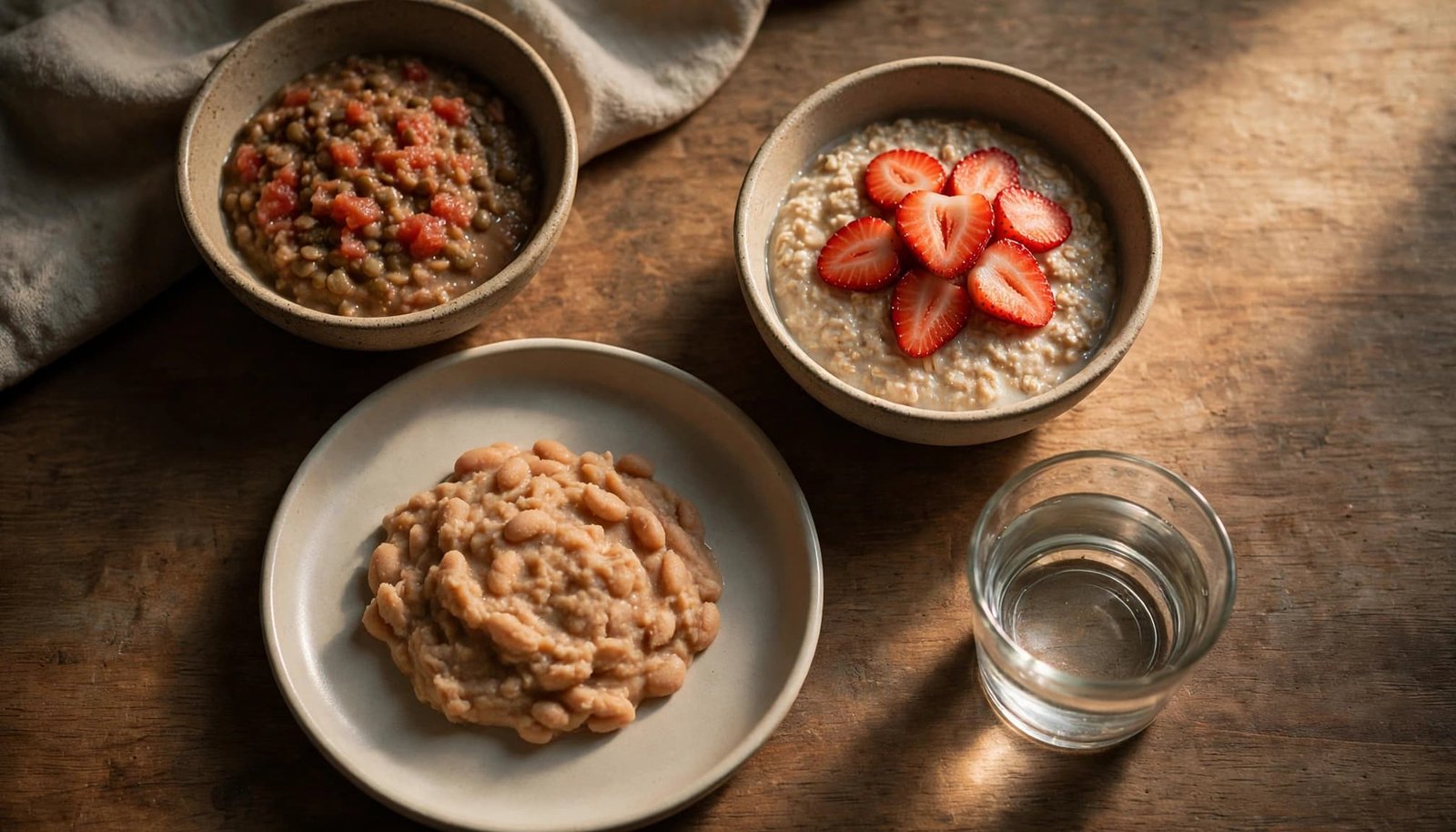
| Iron-containing food | Same-meal vitamin C pairing |
|---|---|
| Hummus or mashed chickpeas | Finely diced, soft tomato |
| Lentils | Cooked bell pepper or tomato sauce |
| Black beans | Mashed avocado with mild salsa |
| Iron-fortified oatmeal | Mashed or finely chopped strawberries |
| Fortified cereal | Thinly sliced kiwi or soft orange pieces |
| Tofu | Steamed, soft broccoli |
| Enriched pasta | Tomato sauce with finely chopped vegetables |
Vitamin C foods also include citrus, berries, tomatoes, bell peppers, broccoli, and sweet potatoes. Avoid whole grapes, hard raw vegetables, whole nuts, and thick spoonfuls of nut butter. Prepare foods according to your child’s chewing skills, and supervise every meal. The CDC’s iron guidance also recommends pairing non-heme iron foods with vitamin C sources.
A simple one-day iron-friendly toddler menu
A flexible day might include several modest servings instead of one plate loaded with everything:
- Breakfast: Iron-fortified oatmeal with soft strawberries and a spoonful of smooth seed butter stirred in.
- Lunch: Mashed lentils with soft tomatoes, avocado, and a small piece of tender toast.
- Snack: Plain yogurt with finely chopped kiwi, or fortified cereal softened with milk.
- Dinner: Tender meatballs, shredded chicken, or tofu with soft broccoli and sweet potato.
This sample includes a fortified food, plant sources, an animal food or vegetarian protein alternative, and several vitamin C foods. It is an example, not a prescription, and it hasn’t been calculated to meet the full daily iron target. Appetite changes from day to day, so one light meal doesn’t undo a balanced pattern across the week.
After 12 months, keep cow’s milk from crowding out meals. Too much milk can reduce appetite for iron-rich foods and may interfere with iron absorption. Ask your child’s clinician about an appropriate amount. Pediatric guidance commonly recommends staying below 24 ounces daily, while some clinicians prefer closer to 16 ounces. Offer water regularly and keep milk within the meal and snack routine.
Toddler Serving Ideas, Portions, and Choking Safety for Iron-Rich Foods
Iron-rich foods work best when they fit your toddler’s appetite, skills, and daily routine. Serve small portions, keep textures soft, and let meals feel calm rather than competitive. A tablespoon or two of a new food is enough for a first taste, and you can offer more if your child asks.
Make iron foods easier for picky eaters to accept
Place one familiar food beside one less familiar iron-rich food. For example, serve accepted toast with mashed beans, or pair favorite pasta with lentils stirred into tomato sauce. This gives your toddler a safe place to start without turning the meal into a negotiation.
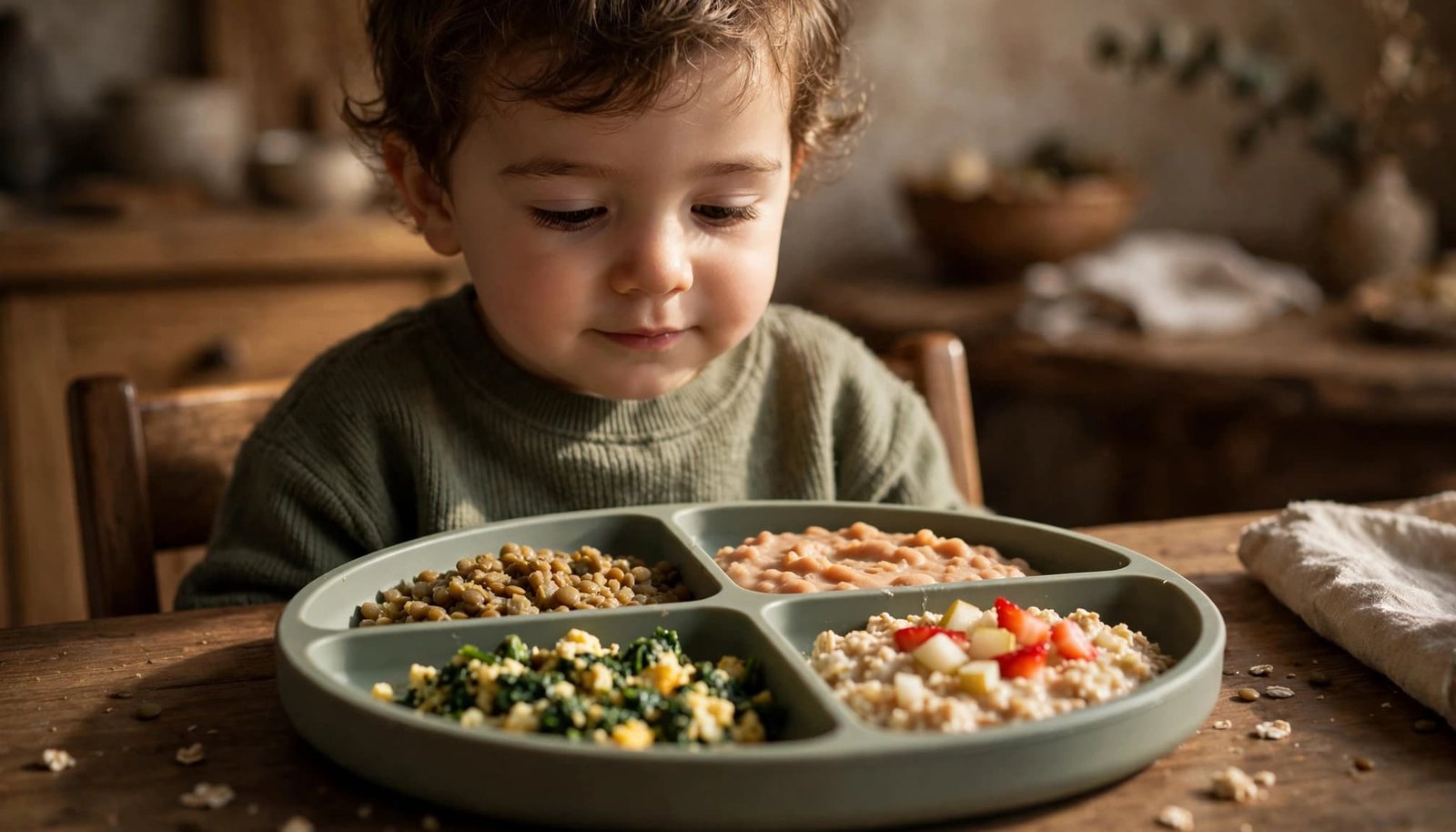
Dips can make new foods more inviting. Offer mashed beans with soft tortilla pieces, hummus with tender vegetables, or a thin layer of smooth seed butter on toast. You can also shape soft foods into small patties, strips, or bite-sized pieces that are easy to pick up. For more ideas, see these safe finger foods for picky toddlers.
Mixing iron-rich ingredients into familiar meals can help without hiding the food completely. Try these simple combinations:
- Stir cooked lentils into tomato sauce or mashed potatoes.
- Blend well-cooked beans into a smooth spread for toast.
- Add finely chopped, cooked spinach to scrambled eggs.
- Combine iron-fortified oatmeal with mashed banana, peaches, or berries.
- Fold crumbled tofu into rice, noodles, or a soft egg mixture.
Repeat exposure matters because toddlers often need many chances before accepting a new flavor or texture. Offer the food again another day, without pressure or praise that feels too intense. You decide what and when to serve; your toddler decides whether to eat and how much.
Prepare iron-rich foods for safer toddler eating
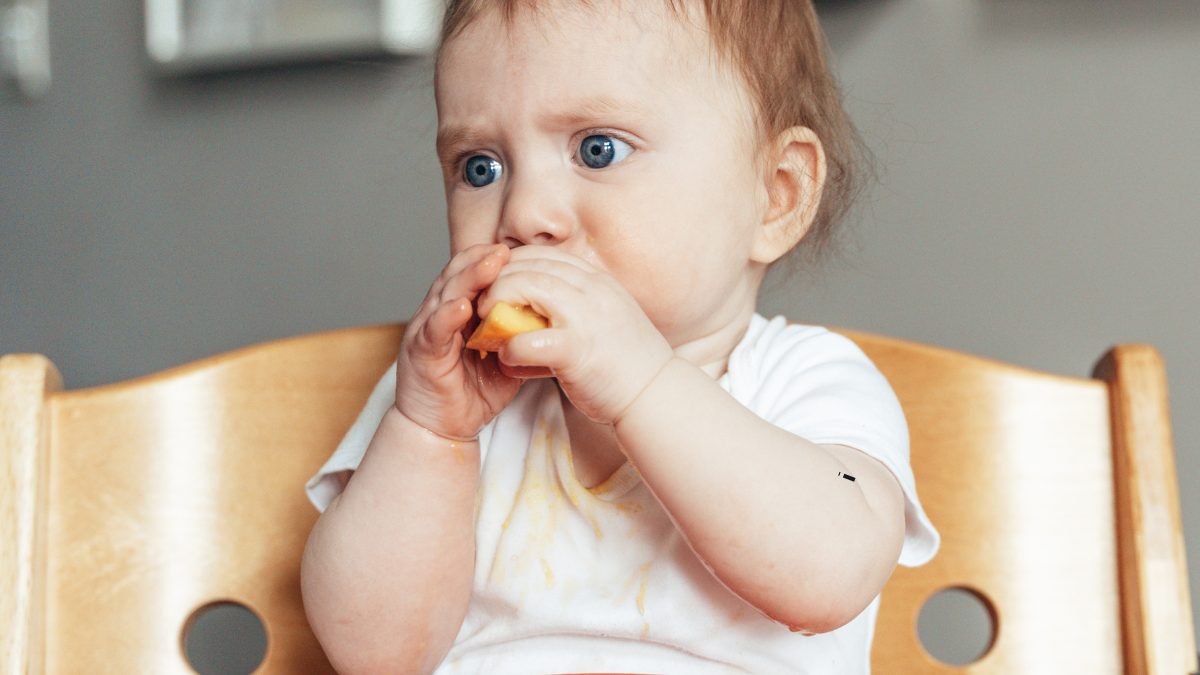
Preparation matters as much as the ingredient. Cook meats and eggs thoroughly, then serve meat ground, minced, shredded, or tender enough to fall apart easily. Flake fish carefully and remove every bone. Rinse canned beans, cook them until soft, and mash or flatten them when needed.
Nut and seed butter should be spread in a thin layer or stirred into oatmeal. Never offer a thick spoonful. Avoid whole nuts, hard raw vegetables, firm apple pieces, popcorn, and large or chewy chunks of meat. Check food temperature before serving, especially when reheating oatmeal, eggs, or sauces.
Keep your child seated upright in a high chair or at the table. Stay close, remove distractions, and supervise every bite. The CDC’s choking hazard guidance and AAP choking prevention advice recommend adjusting food size, shape, and texture to your child’s development.
Learn infant and toddler CPR and choking first aid before an emergency happens. If your child has food allergies, swallowing problems, feeding difficulties, or developmental delays, ask a clinician or feeding specialist for personalized guidance.
What can raise a toddler’s risk of iron deficiency?
Iron deficiency can happen when a toddler’s diet supplies too little iron for growth. If it continues, the deficiency can lead to iron-deficiency anemia, which may affect energy, growth, learning, and development. The risk is higher for some children, but everyday toddler behavior alone cannot confirm a problem.
A diet with few iron-rich foods is one common concern. Toddlers who eat very little meat, beans, lentils, tofu, fortified cereal, or enriched grains may need closer attention, especially when they also eat a limited range of foods. A history of iron deficiency during infancy can raise concern as well.
Milk deserves a careful look. Cow’s milk contains little iron, and drinking more than 24 ounces per day after age 1 can fill a toddler’s stomach before meals. It may also reduce interest in iron-rich foods. A regular routine of meals, snacks, water, and reasonable milk portions can help. These toddler meal routines may offer practical ideas for keeping milk from taking over the day.
Other children may have a higher risk because of health or feeding concerns. These can include conditions that affect appetite, chewing, swallowing, digestion, or nutrient absorption. Children with certain developmental conditions, food allergies, chronic stomach or intestinal problems, or special healthcare needs may need an individualized nutrition plan.
Children born prematurely or with low birth weight may also need follow-up that differs from routine care. Their pediatrician may recommend earlier or repeated testing, particularly when they aren’t receiving enough iron through food or iron-fortified formula during infancy.
When to call the pediatrician about iron or supplements
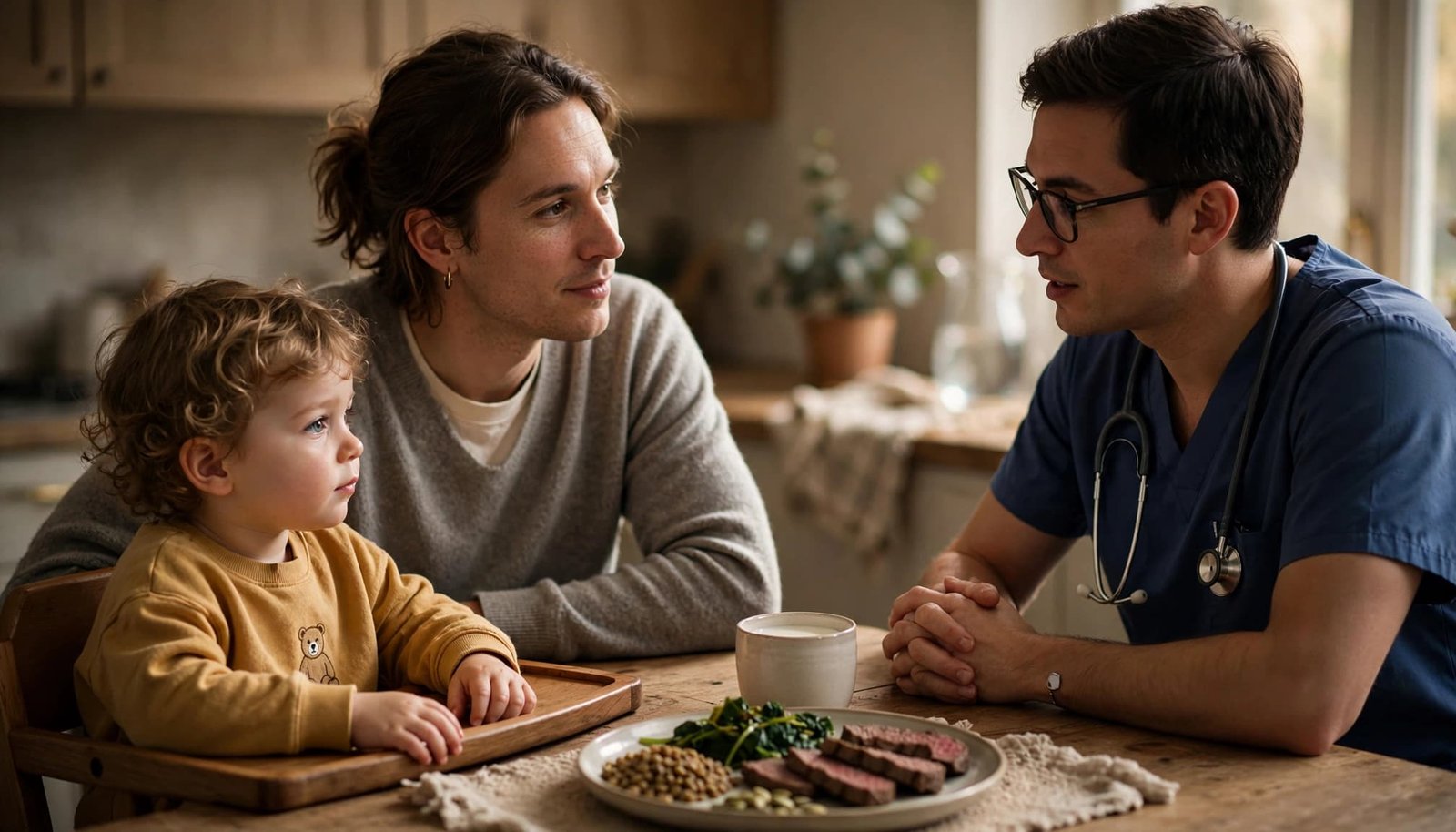
Ask your child’s pediatrician for advice if you notice:
- Unusual tiredness, low energy, or less interest in play.
- Pale skin, ongoing irritability, or a persistent low appetite.
- Poor growth, weight concerns, or difficulty keeping up with developmental skills.
- Pica, such as repeatedly eating dirt, ice, paper, or other nonfood items.
- Very high milk intake combined with eating very little solid food.
These signs have many possible causes, and they don’t prove iron deficiency. Some children with low iron have mild symptoms or no clear symptoms at all, so appearance alone isn’t a reliable test.
The CDC includes anemia screening for higher-risk young children at recommended ages, while the pediatrician decides which tests and follow-up your child needs. Ask whether a blood test makes sense when risk factors are present.
Don’t start iron drops, adult vitamins, or high-dose supplements without medical guidance. Too much iron can cause a dangerous overdose in young children. If supplementation is prescribed, use the exact dose, measuring device, schedule, and follow-up plan provided by your child’s healthcare professional.
A Practical Plan for Serving More Iron This Week
A little planning can turn iron-rich foods into ordinary family meals. Choose a few dependable foods, reuse ingredients in different ways, and let your toddler decide how much to eat.
Build a flexible seven-day mix
Use the following ideas as a loose rhythm, not a strict meal plan:
- Day 1: Offer iron-fortified oatmeal with mashed berries, then serve beans with soft tomatoes at lunch.
- Day 2: Add finely shredded chicken to pasta and pair it with broccoli or sweet potato.
- Day 3: Stir lentils into tomato sauce, rice, or mashed potatoes.
- Day 4: Serve scrambled egg with enriched toast and soft fruit.
- Day 5: Mix crumbled tofu into noodles or rice, then add cooked bell pepper.
- Day 6: Offer tender turkey meatballs with pasta and tomato sauce.
- Day 7: Serve fortified cereal with fruit, followed later by hummus or mashed beans on soft toast.
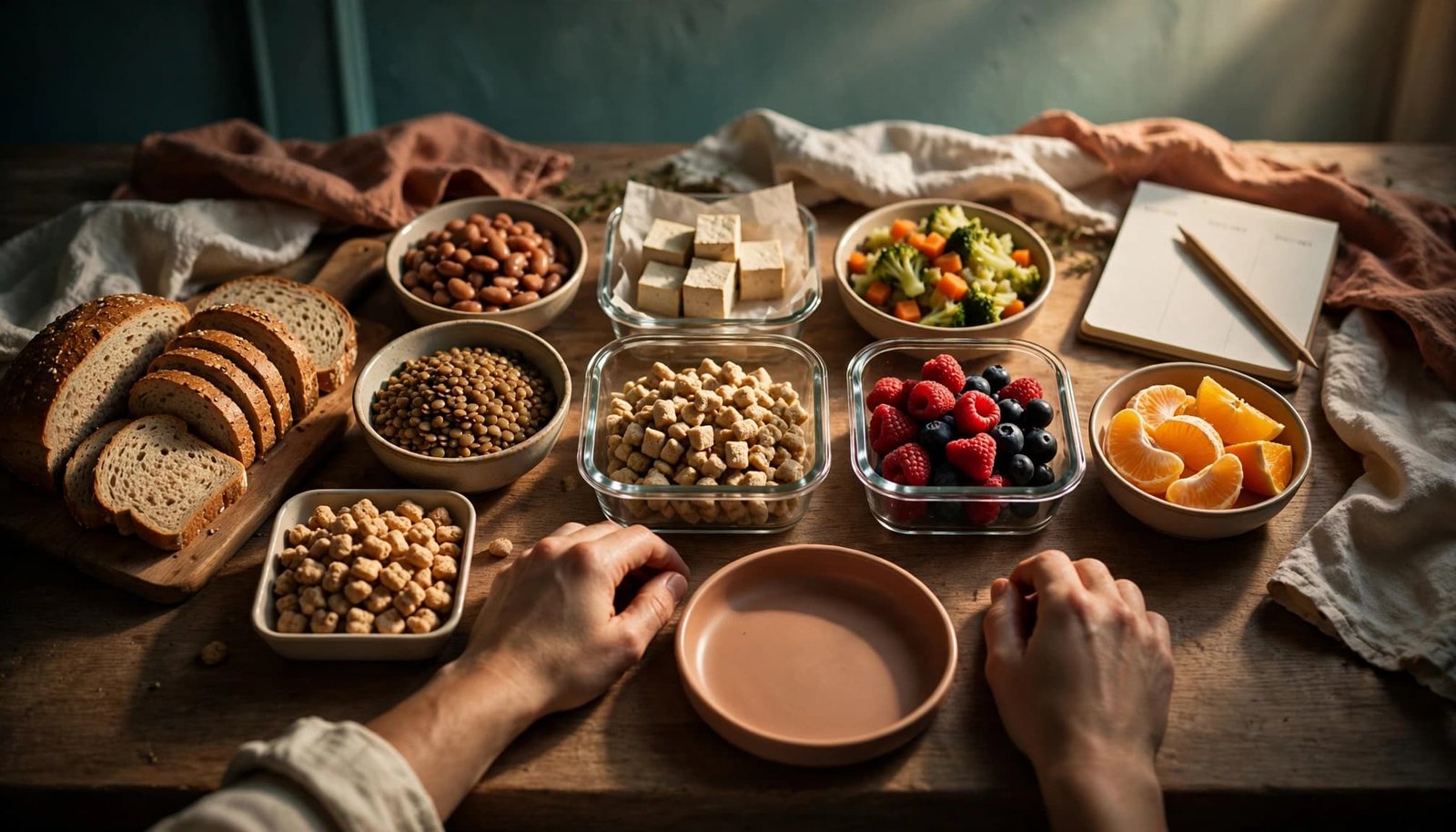
You can swap foods based on your grocery list and your toddler’s preferences. For example, replace chicken with tofu, lentils with beans, or berries with soft orange pieces. These iron-rich baby meal ideas can also offer inspiration for soft, family-friendly combinations.
Use labels to choose fortified foods
Iron levels can differ widely between cereal and bread brands. Check the Nutrition Facts label before buying, and compare the iron amount per serving rather than relying on words such as “whole grain” or “healthy.”
Fortified breakfast cereal often provides more iron than enriched bread, but the exact amount depends on the product. Some cereals list a substantial percentage of the Daily Value, while bread may contain a smaller amount. The USDA’s iron and vitamin C guidance explains why pairing plant-based iron with vitamin C helps absorption.
Families following vegetarian or vegan diets can meet a toddler’s iron needs with planning. Offer beans, lentils, tofu, fortified cereal, and enriched grains regularly, along with vitamin C foods at the same meal. Review a vegetarian or vegan diet with your pediatrician or a registered dietitian, especially if your child has poor growth, a very limited diet, or ongoing feeding concerns.
Keep the routine calm and repeatable
Choose two iron-rich foods during your next grocery trip. Plan one fortified food each day, add a vitamin C food to lunch or dinner, and keep milk from replacing meals. Repeat foods without pressure, even when your toddler refuses them.
The goal is steady exposure and variety, not finishing a particular serving. A few bites today can become a familiar food next week.
Conclusion
Toddlers can get iron from many familiar foods, including meat, poultry, fish, eggs, beans, lentils, tofu, fortified cereals, enriched grains, and vegetables. Offering different sources throughout the week gives your child more chances to meet their needs without making every meal feel like a test. These iron-rich baby breakfast ideas can also inspire soft, family-friendly morning meals.
For plant-based choices, add a vitamin C food to the same meal to support iron absorption. Reasonable milk portions also help leave room for solid foods that contain iron. A toddler may eat well at breakfast, barely touch lunch, and surprise you with dinner. One missed meal doesn’t define your child’s nutrition. Small, repeated choices build a stronger pattern over time.
If your toddler has symptoms, risk factors, poor growth, a very limited diet, or needs screening, contact the pediatrician. Ask before using iron supplements, since the right dose depends on your child’s health and needs.

- Dry Cough in Kids: 5 Causes and Safe Solutions - September 23, 2026
- How to Help a Child Deal With Anxiety at Home - September 12, 2026
- How to Prepare Your Child for the First Day of School - September 12, 2026