A ruby-red beet can make an ordinary plate look like a tiny celebration. Its naturally sweet, earthy taste also gives parents a gentle way to introduce another vegetable without turning dinner into a standoff.
The advantages of beetroot for kids come from its fiber, folate, plant compounds, natural nitrates, and cheerful color. Beetroot belongs in a balanced diet, not in the place of medical care or professional advice for a health concern.
With age-appropriate textures and a low-pressure approach, this root vegetable can become one more familiar food on your child’s plate.
What beetroot brings to a child’s plate
Raw beetroot is modest in calories but supplies several useful nutrients. According to USDA FoodData Central, 100 grams of raw beetroot has about 43 calories, 2.8 grams of fiber, and 109 micrograms of folate. It also contains water, potassium, and manganese.
Those numbers change with preparation and portion size. A few spoonfuls of mashed beetroot offer something different from a bowl of roasted cubes, and both can fit into family meals.
Beetroot does not need to be a daily food. Variety matters more than repeating one vegetable on every plate.
5 Advantages of beetroot for kids
The advantages of beetroot for kids are most meaningful when beets join a menu filled with fruits, vegetables, protein foods, whole grains, and healthy fats.
Fiber can support comfortable digestion and regular bowel movements
Fiber helps add bulk to stool and can support regular bowel movements. Raw beetroot provides about 2.8 grams of fiber per 100 grams, which makes it a useful addition to meals that already include beans, berries, oats, whole-grain bread, and other vegetables.
However, beetroot isn’t a treatment for constipation. A child with ongoing pain, hard stools, or a sudden change in bathroom habits needs guidance from a pediatrician.
If your child usually eats low-fiber foods, add fiber slowly. Offer water throughout the day, too. A plate with soft roasted beets beside chicken, rice, and fruit is easier on a child’s routine than a dramatic menu change overnight.
Folate helps children make new cells as they grow
Folate is a B vitamin that helps the body make DNA and new cells. Since children grow quickly, foods with folate belong in the broad mix of nutrients that support normal development.
A 100-gram serving of raw beetroot contains about 109 micrograms of folate. That is helpful, but it does not cover a child’s entire need. Beans, leafy greens, citrus fruit, eggs, and fortified grains can all add folate during the week.
Food folate and high-dose supplements are different things. If you are concerned about your child’s diet, growth, or a possible nutrient deficiency, ask a pediatrician or registered dietitian before choosing a supplement.
Betalains and other plant compounds add antioxidant support
Beetroot gets its deep red-purple color from betalains and other natural plant compounds. These compounds are often studied for antioxidant activity, which means they may help the body manage oxidative stress that occurs during normal daily processes.
That doesn’t mean beets prevent illness or guarantee stronger immunity. Instead, their color is a reminder to offer plants in many shades. Blueberries, spinach, carrots, peppers, squash, and beets each bring different compounds to the table.
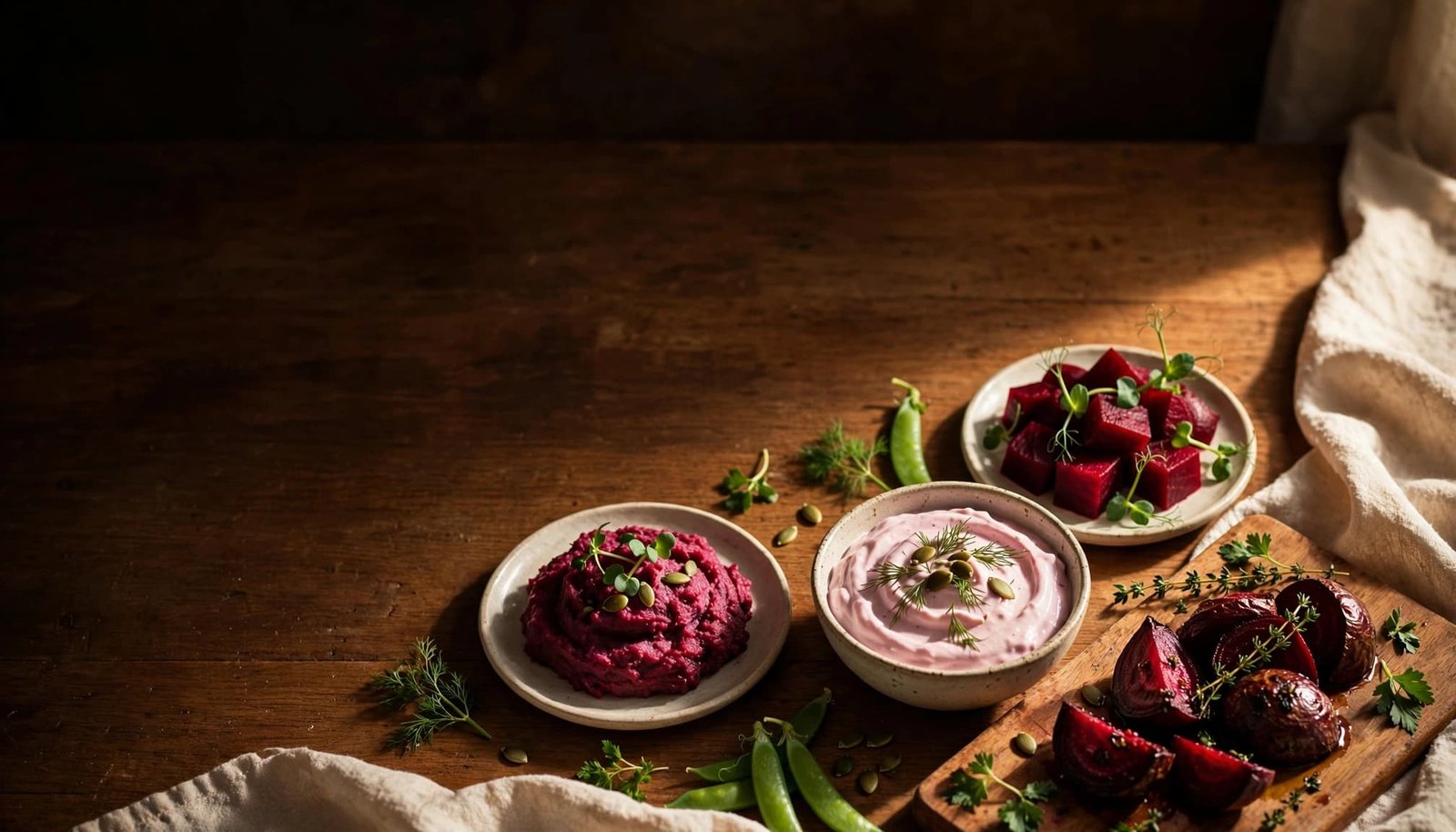
A colorful meal can also feel less intimidating. A pink dip or red mash may catch a child’s attention before the child has decided whether they like the flavor.
Natural nitrates may support healthy blood flow biology
Beetroot contains naturally occurring nitrates. The body can convert some dietary nitrates into nitric oxide, a molecule involved in blood vessel relaxation and normal blood flow.
Much of the research on beetroot nitrates comes from adult exercise and blood pressure studies. It does not show that children need beetroot juice for sports, energy, or heart health. Children do not need nitrate shots, powders, or concentrated beet products.
A normal serving of cooked beetroot with a meal is plenty. These advantages of beetroot for kids are about everyday food, not a performance product in a bottle.
Its color and mild sweetness can make vegetables more inviting
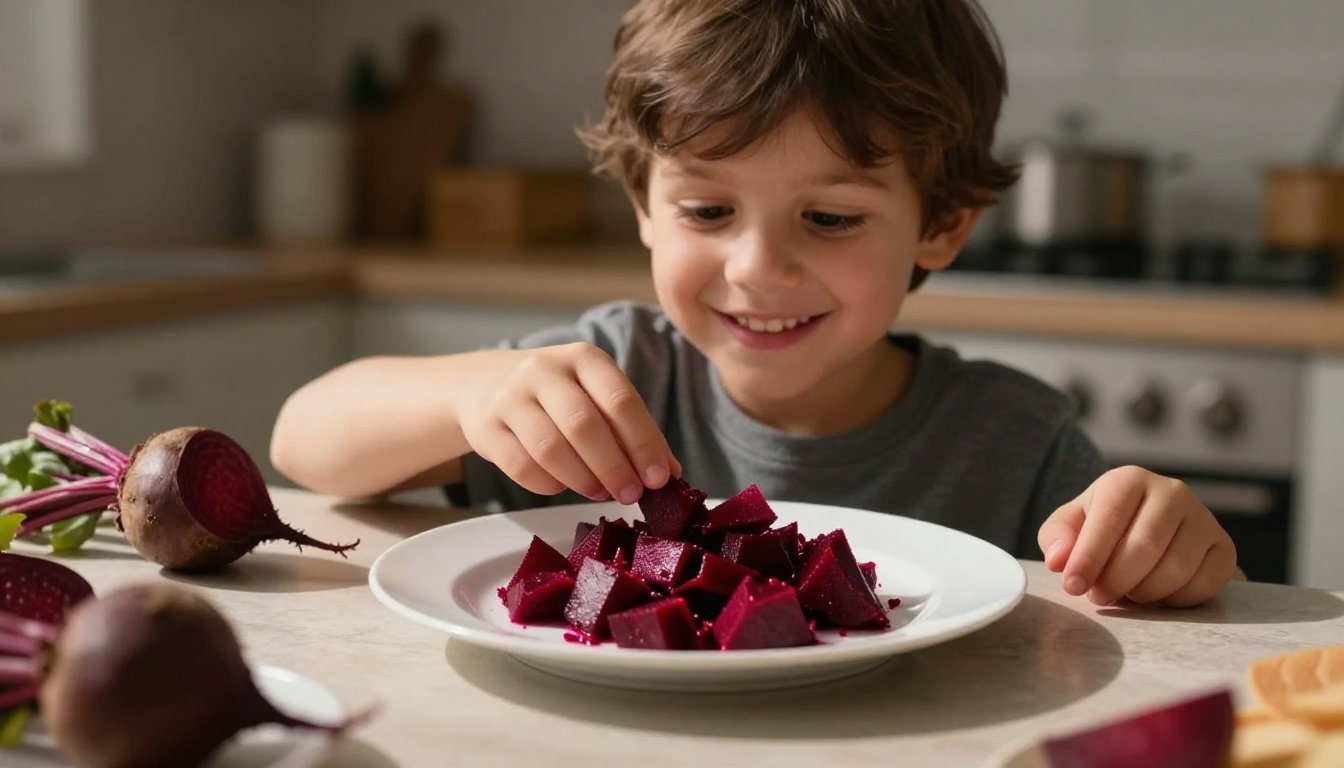
Some children reject vegetables before they take a bite because a new food looks strange. Beetroot can soften that first impression. Its bright color and gentle sweetness often feel more playful than a plate of plain greens.
Try pairing it with foods your child already knows. Soft beetroot with potatoes, yogurt, hummus, rice, or pasta can lower the pressure. Familiar flavors give a new vegetable somewhere to belong.
Repeated exposure works better than bargaining or hiding every vegetable. Put a small amount on the plate, let your child look and touch it, and allow them to decide whether to taste it. Parents looking for more calm mealtime ideas may appreciate these strategies for picky toddler eaters.
How to serve beetroot in child-friendly meals
Whole beetroot is usually a better everyday choice than juice because it keeps the vegetable’s fiber and encourages normal eating habits. Wash beets well, trim the greens, then roast, steam, or boil them until tender.
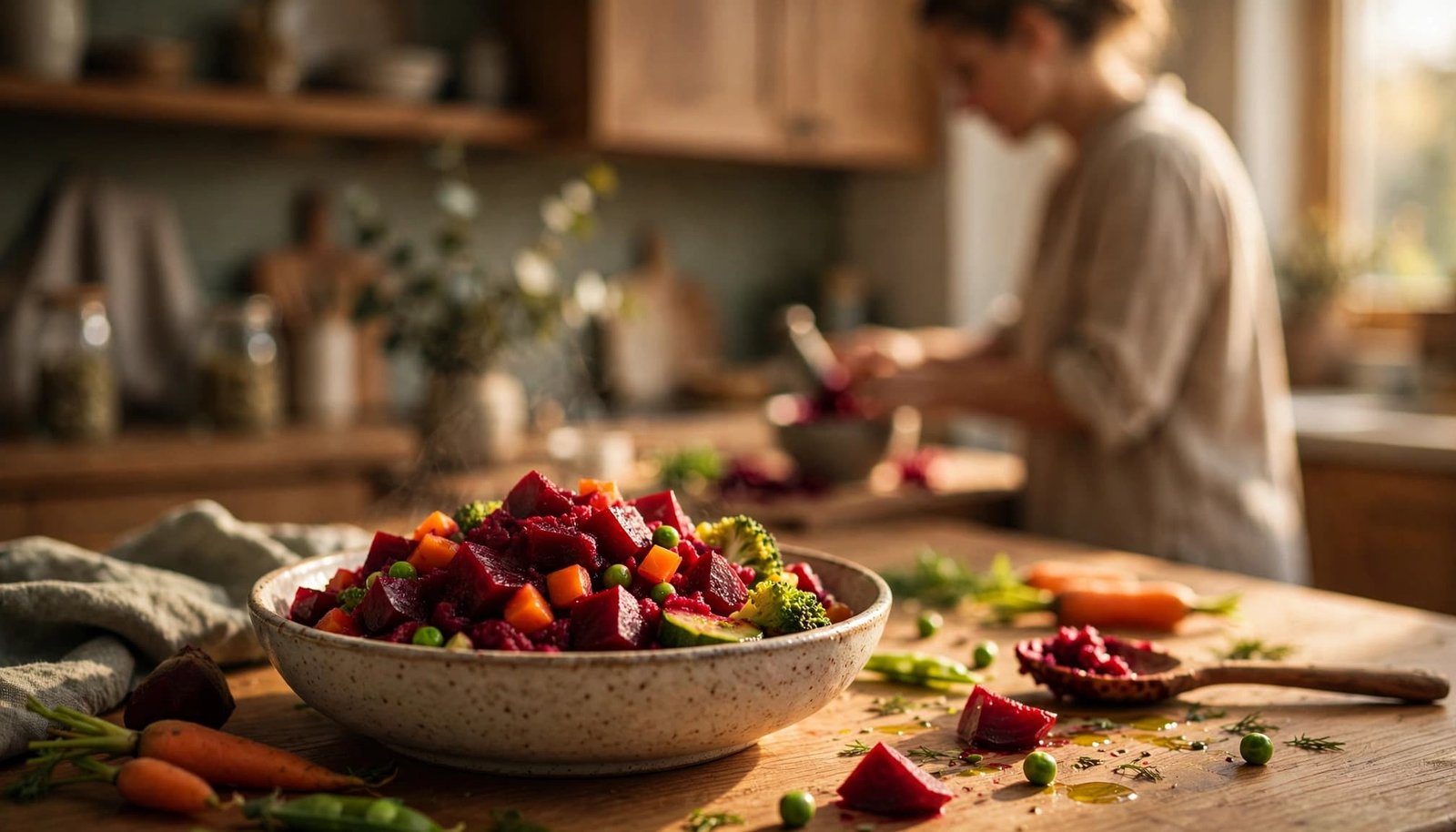
Choose a texture that matches your child’s age and chewing skills
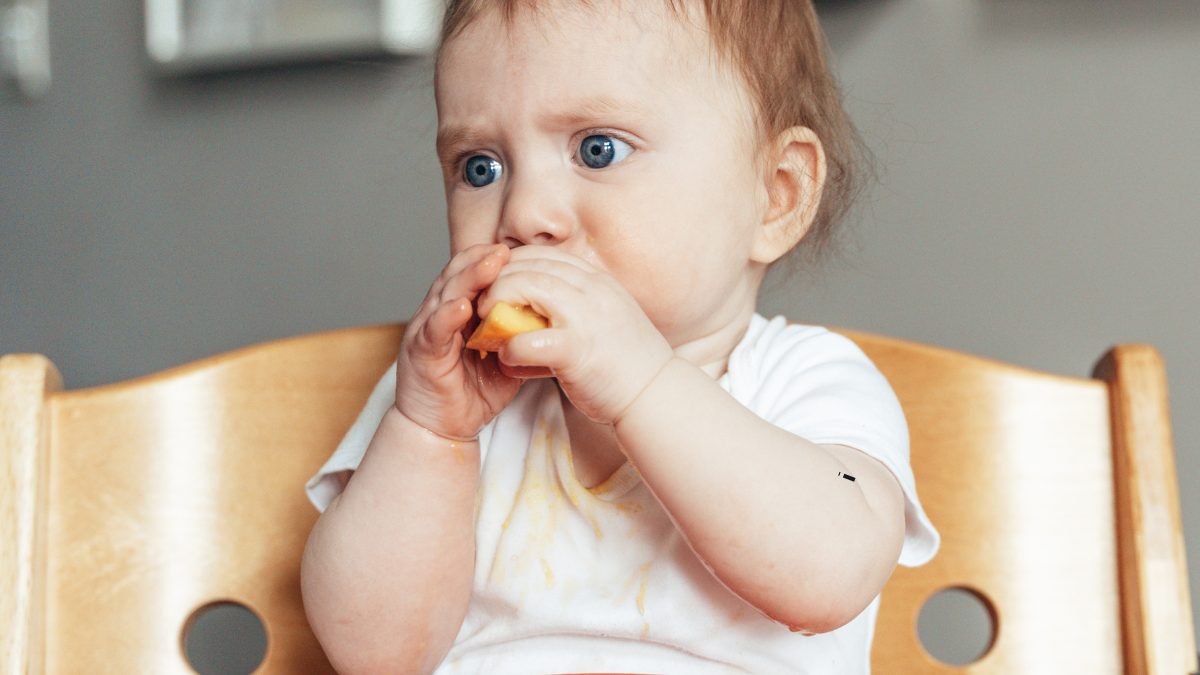
For babies and younger toddlers, serve beetroot smooth, mashed, or finely shredded after cooking. Older children who handle soft table foods well can eat small, tender diced or roasted pieces.
Avoid raw chunks and firm, round pieces for young children. Sit with your child during meals and adjust the size and shape to their chewing skills. The goal is a small, manageable taste, not a large serving.
If you need more age-based meal inspiration, these soft meal ideas for babies can help you build plates around safe textures.
Easy beetroot ideas for breakfast, lunch, and dinner
Beetroot does not need a complicated recipe. Start with one simple form and mild pairings.
- Roast peeled beet cubes with potatoes until both are soft, then add a little olive oil.
- Mash cooked beetroot with yogurt or potato for a pink side dish.
- Blend beetroot into vegetable soup or stir a small amount into pasta sauce.
- Make beet hummus with chickpeas, lemon, and tahini, then spread it thinly on toast or offer it with soft foods. This beet hummus nutrition guide shows how a recipe’s ingredients change its nutrient profile.
- Fold finely grated cooked beetroot into slaw, grain bowls, oatmeal, pancakes, or rice.
A fruit-and-yogurt smoothie with beet puree is another option, although whole or pureed beetroot keeps more fiber than beet juice. Put an apron on younger helpers and use a dark cutting board if possible. Beet juice can tint fingers, clothes, and counters in seconds.
Beetroot safety tips parents should know
Beetroot is a familiar food for most families, but safe preparation still matters. Use soft textures, sensible portions, and regular meals rather than relying on one vegetable for a nutritional fix.
A varied diet matters more than frequent beet servings. Speak with a pediatrician or registered dietitian if your child has a medical condition, follows a restricted diet, or has persistent digestive symptoms.
Watch for temporary pink or red urine and stool
Beet pigments can temporarily turn urine or stool pink or red. This is often called beeturia, and it can be a harmless food effect after a beet-heavy meal.
Remember what your child ate before assuming the color is blood. Still, contact a health professional if the color continues after beetroot has passed through the diet, happens without a recent beet serving, or comes with pain, fever, weakness, or other concerning symptoms.
A food-related color change should fade. Persistent or unexplained red urine or stool deserves medical attention.
Why whole beetroot is usually better than beetroot juice
Juice can pack beet flavor into a small glass, but it has little or none of the fiber found in the whole vegetable. It may also deliver natural sugars faster than a meal built around soft cooked beetroot.
Children do not need beetroot juice, nitrate drinks, or supplements to receive the advantages of beetroot for kids. Water and regular meals remain the foundation of hydration and nutrition.
For babies and toddlers, use age-appropriate textures and follow your child’s pediatric guidance when introducing new foods.
A simple way to add beetroot to a balanced family diet
Start small. Offer a spoonful of mash or two soft cubes beside a familiar favorite, such as scrambled eggs, potatoes, chicken, rice, or yogurt. If your child refuses it, try again another day without pressure.
Use this simple grocery-to-plate routine:
- Choose firm beets with smooth skin and no mushy spots.
- Refrigerate them in a loose bag, ideally after removing leafy tops.
- Scrub well before cooking, then cook until fully soft.
- Pair beetroot with protein, whole grains, fruit, and other vegetables.
Children don’t need to love every vegetable the first time it appears. Familiarity grows through relaxed exposure, even when a child only sniffs, touches, or licks a new food.
A colorful addition, not a nutrition cure
Beetroot brings fiber for digestion, folate for new cell growth, plant compounds with antioxidant activity, and natural nitrates involved in blood flow biology. Its bright color and mild sweetness also add welcome variety to meals.
No single food has to carry a child’s whole nutrition plan. Serve a small amount of soft beetroot alongside a familiar favorite, then let a balanced pattern of meals do the larger job.

- Dry Cough in Kids: 5 Causes and Safe Solutions - September 23, 2026
- How to Help a Child Deal With Anxiety at Home - September 12, 2026
- How to Prepare Your Child for the First Day of School - September 12, 2026