
Choosing a name for your baby girl often begins with a quiet moment: you and your partner picture her future, say possible names aloud, and wonder which one will feel right years from now. The best choice can honor your family while still sounding natural in everyday life.
This carefully selected collection features 50+ Indian girl names for 2026, with meanings, cultural roots, and modern pronunciation in mind. You’ll find short, graceful names, Sanskrit-influenced choices, names connected to goddesses and virtues, and nature-inspired ideas such as Avni, Tara, and Diya. Many also work well for families in India and abroad, although name preferences and meanings can vary by region and community, so these aren’t official popularity rankings.
As you browse, these practical baby-naming tips can help you test each favorite with your surname and family traditions. Start with the names grouped by meaning and style below, then listen to the featured Indian baby girl names video for more inspiration.
50+ Indian Girl Names for 2026, Grouped by Meaning
This collection gives parents a practical starting point when they want a name that sounds beautiful and carries a thoughtful meaning. Say each option aloud with your surname, then check how its spelling may work at school or in a multilingual family. Meanings can differ across languages, traditions, and naming sources, so treat each association as a helpful guide rather than a fixed rule.
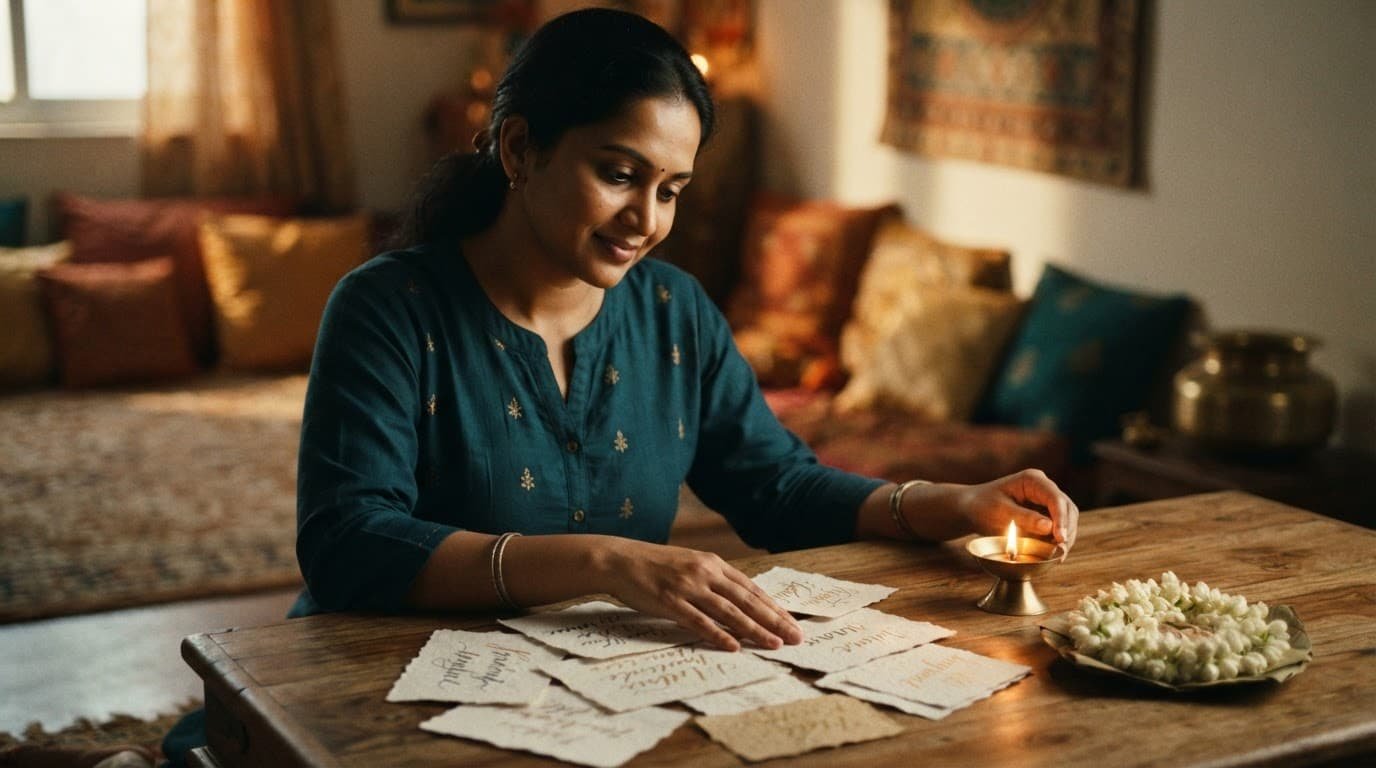
Short and modern names that are easy to say
These concise choices have a gentle rhythm and suit families living in India or abroad. For more Sanskrit-inspired ideas, browse these beautiful Sanskrit girl names and meanings.
- Anvi (AHN-vee) suggests nature or devotion; its short sound feels fresh.
- Aanya (AHN-yah) is commonly linked with grace; Anya is a simple variant.
- Aarna (AAR-nah) is associated with Lakshmi or a wave; it feels elegant.
- Adya (AHD-yah) means first or primordial; Aadya offers another spelling.
- Aadhya (AAD-yah) suggests divine power and a strong beginning.
- Ira (EE-rah) may mean earth or connect with Saraswati; it is easy to remember.
- Diya (DEE-yah) means lamp or light, making it warm and familiar.
- Tara (TAH-rah) means star; its cross-cultural pronunciation adds appeal.
- Ziya (ZEE-yah) means light or radiance in Urdu and Arabic usage.
- Myra (MY-rah) is often linked with sweetness or admiration in modern lists.
- Kiara (kee-AH-rah) has a bright, international sound; meanings vary by source.
- Nysa (NYE-sah) feels stylish and modern, although its meaning is less settled.
- Avni (AV-nee) means earth or land; Avani is a familiar spelling variant.
- Ahana (uh-HAH-nah) is commonly connected with dawn and morning light.
- Anaya (uh-NAY-yah) is associated with care or compassion in modern usage.
- Mira (MEER-ah) suggests devotion and poetry; Meera is the historic spelling.
- Isha (EE-shah) carries goddess associations and a graceful two-syllable sound.
- Kyra (KYE-rah) is bright and international; its Indian meaning varies.
Goddess-rooted and spiritually meaningful choices
Families often choose these names to express devotion, blessings, or feminine strength. Religious associations can vary between families, regions, and traditions.
- Saanvi (SAAN-vee) is commonly associated with Lakshmi and auspiciousness.
- Aaradhya (aa-RAADH-yah) means worshipped or revered, with devotional warmth.
- Siya (SEE-yah) is widely connected with Sita and faithful strength.
- Dityaa (DIH-tyah) is a modern devotional form with uncertain etymology.
- Shreenika (shree-NEE-kah) suggests “Shri” and auspicious grace in modern usage.
- Trishika (tri-SHIH-kah) has a spiritual feel, though its meaning varies.
- Anika (AH-nee-kah) is linked with grace and Durga in some naming traditions.
- Divisha (dee-VEE-shah) suggests divine or heavenly qualities.
- Aaditri (aa-DIT-tree) is commonly connected with Lakshmi and blessings.
- Meera (MEE-rah) honors Meera Bai and her devotion to Krishna.
- Prisha (PREE-shah) is often associated with God’s gift or beloved blessing.
- Aarya (AAR-yah) means noble or honorable; Arya is another spelling.
- Ananya (uh-NAHN-yah) means unique or incomparable, a confident choice.
- Ishani (ih-SHAH-nee) is linked with Parvati or divine feminine energy.
- Riddhi (RIHD-dee) suggests prosperity and abundance, often paired with Siddhi.
Nature, grace, beauty, and bright future names
These names carry images of earth, music, light, courage, and new beginnings. They suit parents who want a name with a hopeful emotional tone.
- Navya (NAHV-yah) means new or fresh; it sounds youthful and polished.
- Lavanya (lah-VAHN-yah) means grace or beauty, with a classic melody.
- Amaira (uh-MY-rah) is often linked with beauty or princess-like charm.
- Vanya (VAHN-yah) suggests forest or graciousness, depending on tradition.
- Shanaya (shah-NAY-ah) is associated with a first sunray or distinction.
- Samaira (sah-MY-rah) feels enchanting and global, though meanings vary.
- Divya (DIV-yah) means divine, heavenly, or radiant.
- Driti (DREE-tee) suggests courage, patience, and inner steadiness.
- Trisha (TRI-shah) may mean desire or thirst, with a crisp modern sound.
- Riya (REE-yah) is linked with melody or singing.
- Roshni (ROSH-nee) means light and brightness in everyday Hindi usage.
- Kavya (KAHV-yah) means poetry, making it artistic and memorable.
- Nandini (NAHN-dee-nee) suggests joy, daughter, and auspiciousness.
- Vedika (veh-DEE-kah) connects with the Vedas, wisdom, or a sacred altar.
- Aarohi (aa-ROH-hee) means ascending and can suggest musical progress.
- Tanvi (TAHN-vee) is associated with delicacy, beauty, and feminine grace.
- Aditi (uh-DEE-tee) suggests freedom and boundlessness in Sanskrit tradition.
- Pranavi (prah-NAH-vee) is linked with the sacred syllable Om and spiritual beginnings.
Why short Sanskrit and cross-cultural names are trending in 2026
Indian baby-name choices in 2026 often balance heritage, meaning, and everyday simplicity. Parents want a name that feels connected to Sanskrit or family tradition, yet sounds natural when spoken in different countries. That balance is especially helpful for families raising children across languages and cultures.
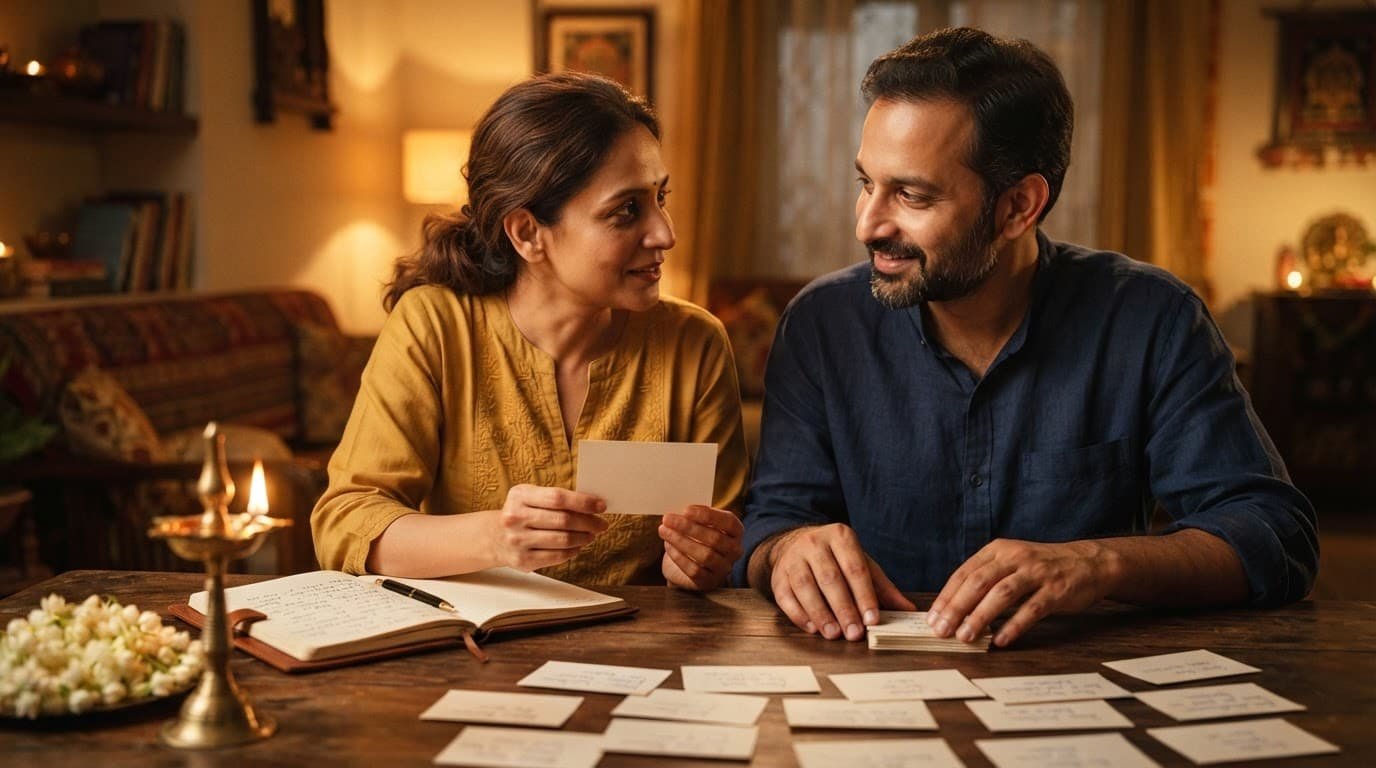
Short names with a gentle sound
Names with four to six letters are easy to remember, write, and say. Many also have two or three syllables, so they sound complete without feeling formal. A name such as Anvi, Aarna, Diya, or Myra fits comfortably on a birth announcement, school form, or family group chat.
Soft vowel endings add to their appeal. Names ending in -a, -i, and -ya often have a smooth rhythm, especially when paired with an Indian surname. Aadhya, Saanvi, Kiara, and Anvi all carry that light, flowing quality. The ending can also make pronunciation feel more approachable for relatives and friends who speak different languages.
Many of these names work well in Hindi, Marathi, Tamil, Bengali, and English because they avoid difficult consonant clusters. Ira, Avni, and Diya are brief and mostly phonetic, while Kiara and Myra have familiar sounds in English-speaking settings. Parents still need to consider regional pronunciation, but a simple sound pattern gives a child an easier introduction wherever she lives.
For more ideas with traditional roots, explore these Vedic baby girl names with meanings.
Ancient roots with a fresh identity
Sanskrit names remain popular because their meanings connect to light, devotion, beauty, wisdom, nature, and divine blessings. At the same time, parents often prefer a shorter or more modern form. Aadhya feels current while carrying a spiritual association. Aarna and Anvi sound fresh but retain Indian cultural familiarity. Saanvi brings a goddess-linked meaning, while Diya offers the simple image of a lamp or light.
Cross-cultural choices such as Kiara and Myra appeal to families who want an Indian-friendly name with an international feel. Simple spelling also matters when parents complete passports, school records, email addresses, and travel documents. U.S. passport guidance discusses how names must match identifying records, so consistent spelling from the beginning can prevent avoidable confusion in official paperwork (U.S. passport name guidance).
Tradition still guides many families
Modern style doesn’t replace custom. Some parents first consult a baby’s nakshatra, then choose a starting syllable for the namkaran ceremony. After that, they select a name that fits the sound rule while remaining short, graceful, and easy to use. A family can honor birth-star traditions and still choose a name that travels comfortably across languages.
How to choose an Indian baby girl name your family will love
Choosing an Indian baby girl name becomes easier when you begin with the feeling you want it to carry. Maybe you want your daughter’s name to suggest strength, grace, light, devotion, or a fresh start. Let that quality guide your search before you focus on popularity or spelling.
Write down five to ten favorites, then check each name’s exact meaning and regional origin. Meanings can shift between Sanskrit, Hindi, Tamil, Bengali, Marathi, Urdu, and other languages, so a trusted cultural resource such as these meaningful Indian baby names can give you a useful starting point. When a religious or regional meaning matters, ask a trusted elder or consult a reliable cultural reference such as India’s naming customs. Their insight can help, but your family doesn’t need to satisfy every opinion.

Test each favorite name in everyday moments
Give every finalist a real-life trial. Call it across a playground, introduce your daughter by name at school, and write it on a form. Say it with your family surname, then pair it with the middle name you may choose. Does the full name flow, or do the syllables bump into each other?
Ask a relative or teacher to pronounce it after seeing it written. If they regularly say it differently, decide whether correcting pronunciation would bother your child or your family. Also check common alternate spellings. A distinctive version may look beautiful, but a familiar spelling can reduce confusion on school records, travel documents, and forms.
Try the name with your other children’s names, too. Sibling names don’t need to match perfectly, but they should sound comfortable when called together. Finally, picture the name on a toddler, a college application, and an adult’s email signature. A beautiful name should feel natural for the child who will carry it through every stage of life.
Use this quick checklist before making your choice:
- Sound: Does the first, middle, and family name have a smooth rhythm?
- Meaning: Have you confirmed the original meaning and regional association?
- Initials: Could the initials create an awkward word or abbreviation?
- Nickname: Will relatives naturally shorten it, and do you like the likely versions?
- Spelling: Is the chosen spelling clear, consistent, and manageable?
- Long-term fit: Can you picture the name in both Indian and international settings, including adulthood?
After this test, one or two names often begin to feel easier to say and easier to keep. That comfort matters.
Traditional roots, modern sound: choosing between style and meaning
Choosing an Indian girl name often means holding two beautiful ideas at once. You may want a name that feels fresh in 2026, while also carrying a connection to faith, family, language, or heritage. Neither priority has to cancel out the other.
Short names with an easy, current rhythm
A name such as Ira, Diya, Tara, or Anvi is brief, memorable, and simple to say in many settings. These names fit neatly on school forms and travel documents, yet their meanings can still carry weight. Diya suggests light, Tara means star, and Avni connects with earth. Ira may be associated with Saraswati or the earth, depending on the language and naming source.
Short names also leave room for family traditions around middle names, surnames, or ceremonial names. Their compact sound can feel modern without making the choice feel disconnected from Indian culture.
Longer names with a formal, graceful sound
Longer choices such as Aaradhya, Lavanya, Shreenika, and Trishika have a more formal cadence. They may feel especially appealing when you want a name that sounds ceremonial, lyrical, or distinctive. Aaradhya carries a devotional association, while Lavanya is linked with beauty and grace.
A traditional name can feel current when its pronunciation is clear and its spelling is manageable. Likewise, a modern-sounding name can still hold deep cultural meaning when its origin and family association are understood. Before choosing, check whether the meaning comes from Sanskrit, a regional language, a religious connection, or a newer naming interpretation.

Popularity is helpful, but connection matters more
Names appearing on 2026 trend lists can give you useful inspiration. Lists often reveal repeating styles, such as short vowel-ending names like Aarna, Kiara, Myra, and Saanvi. However, these lists are usually editorial or commercial roundups rather than one official national ranking.
Use popularity as a starting point, then ask what makes a name yours. Does it honor a grandmother, reflect your family’s faith, sound natural in your home language, or express a hope for your daughter’s life? Families who follow namkaran traditions may also choose a ceremonial name based on astrological guidance, while using another name in everyday life. Learn more about the Hindu naming ceremony before deciding whether that custom fits your family.
A name may be popular in 2026, but your personal connection gives it lasting meaning.
Build a thoughtful shortlist from these Indian girl names
A long list can spark ideas, but choosing becomes easier when you give each favorite a clear test. Start with five to eight names, then narrow them by meaning, sound, and practical fit. This keeps the decision personal without letting every opinion pull you in a different direction.

Sort favorites into three columns
Create a simple page with three headings: meaning, sound, and practical fit. Under meaning, write the name’s original language, cultural connection, and the quality it suggests. For example, Saanvi may appeal to you because of its association with Lakshmi, while Kavya brings an artistic connection through its meaning, poetry.
Sound deserves its own close look. Say each name with your surname, middle name, and likely nickname. Ask a trusted relative to pronounce the written version without coaching. Transliteration can hide differences in vowel length and pronunciation, so compare your preferred spelling with a reliable Indian baby girl name guide.
Use the final column for everyday details. Check initials, spelling, common mispronunciations, sibling-name combinations, and how the name looks on school or government forms. If your family lives in the United States, confirm your state’s birth-registration rules before filing. For example, some state forms limit characters and special marks.
A beautiful meaning matters most when your family can say, spell, and live with the name comfortably.
Keep three different finalists
Choose two or three names from different groups instead of three near-identical options. One might be a goddess-rooted name such as Ishani or Aaradhya. Another could come from nature or virtue, such as Avni, Driti, or Tara. Keep a short, international-friendly choice such as Ira, Diya, or Myra beside them.
Write each finalist next to your surname for several days. Say the names during ordinary moments, such as while making breakfast or folding baby clothes. Share the shortlist only with people whose feedback you truly value, because too many opinions can make a joyful choice feel like a committee decision.
There is no perfect name. The best choice feels meaningful, remains pronounceable, and sounds right in your family’s voice. For more inspiration before you decide, browse these Indian baby names and meanings.
Conclusion
Choosing among these 50+ Indian girl names for 2026 becomes easier when you focus on the meaning and feeling you want your daughter’s name to carry. Current preferences favor short, melodic names that are simple to say, while Sanskrit roots and goddess connections continue to offer a strong link to faith and heritage. Nature-inspired meanings, virtue-based qualities, and cross-cultural ease also remain important for many modern families.
A name can sound current without losing its cultural heart. The best choice may be brief and familiar, or longer and more traditional, as long as its meaning feels right and its pronunciation fits naturally with your family name. Connection matters more than appearing on a trend list.
Your baby girl’s name can become a small daily blessing, carrying family hopes, cultural roots, and a growing sense of identity. Say your finalists aloud with love, and choose the one that feels natural in your family’s voice.

- Dry Cough in Kids: 5 Causes and Safe Solutions - September 23, 2026
- How to Help a Child Deal With Anxiety at Home - September 12, 2026
- How to Prepare Your Child for the First Day of School - September 12, 2026