Packing your hospital bag doesn’t have to turn into a last-minute pile of stress. The goal is simple, bring the right things for comfort, paperwork, labor, recovery, and your baby’s first ride home, while leaving the extras behind.
Most hospitals already provide basics like diapers, wipes, and blankets, so you can keep your bag focused on the must-haves. A smart plan makes room for your ID, charger, toiletries, comfy clothes, and a few small comforts that help the hours feel easier. If you want a fuller breakdown, this hospital bag checklist for labor and delivery can help you pack with less guesswork and more confidence.
Start with the must-have hospital bag items
The first things in your hospital bag should be the items you cannot replace at the front desk or grab at the last minute. When labor starts, you want less searching and more steady movement. A small pouch or top pocket for the basics keeps everything within reach and helps the whole arrival feel calmer.
A good packing order also protects you from forgetting the items that matter most. If you want a simple framework for the rest of the bag, the newborn hospital bag checklist can help you build around these first essentials.
Keep your paperwork and ID in one easy-to-grab pouch
Labor is not the time to dig through a big bag for loose papers. Put your photo ID, insurance card, hospital forms, and birth plan together in one folder, pouch, or document sleeve. That small step saves time at check-in and keeps you from feeling scattered when you want to stay focused.
It also helps to add any other paperwork the hospital gave you ahead of time, plus a short list of medications if you take any. Keep this pouch near the top of your bag or in the outside pocket. That way, you can hand it over fast and move on without the scramble.
If the hospital gave you pre-registration forms, keep them with your ID and insurance card, not buried under clothes or toiletries.
A little organization here goes a long way. For many parents, this is the difference between a smooth first check-in and a stressful search at the desk. For a broader prep list, The Bump’s hospital bag checklist covers the same core documents and delivery-day basics.
### Do not forget the baby car seat for the ride home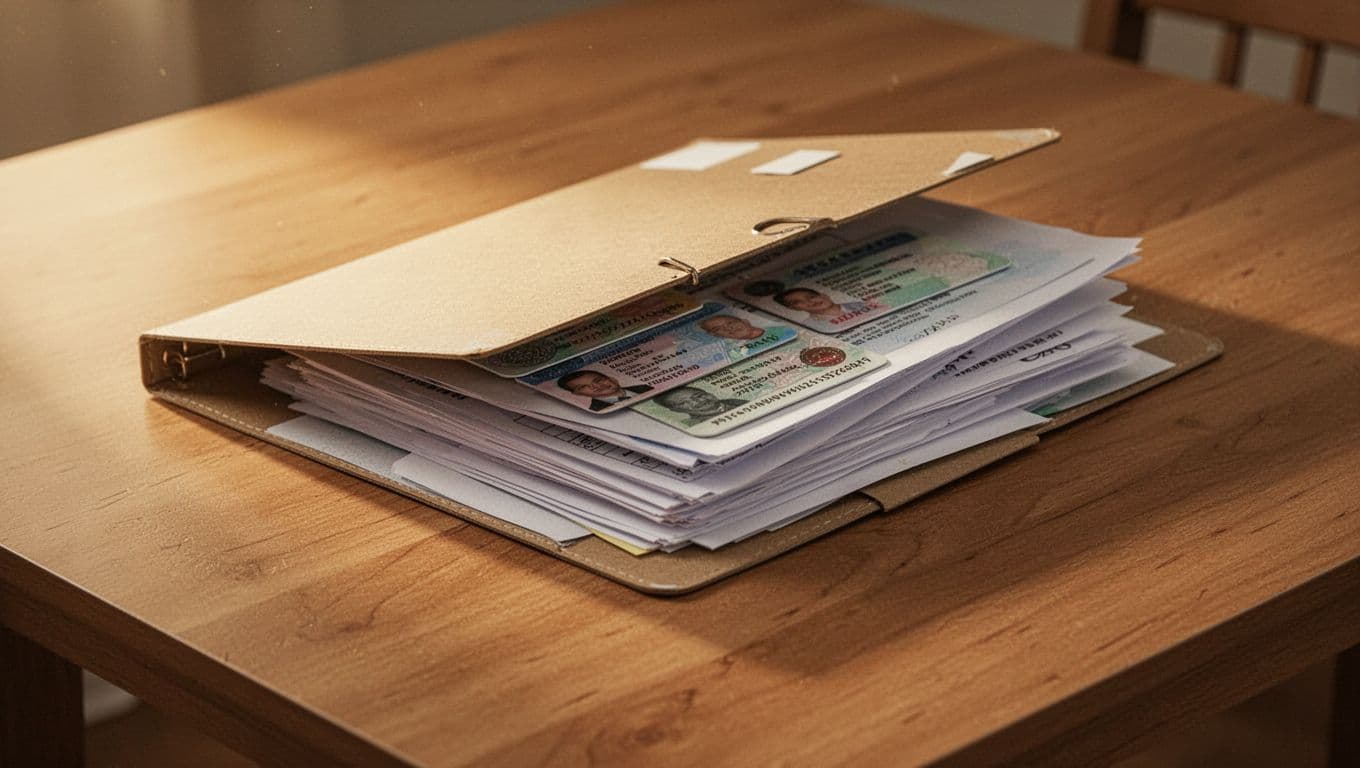
The infant car seat is not an afterthought, it is a must-have item. You will need it for the ride home, and it should already be installed before labor begins. Waiting until discharge day adds pressure at the exact moment you want everything simple and safe.
Check that the seat is properly installed in your car ahead of time. If possible, have it inspected or reviewed before your due date so you know it is ready. A secure car seat removes one more question from your mind and makes the homecoming feel smoother.
Keep the seat in place, buckle it correctly, and leave it ready to use. That small bit of prep helps turn the last step of the hospital stay into an easy handoff, not a last-minute rush. For a trusted general reference on packing and delivery-day basics, the American Pregnancy Association hospital bag checklist is a useful guide.
Pack a small comfort kit for labor and recovery
Labor can stretch on for hours, and recovery can feel long, dry, and tiring. A small comfort kit helps the hospital room feel less stark and more human. It does not need to be fancy, just practical, soft, and easy to reach when you need relief fast.
A few well-chosen items can make a big difference between feeling restless and feeling settled. Keep the focus on comfort, warmth, hydration, and easy access.
### Choose clothes that feel soft, loose, and easy to wear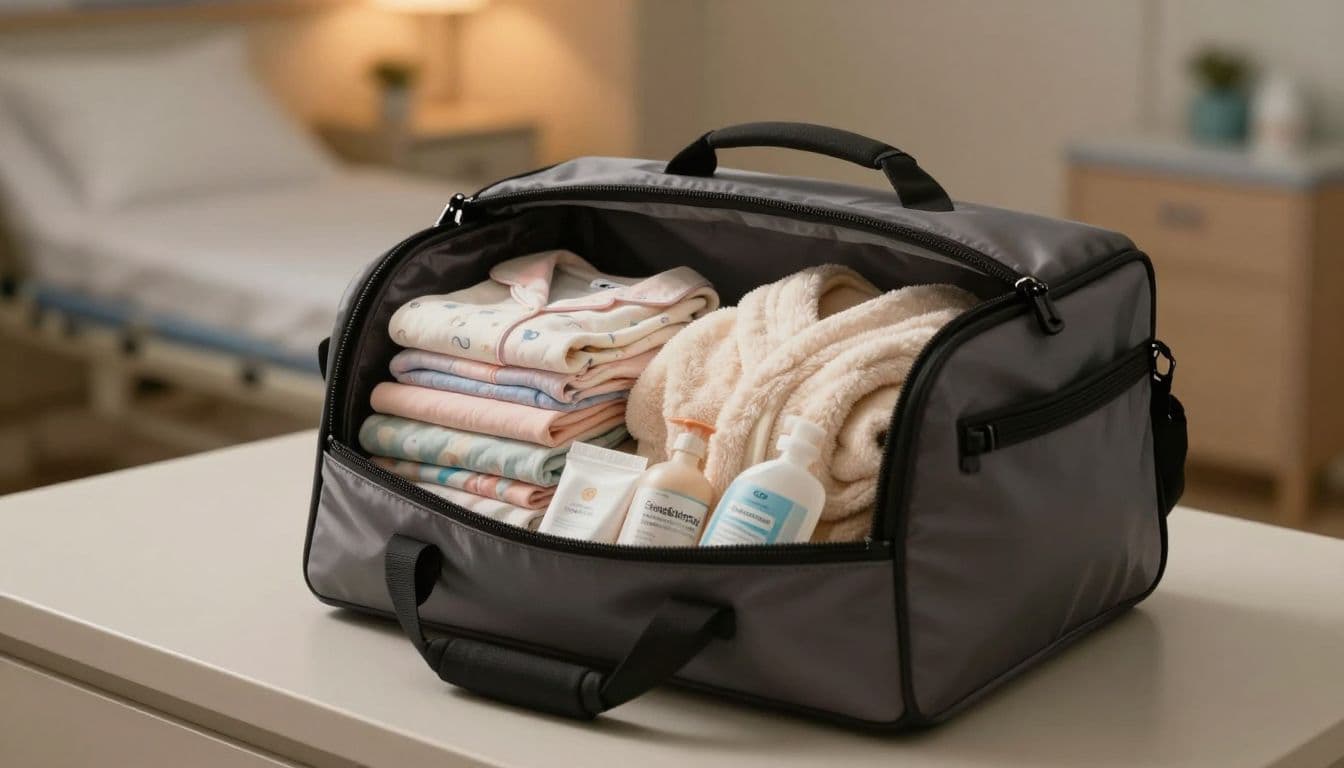
Hospital-friendly clothes should be simple and gentle on your body. Go for roomy pajamas, a robe, and a loose going-home outfit that does not press on your belly. Soft fabrics matter here, because your body may feel sore, swollen, or extra sensitive after birth.
If breastfeeding is part of your plan, pack nursing-friendly tops or a nursing bra that makes feeding easier. A wireless, supportive bra is usually more comfortable than anything tight or stiff. You can also keep a spare set of socks in the bag, since hospital floors tend to feel cold.
A good outfit should feel like a soft landing, not a squeeze. If you want a broader packing guide for the full stay, this hospital bag checklist for labor and delivery can help you organize the rest.
Add a few personal care items that make the room feel more like home
Small toiletries can lift your mood after a long stretch of labor or a rough night. Pack the basics first: toothbrush, toothpaste, face wash, soap, shampoo, hairbrush, lip balm, and deodorant. These tiny comforts help you feel cleaner, fresher, and a little more like yourself.
Bring only what you’ll actually use. Travel-size bottles work well, and they keep your bag lighter. If you wear glasses or contacts, add those too, along with contact solution and a case if needed.
A fresh face and clean teeth can feel like a reset button when the hours start to blur together.
That clean, familiar feeling matters more than people expect. It can make a hospital room feel less flat and more manageable, especially during a longer stay.
Bring simple comfort items for labor breaks
A few practical items can help you rest between contractions or catch your breath after delivery. Pack grippy socks or slippers, your phone and charger, a water bottle, and a snack or two. These are the little things that keep you steady when you do not want to keep getting up.
A pillow or blanket from home can also help if you want extra comfort. The familiar feel of your own bedding can soften the room a little and make naps more realistic. Hospitals often allow personal comfort items, but it’s smart to check their policy if you’re unsure.
For labor pain support, some parents also like to have a plan for movement and breathing. A guide on how to manage labour pains can be useful when you’re deciding what else to tuck into your bag.
Keep this kit small, easy to grab, and focused on what helps you rest, sip, feed, and breathe. That way, when the room gets long and the hours start to drag, your comfort items are already there waiting.
What to pack for the baby’s first hospital days
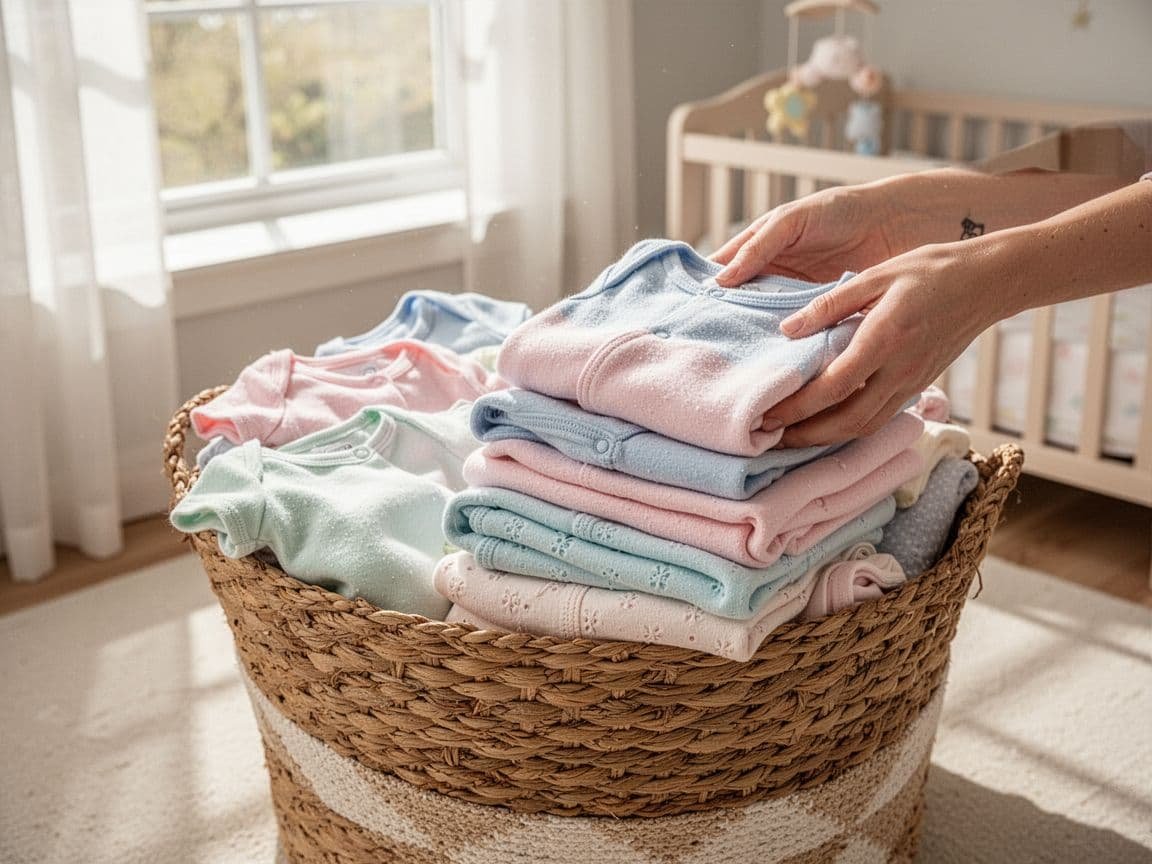
For your baby, less is usually more. The hospital often provides the basics right after birth, so you only need a few carefully chosen items for comfort and the ride home. That keeps the baby bag light, calm, and easy to manage when you are already carrying enough on your mind.
A small newborn bag should cover the essentials, not every possible scenario. Focus on one outfit, a hat if the weather calls for it, and any blanket or swaddle you want to use on the way out. If you want a fuller baby-focused packing list, the newborn hospital bag checklist can help you stay on track without overpacking.
Pick one going-home outfit that fits well and feels gentle
Choose a soft outfit that is easy to put on and take off. A newborn-size sleeper, or the size your doctor recommends, usually works well. If your baby is arriving in a colder season, pick long sleeves and a cozy layer. For warmer weather, a light cotton onesie may be enough.
Keep it simple, cozy, and safe for the car seat. Avoid stiff waistbands, scratchy seams, or tiny details that make dressing harder than it needs to be. A single outfit is usually enough, especially when it matches the season and gives your baby room to breathe.
The best newborn outfit is the one you can dress in a sleepy room, with one hand and low stress.
Add a hat only if your hospital or pediatrician suggests it, or if the weather is chilly. A light swaddle or blanket can also help on the trip home, as long as it does not interfere with car seat safety. For a quick outside guide, The Bump’s hospital bag checklist includes a simple baby going-home list.
### Keep the baby bag small because the hospital provides a lot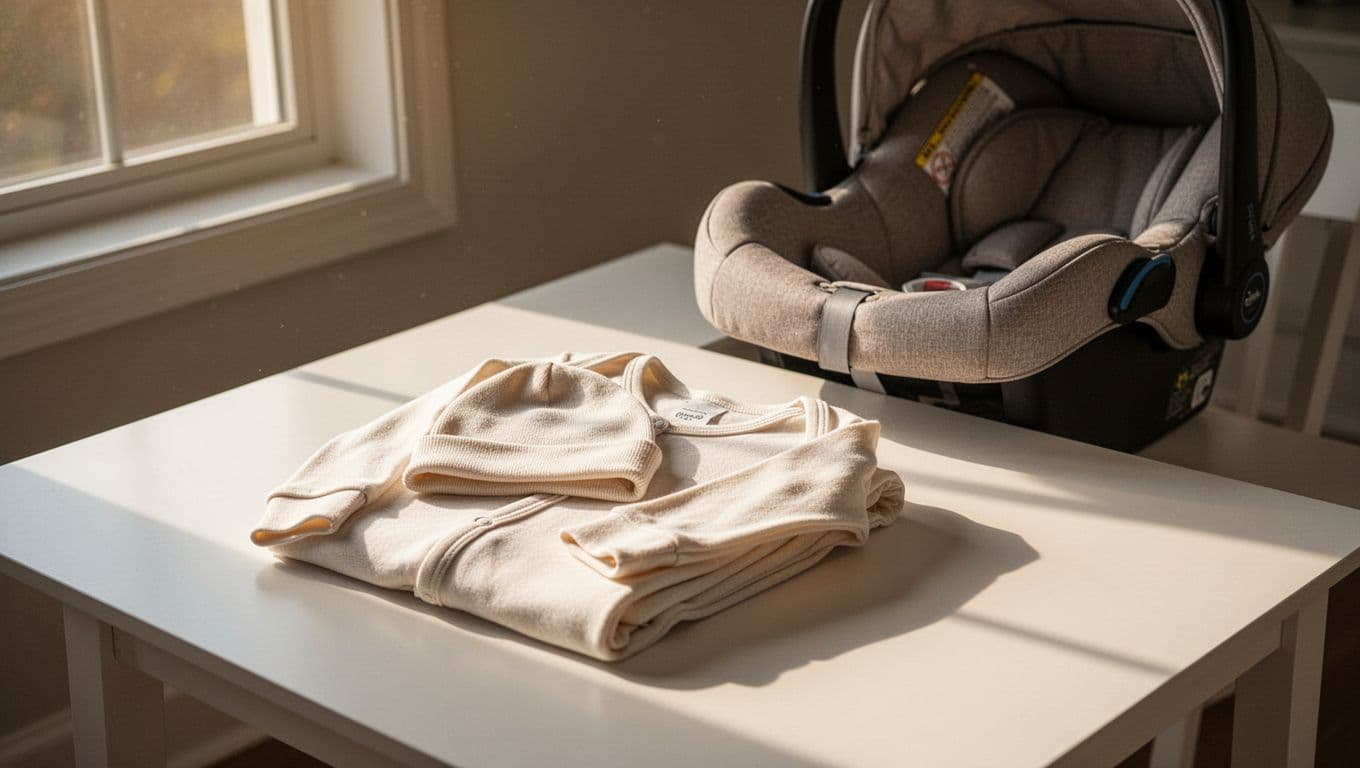
Hospitals usually supply many newborn basics, so there is no need to pack like you are setting up a nursery. Diapers, wipes, blankets, and other basic care items are often already on hand. Some hospitals also provide simple shirts, mittens, or other baby supplies, depending on their policy.
That means your job is to bring only what the hospital may not give you. Think of the bag as a small landing spot for the first day or two, not a full supply closet. A little prep keeps you from packing duplicates you never open.
The safest move is to call your hospital before you go and ask what they provide for newborns. That quick call can save space, money, and stress. If you want a second outside reference, the NHS hospital bag checklist also keeps the baby list simple and focused.
A small baby bag usually feels better in the room, too. It leaves more space for the things that matter, like rest, feeding, and those first quiet moments together.
Include snacks, hydration, and little things that help the hours pass
Labor and early recovery can make time feel strange. One minute drifts by, then the next stretches long and slow. A few quiet comforts in your bag can help you stay steady, fed, and a little more relaxed while you wait.
A small snack stash and a good water bottle do more than fill space. They help you keep your energy up, stay clear-headed, and feel less worn down during a long day. If you want a broader packing list for the last stretch before birth, the final trimester to-do lists page is a helpful companion.
### Choose snacks that are easy to eat and easy to clean up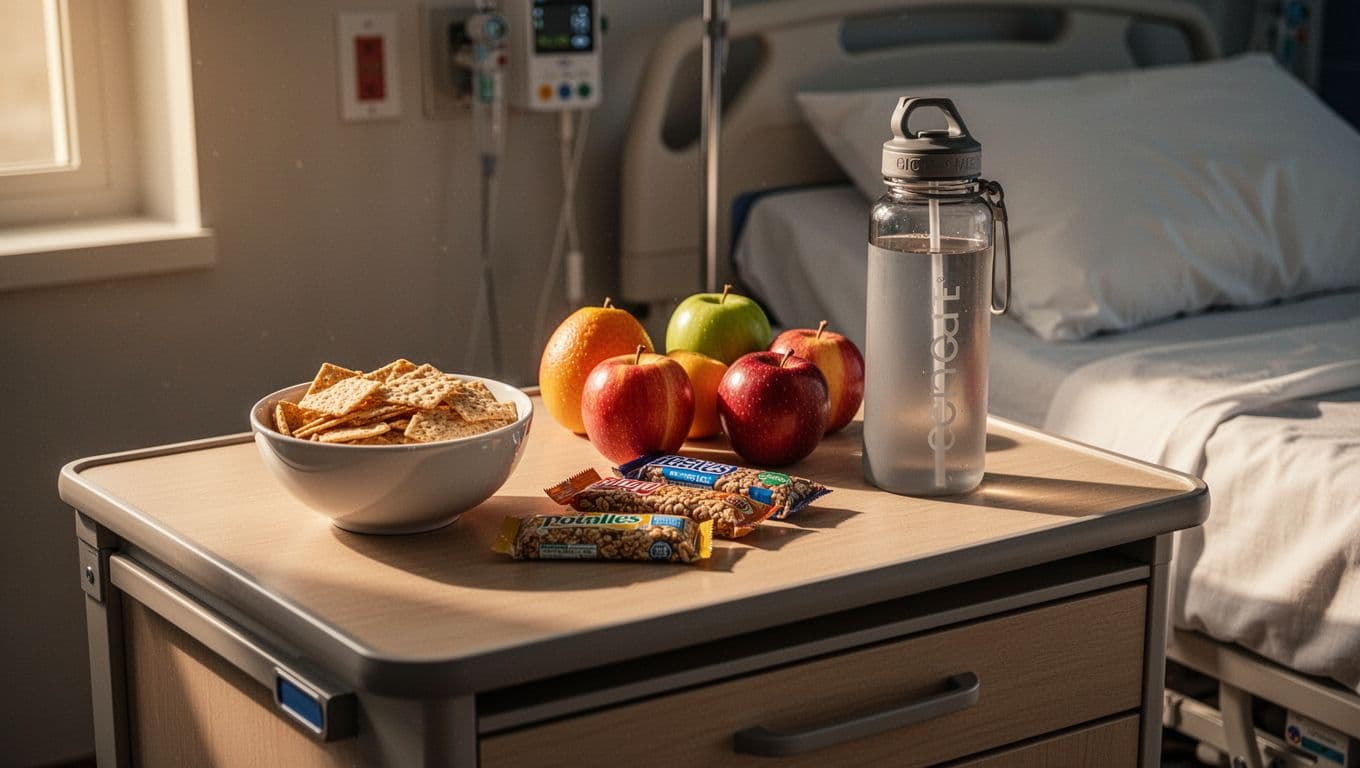
Hospital snacks should be simple, light, and low-mess. Think crackers, granola bars, fruit, applesauce pouches, trail mix, and pretzels. These options are easy to pack and easy to eat with one hand, which matters when you are tired or moving around a lot.
Keep foods that won’t crumble all over the bed or need a lot of prep. A banana, a pack of nuts, or a granola bar can give you a quick boost without turning the room into a cleanup job. For labor, many parents also prefer foods that are gentle and easy to digest, like those listed in labor snack ideas.
Sugary drinks can give you a fast burst, then leave you feeling flat. Water and simple snacks usually hold up better through a long stretch.
If you want a little more variety, tuck in a few extras like honey sticks, nut butter packets, or a small pouch of dried fruit. The goal is steady energy, not a full meal.
Bring water in a bottle you will actually use
A reusable water bottle is one of the easiest hospital bag wins. Labor, feeding, and recovery can all leave you thirsty, so keep it within arm’s reach and fill it often. A bottle with a straw or flip top is even better because you can sip without much effort.
Plain water is a strong choice, but it does not have to be boring. A slice of lemon, lime, or orange can make it taste fresher without adding sugar. If you prefer a little extra support, you can also pack electrolyte drinks or ask the staff about ice chips, depending on what your care team allows. The A Doula’s Guide to Eating and Drinking during Labor covers more helpful food and drink ideas for this stage.
A few small comfort items can help too, like lip balm, a phone charger, headphones, or a sleep mask. Those little extras make the room feel calmer when the hours drag on. Hydration and comfort work together here, because when your body feels cared for, your mind usually follows.
Use a final packing plan so you are ready before labor starts
A hospital bag feels lighter when you pack it on purpose. Start early, check it in stages, and keep the bag in a place you can reach fast. That way, when labor begins, you are not hunting for socks, chargers, or baby clothes in a rush.
Most parents do best when the bag is ready by 37 to 38 weeks. If your pregnancy is higher risk, or you’re expecting twins, pack even earlier. A simple checklist keeps the work small and steady, so the final days feel calmer instead of crowded.
### Pack early, then leave room for last-minute extras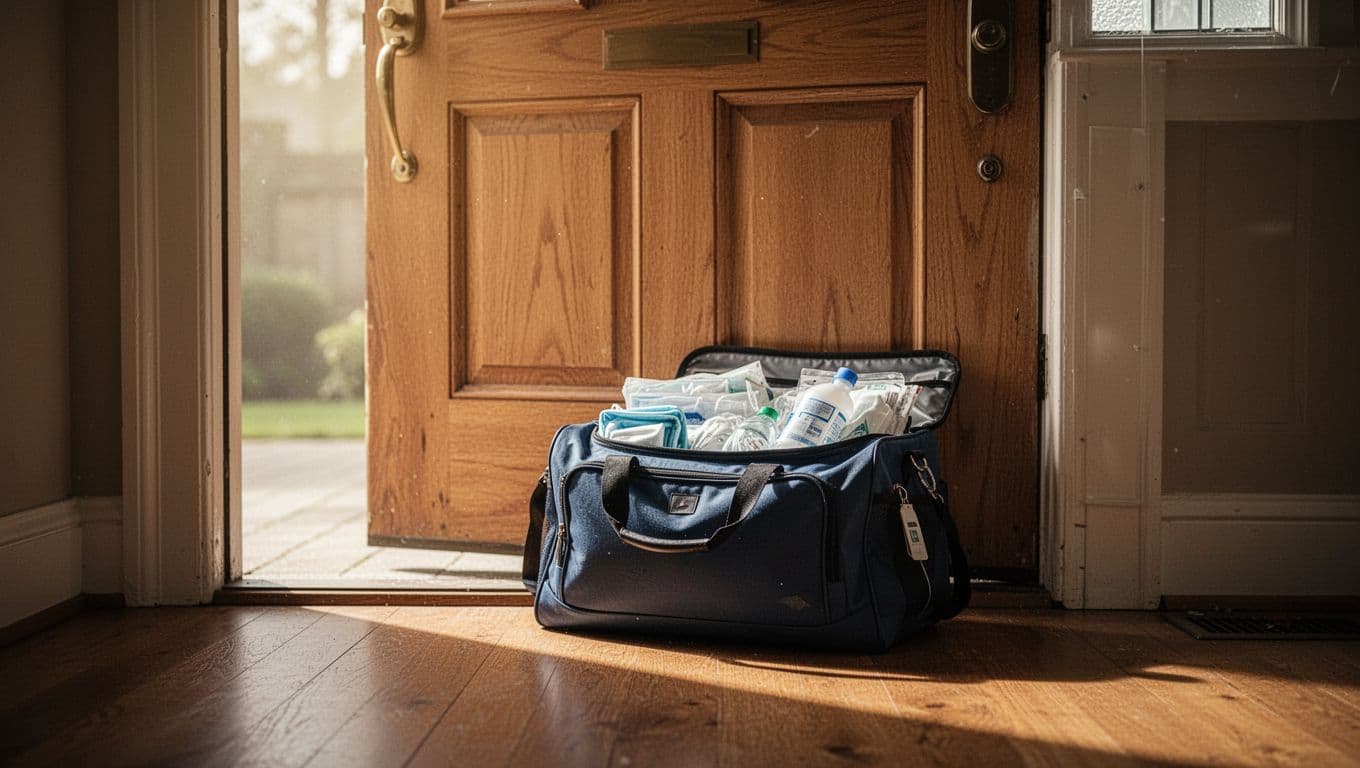
The smartest plan is to finish the main packing first, then add the tiny things later. Your clothes, paperwork, baby outfit, snacks, and comfort items can go in the bag well before your due date. Small personal items, like a toothbrush or phone charger, can still be added near the end.
That split keeps the process calm. You are not trying to remember everything at once, and you are less likely to forget the items that matter most.
A simple timeline works well:
- Pack the main bag around the start of the final month.
- Add a few daily-use items in the last week.
- Double-check the car seat, documents, and chargers before labor day.
- Keep one final glance at the list before you head out.
If you want a fuller reference point for timing, The Bump’s hospital bag checklist notes that many parents aim to be ready by 37 to 38 weeks.
Keep the bag by the door or in the car
A packed bag only helps if you can find it quickly. Set it by the front door, near your shoes, or in the car trunk if that feels more practical. The point is simple, make the bag easy to grab when the moment gets busy.
This also helps your partner or support person. If labor starts while you’re focused on breathing or getting dressed, nobody has to search the house. Everything is already in one known spot.
A ready bag near the door can save you from a lot of last-minute noise.
If you like a visual cue, place the bag next to the car seat or beside the keys. That small habit makes the next step feel obvious. It turns “Where is everything?” into “We’re already ready.”
Check off the list before the pressure builds
A final check saves energy later. Go through your list while you’re calm, not after contractions start. Make sure the bag has your paperwork, baby items, clothes, toiletries, snacks, and charger, then look at what still needs to be placed in the car.
This is also the right time to adjust for your own needs. Some hospitals offer more supplies than others, so there is no reason to pack extras you will never use. A lighter bag is easier to carry, easier to sort through, and easier to hand off when you arrive.
The American Pregnancy Association hospital bag checklist is a helpful second look if you want to compare your bag against a trusted list.
Keep the plan light, practical, and personal
Your bag does not need to look perfect. It only needs to work for you. Pack the basics, add the comfort items that matter, and leave out anything bulky or unnecessary.
Hospital policies can vary, and your own preferences may change as your due date gets closer. A light bag with the right essentials is better than a crowded one full of “just in case” items. When you finish, you should feel ready enough to walk out the door without a second guess.
That is the real goal, being prepared without overdoing it. You do not need perfect timing or a flawless packing list. You just need a bag that helps you focus on the baby when the moment comes.
Conclusion
A well-packed hospital bag keeps the focus on birth, not on last-minute scrambling. When you cover the basics, like documents, clothes, baby gear, snacks, and a few comfort items, the first hours feel calmer and more manageable.
The best bag is the one that feels light, practical, and ready for real life in the hospital. You don’t need every possible item, just the things that help you feel cared for, stay comfortable, and welcome your baby with less stress.
Pack with purpose, keep it simple, and trust the list you’ve built. That kind of preparation brings a quiet kind of confidence to the big day.
Save pin for later

- Baby Development Stages: Milestones From Birth to 12 Months - September 20, 2026
- 5 Elegant Baby Pictures to Take at Home - September 20, 2026
- 14 Fun Ways New Moms Can Celebrate Their Baby Without Exercise - September 20, 2026