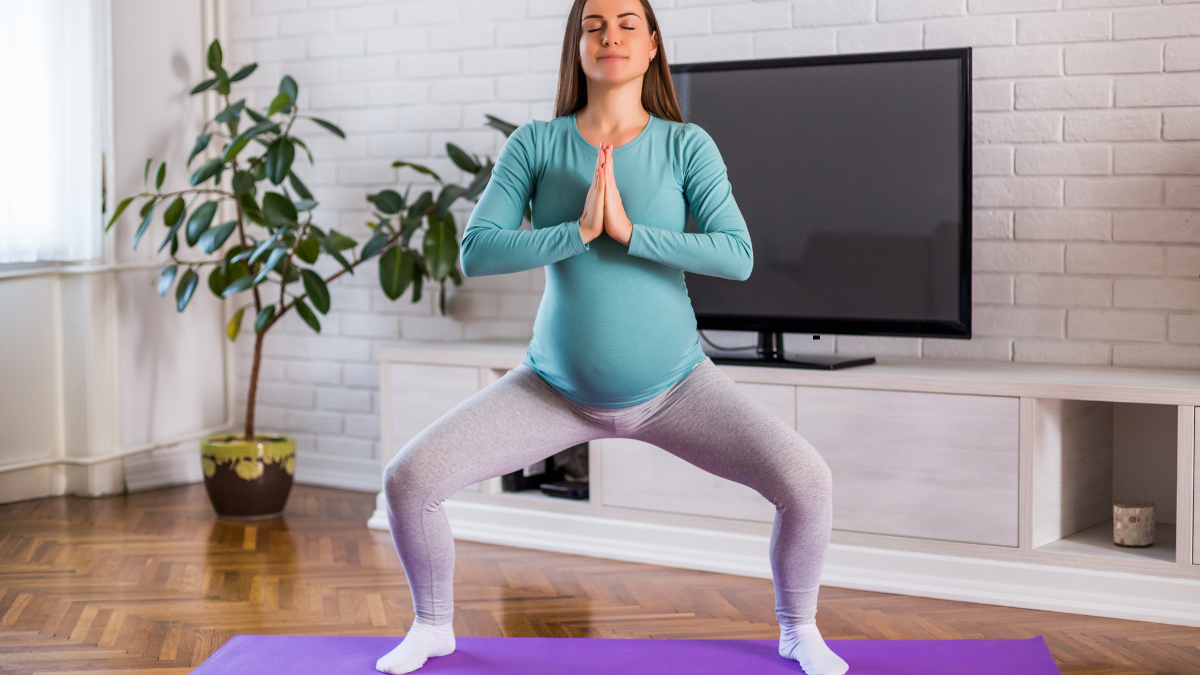


The third trimester can make every step feel heavier, yet safe exercises in your third trimester can still help you feel steadier, stronger, and more comfortable. Gentle movement can ease stiffness, support your energy, and help your body stay ready for labor.
Walking, modified yoga, light stretching, swimming, and other low-impact options often fit this stage well, especially when you keep things calm and listen to your body. If you want a broader look at the habits that support pregnancy day by day, a healthy pregnancy checklist can help you stay grounded.
Always check with your doctor or midwife before starting or continuing exercise, especially if you have pain, bleeding, dizziness, or any pregnancy complications. For a simple visual guide to third trimester movement, this workout video can help:
Why moving in the third trimester can still help your body
Gentle movement can feel like a small thing in late pregnancy, but it often does a lot of good. A short walk, a light stretch, or a calm prenatal routine can help your body stay more comfortable as your baby grows and your joints loosen.### What changes in late pregnancy mean for your workouts
By the third trimester, your belly is bigger, your balance may feel off, and your body may ask for more breaks. Swelling, back pain, tiredness, and shortness of breath can show up more often too. That is normal for many moms, but it also means your workouts need a softer touch.
Slower movement works better now. Long sessions, quick turns, and hard-impact exercise can feel like too much strain on a body that is already working full-time. Instead, choose gentle activity that keeps you loose without pushing your limits. A daily walk, some prenatal stretching, or a few minutes in the water can help you stay active without feeling wiped out. If back pain is a big issue, these exercises for pregnancy back pain relief can help you stay comfortable.
The goal is comfort and support, not pushing harder.
How to know when exercise is helping instead of hurting
A good workout in late pregnancy usually leaves you feeling looser, calmer, and a little more energized afterward. Your breathing should stay steady, your body should feel supported, and you should be able to talk while moving. The ACOG guide to exercise during pregnancy also supports staying active in safe, moderate ways.
Stop right away and get medical advice if you notice:
- Pain, dizziness, or fainting
- Vaginal bleeding or leaking fluid
- Chest pain or a racing heartbeat
- Regular contractions
- Feeling overheated
- Less baby movement than usual
Healthy movement works best when it fits alongside the rest of your care. Drinking enough water, sleeping well, and keeping up with simple daily habits can make exercise feel easier and help your body recover better, too. For readers who want a simple movement routine, these benefits of walking while pregnant are a helpful place to start.
The safest third trimester exercises for most pregnancies
By the third trimester, the safest workouts are the ones that feel steady, gentle, and easy to adjust. You do not need to chase big goals right now. You need movement that supports your body, respects your energy, and fits the shape of this stage.
Most healthy pregnancies do well with low-impact exercise, especially when the pace stays relaxed. Walking, swimming, stationary biking, prenatal yoga, Pilates, light strength work, and pelvic floor exercises are all common choices. The Mayo Clinic pregnancy exercises guide also points to the value of starting slow and keeping balance in mind.
### Walking when you want something easy and effective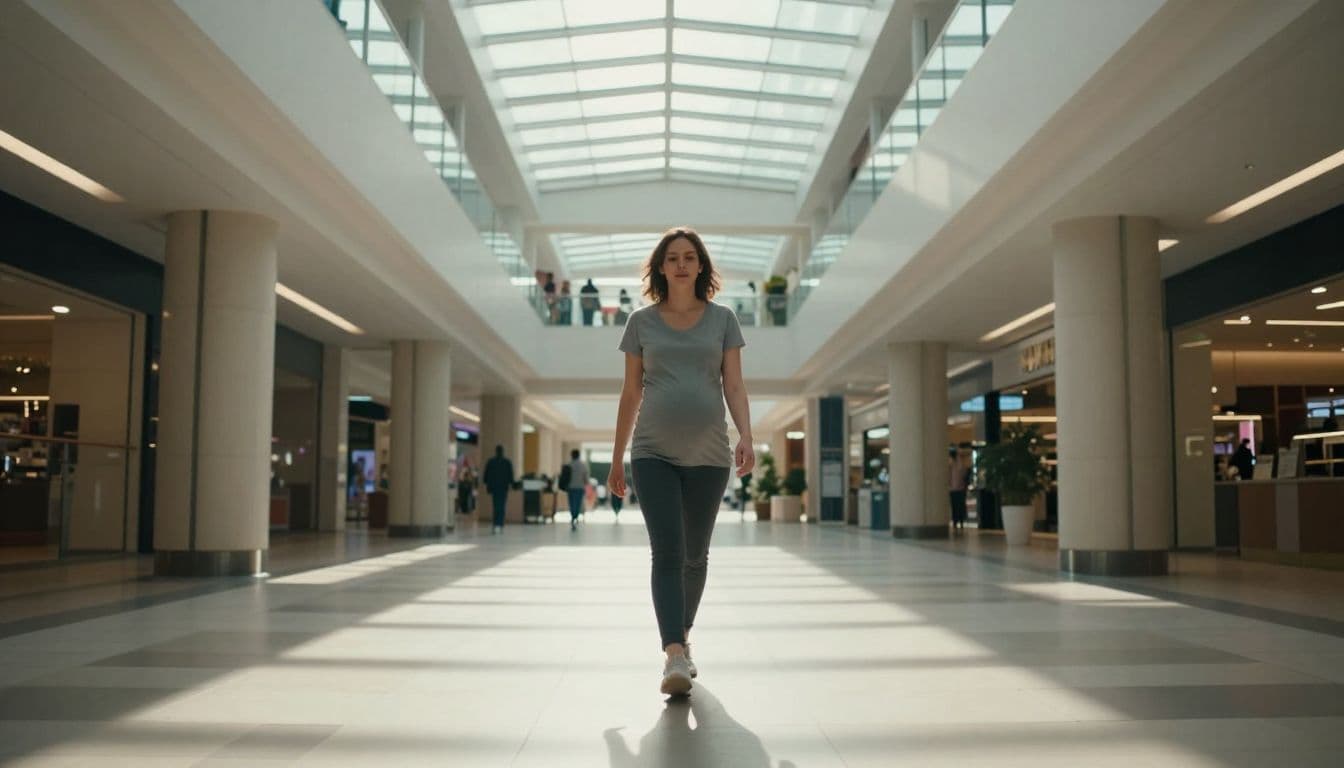
Walking is one of the simplest ways to stay active in late pregnancy because it asks very little from your joints and your schedule. You can stop, slow down, or turn back whenever you need to. That flexibility matters when your belly feels heavy and your energy changes by the hour.
Short walks work well, and you do not need to make them long to get value from them. A 10-minute walk after breakfast, another after dinner, or a slow lap around the neighborhood can keep your body moving without wearing you out. On hot or rainy days, an indoor mall walk or a walk through a large store can give you the same benefit in a safer setting.
Good shoes make a real difference. Choose supportive footwear with a stable sole, drink water before you head out, and avoid uneven ground if your balance feels off. Curbs, steep hills, loose gravel, and slick sidewalks can be a bad mix in the third trimester.
Walking is also easy to split into small sessions. Two or three short walks often feel better than one long one, especially if your back aches or your feet swell by afternoon.
Swimming and water workouts that feel light on the joints
Water exercise can feel like a relief when your body is carrying extra weight every hour of the day. The water supports you, so your back, hips, knees, and feet do less work. That makes movement feel smoother and softer, which can be a gift when swelling or heaviness is getting worse.
You do not need fancy drills in the pool. Easy lap swimming, gentle water walking, or slow side steps in chest-deep water can all count. Some moms also like simple pool movement, such as marching in place or holding the wall and doing light leg lifts.
Water workouts often feel especially good late in pregnancy because the buoyancy takes pressure off the lower body. At the same time, the cool water can help you feel refreshed when the heat starts to wear you down. The NHS pregnancy exercise advice supports staying active in ways that feel manageable and safe.
Keep the pace calm. If you feel breathless, overheated, or unsteady getting in and out of the pool, ease up right away.
Stationary biking for steady cardio without the fall risk
A stationary bike gives you a safe way to raise your heart rate without the same fall risk as outdoor cycling. That matters more in late pregnancy, when your center of gravity shifts and quick balance corrections get harder.
Set the resistance low, keep your posture upright, and pedal at a relaxed pace. You should be able to talk without gasping. If you feel pressure in your belly, back strain, or hip discomfort, lower the resistance or stop.
Outdoor biking is less ideal in the third trimester for most people because bumps, turns, and sudden stops can be hard to manage. A stationary bike removes much of that stress, so it works better for gentle cardio. If you already ran or jogged before pregnancy and your doctor has cleared you, you may still be allowed to keep going. Even then, it’s optional, not required. For most moms, a lower-impact choice is easier and safer this late in pregnancy.
Prenatal yoga and Pilates for balance, breathing, and mobility
Prenatal yoga and Pilates can help your body stay mobile while also calming your mind. They support flexibility, posture, and body awareness, which are all useful when your belly changes your alignment. Slow stretches and controlled moves can also ease tension in the back, hips, and shoulders.
The key is to use prenatal versions of these workouts. They avoid risky positions, protect the changing belly, and keep the work focused on support instead of strain. If you want guided ideas, prenatal yoga routines for expectant mothers can be a helpful place to look.
Prenatal yoga often pairs well with mindful breathing. Pilates can do the same when it stays gentle and controlled. Both can help you practice the kind of steady breathing that feels useful during labor. Keep twists soft, avoid lying flat if it feels uncomfortable, and use pillows, a wall, or a chair for support.
Light strength moves that support everyday movement
Light strength training helps your muscles keep up with daily life. In the third trimester, that matters when you are getting up from chairs, climbing stairs, carrying bags, or getting in and out of the car.
Safe examples include:
- Squats with a chair behind you
- Wall pushups
- Arm raises with light weights or no weights
- Step-ups on a low, stable step
- Supported lunges with a hand on a wall or chair
- Gentle leg lifts while standing or on hands and knees
The goal is to keep muscles active without strain. Use light weights or just your body weight, move slowly, and stop before your form gets sloppy. If a move makes you hold your breath or brace too hard, it is too much for now.
Strength work should feel controlled, almost like you are moving through water. That slow pace helps you stay balanced and keeps the exercise useful instead of tiring.
Pelvic floor exercises for better control and support
Pelvic floor exercises are small, but they matter a lot. These muscles help support the bladder, uterus, and bowel, which is useful when your baby is heavier and lower in your body. They can also help with bladder control during pregnancy and after birth.
Kegels are the most common example. Tighten the muscles you would use to stop urine midstream, hold for a few seconds, then release fully. The release matters just as much as the squeeze. Balance is the point here, not endless tightening.
A good routine also includes gentle relaxation. Some moms hold tension in the pelvic floor without realizing it, especially in the last weeks of pregnancy. Softening those muscles can help with comfort and may support labor prep. The UC Davis overview of pregnancy exercise also highlights pelvic floor work as a smart third trimester option.
Keep the effort light and regular. A few slow reps at a time are enough. Overdoing it can make the area feel tight instead of supported.
If a workout leaves you drained instead of refreshed, scale it back and make it easier.
The safest third trimester exercises all share the same feel, they are gentle, adjustable, and easy to stop. Choose the ones that match your energy, your balance, and your comfort that day. When movement feels calm and controlled, it fits this season of pregnancy much better.
A simple third trimester routine you can actually stick to
Late pregnancy usually asks for a softer pace. That is why the best routine is the one you can repeat on tired mornings, busy afternoons, or days when your body just wants ease. Short sessions often work better than long ones now, because they leave you feeling better instead of drained.
A good routine does not need special gear or a big block of time. A little walking, a few stretches, a couple of light moves, and a brief cooldown can keep your body loose without turning the day into a workout plan.
### A 10 to 20 minute sample flow for low energy days
Start with five minutes of easy walking around your home, driveway, or yard. If walking feels like too much, march in place near a counter or do a slow lap through the house. The point is to wake up your body, not push it.
Next, spend three to five minutes stretching. Try neck rolls, shoulder circles, gentle side bends, calf stretches, or a supported hip opener. Keep every move smooth and small. If your back or belly feels tight, stop at the first sign of discomfort.
Then add a few bodyweight moves, such as:
- 5 to 8 chair squats
- 5 wall pushups
- 10 slow marching steps
- 5 standing side leg lifts on each side
Finish with a short cooldown. Sit, breathe, sip water, and step outside for fresh air if you can. A few calm minutes by a window, on the porch, or near an open door can help you feel reset. For more on safe pregnancy movement, the NHS pregnancy exercise advice is a solid reference.
How to pace yourself so you do not overdo it
Use the talk test. If you can speak in full sentences while moving, your pace is usually in a safe range. If you are gasping, slow down.
Build in water breaks before you feel thirsty. In late pregnancy, that small pause can make a big difference. Stop before exhaustion sets in, and split movement into smaller chunks if that feels easier. A 5-minute walk in the morning and a few stretches later in the day still count.
If a session feels like a drain, it is too much for that day.
Your routine should fit your energy, not fight it.
Exercises and habits to avoid right now
Late pregnancy asks for caution, not fear. Some movements still feel fine, but others can make your body work too hard or throw off your balance fast. The safest choice is to skip anything that feels shaky, hot, or jarring, and choose smoother movement instead.
### When lying flat, bouncing, or twisting becomes a problem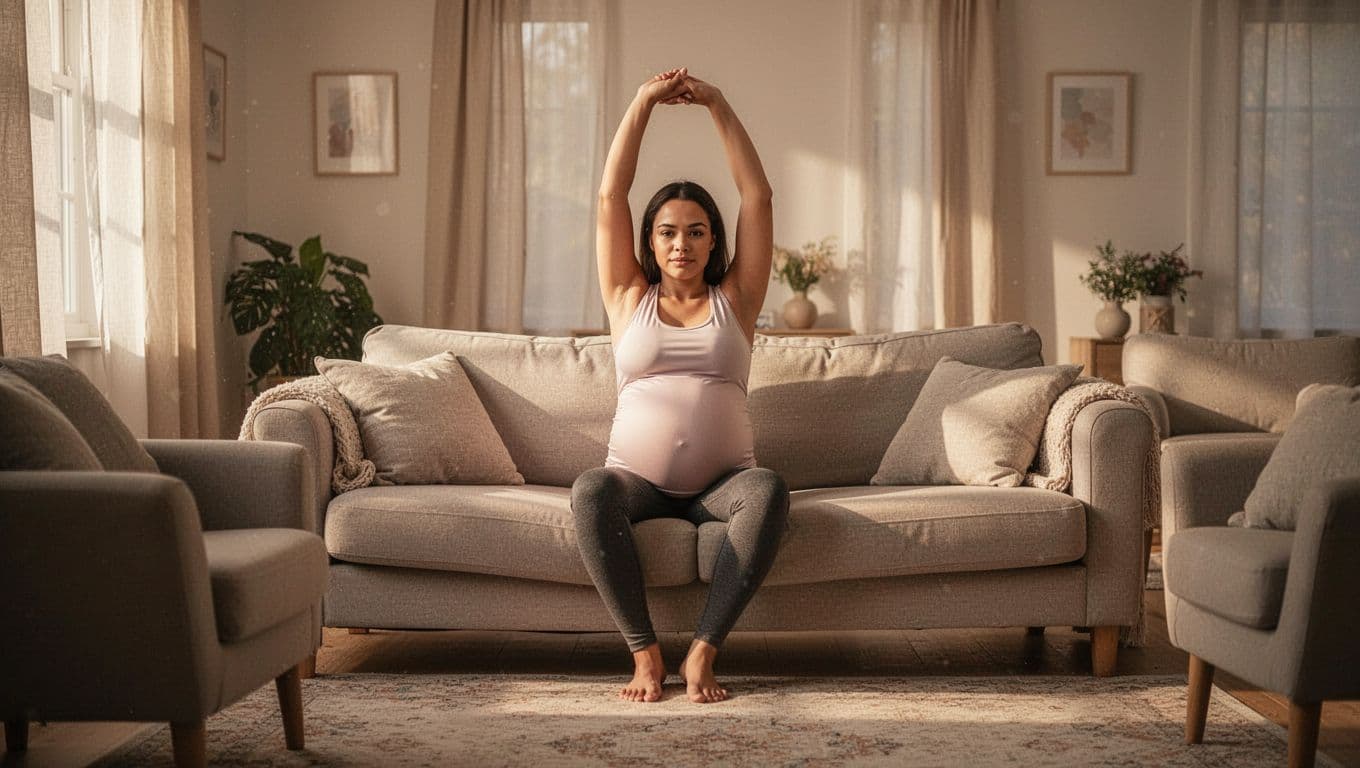
Long periods lying flat on your back can feel uncomfortable in the third trimester because your growing belly puts more pressure on your body. Fast, bouncy moves like jumping jacks, hopping, or hard aerobics can also feel rough on your joints and pelvic area. Twisting deeply or making sudden turns is another poor fit now, since your balance changes and your center of gravity shifts.
It helps to think in simple terms: if a move jars your body, strains your breathing, or makes your belly feel tight, it is not the right move today. That includes contact sports, high-fall-risk activities, and overheated workouts. Hot yoga, hot Pilates, saunas, and hot tubs can make you overheat faster, and low fluid intake makes that even harder on your body.
For a clear overview of pregnancy-safe exercise, the ACOG guide to exercise during pregnancy is a helpful reference. You can also keep an eye on habits that affect your overall pregnancy health, including the ones covered in these practices to avoid for fetal health.
Signs that mean you should stop and call your provider
Stop right away if you feel dizzy, have chest pain, notice bleeding, or see fluid leakage. You should also pause and call if contractions keep coming, your breathing feels severe or hard to catch, or a pain does not ease up after rest.
These warning signs are not a failure. They are your body asking for a different plan.
Stopping early is smart. Pushing through the wrong symptom is not.
If the weather is hot or you have not had enough water, even gentle exercise can feel much harder. The NHS pregnancy exercise advice offers a simple reminder to keep movement safe, steady, and well paced.
Conclusion
Safe exercise in the third trimester does not have to be intense to matter. A walk, a few gentle stretches, a calm swim, or light strength work can help you feel more comfortable, more mobile, and more ready for birth.
The best routine is the one that stays gentle and fits your body on that day. Listen closely to fatigue, pain, dizziness, or pressure, and check in with your doctor or midwife when something feels off. If back tension keeps showing up, prenatal yoga for back pain relief can be a helpful next step.
Small, steady movement can bring real support in this season. It can ease stiffness, build confidence, and give your body a little more room to breathe as birth gets closer.
Save pin for later

- Baby Development Stages: Milestones From Birth to 12 Months - September 20, 2026
- 5 Elegant Baby Pictures to Take at Home - September 20, 2026
- 14 Fun Ways New Moms Can Celebrate Their Baby Without Exercise - September 20, 2026