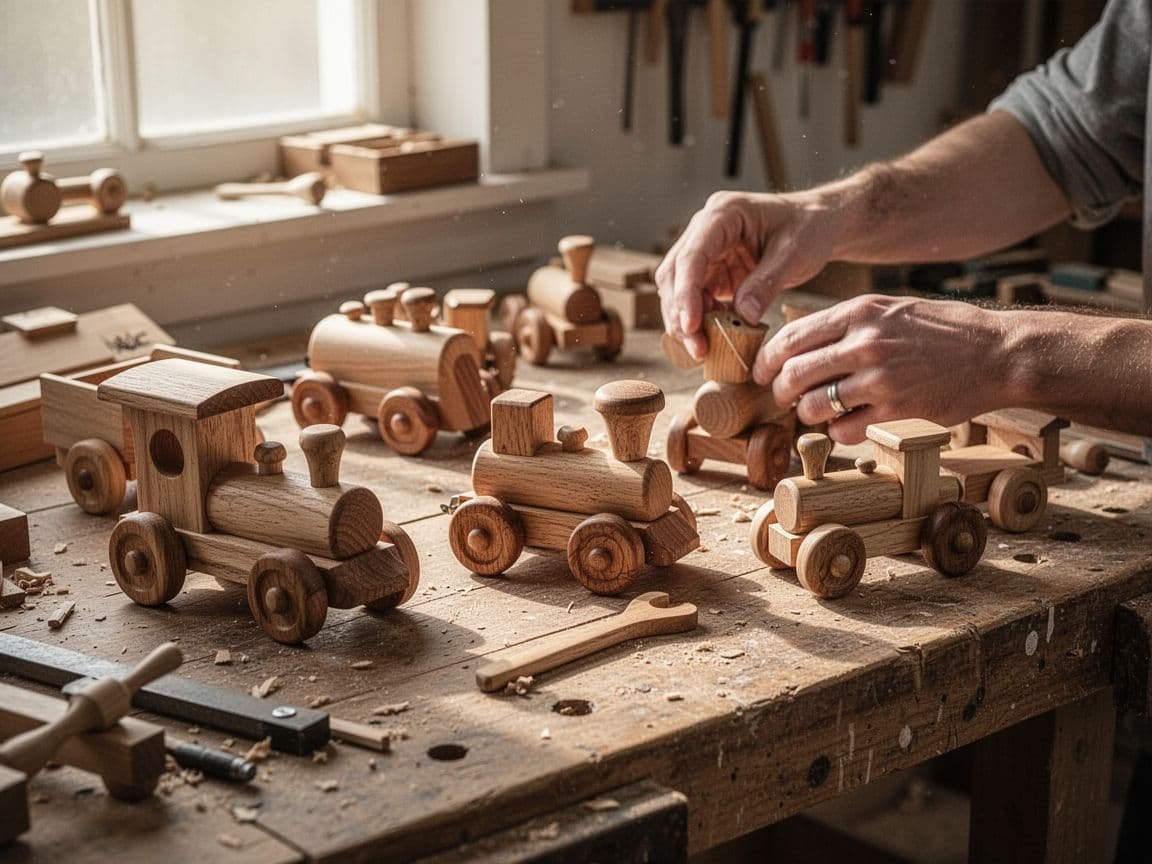
Restless hands show up everywhere, during long meetings, homework, car rides, and those waiting-room minutes that drag on forever. That’s why DIY fidget toys are such a handy fix, they’re cheap, easy to make, and give busy hands a calm place to go.
You don’t need fancy supplies to start, either. A few basic items from around the house can turn into something that helps kids, teens, and adults stay focused, settle down, or simply keep their fingers busy. For children who need more sensory support, simple sensory play ideas for young kids can be a helpful place to branch out.
Small, hands-on tools can make a loud day feel more manageable.
This guide keeps things practical, with easy ideas you can make at home and use right away. https://www.youtube.com/watch?v=y8W_b6AMvys
Why DIY Fidget Toys Are Worth Making at Home
Choosing to make your own fidget toys is a simple way to gain a tool that fits your unique needs. When you create them yourself, you control the size, texture, and overall feel of the final object. This personal touch means the result is exactly what you need to ground your senses. Homemade versions are budget-friendly alternatives to store-bought items and allow for quick, accessible stress relief whenever you need it. By using household items, you reduce the time and cost required to find support for restless hands. They offer a quiet, reliable way to channel nervous energy, making tasks feel manageable and calm.
What makes a good fidget toy feel satisfying
The best fidget tools offer a simple, predictable experience. They succeed by giving your hands a gentle, rhythmic outlet without demanding your full focus. A satisfying fidget should feel like a natural extension of your hand, providing a steady sensation that helps you settle into the present moment. Think of it as a small anchor for your attention.
You can look for features that provide different types of sensory feedback:
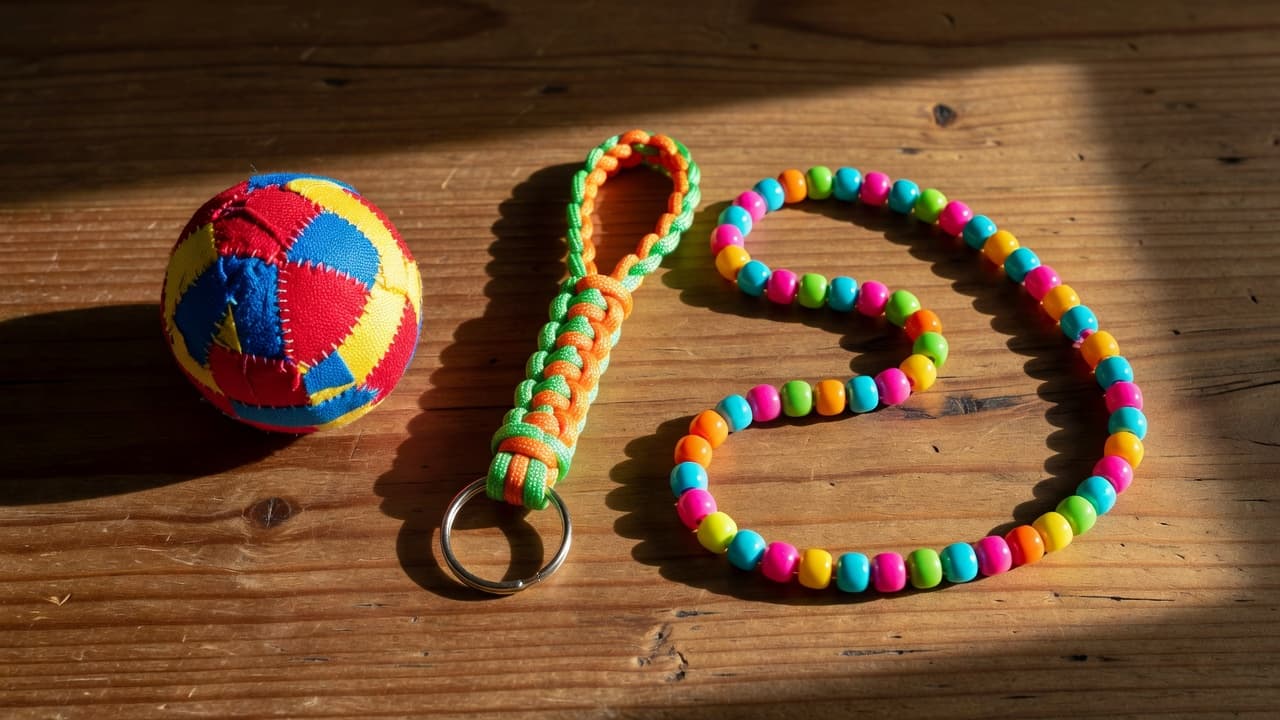
- Squish: Materials like fabric pouches filled with beans or soft dough provide resistance that helps release tension.
- Twist or roll: Simple mechanical motions, such as turning a bead on a string, offer a repetitive cycle that is highly soothing.
- Click or pop: A subtle, quiet action can provide a sense of completion that keeps the mind grounded.
The goal is to pick a texture or movement that feels right to you. If a toy is too loud or flashy, it can become a distraction rather than a help. The most effective fidgets are quiet, small, and allow you to stay on task. Understanding these basics is similar to how Montessori sensory activities for preschoolers use tactile experiences to support focus through simple, hands-on engagement.
Who can use homemade fidgets
Fidgets are useful for almost anyone who deals with a busy mind or the need to keep their hands moving. They provide an easy way to manage restless energy during daily life. For students in a classroom, a quiet DIY fidget helps them maintain focus during lessons without disrupting their peers. Adults often find them helpful during long meetings or periods of high-stress work, as the rhythmic motion helps regulate their mood and concentration.
These tools are not limited by age. They offer a practical solution for anyone who finds that movement helps them think more clearly. Whether you are a teen working through a difficult study session or an adult managing a busy day, having a tactile tool nearby can make a real difference in your productivity. Experts note that these simple aids can provide a necessary outlet for both children and adults to help them stay regulated during challenging times, as explained by Brown Health’s overview of fidget toy benefits. By keeping hands busy with hands on learning activities at home, you create a consistent rhythm that supports your brain’s ability to pay attention to the task at hand.
Easy DIY fidget toys you can make with things at home
You don’t need a trip to the store to find relief for restless hands. Common household supplies often hold the secret to effective, quiet focus tools. Most of these projects come together in minutes, costing next to nothing while offering a great way to channel nervous energy.
Balloon stress balls and sensory bags
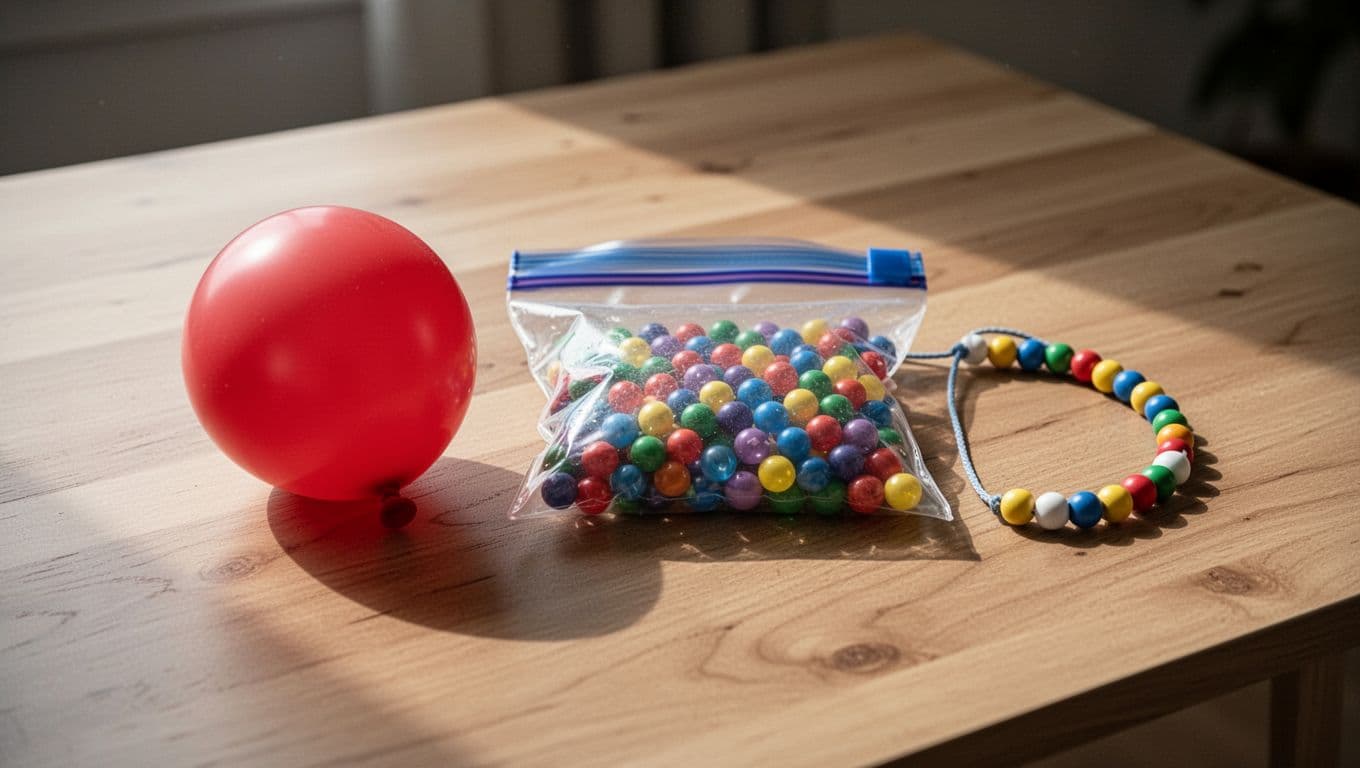
Balloon stress balls are a classic for a reason. They offer a satisfying, squishy resistance that is perfect for tense moments. To make one, fill a balloon with flour, rice, or even dry beans using a small funnel. Once it’s full, tie the end securely and snip off the excess rubber. Adding a second balloon over the first provides extra durability and peace of mind during heavy use.
Sensory bags provide a different, visual kind of calm. Fill a sturdy, zip-top plastic bag with items like water beads, pony beads, or small plastic charms mixed with a little hair gel or water. The secret is removing as much air as possible before sealing it. Once the bag is shut, use heavy-duty tape along the seal to ensure it stays leak-proof. Squishing the objects inside helps clear the mind, and you can see more creative sensory ideas for children if you want to expand your collection.
Bead, tape, and paper fidgets that twist and bend
Repetitive motion is the key to focus, and these tactile tools provide exactly that. You can create a simple beaded snake by threading pony beads onto a sturdy piece of elastic or a pipe cleaner. The ability to twist, curl, and bend the structure makes it a versatile companion for school or home. Another favorite is a paper clip chain, which you make by interlocking clips to create a long, flexible strand that is easy to fold and manipulate.
Tape and washi tape also offer endless possibilities. You can create a simple tape cube by folding small pieces into shape, or wrap tape around craft sticks to create a textured, stick-style fidget. These items are inherently satisfying because of their weight and the way they move in your hand. For more inspiration on building these small tools, see these DIY craft ideas for additional ways to keep fingers busy.
Slime, paper squishies, and other soft-texture options
If you prefer a softer touch, slime and paper squishies are excellent choices. A simple homemade slime gives your hands a malleable, gooey surface that you can stretch and pull whenever you feel the need to move. The texture is the primary appeal, and it provides a quiet way to occupy your hands during long tasks.
Paper squishies take a bit more time to assemble, but they offer a unique tactile experience. You can create them by drawing on paper, coloring it, and then stuffing the shape with cotton balls or plastic bags. Tape the edges shut to keep everything inside. These creations are incredibly lightweight and fun to squeeze, making them a perfect, quiet addition to any desk or study space.
How to choose the right DIY fidget toy for your needs
Finding the perfect fidget tool is about matching the object to the moment. A toy that helps you concentrate during a long meeting might be too loud for a quiet classroom or distracting during a car ride. You should consider where you plan to use it, the noise level it creates, and whether it could cause a mess if it happens to break. By thinking about these factors, you ensure your hands have a helpful outlet instead of a new distraction.
Quiet fidgets for classrooms, offices, and car rides
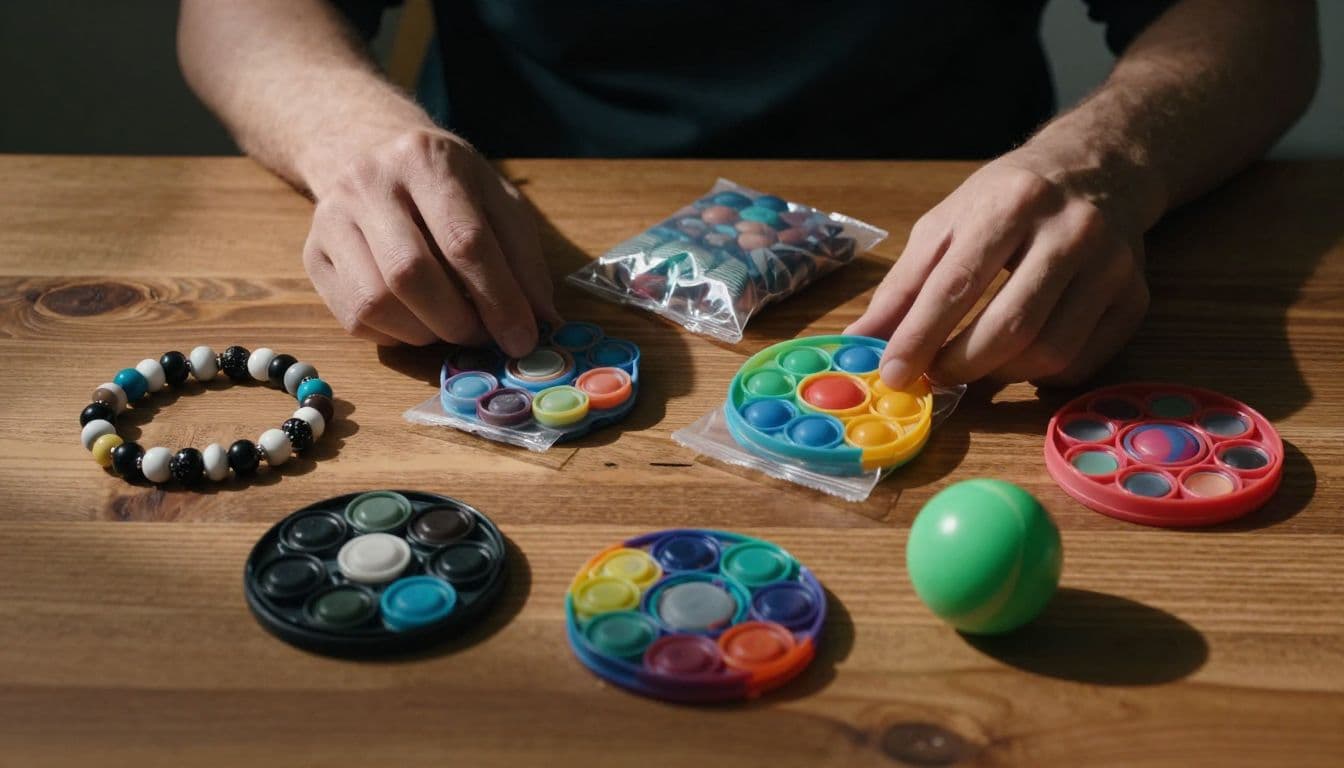
When you need to keep your hands busy without disturbing others, look for options that do not click, rattle, or pop. A good rule of thumb is to choose materials that absorb sound, such as fabric, rubber, or silicone. Bead chains made with soft elastic are excellent because they move fluidly and silently. You can also wrap rubber bands around a small wooden block or hex nut to create a quiet, tactile texture that feels good to rub or roll.
Sensory bags filled with hair gel or non-toxic beads provide a muted, squishy experience that fits perfectly in a pocket. Soft squeeze toys, perhaps made from a balloon filled with flour, offer resistance without the noise of hard plastic components. These tools keep your nervous energy in check while allowing everyone around you to focus on their work. If you need more technical insight into why these work, you can explore the science of fidget toys and choosing the right one.
Mess-free options for busy parents and teachers
If you are crafting for kids or need something that stays put, avoid liquids or loose fillings that might leak. Projects that use durable, dry materials are your best bet for avoiding a cleanup disaster. Consider making simple braided yarn keychains, pipe cleaner structures, or items held together with heavy-duty tape or glue. These options withstand frequent handling and won’t leave a trail of mess if they happen to take a tumble.
Keep your construction simple to make repairs easy later. If you use fabric, ensure all seams are tight and reinforced with extra stitching. Projects like these provide a quick win for parents needing a distraction on the fly. To get more ideas on how to pick tools that align with specific sensory needs, you might find this guide on how to buy a sensory fidget toy very helpful for narrowing down your options.
Kid-friendly versus adult-friendly designs
Younger children often benefit from larger, softer fidgets that are easy to grip with small hands. They might enjoy vibrant colors, textured ribbons, or larger beads that provide clear sensory feedback without the need for delicate manipulation. Safety is always the priority here, so make sure all small parts are securely fastened to prevent choking hazards.
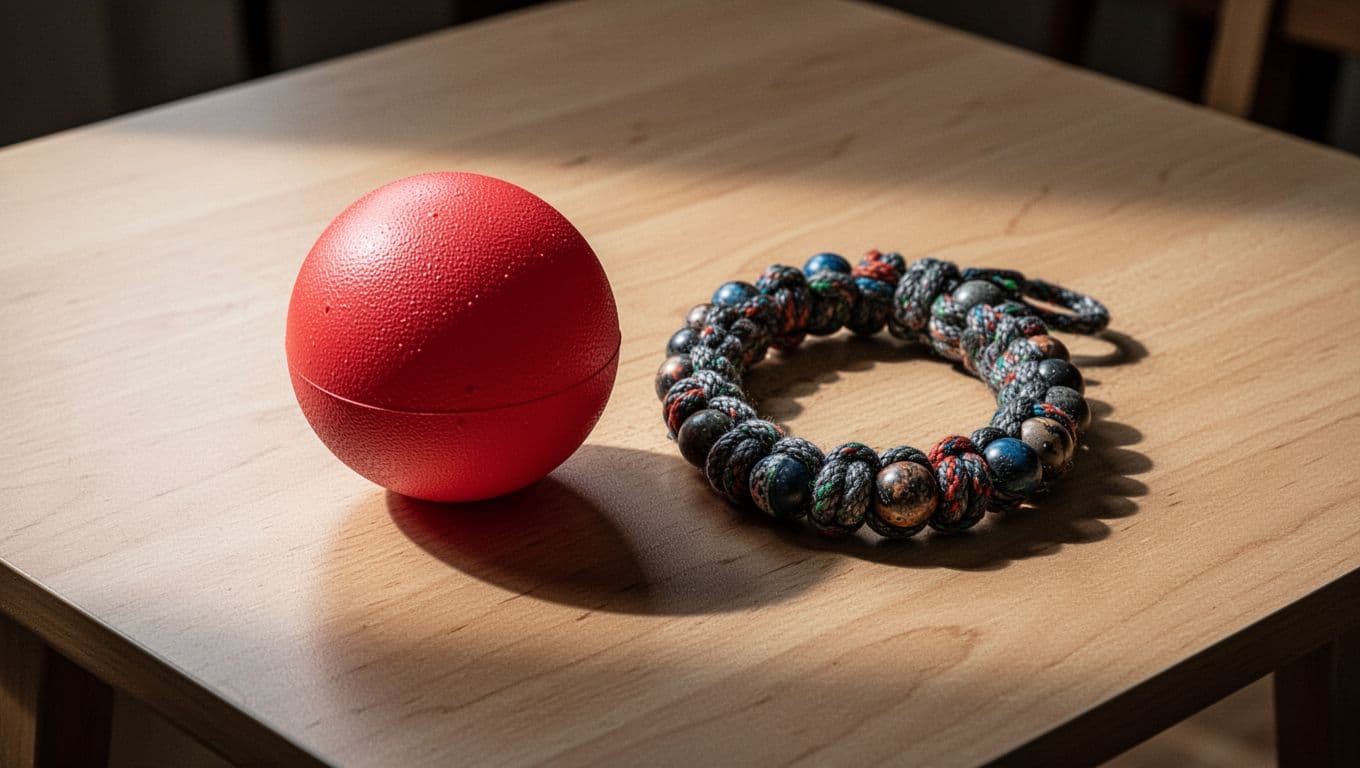
Teens and adults usually prefer more subtle designs that blend into a professional or academic environment. A stylish, woven paracord bracelet or a small, polished wooden stone can act as a discreet fidget you can use during a long meeting or study session. These tools offer the same calming rhythm as more childish versions but look like accessories rather than playthings. For professional recommendations on finding high-quality support tools, check out these sensory toys recommended by therapists. Ultimately, the best fidget is the one that you feel comfortable carrying with you throughout your day.
Make your homemade fidgets safer and longer lasting
Creating your own fidgets is a rewarding project, but the joy fades if your work falls apart or poses a risk during use. Taking a few extra minutes during the building phase keeps your tools intact and ensures they remain a helpful presence rather than a source of worry. Durable construction and smart safety habits transform simple household scraps into reliable companions for focus.
Simple safety checks before use
Safety begins with selecting materials that suit the user. Keep very small items like loose pony beads or tiny metal components away from young children who might put them in their mouths. Always inspect your finished work for sharp edges, especially if you use wire or hard plastic, and cover these areas with a layer of sturdy fabric or thick tape.
When you fill balloons or bags with substances like rice or flour, always double-layer the material to prevent messy leaks. If you notice a puncture or a weak seal, it is better to discard the item or reinforce it immediately. Providing calming fidget tools for sensory regulation works best when you are confident that the tools are secure, non-toxic, and free from hidden hazards.
How to keep fidgets from wearing out too fast
The secret to a long-lasting fidget is reinforcement. If you sew a fabric pouch, use tight stitches and add an extra line of reinforcement along every seam. For paper squishies, cover the entire surface in clear packing tape to prevent tears and keep colors from rubbing off over time. You should also consider keeping a small box or dedicated pouch for storage when the toys are not in use.
Don’t be afraid to make backups of your favorite, easiest designs. Even the most robust homemade toy will eventually show signs of wear after heavy handling, so having a spare ready to go saves you from a sudden search for focus support. If you find your child needs specific sensory chew tools for toddlers instead of standard fidgets, choose silicone materials that handle repeated pressure much better than paper or fabric. A little care in how you store and handle these items keeps them working as an effective, quiet outlet for nervous energy for much longer.
Fun ways to personalize your DIY fidget toys
Personalizing your fidget tools turns a simple scrap of fabric or a lone bead into something that feels like your own. It is more than just making things look pretty. When you choose colors, textures, and patterns that spark joy, the object becomes a source of comfort on long, tiring days. Making your tools unique helps you feel connected to them, which makes using them a natural part of your daily routine.
Adding color and pattern with simple supplies
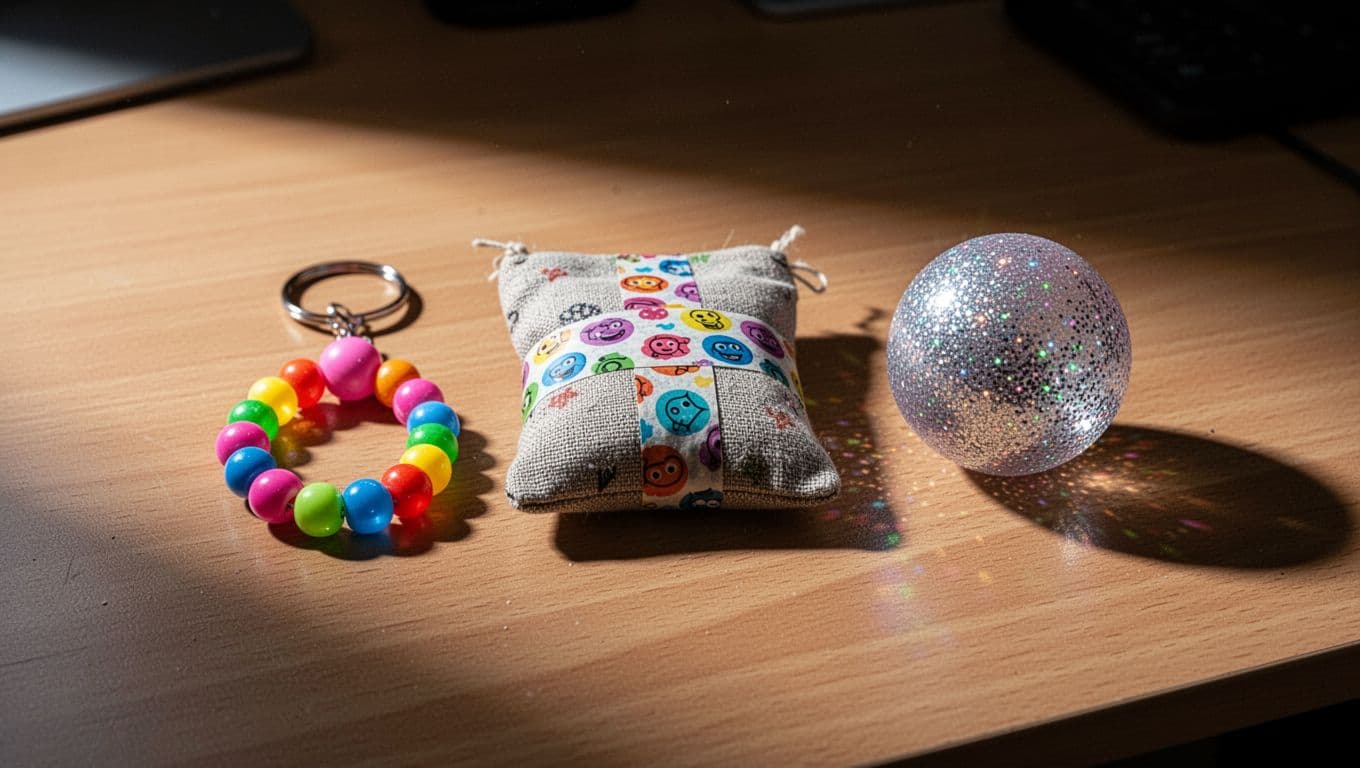
You can transform plain materials into bright accessories using basic craft supplies you likely already have. Washi tape is a fantastic choice because it comes in endless patterns and textures. Try wrapping your DIY fidget sticks or the edges of a paper squishy with your favorite tape. It adds a layer of color and makes the surface feel smooth and satisfying under your fingertips.
Glitter also offers a quick way to add personality to your projects. If you are making a clear sensory bag or a balloon stress ball, a pinch of glitter inside makes the movement visually relaxing. Use these simple creative DIY baby shower gift ideas as inspiration to think about how you might mix and match ribbons or textures to create a cohesive, beautiful set of tools.
Selecting fabrics and textures that soothe
The way a fidget feels against your skin is just as important as how it looks. If you prefer a soft, calming experience, look through your scrap bin for velvet, soft jersey cotton, or even a bit of felt. You can braid strips of old fabric into a sturdy, tactile strand. This creates a soft texture that you can twist, loop, or knot while you focus on work or study.
Adding small beads or buttons to your fabric creations gives your fingers something specific to explore. If you are interested in keeping your home environment gentle and intentional, you might enjoy exploring simple DIY ideas for a healthier home to find more ways to use leftover materials effectively. Whatever you choose, remember that the goal is to create something that provides you with a sense of calm. Your fidget toy is a small companion for your nervous energy, so it deserves to look and feel exactly how you want it to.
Conclusion
You do not need expensive store-bought items to find relief for busy hands. Simple household objects provide the same grounding benefits when you take a moment to assemble them yourself. You control the texture, weight, and size of your own tools. This freedom makes it easy to find a solution that fits your specific needs for focus or comfort.
Start with what you already have in your kitchen or craft drawer. A few basic supplies and a little creativity turn a noisy day into something much more manageable. Your next small project is a great way to bring extra calm and steady rhythm into your daily routine.
Save pin for later

- What Causes a Flat Head Shape in Babies? - September 20, 2026
- Baby Massage for Gas Pain: Step-by-Step Instructions - September 20, 2026
- Newborn Skin Peeling: Common Causes and Warning Signs - September 20, 2026