

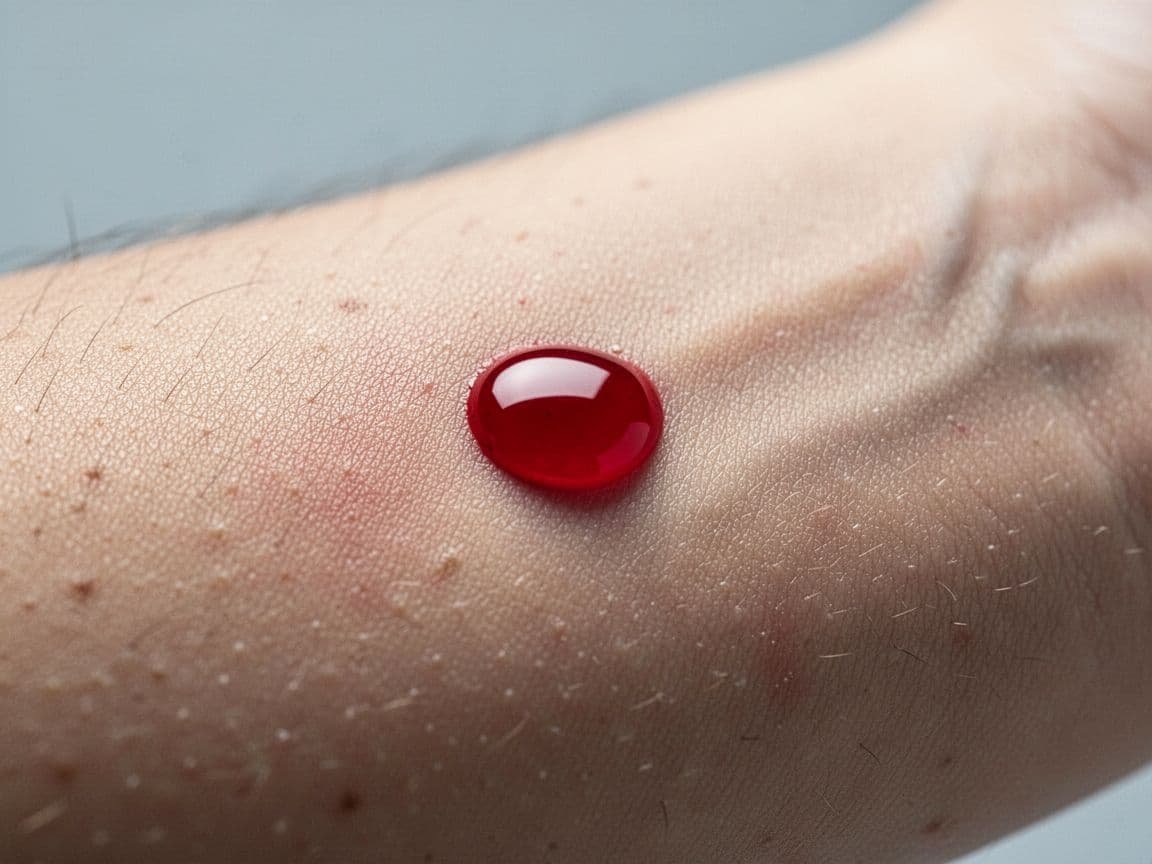
People often wonder if their blood type is more than just a label on a medical chart. It draws significant attention because we want to understand the unique blueprints that shape our physical bodies. While your blood type offers a fascinating glimpse into your biological makeup, it acts as a subtle nudge for your health rather than a definitive roadmap.
You should remember that your blood type does not dictate your wellness journey on its own. Factors like your daily habits, your environment, and how you manage stress carry far more weight in the long run. Whether you are focusing on sustainable wellness habits for busy parents or refining your daily nutrition, your choices remain the primary drivers of your vitality.
This post examines eight specific ways your blood type may connect to your health. From your potential risk for blood clots to concerns involving stomach issues and pregnancy, these insights provide a clearer picture of your body. You can also view this informative breakdown to better understand how these patterns might apply to you.
What blood type can reveal, and what it cannot
Your blood type acts like a tiny genetic marker, but it is far from a complete health profile. Scientists observe patterns between certain blood groups and physical risks, such as cardiovascular concerns or specific digestive issues, as noted in research on blood type biochemistry and human disease. However, these findings describe statistical trends across large populations, not fixed outcomes for you as an individual.

Why blood type is only one small part of your risk
Imagine your total health as a vast, intricate landscape. If blood type is a single tree in that forest, your daily habits, family history, and environment are the mountains and rivers that define the terrain. Two people with the same blood type can end up with vastly different health outcomes based entirely on their choices.
One person might have type A blood, a sedentary routine, and poor nutrition, which drives their heart health risk upward. Another person with the exact same blood type might prioritize movement, eat whole foods, and manage stress well, keeping their heart health robust. Blood type may slightly nudge the odds in one direction, yet it never creates the disease on its own. It is a background factor that gains or loses significance depending on how you live. For those looking to manage these bigger variables, focusing on daily habits damaging your wellness often yields more tangible results than worrying about your blood group.
The most common blood type myths to leave behind
It is easy to see why we want our blood type to tell a deeper story. We crave simple labels that explain our personality or energy levels. However, no scientific evidence suggests that your blood type dictates your temperament, your professional success, or how much energy you wake up with each morning.
Beliefs about blood type-based diets or personality types remain popular in casual conversation, but they lack the rigor of medical science. These narratives often collapse under scrutiny because they rely on correlation rather than biological cause. While web-based resources on health provide helpful context, remember that your health is defined by your long-term choices, not your inherited group. Focus your energy on what you can control. When you prioritize consistent sleep, movement, and balanced nutrition, you build a foundation of wellness that far outweighs any minor genetic tendency tied to your blood type.
How blood type may affect clotting, heart health, and stroke risk
Your blood type does more than determine who can receive your donation during a medical emergency. Research suggests it also plays a subtle role in how your body manages circulation, clotting factors, and overall heart function. While these biological connections catch the attention of scientists, they are only one piece of a much larger puzzle regarding your personal health.

Why type O is often linked with a lower clot risk
Many studies highlight that people with type O blood often show a lower risk for certain clotting issues compared to those with other blood types. This happens because individuals with type O generally carry lower levels of specific proteins that assist in the clotting process. These proteins include the von Willebrand factor, which acts like a biological glue to help blood clump together when you have a wound.
Lower levels of this factor may mean a slightly reduced likelihood of unwanted clots forming inside your veins or arteries. However, this is not a free pass to ignore your cardiovascular health. Having type O blood does not make you immune to heart disease or stroke. You still face the same risks as everyone else if you lead a sedentary life or maintain poor dietary habits. Think of type O as a slight biological head start, but your daily actions remain the final judge of your heart health.
When type A, B, and AB may need closer attention
Scientific data suggests that individuals with blood types A, B, and AB might face a slightly higher statistical chance of experiencing blood clots, heart issues, or stroke. Research indicates that these blood groups tend to have higher concentrations of clotting-related proteins in their bloodstream. For example, some studies have found a noticeable link between type A blood and an increased risk of early-onset stroke. Similarly, type AB has been associated with specific patterns of increased stroke risk that appear independent of standard cardiovascular markers.
These variations are modest and represent group trends rather than inevitable personal fates. Doctors view these patterns as small data points rather than primary drivers of your health. Your physician looks at the full picture of your life, including your blood pressure, cholesterol levels, family history, and smoking status. If you belong to one of these groups, there is no reason for alarm. Instead, focus on the fundamentals that keep your heart steady and your blood flowing well. Regular movement, a nutrient-dense diet, and avoiding tobacco are far more effective at protecting your long-term wellness than worrying about your blood type category. Understanding these factors is a great way to stay informed, much like following an essential tips for a healthy pregnancy guide to manage your wellness throughout different life stages.
The surprising ways blood type may shape digestion and stomach health
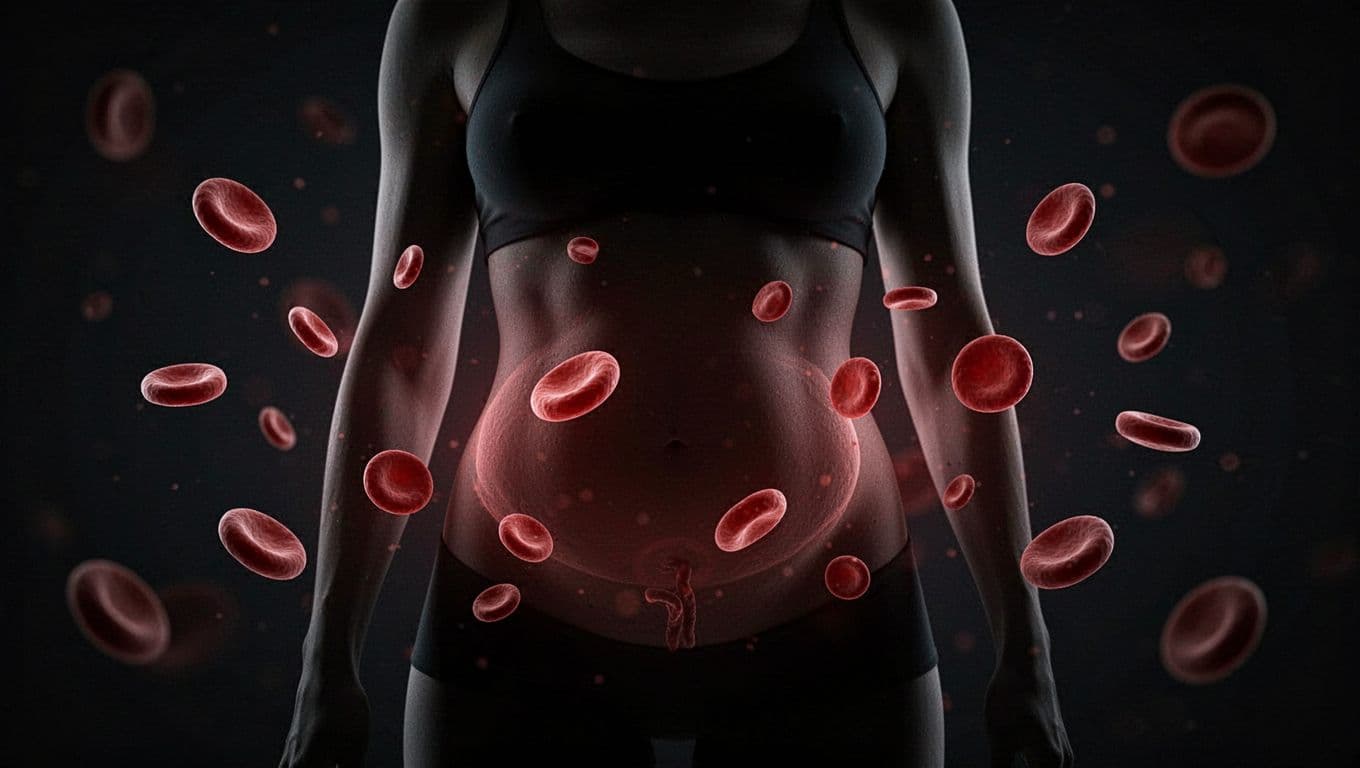
Your blood type does more than define your compatibility for a blood transfusion. It appears to play a subtle role in how your stomach interacts with the outside world. Researchers continue to look at whether your blood group influences your susceptibility to certain digestive conditions. While these connections are interesting to scientists, they remain minor pieces of a much larger puzzle regarding your personal health.
Why type O has been tied to peptic ulcers in some studies
Some data indicates that people with type O blood may face a slightly higher risk of developing peptic ulcers. This theory often centers on how a common bacterium, Helicobacter pylori, interacts with the lining of the stomach. Researchers suggest that the cells in the stomach lining of someone with type O blood might be more receptive to this specific bacteria. When this germ settles in, it can irritate the stomach wall and lead to painful sores.
It is vital to keep this in perspective. Having type O blood is not a guarantee that you will experience ulcers. Most people with type O blood go their entire lives without ever facing this issue. Many other factors like lifestyle choices, stress, and medication use carry far more influence over your digestive health. If you notice persistent stomach pain, burning sensations, or other digestive discomforts, please visit a doctor to get an accurate diagnosis. Relying on your blood type to guess your symptoms is never a replacement for a professional medical evaluation.
Why type A has shown up in some stomach cancer research
Over the years, various studies have looked for connections between blood groups and the risk of gastric cancer. Some of this research has pointed toward a potential statistical link for individuals with type A blood. Scientists have observed that people in this group might have a slightly higher likelihood of developing these specific health issues compared to others. The reasons remain complex, and experts are still working to understand the underlying biological mechanisms.
Please remember that this risk is influenced by many other, more significant factors. Factors like family history, smoking status, diet, and chronic infections are far better predictors of your long-term health than your blood group alone. Medical professionals emphasize the importance of regular screening and paying attention to your body over any theoretical risks linked to your blood type. If you have concerns about your history or current symptoms, talk with your healthcare provider. Your medical team can provide a clear plan that is tailored to your specific needs rather than generalized statistics. You can find more information about these research observations on gastric cancer to better understand how science interprets these patterns.
What your blood type may say about kidney stones and other lesser-known risks
While most conversations about blood type focus on heart health or circulation, researchers often look for patterns across other organ systems as well. Science sometimes reveals unexpected connections between your ABO blood group and how your body processes waste or manages inflammation. These findings provide a broad view of human health but rarely point to a singular, unavoidable outcome for your life.
Why type B has been linked to a lower kidney stone risk
Some observational studies suggest that individuals with type B blood might have a lower statistical risk of developing kidney stones compared to those with other blood types. One theory involves the complex way blood group antigens interact with metabolic processes in the urinary tract. While this sounds like a clear biological advantage, it is not a fixed rule for your physical reality.

You should still prioritize the fundamental habits that keep your kidneys functioning well. Your risk profile is heavily influenced by your daily water intake, your diet, and your family history. Drinking enough fluids helps your body flush out minerals that can otherwise turn into painful stones over time. If you ignore these basics, your blood type will not protect you from the physical discomfort of stone formation. Think of blood type as a minor background variable, while your hydration and nutrition are the primary factors you can control every day.
Other smaller links researchers are still studying
Scientists continue to examine whether your blood type relates to various aspects of kidney function, chronic inflammation, and immune system performance. These studies attempt to identify how specific proteins on your red blood cells might influence how your body reacts to environmental triggers. Many of these links appear weak or inconsistent when researchers study different populations across the globe.
Most of these connections currently sit in the realm of theory rather than established medical fact. A pattern noticed in one study might disappear in another, which shows how difficult it is to isolate the specific impact of blood type from other lifestyle variables. You should view these broad trends as ongoing scientific conversations rather than warnings about your personal future. Your long-term wellness is built on consistent actions like managing stress, getting enough sleep, and keeping your body active. These daily habits offer far more protection than any genetic marker on your blood cells. When you focus on building a healthy lifestyle foundation, you provide your body with the best possible support regardless of your blood group.
Blood type and brain health, from stroke to memory changes
Your blood type seems to influence more than your heart or stomach. Researchers are currently examining how your blood group might connect to your brain. This area of study remains in its infancy, yet it offers an intriguing look at how genetics might play a hidden role in your long-term cognitive health.
Why AB has gotten attention in brain health studies
You might wonder why type AB blood appears in recent discussions about brain health. Some observational studies show a link between people with type AB blood and an increased risk of cognitive decline or memory issues as they age. Scientists believe this stems from how certain proteins on your red blood cells interact with your vascular system.
It is important to remember that these findings represent a trend across large groups of people, not a prediction for your personal future. A statistical link does not mean you will face memory changes just because you have type AB blood. Research like this helps medical professionals understand potential risk factors, but your daily lifestyle choices carry far more weight. Your habits remain the most powerful tool you possess for maintaining a sharp, active mind throughout your life.

When to pay more attention to stroke warning signs
Because blood type may influence clotting, it is wise to stay aware of your body’s signals regardless of your specific group. Quick action is vital during a medical emergency. You should know the common warning signs of a stroke so you can respond immediately. A sudden change in your body is always a signal to seek professional medical help.
You can remember these common symptoms with simple, quick observations:
- Sudden numbness: Feel for weakness or paralysis, especially on one side of your face, arm, or leg.
- Speech trouble: Pay attention to slurred words or difficulty forming clear sentences.
- Vision changes: Note any sudden blurring or loss of sight in one or both eyes.
- Balance issues: Watch for sudden dizziness or a loss of coordination when you walk.
Your blood type score matters far less than your ability to recognize these signs and contact emergency services. Speed is the greatest protector of brain health when a stroke occurs. If you notice any of these symptoms in yourself or someone nearby, wait for no one and get help at once. Taking fast, decisive action is the best way to safeguard your future. Building a strong foundation of wellness habits for your body can help you maintain your health and stay ready for anything.
How Rh factor and sex can change the picture
Your blood type carries a hidden layer that goes beyond the common A, B, or O labels. This secondary marker, known as the Rh factor, adds another dimension to how your blood interacts with your body. While your ABO type receives most of the attention, this small protein can be equally important in specific life situations. Understanding these variations helps you stay informed about your overall wellness.
What RhD-positive means in simple terms
The Rh factor is a specific protein found on the surface of your red blood cells. If you have this protein, your blood is RhD-positive. If you lack it, you are RhD-negative. Think of it as a tiny biological flag that your immune system recognizes. Most people carry this protein, but it doesn’t change your daily energy or personality. Its main importance surfaces during medical scenarios, such as blood transfusions or pregnancy, where your body needs to recognize the compatibility of incoming blood cells.
Why pregnancy care should always be based on full medical checks
Your pregnancy health involves a wide array of biological factors, and your blood traits are just one piece of a complex puzzle. Recent research suggests that RhD-positive women might face a slightly higher statistical risk of developing pregnancy-related high blood pressure compared to those who are RhD-negative. This doesn’t mean every person will face this challenge, but it is a helpful data point for your medical team.

Consistent prenatal care provides the best environment to monitor your blood pressure and overall well-being. Regular checkups allow your doctor to catch small fluctuations before they become difficult to manage. Pregnancy requires close attention to many variables, including your diet, stress levels, and family history. Because every person is unique, your health plan should be tailored to your specific needs rather than generalized statistics. If you are preparing for this life stage, prioritizing healthy pregnancy tips helps you build a strong foundation for both you and your baby. Always lean on your healthcare provider to interpret how these genetic markers apply to your personal journey.
What to do with this information in real life
Knowing your blood type provides a unique window into your biological identity. While scientific studies often link certain blood groups to specific health trends, these patterns act as small data points rather than a fixed medical destiny. You have the power to influence your health outcomes through daily choices that matter far more than your blood type ever could.
The habits that matter more than blood type
Your long-term wellness rests on the foundation of your daily routines. Regardless of whether you have type A, B, AB, or O blood, the most significant risk reduction comes from consistent, healthy living. Focus your energy on these fundamental areas to support your body and mind:
- Schedule regular medical checkups: Consistent screenings allow doctors to monitor your blood pressure, cholesterol, and other vital markers long before they become problems.
- Prioritize nutrient-dense food: A diet rich in whole grains, vegetables, and lean proteins keeps your internal systems running efficiently and supports your immune health.
- Move your body daily: Regular activity strengthens your heart and improves circulation, which provides more protection against health issues than any genetic marker.
- Get restorative sleep: Quality rest is essential for your body to repair itself and maintain a stable, balanced mood.
- Avoid tobacco products: Quitting smoking is perhaps the single most effective action you can take to lower your risk of cardiovascular disease and various health complications.
These habits create a buffer against genetic predispositions. When you build simple habit changes for better focus, you gain the clarity needed to maintain these routines even on busy days. Small, deliberate actions accumulate over time to create a life of lasting vitality.
When it makes sense to ask a doctor about your blood type
Most of the time, your blood type is simply a piece of background information. You rarely need to dwell on it for your general daily wellness. However, there are specific life stages and medical situations where knowing your blood type becomes necessary.
Consult your doctor or review your records if you are pregnant, as the Rh factor can influence your medical care and safety. You will also need this information if you undergo surgery, prepare to donate blood, or require a transfusion. Furthermore, if you notice strong patterns of chronic illness within your immediate family, a doctor might ask for your blood type to better understand your history. Keep this information stored in a safe, accessible place like a digital health folder or a physical medical card. Outside of these specific, practical scenarios, focus your attention on living well and staying present in your daily health journey.
Conclusion
Your blood type offers a quiet glimpse into your biological makeup, but it is not a script for your health. While researchers identify statistical trends that connect certain blood groups to specific risks, these patterns remain secondary to the choices you make every day. You have far more influence over your future than any genetic marker ever could.
The habits that build lasting wellness are simple and accessible. Consistent movement, a diet of whole foods, and regular medical checkups provide the strongest defense for your body. When you focus on these basics, you gain a foundation of health that remains steady, regardless of your blood type.
Take comfort in knowing that your daily actions serve as the primary drivers of your long-term vitality. By staying informed about your health and maintaining your routines, you provide your body with the care it deserves. If you want to refine these habits further, look into ways to improve focus to help keep your health journey on track.
Save pin for later

- What Causes a Flat Head Shape in Babies? - September 20, 2026
- Baby Massage for Gas Pain: Step-by-Step Instructions - September 20, 2026
- Newborn Skin Peeling: Common Causes and Warning Signs - September 20, 2026