Iron is the silent engine behind your child’s boundless energy, daily growth, and cognitive development. It helps create hemoglobin, which carries oxygen throughout their body, ensuring their muscles and brain get the fuel they need to thrive. When kids fall short on this vital mineral, you might notice they feel unusually tired, struggle with focus, or simply lack their usual spark.
It is common for children to struggle with iron levels, especially during rapid growth spurts or when they become picky eaters who refuse meat or greens. While balancing a nutritious menu is a constant challenge, you do not need to be a chef or a nutritionist to make a difference. Incorporating a few key foods into your weekly rotation can ensure your little ones get exactly what they need to stay strong.
If you are looking for more ways to fill those nutritional gaps, these balanced plant-forward meals for growing children offer practical inspiration for your kitchen. This list covers accessible, iron-packed options that are easy to prep and even easier for kids to enjoy. For a deeper look at signs that your child might need a bit more iron in their diet, you can also watch this helpful resource: https://www.youtube.com/watch?v=mBWpylQfMl4.
Why iron is so important for growing kids
Iron acts like a tiny, essential delivery truck inside your child’s body. Its main job is to help create hemoglobin, a protein in red blood cells that carries oxygen from the lungs to every other part of the body. Without enough iron, these cells struggle to deliver the fuel your child’s muscles and brain need to work at their best.
When children get the iron they need, they have the energy to run, play, and learn without feeling held back. It supports healthy brain development, helping them stay sharp during school hours and active during playtime. Think of it as the spark that keeps their internal engine humming smoothly. When levels dip, that spark can start to flicker, making it harder for them to keep up with their day.
Signs your child may need more iron
Identifying low iron isn’t always straightforward, as many signs are subtle at first. If you notice these shifts, do not panic, but do consider scheduling a check-up with your pediatrician to confirm your concerns. It is always better to get a professional opinion before making significant changes to their health routine.
Keep an eye out for these common changes in your child:
- Lower energy levels: They might seem tired, sluggish, or lose interest in activities they usually love.
- Pale skin: You may notice their skin, especially around the eyes or gums, looks a bit paler than usual.
- Difficulty focusing: They could seem distracted, irritable, or struggle to complete simple tasks at school or home.
- Poor appetite: Sometimes, a child who isn’t getting enough iron simply isn’t interested in their meals.
If you suspect something is off, learning more about iron deficiency can help you communicate effectively with your doctor. Remember that these signs are only indicators, not a formal diagnosis.
Why kids are at higher risk of low iron
Certain stages of life and habits naturally increase the chance that a child might fall short on their iron intake. Rapid growth spurts, for instance, demand a massive amount of resources, and sometimes a child’s diet just cannot keep up with their body’s quick changes.
Toddlers are at a particularly high risk because they have small stomachs and high nutritional needs. If they are also picky eaters who refuse meat, beans, or leafy greens, it becomes much harder for them to reach their daily goals. Additionally, consuming too much cow’s milk can sometimes crowd out other iron-rich foods, which is why experts often recommend keeping milk intake in balance with solid meals.
If you are looking for easy iron-rich breakfast for infants or older children, you can find simple ways to include these nutrients without turning every meal into a battle. Staying aware of these risk factors is the first step toward keeping your child energized and thriving.
15 best iron-rich foods for kids
Filling your child’s plate with iron-rich foods does not have to feel like a science project. While the body absorbs heme iron from animal sources more efficiently than non-heme iron from plants, a varied diet ensures your child gets enough of this vital mineral. You can boost the absorption of plant-based options simply by pairing them with vitamin C-rich foods like strawberries, oranges, or bell peppers. Exploring guidelines on iron-rich foods for toddlers provides a helpful framework for balancing these nutrients.
Beef and other red meats
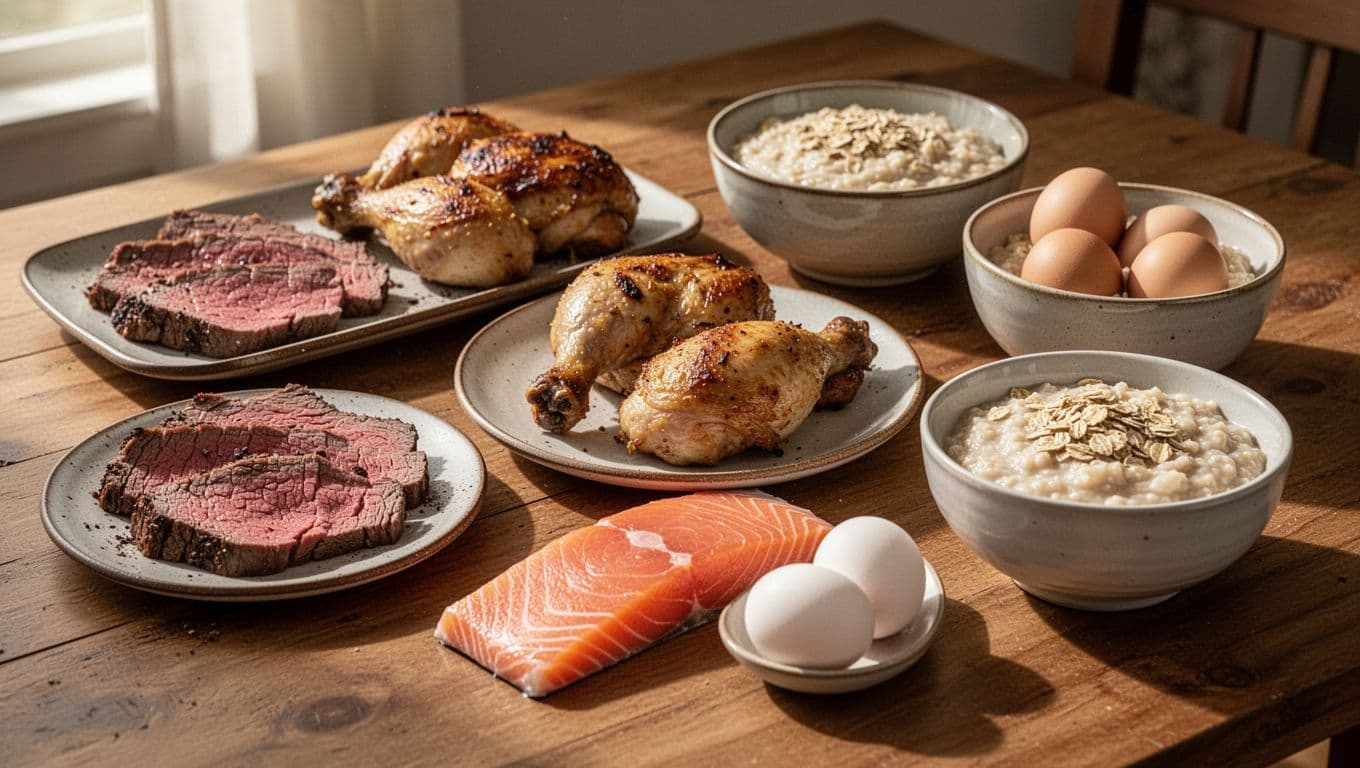
Beef stands out as one of the most reliable sources of iron for growing kids because it is packed with the heme form that the body uses readily. If your little one is sometimes hesitant to try meat, focus on serving it in textures that are easy to manage. Ground beef is a kitchen hero, fitting perfectly into homemade tacos, savory meatballs, or a classic pasta sauce. You can also mix it into shepherd’s pie or chili, where the flavor blends with other ingredients. By incorporating these familiar dishes, you make it simple for them to get the nutrition they need without any fuss.
Chicken and turkey
Poultry is a fantastic, versatile way to introduce more iron to your child’s meals. While many kids gravitate toward the mild flavor of white meat, dark meat—like chicken thighs or turkey drumsticks—contains more iron. You can roast them with simple seasonings or stir-fry smaller pieces with colorful vegetables. Because these options are familiar and mild, they are rarely met with resistance. Whether you serve it sliced for school lunches or shredded into a warm soup, poultry is a dependable staple for your weekly meal rotation.
Fish and seafood
Seafood brings a healthy dose of iron to the table while offering unique flavors and textures that kids often enjoy. Salmon is an excellent choice for children because its soft texture is gentle on smaller palates, and it is easy to flake apart. Tuna is another convenient option, particularly when it is mashed into a simple salad for a quick sandwich or wrap. When choosing seafood, focus on age-appropriate preparation, such as removing bones and flaking fish into bite-sized pieces. Serving these options alongside some nutritious snacks children will actually eat can make mealtime feel balanced and complete.
Eggs
Eggs are perhaps the most versatile and accessible source of iron in your pantry. They offer a gentle flavor that works well at any time of day, making them a go-to for breakfast or a fast dinner. You can serve them scrambled with a sprinkle of cheese, prepared as a soft omelet with finely chopped spinach, or even tucked into an egg sandwich. Because they are quick to cook and easy to chew, they are ideal for toddlers who are still mastering new textures. They are a reliable way to ensure your child starts or ends their day with a nutrient-rich boost.
Iron-fortified cereal and oatmeal
When mornings are busy, fortified cereals and oatmeal are a smart way to guarantee your child hits their daily iron targets. Many whole-grain cereals and oats are fortified during production, turning a standard breakfast into a powerful health habit. You can serve them with milk or blend them into tasty smoothie recipes for children to add a hidden nutritional punch. These options are often kid-approved, and because they are pantry staples, you will always have a reliable backup on hand when you need a fast, nourishing meal. Maintaining consistent sources like these helps build a foundation for long-term health.
The best plant-based iron foods for kids
Plant-based foods are powerful allies when you want to boost your child’s iron intake. While the iron found in plants is different from the type found in meat, it is still highly effective for supporting healthy development. By focusing on variety and pairing these ingredients with vitamin C, you can help your child absorb this essential mineral more efficiently. Whether you serve these items as snacks or mix them into family-favorite meals, these pantry staples offer a steady, natural way to keep energy levels high.
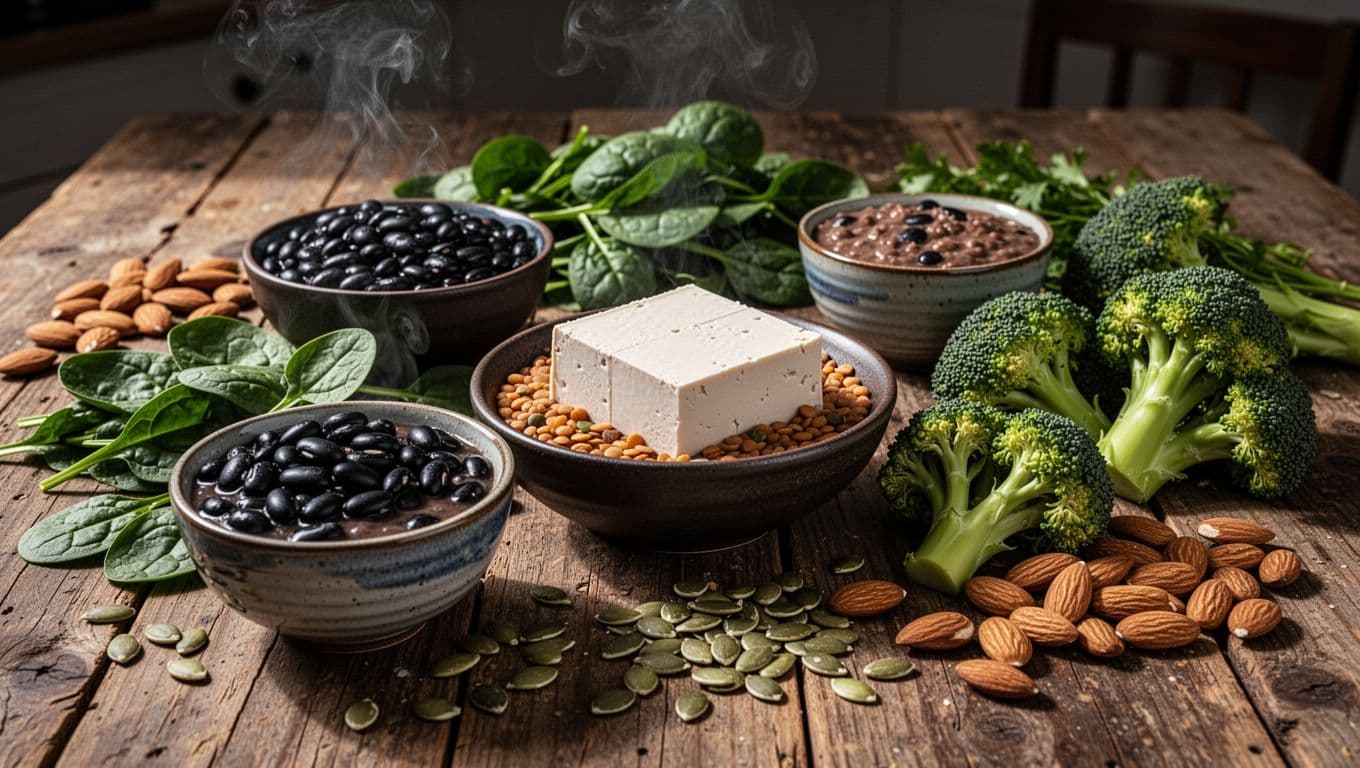
Beans, lentils, and chickpeas
Legumes are true kitchen workhorses because they are affordable, filling, and incredibly easy to adapt for any palate. Kidney beans, black beans, and lentils pack a significant iron punch into small packages. Because they hold their shape or mash down easily, they work well in almost any texture. You can blend them into smooth dips for raw veggies, simmer them in hearty stews, or even mash them into wraps for a protein-rich lunch. Their mild flavor absorbs spices beautifully, making them a natural fit for pasta sauces or taco night.
Tofu and soy foods
Tofu is a remarkably flexible option that adapts to the flavors you use in your kitchen. Because it absorbs seasonings so well, it works perfectly in everything from savory stir-fries to baked dishes. You can firm it up for crispy bites that are fun to eat with fingers or crumble it into soups for a hidden nutritional boost. Its neutral taste is rarely a deterrent for children, allowing you to incorporate it into meals without changing the texture or profile they already enjoy.
Spinach, kale, and broccoli
Dark leafy greens and cruciferous vegetables bring more than just iron to the table. They provide essential vitamins that keep the body functioning at its best. While some children might initially push back against greens on their own, you can hide them in plain sight by mixing them into smoothies, creamy pasta dishes, or egg-based meals. Finely chopped spinach disappears into sauces, while roasted broccoli florets turn sweet and crunchy, becoming a hit with even the pickiest eaters.
Pumpkin seeds and nuts
Seeds and nuts provide a quick, crunchy way to add iron to your child’s daily rotation. Pumpkin seeds are particularly high in iron and make for a great topping on oatmeal or yogurt. While these are excellent snack options, keep in mind that whole nuts and seeds pose a choking risk for very young children. Instead, offer them as smooth nut butters, ground meals mixed into batters, or finely chopped crumbles. These convenient additions ensure that your little ones get a nutrient-rich boost even when they are on the go.
For those curious about how to maintain high intake during other life stages, you can review some plant-based iron for expectant mothers to see how these staples provide consistent value across different ages. You can also explore vegetarian foods that are loaded with iron to expand your list of potential pantry additions.
How to help kids absorb more iron from food
Getting enough iron into your child’s diet is only half the battle. To really make those nutrients count, you need to think about how their body processes what they eat. Some foods act like a key to unlock iron, while others can accidentally lock the door. Understanding these simple pairings will help you maximize the value of every meal you prepare.
Best vitamin C pairings for iron foods
Think of vitamin C as a helpful friend that escorts iron into the bloodstream. When you serve a source of non-heme iron—found in plants like beans or grains—you should add a dash of vitamin C at the same time. This simple step can significantly improve how much iron your child’s body absorbs, as noted in guidance on iron and vitamin C.
You can easily mix these into your daily routine:
- Strawberries with cereal: Toss some fresh berries into their bowl of iron-fortified oatmeal.
- Orange slices with eggs: Serve fresh citrus wedges alongside scrambled eggs for a bright breakfast.
- Tomatoes with beans: Mix diced tomatoes into chili or bean-based pasta dishes.
- Bell peppers with chicken: Stir-fry colorful pepper strips with chicken to add flavor and a vitamin boost.
Small meal habits that can make a big difference
Building better habits is just as important as choosing the right ingredients. You don’t need to change everything at once, but small shifts in your serving style can ensure your child gets the most benefit from their food. Consistency is the secret ingredient here.
Try these simple adjustments to optimize their iron intake:
- Spread out the milk: Dairy products contain calcium, which can interfere with iron absorption when eaten at the same time. Try offering milk or cheese as a snack between meals rather than a drink during main, iron-heavy meals.
- Mix it up: Don’t rely on just one type of iron-rich food. Rotating between meat, beans, and fortified grains ensures they get a variety of nutrients throughout the week.
- Focus on frequency: Serve iron-rich options in smaller, more frequent portions rather than one large, overwhelming meal. This makes it easier for little stomachs to manage and keeps energy levels steady.
If you are just starting to plan for your little ones, these healthy recipes for babies containing iron provide a perfect foundation for these habits. Remember that perfection isn’t the goal. Simply being mindful of these combinations and prevention tips for parents will help you support your child’s growth every day.
Easy kid-friendly meal ideas using iron-rich foods
Turning iron-rich ingredients into meals your children actually want to eat is simpler than it seems. You do not need to overhaul your entire kitchen routine to provide a boost of this vital nutrient. Instead, focus on small, consistent additions to the dishes your family already enjoys. By combining high-iron staples with familiar textures and flavors, you make healthy eating feel natural rather than like a chore.
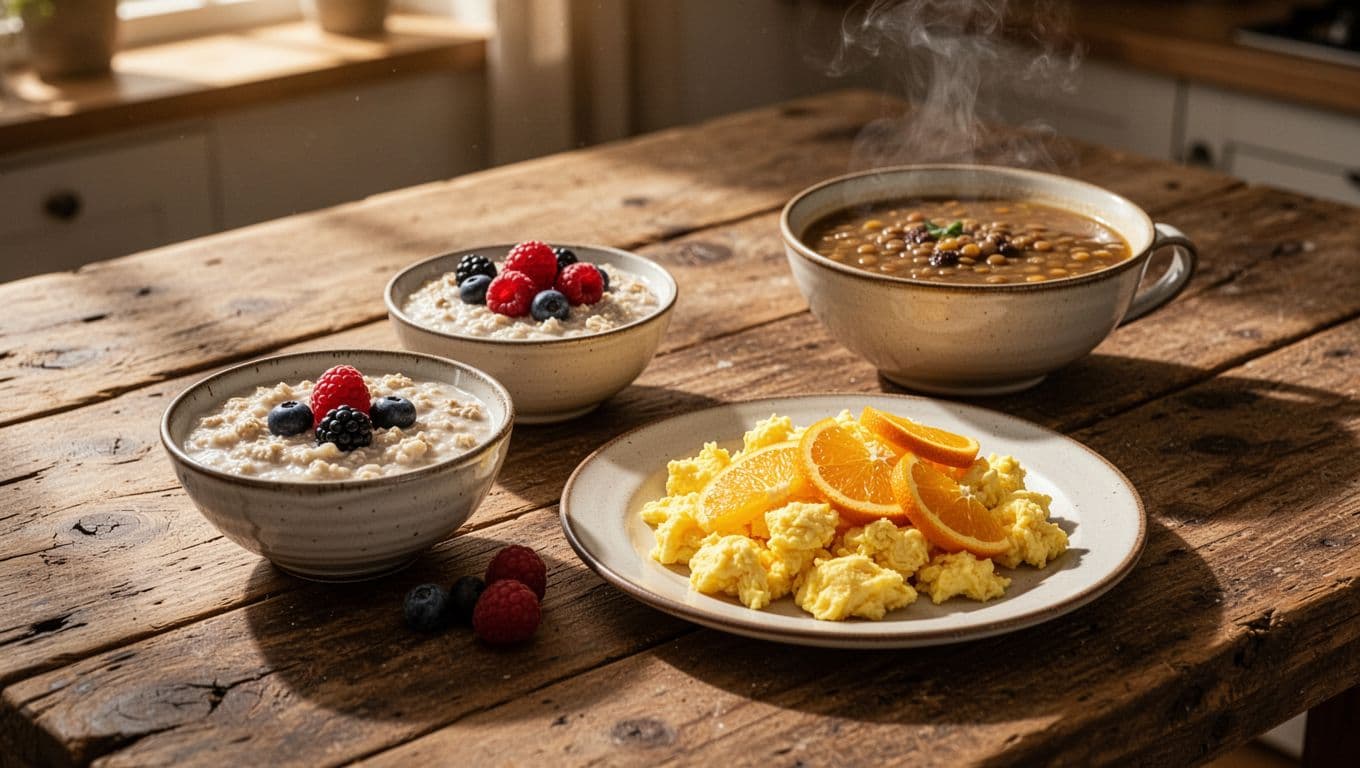
Breakfast ideas that start the day strong
Mornings are often a rush, but breakfast offers a perfect opportunity to front-load your child’s iron intake. Keep a box of iron-fortified cereal in the pantry for those chaotic days when you need a reliable, quick option. Serve it with a splash of milk and a handful of berries to introduce that essential vitamin C boost.
If you have a few extra minutes, consider these simple options:
- Oatmeal bowls: Stir a spoonful of seeds or chopped dried fruit into their favorite warm oatmeal.
- Egg favorites: Prepare scrambled eggs and serve them with fresh orange slices on the side.
- Nut butter toast: Spread a thin layer of seed butter or peanut butter on whole-grain toast and top it with banana slices.
These small adjustments help ensure their day begins with the fuel they need to focus and stay energized. For more inspiration on building these habits, you can view these iron-rich recipe ideas for simple ways to get started.
Lunch and dinner combinations kids may actually eat
The main meals of the day are where you can get creative with textures and hidden ingredients. Pasta is a fantastic vehicle for extra nutrients, especially when you stir finely chopped spinach or lentils into a hearty tomato-based meat sauce. Ground beef or turkey blends perfectly into these sauces, creating a familiar flavor profile that kids rarely turn away.
Try these classic combinations to keep your menu varied:
- Beef and bean chili: The combination of ground beef and kidney beans provides a double dose of iron.
- Lentil soup: Serve a bowl with a side of crusty bread for a warm, comforting meal.
- Chicken and veggie stir-fry: Use dark meat chicken pieces sautéed with broccoli, which is high in vitamin C to help with absorption.
Simple swaps like these take the pressure off meal planning while keeping nutrition at the forefront. When you need to keep things budget-friendly or are looking for new textures, you can check these community-shared ideas for iron-rich meals to expand your repertoire.
Snacks that quietly add more iron
Snack time is an underrated window for sneaking in extra iron, especially if your child is a picky eater who skips out on larger meals. Focus on finger foods that are easy for small hands to grab and eat. Hummus is a fantastic base because it is rich in iron and pairs beautifully with soft, mild veggies like cucumber slices or red bell peppers.
Keep your pantry stocked with these quick fixes:
- Yogurt parfaits: Top plain yogurt with iron-fortified cereal or a sprinkle of pumpkin seeds.
- Seed butter dips: Use sunflower or pumpkin seed butter as a dip for apple or pear slices.
- Bean bites: Mashed black beans served on a small cracker or tortilla wedge are a hit with many toddlers.
These bites are not just convenient; they help bridge the gap between meals and maintain steady energy levels throughout the afternoon. By keeping these options readily available, you create a home environment where reaching for a nourishing snack becomes a habit rather than a struggle.
Conclusion
A healthy plate thrives on balance, so focus on mixing animal and plant sources to provide your child with a steady flow of iron. You don’t need to change every habit overnight. Small, consistent shifts often matter more than immediate perfection.
Even if your child is currently a picky eater, you can build better iron habits with patience. Use simple meals and smart pairings to keep their energy high and their development on track. Every colorful, iron-packed bite is a step toward supporting their long-term health and vitality.
save pin for later

- Helicopter Parenting: 10 Signs You’re Doing It and How It Affects Your Kid - September 22, 2026
- 10 Things You Shouldn’t Do in Front of Your Baby (and What to Do Instead) - September 22, 2026
- 15 Effective Ways to Deal With Stubborn Children (Without Yelling) - September 22, 2026