
 Vivien Robert
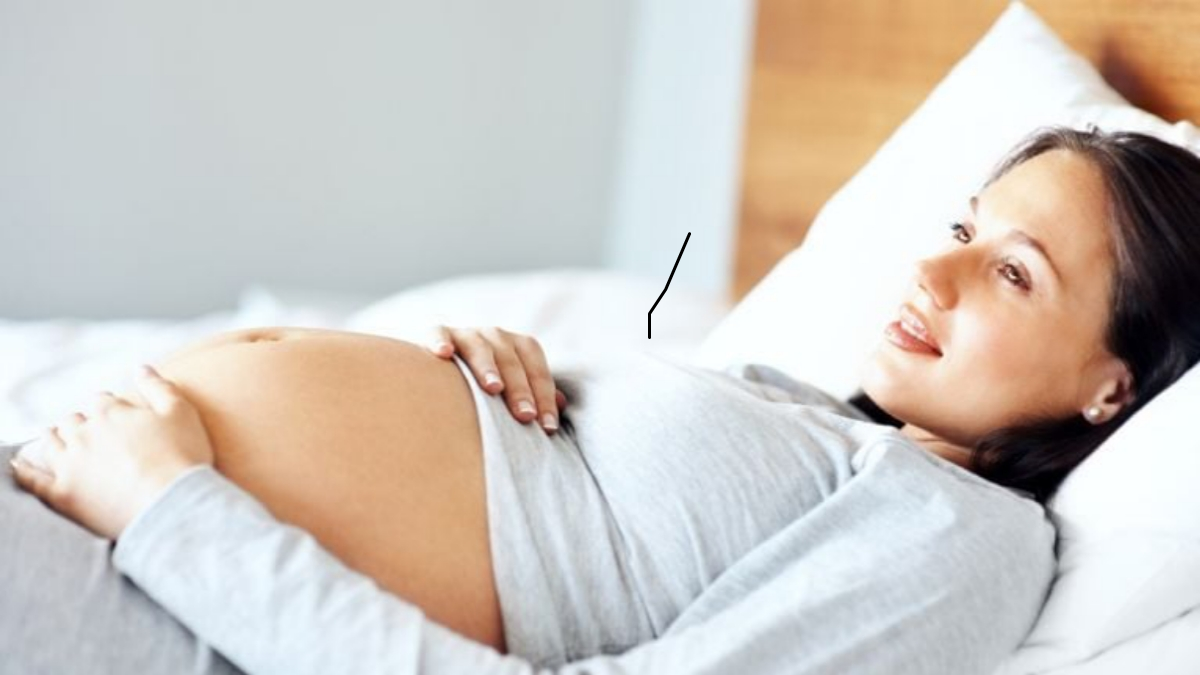
Sleeping on your stomach during pregnancy is usually fine in the first trimester, but it often stops feeling comfortable as your belly grows. If you’re mainly wondering whether it’s safe and how to sleep better tonight, you’re in the right place.
A sore back, tight hips, or the fear of waking up in the wrong position can make bedtime feel longer than it should. The good news is that a few small changes can help you rest more easily, especially when you start shifting toward side sleeping and better support. For more ideas on comfort, see tips for sleeping comfortably while pregnant and safe pregnancy sleep positions for second trimester.
What happens when stomach sleeping starts to feel wrong
At first, stomach sleeping can feel normal enough. Then, almost without warning, it starts to feel like your body has changed the rules overnight. The position that once felt cozy can turn tight, awkward, or tiring, especially as pregnancy moves into the second trimester.
That shift usually has more to do with comfort than danger. Early on, your body has more room, so the position may still feel fine. Later, pressure builds, and sleep can feel lighter and less restful. For many people, the first sign is simply that their body says, “not like this anymore.”

Why early pregnancy often still feels fine
In early pregnancy, the uterus is still small and tucked low in the pelvis. Because of that, many people can lie on their stomach without feeling pressure or pain.
That is why the first trimester often feels unchanged at bedtime. You may even wonder whether anything needs to change yet. If the position still feels comfortable, it usually does.
For a lot of people, the body gives no warning at this stage. The bed still feels familiar, and sleep may stay steady for a while. If you want more background on position changes, see sleep positions during pregnancy.
Why a growing belly changes the picture
As pregnancy moves forward, the belly grows, the breasts can feel fuller, and the hips may loosen and ache more. Suddenly, stomach sleeping can feel crowded, like trying to curl up in a chair that got a little too small.
The pressure may show up as soreness, stiffness, or a sense that you cannot settle. Sometimes it feels annoying before it feels serious. That is often the body asking for a better position, not signaling a medical problem.
If stomach sleeping starts to feel tight or uncomfortable, that change matters more than the habit itself.
When to pay attention to pain or pressure
A sleeping position is no longer helping when you wake up with pain that keeps returning. Back pain, shoulder strain, heartburn, and trouble breathing comfortably are all signs to notice.
You may also feel more pressure in your ribs, hips, or lower back. When that happens, your body is usually asking for a shift, not a struggle. A side-sleeping setup can ease that strain and help you rest better.
If your discomfort grows through the night, you may need more support or a new position altogether. For practical comfort ideas, relieving back pain while pregnant can also help as sleep gets more complicated.
15 small changes that can make sleep easier tonight
A better night often starts with small adjustments, not big overhauls. When your body feels heavy, sore, or restless, tiny support changes can make side sleeping feel softer and less forced.
Use the tips below as a bedside toolkit. Pick one or two tonight, then add more if you need them.
Use a pillow between your knees
A pillow between your knees helps keep your hips from twisting forward. That extra support can reduce pressure on your lower back and make your spine feel more in line.
It also keeps your top leg from pulling your body out of place. When your hips stay stacked, side sleeping feels steadier and less strained. If you wake up with hip soreness, this is one of the easiest fixes to try.
Tuck a pillow under your belly
A small pillow under your belly can take some of the pull off the front of your body. That matters when your bump starts feeling heavy or uneven at night.
This support can make side sleeping feel more natural, almost like your body has a shelf to rest on. It also helps reduce that stretched feeling across the lower stomach and hips. A regular pillow often works fine if a pregnancy pillow is not nearby.
Place a pillow behind your back
A pillow behind your back gives you a little built-in stop, so you do not roll onto your stomach as easily. It can also help you stay in one steady position through the night.
That extra support is useful if you keep waking up half-turned or twisted. With a pillow behind you, your body gets a firmer boundary and less wobble.
A steady setup often matters more than a perfect setup.
Try a pregnancy pillow or wedge pillow
When a few normal pillows still leave gaps, a pregnancy pillow can fill them in one shot. Many of these pillows support the belly, back, and hips at the same time.
A wedge pillow can work well too, especially if you need support in one spot. Some people place it under the belly, behind the back, or under the upper body for heartburn. For a closer look at comfort gear, essential pregnancy products for better sleep can help you compare options.
Start the night on your side
Beginning the night on your side gives your body time to settle into the position before deep sleep starts. If you wait until you’re already half-asleep to adjust, it often feels harder and more awkward.
Try getting into your side-sleep setup from the start, with pillows already in place. Your body tends to accept what it meets first. That small head start can make the whole night smoother.
Use a mattress topper if your bed feels too hard
A bed that feels too firm can make side sleeping rough on your hips and shoulders. A mattress topper adds a little cushion, which can take the edge off pressure points.
You do not need a thick, soft cloud. Even a modest layer can help your body sink in just enough to relax. If your mattress feels like a hard floor by midnight, this change may be enough to help.
Keep the bedroom cool, dark, and quiet
A calm room helps your body settle instead of staying on alert. Lower temperatures, soft darkness, and less noise all make it easier to drift off and stay asleep.
Small changes work here. Try a fan, blackout curtains, or a white-noise machine if the room feels busy. A quiet space gives your body fewer reasons to keep shifting around.
Build a bedtime routine that signals rest
Your brain responds to patterns. A warm shower, a few pages of a book, gentle stretching, or slow breathing can tell your body that sleep is close.
Keep it simple and repeat it each night. The routine does not need to be long to work. A few calming habits, done the same way, can make bedtime feel less abrupt.
Avoid heavy meals before bed
A large late meal can bring on heartburn, bloating, and a full, uncomfortable stomach. Those feelings get worse when you lie down, especially if your upper body is flat.
Try to finish heavier meals earlier in the evening when you can. If you need a small snack, keep it light and easy to digest. Less pressure in your belly often means fewer interruptions later.
Sip less in the evening
Drinking too much right before bed can send you to the bathroom all night. Still, cutting back only close to bedtime is enough for many people.
Aim to drink more earlier in the day, then slow down in the last hour or two before sleep. That helps reduce wake-ups without leaving you dry or uncomfortable. A few smart sips beat a full glass at midnight.
Limit caffeine later in the day
Coffee, tea, soda, and chocolate can keep your body wired longer than you expect. Even if you feel tired, caffeine can make sleep come later and feel lighter.
Try to stop earlier in the afternoon if you can. That gives your system more time to settle before bed. If you need something warm at night, choose a caffeine-free option instead.
Do light movement during the day
A short walk or gentle prenatal movement can help your body feel less stiff at night. Movement during the day often leads to less tossing after dark.
Keep it light and approved by your doctor. You do not need a workout to feel the benefit. Even a little movement can help your hips and back loosen up before bedtime.
Try a warm bath or shower before bed
Warm water can loosen tight muscles and ease the mental rush of the day. It also creates a clear shift from busy time to rest time.
A shower works well if a bath feels like too much effort. Afterward, your body often feels softer and more ready for bed. That calm, washed-clean feeling can help sleep come faster.
Keep screens out of bed
Phones and tablets can keep your brain alert when you want it to slow down. Bright light and endless scrolling make it harder to feel sleepy, even if your body is tired.
Try charging your phone across the room and leaving the bed for sleep only. If you need a bedtime distraction, choose something quieter, like a book or soft music. Your mind will usually settle faster without the glow.
Use extra support for heartburn and soreness
If heartburn keeps waking you up, prop your upper body slightly with pillows or a wedge. A small incline can make a big difference when reflux flares at night.
You can also adjust pillow height to keep your neck and upper back comfortable. If one position makes symptoms worse, shift it until the pressure eases. For more sleep-position help, sleep position in pregnancy Q&A offers a clear overview of side-sleeping support.
Comfort usually comes from small layers, not one perfect fix.
Start with the one change that feels easiest tonight, then add another tomorrow if you need it. A pillow, a cooler room, or a calmer bedtime can be enough to turn a restless night into a more manageable one.
How to stop stomach sleeping without losing sleep
If stomach sleeping has been your default for years, the switch can feel annoying at first. Your body remembers the old habit, so a sudden change may leave you tense, half-awake, or reaching for the old position in the middle of the night.
The easiest path is a gentle one. You want to train your body to trust side sleeping, one night at a time, instead of forcing a perfect position before you’re ready. That kind of change sticks better, and it usually costs less sleep.
Change positions before you are fully asleep
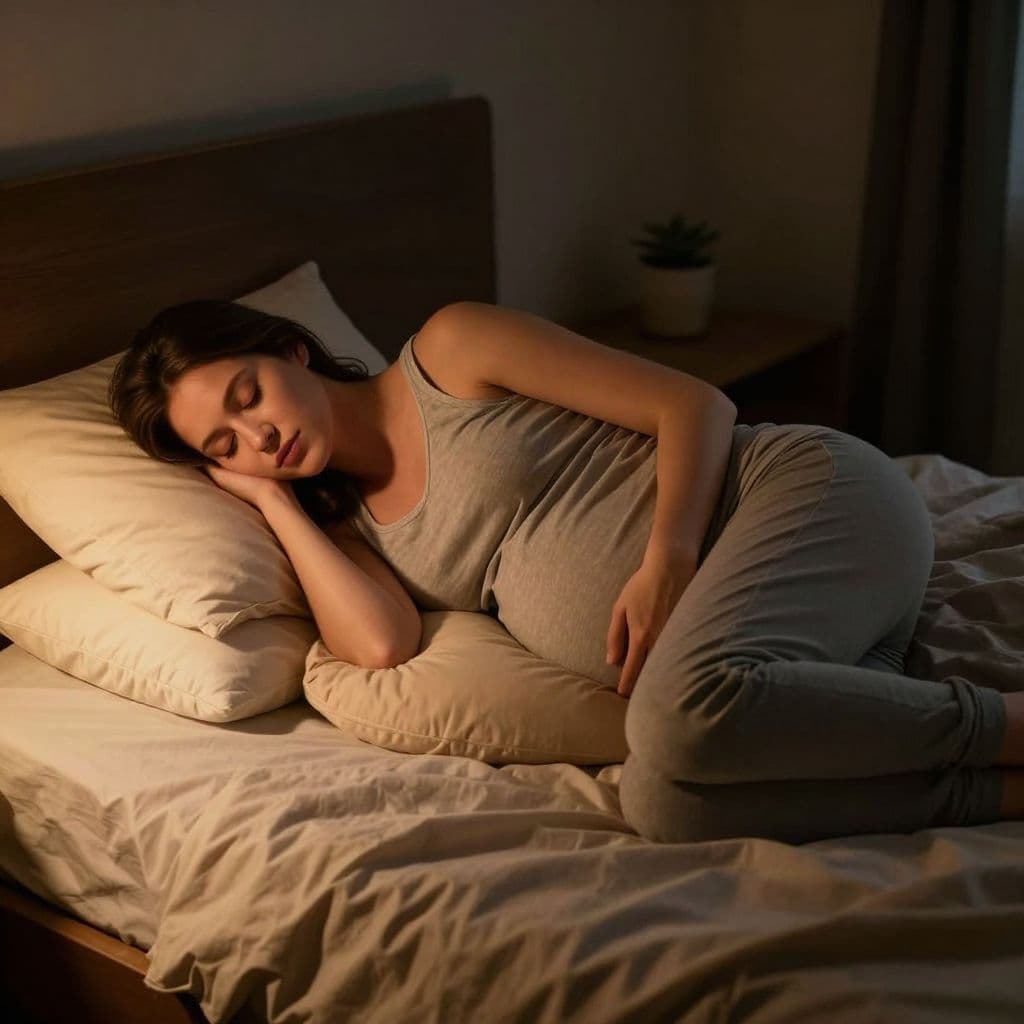
The best time to switch is before you drift off. Turn onto your side while you’re still awake, then settle in with your pillows and breathing.
That simple move gives your body a chance to accept the new position as part of bedtime, not as a jolt in the dark. If you wait until you’re deeply asleep, you’re more likely to tense up, fidget, or roll right back over without meaning to.
A steady routine helps here. Start on your side, relax your shoulders, and stay there long enough for the position to feel familiar. Over time, your body begins to expect that shape as the one that leads to sleep.
A new sleep position feels strange before it feels normal.
Use pillows to block rolling
Pillows can act like a soft guard rail. Place one behind your back so rolling onto your stomach feels harder, and tuck another under your belly if that extra support makes side sleeping feel safer.
You do not need a perfect pillow setup. You just need enough support to slow the old habit down. A pillow behind your back can catch you before you fully turn, while one under your belly can ease the pull that makes you want to flatten out.
If you keep waking up twisted, adjust the pillow placement instead of giving up on the position. Small changes matter here. For example, a firmer pillow behind you may work better than a soft one that slides away during the night.
Give your body a few nights to adjust
The first few nights can feel awkward. That does not mean side sleeping is wrong for you, only that your body is learning a new pattern.
After a few nights, the position often starts to feel more natural. After a few weeks, many people notice less effort, less rolling, and less tension at bedtime. Tommy’s guidance on sleep position during pregnancy also supports side sleeping as pregnancy progresses, which can make the change feel more reassuring.
Try to treat each night as practice, not a test. If you wake up on your stomach, just roll back to your side and keep going. The goal is gradual comfort, not a perfect sleep score.
When bad sleep needs a doctor’s advice
Trouble sleeping is common in pregnancy, and many nights are just plain uncomfortable. Still, some sleep problems deserve a doctor or midwife’s attention, especially when they start to affect your breathing, your pain level, or your daily energy.
If sleep feels off but you are not sure why, that’s a good reason to ask questions. A quick check-in can help you sort out whether the issue is just a pregnancy phase or a sign you need more support.
Red flags that should not be ignored
Some symptoms should not be brushed off as “normal pregnancy sleep trouble.” Loud snoring, gasping, or pauses in breathing can point to sleep apnea. Shortness of breath, dizziness, or chest pain also need prompt medical advice.
Pay close attention if you have:
- Severe heartburn or reflux that keeps waking you up
- Pain that keeps getting worse, especially in your back, hips, or ribs
- Very loud snoring or breathing pauses during sleep
- Extreme daytime sleepiness that makes normal tasks hard
- Unusual sleep problems that feel sudden, severe, or new
Persistent sleep loss can wear you down, too. If you are dragging through the day, snapping at small things, or feeling unable to function, bring it up. Sleep problems can grow into bigger problems if they keep piling up. The Cleveland Clinic guide to pregnancy insomnia is a helpful starting point, but your own provider can tell you what fits your situation.
Questions to bring to your next prenatal visit
A prenatal visit is a good time to talk plainly about sleep. You do not need a long list, just a few clear questions that get to the point.
You might ask:
- Which sleep positions are best for my stage of pregnancy?
- Could a pillow or wedge help with my back, belly, or reflux?
- Is this pain, snoring, or breathing trouble linked to how I sleep?
- Should I worry about my sleep loss if it is affecting my mood or energy?
- What can I try at home before my next visit?
If you are unsure whether stomach sleeping is still comfortable or safe for you, ask directly. A doctor or midwife can help you choose the right position for where you are in pregnancy, and that advice can make bedtime feel less uncertain. For broader support, your healthy pregnancy checklist can also help you keep track of the habits that matter most.
Conclusion
Sleeping on your stomach is usually fine early in pregnancy if it still feels comfortable. As your belly grows, side sleeping becomes the better choice, and your body often tells you when the old habit no longer works.
The best sleep fixes are often small ones, like a pillow between your knees, a little back support, or a cooler room. Those simple changes can take the edge off soreness and help you settle faster.
The goal is not perfect sleep. It is better, safer rest, one night at a time.
Save pin for later


- 15 Signs Of Trauma Bonding With Abusive Parents - June 12, 2026
- When Is It Safe To Start Working Out After Having A C-Section - June 12, 2026
- 25 Baby Shower Baker Ideas - June 12, 2026