
Kids don’t need a gym to build healthy habits, and yoga can feel more like a game than a chore. With the right kid-friendly yoga poses, your child can stretch, move, laugh, and burn off energy without needing much space or fancy gear.
This list of 75 poses brings together strength, balance, flexibility, focus, and calm in a way that works at home, in class, or during a rainy-day energy reset. It’s also low-cost, simple, and easy to adapt for different ages and ability levels, which makes it a smart fit for busy families who want movement with purpose, much like these emotional intelligence activities for parents and kids.
Now, let’s get into the poses that can help kids move their bodies and settle their minds.
Why yoga is such a good fit for kids
Yoga works well for children because it feels active, but never harsh. A child can stretch, balance, breathe, and laugh all in one session, which makes it easier to stick with than many structured workouts.
It also meets kids where they are. Some days they need to burn energy, and other days they need a calmer pace. Yoga gives both.
How yoga helps growing bodies stay strong and flexible
Kids build strength through poses that ask them to hold up their own body weight. Planks, downward dog, warrior poses, and balance shapes all wake up the arms, legs, core, and back. Over time, that kind of practice helps with posture, coordination, and body control.
Flexibility matters too. Gentle stretching can ease tight hips, hamstrings, shoulders, and backs, which is helpful for children who sit through school, homework, car rides, or screen time. Even a few simple poses can help their bodies feel less stiff and more free.
Yoga also teaches kids how to move with care. They notice where their feet go, how their arms reach, and how to shift without toppling over. That body awareness carries into sports, play, and everyday movement.
For a simple picture of how yoga supports both movement and calm, Harvard Health’s overview of yoga for school-age children explains the physical benefits clearly.
How yoga supports focus, mood, and calm behavior
Yoga gives children a pause button they can actually use. Slow breathing and steady movement help lower tension, so a restless child can settle down without a fight. That small pause can make a big difference after school, before bed, or during a rough morning.
It also supports focus and memory. When kids listen to directions, hold a pose, and match breath with movement, they practice paying attention one step at a time. That builds the same kind of mental follow-through they need for reading, classwork, and routines.
Yoga helps children practice self-regulation in a simple, repeatable way. A few calm breaths and a balanced pose can turn scattered energy into steadier behavior.
Just as important, yoga can build confidence. When a child manages a pose that once felt tricky, they feel capable. That feeling often carries into their mood, their choices, and how they handle frustration.
Yoga fits easily into weekly family life, and it pairs well with other calm-building habits like mindful parenting exercises for toddlers or anger management activities for children. Together, these tools help children move through big feelings with more control and less stress.
How to make yoga fun, safe, and easy for children
The best kids’ yoga feels like play, not a lesson. Keep the mood light, the space simple, and the expectations small, and children are much more likely to stay interested.
A little structure helps, but not too much. When yoga looks like a story, an animal game, or a tiny adventure, kids join in with less resistance and more joy.
Set up a kid-friendly yoga space without stress
A calm space makes a big difference, but it doesn’t need to look fancy. A quiet corner with a mat, carpet, or soft floor is enough, as long as there is room to stretch arms and legs without bumping into furniture.
Keep the setup affordable and easy to move. A towel, blanket, or folded rug can work well, and soft props like pillows or stuffed animals can help children feel more secure in balance poses or resting shapes.
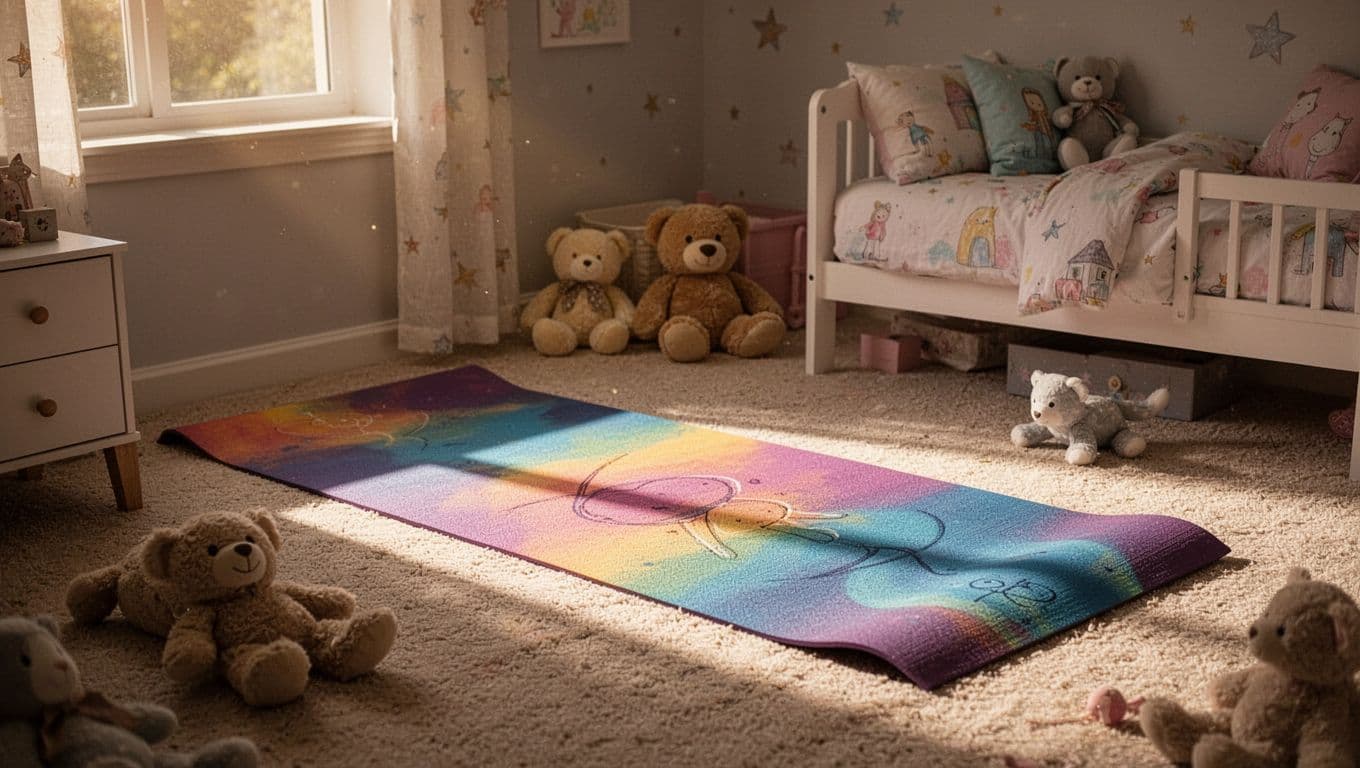
A few simple pieces are enough to get started:
- A clear floor space so movement stays safe and easy.
- A mat or soft surface to cushion hands, knees, and elbows.
- A pillow or stuffed animal to make poses feel less formal.
- A water bottle nearby for quick breaks.
If a child can move without fear of slipping, tripping, or feeling crowded, the practice already feels easier.
Use games, stories, and animal themes to keep attention
Kids stay engaged when their imagination gets involved. A pose becomes more interesting when it has a name, a sound effect, or a little story attached to it.
Animal shapes work especially well because they give children a clear picture to copy. Cat pose, cobra pose, frog pose, and butterfly pose all feel more fun when you ask a child to move like the creature, not just hold still.
Story themes also keep the energy going. You can turn a short routine into a jungle walk, a rocket trip, a day at the beach, or a superhero training session. For more playful teaching ideas, Yoga International’s guide to teaching children offers a helpful starting point.
Try simple prompts like these:
- “Move like a slow turtle.”
- “Reach like a tall giraffe.”
- “Balance like a tree in the wind.”
- “Fly like a superhero in the sky.”
When you speak their language, yoga feels less like instruction and more like playtime. That shift matters, because children learn best when they are smiling and moving at the same time.
Keep sessions short and age-appropriate
Short sessions work best, especially at the start. Younger children often do well with just a few minutes and a handful of poses, while older kids can handle a longer routine if the pace stays lively.
For small children, think in quick bursts. Three to five minutes can be enough when the goal is to move, laugh, and settle down. Older children may enjoy ten to fifteen minutes, especially if the routine includes a clear theme and a few favorite poses.
Consistency matters more than getting every pose perfect. A short practice done often works better than a long practice that feels like a chore. Even one or two familiar poses after school can become a comforting rhythm.
Keep the focus on what the child can do today. If they wobble, giggle, or change the pose halfway through, that still counts as progress. Yoga grows best when it feels welcoming, safe, and easy to return to.
The first 25 yoga poses for kids, starting with the easiest
The first 25 kid-friendly yoga poses work best when they feel simple, playful, and easy to repeat. Start with shapes that help children stand tall, sit still, and copy a clear cue, then move into poses that ask for a little more balance and stretch.
That order matters. Kids feel more confident when the early poses give them quick wins, and confidence keeps them moving. A pose that looks small on paper can still do a lot for posture, leg strength, focus, and body awareness.
Simple standing poses that wake up the whole body
Standing poses are a smart place to begin because they help kids find their feet and wake up their muscles. They also teach posture in a way that feels natural, like a body getting ready for the day.
- Mountain Pose helps kids stand tall and notice their posture. Tell them to place their feet flat, lengthen their arms, and reach the top of their head toward the sky.
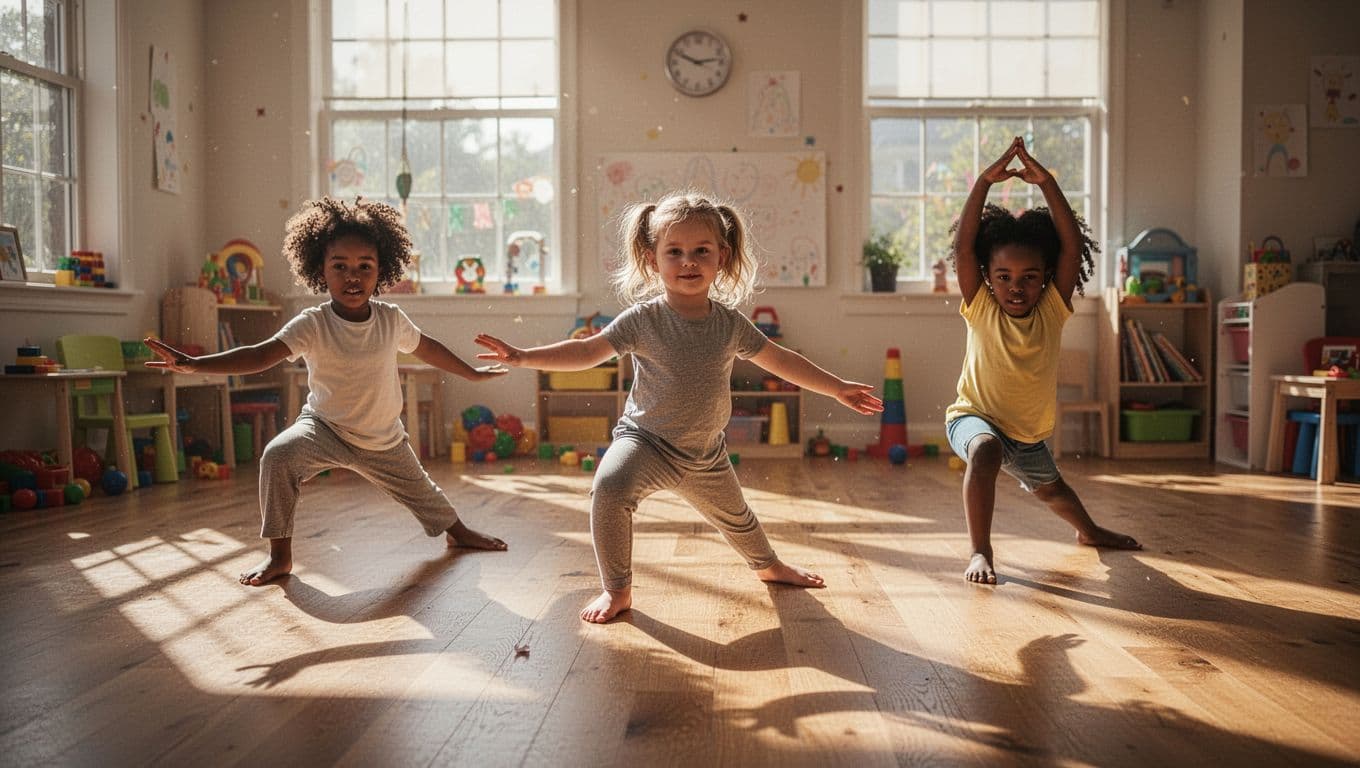
- Star Pose opens the chest and arms while giving the body space. Ask them to spread their hands and feet wide like they are making a bright shape.
- Tree Pose builds balance and leg strength. Have them stand on one foot and rest the other foot on the ankle, calf, or thigh.
- Warrior I strengthens the legs and helps kids feel steady. One foot steps back, the front knee bends, and both arms reach overhead.
- Warrior II adds focus and side-to-side strength. Kids turn their arms out like strong wings and look over the front hand.
- Airplane Pose works on balance and body control. Children lean forward a little, stretch their arms out, and lift one leg behind them.
- Balancing Table Pose gives a gentle core challenge. Ask them to reach one arm forward and the opposite leg back, like a straight tabletop.
A child does not need perfect balance to get the benefit. Wobbling still builds strength and awareness.
These poses are easy to stack into a short flow, and they pair well with simple balance games. For more ideas on how balance poses support kids, Cleveland Clinic’s kids yoga guide explains the basics in a clear way.
Gentle floor poses that build stretch and body control
Floor poses help kids slow down after standing work. They also give the back, hips, and legs a chance to open without pressure.
- Seated Forward Fold stretches the back and hamstrings. Kids sit with legs straight and reach toward their toes without forcing it.
- Butterfly Pose opens the hips and inner thighs. Let them bring the soles of the feet together and flap the knees like wings.
- Child’s Pose gives rest and comfort. Ask them to kneel, sit back on the heels, and stretch their arms forward.
- Cobbler Pose is a soft seated shape that supports hip ease. It looks like butterfly pose, but the focus stays on sitting tall and breathing slowly.
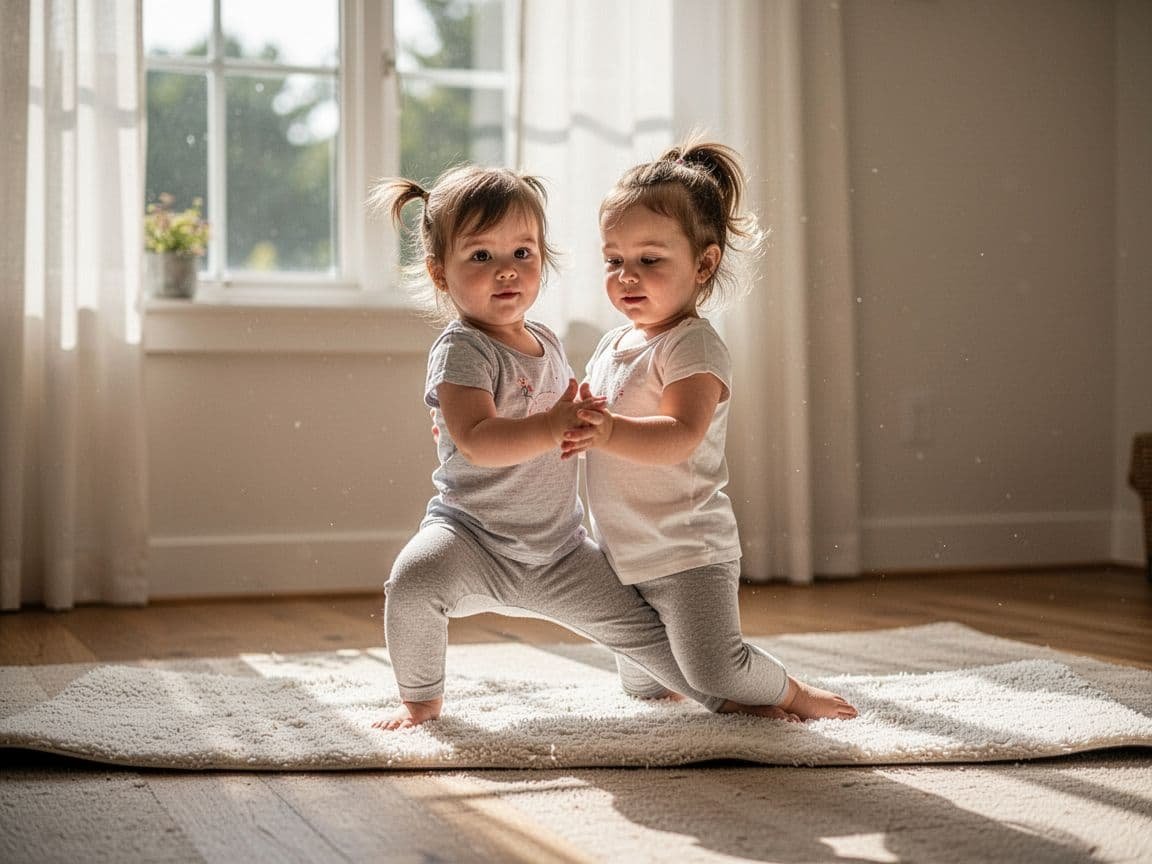
- Crescent Lunge with Knee Down helps kids stretch the hips while staying steady. One knee stays on the floor, and the chest lifts gently.
- Kneeling Side Stretch wakes up the ribs and waist. Have them kneel tall, reach one arm up, and lean a little to the side.
- Easy Seat teaches calm sitting and posture. Kids cross their legs, rest their hands on their knees, and sit up straight.
These poses work well when a child needs to settle after active movement. They also give beginners a safe way to practice control without feeling rushed.
Easy animal-inspired poses kids can copy right away
Animal names make yoga stick. Kids remember a pose faster when it sounds like something they already know, and the movement feels like a game instead of a lesson.
- Cat Pose rounds the back and helps loosen the spine. Tell kids to tuck their chin and make their back soft and curved.
- Cow Pose opens the chest and belly. Have them lift their head and tailbone while their belly drops down.
- Cat-Cow Flow adds smooth motion and keeps the spine happy. Kids move between the two shapes with slow breaths.
- Cobra Pose builds gentle back strength. Ask them to lie on their belly and press the chest up a little.
- Butterfly Pose can also fit here because kids often picture fluttering wings. That image helps them stay engaged while stretching.
- Frog Pose opens the hips and feels playful. Let them crouch low with knees apart and hands on the floor.
- Baby Snake Pose gives a softer version of cobra. Kids lift the chest just a little, like a curious little snake.
These animal shapes are easy to repeat, and they keep kids smiling while they move. Once a child knows the name, the pose often clicks faster, which makes the whole practice smoother.
The next 25 poses for kids who are ready for a little more challenge
Once kids know the basics, they often want poses that feel a little steadier, taller, and more adventurous. This next set keeps the fun alive while asking for more balance, control, and body awareness.
These poses still stay kid-safe when you keep the shapes simple. A wall, a parent hand, or a soft floor can make a big difference, especially when a child is trying something new for the first time.
Balance poses that build focus and steady feet
Balance poses ask kids to slow down and pay attention. That extra focus helps their bodies and their minds settle into the pose.
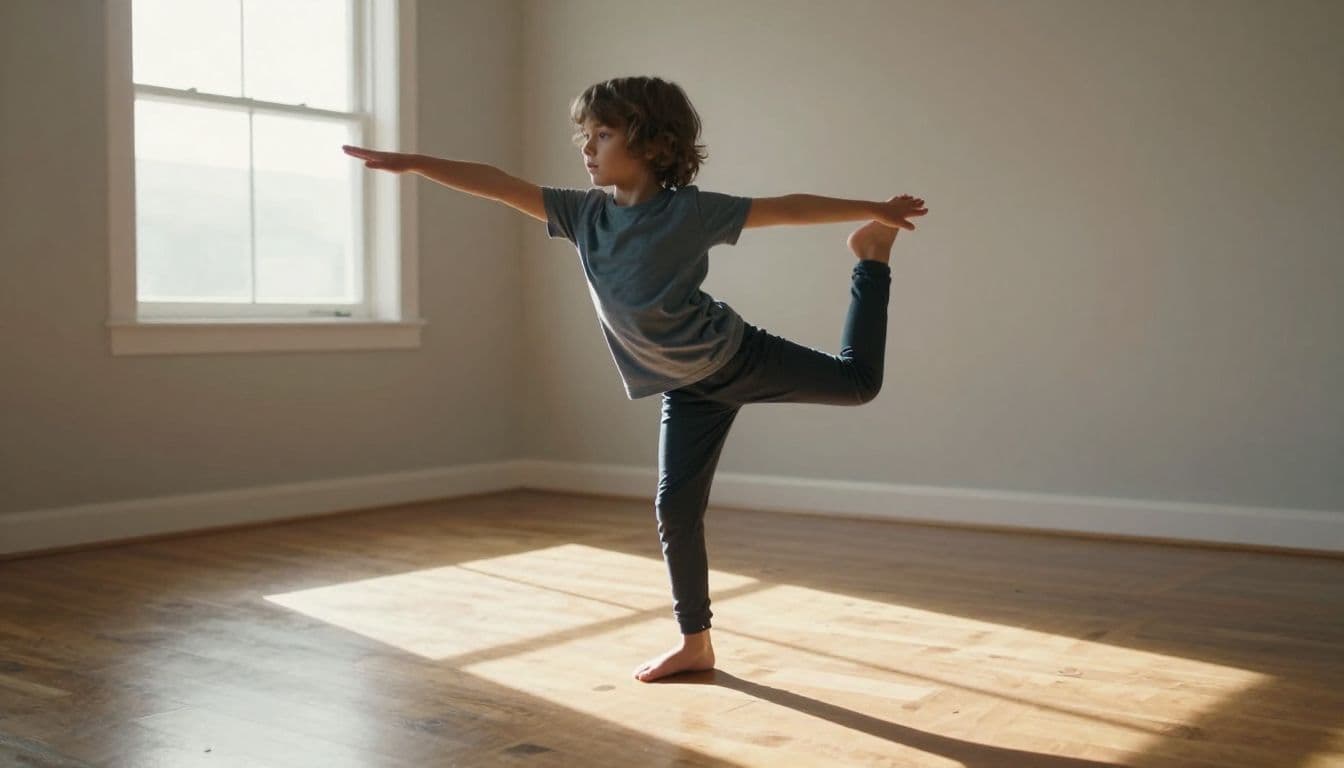
Start with one foot on the floor and one point of focus in front of them. If a child wobbles, that is part of the work. A playful learning approach to movement can make these poses feel less like practice and more like a game.
- Eagle Pose wraps the arms and legs in a tight, strong shape. It helps kids find stillness and improves concentration.
- Dancer Pose adds a graceful stretch while the child balances on one foot. A wall works well here if they need extra support.
- Half Moon Pose asks kids to open one leg and one arm while standing on the other leg. It builds strength in the ankles, hips, and core.
- Standing Hand-to-Big-Toe Pose gives a bigger challenge, but kids can keep the lifted leg low. The goal is control, not height.
- Flamingo Pose is a soft balance option where one knee lifts and the body stays tall. It feels light, but it still wakes up the standing leg.
- Tree Pose with arms overhead adds more challenge to a familiar pose. Keep the foot low if balance feels shaky.
If the pose looks wobbly, that does not mean it is wrong. It usually means the body is learning.
For children who want more balance practice, Cleveland Clinic’s kids yoga guide has a clear look at how yoga supports coordination and focus.
Backbends and heart-opening poses for energy and confidence
Backbends can make kids feel bright and strong. They open the chest, wake up the spine, and give the body a lifted feeling, like a window opening on a sunny morning.
Keep these shapes gentle and age-friendly. The aim is a proud chest and an easy breath, not a deep bend.
- Bridge Pose lifts the hips and opens the front body. Kids lie on their backs, bend their knees, and press their feet into the floor.
- Supported Bridge uses a block, pillow, or folded blanket under the hips. This version is calm and steady, which makes it a good choice for beginners.
- Camel Pose gives a bigger chest opener for older kids who are ready. Keep the hands on the lower back or heels only if it feels comfortable.
- Seal Pose lengthens the spine and opens the front of the body. It works well as a gentle stretch for kids who like floor poses.
- Bow Pose is a strong backbend that feels like a little rocking boat. Kids can keep it small by lifting the chest and legs only a little.
- Sphinx Pose is a mellow back opener that helps children build confidence before trying deeper shapes.
These poses often bring a smile, because they feel bold without being harsh. They can also help kids stand a little taller after practice, which is why they fit so well in a confidence-building flow.
Twists and side stretches that keep the body loose
Twists and side bends help the body move in more directions. They loosen the spine, ribs, and waist while giving kids a chance to breathe slowly and reset.
The key is to keep the movement smooth. A twist should feel like a gentle wring-out of a towel, not a squeeze. If a child can breathe easily, they are on the right track.
- Seated Twist is simple and easy to control. Kids sit tall, place one hand behind them, and turn their chest gently.
- Supine Twist happens on the floor, which makes it feel restful. Children lie on their backs, drop their knees to one side, and look the other way.
- Revolved Chair Pose adds a stronger twist for kids who want more of a challenge. The feet stay grounded while the torso turns.
- Side Angle Stretch reaches through the side body and legs at the same time. It helps kids feel long and open.
- Star Side Bend is a playful standing stretch. One arm reaches up and over while the feet stay wide and steady.
- Gate Pose opens one side of the body at a time. It also gives kids a nice break from forward-facing poses.
- Reclined Knee-to-Chest Twist is a soft end-of-practice shape. It keeps the spine happy and helps kids slow down before moving on.
Slow breathing makes these poses work better. A child who moves with ease and length gets more out of the stretch than a child who pushes hard. If the twist feels tight, back off a little and let the body open on its own.
A few easy ways to turn kid yoga into a daily habit
Kid yoga sticks best when it feels woven into normal life. A short routine after breakfast, after school, or before bed can become as familiar as brushing teeth.
The trick is to keep it small and repeat it often. Even 5 to 10 minutes can work when you pair yoga with a regular part of the day.
Use yoga for morning energy, after-school calm, or bedtime rest
Different times of day call for different kinds of movement. In the morning, a few standing poses can help kids wake up their bodies and focus their minds. After school, a short flow can help them shake off tension and switch gears. At bedtime, slow stretches and quiet breathing can ease them into sleep.
A simple morning routine might include Mountain Pose, Tree Pose, and a few big reaches. Keep it upbeat and light, especially if your child wakes slowly. Morning yoga works best when it feels like a friendly nudge, not a hard task.
After school, choose poses that release built-up energy without revving them up again. Cat-Cow, gentle twists, and Child’s Pose can help kids settle before homework or dinner. For a clear example of kid-friendly sleep routines, bedtime yoga ideas for kids show how calm poses fit into the end of the day.
At night, slow everything down. Soft breathing, Easy Seat, Butterfly, or Child’s Pose can help the body relax and tell the brain it’s time to rest.
A simple rhythm can look like this:
- Morning for wake-up energy and focus
- After school for stress release and a smoother transition home
- Bedtime for calm, comfort, and sleep
Make it a family activity so kids want to join in
Kids are far more likely to join when yoga feels like a shared family moment. If a parent or sibling rolls out a mat too, the activity feels less like a rule and more like time together.
You don’t need a perfect flow. Start with one or two easy poses and let everyone copy each other, laugh a little, and try again. That light mood matters because children often stay with what feels warm and welcoming.
Family yoga also builds connection in a simple way. You get eye contact, shared movement, and a few minutes without phones or rushing. Over time, that can become a small anchor in a busy week.
Try making it part of a familiar routine, like a Saturday morning stretch before breakfast or a quick reset after dinner. If your mornings feel crowded, structured family morning routines can make it easier to fit in a few poses without stress.
A few easy ways to keep it fun:
- Let kids lead one pose.
- Copy each other’s animal shapes.
- Use silly breath sounds or counting games.
- Cheer for effort, not perfection.
Watch for small progress and celebrate it
Progress in kid yoga often shows up in quiet ways. A child may wobble less in Tree Pose, breathe more slowly in Child’s Pose, or walk into practice with more confidence than before.
Praise the effort first. A simple “you stayed with that pose” or “your breathing looked calm” goes further than pointing out what still needs work. Kids hear that their practice matters, even when the pose is not perfect.
The small wins are the ones that build habits. A steadier balance, a slower breath, or a calmer bedtime routine can tell you the practice is working.
You may also notice that your child asks for yoga on their own. That is a strong sign the routine feels useful, not forced. Keep the response easy and positive so the habit stays alive.
When yoga becomes part of ordinary life, kids stop seeing it as a special event. It becomes another steady rhythm in the day, like a favorite song they already know by heart.
Conclusion
These 75 yoga poses give kids a simple way to stay healthy, fit, and calm without turning movement into a chore. They help build strength, balance, flexibility, and body awareness, while also giving children a steady way to settle big feelings and refocus their minds.
That mix matters. A short practice can support the body and the mood at the same time, which is why yoga fits so well into family life and even supports learning, focus, and follow-through, too.
Start with just a few favorite poses and let the routine grow from there. When yoga feels fun and easy to repeat, kids are far more likely to keep coming back to it.
Save pin for later

- 20 Baby Shower Table Decor Ideas - July 22, 2026
- How To Raise A Confident Child - June 19, 2026
- Age-Appropriate Chores For Kids (By Age Group) - June 19, 2026