
If your newborn’s sleep feels random, that’s normal. In the first 12 weeks, a newborn sleep schedule usually isn’t a real schedule at all, because most babies sleep 14 to 18 hours a day in short stretches, wake often to feed, and slowly sort out day and night over time.
That pattern can feel hard when you’re tired and hoping for longer sleep, but it doesn’t mean anything is wrong. Newborn sleep is mostly driven by hunger, fast growth, and immature circadian rhythms, so it’s common for breastfed babies to wake every 2 to 3 hours and formula-fed babies every 3 to 4 hours. Some babies start to stretch sleep a bit by the end of this stage, while others still wake often, and both can be normal. If you’ve noticed your baby’s sleep already has its own style, this piece on early sleep habits of newborns adds helpful context.
So, instead of rigid rules, use this guide as age-based support that helps you read your baby’s cues and know what to expect next.
Start with realistic expectations, not a perfect newborn sleep schedule
In the first 12 weeks, the goal is not a perfect newborn sleep schedule. The goal is to understand what normal sleep actually looks like, so you do not measure your baby against an unrealistic standard. Some newborns give longer stretches earlier than others, but many wake often for weeks, and both can be completely normal.
What helps most right now is seeing the big picture. Newborn sleep is driven more by biology than by the clock, so short naps, frequent feeds, and mixed-up days and nights are all part of the early stage.
How much newborns sleep in a day, and why it comes in short stretches
Many newborns sleep about 14 to 17 hours in a 24-hour period, sometimes a little more or less. That sounds like a lot, but it rarely comes in neat blocks. Instead, sleep usually shows up in short stretches across the day and night, often anywhere from 30 minutes to 2 hours at a time, as noted by Johns Hopkins Medicine’s newborn sleep guide.

A big reason is that newborn sleep cycles are short. Babies also spend a lot of time in active sleep, which can look noisy, twitchy, and restless. Your baby may grunt, move, smile, or briefly open their eyes, yet still be asleep. That can make sleep seem lighter and more broken than you expected.
Feeding matters, too. Newborn stomachs are tiny, so many babies need to wake to eat every 2 to 3 hours in the early weeks. Because of that, frequent waking is not a bad habit. It’s a normal part of growth.
Short sleep stretches are common in the newborn stage, even when a baby is healthy and feeding well.
Why hunger, growth spurts, and body clocks shape sleep more than the clock does
Early on, hunger usually runs the show. A newborn may wake because they need calories, comfort, or both. That is why a fixed timetable often falls apart fast, especially during cluster feeding, when babies want to eat more often over several hours, usually in the evening.
Growth spurts can shake things up even more. A baby who gave one decent stretch yesterday may suddenly wake much more tonight. That change can feel frustrating, but it often reflects normal development, not a sleep problem. A helpful overview from Stanford Medicine Children’s Health explains how common these shifting patterns are in infancy.
Body clocks also need time to mature. In the first several weeks, many babies do not clearly know day from night. As a result, they may nap soundly in daylight and stay more alert after midnight. Their circadian rhythm usually starts to become more clear around 6 to 12 weeks, which is when sleep may begin to look a bit more organized.
So if your baby is not following the clock yet, that is usually expected. In these early weeks, feeding needs and brain development matter more than a set schedule.
What is normal, what varies, and when parents should check with a pediatrician
Normal newborn sleep has a wide range. One baby may take short catnaps all day, while another sleeps in longer daytime chunks. Some wake every two hours at night. Others start giving one longer stretch earlier. Fussiness also rises and falls, especially in the evening.
A quick reality check helps. These things often vary from baby to baby:
- Nap length
- Night waking
- Evening fussiness
- How quickly day and night start to sort out
Still, some signs call for a check-in with your pediatrician. Reach out if your baby has trouble feeding, is very hard to wake, has breathing concerns, or is not gaining weight well. Those issues matter more than whether your baby’s sleep looks “good” on paper. For safe sleep basics, keep following AAP safe sleep guidance.
If something feels off, trust that instinct. You do not need to wait for the next well visit to ask about feeding, sleepiness, or breathing.
A simple newborn sleep schedule by age, from week 1 to week 12
A simple newborn sleep schedule works best when you treat it like a flexible guide, not a strict plan. In the first 12 weeks, sleep changes fast. Your baby’s age, feeding needs, and wake windows all shape the day more than the clock does.
The goal here is to help you see what often happens at each stage. That way, you can spot normal patterns, adjust your expectations, and build your day around your baby instead of fighting it. If you want more context on wake windows, this overview of newborn wake windows is a helpful companion.
Weeks 1 to 2, sleepy days, short wake windows, and around-the-clock feeds
In the first two weeks, most newborns sleep about 14 to 17 hours in a day. That sounds like a lot, but it usually comes in short chunks. Many babies stay awake for only 30 to 60 minutes at a time, and that wake window includes feeding, diaper changes, and a little cuddling.

You’ll also notice that feeds happen around the clock. It’s common for babies to wake every 2 to 3 hours to eat, and some need to be woken for feeds if your pediatrician recommends it. Because their stomachs are tiny, sleep and hunger are tightly linked right now.
At this stage, naps can land almost anywhere. A long nap may happen at 10 a.m., then another stretch may show up at midnight. That lack of rhythm is normal. The day can feel like a blur, because your baby doesn’t yet have a settled body clock.
A simple way to picture this stage is:
- Sleep in short stretches
- Feed often, day and night
- Keep wake time brief
- Expect very little predictability
In weeks 1 to 2, “normal” often looks random.
Weeks 3 to 4, slightly longer awake time and early sleepy cues to watch
By weeks 3 to 4, many babies can stay awake a little longer. A common wake window is about 45 to 90 minutes, although some babies still tap out sooner. You may also start to see around 4 to 5 naps a day, even if the nap lengths still vary a lot.
This is often the point when sleepy cues matter more. Instead of waiting for full crying, watch for early signs that your baby is ready to sleep. Common cues include:
- Yawning
- Zoning out
- Jerky arm or leg movements
- Fussiness
- Looking away from faces or lights
Putting your baby down before overtiredness kicks in can make sleep easier. Once a newborn gets a second wind, settling often gets harder. The nap itself may also get shorter and more restless.
If you need a rough rule, start winding things down when your baby has been awake for close to an hour, then adjust from there. A short feed, swaddle if appropriate, dim room, and calm hold can go a long way. For a practical breakdown, baby wake windows by age gives a useful overview.
Weeks 5 to 8, gentle day and night rhythm shifts begin
From weeks 5 to 8, many newborns still sleep about 14 to 18 hours total in 24 hours. Wake windows often stretch to 60 to 90 minutes, and some babies start giving a longer first stretch at night. That might mean one solid block early in the night, then more frequent waking after that.
This is also when parents often start hoping for a real schedule. Some rhythm may appear, but it usually stays loose. For example, mornings may feel more alert, while evenings may still bring cluster feeding, fussiness, or short naps.
Day and night mix-ups are still common here. Your baby may nap well in daylight and want to party at 2 a.m. That doesn’t mean you’re doing anything wrong. Their internal clock is still maturing, so uneven sleep timing is part of the process.
A few gentle habits can help support the shift:
- Keep daytime feeds and wake periods in natural light.
- Make nighttime care calm, dim, and quiet.
- Watch wake windows so your baby doesn’t get overtired.
Many families find that a loose pattern starts to form here, even if it changes from one day to the next.
Weeks 9 to 12, longer wake windows, more pattern, and a more predictable bedtime
By weeks 9 to 12, sleep often starts to look a little more organized. Many babies now sleep around 13 to 16 hours total, stay awake for about 90 to 120 minutes, and take 3 to 4 naps across the day. The naps may still vary, but the overall flow often feels less chaotic.
A bedtime may also begin settling in around 8 to 9 PM for some babies. That doesn’t mean every night runs smoothly. Night wakings are still common, especially for feeding, comfort, or growth spurts. Still, you may notice that the evening starts following a more familiar rhythm.
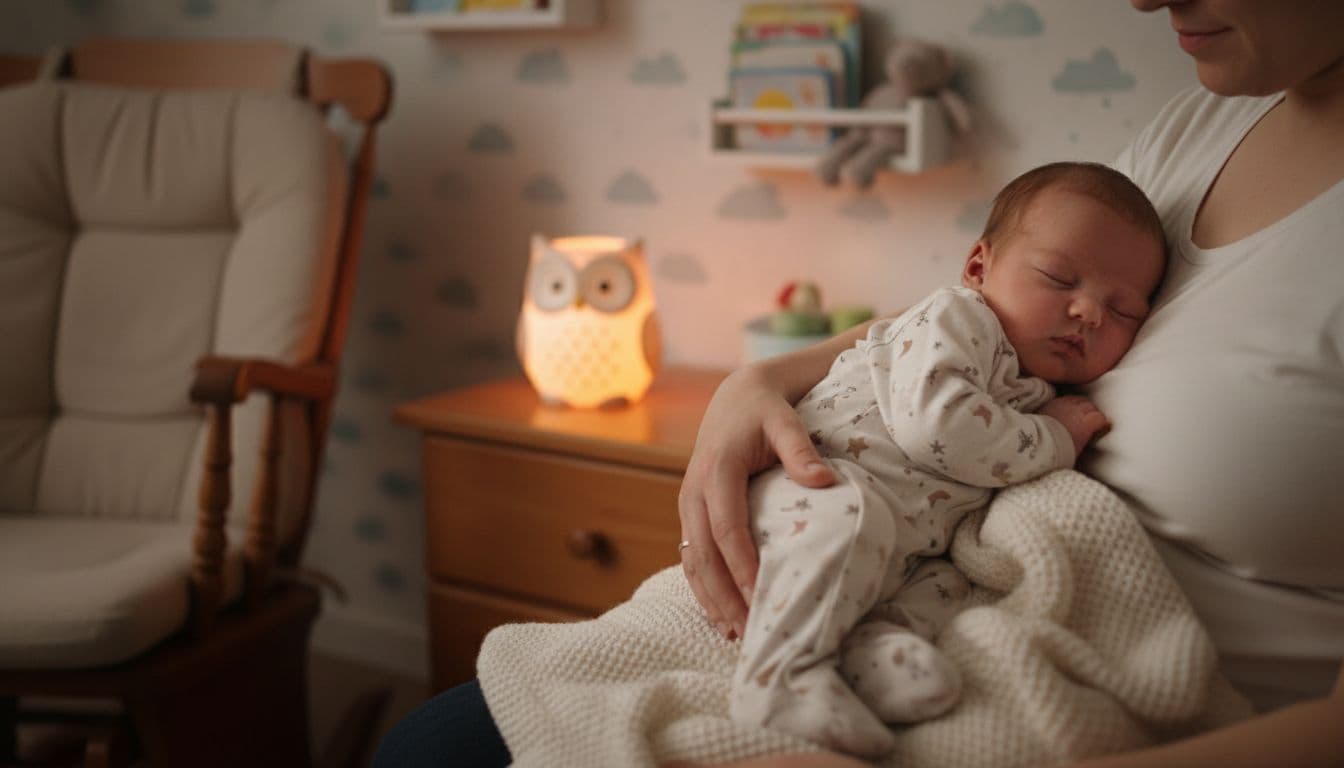
This is the stage when simple routines often help more. A short pattern like feed, diaper, pajamas, cuddles, then bed can cue sleep without forcing a rigid schedule. According to AAP safe sleep guidance, every sleep should still happen on a firm, flat surface with your baby placed on their back.
If your baby’s days still aren’t neat, that’s okay. Progress at this age usually looks like more pattern, not perfection.
The daily habits that help newborns sleep better without forcing a schedule
In the first 12 weeks, the best sleep habits are usually the simplest ones. You are not trying to control the clock. You are giving your baby clear, gentle patterns that match newborn biology, so sleep comes a little easier and the day feels less chaotic.
These habits build rhythm without pressure. Over time, that rhythm can make naps smoother, bedtime calmer, and night feeds less stimulating.
Use wake windows and sleepy cues together, not as hard rules
Wake windows are helpful because they give you a rough map for the day. In general, many newborns stay awake for about 35 to 60 minutes in the first month, then closer to 60 to 90 minutes as they get older. A guide like newborn wake windows by age can help you spot what is typical.
Still, the clock is only part of the picture. Your baby may be ready for sleep sooner after a busy feed, a diaper blowout, or a lot of stimulation. On another day, they may stay content a bit longer.
The cues usually tell you more than the timer
Early sleepy signs often show up before crying starts. You might notice:
- Yawning
- Looking away
- Zoning out
- Red eyebrows
- Jerky movements
- Fussing that builds fast
When you catch those signs early, settling is often much easier.

If your baby stays awake too long, overtiredness can kick in. Then you often get more fussiness, shorter naps, and a harder time falling asleep. It can feel backward, but a tired newborn does not always settle better. Often, they settle worse.
A simple approach works well: watch the clock loosely, but trust your baby’s body more. That keeps the day flexible without becoming random.
Help your baby learn the difference between daytime and nighttime
Newborns are not born with a mature day-night rhythm. That is why some seem wide awake at midnight and sleepy all morning. You cannot rush that process, but you can support it.
During the day, keep life fairly normal. Open curtains, go near a bright window, talk to your baby, and let everyday sounds happen. Regular home noise, light conversation, and activity help send the message that daytime is active time. If you want a gentle daytime reset, even a short walk or fun things to do with your newborn can help expose your baby to light and normal stimulation.
At night, change the tone. Keep lights low, voices soft, and movements slow. Feeds can stay calm and boring, in the best way. Skip bright overhead lights if you can, and avoid turning the wake-up into playtime.
Bright days and low-key nights help your baby’s body clock mature in its own time.
This pattern does not create instant long sleep. What it does is give your baby clearer signals, and those signals add up over the weeks.
Keep bedtime simple, short, and easy to repeat
A newborn bedtime routine does not need a long checklist. In fact, shorter is usually better. A routine that takes 10 to 15 minutes is often enough to cue sleep without making the evening feel heavy.
You can keep it very basic:
- Feed your baby.
- Change the diaper.
- Swaddle, if age-appropriate and your baby is not rolling.
- Sing one short song or hold for a minute.
- Place your baby in the crib or bassinet.

The real power is in repetition. Your baby starts to link those same steps with winding down. That matters more than doing a bath, reading three books, or trying to make bedtime look perfect.
If evenings feel messy, keep the routine small enough that you can repeat it even on tired nights. Simple is easier to stick with, and that consistency is what helps.
Set up the sleep space for comfort and fewer wake-ups
A comfortable room can make it easier for your baby to stay settled between feeds. Aim for a room temperature around 68 to 72 degrees Fahrenheit, and dress your baby for that space rather than piling on layers. Often, simple sleep clothing or a sleep sack is enough.
White noise can also help if your baby seems bothered by sudden sounds. It is not required, but some families find that a steady background sound smooths out the little noises that would otherwise wake a light sleeper.
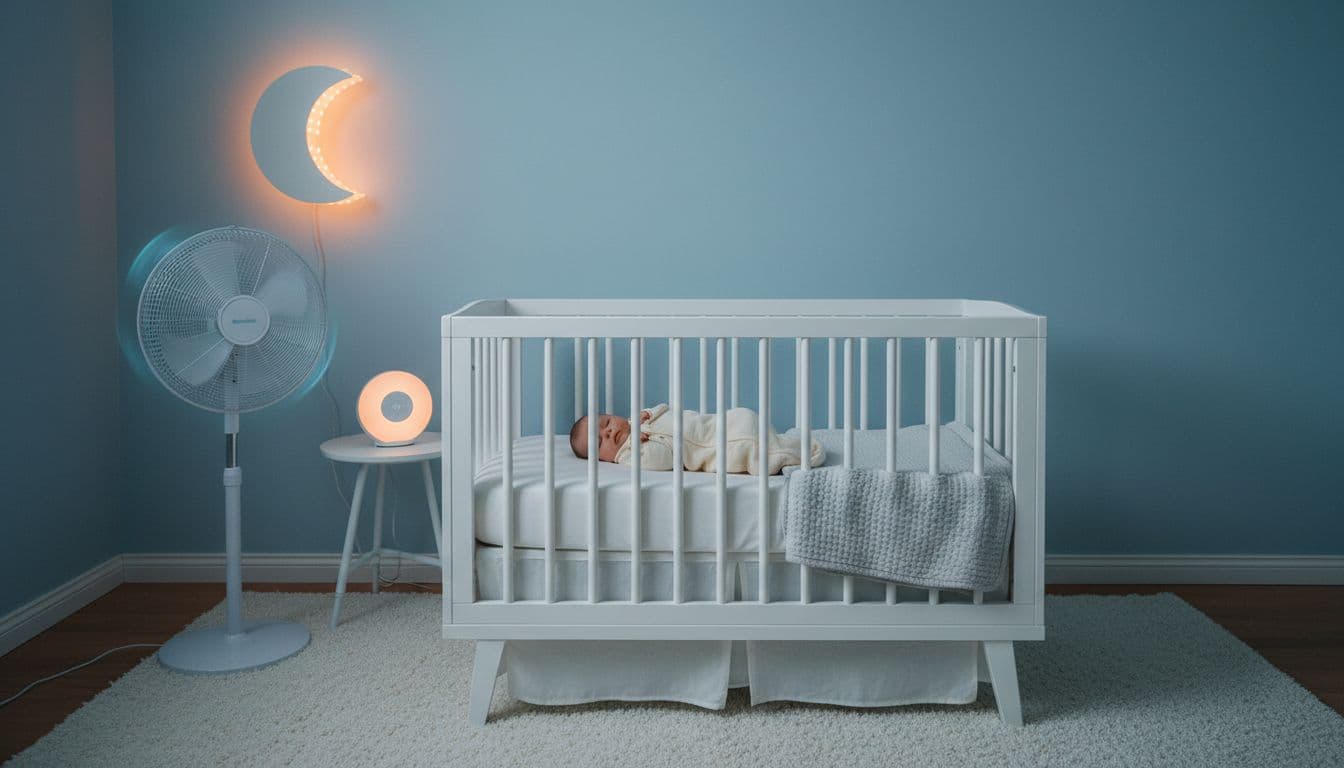
Keep the focus on comfort, not gear. A cool room, calm sound, and clothing that fits the temperature usually do more than a shelf full of sleep products. For safe setup basics, the NIH safe sleep environment guide is a solid reference.
When the space feels right, your baby has fewer small discomforts working against sleep. That does not stop normal night waking, especially for feeds, but it can make sleep a bit less bumpy.
Safe sleep rules every parent should know before trying any sleep tip
Before you try longer stretches, nap tricks, or bedtime routines, start with safety. A newborn sleep tip is only helpful if the sleep space itself is safe. In these early weeks, safety always comes first, even when you’re tired and eager for more rest.
The basic rule is simple: follow the ABCs of safe sleep, alone, on their back, in a crib or bassinet. The AAP safe sleep guidance and HealthyChildren’s parent guide to safe sleep both support the same message. If a tip clashes with safe sleep rules, skip the tip.
The safest place for newborn sleep, every nap and every night
Your baby should sleep on their back for every sleep, including short naps on busy days. The safest sleep space is a firm, flat surface like a crib, bassinet, portable crib, or play yard with a tight fitted sheet.
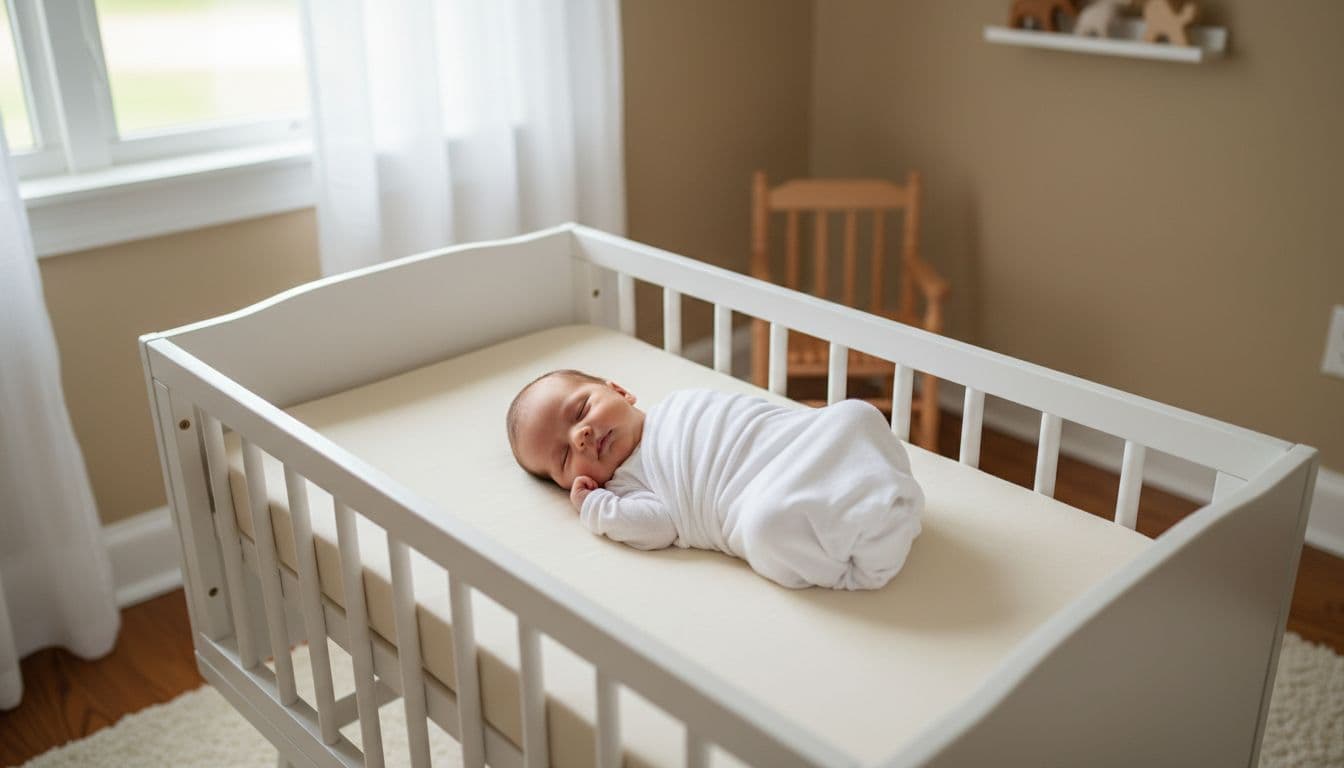
That means couches, loungers, swings, car seats outside travel, and adult beds are not safe sleep spaces. They may look cozy, but they can put a newborn in a position that makes breathing harder. Soft or sloped surfaces can be risky fast, especially when a baby falls into a deep sleep.
If your newborn dozes off in a swing or on the couch next to you, move them to the crib or bassinet as soon as you can. A safe setup may look plain, but plain is the goal.
The safest sleep space for a newborn is boring on purpose.
What to keep out of the crib to lower sleep risks
A newborn crib should stay bare. That means keeping out:
- Pillows
- Loose blankets
- Toys
- Sleep positioners
- Bumpers
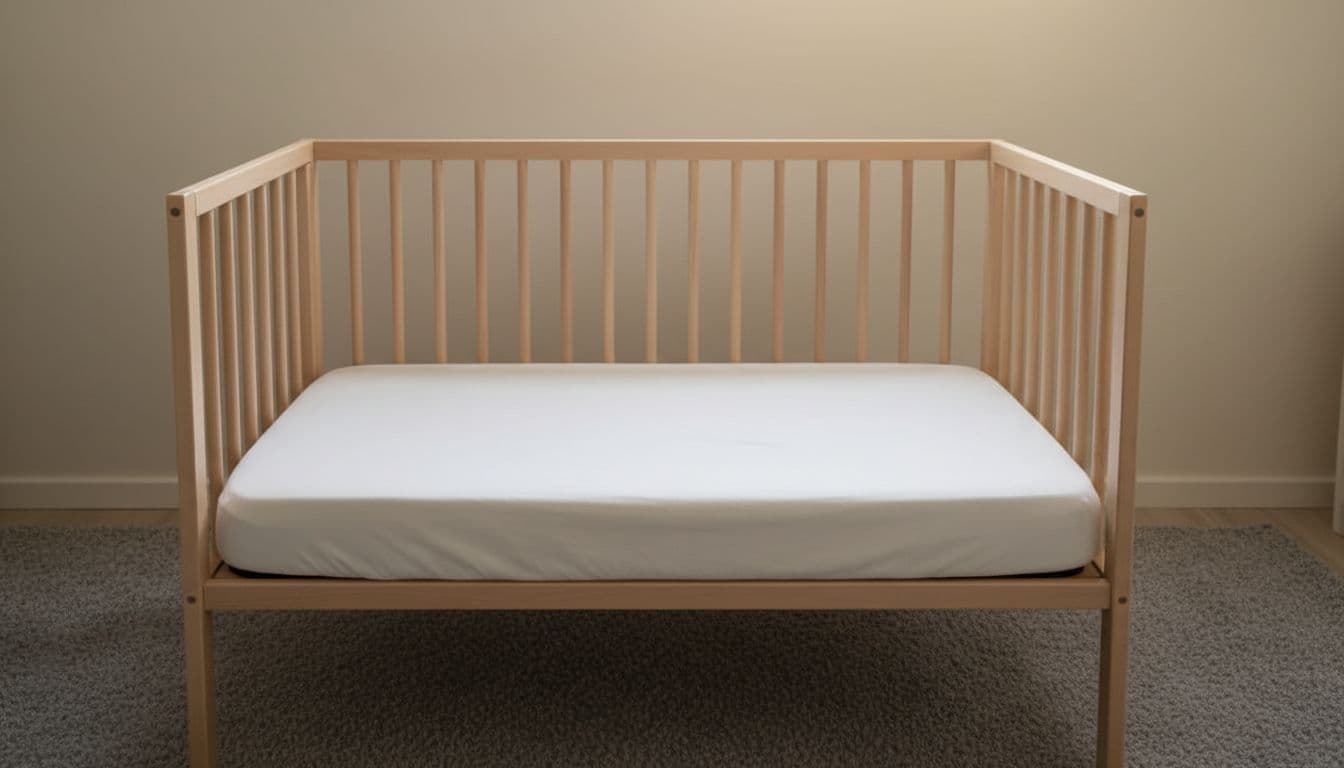
Those items can block airflow or raise the risk of suffocation. For warmth, dress your baby in simple sleep clothing or use a wearable blanket if your pediatrician says it’s a good fit. The crib does not need extras to help your baby sleep well. It needs less.
Swaddling, room-sharing, and the point when sleep safety rules change
Room-sharing is recommended, but bed-sharing is not. Keep your baby’s bassinet or crib near your bed, so feeds and check-ins are easier at night. Current guidance says room-sharing on a separate sleep surface can lower sleep-related risks in the first months.
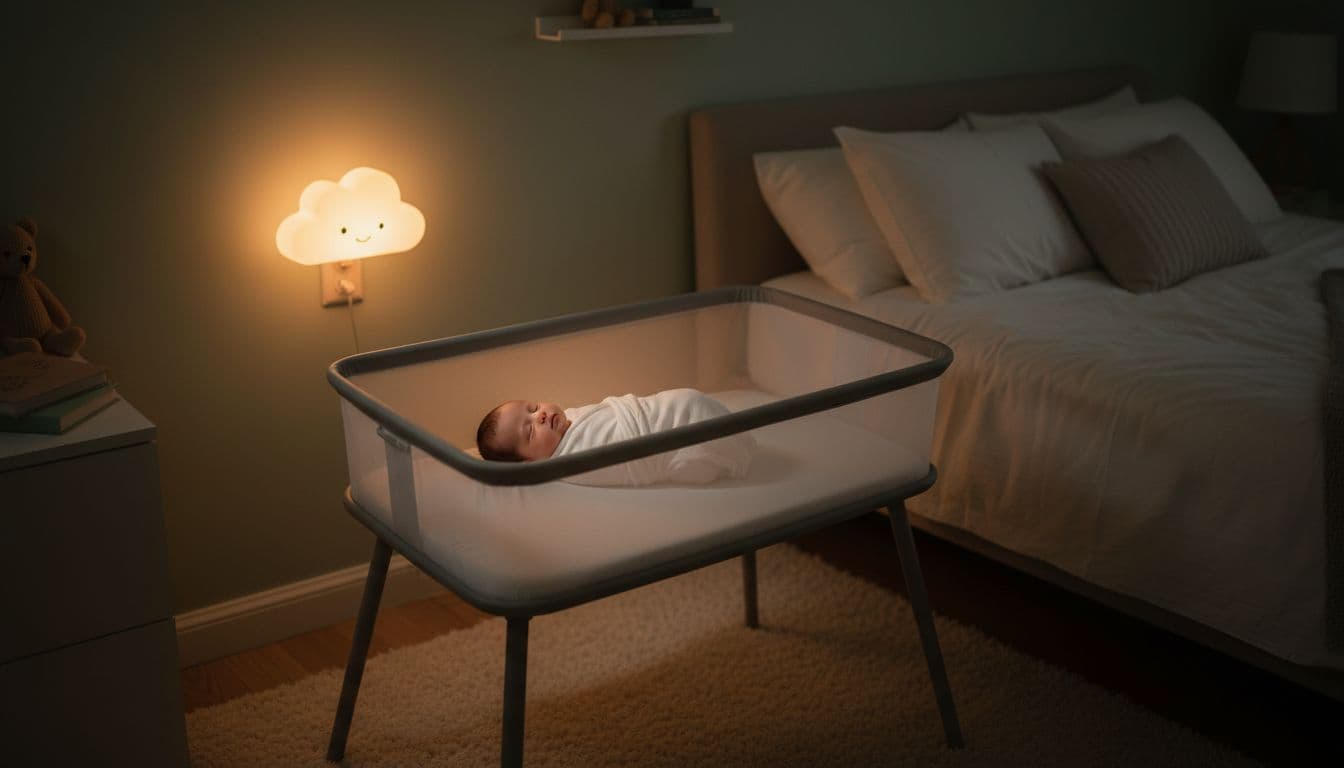
Swaddling can calm some newborns, but it has a time limit. Once your baby shows signs of rolling, stop swaddling. That often happens around 2 months, sometimes sooner. After that, switch to a sleep sack or other pediatrician-approved option, and always place your baby on their back.
Because guidance can change, keep checking current pediatric advice as your baby grows. Safety rules are not just for the newborn stage, but some details do shift as your baby starts moving more.
How to handle the most common newborn sleep problems in the first 3 months
The first three months can make sleep feel unpredictable, even when your baby is healthy and doing exactly what newborns do. Frequent waking, short naps, mixed-up days and nights, and fussy evenings are all common. Most of the time, these are not signs that you are doing anything wrong.
What helps most is keeping your expectations realistic and your response simple. In these early weeks, your job is not to “fix” sleep. It is to support feeding, comfort, and a gentle rhythm while your baby’s body matures.
Frequent night waking, why it happens, and what actually helps
Frequent night waking is one of the most searched newborn sleep problems, and for good reason. It is exhausting. Still, in the first 12 weeks, waking often is usually normal. Newborns have tiny stomachs, short sleep cycles, and a strong need to feed at night. Nationwide Children’s overview of newborn sleep patterns explains that many newborns wake every few hours for this reason.
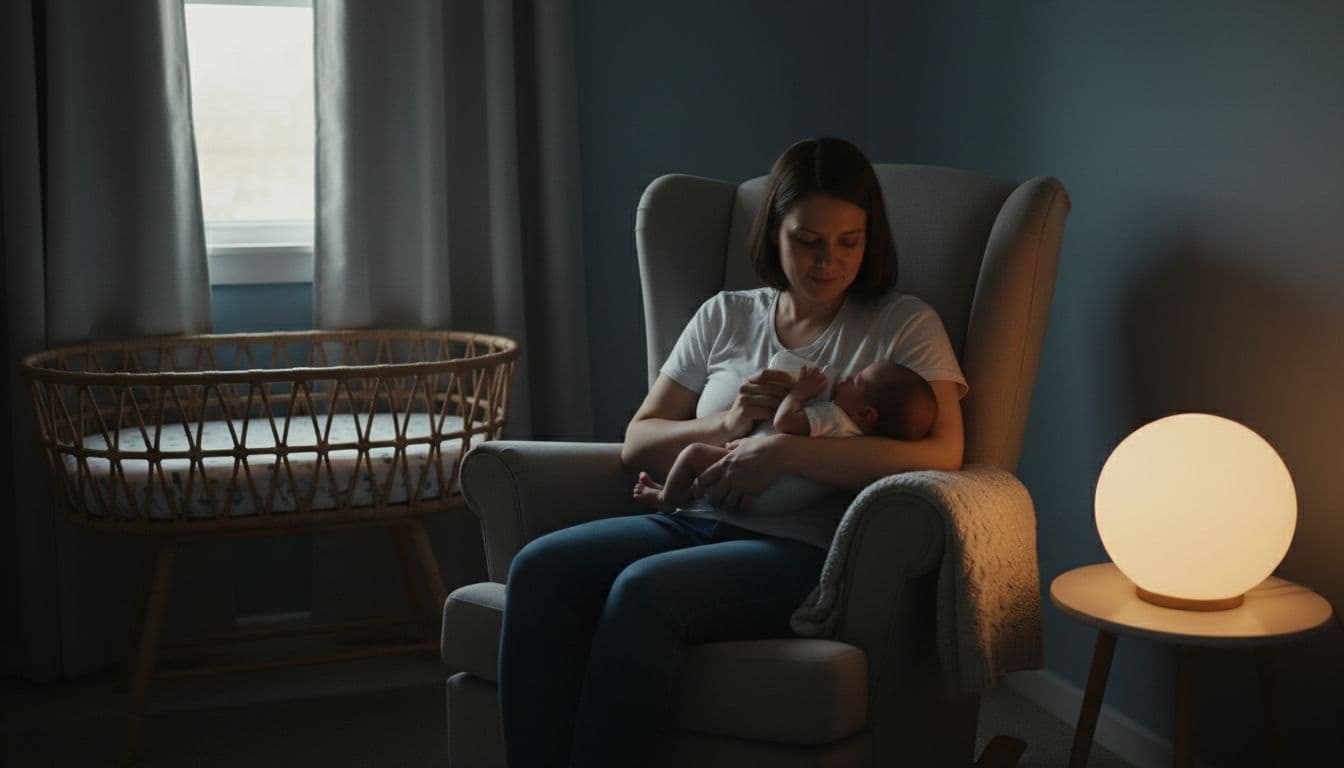
A lot of night waking is about biology, not bad habits. Breastfed babies often need to eat every 2 to 3 hours, while formula-fed babies may go a bit longer. Growth spurts can also bring extra wake-ups for a few days.
A few practical changes can make nights feel more manageable:
- Keep feeds and diaper changes calm, dim, and quiet.
- Offer a full feed when possible, so your baby does not snack and wake again 20 minutes later.
- Burp well, especially if your baby seems uncomfortable after feeds.
- Put your baby back down sleepy or asleep, without adding a lot of stimulation.
- If you have another caregiver, share shifts so each adult gets one longer stretch of rest.
In the newborn stage, night waking often means your baby needs something real, usually food, comfort, or help settling.
If your baby wakes very often and also seems hard to settle in the crib, Sleep Foundation’s crib sleep guide can help you sort through common reasons. Keep the goal simple: support the wake-up, meet the need, and make the return to sleep as boring as possible.
Short naps, contact naps, and why daytime sleep can feel messy
Daytime sleep is often the messiest part of newborn life. One nap lasts two hours, the next lasts 32 minutes, and the late afternoon falls apart. That can still be normal. In young babies, naps of 30 to 45 minutes are common because sleep cycles are short and linking cycles takes time.

Many newborns also need a lot of help settling during the day. They may nap best in arms, on a chest while supervised, or after rocking and feeding. That does not mean you are creating a problem. It means your baby is little. University of Maryland’s baby sleep habits guide notes that healthy habits build over time, not overnight.
If independent naps work for your family, great. If they do not yet, that is also okay. In the first three months, the goal is often just enough daytime sleep, not perfect crib naps every time.
A simple way to handle short naps is to stay flexible:
- Try one nap a day in the bassinet or crib when your baby seems most settled.
- Use contact naps sometimes if they help prevent overtiredness.
- Watch wake windows so your baby does not go into the next nap already worn out.
Short naps can feel chaotic, but they are often part of normal newborn sleep, not a sign that the day is going off the rails.
Day and night confusion, plus simple ways to turn it around
Day and night confusion is common because newborn body clocks are still immature. Some babies nap deeply in daylight, then act ready for social time after midnight. Frustrating, yes, but also expected. Nationwide Children’s infant sleep page notes that regular sleep cycles take time to develop.
The best fix is gentle and repetitive. You are sending cues, not forcing a schedule. Focus on these basics:
- Start the morning with light. Open curtains, sit by a bright window, or take a short walk.
- Keep daytime feeds active. Talk to your baby, unswaddle if needed, and help them take full feeds.
- Let the day feel like daytime. Normal household noise and light are helpful.
- Keep overnight care low-stimulation. Use dim light, soft voices, and no play.
- Cap a very long late nap only if needed. If your baby is sleeping deep into the evening and then partying all night, gently wake, feed, and reset.
This shift usually happens little by little. You may not see a change in one day, but the pattern can improve over a couple of weeks. If your nights still feel upside down, keep going with the same cues. Consistency matters more than intensity here.
Fussy evenings, witching hour, and overtired newborns
Late-day fussiness is one of the hardest parts of the newborn stage. Many babies cry more in the evening, want to cluster feed, and seem hard to settle no matter what you try. People often call this the witching hour, even though it can last much longer than an hour.
This does not always mean gas, hunger, or a sleep problem. Sometimes it is simply the pile-up of the day. By evening, your baby may be overstimulated, overtired, or ready to feed again and again. Kaiser Permanente’s baby sleep care instructions also notes that sleep habits can shift a lot in the early months.
When evenings get rough, use a short soothing ladder and move through it without pressure:
- Feed.
- Burp.
- Swaddle, if age-appropriate and your baby is not rolling.
- Rock or sway.
- Hold close.
- Use white noise.
- Lower the lights and overall stimulation.
If the first step does not work, move to the next. Some babies need several layers of comfort at once. Also, try not to stretch wake time too long before bed. An overtired newborn often fights sleep harder, even when they clearly need it.
By weeks 8 to 12, some babies do better with an earlier bedtime. That might mean moving bedtime up a bit instead of hoping they will “wear themselves out.” If your evenings keep falling apart, earlier sleep is often a better fix than later sleep.
Conclusion
If your newborn’s sleep still feels random, that opening feeling probably makes more sense now. In the first 12 weeks, sleep is usually uneven, feed-driven, and always shifting, so progress often looks like small patterns, not a neat schedule.
Because of that, it helps to focus on what actually works right now: safe sleep, short wake windows, early sleepy cues, and simple day-night rhythms. Those habits support your baby without pushing more structure than their body is ready for.
With time, most babies start to settle into better patterns as feeding changes and their body clock matures. Until then, trust what you see in your own baby, and call your pediatrician if you have concerns about feeding, growth, breathing, or sleep that seems unusual.
Save the pin for later


- 12 Things Pregnant Women Do When They’re Alone - June 7, 2026
- 25 Healthy Pregnancy Snacks You Should Try - June 7, 2026
- 100 Funny Baby Jokes That Will Make You Laugh - May 15, 2026