

Choosing the best maternity clothes gets easier when you know what your body needs right now. Your shape can change fast, so the right pieces should feel soft, fit well, and still look like your style.
That means comfort, daily routine, budget, and season all matter. A few smart basics go a long way, especially if you want a small wardrobe that works through pregnancy and after. If you’re starting from scratch, these pregnancy must-have staples can help you focus on pieces that earn their place in your closet.
The goal is to avoid buying clothes that sit unworn because they pinch, ride up, or stop fitting too soon. With the right mix of stretch, support, and versatile style, you can dress your bump without wasting money.
This guide will help you spot the clothes that fit your life, not just your size. Helpful video:
Start with the fit, comfort, and support your body needs
Maternity clothes work best when they move with your body, not against it. Your shape can shift fast across each trimester, so the right pieces should feel flexible on day one and still feel good weeks later.
Comfort comes first here because discomfort builds quickly. Soft seams, gentle stretch, and real support can make daily wear easier, especially when you are sitting, standing, or moving through a long day.
Choose fabrics that breathe and stretch
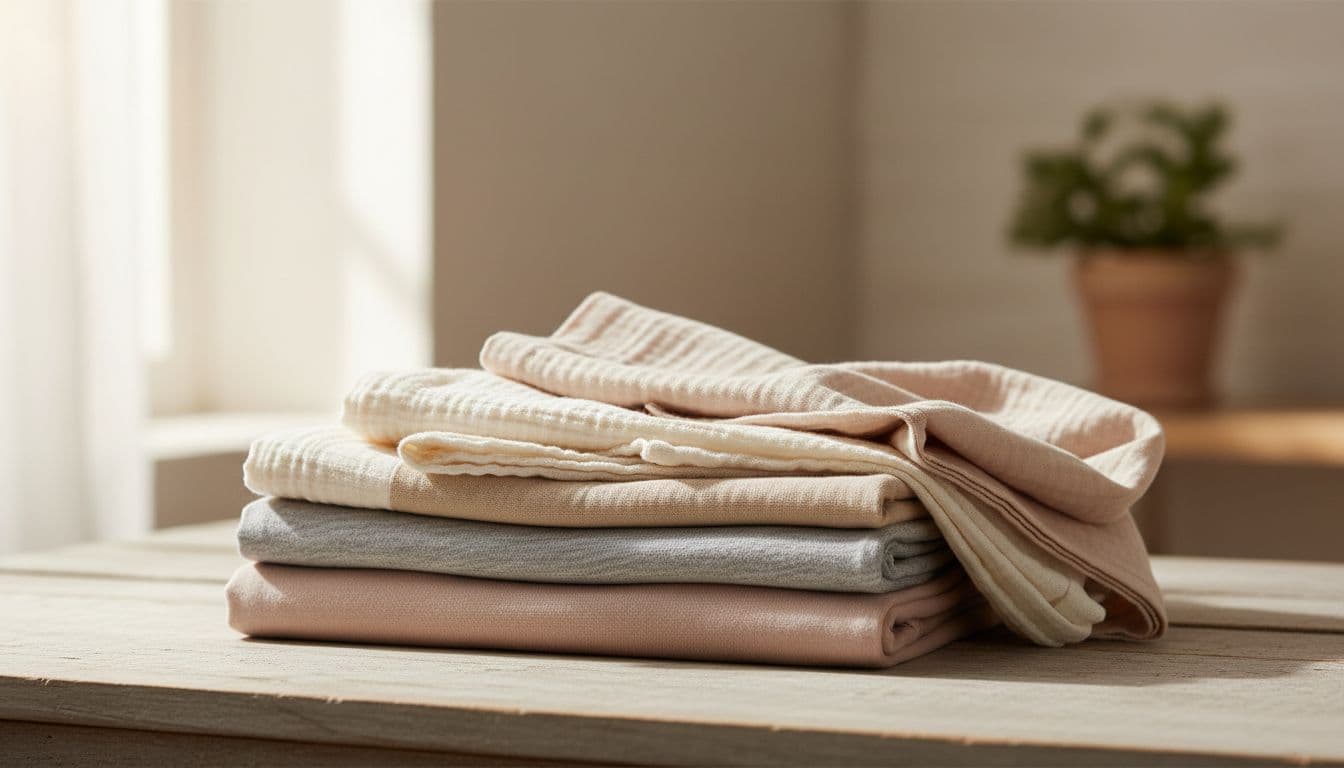
Soft fabrics make a big difference when your skin feels more sensitive than usual. Cotton, modal, bamboo, jersey, and linen blends all tend to feel gentle, light, and easy to wear for long stretches.
Breathability matters because pregnancy can make you feel warmer and sweat more. Stretch matters because your bump, hips, and bust keep changing, and fabric with good recovery helps clothes keep their shape instead of sagging out after a few wears.
A good maternity fabric should stretch when you need it, then bounce back after you move.
Look for materials that feel smooth, not stiff. Avoid scratchy knits, rigid denim, and anything that feels tight before you even leave the house.
A cotton-spandex blend or a soft breathable maternity fabric guide can help you spot the features that matter most. If the fabric pinches, rubs, or traps heat, it will probably become a problem fast.
Look for forgiving waistbands and adjustable details
Waistbands can make or break a maternity piece. Over-the-bump styles offer full coverage and a smooth feel, while under-the-bump bands can work better if you want less pressure on your stomach.
Adjustable details help clothes last longer through pregnancy. Elastic inserts, wrap ties, ruching, buttons, and adjustable straps give you more room to grow without buying a new size every few weeks.
That flexibility is useful in real life. A dress with side ruching may fit early on and still flatter a fuller bump later, while adjustable straps can keep a top from pulling too tight across the chest.
| Feature | What it does | Best for |
|---|---|---|
| Over-the-bump waistband | Covers the bump with gentle support | Pants and leggings |
| Under-the-bump waistband | Sits below the belly | If upper-belly pressure bothers you |
| Ruching | Adds extra room where needed | Dresses and fitted tops |
| Adjustable straps | Changes length as your body shifts | Tanks, jumpsuits, and dresses |
If a piece has one of these features, it often works for more than one stage of pregnancy. That means better value and fewer replacements.
Pay attention to support in key areas
Support matters most in the belly, bust, hips, and back. When those areas feel held in place without being squeezed, everyday wear feels easier.
Bra fit is a big part of that. As your rib cage and bust change, a regular bra can dig in or feel too tight, so a maternity or nursing bra with wider bands and softer cups can make a long day feel less draining. For more help with upper-body comfort, see choosing supportive maternity bras for rib pain.
Side support helps too. Dresses and tops with a little shaping at the waist or sides can reduce pulling across the body, while leggings with a smooth belly panel can take pressure off your lower back.
Support should feel steady, not restrictive. The best pieces hold you up without pressing on your stomach or leaving red marks at the end of the day.
Build a maternity wardrobe around the pieces you will wear most
A smart maternity wardrobe starts small. Instead of buying a full closet right away, focus on the pieces you’ll reach for on repeat. That usually means items that work at home, on errands, at work, and on the rare day you want to feel put together without much effort.
A capsule mindset keeps shopping simple. If a piece only works for one outfit, it probably doesn’t earn space in your closet. If it pairs with several others and still feels good after a long day, it has real value.
Start with tops, layers, and everyday basics
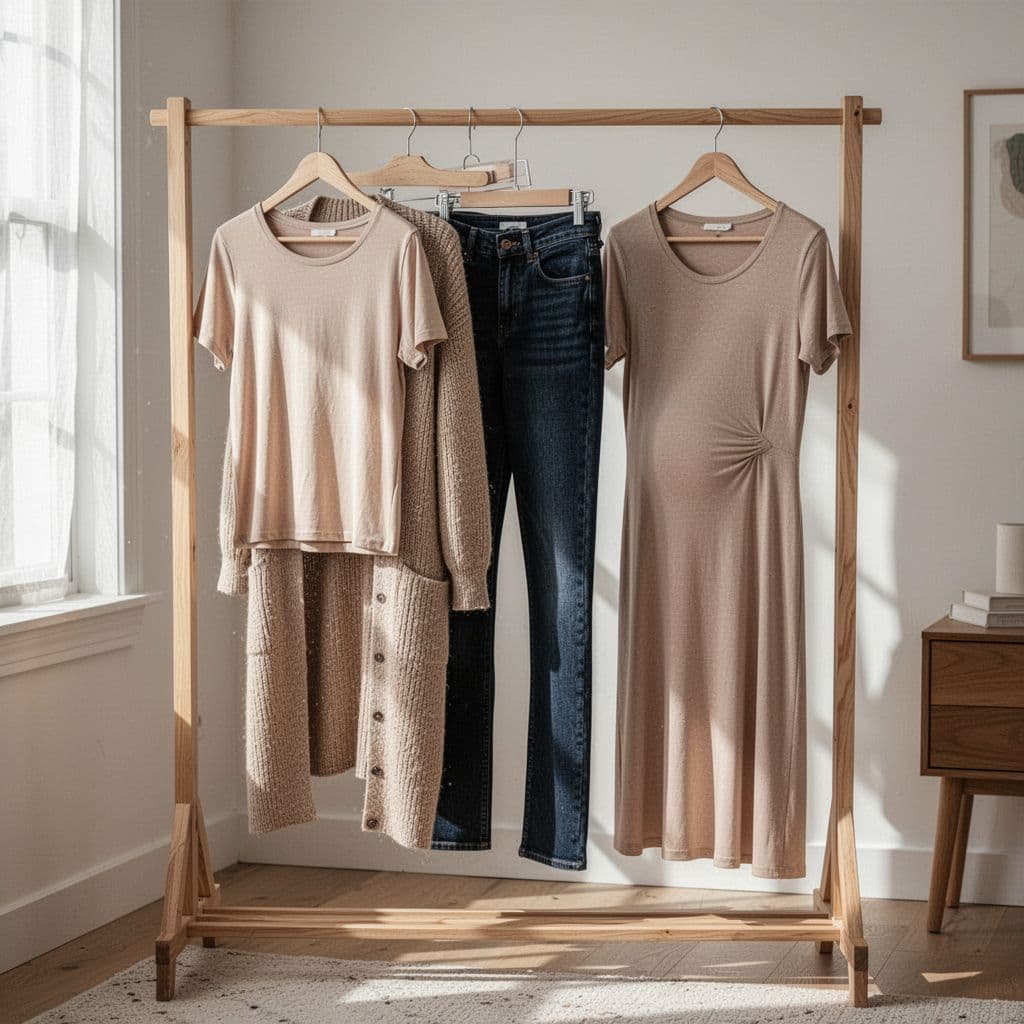
Tops are the easiest place to build a maternity wardrobe because they get the most use. Soft maternity tees, tank tops, and long-sleeve tops give you a base for almost everything else, and they can carry you through different trimesters without much fuss.
Cardigans and oversized layers add even more mileage. You can throw them over a tee for school drop-off, wear them to the office, or keep one nearby for cool stores and over-air-conditioned rooms. Neutral colors like black, white, gray, beige, navy, and olive make this much easier because they mix without much thought.
A small set of basics can do a lot of work:
- Maternity tees for daily wear, layering, and casual outfits
- Tank tops for warm days or as a base under cardigans
- Long-sleeve tops for cooler weather and more polished looks
- Cardigans for easy layering at home or work
- Oversized layers for comfort when you want extra room
Quality basics also matter after birth. A stretchy tee or nursing-friendly top often stays useful postpartum, so you get more wear for your money. For a closer look at building around the essentials, this maternity capsule wardrobe guide gives a helpful starting point.
Pick bottoms that move with your bump
The right bottoms can make pregnancy dressing feel far easier. Maternity leggings are the clear comfort winner, especially for lounging, travel, and long days when you want support without pressure. Joggers are another strong pick because they feel relaxed but still look neat enough for quick errands.
Jeans and wide-leg pants work well when you want a more finished outfit. A good pair of maternity jeans can handle everyday wear, while wide-leg pants dress up easily with a fitted top and flats or low heels. Shorts and skirts are useful in warmer weather, and they can help you stay comfortable without feeling stuck in one style.
A few versatile bottoms can create a lot of outfits, which is the whole point. One pair of leggings, one pair of jeans, and one dressier pant can work with nearly every top you own. That kind of mix gives you more options without a crowded closet.
Here’s a simple way to think about them:
| Bottoms | Best use | Style effect |
|---|---|---|
| Leggings | Home, travel, everyday comfort | Casual and flexible |
| Joggers | Errands, laid-back days | Relaxed but neat |
| Jeans | Daily wear, casual outings | Classic and pulled together |
| Wide-leg pants | Work, dinner, events | Easy to dress up |
| Skirts and shorts | Warm weather | Light and comfortable |
If you want clothes that stretch your wardrobe, think about how each bottom pairs with both simple tops and nicer layers. That’s what makes a few pieces go further.
Add dresses and jumpsuits for easy outfits
Dresses and jumpsuits are the fastest way to get dressed when you don’t want to think too hard. They do the work of an outfit in one piece, which is useful on tired mornings, busy afternoons, and last-minute plans.
Wrap dresses are especially flexible because they adjust with your shape. Bodycon styles with stretch can also work well when the fabric is soft and supportive, not tight or stiff. Empire-waist dresses create room where you need it and give a flattering line that works at many stages of pregnancy.
Jumpsuits are another easy choice, especially if you like a cleaner look with minimal styling. Pick one with stretch, adjustable straps, or a roomy leg so it feels comfortable through the day. Add sneakers for errands or sandals and a jacket for going out.
These pieces are helpful when you want one-and-done dressing. They save time, cut down on decision fatigue, and still let you look polished with very little effort.
If a dress or jumpsuit feels good in the fitting room and works with shoes you already own, it’s probably a strong buy.
For more ideas on pieces that mix well and last beyond pregnancy, a maternity capsule wardrobe breakdown is a useful reference.
Match your clothes to your lifestyle, not just your bump size
Your bump size matters, but it should not be the only thing guiding your shopping. A work-from-home week needs different clothes than a commute-heavy schedule, and a home day needs less structure than a client meeting or dinner out. When you dress for your routine first, your maternity wardrobe works harder and lasts longer.
The best pieces fit the way you live. That means thinking about where you spend time, how long you sit, how often you travel, and what the weather asks for. If you want a simple way to plan ahead, a second trimester maternity leave planning guide can help you think through your schedule while you shop.
Choose workwear that still looks polished
If you work outside the home, or even just on camera, your clothes need to look neat without feeling restrictive. Maternity work pants with a smooth panel, a little stretch, and a waistband that does not dig in are a smart start. Add a blazer, a button-down, or a structured top, and the outfit looks polished fast.
For longer days, comfort matters as much as style. Sitting through meetings, commuting, and moving between rooms can make stiff fabric miserable. A soft button-down, a wrap top, or a dress with ruching gives you room to breathe while still looking professional.
Office and remote work both call for pieces that hold their shape. A blazer can sharpen a simple tee, while a knit dress can look dressy with flats and a cardigan. If you need more outfit ideas, comfortable maternity work clothes can show how a few strong basics do most of the work.

A few pieces make office dressing easier:
- Maternity work pants for long sitting periods and clean lines
- Blazers for meetings, presentations, and video calls
- Button-downs that fit over a growing bust without pulling
- Dresses with stretch or wrap details for all-day comfort
- Soft tops that still look tailored under a cardigan or jacket
Plan for weekends, travel, and lounging
Your off-duty clothes should work just as hard. Weekends often mean errands, time with family, quick coffee runs, or a lot of time on the couch. That is where lounge sets, stretchy tees, joggers, and soft leggings earn their place.
Travel calls for even more comfort. Long car rides and flights can make tight waistbands and wrinkle-prone fabrics a problem, so choose pieces that move with you and still look presentable when you arrive. Sneakers help, too, especially if your feet swell or you walk more than planned.
At home, comfort matters most of all. You want clothes that do not pinch when you sit, bend, or lie down. A matching knit set or a loose dress can feel easy without looking sloppy, which is useful when your day shifts from rest to errands without warning.
For travel, busy weekends, and low-effort dressing, look for:
- Wrinkle-resistant fabrics that stay neat in a bag or suitcase
- Sneakers with support for long walks and standing
- Relaxed joggers that feel soft but still look put together
- Stretchy lounge sets for home and short outings
- Easy layers for changing temps in cars, airports, and stores
Think about the season and your local weather
Climate changes how maternity clothes feel on your body. Summer calls for breathable fabrics, loose shapes, and lighter layers. Winter needs warmth, room for base layers, and pieces that fit under coats without feeling bulky.
In hot weather, cotton, bamboo, jersey, and linen blends help air move through your clothes. Lightweight dresses, tank tops, and soft shorts keep you cooler, while an oversized blazer or cardigan can handle strong office air conditioning. In cold weather, try stretchy long-sleeve tops, sweater dresses, leggings, and roomy coats. A good winter maternity clothing guide also shows how to layer without feeling stuffed.
Seasonal pieces work best when they cross over. A midi dress can work in summer with sandals and later with boots and tights. A long cardigan can carry you through spring, fall, and cool summer nights. That kind of flexibility saves money and keeps your closet simpler.
A simple way to shop by season:
- Pick breathable fabrics for heat.
- Add layers you can remove or stack in cold weather.
- Choose colors and cuts that work in more than one season.
- Buy only pieces that fit your most common weather, not just one perfect day.
The best maternity wardrobe is built for real life, not just a fitting room moment.
When you match clothes to your routine, you stop buying pieces that sit in the drawer. Instead, you build a closet that works for office days, lazy Sundays, road trips, and changing weather all at once.
Shop smarter so your maternity clothes last longer
Smart shopping is about more than finding the lowest price tag. The goal is to buy fewer pieces that hold up through real life, then keep working after pregnancy too. That usually means checking quality, picking easy-to-match colors, and using what you already own before you add more to cart.
A good maternity wardrobe should stretch your budget and your closet. If a piece fits three stages of pregnancy, pairs with several outfits, and still feels useful postpartum, it earns its place.
Check quality before you buy
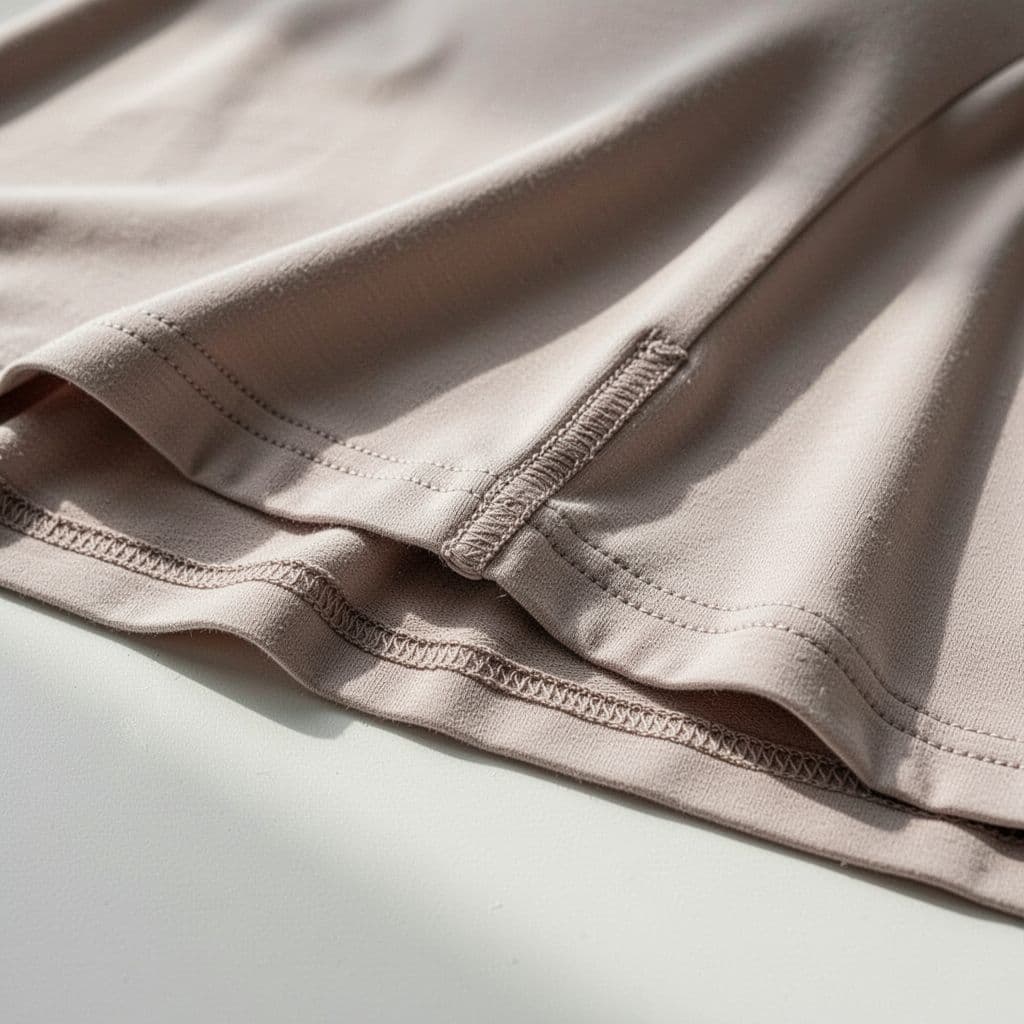
Start with the parts you can feel or inspect. Look at stitching, seams, and fabric weight first, because those details tell you how well a garment will hold up. Tight, even stitching is a good sign. Loose threads, puckered seams, or thin spots usually point to weak construction.
Fabric should feel substantial without being heavy. If it looks see-through when stretched, it may not last through repeated wear. Stretch recovery matters too, so pull the fabric gently and let it go. Good fabric springs back instead of staying baggy. That matters for leggings, tees, and fitted dresses that get a lot of use.
When you shop in person, run your hand along the seams and check how the garment is cut. A smart cut gives room where pregnancy changes happen, especially through the bust, belly, and hips. In online shopping, reviews help fill in the gaps. Look for comments about pilling, shrinking, or how the item fits after washing. Also check the size chart every time, because maternity sizing can vary by brand.
If a piece looks great but feels flimsy, it will probably disappoint after a few wears.
For extra background on why quality matters, this guide to buying maternity clothes explains why better-made pieces often pay off over time.
Choose colors and styles that mix easily
Neutral colors make maternity dressing much simpler. Black, white, gray, navy, beige, and olive work with almost everything, so you can build more outfits from fewer pieces. A few accent colors are enough to keep the wardrobe from feeling flat.
Classic cuts help just as much. A simple tee, straight-leg pant, wrap dress, or cardigan can move between casual days and slightly dressier plans with little effort. That kind of flexibility matters when you want clothes that work hard without taking over your closet.
A simple shopping rule helps here: buy the piece only if you can picture at least three outfits with it. If you can’t, it may be too specific for the cost. This is where maternity clothes start to feel like a smart system instead of a pile of one-off items.
Simple colors and clean shapes also make postpartum dressing easier. A top that works with maternity jeans today may still pair well with leggings later, which gives you more value for every dollar spent.
Reuse what you already own when you can
Not everything has to be maternity-specific, especially in early pregnancy. Belly bands and extenders can buy you time with jeans, skirts, and trousers you already like. They are useful when your waistband feels tight, but your regular clothes still fit everywhere else.
Oversized shirts, roomy cardigans, and stretchy dresses from your current closet can also stay in rotation. A long cardigan can cover a bump and soften a fitted top. A loose button-down can work open over a tank or tied at the waist. These simple pieces stretch your wardrobe without extra spending.
A few pre-pregnancy items often keep working longer than you expect:
- Cardigans for easy layers over tanks and tees
- Oversized shirts for early pregnancy and postpartum
- Stretchy dresses that skim instead of cling
- Loose outerwear that still closes comfortably
- Bra extenders and belly bands for temporary fit relief
The maternity wear buying guide from Popees makes the same practical point, comfort matters more than forcing every purchase into a maternity label. That approach saves money and keeps your wardrobe less crowded.
Smart shopping also means pausing before you buy. Ask whether the item works with what you already own, whether it will still fit in a month, and whether it can move into postpartum use. If the answer is yes, it has real staying power.
Conclusion
The best maternity clothes fit well, feel soft, and work with your real day, not just your current size. When you focus on comfort, fabric, fit, lifestyle, and value, shopping gets a lot easier and your closet stays useful longer.
That approach also keeps you from buying too much. A few well-chosen basics, plus one or two pieces that fit your routine, is enough for most people.
If a piece supports your body, moves with you, and still feels good after a full day, it belongs in your wardrobe. A small, thoughtful maternity wardrobe can carry you through pregnancy with less stress and more comfort.
Save pin for later

- Can I Give A Half-boiled Egg To My Baby? - September 25, 2026
- What Are The Nutritional Benefits Of Eggs For Babies - September 25, 2026
- When Should I Avoid Giving Eggs To My Baby? - September 25, 2026