

The weeks after childbirth matter a lot, because your partner is healing physically and adjusting emotionally at the same time. Supporting her after birth does not call for one big gesture, it comes from small, steady help that makes daily life feel lighter.
That might mean protecting her rest, noticing what needs doing, and giving her space to recover without feeling alone. If you want a fuller picture of the postpartum recovery timeline, it helps to see how much of this season is about patience as much as action.
Along the way, you’ll see how to offer practical help, emotional support, care for recovery needs, handle intimacy with care, and know when extra help is needed. First, it helps to understand what support looks like in those early weeks.
Start by understanding what your partner is going through
Childbirth changes a lot at once. Her body is healing, her sleep is broken, and her daily life now has a newborn in the middle of it. If she seems tired, tearful, overwhelmed, distant, or unlike herself, that can be part of the postpartum season.
That’s why empathy comes first. When you understand what recovery can feel like, your support gets more useful and a lot less guesswork-driven.
A partner who looks changed after birth is often coping with pain, sleep loss, and pressure all at once.
What physical recovery can look like in the first few weeks
The first weeks after birth can feel rough in very different ways. Vaginal birth may bring soreness, stitches, swollen tissue, bleeding, cramps, and discomfort when she sits or walks. A C-section adds incision pain, tight movement, and a slower return to normal tasks, especially lifting and getting up and down. If you want a closer look at C-section recovery realities, it helps to see how much rest and patience matter in that recovery, too.
Bleeding, called lochia, can last for weeks, and the flow may change with activity or breastfeeding. The Mayo Clinic’s postpartum care guidance notes that afterpains, bleeding, and soreness are common in the early stretch after birth. Swelling, sore breasts, and trouble getting comfortable are common as well.

Sleep is another big piece of recovery. Even when the baby sleeps, her body may feel wired, sore, or too tired to settle down. That kind of exhaustion can make small tasks feel huge. Recovery looks different for everyone, but rest, time, and patience matter more than pushing through.
Why emotions can feel extra intense after birth
The emotional side of postpartum recovery can be just as strong as the physical side. Hormone shifts, sleep loss, and the pressure of learning a new routine can all make feelings swing fast. Some new mothers cry more easily, feel anxious, or get irritated by things that normally wouldn’t bother them.
That can be the baby blues, which are common in the early days after birth. The U.S. Office on Women’s Health explains that many women feel sad, weepy, or overwhelmed after delivery because of hormone changes, anxiety, and lack of sleep. Those feelings can be normal, but they still deserve care and attention.
If the sadness lasts more than two weeks, gets worse, or starts to feel heavy and constant, it needs a closer look. That is when postpartum depression may be part of the picture, and professional help matters. A gentle check-in, a doctor call, or a mental health visit can make a real difference.

Sleep loss can make emotions louder, too. A short fuse, tears out of nowhere, or a quiet, shut-down mood may all be signs that she needs more support, not less. Mood changes can be normal, but they should never be ignored.
How to read her needs without guessing
The best support starts with simple questions. Ask what hurts, what feels hardest, and what would help most right now. Then listen closely, because her answer may change from day to day.
A few direct questions can tell you more than assumptions ever will:
- “Do you want help, company, or quiet right now?”
- “What part of today feels hardest?”
- “Should I handle food, laundry, or the baby next?”
Patterns matter, too. If she always feels worse in the evening, protect that time. If visitors drain her, keep the house quiet. If she wants to sleep after feeding, help guard that sleep instead of filling the room with extra tasks.
The Postpartum Support International guidance for partners reminds partners to stay connected and keep checking in, especially when sleep deprivation makes everything feel harder. Support works best when it fits her real needs, not what looks helpful from the outside.
If you are not sure, ask again later. Needs shift quickly in the postpartum weeks, and that is normal. The goal is simple, notice what she is telling you, and respond to that.
Make the first few weeks easier with hands-on help
The early postpartum weeks can feel like a blur. Small tasks pile up fast, so practical help matters more than advice. When you take over daily jobs without waiting to be asked, you give your partner space to heal, feed the baby, and breathe a little easier.
A good rule is simple: handle the work that drains her energy the most. That usually means food, chores, sleep protection, and baby care. If you want more ideas for the day-to-day side of this season, these tips to make newborn life easier fit right into the first few weeks.
Take over meals, snacks, and water breaks
Food and hydration matter more than many couples expect. A tired body heals better when it gets regular meals, and breastfeeding parents often need extra fluids to keep up with feeds. Even if she is not nursing, steady meals help with energy, mood, and recovery.
Keep it simple. Make breakfast bowls, sandwiches, soup, pasta, rice bowls, or baked chicken and vegetables. Stock easy snacks where she can reach them, like yogurt, fruit, cheese, nuts, granola bars, or crackers. During feeds, bring a water bottle and refill it before it runs out.
For a quick look at how food supports recovery after birth, postpartum nutrition guidance gives a helpful overview of meals that support energy and milk supply.
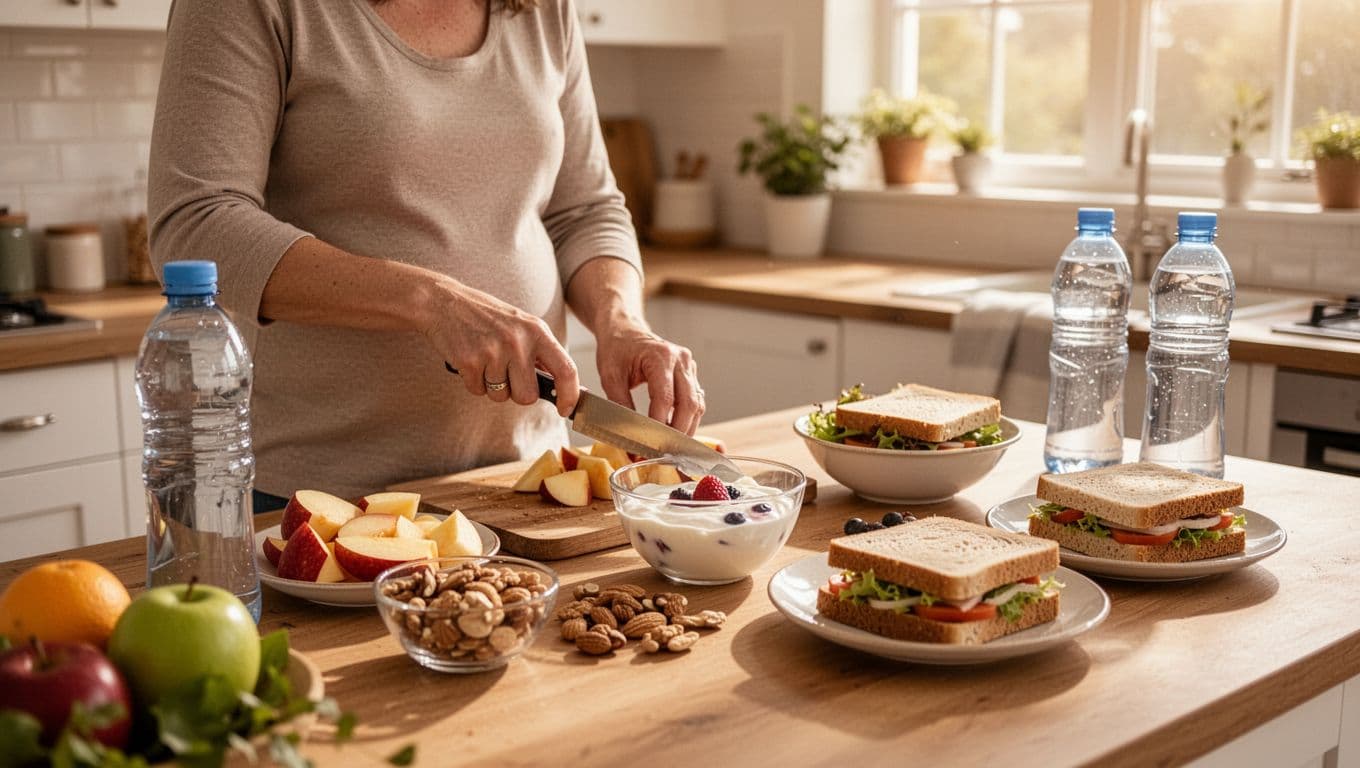
A few small habits make a big difference:
- Set up one spot for snacks and water near her usual feeding chair.
- Cook double portions so leftovers cover the next meal.
- Bring food before she gets shaky or lightheaded.
- Keep the kitchen stocked so she does not have to plan every bite.
When meals are handled, she spends less energy thinking about what to eat and more energy recovering.
Handle cleaning, laundry, and the invisible chores
Housework after birth is not just about visible mess. It is also about the mental load of remembering what needs to be done, what is running low, and what will become a problem tomorrow if nobody touches it today. That pressure adds up fast.
Take ownership of the whole chain, not just one task. Wash dishes, empty trash, start laundry, fold clothes, restock diapers and wipes, and wipe down the bathroom sink. If something is used every day, notice when it is getting low and replace it before she has to ask.
The goal is a calm, usable home. That means clean counters, a full diaper caddy, fresh towels, and a living room that does not feel like a storage room. It also means handling the little things that stop the day from slipping sideways, like making sure there is soap, toilet paper, and clean burp cloths.
If diaper changes are still new for you, this step-by-step diaper changing guide can help you handle that part with more confidence.
Protect her rest by managing visitors and routines
Rest is part of recovery, not a luxury. Your partner may need sleep, quiet, a shower, or ten minutes alone just to reset. Protect that time by managing visitors and keeping the house from turning into a drop-in zone.
Set clear limits early. Short visits, advance notice, and no surprise guests make life easier. If family members want to help, give them a job before they come over, like bringing food, folding laundry, or taking out the trash.
Rest is not time wasted. It is part of healing, especially in the first weeks after birth.
A partner can also run interference when calls and texts start to pile up. You can answer the door, say the baby is sleeping, or move a visit to another day. That kind of buffer protects her energy and keeps the home calm.
For more on setting limits with family, postpartum boundary tips offer a practical starting point.
Step in with baby care so she can recover too
Shared baby care gives her real recovery time, not just a few minutes here and there. Change diapers, burp the baby, hold the baby after feeds, and take a short walk with the stroller when she needs quiet. Those tasks may seem small, but they add up to real relief.
This is also how you build confidence as a team. The more you do, the less everything depends on one person. That matters when she is sore, sleep-deprived, or feeling overwhelmed.
You can make this even easier by learning a few basics ahead of time:
- Learn the baby’s diaper routine and keep supplies ready.
- Practice soothing moves like rocking, swaddling, and burping.
- Take one stretch of baby duty each day so she can nap, shower, or sit in silence.
- Handle a walk or stroller break when the baby is fussy and she needs a pause.

When you step in without being asked, you lower her stress and help her body recover. You also show her that this new season belongs to both of you, not just one exhausted parent.
Give the kind of emotional support that actually helps
Emotional support after childbirth is often about steadiness. Your partner may not want advice, a checklist, or a pep talk right away. She may want someone calm who listens, notices the strain, and stays present without trying to rush the moment.
That kind of support feels small, but it matters. It tells her she can be tired, messy, emotional, or unsure, and still be met with care.
Listen first, fix later
Many new parents need to vent, cry, or talk things out before they want answers. If you jump in too fast with solutions, she may feel unheard, even if your advice is good.
Start by listening without interrupting. Then reflect back what you hear, so she knows you get it. Simple responses like, “That sounds exhausting,” or “I can see why that upset you,” can lower the pressure right away.

Calm listening often helps more than quick fixing.
Try not to minimize what she says with phrases like “At least the baby is healthy” or “It could be worse.” Even well-meant comments can make her feel alone. Her experience is real, so treat it that way.
If she asks for ideas, then offer them. Until then, keep your focus on being a safe place to land.
Use clear words instead of vague offers
“Let me know if you need anything” sounds kind, but it puts the work back on her. She is already carrying enough. Specific help is easier to accept because she does not have to plan it, ask for it, or explain it.
Instead of vague support, name one thing you will handle. That makes your help feel concrete and reliable.
A few better examples:
- “I’ll do bedtime tonight so you can rest.”
- “I’ll bring you breakfast and water when you wake up.”
- “I’ll handle the next diaper change.”
- “I’ll sit with the baby while you shower.”
- “I’ll take care of dishes after dinner.”
Small details matter here. If you know she hates asking for help, make the offer before she reaches that point. The more specific you are, the less mental energy she spends managing the day.
Notice effort and give real encouragement
After childbirth, she may feel unsure about almost everything. Her body feels different, routines are off, and even simple tasks can feel harder than they should. A few honest words from you can make her feel seen instead of judged.
Keep your praise specific. “You handled that feeding really well” feels more real than “You’re amazing” said on autopilot. Gratitude works best when it names something she actually did.
You can say things like:
- “I saw how patient you were with the baby.”
- “You handled a hard morning better than you think.”
- “Thank you for telling me what you need.”
- “I know this is a lot, and you’re doing a lot of it well.”
Kindness matters, too. A hand on her shoulder, a cup of tea, or a quiet “I’ve got this part” can be more comforting than a long speech. Those small acts send a clear message, you notice her effort, and you respect how much she is carrying.
Help protect her mental health early
Sleep loss, stress, and isolation can build up fast after birth. When that happens, even a strong, capable person can start to feel worn down. The CDC reports that about 1 in 8 women with a recent live birth report depressive symptoms, so don’t brush off a mood shift that seems to linger.
Check in often, and pay attention to changes in her mood, appetite, energy, or interest in the day. If she seems detached, tearful most days, panicked, or hopeless, don’t wait for it to pass on its own.
This is a good time to make space for real breaks. Give her time to nap, take a shower alone, sit outside, or talk to a friend without hearing baby sounds in the background. Support networks help here, too, especially when one person cannot carry everything alone. A self-care support network can make those early weeks feel less isolating.
If things still feel heavy, help her reach out. A call to her OB/GYN, midwife, therapist, or a perinatal mental health provider can be a smart next step. Supporting a postpartum partner often means helping her get real support, not waiting until she is completely depleted.
The goal is simple, catch strain early, stay close, and treat her wellbeing like it matters, because it does.
Support feeding, sleep, and recovery in ways that fit your family
The easiest postpartum plan is the one you can actually repeat. When feeding, sleep, and healing follow a simple rhythm, the whole house feels less tense. That rhythm may include breastfeeding, pumping, formula, or a mix, as long as both parents know their role.
The goal is not a perfect schedule. It is a steady system that lowers stress, protects rest, and gives your partner room to recover. A few practical routines can make the newborn stage feel more manageable day after day.
Find a feeding rhythm that lowers stress
Feeding gets easier when the setup is simple. If your partner is breastfeeding, help by bringing water, snacks, pillows, burp cloths, and a phone charger before she settles in. If she pumps, keep parts clean, bring the pump to her, and handle the bottle afterward. If your family uses formula or combines methods, prep bottles ahead of time so nobody is scrambling at 2 a.m.
Your job is to make each feed smoother, not more complicated. Stay close enough to help with burping, diaper changes, and settling the baby after the feed. That keeps the whole session moving and gives your partner a shorter path back to rest.
If you want a deeper look at setup tips, breastfeeding and pumping essentials for new moms can help you plan the basics with less guesswork.
A simple feeding routine might look like this:
- Bring supplies before the baby gets hungry.
- Handle the diaper change after the feed.
- Burp the baby while your partner gets comfortable again.
- Wash bottles or pump parts so the next round is easier.
Small setup changes matter. They cut down on stress and make feeding feel like a shared routine instead of one more thing she has to manage alone.
Build sleep shifts that give both parents a break
Night support works best when you protect real sleep blocks. Even if one parent feeds more often, the other can still take over diaper changes, burping, soothing, and everything before and after the feed. That lets the feeding parent stay in bed longer and fall back asleep faster.
Many families do better with shifts than with a vague “we’ll take turns” plan. For example, one parent can cover the early night stretch while the other sleeps, then switch roles later. If bottle feeds are part of your routine, one parent can handle the whole wake-up during their shift.
A good night plan is simple enough to follow when both of you are tired.
Make the plan fit your home. Some couples use a bassinet near the bed, others keep bottles or pump parts ready in the fridge, and some split nights by time window. The exact setup matters less than the fact that both parents get protected sleep.
For more ideas on overnight support, nighttime breastfeeding survival tips can help you build a routine that feels more realistic.
Make room for healing time, not just baby time
Your partner’s recovery needs to stay on the calendar, too. Baths, naps, short walks, warm meals, and medical follow-ups are part of postpartum care. If she had a tear or a C-section, that healing time matters even more, because her body is still doing hard work behind the scenes.
Help guard those breaks the same way you guard feedings. Take the baby for a walk, handle a meal, or hold down the house while she naps. If she needs a shower, let it be unhurried. If she wants a few quiet minutes with no baby sounds, make that happen.
Some days will be about the baby. Other days should be about recovery. When you treat both as normal, you create a home that supports the whole family, not just the newest member of it.
Keep your relationship strong while everything changes
Life after childbirth can put real strain on closeness. Sleep disappears, conversations get shorter, and even simple affection can feel hard to fit in. Still, the relationship does not have to drift while you adjust to your new routine.
Small habits protect connection when everything else feels messy. A few honest talks, a little patience, and shared responsibility can keep both of you feeling like teammates instead of roommates.
Stay connected through small daily moments
Big date nights are nice, but daily connection does more of the heavy lifting in the postpartum season. A two-minute check-in, a quick hug, or a shared laugh at 3 a.m. can keep the bond warm when the day feels flat.
Keep the talks simple and regular. Ask how she is doing, what feels hardest, and what would make tonight easier. Then share something real about your own day, too, because connection works best when both people stay open.
Little habits go a long way:
- Say thank you for one thing she handled today.
- Send a short text if you are in another room.
- Make room for humor when the mood is tense.
- End the day with one calm question, like “What do you need tomorrow?”
Those moments may seem small, but they keep you in the same rhythm. The Ovia Health guide on keeping your relationship strong makes the same point, communication matters most when life gets busy.
A strong relationship after birth is built in small, ordinary moments, not rare perfect ones.
Talk openly about touch and intimacy
Physical closeness often changes after childbirth, and that is normal. Pain, fatigue, body changes, and fear of discomfort can make sex feel far away for a while. Patience matters here, because pressure usually shuts intimacy down faster.
Start with affection that feels safe. Hugs, hand-holding, cuddling, or a gentle massage can rebuild comfort without putting sex on the table. If she is not ready for more, respect that fully and keep the tone calm.
Clear consent matters every time. Ask before touching in a sexual way, and let her set the pace. If she says no, treat that as a complete answer, not the start of a debate.
For more on easing back into affection, intimacy after baby and birth gives a helpful reminder that physical closeness can begin with simple touch. You can also read how couples reconnect after baby for more ideas on rebuilding comfort without pressure.
Share the mental load, not just the chores
Helping with dishes is good. Carrying the mental load is better. One partner should not have to keep track of appointments, baby supplies, feeding patterns, and the next refill of diapers all at once.
That invisible work gets exhausting fast. If she has to remember everything, she is still acting like the manager, even when you are helping. Real support means taking ownership of whole tasks, from start to finish.
A few places to take over right away:
- Schedule pediatric or postpartum appointments.
- Track diaper, wipe, and formula supplies.
- Keep notes on baby sleep, feeds, or medicine times.
- Remember what runs out and replace it before it becomes urgent.
If you want a practical framework, how to divide the mental load is a strong place to start. The goal is simple, both of you should know what needs doing, and both should carry part of it.
When you handle the planning, not just the execution, your partner gets more breathing room. That protection matters just as much as any chore on the list.
Know the warning signs that mean it is time to get help
Some postpartum stress is expected, but certain signs point to something more serious. The key is paying attention early, before tiredness, pain, or worry start piling up.
A partner who seems “off” for more than a day or two may need more than rest. Trust the pattern, especially if her mood, body, or behavior keeps getting worse instead of better.
Watch for signs of postpartum depression or anxiety
Postpartum depression and anxiety can show up in ways that are easy to miss at first. She may seem sad, tearful, numb, angry, or disconnected from the baby or from you. Some parents also feel constant worry, panic, guilt, or a racing mind that never settles.
Sleep can be a big clue. Trouble sleeping even when she is exhausted, waking up anxious, or never feeling rested can all point to a deeper issue. The same goes for losing interest in things she normally enjoys or acting like she is far away, even when she is physically present.

The U.S. Office on Women’s Health postpartum depression guide notes that sadness, irritability, withdrawal, and thoughts of harm need prompt attention if they last. In the US, about 1 in 8 women with a recent birth report postpartum depressive symptoms, so this is common enough to take seriously.
If the feeling lasts, grows, or changes how she cares for herself or the baby, don’t wait.
A few signs that should raise concern:
- Ongoing sadness or hopelessness
- Constant worry or panic
- Numbness or feeling detached
- Anger that feels out of character
- Trouble sleeping, even when she is tired
- Feeling disconnected from the baby or from others
If these signs show up, encourage her to talk to a doctor quickly. Early support can shorten the struggle and make recovery easier.
Know when physical symptoms need medical attention
Postpartum healing brings discomfort, but some symptoms are red flags. Heavy bleeding, fever, severe pain, headache, vision changes, or swelling that seems unusual should not be brushed off.
The CDC’s urgent maternal warning signs explain that feeling like something is not right is reason enough to call. If she has soaking pads, large clots, chest pain, trouble breathing, or pain that is getting worse, get medical help right away.
Watch for infection, too. A bad smell, red or hot skin, or drainage from a tear or incision needs a call to the doctor. If she had a C-section, worsening pain around the incision or fluid that looks odd is not something to wait on.
When symptoms feel off, call. That is better than hoping they pass.
You do not need to decide whether a symptom is “serious enough” on your own. If her body seems different in a worrying way, reach out fast. A quick call can bring peace of mind, or it can catch a problem early.
Ask for support sooner instead of waiting too long
Help works best when it comes early. A doctor can check physical symptoms, a therapist can sort out mood changes, and a lactation expert can help if feeding stress is making everything harder. A doula or support group can also make the early weeks feel less lonely and more manageable.
Waiting often makes things heavier. Small worries can turn into bigger ones when sleep is scarce and every day feels the same. Early support gives her more room to recover before she hits a wall.
Asking for help is a strong choice, not a failure. It means you are taking her health seriously and protecting your family before the strain gets worse.
If you are unsure where to start, begin with the simplest next step:
- Call her OB/GYN, midwife, or primary care doctor.
- Reach out to a therapist or perinatal mental health provider.
- Contact a lactation consultant if feeding stress is part of the problem.
- Look for a postpartum support group if she feels isolated.
The sooner you act, the sooner she can get real relief. That kind of support can change the whole tone of the postpartum weeks.
Conclusion
Supporting your partner after childbirth comes down to steady care, patience, and teamwork. When you handle practical jobs, listen without rushing to fix things, and protect her rest, you make recovery feel less heavy and more supported.
Keep paying attention to mood changes, pain, and other warning signs, especially if healing is slower or a C-section is part of the picture. Small choices matter here, and strong support makes a real difference in how smooth the postpartum weeks feel. If you want a closer look at C-section recovery mistakes to avoid, that can help you protect healing time too.
The biggest help usually comes from ordinary daily actions, done well and done often. That kind of support strengthens recovery and helps the whole family feel more settled.
Save in for later


- Can I Give A Half-boiled Egg To My Baby? - September 25, 2026
- What Are The Nutritional Benefits Of Eggs For Babies - September 25, 2026
- When Should I Avoid Giving Eggs To My Baby? - September 25, 2026