Baby hair grows at its own pace, and that slow, uneven stage can feel more normal than most parents expect. Thin spots, patchy growth, and little baby bald patches are common, especially in the first months.
What your baby needs is gentle support, not pressure to rush nature. The safest baby hair growth habits focus on scalp care, soft handling, and healthy routines that fit real life. If you want practical ways to care for your baby’s hair without harsh products or guesswork, the next tips will help.
Why baby hair growth is usually slower than parents expect
Baby hair growth moves on its own schedule. Some babies are born with plenty of hair, while others start with very little and stay sparse for months. That difference is normal, and it often has more to do with genetics, sleep position, and age than anything you are doing at home.
Many babies also lose the hair they were born with before new hair grows in. That early shed can make the scalp look thinner before it looks fuller, which is why progress can feel slow and uneven. If you want a deeper look at newborn hair loss, this guide to baby hair loss explains the usual patterns well.
Slow growth in the first year is common, and patchy spots often come from rubbing, not damage.
If your baby has sudden shedding, patchy loss, or scalp irritation, check with a pediatrician. Those signs can point to something that needs treatment.

What normal baby hair growth looks like in the first year
In the first few months, many babies shed the soft hair they were born with. Around 2 to 4 months, you may notice more hair on the crib sheet, in the bath, or on your shoulder after cuddles. That does not mean the hair is gone for good, it often means a new growth pattern is starting.
By 6 months, some babies show fine, short regrowth, while others still look patchy. Bald spots on the back of the head are common too, especially if your baby spends a lot of time lying down. The hair may return slowly and unevenly, almost like grass growing back after winter.
By the end of the first year, the hair often looks fuller, but not always in a neat, even way. Texture and color can change as well. For a simple month-by-month reference, BabyCenter’s hair growth timeline gives a helpful overview.
When baby hair loss may need medical attention
Most hair changes are harmless, but a few signs deserve a closer look. Call your pediatrician if you notice redness, scaling, itching, or broken hairs on the scalp. Sudden patchy loss also needs attention, especially if the skin looks irritated.
Watch for eczema flare-ups, crusting, sores, or areas that seem sore to the touch. Those signs can point to a skin condition or infection, and early care helps. If the scalp looks healthy but the hair still seems to disappear in clumps, it is still worth asking your doctor.
A good rule is simple, if the loss looks abrupt, patchy, or tied to skin changes, get it checked. For more on when scalp symptoms matter, HealthyChildren’s hair loss symptom guide is a useful starting point.
Keep the scalp healthy with gentle cleansing and moisture
A healthy scalp gives baby hair a better place to grow. It also helps reduce dryness, flaking, and breakage, which can make fine hair look thinner than it is. The goal is simple, keep the scalp clean, soft, and calm without stripping away the natural oils that protect delicate skin.
Gentle care matters most here. Age-appropriate routines, mild products, and a light touch work better than frequent scrubbing or heavy formulas. If you want to compare baby-safe wash options, these gentle newborn skin care picks are a helpful place to start.
Wash with lukewarm water and a mild baby shampoo
For most babies, shampooing 2 to 3 times a week is enough. Newborns and very young babies often need even less, especially if their scalp stays clean and does not get sweaty or flaky. Over-washing can dry out the scalp, strip natural oils, and leave skin tight or irritated.
Use lukewarm water and a mild baby shampoo that is tear-free and fragrance-free if your baby has sensitive skin. Keep the wash short, use your fingertips instead of nails, and rinse well so no product sits on the scalp. A gentle wash should leave the scalp clean, not squeaky or dry.
If the scalp looks red, feels rough, or seems drier after bath time, the shampoo may be too strong or used too often.
Use a little baby-safe conditioner when hair is dry or curly
Conditioner can help when baby hair is dry, curly, textured, or long enough to tangle. It softens the strands, which makes combing easier and lowers the chance of breakage.
A tiny amount is enough. Focus on the ends and the most tangled spots, then rinse it out well. Heavy product can leave buildup on the scalp, so keep the application light and simple.
Try a small amount of natural oil to soften the scalp
A small amount of coconut oil, olive oil, or almond oil can help soften a dry scalp and loosen cradle cap flakes. Use it sparingly, then wash it out if the skin tolerates it well. For cradle cap care, gentle oil use before bathing is a common approach, and the American Academy of Dermatology also recommends mild cleansing for scalp care.
If the oil makes the skin look red, bumpy, or more irritated, stop using it. Baby skin can react fast, so less is better here.
Use brushing and drying habits that protect fragile strands
Everyday handling can make a bigger difference than fancy products. Baby hair breaks easily when it gets pulled, rubbed, or left tangled, so a soft routine helps it stay fuller and healthier as it grows. Gentle brushing also keeps flakes from building up and spreads natural oils across the scalp.
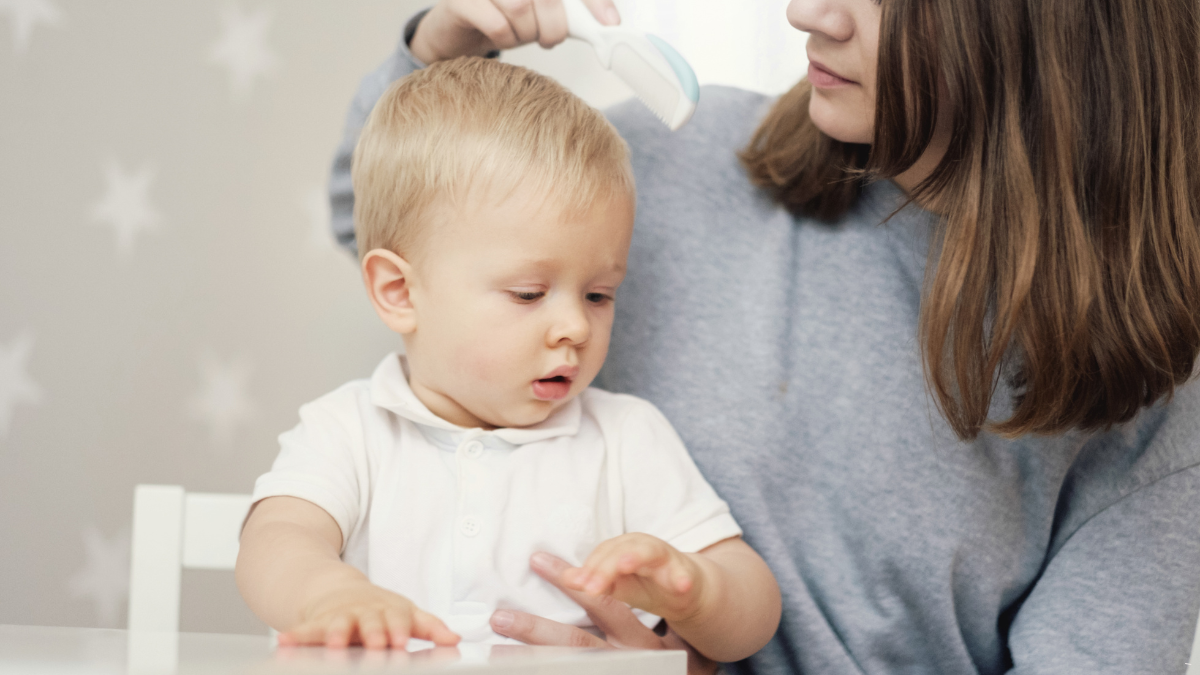
Brush gently with a soft baby brush or wide-tooth comb
A soft baby brush or wide-tooth comb can do a lot with very little pressure. Light brushing helps lift loose flakes, smooth the hair, and move natural oils along the strands. It can also give the scalp a gentle massage, which feels calming and keeps care simple.
Use short, easy strokes instead of long pulls. If you hit a knot, hold the hair near the scalp and work through it slowly. That keeps you from tugging on delicate roots, which can cause breakage or make your baby uncomfortable.
If the hair is very tangled, stop and loosen it with your fingers first. Brushing through a tight knot can pull out more hair than you expect.
For babies with curls or texture, a wider-tooth comb is often easier on the hair. The American Academy of Dermatology also notes that wide-tooth combs help reduce pulling and breakage.
Pat hair dry instead of rubbing after bath time
Rough towel drying can snap fragile strands and leave extra hair in the towel. A better approach is simple, gentle, and quick.
- Wrap your baby in a soft towel right after the bath.
- Press the towel against the hair to soak up water.
- Pat along the scalp and lengths, but don’t scrub.
- Let the hair air dry the rest of the way.
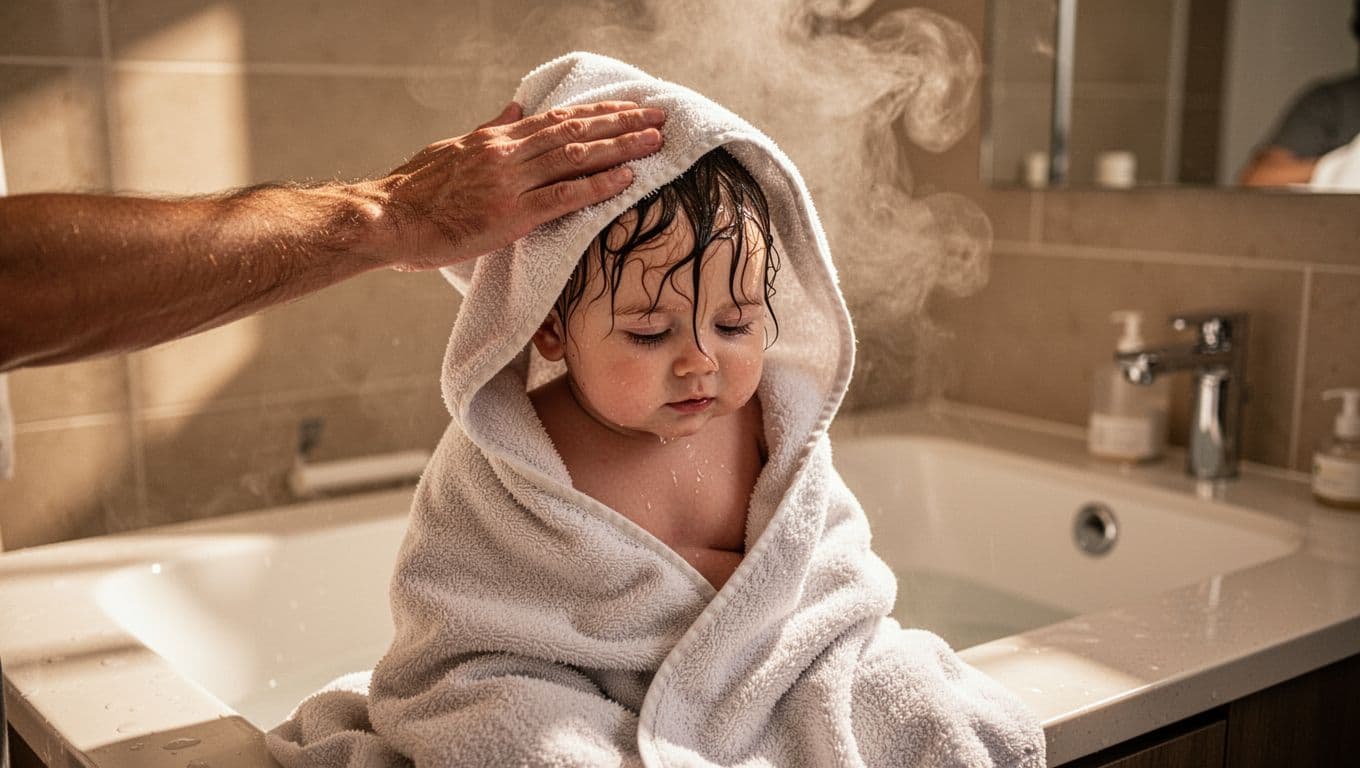
A hooded towel works well because it keeps the head warm while you dry the body. It also cuts down on rubbing, which helps the hair keep its shape. For a simple baby-care reference, Children’s Hospital of Philadelphia recommends using a soft baby brush and avoiding hot air on infant hair.
Reduce pressure and breakage from daily routines
Small daily habits can make baby hair look thinner than it really is. Friction, tight accessories, and too much pressure in one spot all add up over time, especially on soft, fine hair. The good news is that a few simple changes can protect delicate strands without adding work to your day.
Give your baby enough tummy time
Tummy time helps move pressure off the back of the head, which is where many flat spots and rubbed-away bald patches start. When your baby spends more awake time on their belly, the scalp gets a break from constant contact with the mattress, car seat, or bouncer.
That pressure matters more than many parents realize. Babies who stay on one surface too long can develop a flatter spot on the back of the head, and hair in that area may rub off faster. The AAP-backed guide to tummy time is a helpful place to start if you want easy ways to build it into the day.
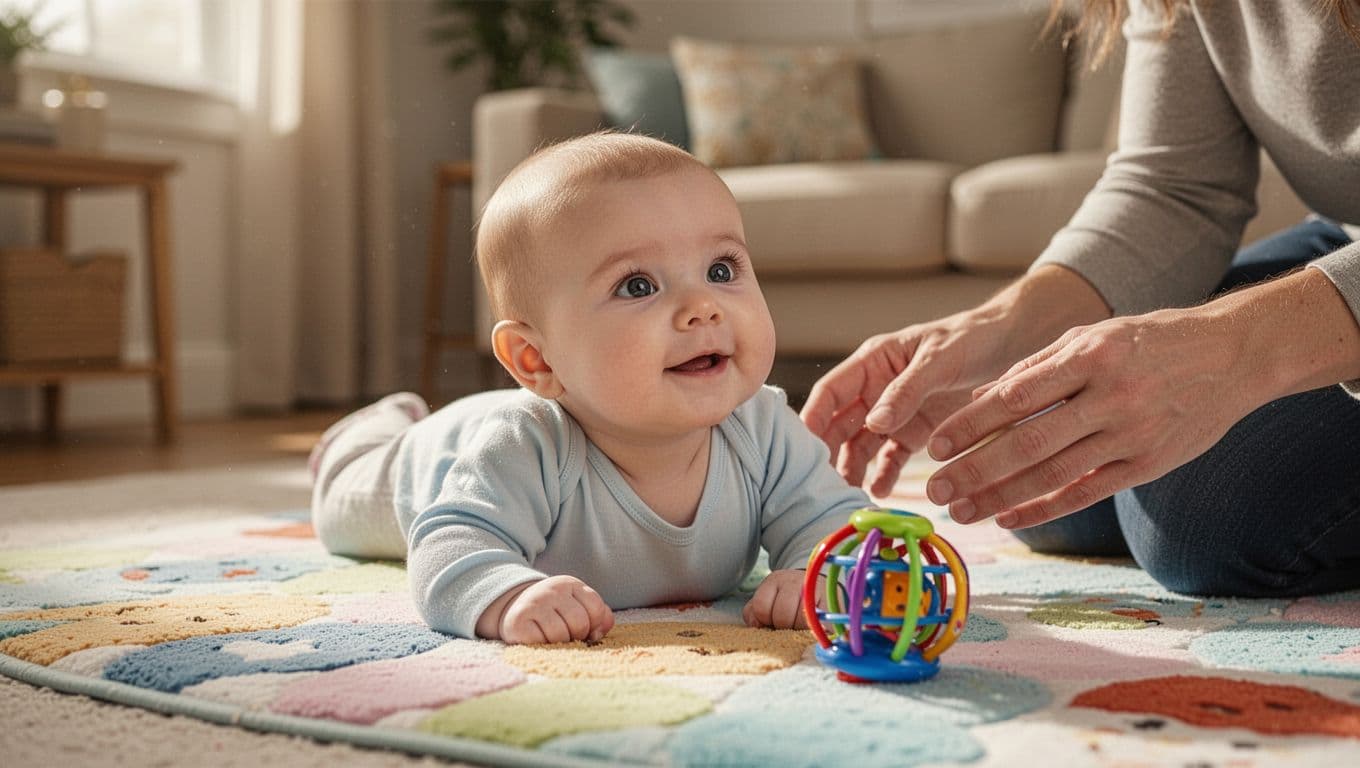
Start with short, supervised sessions and add more as your baby gets stronger. The HealthyChildren flat head syndrome guide also notes that tummy time helps round out the back of the head and reduce pressure-related hair loss.
More tummy time means less rubbing, and less rubbing means less breakage.
Avoid tight hairstyles, clips, and headbands
Tight ponytails, snug headbands, and hard clips can pull on baby hair all day. That constant tension strains the scalp and can lead to breakage near the hairline, temples, or crown.
Keep accessories soft and loose. If a style leaves marks on the skin or feels hard to remove, it’s too tight for baby hair. A gentle bow or soft fabric band is a better choice than anything that grips the scalp.

The goal is comfort, not control. Baby hair grows best when it can move freely, especially during naps, play, and cuddles.
Skip heat styling and adult hair tools
Blow dryers, flat irons, and curling irons are too harsh for baby hair and too risky for a baby’s sensitive scalp. Their hair strands are finer and their skin burns more easily, so even mild heat can dry out hair or cause damage.
Let baby hair air-dry after baths, and keep styling simple. If you want to smooth tangles, use a soft brush or wide-tooth comb instead of heat. For a clear safety reminder on styling tools, HealthyChildren’s guidance on hair tool risks is a useful reference.
A calm routine does more for baby hair than hot tools ever will. Gentle handling, less pressure, and fewer tight styles keep fragile strands intact while new growth comes in.
Feed the nutrients that support healthy hair growth
Hair does not grow in a vacuum. Once your baby starts solids, overall nutrition starts to matter more, because the body needs fuel to build strong hair, skin, and tissue. Before that stage, breast milk or formula gives your baby what they need.
Focus on protein, iron, and healthy fats when solids begin
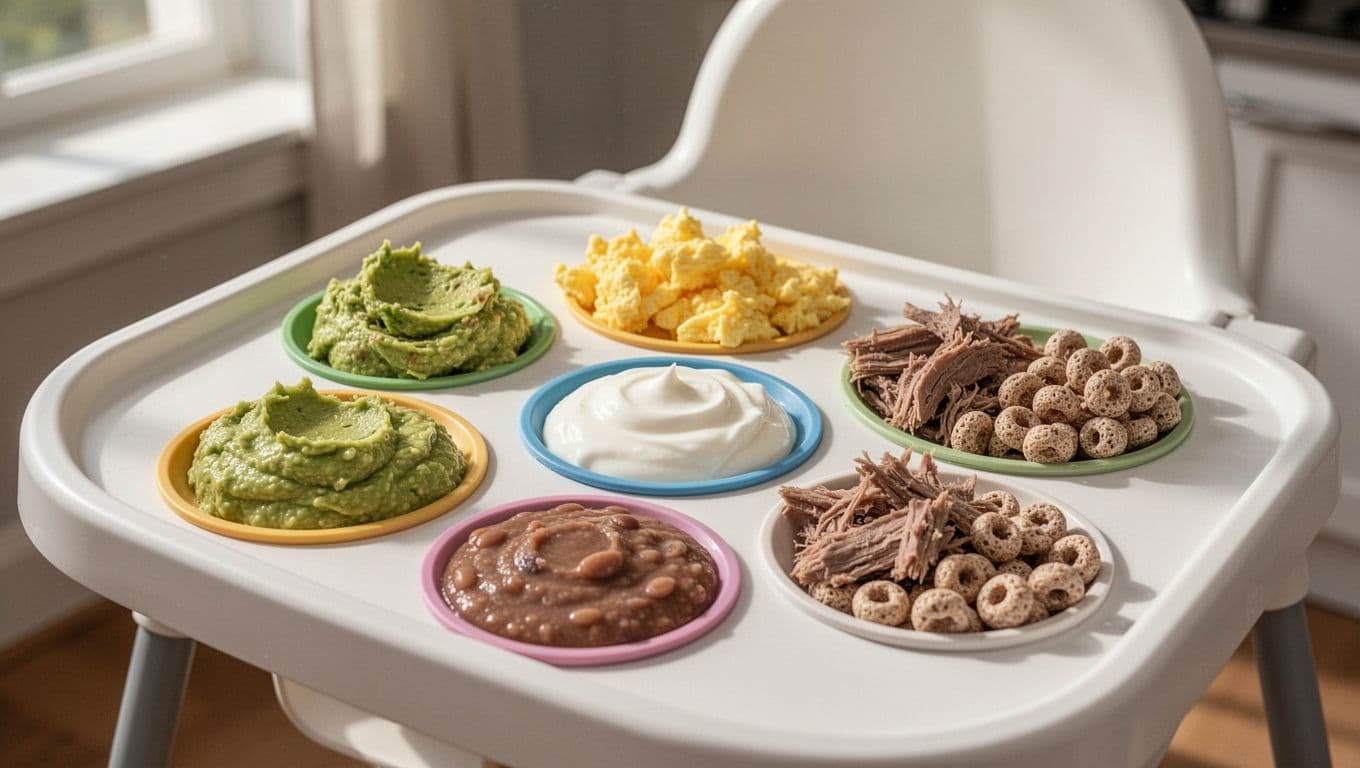
Hair is made mostly of protein, so protein-rich foods matter for healthy growth. When your baby starts eating solids, offer simple foods like eggs, beans, yogurt, avocado, meats, and iron-fortified cereals. These foods are easy to work into soft textures and small portions.
A few age-appropriate options are:
- Eggs for protein and easy prep
- Beans or lentils for protein and iron
- Plain yogurt for protein and fat
- Avocado for healthy fats
- Shredded meats for iron and protein
- Iron-fortified cereal for an easy first solid
Iron is important too, because low iron can affect growth and energy. Healthy fats also help babies meet their high calorie needs. If you want more ideas for early meals, these healthy solids for babies give you a simple place to start.
For a clear feeding timeline, HealthyChildren’s guide to starting solid foods explains when solids usually begin and which nutrients matter most.
Don’t expect food to change hair overnight
Good nutrition supports hair growth, but it works on the body’s schedule, not ours. One bowl of yogurt or one egg will not fill in thin spots by the next morning.
Steady habits matter more than quick fixes. When your baby eats a mix of protein, iron, and healthy fats over time, you support overall growth, and hair benefits from that foundation too.
Think of nutrition as the soil under the plant. The results come slowly, but the base has to be solid first.
Keep meals simple, repeat helpful foods often, and stay patient. That consistent routine does more for healthy baby hair growth than any shortcut ever will.
Choose baby products that do not irritate the scalp
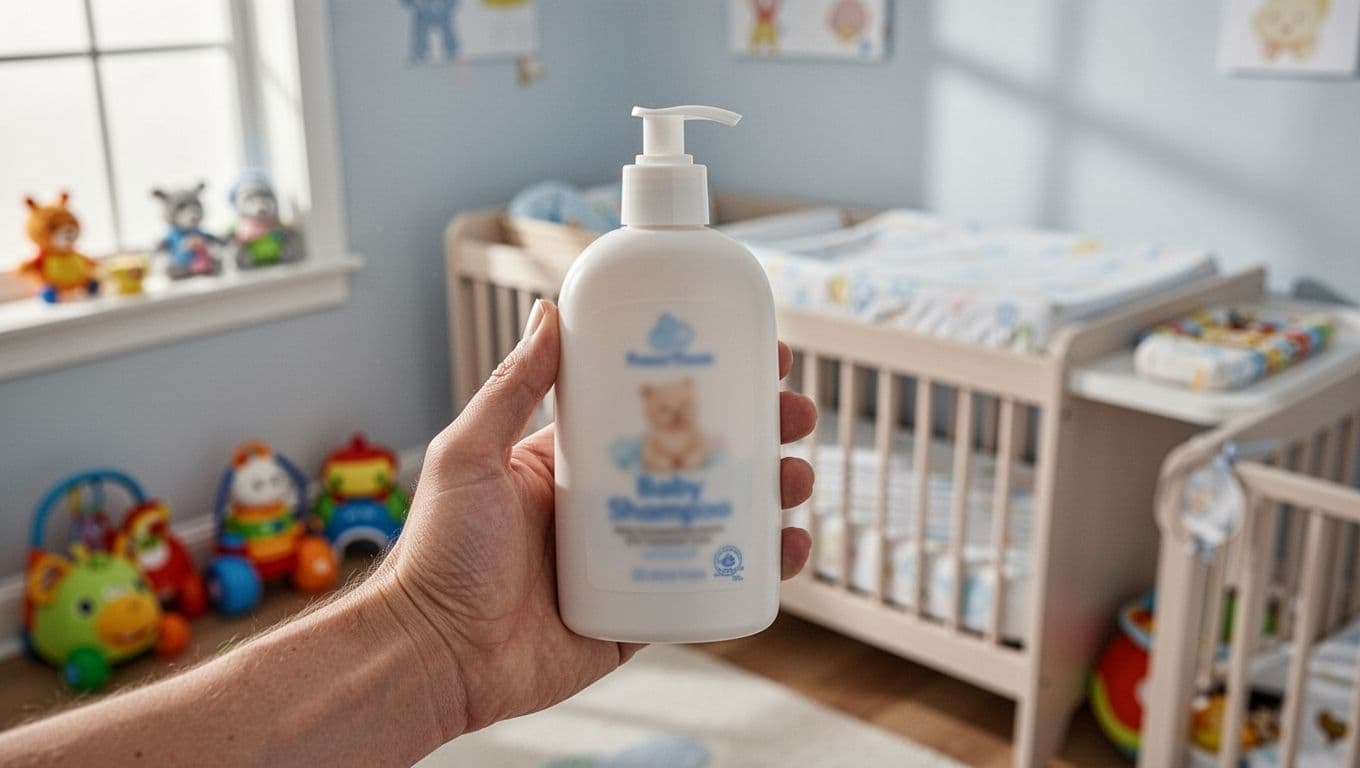
The right baby shampoo or wash should clean without leaving the scalp tight, dry, or itchy. That usually means a shorter ingredient list, a gentle formula, and no extra scent that can bother sensitive skin.
When you shop, read past the front label. Words like “gentle” and “tear-free” help, but the ingredient list tells the real story. For babies, less harsh cleaning power is usually better than more.
Look for fragrance-free, gentle formulas made for babies
Fragrance-free products are a smart first choice because scent is a common source of irritation. Babies do not need strong perfume in their shampoo, and their scalp can react fast to it.
Try to skip products with parabens, sulfates, and strong dyes when you can. Sulfates can strip away natural oils, which leaves the scalp dry and more prone to flaking. Parabens and artificial colors are also easier to avoid when you want a simpler, baby-friendly formula.
A gentle wash made for infants is usually the safest bet. For a quick comparison of baby wash options, these gentle newborn skin care picks are a helpful place to start. If you want ingredient guidance too, Consumer Reports on baby shampoos explains why fragrance-free formulas are often the better pick.
Watch for signs a product is not working for your baby
Your baby’s scalp will usually tell you when a product is too harsh. Redness, dryness, and flaking are the most obvious clues, but fussiness during bath time matters too.
Look for these warning signs after washing:
- Red or irritated skin on the scalp or hairline
- Dry patches or flaking that get worse after baths
- More scratching or rubbing of the head
- Crying or fussiness when shampoo touches the scalp
If you notice those changes, stop the product and switch to something gentler. A good baby wash should leave the scalp calm, not stripped. When the skin barrier stays comfortable, hair is less likely to break and the scalp stays in better shape for healthy growth.
Conclusion
The fastest way to support baby hair growth is still the gentlest one. A clean, calm scalp, light moisture, soft brushing, low-friction routines, baby-safe products, and steady nutrition all work together to protect new strands as they come in.
That matters more than chasing a miracle fix. Most babies go through thin patches and uneven spots early on, then fill in as they get older and their hair cycle matures.
Keep the routine simple, stay patient, and watch for steady changes over time. For many babies, fuller hair arrives on its own, one soft strand at a time.
Save pin for later

- What Causes a Flat Head Shape in Babies? - September 20, 2026
- Baby Massage for Gas Pain: Step-by-Step Instructions - September 20, 2026
- Newborn Skin Peeling: Common Causes and Warning Signs - September 20, 2026