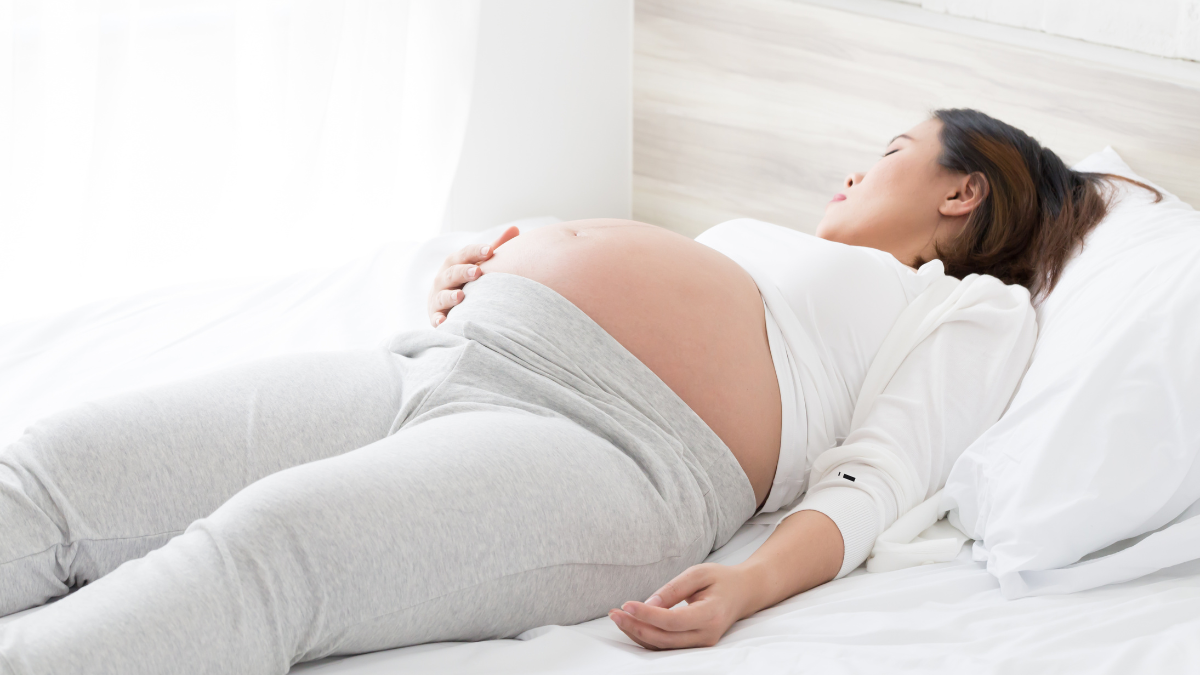

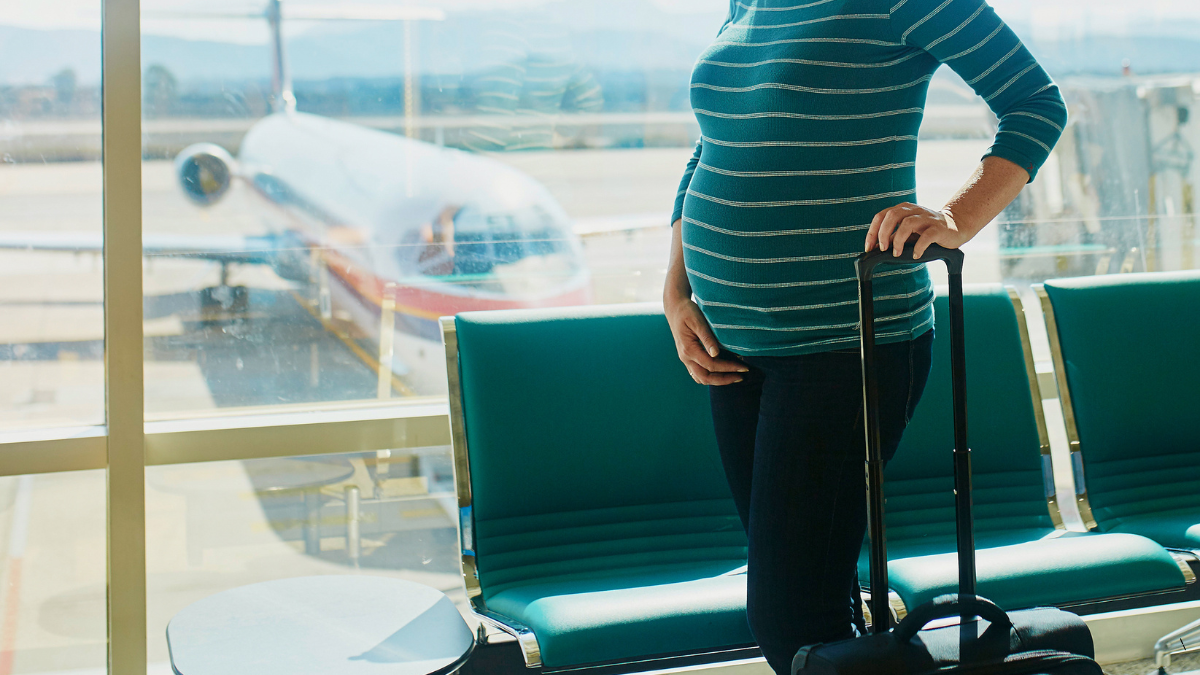
Many expectant mothers find that the second trimester is the goldilocks zone for travel. By this stage, morning sickness often fades into the background, and your energy levels finally bounce back. It’s truly the best window to get away before your belly becomes too large for easy movement.
Of course, your personal health is the most important factor in any itinerary. Before you book those tickets, always check with your doctor to ensure your specific pregnancy allows for travel. If you are already busy preparing for the months ahead, you might want to look over this essential second trimester checklist to keep yourself on track.
This post covers how to prioritize your comfort and safety while you are on the move. Whether you are planning a road trip, catching a flight, or riding the rails, we have the tips you need to stay relaxed. You can also see more helpful ideas for your daily routine in this video on pregnancy essentials.
Why the second trimester is often the best time to travel
The window between 14 and 28 weeks of pregnancy is widely considered the ideal timeframe for a getaway. By this point, your body has typically settled into a more predictable rhythm, and the acute symptoms of the early months have usually faded. While every pregnancy is unique, most women find that this mid-point offers the perfect balance of physical comfort and mobility before the final trimester begins.
What changes in your body make travel easier now
During the first trimester, many women struggle with extreme fatigue and unpredictable morning sickness. As you enter the second trimester, these symptoms often diminish or disappear entirely. You might notice your energy levels rebounding, which makes it much easier to explore a new city or endure a long car ride. Your body is still adjusting, but the initial hormonal surge that causes intense nausea is usually behind you.
Your growing belly is also a key factor during this stage. While your bump is definitely visible, it generally hasn’t reached the size where it hinders your mobility or makes sitting in a plane or car seat uncomfortable. This “sweet spot” allows you to enjoy vacations without the significant physical strain that often characterizes the final months of pregnancy. You can learn more about healthy pregnancy tips and safety to ensure you stay feeling your best throughout your trip.
It is important to remember that this time is about finding a pace that feels good for you. You are likely more energetic than you were a few weeks ago, but your body still needs rest. Plan for extra breaks, keep your hydration levels high, and listen to your body if it signals that you need to slow down.
When travel may still not be a good idea
Even during the most comfortable phase of pregnancy, certain medical situations might make travel a risky choice. Your primary priority is always the health of both you and your baby. Most obstetricians will advise against travel if you are experiencing active complications, as being away from your primary care team can make managing these issues difficult.
Common situations where doctors may recommend staying close to home include:
- Placenta issues: Conditions like placenta previa can increase the risk of sudden bleeding, which requires immediate medical attention.
- High blood pressure: If you are dealing with gestational hypertension or preeclampsia, the added stress of travel might worsen your condition.
- History of preterm labor: If you have had preterm labor in a previous pregnancy or are showing signs of it now, travel is often discouraged to keep you near specialized care.
- Active bleeding or spotting: Any unexplained bleeding warrants a conversation with your provider before you step out the door.
Consult your doctor for guidance on travel during pregnancy before you finalize any itineraries. They can review your medical history and offer personalized advice based on your current health status. While the second trimester is usually safe, your specific situation might require extra precautions or a decision to postpone your trip until after the baby arrives.
Talk to your doctor before you book anything
Before you finalize any travel plans, sit down with your healthcare provider. Even if you feel energetic and symptom-free, a quick checkup provides peace of mind. Your doctor knows your medical history better than anyone else. They can confirm if your pregnancy is progressing normally and if your destination carries any specific risks.
This conversation is vital regardless of whether you plan a short weekend getaway or an international vacation. Every pregnancy involves different factors, and your doctor may have advice tailored specifically to your needs. Prioritizing these essential pregnancy appointments and tests ensures you stay ahead of potential issues.
Questions to ask at your prenatal visit
Come prepared to your appointment with a list of concerns. Having these answers in advance helps you travel with confidence rather than worry. You might find it helpful to record the answers in your phone notes.
Consider asking your doctor these practical questions:
- Is it currently safe for me to travel, given my medical history and current progress?
- Are there any specific symptoms, such as cramping or spotting, that should prompt me to cancel my trip?
- Which over-the-counter medications are safe to take if I develop mild illness or travel-related discomfort while away?
- Does my destination require specific vaccines or precautions that I should avoid during pregnancy?
- Should I be using compression stockings for long flights or extended car rides to manage swelling?
- Are there any activities at my destination, like certain sports or high-altitude excursions, that I should steer clear of?
You can also find additional information on how to manage health conditions during your trip by checking with reliable health organizations. Your provider acts as your best resource for navigating these details.
How to plan for medical care away from home
Feeling safe on the road often comes down to preparation. Researching your destination in advance allows you to act quickly if something unexpected happens. Take time to locate the nearest hospitals, urgent care centers, or OB offices before you leave. This simple step removes the stress of searching for help in an emergency.
Always carry a physical folder or a digital file containing your vital health information. Having these documents ready saves time and ensures you receive the right care if you visit a new clinic.
Include these items in your travel kit:
- A copy of your prenatal records, including any recent lab results or ultrasound reports.
- Your health insurance card and contact information for your insurance provider.
- A list of your current medications and dosage instructions.
- Names and phone numbers for your primary obstetrician or midwife.
- Emergency contact information for a trusted friend or family member.
Think of this preparation like preparing for a vacation with your little one, where you anticipate needs before they arise. Being organized keeps your mind clear so you can focus on enjoying your trip. Knowing you have a plan in place makes the entire experience much more relaxing.
Pack for comfort, hydration, and steady energy
When you are out and about during your second trimester, your body requires consistent fuel and gentle care. While you may feel more energetic than in your first months, your blood sugar and hydration levels are still sensitive to long travel days. Being mindful of what you pack ensures you stay ahead of potential discomforts like nausea or fatigue. By keeping your essentials within reach, you create a buffer against the physical demands of moving through airports or enduring long drives.
Smart snacks that help with hunger and nausea
Staying ahead of hunger is the most effective way to prevent the shaky, nauseated feeling that often accompanies long trips. Instead of waiting for a full meal, keep your stomach settled by eating small, frequent amounts throughout your journey. Bland, easy-to-digest items are your best allies when motion or travel stress begins to affect your appetite.
Focus on portable snacks that provide a steady stream of energy without heavy odors or excessive sugar. A mix of complex carbohydrates and a bit of protein keeps your blood sugar stable for longer. Consider packing these reliable options:
- Saltines or dry crackers: These are classic for a reason, as they absorb excess stomach acid and provide a gentle source of quick energy.
- Nuts and seeds: A small bag of almonds, walnuts, or pumpkin seeds offers healthy fats, fiber, and protein to keep you satisfied.
- Fresh or dried fruit: Apples, bananas, or dried apricots are easy to carry and provide natural sugars plus necessary vitamins.
- Protein bars: Choose brands with simple ingredients to avoid the heavy processing that might upset a sensitive stomach.
- Yogurt or cheese sticks: If you have a small cooler bag, these refrigerated options add a cooling, high-protein component to your snack stash.
Ginger is another powerful tool to include, whether as tea bags, ginger chews, or natural candies, as it is widely known for its ability to calm digestive upset. Always keep these items accessible in your carry-on or the front seat so you can reach them the moment you feel a dip in your energy. You can also explore tips for staying positive during pregnancy to help maintain your mood when your schedule gets disrupted by travel.
Clothes and accessories that make a big difference
What you wear directly impacts how you feel during a long trip. Your comfort depends on choosing loose, breathable layers that adapt to changing temperatures in planes or vehicles. Tight waistbands can become irritating, so opt for high-quality maternity leggings or soft, pull-on pants that sit comfortably under or over your bump. Supportive shoes are equally important, especially when you have to walk through long terminals or stand in lines. Look for flats with good arch support that remain comfortable even if your feet experience minor swelling.
Compression socks are a must-have for any flight or long car ride. They encourage healthy circulation in your legs and help minimize the swelling that often happens when you are stationary for long periods. Pack a versatile layer, such as a soft shawl or a light jacket, so you can easily adjust if the air conditioning suddenly makes you shiver. If you are looking for more ways to stay comfortable and organized, check out these essential pregnancy items for beginners to refine your travel kit.
What to keep in your personal travel bag
Your carry-on bag should be the headquarters for your pregnancy wellness on the road. Organize these items in a dedicated pouch so you can find them without digging. Essential items include your prenatal vitamins, any medications approved by your doctor, and a reusable water bottle that you can fill after passing security. Staying hydrated is critical, so keep that bottle within sight and sip from it consistently throughout the day.
Along with your medical records, insurance cards, and emergency contacts, include a few practical hygiene items. Wipes, tissues, and travel-sized hand sanitizer help you stay fresh and clean, regardless of where your travels take you. Bringing a copy of your important medical information is a simple way to feel secure if you need help away from home. Being fully prepared allows you to focus on the joy of your trip rather than the logistics of your physical well-being.
Choose the safest way to get there
Choosing the right mode of transportation is a personal decision that balances your destination, your physical comfort, and your specific medical needs. While driving, flying, and taking the train are all common choices, each carries unique considerations for a pregnant traveler. Assessing your stamina and the length of your trip helps you make the best choice for this phase of your pregnancy. Always confirm your plans with your doctor, as your individual medical history remains the final guide for any travel itinerary.
Staying safe and comfortable on car trips
Road trips allow for the most flexibility, which is a major advantage when you need to control your schedule. You can pull over whenever you need a break, which is vital during the second trimester. Aim to stop every one to two hours to stretch your legs, walk around, and use the restroom. These frequent intervals keep your blood circulating and help prevent the stiffness that often sets in during long drives.
Safety inside the vehicle starts with how you wear your seat belt. Always position the lap belt low under your belly, resting comfortably across your hips rather than over your bump. The shoulder belt should sit across your chest and away from your neck, staying to the side of your stomach. This placement keeps you and your baby safe while minimizing pressure on your midsection. Staying cool and hydrated also improves your comfort, so keep a bottle of water nearby and adjust the air vents to keep the cabin temperature pleasant.
What to know before flying while pregnant
Air travel is generally a quick way to reach your destination, though it requires extra planning for comfort. Most airlines have specific policies regarding expectant passengers, so check their rules well in advance. When booking, select an aisle seat if possible. This makes it much easier to stand up and walk around the cabin without needing to climb over your neighbors.
Moving your body remains the best way to handle flight fatigue. Try to get up and walk up and down the aisle whenever the seat belt sign is off, typically every 30 minutes. Gentle movement prevents swelling and improves circulation. If you struggle with bloating, pay attention to your intake of carbonated or gas-heavy drinks before and during the flight. You can find more tips on keeping your gear organized in this newborn packing checklist for traveling moms to ensure you remain prepared. Keep your focus on staying hydrated and comfortable, and talk to your healthcare provider about any specific concerns regarding altitude or pressure changes before you fly.
When train travel may be a good option
For many, the train offers a perfect middle ground between the autonomy of a car and the speed of a plane. Trains often provide more legroom and space to move around, which helps you stay comfortable for several hours at a time. The ability to walk to a larger restroom or visit a cafe car makes the journey feel less restrictive than being buckled into a narrow seat.
The stress of navigating traffic or airport security is often lower on a train, which helps you maintain a calm pace. However, even with the extra space, you still need to be mindful of your body’s limits. Plan to walk through the cars to keep your blood flowing, and stay consistent with your water intake. Since train schedules can sometimes change, always keep your essential medical documents in an easily accessible bag. Balancing your need for comfort with the reality of long-distance travel, like exercising your legs often and monitoring your energy, ensures you arrive at your destination feeling refreshed. If you have concerns about travel duration, wearing compression stockings is also a smart way to manage circulation during transit.
Keep blood flow moving and avoid long periods of sitting
Staying active during your travels is a smart way to protect your health and boost your comfort. When you sit for several hours in a car, plane, or train, blood flow naturally slows down, particularly in your lower body. Pregnancy already changes how your blood circulates, and remaining stationary for too long can increase the risk of developing blood clots, also known as deep vein thrombosis. Beyond that serious concern, keeping your muscles engaged helps prevent fluid buildup that leads to uncomfortable leg and ankle swelling. You do not need a complex routine to make a difference. Simply finding ways to shift your position, hydrate, and move your limbs regularly will keep your circulation healthy and help you arrive at your destination feeling much more refreshed.
Simple stretches and walking breaks that help
You can easily maintain your circulation by incorporating small, intentional movements into your travel day. Whether you are stuck in a middle seat or waiting in a busy terminal, these actions keep your muscles working and your blood moving. If you find yourself stiff or sore after a long trip, you can also use gentle exercises for pregnancy rib relief to help your upper body stay loose and pain-free.
Try these simple techniques to keep your energy and blood flow steady:
- Ankle circles: Rotate your ankles in slow circles while seated. This movement encourages blood to return from your feet back up toward your heart.
- Standing calf raises: If you have space to stand, rise onto your tiptoes and lower your heels back down. Repeating this motion engages the muscles in your lower legs to push blood through your veins.
- Short walks: Aim to walk up and down the aisle or around the rest stop every hour. Even a few minutes of walking changes the pressure on your legs and provides a welcome change of pace.
- Gentle shoulder rolls: Relieve upper body tension by rolling your shoulders backward and forward. This simple release helps counteract the hunched posture that often happens after sitting for a long time.
These movements are discreet and require no special equipment. By taking just a few minutes to stretch, you reduce the physical impact of long-distance travel and keep your body prepared for the journey ahead.
Why compression socks can be worth packing
Compression socks are a simple yet effective tool for managing circulation on long journeys. These specialized stockings apply gentle pressure to your legs, which helps your veins move blood back up to your heart more efficiently. Because pregnancy increases your risk for clots, as noted by the CDC guidance on blood clot risks, these socks serve as an extra layer of protection during extended travel.
They work by compressing the tissues in your lower legs, preventing fluid from pooling around your ankles and feet. If you are sitting for more than four hours, your legs can often feel heavy or tight, and wearing compression gear can make a noticeable difference in how you feel when you finally stand up. While they are not a replacement for taking walking breaks, they act as a supportive partner for your circulatory system.
If you plan to use them, look for pairs designed specifically for comfort that provide graduated pressure. It is a good idea to put them on before you begin your journey, ideally first thing in the morning when swelling is at its lowest. Always talk to your healthcare provider before your trip to see if they recommend a specific level of compression for your needs. Keeping your legs supported in this way can minimize swelling and help you feel more comfortable until you reach your final stop.
Protect your comfort by managing food, water, and temperature
Travel during your second trimester is a wonderful opportunity to see the world, but it requires you to act as your own advocate. Because your body is working overtime to support your growing baby, you become more sensitive to your environment. Small, consistent choices regarding what you eat, how much you drink, and how you manage heat will help you avoid feeling drained or unwell. By being proactive with your daily habits, you create a buffer against the physical demands of being away from home.
How much water to aim for while traveling
Staying hydrated is the most effective way to keep your energy steady and your body comfortable. Your blood volume increases during pregnancy, which creates a higher baseline need for fluids. Travel adds extra challenges, as cabin air in airplanes is notoriously dry, and the act of walking through terminals or navigating new cities increases your fluid loss.
Do not wait until you feel thirsty to take a drink. By the time your mouth feels dry, you are likely already starting to dehydrate. Instead, make it a habit to sip water constantly throughout your day. A reusable bottle is your best travel companion; keep it filled and within reach at all times. If you are unsure about your baseline needs, review the recommended daily water intake for pregnancy to ensure you are meeting your body’s requirements.
When traveling in warmer climates or spending long hours on the road, consider adding electrolyte-rich drinks to your routine. These help replace the minerals you lose through sweat, which is especially helpful when your energy feels low. As noted by the Mayo Clinic Health System on heat safety, water remains the preferred choice, but electrolytes provide a useful boost when you are active.
How to avoid getting too hot or too tired
Temperature control and rest are just as vital as hydration. Your body temperature naturally runs higher while you are pregnant, making you more susceptible to overheating. When you feel the heat rising, seek shade immediately or find an air-conditioned space. If you are exploring outdoors, plan your activities for the cooler parts of the day and prioritize frequent breaks.
Layering your clothing allows you to adapt to changing environments quickly. Carry a light jacket or a breathable shawl that you can put on or take off, especially when transitioning between hot outdoor air and cold indoor transit hubs. If you begin to feel lightheaded or exhausted, stop what you are doing. Pushing through fatigue is never worth the risk. Slowing down is a healthy, smart choice that helps you preserve your energy for the parts of your trip you truly enjoy.
On long journeys, be mindful of your comfort in stationary positions. If you are traveling by plane or train, the NHS advice on pregnancy travel suggests moving around regularly to encourage circulation. Taking time to rest, finding shade when the sun is strong, and listening to your body will help you stay steady and refreshed throughout your travels.
Conclusion
Traveling during your second trimester is a safe and enjoyable experience when you plan with care. You can confidently explore new places by prioritizing a few essential habits. Always secure approval from your healthcare provider before booking any trip. Maintaining your hydration, moving your body frequently, and choosing comfortable clothing remain the best ways to stay refreshed on the road.
If you ever feel uncertain about your physical symptoms, trust your instincts and seek local medical support. Knowing where to find help at your destination provides peace of mind while you are away from home. You should also refer to healthy pregnancy tips and safety to stay informed about your well-being. Preparation allows you to focus on the joy of your getaway. Listen to your body and enjoy this special time.
Save pin for later


- 12 Things Pregnant Women Do When They’re Alone - June 7, 2026
- 25 Healthy Pregnancy Snacks You Should Try - June 7, 2026
- 100 Funny Baby Jokes That Will Make You Laugh - May 15, 2026