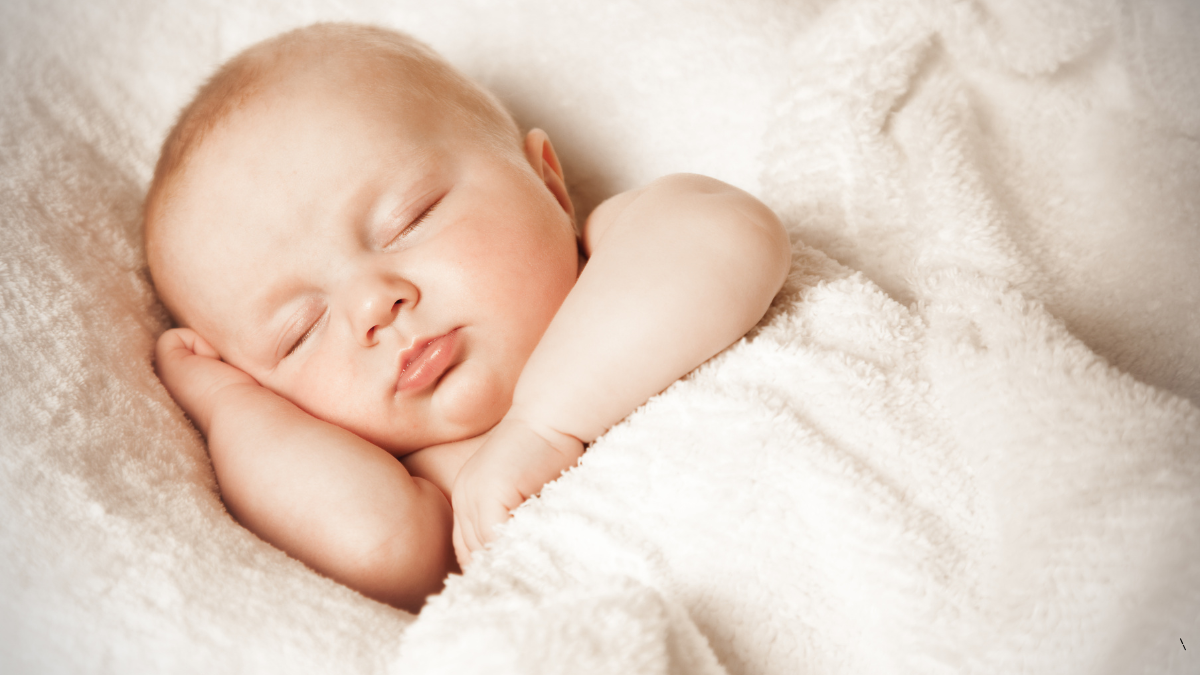
Babies can sleep a lot, and most of the time, that’s normal. In those early months, sleep supports fast brain growth, steady body development, and a sleep cycle that still isn’t fully mature.
If your baby seems to nap often or sleep for long stretches, there’s usually a simple reason behind it. The key is knowing when sleepy behavior fits healthy newborn patterns, and when it could point to a problem that needs medical attention. Here’s what’s behind reasons babies sleep a lot, and how to tell the difference.
Your baby is growing fast, and sleep helps make that happen
Your baby may look peaceful while sleeping, but a lot is happening under the surface. Their brain is wiring new paths, their body is rebuilding itself, and their sleep cycle is doing more work than yours does.
That’s why babies need far more sleep than older kids and adults. Their days are full of growth, even when they seem calm in your arms. Sleep gives their body time to catch up.

How sleep helps build the brain
Newborn sleep is busy sleep. During active sleep, the brain is working through everything your baby has taken in during the day, even simple things like your voice, a face, or the feel of your hand on their skin. Sleep helps sort that flood of input so the brain can start making sense of it.
That matters because babies are learning all the time. They are not just resting, they are storing, sorting, and strengthening early brain connections. A helpful way to think about it is this: daytime fills the brain, and sleep helps file the information away.
During those sleep cycles, babies also practice the early wiring that supports memory and learning. Research on infant sleep shows that sleep plays a real role in brain development and memory formation, especially in the first months of life. For a deeper look at the science, see this review on infant sleep and growth.
Babies process sounds, faces, and touch all day long. Sleep helps their brains organize that information.
If your newborn seems to sleep a lot, that can be a healthy sign. Their brain is doing heavy work, even when their eyes are closed. For parents who want more support with rest patterns, these baby sleep tips can help build better sleep habits over time.
Why growth happens during sleep
Sleep also helps your baby grow physically. During deep sleep, the body releases growth hormone, which supports bones, muscles, and tissue repair. That is one reason sleep and growth go hand in hand in the early months.
Babies may seem extra sleepy during growth spurts because their bodies are working harder than usual. They are stretching, building, and repairing at a fast pace, so more rest is normal. Sleep gives their body the quiet time it needs to do that job well.
When your baby is in a growth phase, you might notice:
- Longer naps
- More frequent night waking
- A bigger appetite
- A temporary change in mood or alertness
These shifts often pass on their own. Still, if you want to support rest during these busy stages, creating a sleep-friendly environment can make sleep easier to come by.
A sleepy baby is often a growing baby. In the first months of life, that extra rest is part of healthy development, not a sign that something is wrong.
Newborn sleep patterns are very different from adult sleep
Newborn sleep does not follow a neat adult schedule, and that often surprises new parents. Babies sleep in shorter stretches, wake more often, and spend more time in lighter sleep than adults do. That pattern is normal, and in the first months it can add up to 14 to 20 hours of sleep a day.
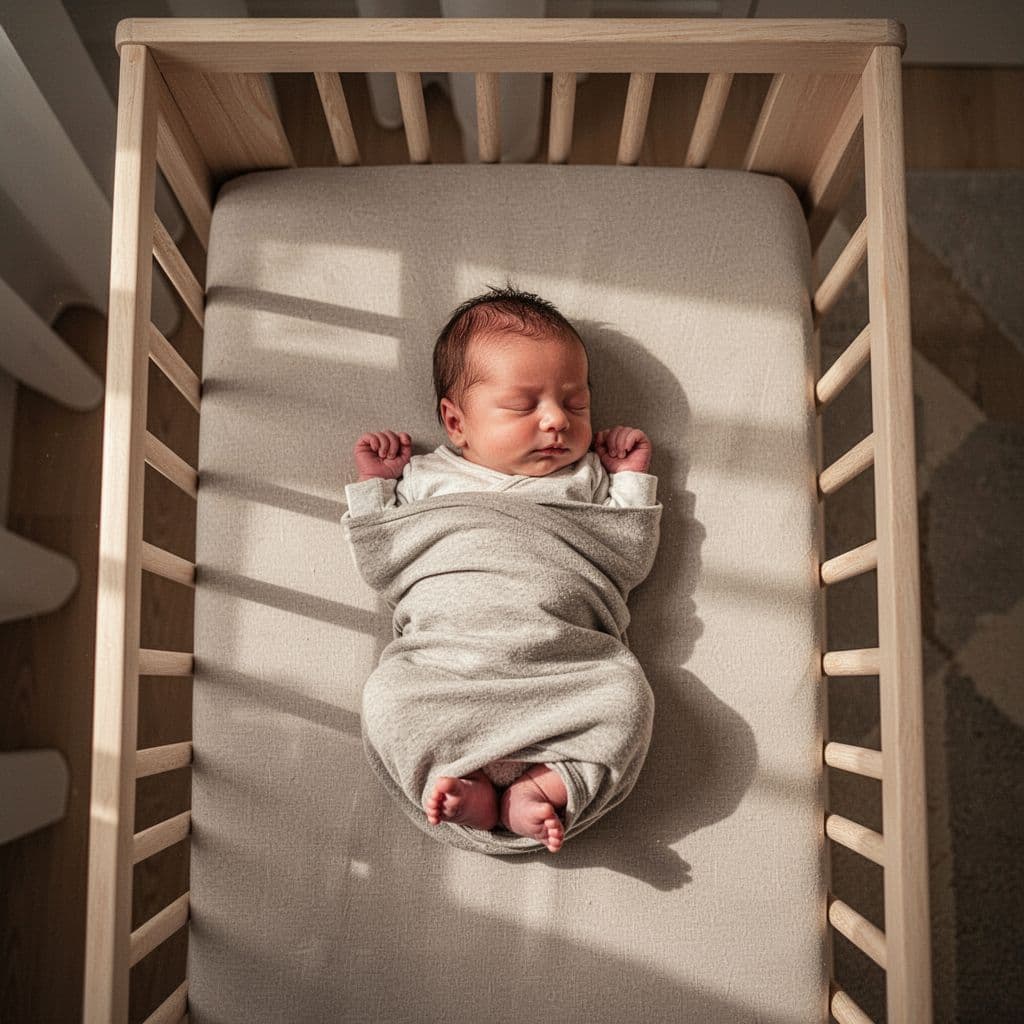
What looks like restless sleep is often just a baby doing what babies are built to do. Their sleep is still maturing, so they move between sleep and waking more easily than adults.
Why babies wake up so often
Babies have much shorter sleep cycles than adults. Adult sleep cycles last about 90 minutes, while newborn cycles are much shorter, often around 40 to 60 minutes. That means babies pass through lighter sleep more often, so it takes less to wake them.
As a result, a baby may stir for several reasons at once. Hunger is a big one, because newborns have tiny stomachs and need to feed often. Comfort also matters, since many babies wake when they want to be held, soothed, or checked on. In the early months, closeness is part of how they feel safe.
This is why frequent wake-ups do not always point to a sleep problem. A newborn who wakes often is usually acting like a newborn. If you want a fuller breakdown of baby sleep patterns, newborn sleep cycle explained gives a helpful overview.
Frequent waking in the first months is normal for babies. Their sleep is lighter, shorter, and easier to interrupt.
That pattern can feel exhausting, but it usually improves as babies grow. Around 2 to 3 months, many babies start stretching sleep a little more, especially if feeding and comfort needs are met.
Why their body clock is still developing
A newborn’s circadian rhythm is not fully set up at birth. That means day and night can blend together at first, so a baby may sleep through sunlight or wake more often overnight. Their body has not yet learned the rhythm that tells older kids and adults when to be alert and when to rest.
Light helps shape that rhythm over time. So does routine. Morning brightness, calmer evenings, and repeated sleep cues all help a baby’s body clock become more predictable. Age matters too, because the sleep system matures little by little during the first months.
That is why newborn sleep can feel random. One day may bring a few longer naps, while the next feels scattered. Over time, the pattern usually settles into a more regular shape. For more support with day-night habits, teaching newborns to distinguish day and night can make the transition easier.
According to Pathways.org, newborns often sleep in many short stretches rather than one long block, which is exactly why their schedule looks so different from an adult’s.
Sleep also protects your baby’s health and safety
Sleep does more than help your baby rest. It gives the body time to repair, save energy, and handle small health challenges as they come up. That matters in the early months, when everything is still developing and baby bodies work hard all day.
You may notice your baby sleeping more during a mild cold or after a busy stretch of feeding and growth. That can be part of the body’s normal recovery process. Still, unusual sleepiness deserves attention, especially if your baby is hard to wake, feeds poorly, or seems off in other ways.
How sleep supports the immune system
Sleep helps the body make infection-fighting proteins called cytokines. These help the immune system respond to germs and support recovery when your baby is under the weather. During sleep, the body also shifts energy away from activity and toward repair.
That is one reason a baby may sleep more while getting over a cold or a minor illness. The body is using that time to heal. Good sleep also helps babies recover from busy days, growth spurts, and the extra work that comes with learning and feeding.
A few signs can point to normal recovery sleep:
- Longer naps after a rough night
- Extra sleep during a mild cold
- More rest after vaccinations or growth spurts
- Briefly lower energy while the baby is getting better
Sleep helps the body heal, but sudden or extreme sleepiness is different. If your baby is unusually hard to wake, call your pediatrician.
For more on how baby sleep fits into overall health, what to know about your baby’s immune system is a helpful resource.
Why sleep is part of built-in protection
Babies spend a lot of time in lighter sleep, and that pattern has a safety role too. Lighter sleep makes it easier for babies to stir when something changes, like discomfort, hunger, or breathing shifts. In other words, their sleep system is still alert to the world around them.
That built-in sensitivity is one reason babies wake often. It can feel exhausting, but it also fits their stage of development. Their bodies are still learning how to settle, rouse, and respond.
This is also why safe sleep habits matter so much. Placing your baby on their back and keeping the sleep space clear gives that natural protection the best chance to work. For a quick refresher, see essential infant sleep safety tips.
Babies rely on sleep for more than rest. It helps them conserve energy, fight off minor illness, and stay responsive as they grow.
When a baby sleeps a lot because of feeding and daily needs
Feeding, digestion, and sleep are tightly linked in the first months. A baby’s body uses a lot of energy to eat, process milk, and keep growing, so sleep often follows a feed naturally.
That can make newborn routines feel repetitive in the best way. Feed, burp, sleep, repeat. For many babies, that rhythm is normal and healthy.

Why hunger and full tummies both make babies sleepy
Newborns have tiny stomachs, so they get hungry often. Because they need frequent feeds, they spend a lot of time eating, digesting, and settling back down again. That cycle alone can make a baby seem sleepy all day.
A feed can also make a baby drowsy. Sucking, swallowing, and staying close to a parent is calming, and a full belly often leads straight to rest. Many babies nap right after nursing or bottle-feeding, and that is usually normal.
The body adds to that sleepy feeling, too. During feeding, babies often relax hard, especially after a satisfying meal. Their little systems slow down, and sleep comes fast.
A baby who falls asleep after feeding is often showing a normal response, not a problem.
You may notice this pattern more often in the newborn stage. A baby may wake hungry, feed well, and then drift off again within minutes. That short cycle is part of early baby care, not a sign that your baby is doing something wrong.
How feeding type and age can change sleep patterns
Breastfed and formula-fed babies may sleep a little differently at times. Some breastfed babies wake more often for feeds, while some formula-fed babies may go a bit longer between meals. Still, the total amount of sleep can be completely normal either way.
Age changes the picture even more. Newborns sleep in short stretches because their stomachs are small and their body clocks are still immature. By 3 to 6 months, many babies start taking bigger feeds and sleeping in longer blocks, especially at night. After that, patterns keep shifting as naps change and nighttime sleep matures.
Feeding habits can shape both day sleep and night sleep. For example:
- A baby who eats frequently during the day may settle more easily between naps.
- A baby who takes short, distracted feeds may wake sooner.
- A baby who gets a full feed before bed may sleep longer, though not always.
- Growth spurts can lead to more feeds and more sleep for a few days.
That is why baby sleep rarely stays the same for long. If your baby suddenly naps more after feeds, or wakes more often around feeding times, the pattern may simply match a new stage of growth. For more detail on feeding-related sleep changes, this overview of how feeding affects baby sleep gives a helpful look at the newborn phase.
In short, feeding is part of sleep, and sleep is part of feeding. When your baby seems sleepy after eating, that often means their body is doing exactly what it should.
What is normal, and when too much sleep may need a doctor
A sleepy baby is often a healthy baby, especially in the newborn stage. Still, there’s a line between normal extra sleep and sleepiness that points to a problem. The big clues are how your baby feeds, wakes, and responds when they are awake.

Signs your baby is probably sleeping normally
If your baby wakes for feeds, has short alert periods, and seems comfortable when awake, that is reassuring. Many healthy babies also gain weight steadily, have normal wet diapers, and settle fairly well after feeding or being held.
Look for these everyday signs:
- Wakes to feed every few hours, even if they drift back to sleep fast
- Has alert moments between naps, with eye contact or quiet curiosity
- Feeds well, with active sucking or swallowing
- Has normal diapers for their age, especially steady wet diapers
- Gains weight at expected checkups
- Acts like themselves when awake, even if they sleep a lot
A baby can sleep a lot and still be fine if those pieces are in place. Healthy sleepiness is usually paired with normal feeding and normal behavior once your baby wakes up. For more on what healthy newborn sleep often looks like, HealthyChildren.org explains common newborn patterns.
Red flags that should not be ignored
Some signs need a pediatrician’s call, and fast. If your baby is hard to wake, feeds poorly, or seems weaker than usual, trust that instinct and get medical advice.
Watch for these warning signs:
- Extreme difficulty waking for feeds or staying awake long enough to eat
- Poor feeding, weak sucking, or refusing feeds
- Fewer wet diapers than expected for age
- Poor weight gain or weight loss that does not improve
- Breathing trouble, gasping, grunting, or pauses in breathing
- Blue lips or a blue-gray color
- Fever in a young infant, especially under 3 months
- Unusual limpness, weak crying, or very low energy
- Jaundice that looks worse, especially with extra sleepiness
- Sudden changes in sleep habits, such as a baby who becomes much sleepier or much harder to settle
If sleepiness comes with poor feeding or limpness, treat it as a medical concern, not a normal stage.
When something feels off, call your pediatrician. In babies, especially newborns, changes can happen quickly. The American Academy of Pediatrics notes that a baby who rarely wakes, feeds poorly, or seems too tired to eat should be checked by a doctor.
Conclusion
Babies sleep a lot for good reasons. Their brains are growing fast, their bodies are building new tissue, and their sleep cycles are still maturing. That is why long naps, frequent wake-ups, and sleepy feeding sessions are often part of healthy newborn life.
As long as your baby wakes to eat, gains weight, and seems alert between naps, extra sleep is usually normal. If sleep suddenly changes, or if your baby is hard to wake, feeds poorly, or shows other warning signs, call your doctor.
If you want more help telling normal from unusual, understanding newborn sleep patterns can make those early weeks feel a lot clearer.
Save pin for later


- 12 Things Pregnant Women Do When They’re Alone - June 7, 2026
- 25 Healthy Pregnancy Snacks You Should Try - June 7, 2026
- 100 Funny Baby Jokes That Will Make You Laugh - May 15, 2026