
Yes, dark chocolate during pregnancy can be okay when you keep it in moderation. If you’re craving something sweet, you don’t have to treat every bite like a mistake, but it does help to know what’s safe and what’s not.
Dark chocolate can bring a few benefits, yet it also has limits, especially if you’re watching caffeine, sugar, or blood sugar levels. This quick guide keeps things simple, so you can enjoy a treat with more confidence and fewer worries.
Foods to avoid while pregnant can help you make smarter snack choices, and the next part breaks down the real benefits and risks of dark chocolate.
What makes dark chocolate different from regular chocolate?
Dark chocolate gets its edge from a simple swap in the recipe: more cocoa, less sugar, and no milk solids. That shift changes the taste, the nutrition, and the way it fits into a pregnancy snack plan.
Regular milk chocolate usually tastes sweeter and creamier because it has more sugar and dairy. Dark chocolate tastes richer and more bitter because the cocoa content is higher. That cocoa also brings more plant compounds, which is one reason people often see dark chocolate as the “better” choice.
How cocoa content changes the nutrition
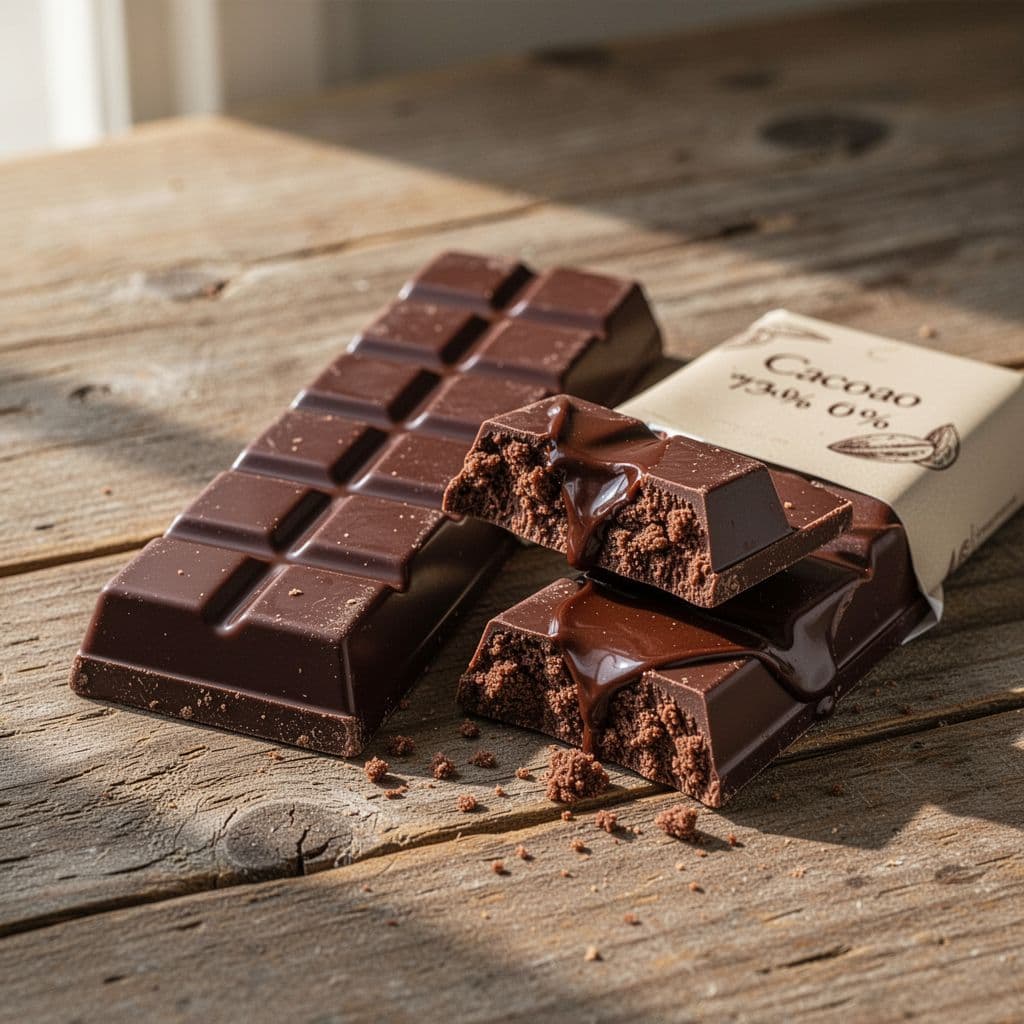
Cocoa percentage tells you how much of the bar comes from cocoa beans. As that number goes up, the chocolate usually tastes less sweet and more intense. A bar with 70% cocoa is a common pick because it gives you a strong dark chocolate flavor without going all the way into very bitter territory, but labels can vary a lot.
Higher cocoa also means less room for sugar. That matters because sugar is usually the main ingredient that pushes milk chocolate into dessert-like territory. More cocoa can also mean more flavonoids, which are natural plant compounds found in cocoa.
The tradeoff is that dark chocolate can bring a little more caffeine and theobromine too. Those compounds are present in cocoa, so a higher cocoa bar may feel a bit more stimulating than regular chocolate. For pregnancy, that makes portion size and total daily intake more important.
Why dark chocolate is not the same as a health food
Dark chocolate has a better nutrition profile than milk chocolate, but it is still a treat. It can still add calories, fat, and sugar, even when the cocoa percentage is high.
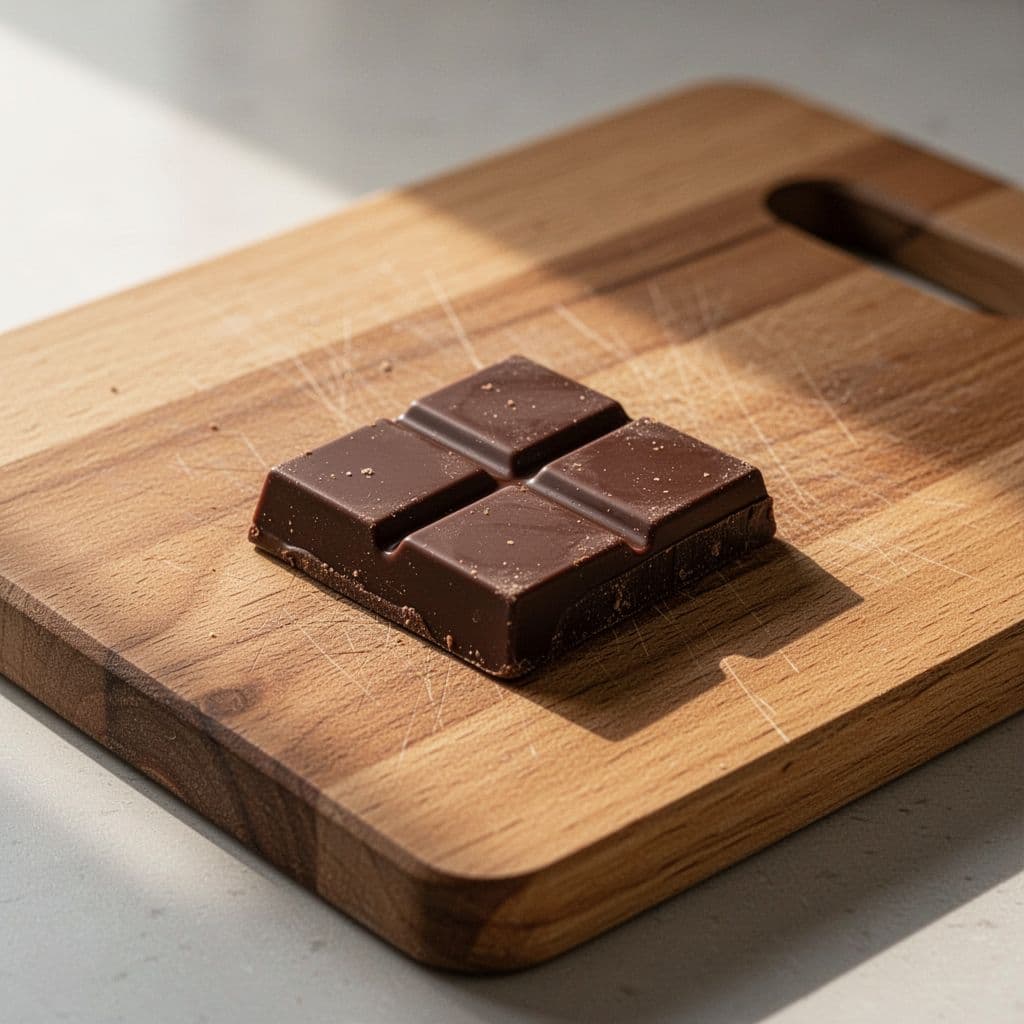
That is why the serving size matters. A small square or two can fit into a balanced day more easily than a large handful of chunks. If you want a simple rule, choose a higher-cocoa bar, then keep the portion modest.
For a broader look at what belongs on your pregnancy caution list, see foods to avoid during pregnancy.
Possible benefits of dark chocolate during pregnancy
Dark chocolate can fit into pregnancy in a small, thoughtful way. The possible upside comes from cocoa compounds, not from eating a lot of candy. That means the benefits are tied to small servings of high-cocoa chocolate, not big handfuls of sweetened bars.
A simple square or two can feel like a treat and still offer a few real perks. The research is promising, but it does not turn chocolate into a health food. It just means dark chocolate may be a smart occasional snack when you keep the portion modest and the rest of your diet balanced.
It may support healthy blood flow
One of the main reasons dark chocolate gets attention is its flavonoid content. These plant compounds may help blood vessels relax a little, which can support smoother blood flow. During pregnancy, that matters because your body is working harder to move blood through a larger system.
Some studies on cocoa and chocolate point to better vessel function and circulation. In plain terms, the body may move blood more easily when blood vessels stay flexible. That does not mean dark chocolate fixes circulation problems, but it helps explain why cocoa keeps showing up in pregnancy research.
This is also why cocoa gets linked to heart health in general. The effect is modest, yet the idea is simple: a small amount of dark chocolate may give your blood vessels a gentle nudge in the right direction. For more on food choices that affect pregnancy health, see things that can be dangerous during pregnancy.
The benefit comes from cocoa compounds in a small serving, not from eating more chocolate.
It may help lower the risk of high blood pressure
Some research has linked small amounts of chocolate with a lower risk of gestational hypertension and preeclampsia. Those findings have made dark chocolate a topic of interest in pregnancy studies, especially because both conditions involve blood pressure and blood vessel function.
A clinical trial on high-flavanol chocolate found changes in endothelial function and arterial stiffness, which are both tied to how well blood vessels work. Other studies have also suggested a lower risk of preeclampsia among women who ate chocolate more often, but the results are not the same in every study. You can read the study on high-flavanol chocolate and blood pressure in pregnancy for more detail.
That said, promising does not mean guaranteed. Chocolate is not a shield against preeclampsia, and eating more will not improve the odds. The best signal from the research is about small, regular amounts, not oversized portions or daily dessert habits.
It can give you a small mood boost
Pregnancy can bring cravings, stress, and tired days, sometimes all in the same afternoon. Dark chocolate may help a little because cocoa can support the release of feel-good brain chemicals, including serotonin and dopamine. That can make a small piece feel comforting when you need a quick lift.
The boost is usually mild, but that can still matter. A square of dark chocolate after lunch or with an afternoon snack may take the edge off a rough day without turning into a sugar crash later.
This is where dark chocolate can work well as a planned treat. It gives you something satisfying, and because it tastes rich, a little often feels like enough. If you already reach for chocolate when you feel drained, choosing a higher-cocoa option can make that habit a bit more pregnancy-friendly.
It may offer small amounts of helpful nutrients
Dark chocolate also contains small amounts of iron, magnesium, and antioxidants. Those nutrients are not reasons to rely on chocolate for nutrition, but they are a nice bonus.
- Iron may help support red blood cell production.
- Magnesium is linked with muscle function and energy use.
- Antioxidants help protect cells from oxidative stress.
Still, dark chocolate should never replace prenatal vitamins or nutrient-rich meals. The amount of nutrients in a serving is small, so think of chocolate as a side note, not the main story. It adds a little extra, while foods like beans, leafy greens, eggs, whole grains, and prenatal supplements do the heavy lifting.
Used this way, dark chocolate is best seen as a small pleasure with a few possible upsides. Keep the serving modest, choose a bar with a higher cocoa content, and let it complement the rest of your pregnancy diet.
The real risks you should know before reaching for more
Dark chocolate is usually fine during pregnancy when you keep the portion small. The trouble starts when “a little treat” turns into repeated snacking, because the caffeine, sugar, calories, and extra ingredients can stack up fast. A few squares are one thing, but grazing on chocolate all day can push you past the point where it helps more than it hurts.
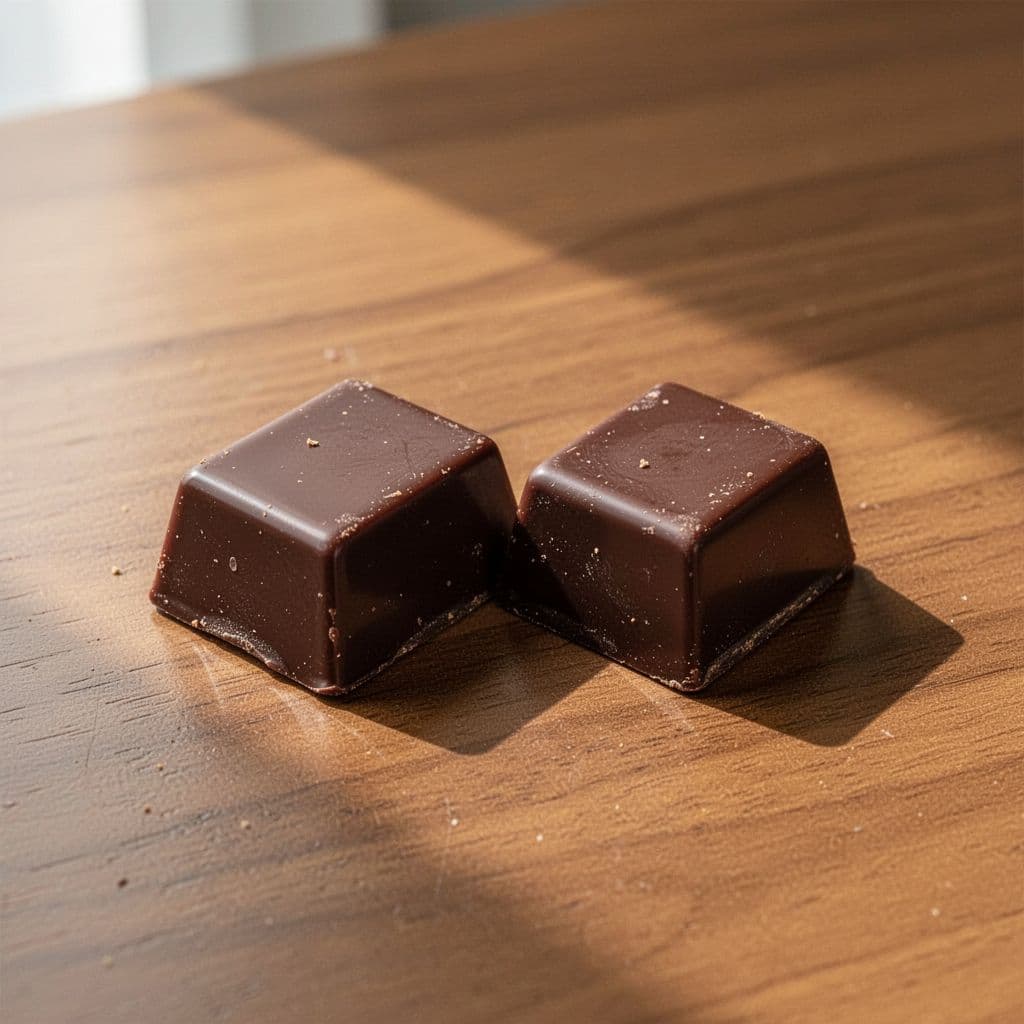
Caffeine can add up faster than you think
Dark chocolate contains caffeine and theobromine, two natural compounds that can act like stimulants. If you eat too much, you may notice jitters, trouble sleeping, or a faster heartbeat, especially if you are already sensitive to caffeine.
Pregnancy also comes with a daily caffeine limit to keep in mind. The common guidance is about 200 mg per day total, not 200 mg from coffee plus another 200 mg from treats. That means you need to count coffee, tea, soda, energy drinks, and chocolate together. The American College of Obstetricians and Gynecologists explains this limit clearly in its pregnancy caffeine guidance.
A few bites of dark chocolate are usually fine. A steady stream of it can make your caffeine intake creep up.
If your afternoon snack already includes coffee or tea, chocolate may be the extra push that tips you over your comfort zone. In that case, smaller servings are the safer pick.
Too much sugar and fat can work against you
Dark chocolate sounds healthier than candy, but some bars are still packed with sugar and fat. This is especially true for candy-style dark chocolate bars, filled chocolates, and oversized portions that are easy to keep eating without noticing.
That extra sugar and calorie load can work against your pregnancy goals. It may contribute to unwanted weight gain, and for some readers, it can make blood sugar control harder. If you have gestational diabetes, or you are at higher risk for it, portion size matters even more.
A small square after dinner is very different from half a bar while you work, scroll, or snack. The first is a treat. The second can become a steady source of extra calories that your body does not need.
High intake may not be a good idea in late pregnancy
Some research has raised questions about heavy chocolate intake in the third trimester, especially because of caffeine-related effects and cocoa compounds like theobromine. The concern is not that all dark chocolate is unsafe. It is that very large amounts are not a great habit, particularly late in pregnancy.
This is one of those situations where moderation matters more than fear. You do not need to avoid dark chocolate completely, but you also should not treat it like an all-day snack. If you have concerns about late-pregnancy intake, talk with your doctor or midwife about what fits your situation.
Some dark chocolate has hidden ingredients
Not every dark chocolate bar is as simple as it looks. Some products contain lots of added sugar, flavorings, nuts, caramel, or other mix-ins that change the nutrition profile fast. Others may include ingredients that matter if you have food sensitivities or allergies.
Reading the label helps you spot what you are really buying. That matters even more if you are watching blood sugar, avoiding certain allergens, or trying to keep your snack routine simple.
Before you toss a bar into your cart, check for:
- Added sugar that pushes the bar closer to candy
- Milk, soy, nuts, or other allergens
- Fillings and flavorings that add extra calories
- Serving size so you know what one portion actually looks like
A plain higher-cocoa bar is usually easier to manage than a filled chocolate treat. When you know what is inside, it gets much easier to enjoy dark chocolate without overdoing it.
How much dark chocolate is safe in pregnancy?
Dark chocolate is usually fine in pregnancy when you keep the amount small and count it as part of your whole day. The safest amount depends on your caffeine intake, your blood sugar, and how rich the bar is. For most people, a modest serving gives you the treat without pushing things too far.
A good rule is to treat dark chocolate like a strong flavor, not a snack you keep reaching for. If you want more guidance on building balanced snack habits, these healthy snacks for pregnancy can help you keep treats in perspective.
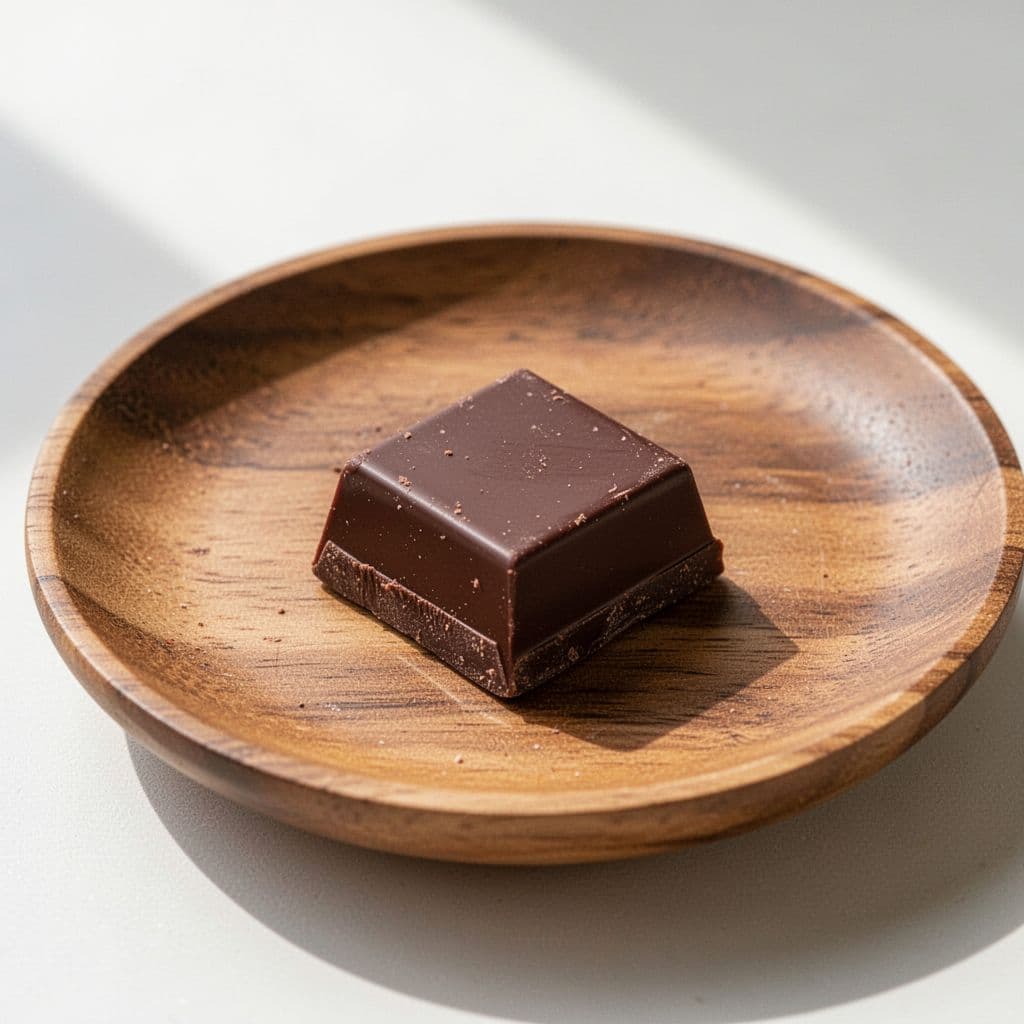
A smart serving size to start with
A simple starting point is about 1 ounce a day, which is usually around 2 to 4 small squares, depending on the bar. If the chocolate is very rich, very dark, or you know caffeine affects you, smaller is better.
That portion usually feels satisfying without turning into a full snack session. You can have it after lunch, with fruit, or after dinner if that helps you keep the amount steady.
For many pregnant readers, the key is not just size, but frequency. A small daily portion is easier to manage than a big bar eaten in pieces throughout the afternoon.
If you need several bites to feel satisfied, the bar may be too strong, too sweet, or too easy to overeat.
Caffeine matters here too. Realtime data shows that 1 ounce of dark chocolate can contain about 20 to 60 mg of caffeine, depending on cocoa percentage and brand. Since pregnancy guidance usually keeps total caffeine near 200 mg a day, your chocolate serving should fit inside that total, not sit on top of it.
How to choose a better dark chocolate bar
The label tells you almost everything you need to know. Look for a bar with higher cocoa, lower added sugar, and a short ingredient list. A simple bar is easier to portion and usually easier on blood sugar.
A good label often looks something like this:
| What to look for | Why it matters |
|---|---|
| 70% cocoa or higher | Usually means less sugar and a stronger chocolate taste |
| Short ingredient list | Fewer extras like fillers, syrups, and flavor add-ins |
| Lower added sugar | Helps keep the treat more pregnancy-friendly |
| Plain bar, not filled candy | Easier to control portions and ingredients |
You don’t need the darkest bar on the shelf. The best choice is the one you actually enjoy without needing a lot of it. If a 70% bar feels satisfying, that may be a better pick than an 85% bar that leaves you reaching for more sweet food right after.
For a more selective approach, high-quality dark chocolate tips can help you compare cocoa levels and ingredient lists. A smaller amount of a better bar is usually a smarter choice than a large bar that tastes bland or overly bitter.
When to ask your doctor before eating it
Some pregnancies need a little extra caution. If you have gestational diabetes, caffeine sensitivity, high blood pressure, reflux, or a high-risk pregnancy, dark chocolate may need a tighter limit or a more careful fit into your day.
Talk with your OB-GYN or midwife if you’re unsure about your personal limit. That matters even more if you already drink coffee or tea, since chocolate adds to your total caffeine load.
It also helps to ask if your symptoms change after eating chocolate. Some people notice worse heartburn, sleep problems, or cravings that make it hard to stop at one serving. In that case, the safest amount may be a few bites, not a full ounce.
If you want a healthy treat with fewer questions attached, simple ways to stay happy during pregnancy can give you more snack ideas that are easier to fit into your routine.
Easy ways to enjoy dark chocolate without overdoing it
Dark chocolate fits best in pregnancy when it stays small, simple, and intentional. A few smart habits can keep it satisfying without turning it into a constant snack.
The goal is to enjoy the flavor, not keep nibbling all day. When you pair chocolate with filling foods, enjoy it as an occasional treat, and watch the timing, it becomes much easier to stay in control.
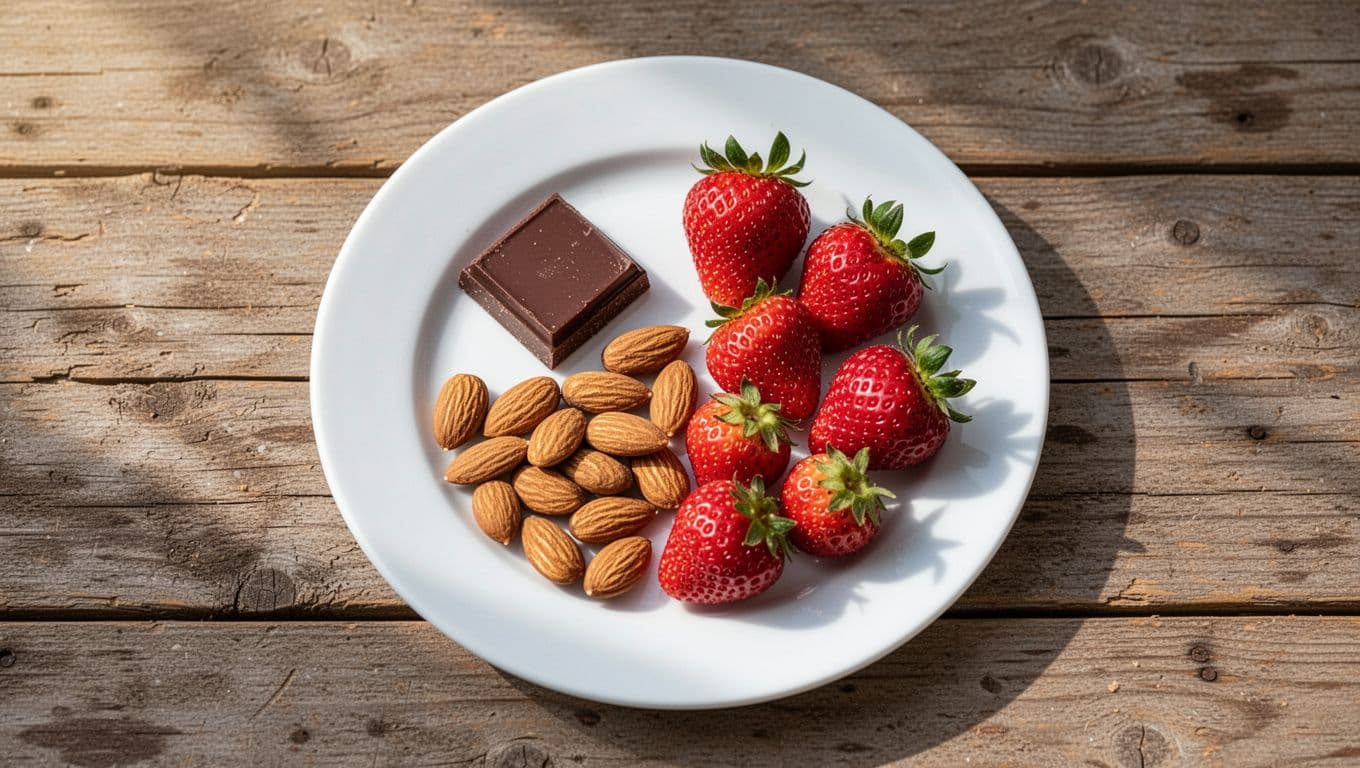
Pair it with fruit, nuts, or yogurt
A small piece of dark chocolate feels more satisfying when you eat it with something that slows you down. Fruit, nuts, and yogurt add fiber, protein, or healthy fat, so you feel fuller with less chocolate.
Try a square of dark chocolate with strawberries, a few almonds, or plain Greek yogurt. The chocolate gives you the rich flavor you want, while the other food keeps the snack from feeling too small.
That mix also helps with mindless eating. When chocolate is part of a plate instead of a handful, you are more likely to stop at a real portion. For more ideas on building balanced meals and snacks, see nutritional tips for pregnancy.
Use it as an occasional treat, not a daily habit
Dark chocolate works best when it feels special. If you save it for cravings or a planned treat, you are less likely to eat it on autopilot every few hours.
A good habit is to portion it out once, then put the package away. That small step can make a big difference, especially on tired days when you might reach for more without thinking. If you want a wider view of keeping treats in check, avoiding empty calories in pregnancy is a helpful guide.
Keep the treat small, enjoy it fully, and move on. That is much easier on your body than grazing all afternoon.
This also makes the chocolate feel more satisfying. One planned serving often tastes better than several unplanned bites.
Watch the timing if sleep is already hard
If pregnancy has already made sleep tricky, late-night chocolate may work against you. Dark chocolate contains caffeine and theobromine, and both can keep you awake longer than you expect.
The ACOG caffeine guidance keeps the daily caffeine limit at under 200 mg in pregnancy, so chocolate should count toward that total. If chocolate seems to affect your sleep, have it earlier in the day, such as after lunch or in the afternoon.
That small change can help with rest, heartburn, and those restless bedtime cravings. In other words, timing matters just as much as portion size. When you plan it earlier, dark chocolate is easier to enjoy and easier to fit into a healthy pregnancy routine.
Conclusion
Dark chocolate fits into pregnancy when you stick to small servings. It offers perks like better blood flow and a mood lift from cocoa compounds.
Moderation keeps caffeine and sugar in check. Read labels, track your total intake, and chat with your doctor if needed.
You can enjoy that square with confidence. It stays a simple treat that supports your healthy routine.
Save pin for later

- 12 Things Pregnant Women Do When They’re Alone - June 7, 2026
- 25 Healthy Pregnancy Snacks You Should Try - June 7, 2026
- 100 Funny Baby Jokes That Will Make You Laugh - May 15, 2026