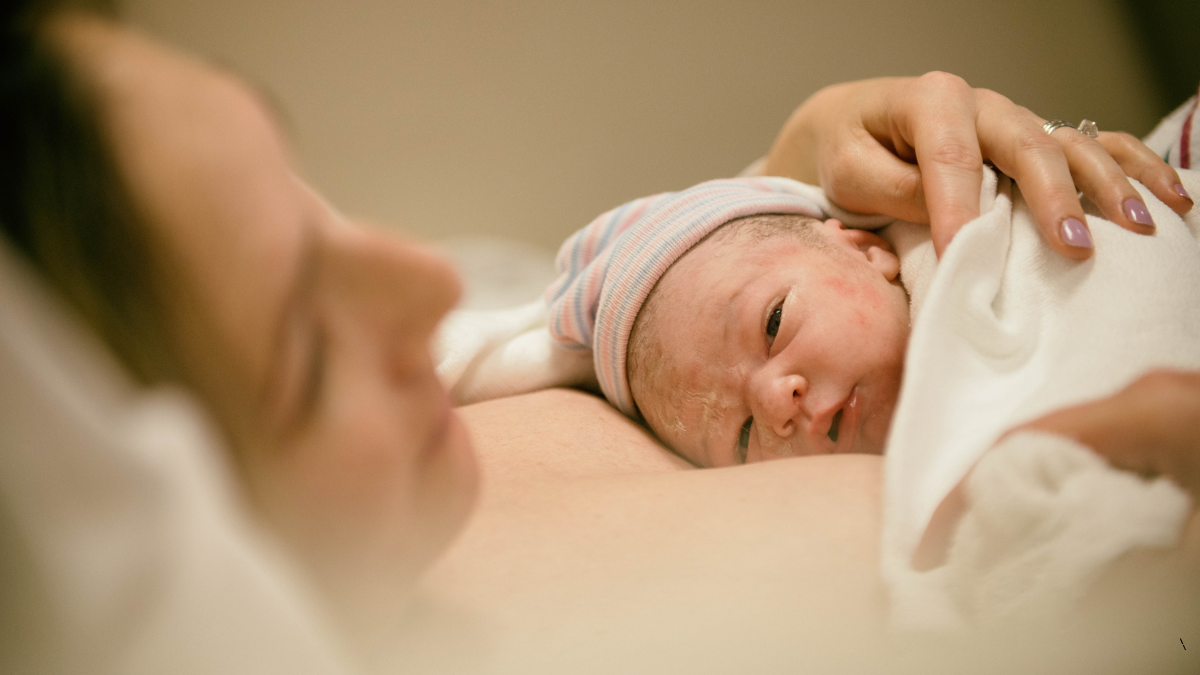
You’ve caught yourself leaning in close to sniff that tiny head, haven’t you? It’s impossible to resist.
That newborn scent draws you in for a reason. It mixes biology like sweet skin oils, waxy vernix from birth, and amniotic fluid traces that spark oxytocin for bonding.
Watch this SciShow video to see the science in action, then stick around as we unpack what makes it happen.
What makes a newborn’s scent feel so sweet and calming?
That irresistible pull you feel when you nuzzle close? It comes from real biology at work. Newborns give off a scent that calms parents and sparks bonding. Unlike the sharper smells from older kids or adults, this one stays soft and inviting. Let’s break down why.
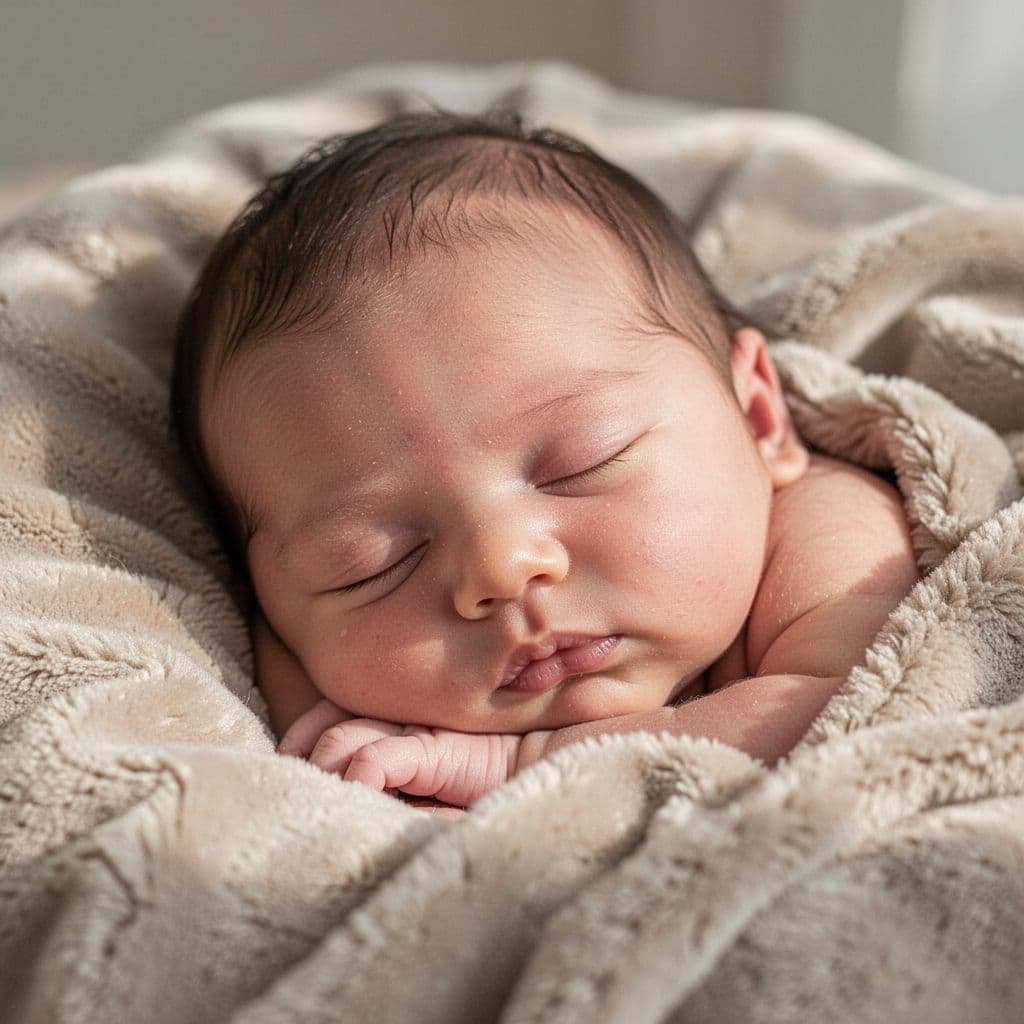
Why babies do not smell like older kids or adults
Newborns skip the stronger odors you notice later in childhood. They haven’t hit puberty yet. That stage brings hormone shifts that ramp up sweat glands and body smells.
Think about it this way. Older kids and adults produce muskier scents from apocrine glands. These glands kick in around puberty. They release sweat that bacteria break down into pungent compounds. Babies lack those glands in full swing. So their smell stays light and clean.
Their skin starts almost sterile at birth. Bacteria take weeks to build up. Without that crowd, no funky breakdown happens. You get fresh notes instead of heavy ones. Parents often call it powdery or sweet for good reason.
How skin chemistry shapes the way babies smell
Baby scent builds from tiny skin details. Natural oils coat their skin. Mild sweat mixes in. Other compounds like lipids, aldehydes, and lactones join the blend.
Researchers pinpoint these as the source. For example, a study found newborns emit odors adults rate as pleasant. It’s not leftover amniotic fluid alone. Vernix, that waxy birth coating, adds a soft layer too. All this creates chemistry that soothes you.
Newborn Baby Smell: The Science Behind This Phenomenon explains how this mix triggers feel-good responses. No wonder it feels calming. It’s biology designed to draw you closer.
The role of vernix caseosa and amniotic fluid after birth
Newborns bring their signature scent straight from the womb. Vernix caseosa covers their skin like a creamy, white protective layer. It shields them during birth and holds onto that sweet, fresh smell parents love. Amniotic fluid clings to their hair and skin too. This combo creates the pure, clean aroma you notice first.

Vernix forms in the last trimester. It mixes skin cells, oils, and water. Doctors once wiped it off right away. Now many wait because it fights germs and keeps skin moist. Vernix Caseosa – StatPearls details how it helps babies adjust to air and light. Amniotic fluid adds a light, watery freshness. Together, they make that just-born smell stand out.
Why the smell is strongest in the first days
That classic newborn scent hits peak right after delivery. Vernix and amniotic fluid shine then. They give off soft, sweet notes before anything else takes over.
Baths wash it away fast. Skin dries out in the outside world. Bacteria start to settle in over time. The smell often fades after a few baths or by two to six weeks. Some parents notice changes in days. Others hold onto it a bit longer. Air exposure and lotions speed the shift too. Soak it up early because it won’t last.
Why that fresh newborn scent feels so memorable
The blend hits different. Womb scents mix with super clean skin and pure newness. It pulls at your heart without trying.
Parents lean in close for a reason. That aroma sparks calm and connection. It’s like a built-in bond booster. Clean, slightly sweet, and unfamiliar in the best way. No wonder folks wish it stuck around. It marks those first magical moments. Your brain files it away as pure joy. Cherish every whiff.
Why your brain loves the smell of your baby
That soft newborn scent does more than please your nose. It flips switches in your brain to build instant connection. Parents often feel a wave of calm and joy just from a quick sniff. This happens because the smell taps into ancient bonding systems. It releases chemicals that make you want to hold, protect, and care for your little one.
How baby scent can trigger feel-good brain chemicals
Your brain treats baby smell like a reward. It activates areas linked to pleasure and attachment. Dopamine surges first. This chemical creates happiness and motivation, much like enjoying favorite foods.
Oxytocin follows close behind. Known as the bonding hormone, it eases stress and boosts trust. Moms often feel it strongest right after birth. The combo calms nerves, sparks protectiveness, and deepens love. No wonder you lean in for more. Studies show this response helps parents stay attentive during those early, tiring days. For example, research on mother-infant odor exchange links the scent to stronger neural rewards.
Why parents can recognize their own baby by smell
Moms and dads pick out their baby’s unique scent fast. Many identify it in blind tests within hours of birth. You might prefer it without knowing why. This skill strengthens the parent-child tie right away.
It supports caregiving too. The familiar smell signals “this is my baby,” urging you to respond quickly to cries or needs. Evolution wired this for survival. Baby sweat from eccrine glands, plus skin oils, create that signature mix. Over time, it fosters comfort and security for both of you.
Try skin-to-skin contact tips to amplify the bond. That scent, paired with touch, releases even more oxytocin.
How long does the newborn smell last?
You savor that fresh newborn scent, but it fades faster than you think. It stays strongest in the first two to four weeks. Vernix and amniotic traces give way to daily life. A milder, milky baby smell often hangs on for one to three months, especially with breastfeeding. After that, solids around six months bring stronger poop odors from veggies or cereals. More activity adds faint sweat notes. Skin chemistry shifts gradually. Hormones kick in later during toddler years for muskier tones. Soak up those early whiffs while they last.
What changes the smell as babies grow
Daily habits reshape your baby’s scent quick. Baths top the list. They rinse off vernix and natural oils in days. Skin dries faster without that waxy shield. Skip the first bath for 24 hours, and you hold onto the smell longer.
Skin care products pile on next. Lotions and creams add floral or baby powder notes. They mask the original freshness. Pick fragrance-free options to keep things close to natural.
Diet plays a big role too. Breast milk lends a sweet, clean aroma through spit-up and breath. Formula smells a tad stronger. Solids at six months? Expect earthy or sour shifts in poop and burps from purees.
Saliva ramps up with teething around four to six months. It drips everywhere and mixes with milk residue for sticky scents. Milk spit-up sours fast if it sits on clothes or skin.
Finally, the skin microbiome builds over weeks. Good bacteria settle in. They break down oils into new compounds. This natural shift turns powdery notes yeasty or neutral.
Keep changes mild with simple tips to simplify newborn care. Gentle routines help.
Why some parents miss the newborn smell so much
That scent sticks in your memory for years. It marks the raw joy of those sleepless first weeks. You bonded skin-to-skin, fed on demand, and marveled at tiny toes. Life felt simple then, focused on your new baby.
Parents often crave it back during toddler chaos. Muddy playground smells replace the sweet calm. The aroma tied you to that brief, intense phase. Brains link it to pure love and protection.
No wonder surveys show moms name it a top “missed” baby trait. It fades, but photos or a fresh onesie spark the recall. Those whiffs built your family’s foundation. Cherish how it pulled you close from day one.
What the newborn smell does not mean
That sweet newborn scent reassures you all is well. It shows healthy skin and natural oils at work. But it does not mean you should add perfumes, lotions, or boosters to make it stronger. Babies smell perfect on their own. Extra products can irritate delicate skin or mask real issues. Stick to gentle, fragrance-free care. Your baby’s natural aroma stays healthy without help.
Most smells fade into normal milky or clean notes as weeks pass. You clean up spit-up or diaper changes daily anyway. Trust that shift. It keeps things fresh without worry.
When a baby smell might signal a problem
Watch for changes, but stay calm. A sudden strong or sour odor sometimes pairs with other signs. For example, foul smells from the umbilical cord, like pus or wetness with redness, point to infection. Call your doctor right away.
Here are quick flags to check:
- Sour or yeasty body odor: Could mean excess sweat or yeast in skin folds; look for red, irritated patches too.
- Foul urine or stool smells: Cloudy urine or frothy poop might signal a urinary tract issue or digestion trouble, especially with fever.
- Sweet, fruity breath: Rare, but it can hint at blood sugar problems; pair it with fussiness or poor feeding.
These stay rare in healthy babies. Clean folds daily and use recommended newborn skin care products. If symptoms add up, like lethargy or poor appetite, see your pediatrician. Most times, simple hygiene fixes it. Your baby’s usual fresh scent means all is good.
Conclusion
That newborn scent blends vernix, amniotic fluid, and fresh skin oils. It triggers oxytocin and dopamine in your brain. So it builds instant bonds between you and your baby.
The smell fades after a few weeks as baths and daily life take over. Yet the memory stays sharp for years. It reminds you of those first close moments every time.
Save pin for later


- 12 Things Pregnant Women Do When They’re Alone - June 7, 2026
- 25 Healthy Pregnancy Snacks You Should Try - June 7, 2026
- 100 Funny Baby Jokes That Will Make You Laugh - May 15, 2026