

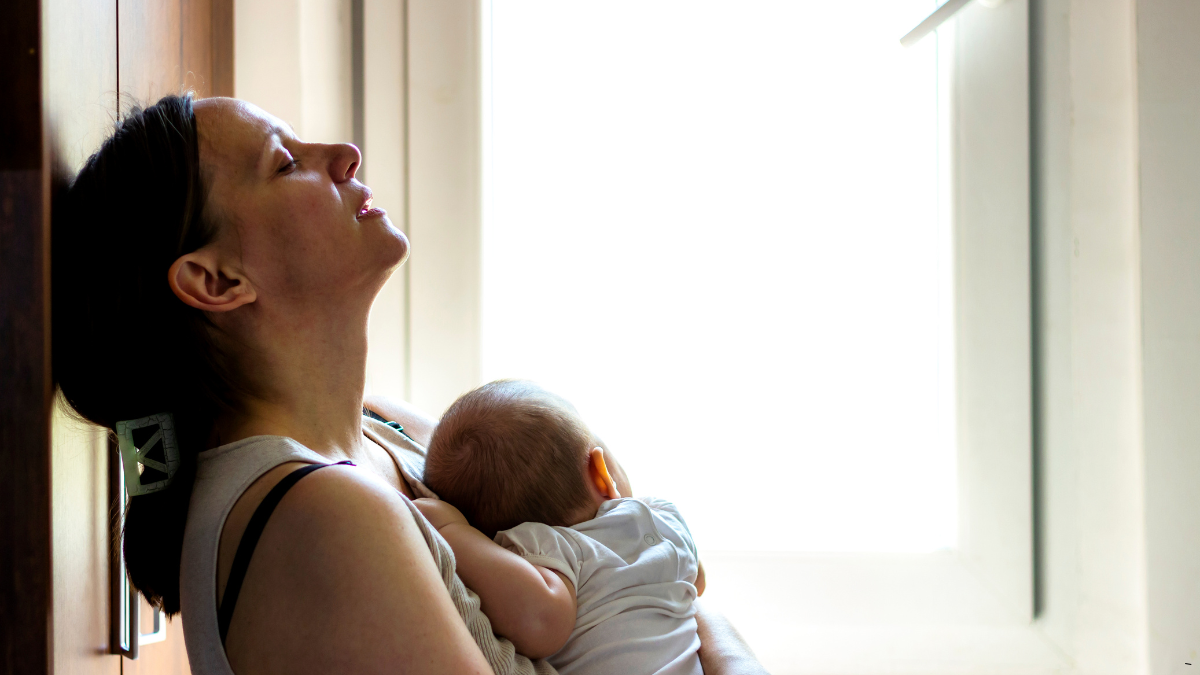
Hourly wake-ups can leave you exhausted, and they can make even a small stretch of sleep feel impossible. The good news is that babies waking up every hour at night usually has clear causes, and many of them connect to sleep patterns, feeding, comfort, or normal development.
For young babies, frequent waking can be normal, especially in the first months. Still, if it keeps happening often or suddenly gets worse, it helps to look at daytime naps, bedtime routines, hunger cues, room temperature, and signs of discomfort or illness. A simple sleep reset can make a bigger difference than you expect, and how to help your baby sleep better at night is a helpful place to start.
When sleep changes fast, the cause is usually a pattern, not a mystery.
A quick video that also breaks this down well is Why Your Baby Wakes Up Every Hour And How to Fix It Gently.
What Is Normal Baby Sleep, and When Does Hourly Waking Become a Concern?
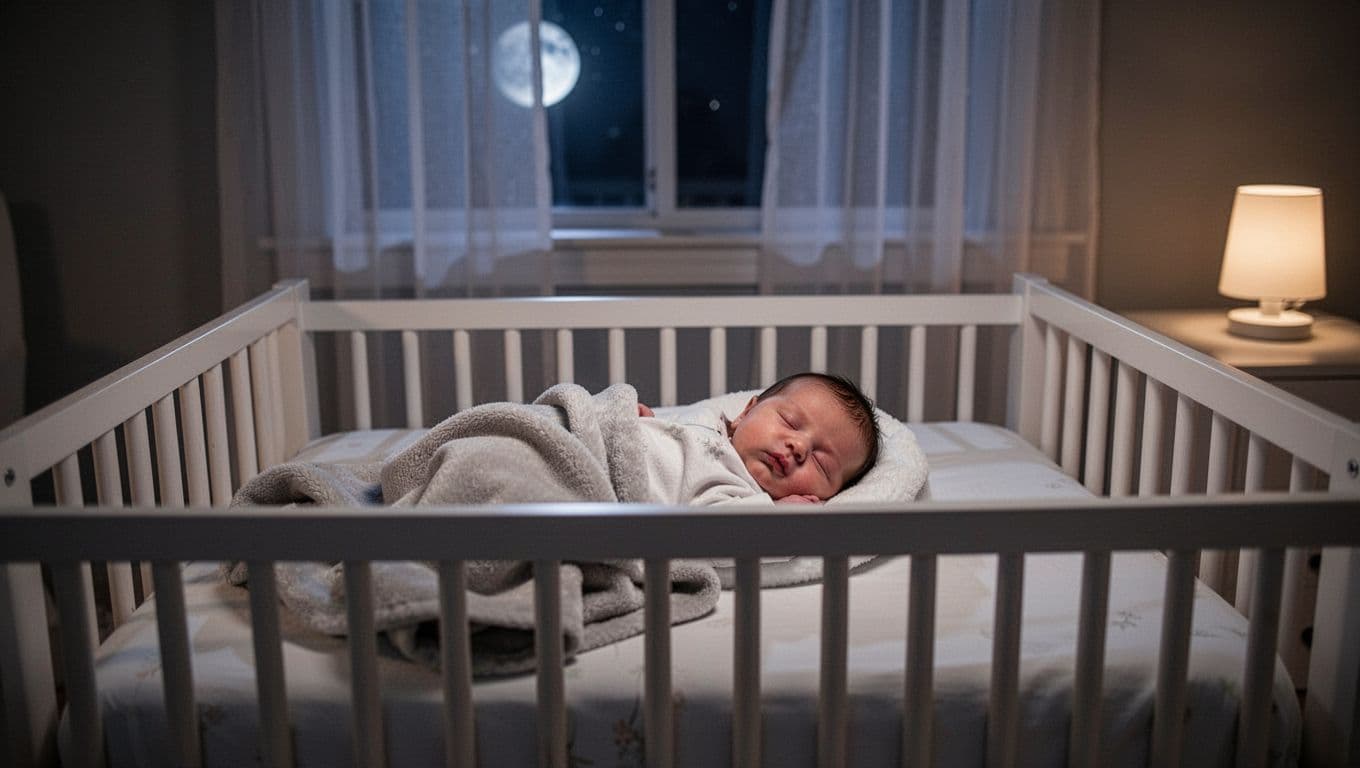
Baby sleep changes fast in the first year. What looks like a problem at 2 weeks can be normal at 2 months, and what feels normal at 6 months may need a closer look if it suddenly changes.
What sleep usually looks like by age
Newborns sleep a lot, but in short stretches. Many wake every 2 to 3 hours for feeding, comfort, or a diaper change. That pattern is normal in the early weeks because their bodies are still learning day and night.
By about 3 to 6 months, many babies begin sleeping longer stretches at night, sometimes 6 to 8 hours. They still wake sometimes, but the wake-ups usually happen less often than they did as newborns. For a simple age guide, the CDC lists typical sleep needs by stage, including 0 to 3 months and 4 to 12 months here.
Frequent waking is normal in newborns, but older babies usually start showing longer sleep stretches.
If you want more help building healthy habits, newborn sleep training methods can make bedtime more predictable.
Normal night waking vs. waking every hour
A baby who wakes once or twice during the night is very different from a baby who wakes almost every hour. Short wake-ups can happen because of hunger, a sleep cycle shift, or a quick need for reassurance. Hourly waking, on the other hand, often points to a pattern that keeps breaking sleep before your baby can settle.
That pattern matters more when it happens all night, every night, instead of off and on. It can also show up when a baby seems restless, hard to soothe, or unable to connect one sleep cycle to the next.
When to pay closer attention
Give the pattern more attention if it is new, severe, or paired with other signs. Fever, poor feeding, unusual fussiness, reflux symptoms, or trouble breathing are all reasons to check in with your pediatrician.
It also helps to watch for changes in naps, bedtime, and daytime mood. If your baby used to sleep longer and suddenly starts waking every hour, that shift deserves a closer look.
The Most Common Reasons Babies Wake Up Every Hour at Night
Hourly waking usually has more than one cause. In many cases, a baby is hungry, overtired, uncomfortable, or still learning how to move between sleep stages. That’s why the answer is rarely one simple fix.
The good news is that most of these causes are common and workable. As you read through the list, look for the pattern that fits your baby best. Often, the real answer is a mix of sleep habits, development, and comfort issues.
Hunger and growth spurts can still drive frequent wakeups
Newborns and young infants have tiny stomachs, so they need to eat often. Even if they fed well earlier in the evening, hunger can return fast at night, especially during a growth spurt or a stretch of cluster feeding. That is normal in the early months.
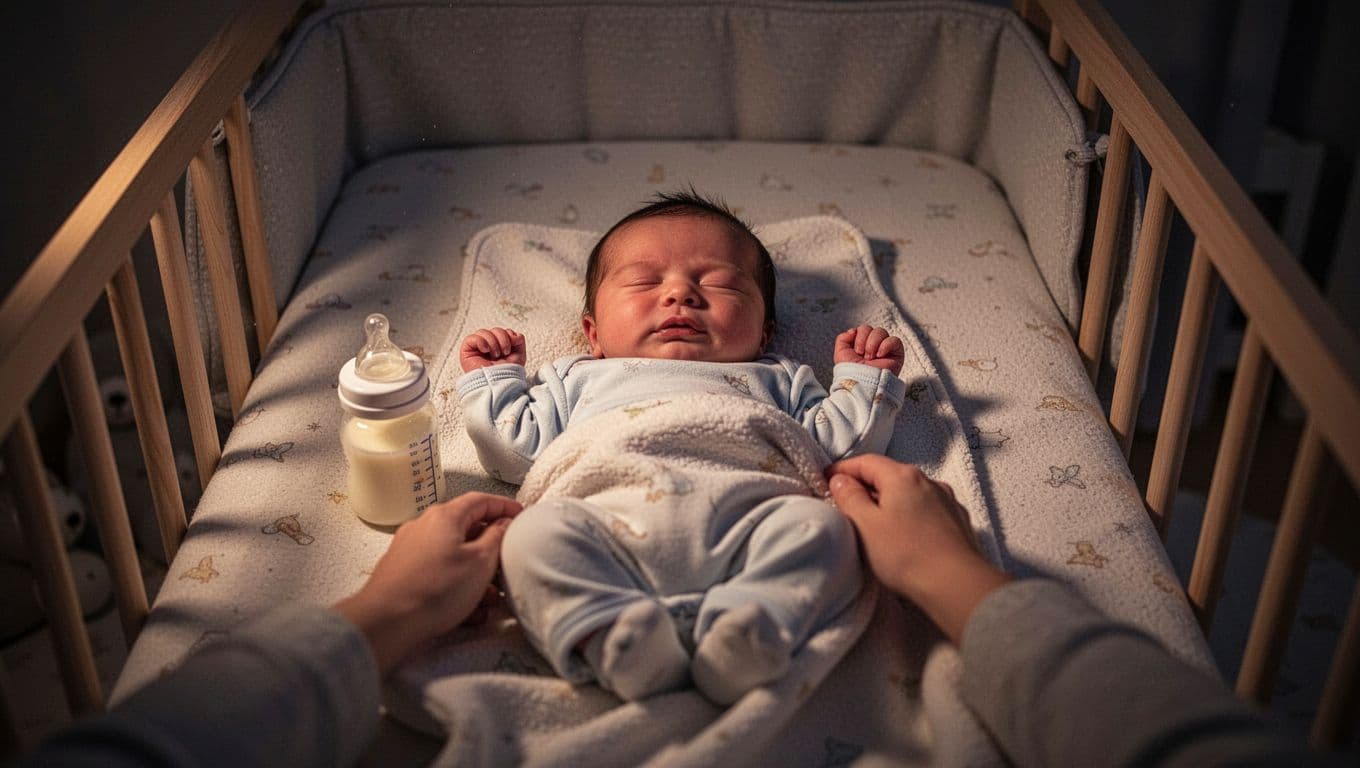
Older babies who wake every hour are a different story. If your baby is past the newborn stage, it helps to look at daytime intake too. Sometimes frequent night waking points to not enough calories during the day, or to feeding patterns that need a closer look.
Short baby sleep cycles make it easy to wake between them
Baby sleep cycles are much shorter than adult sleep cycles. Many babies pass through a lighter stage of sleep every 45 to 60 minutes, which makes stirring common. That’s why a baby may wake, fuss, and then settle again if nothing else is pulling them fully awake.
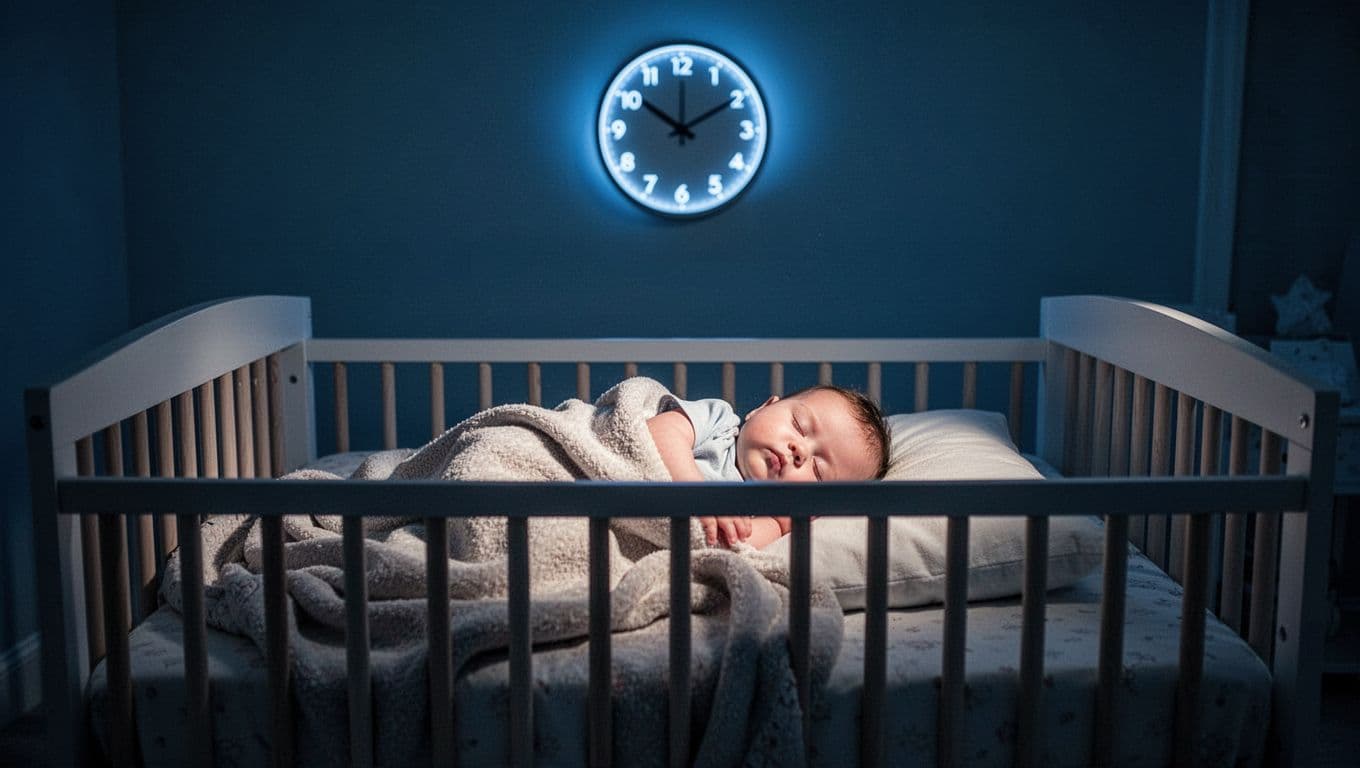
Some babies have trouble linking those sleep cycles on their own. When that happens, every light sleep shift becomes a full wake-up. It can feel exhausting, but it’s also a normal skill that many babies grow into over time.
Overtiredness can make sleep worse, not better
A baby who stays awake too long often has a harder time sleeping well. When sleep pressure builds too much, stress hormones rise, and that can make it harder to stay asleep. The result is often more fussing, shorter naps, and more night waking.
Common signs include eye rubbing, fussiness, arching, and a hard time settling at bedtime. If naps were missed or pushed too late, that can carry straight into the night. A tired baby is not always a sleepy baby, sometimes they are wired instead.
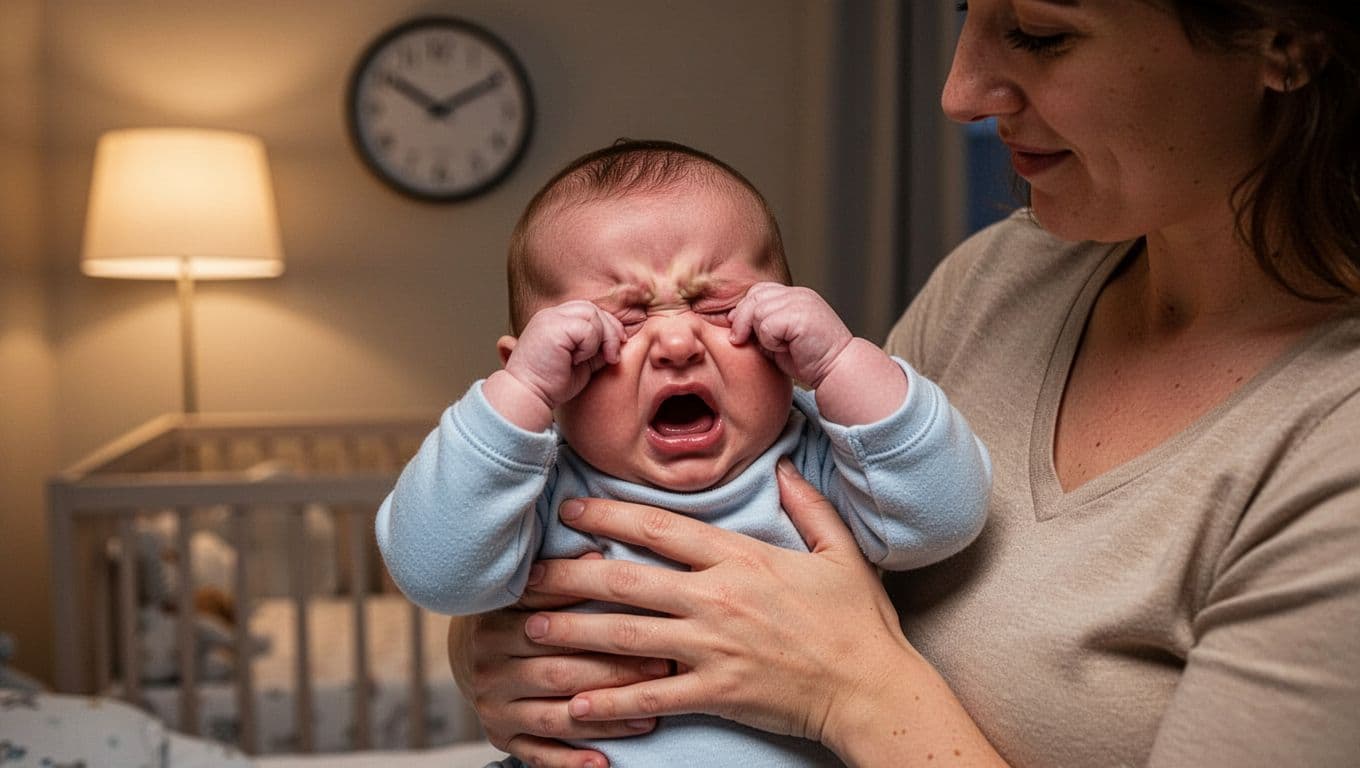
Sleep associations can trap babies in a wake-and-resettle cycle
If your baby falls asleep while rocking, nursing, bouncing, or being held, they may expect that same help after each wake-up. That is because they learned to connect sleep with that specific comfort cue. It usually forms naturally, over time, as part of bedtime and naps.
The problem shows up between sleep cycles. When your baby briefly stirs, they notice the change in conditions and call for the same help again. That does not mean you did anything wrong, it just means the pattern got attached.
If sleep associations seem to be part of the picture, a closer look at newborn sleep habits can help you spot what your baby is depending on most.
Too much heat, cold, light, or noise can interrupt sleep
Babies are sensitive to small changes in their sleep space. A room that feels too warm, too cool, or too bright can lead to more waking than you expect. Bedding can matter too, especially if it adds heat or feels scratchy.
White noise can help some babies stay settled, because it softens sudden sounds. On the other hand, a room that is silent one minute and noisy the next may wake a light sleeper. Babies often sleep best in a steady, simple setup.
Small changes in the sleep space can wake a baby who was almost settled.
Gas, reflux, or tummy discomfort can keep a baby unsettled
Gas and reflux often show up after feeds or when a baby lies flat. A baby who feels pressure in the belly may wake often, squirm, or seem unable to settle for long. That discomfort can look like random waking, even when the root issue is digestive.
If the waking comes with repeated discomfort, poor feeding, spit-up, or arching, it may need medical attention. For babies who seem extra gassy, simple ways to help baby pass gas can sometimes ease mild discomfort, but ongoing symptoms should not be ignored.
Teething pain often gets worse at night
Teething can make sleep harder because babies notice discomfort more when the house is quiet and distractions are gone. During the day, movement and noise can cover some of the pain. At night, the same sore gums can feel bigger.
Look for signs like drooling, chewing, gum swelling, and ear tugging. Some babies also get clingy or restless before a tooth breaks through. Still, teething alone usually does not explain endless hourly waking for long stretches, so it should not be the only cause you consider.

For gentle support, these teething tips for parents can help you think through comfort measures.
Overstimulation before bed can make it hard to settle
Exciting play right before bed can leave a baby too wired to drift off easily. Bright screens, loud noise, rough play, and a rushed bedtime all work against calm sleep. Babies need a clear wind-down period, just like adults do.
A soothing routine does not need to be long. It just needs to feel predictable. Bath, feed, book, cuddle, bed, that kind of steady rhythm helps a baby’s body understand that sleep is next.
Noise and light in the sleep environment can trigger wakeups
Household sounds can be enough to wake a light sleeper. Hallway light, a glowing nightlight, toys that play music, or a phone screen can all break a baby’s sleep. Even a small burst of light or sound may turn a brief stir into a full wake-up.
A dark room with steady background noise often helps. Many parents find that a simple, quiet setup works better than a room filled with extra stimulation. If your baby wakes every hour, the sleep space is worth checking before you assume it’s only hunger.
Feeding problems, tongue tie, or allergies may be part of the issue
Some babies wake often because feeding is uncomfortable or ineffective. A tongue tie can make latch and milk transfer harder, while poor latch can leave a baby frustrated and still hungry. In other cases, milk allergy, formula intolerance, or congestion can make feeds unpleasant.
If symptoms keep showing up, don’t try to sort it out alone. Ongoing feeding trouble, lots of fussing after feeds, or poor weight gain deserve a pediatrician visit. The same goes for babies who seem uncomfortable at nearly every night feed.
Illness and congestion can break up sleep all night
A cold, ear infection, fever, or stuffy nose can make night sleep rough fast. Even mild illness can make breathing, swallowing, or lying flat uncomfortable. That discomfort often shows up as frequent waking, extra crying, or more need for comfort.
The good news is that this cause is often temporary. Once the illness passes, sleep usually improves with it. If your baby sounds congested or seems in pain, the waking may be a symptom, not a sleep habit.
Not enough daytime calories or naps can lead to more night waking
Daytime sleep and daytime nutrition both affect night sleep. A baby who misses naps may become overtired, and a baby who does not eat enough during the day may try to make up for it overnight. Often, it’s both.
That’s why hourly waking can improve when daytime rhythms improve. Better naps, fuller feeds, and a more regular day often lead to a calmer night. If you suspect this is part of the pattern, signs your baby is ready to stop napping can help you think about nap needs in a practical way.
Developmental leaps and new skills can cause temporary night waking
Babies often wake more when they are learning to roll, crawl, sit, or stand. Their brains stay busy practicing new skills, even at night. That can make sleep lighter and less steady for a while.
This stage can be frustrating, but it usually passes. Once the new skill settles in, sleep often gets smoother again. In many cases, you are seeing a short phase of change, not a lasting sleep problem.
Separation anxiety and big routine changes can make babies wake for reassurance
Older babies may wake more when they realize you are not right there. Separation anxiety is common, and it can show up in the crib as repeated calling, crying, or needing extra reassurance. Travel, moving rooms, sickness recovery, and caregiver changes can add to it.
These changes can unsettle even a baby who usually sleeps well. The pattern often improves when life feels familiar again. A calm bedtime, a predictable response, and a stable routine can help your baby feel safe enough to drift back to sleep.
How to Tell Whether Hourly Night Waking Is a Sleep Habit or a Health Issue
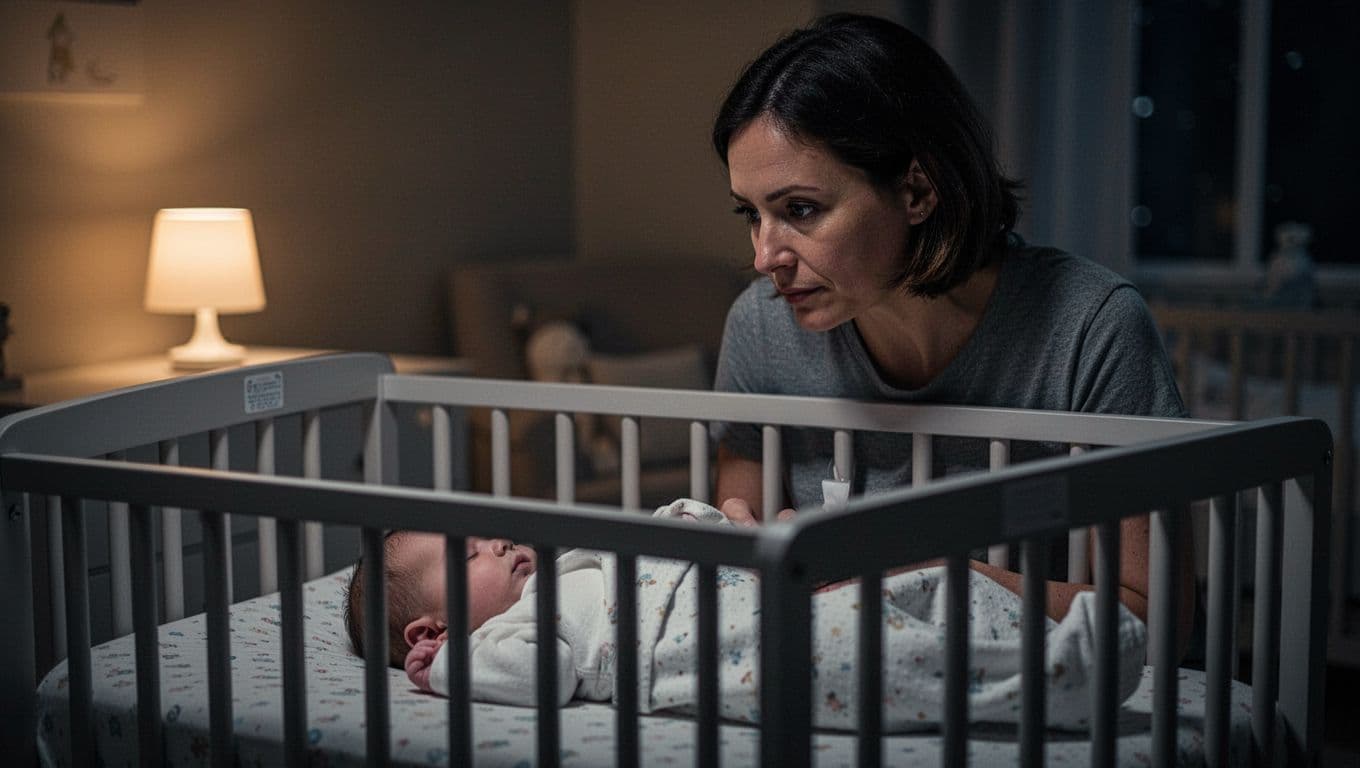
Hourly waking is often a sleep habit when your baby settles with the same help each time. If they fall asleep nursing, rocking, or being held, they may want that same support between sleep cycles. In that case, the pattern is usually strongest at bedtime and during light sleep, and your baby still looks well during the day.
A health issue feels different. The waking comes with pain, poor feeding, poor weight gain, fever, rash, severe congestion, or breathing trouble. It may also show up as back arching, frequent spit-up, coughing during feeds, mouth breathing, snoring, or a baby who seems uncomfortable almost every time they wake. The American Academy of Pediatrics also notes that safe sleep habits matter, so it helps to keep your baby’s sleep setup simple and on their back, as covered in safe back sleeping for babies.
If your baby wakes often but feeds well, grows well, and settles with comfort, the issue is often sleep-related. If waking comes with physical symptoms, treat it as a health concern.
A simple way to sort it out is to watch for patterns:
- Sleep habit signs: wakes at about the same times, settles with familiar help, and seems normal between wake-ups.
- Possible medical signs: poor weight gain, feeding trouble, constant crying, fever, rash, heavy congestion, snoring, or labored breathing.
If the waking is new, severe, or paired with illness signs, call your pediatrician. Frequent waking is common in babies, but you should not have to guess when your baby looks unwell.
What Parents Can Try Tonight to Help Their Baby Sleep Longer
A long stretch of sleep rarely comes from one big fix. Tonight, focus on small changes that match your baby’s age and comfort level, then keep them steady for a few nights in a row.
Start with the basics. A fuller feed, a calm bedtime, and a simple sleep space often do more than adding extra tricks. The goal is to make sleep easier to hold onto, not to force a perfect night.
Keep the evening calm and predictable
A short bedtime routine helps your baby know what comes next. Warm bath, fresh diaper, feed, book or song, then bed works well for many families. If you already have a routine, keep it the same tonight instead of changing several things at once.

Try to put your baby down drowsy but awake when possible. That small shift can help them learn how to settle in the same place they sleep. For more routine ideas, these bedtime routine tips for little ones can help you keep the wind-down simple.
Make the sleep space work for sleep, not distraction
Tonight, keep the room dark, quiet, and boring. Use steady white noise if it helps, and skip bright lights, screens, or extra stimulation close to bedtime. A firm, flat sleep surface with no loose items is still the safest setup, and the CDC and AAP both recommend back sleeping in a clear crib or bassinet, like in the CDC safe sleep guidance.
If your baby seems to wake at every small sound, the room may need less noise, not more. If they wake looking restless, check for heat, cold, congestion, gas, or other discomfort before assuming hunger.
Watch wake windows and feed with purpose
An overtired baby often sleeps worse, so watch how long your baby stays awake before bed. If the last wake window runs too long, bedtime can turn into a fight. On the other hand, a baby who is too full of nap sleep may not feel ready for bed either.
Feed based on age and hunger cues, and aim for a solid evening feed rather than a rushed snack. For newborns and young infants, more frequent feeding can still be normal, especially if daytime intake has been light. A steady rhythm matters here, so small changes work better than a full overnight reset.
Conclusion
Hourly wake-ups are exhausting, but they usually have a reason. In most cases, the cause is one of a few common issues, like hunger, short sleep cycles, overtiredness, discomfort, sleep associations, development, or illness.
The good news is that many of these patterns improve with time and small changes to naps, bedtime, and the sleep space. A baby who wakes often is not always a baby with a big problem, but the pattern does deserve attention when it is sudden, severe, or paired with symptoms like fever, poor feeding, or breathing trouble.
Trust what you see. If your baby seems unwell or the waking keeps getting worse, medical advice is the right next step.
Save pin for later


- How to Help a Child Deal With Anxiety at Home - September 12, 2026
- How to Prepare Your Child for the First Day of School - September 12, 2026
- Age-Appropriate Chores for Kids by Age Group - September 12, 2026