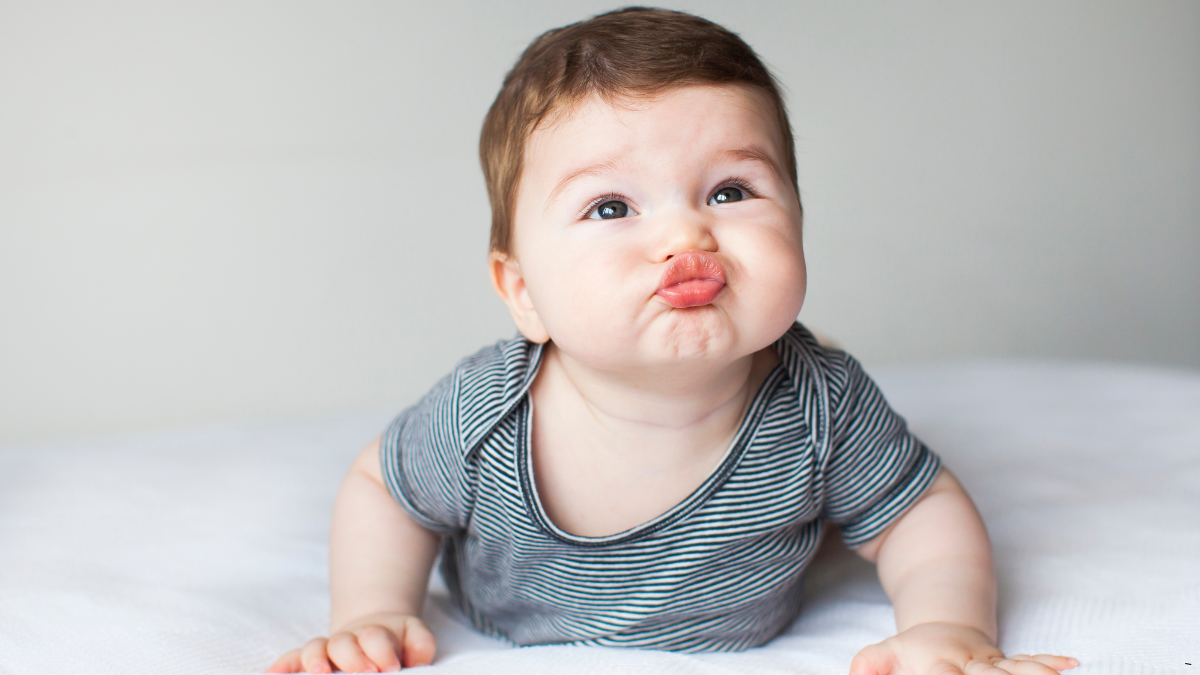
Blowing raspberries is one of those baby milestones that can make you laugh out loud, and most babies start doing it between 4 and 7 months. If your baby is making bubbles, cooing, or experimenting with mouth sounds, this playful little habit is often right around the corner.
It also tells you a lot about how your baby is developing, especially mouth control, breath control, and early communication. For a fun way to encourage this kind of playful sound-making, silly faces and raspberries for baby laughs can be a sweet place to start. Next, we’ll look at what raspberries mean, what usually comes before them, why babies do them, and when it makes sense to check in with your pediatrician.
What raspberry sounds usually mean in baby development
Raspberry sounds may seem silly, but they tell you a lot about your baby’s growth. This little burst of noise often shows that your baby is learning how to move their mouth with more control, manage airflow, and play with sound on purpose.
You may notice raspberries alongside drooling, cooing, lip smacking, and other early vocal play. That mix is a good sign that your baby is exploring how communication works, one playful sound at a time.
How raspberries fit into early speech and language growth
Raspberry blowing sits near the start of speech development. Babies use it to practice how the lips, tongue, jaw, and breath work together, which later supports babbling and first words.
This stage also helps babies learn the back-and-forth rhythm of communication. They make a sound, you react, and they try again. That early turn-taking is one of the first building blocks of conversation.
A baby who enjoys raspberries is also testing voice control. They are learning how to make sounds start, stop, change shape, and vary in pitch. Those small experiments matter because babbling grows out of the same sound play. Baby sound play and sensory ideas can give you more simple ways to support that growth.
Raspberry sounds are more than a cute phase. They are a sign that your baby is practicing the basic mechanics of speech.
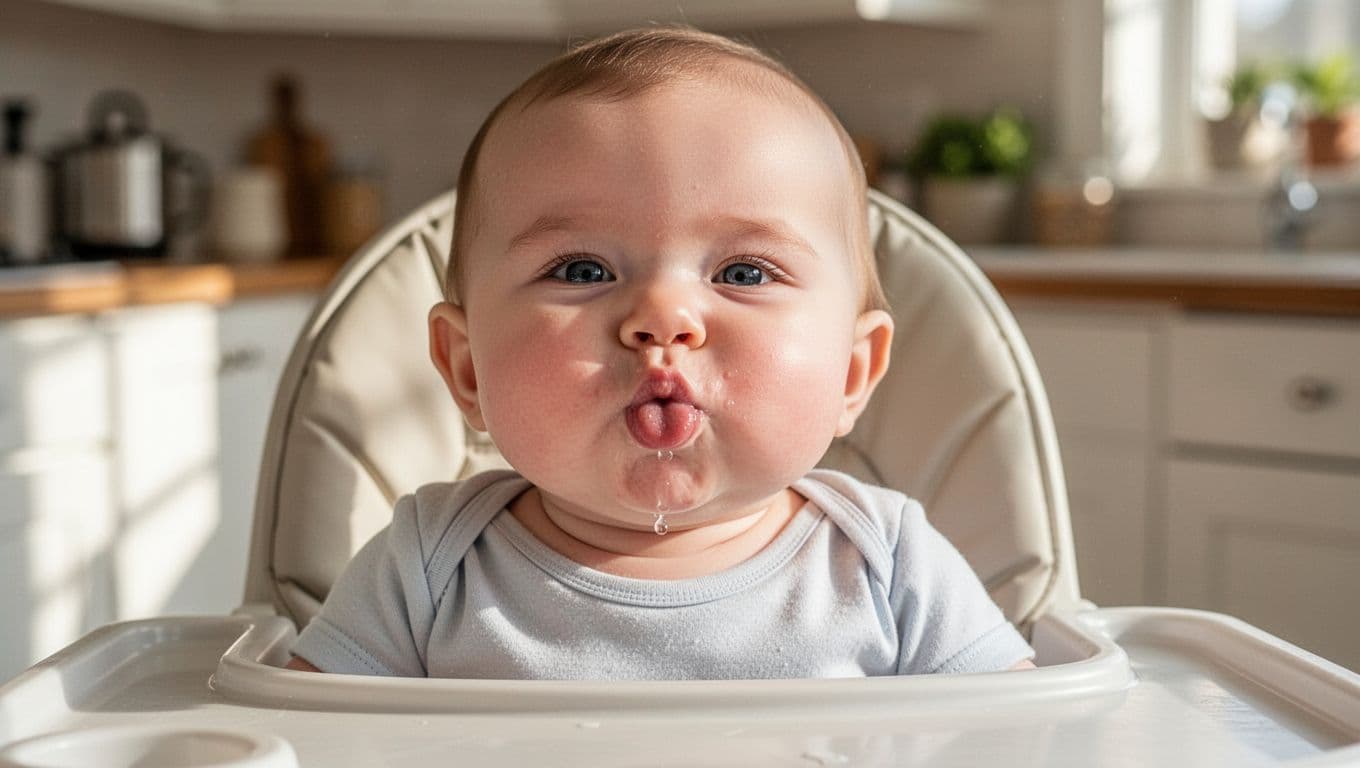
Why babies love making this sound again and again
Babies repeat raspberries because the sound is fun and rewarding. It gets attention, gets a smile, and often gets a laugh, which makes them want to do it again.
They also enjoy the feel of the sound itself. The vibration, the bubbles, and the shifting mouth movement all give them new sensory feedback. In simple terms, it feels interesting.
Raspberries are also a great way for babies to practice rhythm and sound changes. One raspberry may be soft, the next louder, and the next longer. That playful variety is part of early vocal learning, much like the sound games in gentle sound-focused baby activities.
The typical age babies start blowing raspberries
Most babies start blowing raspberries around 4 to 5 months, and a normal range is about 3 to 7 months. Some babies try it earlier, while others wait a bit longer. Either way, this little burst of spit and sound is part of early mouth control and vocal play.
A raspberry often shows up beside other early milestones, like cooing, smiling at faces, and watching lips move. It can look random, but it usually fits right into the bigger picture of baby communication.
What is common at 3 to 4 months
At 3 to 4 months, many babies are still building the basics. You may notice more cooing, social smiles, and long, focused looks at your face. Those are the early signs that your baby is tuning in and starting to use their voice with purpose.
Some babies also begin experimenting with lip sounds in this window. It may sound like soft bubbling, tiny puffs, or spit-filled mouth play. These early tries are short and uneven, but they are part of the path toward a full raspberry.
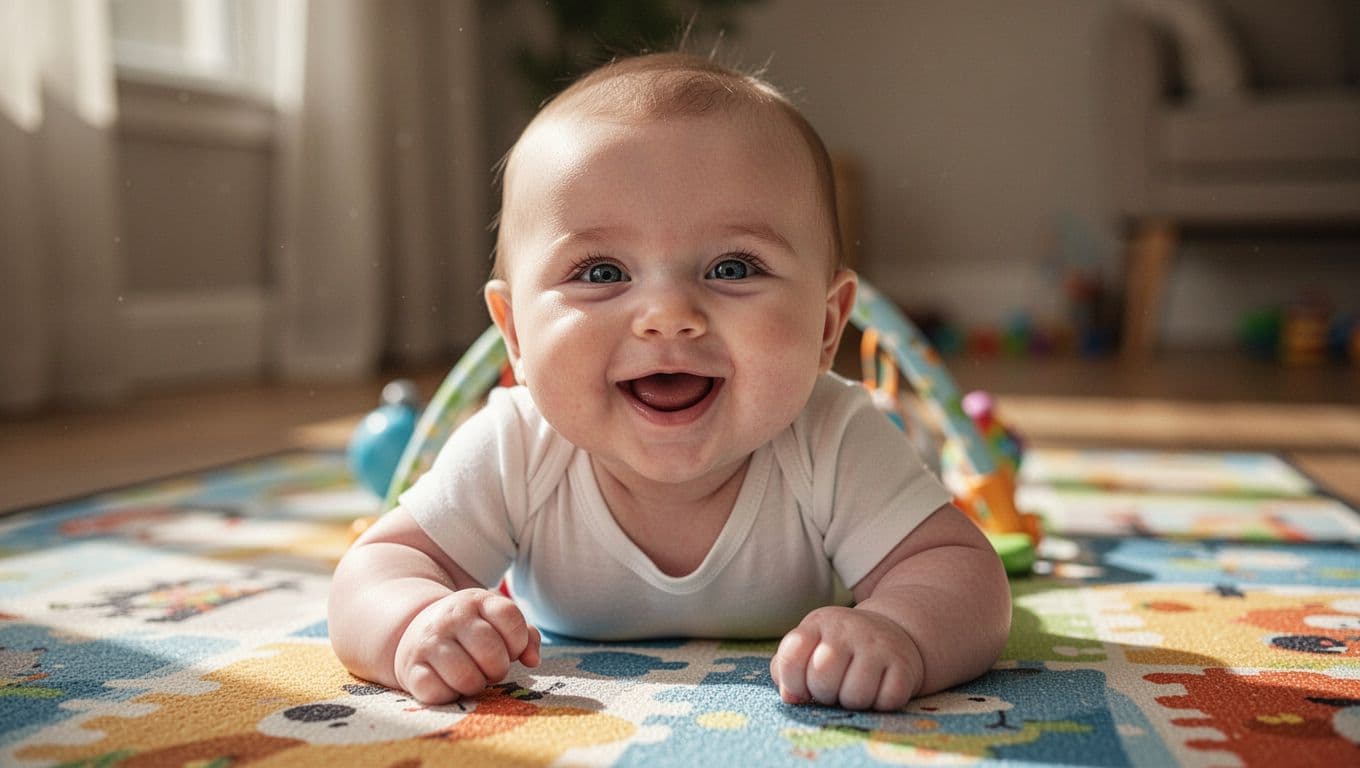
At this stage, the goal is not a perfect raspberry. It is simple practice. Your baby is learning how lips, breath, and sound work together.
What often happens around 5 to 7 months
This is the age when raspberries become much more likely. Babies often have better lip control, more active mouth movement, and stronger vocal play. The sound may come out as a bright pbbbt, a wet buzz, or a whole string of silly mouth noises.
You may also see more drooling during this period. That is common, especially as babies spend more time moving their mouths and exploring how their lips work. Many babies also love repeating the sound once they realize it gets a reaction.
Around this age, raspberries often appear with:
- More drool, because the mouth is busy and still learning control
- Stronger sounds, since breath and lips are working together better
- More mouth play, like lip smacking, blowing, and babbling starts
Babies in this window may sound like they are joking around, but they are practicing speech skills. A helpful overview of these early months appears in Mayo Clinic’s infant development milestones, which includes the same general 4 to 6 month growth period.
If your baby starts blowing raspberries in this stage, that is usually a good sign of growing mouth control and sound play.
Why some babies start earlier or later than others
Development is personal. Some babies practice lip sounds often and pick up raspberries early. Others spend more time on smiling, cooing, or babbling before they get there.
A few things can shape the timing:
- Practice makes a difference. Babies who copy faces and sounds often may try raspberries sooner.
- Temperament matters too. Some babies are bold sound-makers, while others are quieter.
- Saliva changes can add more drool and mouth movement, which can make raspberries easier to notice.
- Motor development also plays a role, since better head, lip, and tongue control help the sound come together.
So, a wider range can still be normal. Many babies start around 4 to 5 months, but starting a little earlier or later does not usually mean anything is wrong. What matters more is the overall pattern, like smiling, eye contact, cooing, and gradual vocal growth.
For more on the sound itself, WebMD’s guide to baby raspberries gives a simple age range that matches what many parents see at home.
Signs your baby may be getting ready to blow raspberries
Before a full raspberry shows up, babies usually give you a few hints. These clues often look like extra sound play, more mouth movement, and a lot of curious face-watching. When you know what to look for, the pattern feels easier to spot.
Most babies build up to raspberries in small steps. First comes vocal play, then busy lips and tongue movement, then imitation. You may even notice the same baby who was once quiet now gets loud in the funniest way.
Cooing, babbling, and other early sounds
Early sounds often come before the first raspberry. Your baby may start with soft coos, little vowel noises, or happy gurgles when you talk to them. Those sounds show that they are experimenting with their voice and learning how to make noise on purpose.
As the weeks go on, you may hear more playful tries, like squeaks, growls, or short bursts of sound. Sometimes babies make these noises during tummy time, while lying on a mat, or when they see a smiling face. That back-and-forth sound play is a strong sign that raspberry blowing may not be far off.
It helps to remember that babies learn through repetition. They hear a sound, try it, then try it again with a small twist. If your baby is already joining in with coos and gurgles, they may be getting ready for the puffier, sillier mouth sounds that come next. For a simple look at how early sound play grows, HealthyChildren’s baby sound milestones fits this stage well.
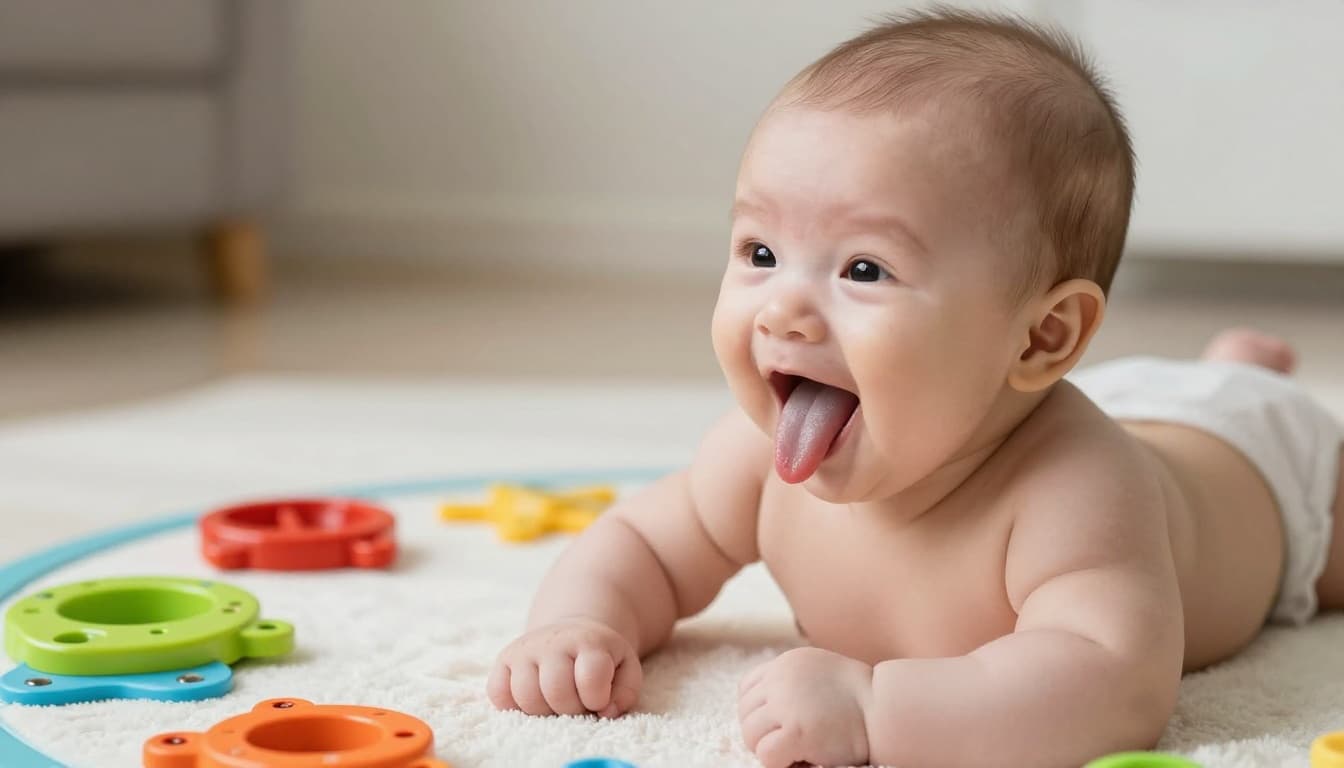
More drooling and busy mouth movements
A wet chin can be one of the first clues. Babies often drool more as their mouths get busier and their saliva production increases. At the same time, you may see lip puckering, tongue sticking out, mouth opening, or little smacking motions.
These movements matter because raspberry blowing uses the same mouth parts. Your baby has to gather saliva, move it around, and send air through loose lips. That takes practice, and the practice usually looks a little messy.
You might also notice your baby chewing on their hands, making bubble-like mouth sounds, or opening and closing their mouth during play. Those little habits show that their mouth is working overtime. If drool is part of the picture, teething can add to it too, so baby teething and drool tips can help you tell the difference between normal spit and sore-gum fussiness.
A baby who is drooling more and moving their mouth constantly is often rehearsing the same skills used for raspberries.
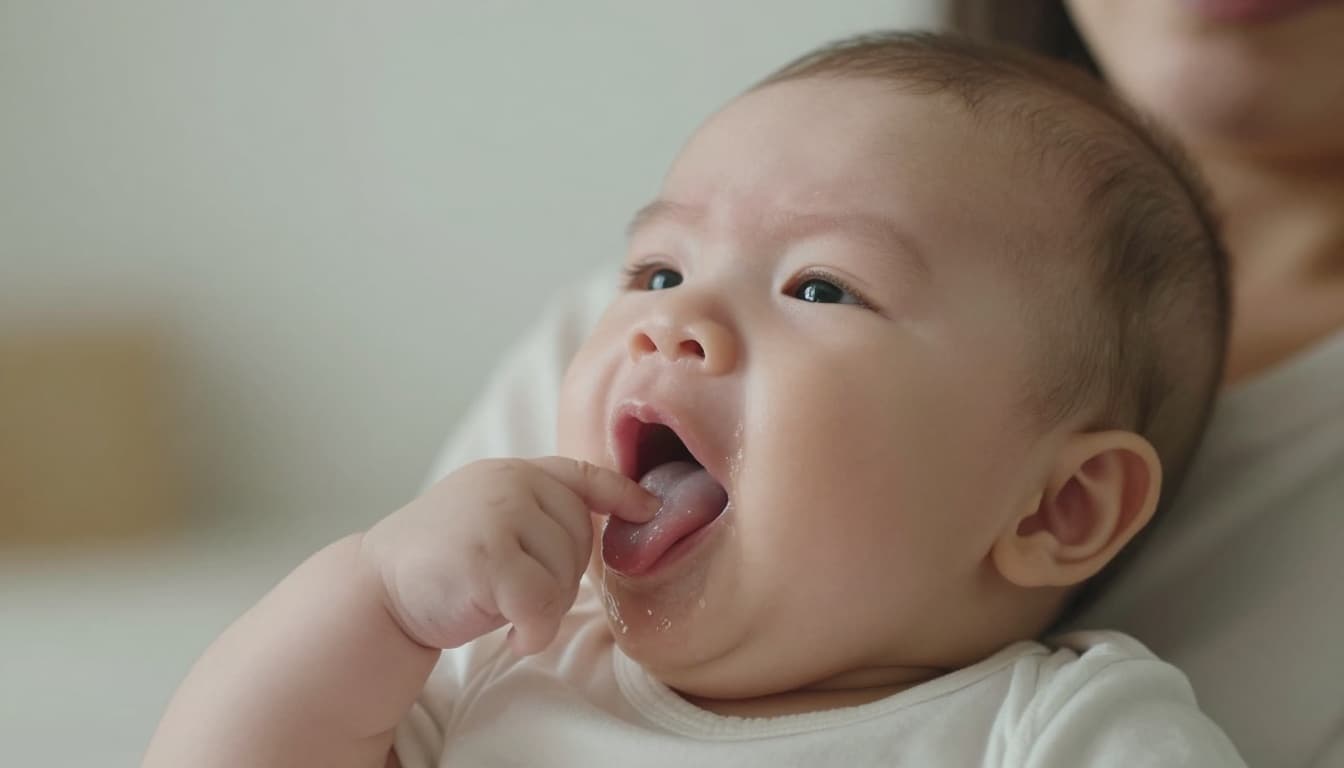
Copying faces and watching your mouth closely
Imitation is one of the biggest clues. Babies love to study faces, and they often lock onto your mouth when you talk, smile, or make silly sounds. If your baby stares at your lips and tries to copy your expressions, they are building the exact kind of control that raspberries need.
You may see a tiny open mouth when you open yours, or a baby who tries to push air out after watching you do it. That early copying is part of how babies learn language and social play. The more they watch, the more they try.
Try slow, simple face play and see what happens. Smile, pucker your lips, or make a soft buzzing sound, then wait. Babies who are ready to experiment often answer with their own version, and sometimes that answer is the first real raspberry. The AAP’s guidance on early sound imitation lines up with this kind of early back-and-forth.
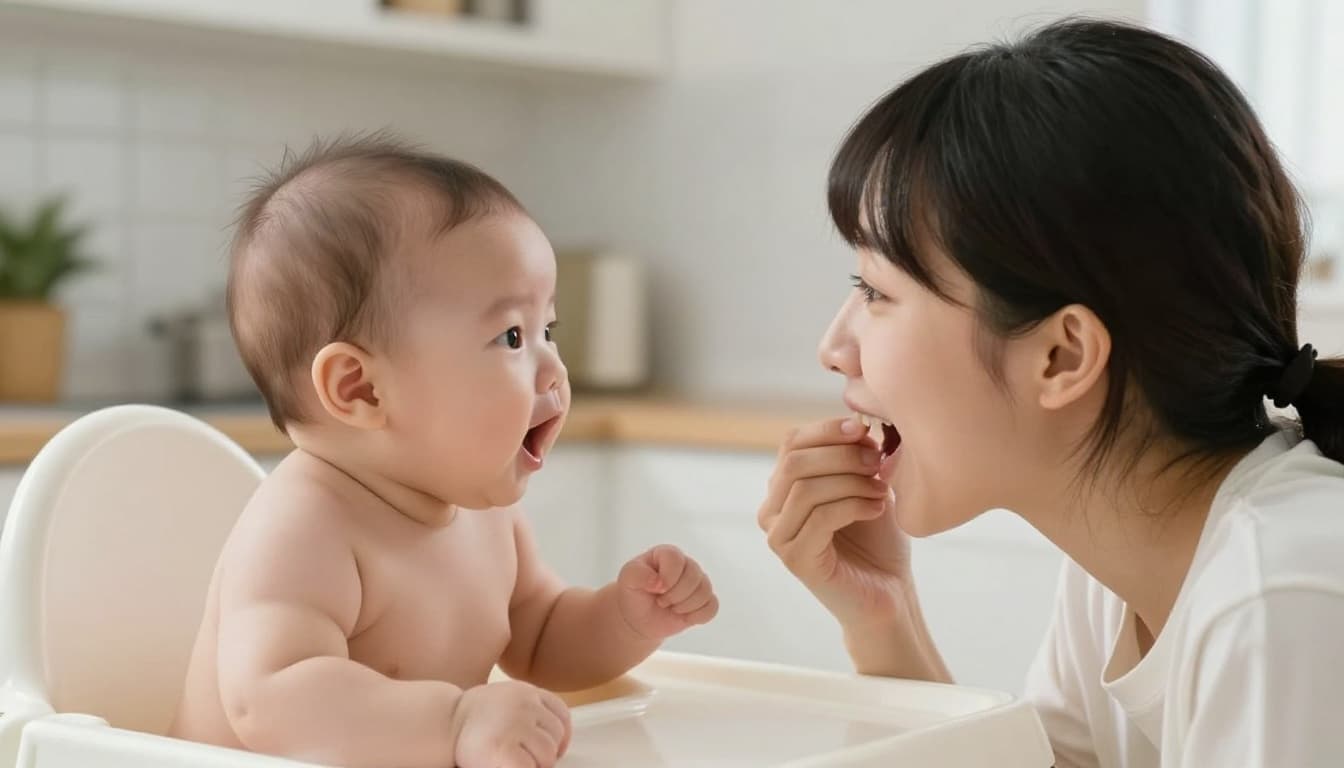
If your baby is cooing, drooling, and studying your mouth, that usually means the raspberry stage is close. Keep talking, keep smiling, and keep giving them space to copy you. Those tiny attempts are the real setup for the loud, playful sound that comes next.
Easy ways to encourage your baby to try it
The best way to encourage raspberry blowing is to keep it light and playful. Babies usually join in when the moment feels safe, face-to-face, and a little silly.
You don’t need a lesson plan. A few fun reactions, a clear view of your mouth, and plenty of smiles are often enough to get the sound started. Simple sound play can fit right into diaper changes, tummy time, or a few calm minutes after a nap.
Model the sound and make it playful
Babies learn a lot by copying what they see and hear. Try making a gentle raspberry yourself, then pause and wait. A wide smile, puffed cheeks, or a funny face can make the game feel even more inviting.
Keep your tone warm and relaxed. If you act like it’s a game, your baby is more likely to treat it like one too. That sense of play matters because babies often repeat actions that feel fun and safe.
A few easy ways to keep it playful:
- Make the sound softly first, then wait for a response.
- Add funny faces, raised eyebrows, or a big grin.
- Repeat the sound a few times without rushing.
- Let your baby watch your mouth move clearly.
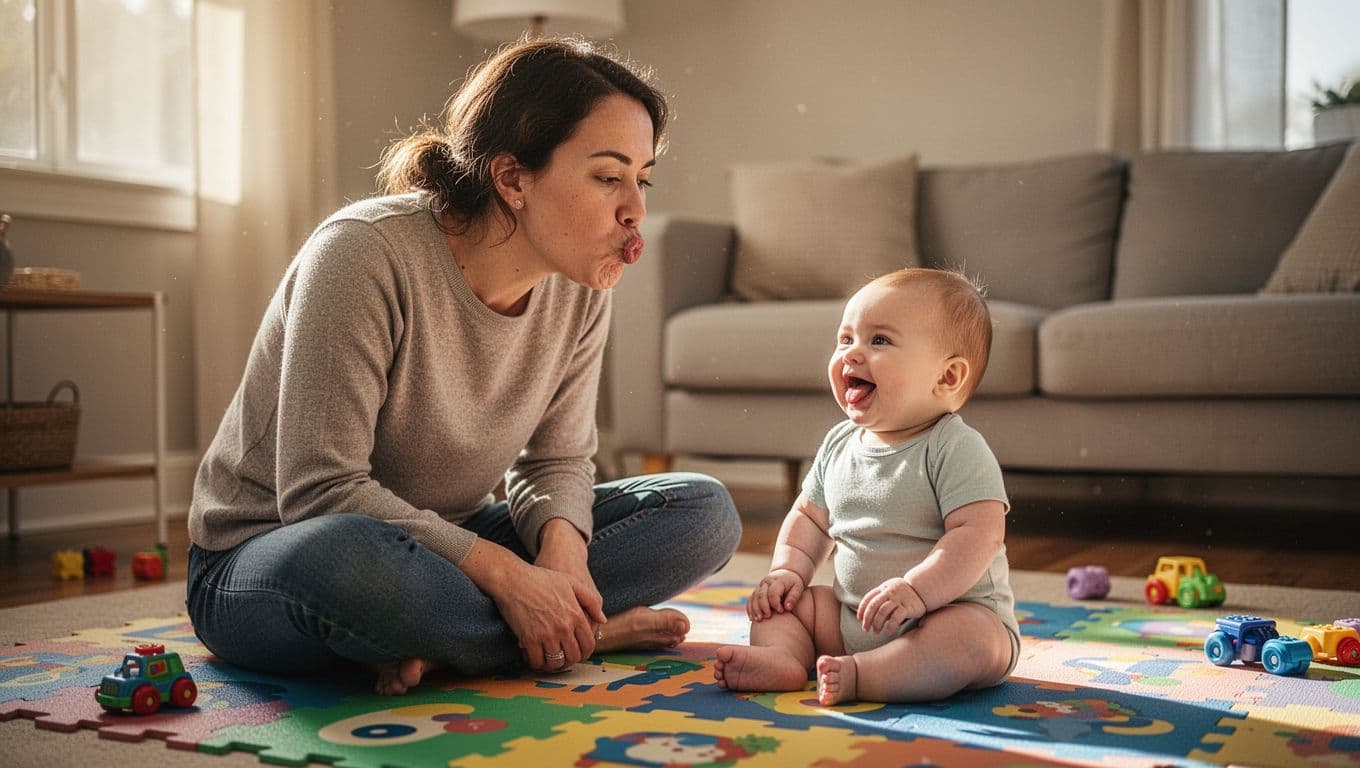
Babies often join in when the interaction feels silly instead of pressured. For more simple sound-play ideas you can use during playtime, auditory sensory activities for little ones can give you more easy options.
Use face-to-face play during calm moments
Short, calm play sessions work better than trying to make a baby perform on command. The best time is when your baby is alert, content, and not hungry or overtired. A few minutes is enough.
Tummy time, mirror play, and close cuddle time are all great moments to try. Babies learn best when they can see your mouth clearly, so move in close and keep your face in view. That makes it easier for them to notice how the sound is made.
Face-to-face time can look simple:
- Sit close and make eye contact.
- Blow a soft raspberry or a lip buzz.
- Pause and wait for any response.
- Smile and repeat if your baby stays interested.
Mirror play helps too, because babies often enjoy watching facial movement. If you want more ideas for calm, hands-on interaction, interactive play for young babies can also inspire short sessions that fit into the day.
Keep the moment short and relaxed. Babies learn more from a few happy repeats than from a long session.
Respond with smiles, laughs, and back-and-forth sounds
Your reaction is part of the lesson. When your baby makes a bubble sound, a lip trill, or a tiny raspberry, answer right away with a smile or a laugh. That warm feedback tells your baby the sound got your attention.
Babies love cause and effect. If a sound makes you light up, they usually try it again. That back-and-forth rhythm is one of the easiest ways to keep the game going.
You can keep the exchange simple:
- Copy the sound back.
- Add a happy laugh or clap.
- Wait for your baby to try again.
- Keep the tone upbeat and encouraging.
The goal is not perfect sound-making. It is shared play. Babies often repeat whatever gets the biggest warm response, so your smile may matter more than the sound itself.
For a helpful overview of these early communication games, Pathways.org’s raspberry play ideas gives a clear example of how babies connect sound with reaction. When you make it fun, your baby gets more chances to experiment, and that is where the real learning happens.
When to check in with your pediatrician
Most babies blow raspberries as part of normal development, but timing is only one piece of the picture. What matters more is whether your baby is also smiling, making eye contact, cooing, and gaining better head and body control as the months go by. If those pieces feel off, a quick check with your pediatrician can give you peace of mind.

What matters by about 6 months
By around 6 months, many babies are making more sounds, turning toward voices, and joining in with early back-and-forth play. The CDC lists raspberries, gurgling, and sound-turn-taking among the milestones that often show up by this age, along with early social responses like smiling and reacting to voices. CDC’s 6-month milestones are a helpful reference if you want to compare what your baby is doing now.
If your baby is not making sounds and also seems behind in other areas, it makes sense to ask the doctor. That includes limited eye contact, few smiles, little response to your voice, or weak head and body control. These skills usually grow together, so a delay in more than one area deserves attention. A broader look at baby rolling over signs and timing can also help you notice whether motor development seems on track.
Signs that need a closer look sooner
Some signs deserve faster attention, even if your baby is still young. These include weakness on one side of the body, trouble swallowing, or very limited communication cues, like rarely looking at faces or not responding to sound. If a baby seems floppy, stiff, or much less active on one side, that is also a reason to call sooner.
A few patterns to watch for:
- Very little interaction: not smiling back, not cooing, or not watching your face.
- Feeding concerns: coughing, choking, or trouble swallowing.
- Movement concerns: using one side much less than the other, or poor head control.
If something feels off in more than one area, trust that instinct and bring it up.
Why an isolated delay is not always a problem
One missed milestone does not automatically mean something is wrong. Some babies take longer to find a new skill, then catch up fast in other areas. A baby may skip raspberries for a while and still be right on track with smiling, babbling, and social connection.
Doctors look at the full pattern, not just one sound. They pay attention to how your baby communicates, moves, feeds, and interacts over time. If your baby is growing well in most areas, a slower raspberry stage is often just part of your baby’s own pace.
Conclusion
Most babies start blowing raspberries around 4 to 5 months, and a wider range of 3 to 7 months can still be normal. It often shows up after cooing, drooling, and lots of mouth play, because your baby is learning how to control lips, breath, and sound.
The big takeaway is simple, raspberry blowing is a healthy part of early communication. It fits right alongside other early baby behaviors, like the cooing sounds that hint at baby’s character and other playful sounds that come before babbling.
Most babies reach this stage in their own time. If your baby is making other sounds, smiling, and interacting well, there is usually no reason to worry, but a pediatrician can help if you notice broader developmental concerns.
Save pin for later


- How to Help a Child Deal With Anxiety at Home - September 12, 2026
- How to Prepare Your Child for the First Day of School - September 12, 2026
- Age-Appropriate Chores for Kids by Age Group - September 12, 2026