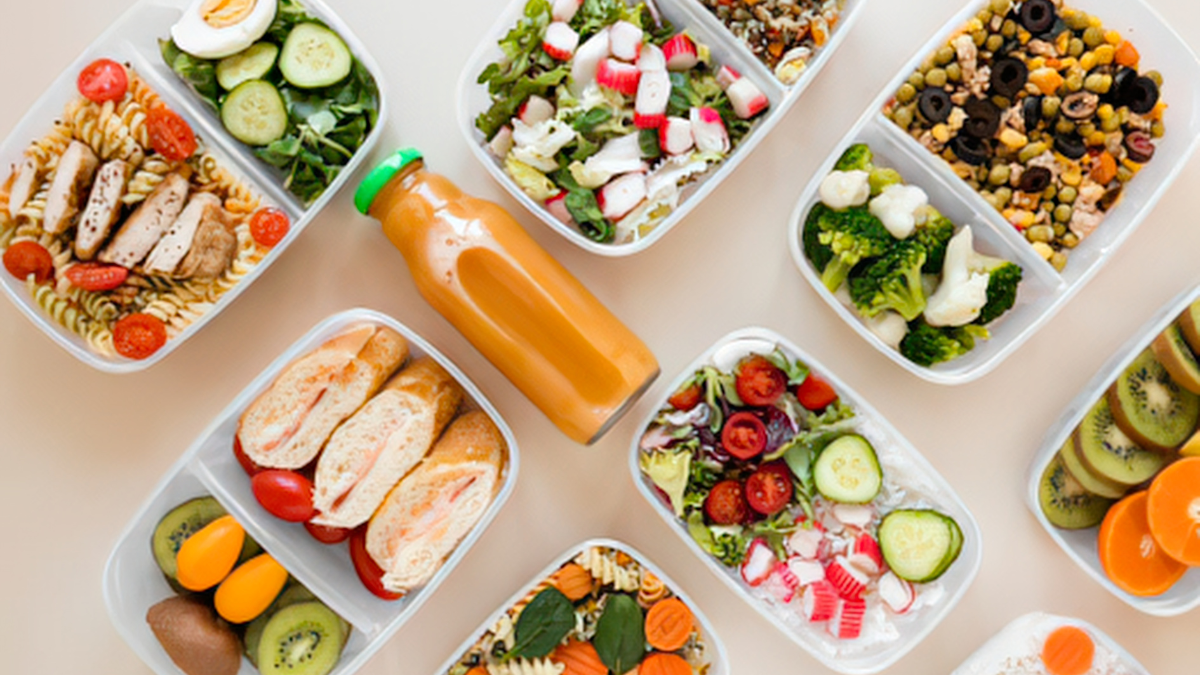


Protein acts as the main building block for your child’s growth. It fuels their daily adventures, supports strong muscles, and keeps their brain sharp throughout the school day. When kids eat enough protein, they maintain steady energy levels instead of facing those sudden afternoon crashes.
Many parents worry that adding more protein requires complex recipes or expensive ingredients. You can easily boost their intake with simple foods you likely already have in your kitchen. Providing these nutrient-dense options does not have to be a chore or a source of stress.
Focusing on these small, consistent dietary choices helps set a foundation for long-term health. Below are twenty high-protein foods that offer both great taste and essential fuel for your growing children.
Animal Protein Powerhouses for Your Family
Protein provides the foundational blocks your children need to grow strong and stay energized. Animal sources offer complete amino acid profiles, which means they contain all the essential components for building healthy muscle tissue and supporting immune function. Integrating these nutrient-dense options into your family meals supports steady growth and keeps kids satisfied between school and play.
Eggs and Lean Poultry
Eggs are perhaps the most versatile protein option in your kitchen. They pack high-quality protein into a compact package, making them ideal for growing bodies. Many kids enjoy them because of their mild flavor and soft texture. If your children are picky about traditional scrambled eggs, try making mini frittatas in a muffin tin. These bite-sized portions hold their shape well and stay moist if you stir in a spoonful of cottage cheese or Greek yogurt before baking.
Chicken and turkey also serve as excellent, mild-flavored staples. To keep poultry tender, avoid overcooking it, which often leads to that dry, chewy texture kids dislike. Instead, try these preparation tips:
- Marinate before cooking: Use olive oil, lemon juice, or a mild yogurt marinade to lock in moisture.
- Opt for moist cooking methods: Braising or poaching keeps the meat juicy compared to high-heat grilling.
- Ground options: Use ground turkey or chicken for meatballs and patties, as the fat content keeps them soft and easy to chew.
These simple adjustments ensure your kids get the protein they need without the battle of finishing a dry piece of meat. You can even involve them in the kitchen by letting them mix the ingredients for turkey meatballs or help crack eggs for a morning omelet.
The Importance of Omega 3 Fish
Fish like salmon and tuna provide a dual benefit by offering high-quality protein alongside essential omega-3 fatty acids. These healthy fats support brain development and focus, giving your kids a head start during the school day. While some children find the natural flavor of seafood intimidating, you can bridge the gap with simple, kid-friendly preparations.
If your family is new to seafood, start with milder options like canned light tuna or fresh salmon fillets prepared with familiar flavors. Tuna salad mixed with a bit of avocado or Greek yogurt makes a creamy, nutrient-packed filling for crackers or wraps. For salmon, try brushing fillets with a small amount of maple syrup or honey before roasting. This adds a slight sweetness that tones down the intensity of the fish and creates a pleasant, golden crust.
Serving fish in familiar formats often changes how children perceive it. Fish cakes or patties allow you to hide pieces of flaky salmon or tuna inside a crispy exterior. Serve these alongside a dip they already enjoy, like a mild yogurt-based sauce or a favorite mild salsa. Consistency is key when introducing new textures, so keep offering small portions until the flavor becomes a natural part of their weekly rotation.
Dairy and Plant-Based Protein for Every Meal
Building a balanced plate for your child involves more than just meat and fish. Diversifying protein sources ensures your kids receive a wide range of essential vitamins, minerals, and fiber alongside their daily protein requirements. By rotating between dairy staples and versatile plant proteins, you keep meals exciting and provide your children with the sustained energy they need for their busy days.
Creamy Dairy Delights
Dairy is a simple, effective way to boost protein intake without spending hours in the kitchen. Greek yogurt is a standout choice because it packs significantly more protein than standard yogurt. Its thick, creamy texture makes it a hit with most children, especially when you stir in fresh berries or a drizzle of honey. Keep individual cups in the fridge for a quick, portable snack that bridges the gap between lunch and dinner.
Cottage cheese is another high-protein hero that often goes underappreciated in family kitchens. Many kids enjoy the mild, slightly salty flavor, but if the texture is a struggle, you can blend it until smooth. This creamy base works perfectly in smoothies, pancake batters, or stirred into pasta sauces to add a protein boost that remains completely hidden.
Beyond these, consider the simple power of cheese slices and sticks. Whether it is cheddar, mozzarella, or Swiss, cheese provides an easy, grab-and-go option that children rarely refuse. Pairing these dairy sources with fruit or whole-grain crackers creates a balanced snack that keeps hunger at bay until the next meal.
Power from Plants
Plants offer an affordable and nutrient-dense way to fill your pantry. Beans, lentils, and tofu serve as flexible staples that work well in a variety of family-favorite recipes. You don’t have to overhaul your menu to include these, as they often blend seamlessly into dishes your kids already enjoy.
Lentils are excellent because they cook quickly and have a very mild flavor profile. Try mixing cooked red lentils into a meat-based spaghetti sauce or shepherd’s pie. The lentils take on the flavor of the seasonings and the meat, effectively stretching your budget while adding extra protein and fiber to the meal.
Chickpeas and black beans are also great for hiding in plain sight. Consider these creative methods for integrating plant-based proteins:
- Taco night: Replace half the ground beef with seasoned black beans or mashed pinto beans to add texture and nutrition.
- Smoothie additions: White beans, such as cannellini or navy beans, are flavor-neutral and add a creamy body to fruit smoothies.
- Crispy snacks: Roast chickpeas with a bit of olive oil and mild seasoning for a crunchy alternative to processed chips.
- Silken tofu: Blend silken tofu into puddings, dips, or muffin batters to provide a boost of protein without altering the taste of your baked goods.
Tofu acts like a sponge, soaking up whatever sauce or marinade you use. If you are introducing it for the first time, try pressing the extra moisture out and tossing it in a favorite teriyaki or barbecue glaze before baking. This gives the tofu a firm, satisfying bite that contrasts well with softer sides like steamed vegetables or rice. Exploring these plant-based options helps your children develop a taste for diverse foods while ensuring they get the fuel their growing bodies require.
Save pin for later


- What Causes a Flat Head Shape in Babies? - September 20, 2026
- Baby Massage for Gas Pain: Step-by-Step Instructions - September 20, 2026
- Newborn Skin Peeling: Common Causes and Warning Signs - September 20, 2026