

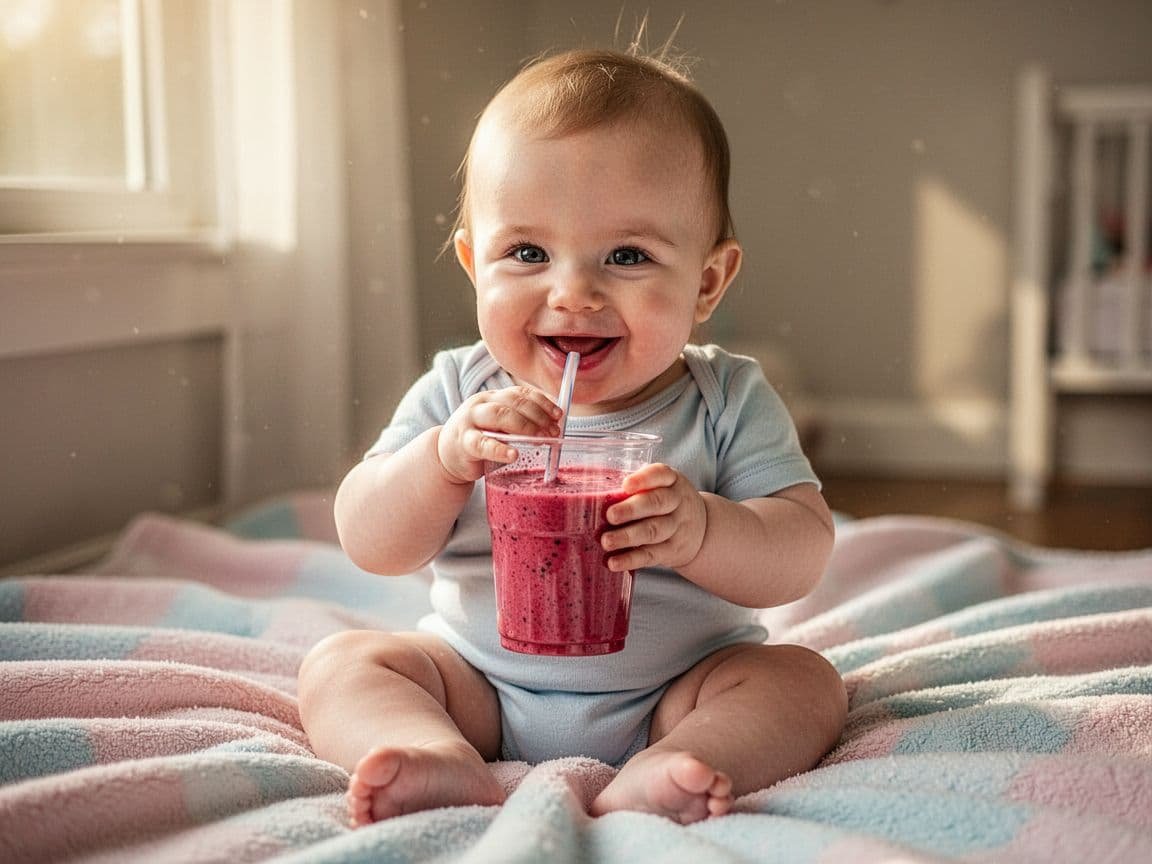
Watching your baby transition to solid foods is a special milestone for every parent. You want to offer nutrient-dense meals that support their rapid growth and development. Protein is essential during this stage because it provides the building blocks for healthy muscles, skin, and organs.
These smoothies are safe, easy for tiny tummies to digest, and packed with wholesome ingredients. You can feel confident knowing you are giving your little one a healthy start with every sip. Grab your blender and get ready to whip up these simple, nutritious snacks for your growing baby.
Why Protein Matters for Your Growing Baby
Your baby grows at a speed that often seems impossible. In those early months, their body works constantly to build new tissue. Protein is the main tool for this work. It acts as the physical building block for their muscles, skin, and organs.
Without enough protein, the body lacks the raw materials needed for structural growth. While carbohydrates and fats provide energy, protein does the actual construction. Think of protein as the bricks in a wall. Without those bricks, your baby cannot build a strong foundation for their future health.
Protein also supports vital brain growth. It helps create enzymes and hormones that keep the body functioning correctly. Since babies possess high nutrient needs relative to their small size, every bite counts. You want to provide high-quality protein to ensure their development stays on track.
The Basics of Safe and Healthy Ingredients
Choosing the right ingredients makes all the difference in a smoothie. Focus on whole foods that provide dense nutrition without unwanted additives. You want to avoid products with added sugars or salt because these interfere with your baby’s developing palate and health.
Full-fat, plain yogurt is a fantastic foundation for any smoothie. It offers a creamy texture that babies enjoy, along with a healthy dose of natural protein and calcium. Always choose plain varieties to steer clear of the hidden sugars found in flavored options.
Soft tofu is another excellent protein source to include in your rotation. It carries a neutral flavor that blends easily with fruits or mild vegetables. You can simply add a few chunks to your blender for a plant-based protein boost.
Follow these simple rules when you select ingredients:
- Stick to organic fruits when your budget allows.
- Use fresh or frozen produce that has no added syrups or salt.
- Prioritize full-fat dairy or plant-based alternatives to support brain development.
- Keep the flavor profile simple so your baby learns to enjoy the taste of real food.
These choices build a solid base for healthy eating habits. Your baby learns to love the taste of natural, nutritious meals from the very first sip.
When to Start Introducing Smoothies
Most pediatricians suggest introducing solids around six months of age. At this point, your baby usually shows signs of readiness, like sitting up with support or showing interest in your food. You can offer smoothies as part of a varied diet once they master basic textures.
Safety is your top priority during this transition. One rule remains non-negotiable: never give honey to a baby before their first birthday. Honey can contain spores that cause infant botulism, a serious condition for little ones.
You should always consult with your pediatrician before introducing new food groups, especially if you have a family history of allergies. Your doctor can offer guidance on how to safely introduce proteins like yogurt or soy. This personalized advice ensures that you move forward with confidence and clarity.
Keep an eye on how your baby reacts to new ingredients. Start with one new item at a time to monitor for any digestive discomfort or skin reactions. Slow, steady progress makes the transition to solids a positive experience for your growing child.
Smart Tips for Preparing and Serving Baby Smoothies
Creating the perfect smoothie for your little one involves more than just tossing fruits into a blender. It requires thoughtful preparation and a keen eye for how your baby reacts to new flavors. Once you find a recipe your baby enjoys, you can simplify your routine with batch preparation.
Adjusting Texture for Different Ages
Every baby develops at their own pace, and their comfort with food texture often shifts over time. You might start with a thinner, silkier consistency for a younger infant just beginning their journey with solids. As they grow and gain experience with chewing, you can gradually leave a little more body in their drinks.
If a recipe feels too thick for your baby, you can easily thin it using breast milk or formula. These liquids add familiar flavors and boost the nutritional value of each serving. Filtered water works well when you prefer to keep the flavor profile neutral. Always stir in the liquid slowly until you reach the desired consistency for your child.
Pay close attention to how your baby manages the texture. If they seem to gag or struggle, add a bit more liquid to make swallowing easier. Watching for these cues helps your baby feel confident and safe during mealtime.
Keeping It Fresh and Safe
Freshness matters when you want to provide the highest quality nutrition for your growing child. It is best to prepare smoothies immediately before serving whenever your schedule allows. When you must prepare ahead, you can store portions safely in the refrigerator for up to 24 hours.
Glass containers are ideal for storing these fresh blends because they do not hold onto lingering food odors or chemicals. You can also freeze your smoothie mixtures in ice cube trays for easy access. Once frozen, transfer the cubes into a sealed freezer bag. Simply pop one or two cubes into a container to thaw before the next feeding.
Keep a mental note of these safety steps to protect your baby:
- Label your storage containers with the date to ensure you always use the freshest batch.
- Always check the temperature before offering the smoothie, especially if you have thawed it.
- Watch your baby closely when trying new ingredients to monitor for potential allergic reactions.
If you introduce a new fruit or vegetable, stick to that single item for a day or two. This patience helps you identify any sensitivities quickly. By staying organized and observant, you turn every snack into a healthy, stress-free moment for you and your baby.
Save pin for later


- What Causes a Flat Head Shape in Babies? - September 20, 2026
- Baby Massage for Gas Pain: Step-by-Step Instructions - September 20, 2026
- Newborn Skin Peeling: Common Causes and Warning Signs - September 20, 2026