
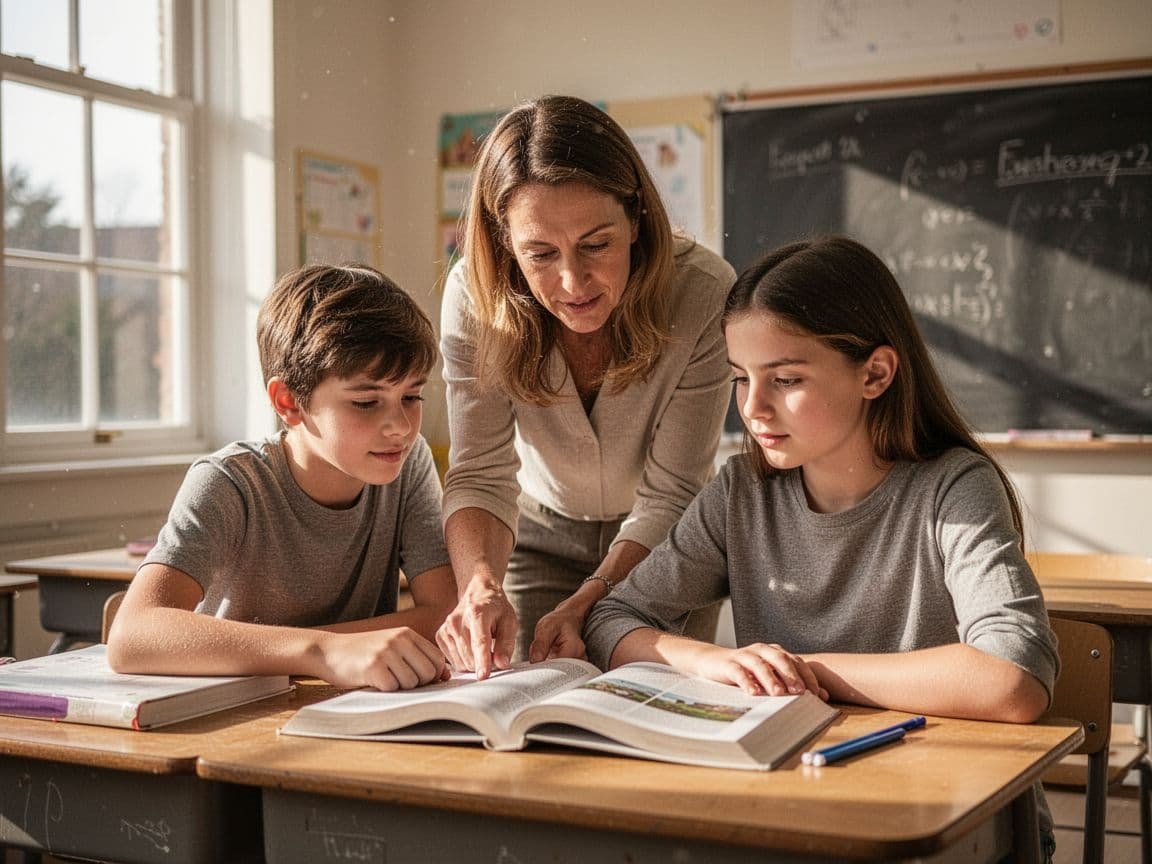
The first weeks of school can feel like a stack of sticky notes, a ringing bell, and a to-do list that never quits. You’re planning lessons, setting routines, and trying to keep the room calm at the same time.
That’s why these 10 back to school ideas for teachers focus on simple moves that save time and make the first week run smoother, no matter the grade or classroom style. If you want a steadier start, a few practical habits, like back-to-school tips for smoother mornings, can take some pressure off before the day even begins.
Why the first week matters so much
The first week is where the classroom starts to take shape. Students watch, listen, and test the edges of the room long before they settle into routine. That means your early choices do more than fill time, they build the climate for the rest of the year.
A calm start helps students feel safe. Clear directions help them relax. Consistent follow-through helps them trust what you say, which makes every later lesson easier to run.
The tone you set on day one follows you
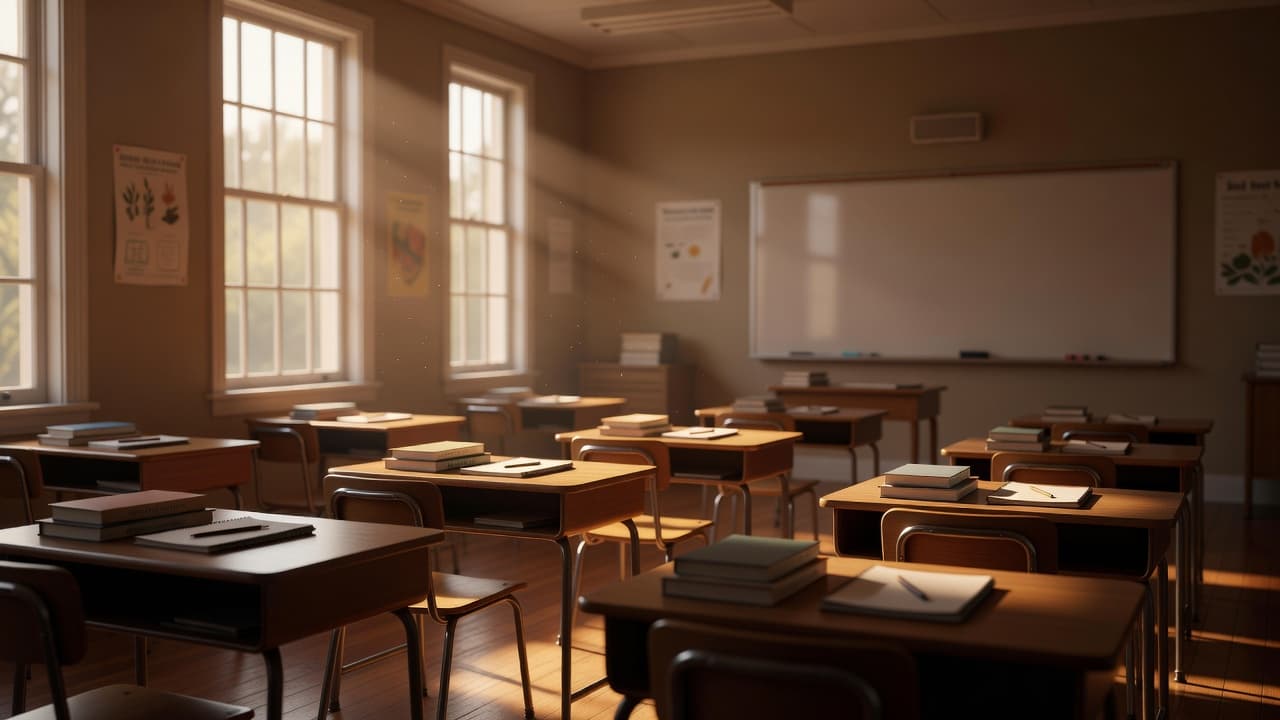
Students notice everything. They hear the tone in your voice, see how you move through the room, and decide fast whether the space feels steady or tense. Even the desk setup, the wall space, and the way you greet them tell a story.
That is why a warm, calm start matters so much. When your presence feels friendly and your expectations are clear, students understand what kind of room they are walking into. They do not need perfection. They need a teacher who is steady, kind, and direct.
A simple welcome, a clear routine, and a few fair boundaries can build trust fast. In fact, that early trust often matters more than a polished lesson plan. As responsive classroom guidance on the first weeks shows, early structure helps students feel secure enough to learn.
Students remember how a room feels long before they remember every rule.
Simple planning now saves stress later
A little prep before students arrive can save you from repeating yourself all week. When materials are ready, directions are posted, and transitions are mapped out, you spend less time fixing confusion and more time teaching.
That early work pays off in small but real ways:
- Students know where to sit, where to turn in work, and what comes next.
- You repeat instructions less often, which keeps the lesson moving.
- Behavior issues drop when the day feels organized and predictable.
If you want a stronger classroom routine, start with the basics. Set up your supply spots, choose your opening activity, and decide how you want students to enter and exit. For practical behavior support, these behavior management techniques for kids can also help you keep expectations clear from the start.
A strong first week does not remove all problems. It does make them easier to handle. Once students know the rhythm of the room, you get more time for teaching, more space for connection, and far fewer surprises.
Back to school ideas for teachers that make students feel welcome
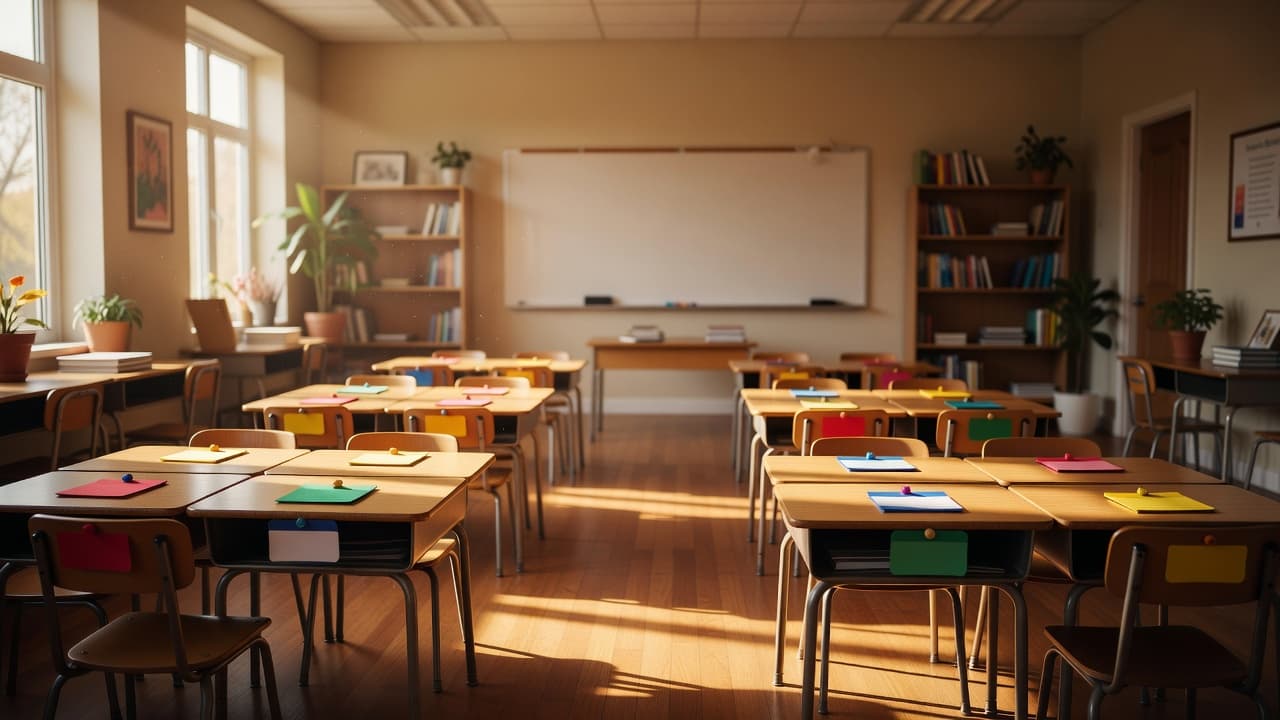
A strong classroom starts with comfort. When students walk in and see their names, hear friendly voices, and know what to do next, the room feels less like a puzzle and more like a place they belong.
The best first-week ideas do not need to be fancy. They need to open the door to conversation, reduce nerves, and give every child a small win right away. That first spark matters because students settle faster when the room feels safe and familiar.
Start with a friendly student introduction activity
A short introduction activity helps break the silence without putting students on the spot. Simple name games, summer share-outs, or quick partner talks work well because they feel low-pressure and easy to finish.
You can ask students to share one favorite summer memory, one thing they are excited about, or one goal for the year. In partner talks, give them a question and a minute to answer, then let them switch. This keeps the room moving and gives quieter students a safer way to speak.
A few easy options include:
- Name games that repeat names in a playful way
- Summer share-outs with one sentence from each student
- Partner chats with short prompts and clear time limits
These small exchanges build confidence fast. They also help you learn names sooner, which makes a big difference in the first week. When a teacher uses a student’s name early and often, that student feels seen.
Use icebreaker bingo to spark easy conversations
Icebreaker bingo turns introductions into a game. Make a bingo-style sheet with prompts like “has a pet,” “likes pizza,” or “traveled this summer,” then let students walk around and find classmates who match each box.
The activity works well because it feels like play, not a test. Students talk, listen, and discover shared interests without the pressure of a formal presentation. That often leads to real conversation, not just quick answers.
It also helps classmates notice what they have in common. A child who feels shy at first may relax after finding a friend who loves the same book, sport, or snack. For a warm classroom community, resources like community-building classroom ideas can offer more ways to support that same goal.
Try a classroom scavenger hunt
A classroom scavenger hunt gives students a tour without making it feel like a lecture. Ask them to find key spots and supplies, such as pencils, books, the pencil sharpener, the turn-in bin, and the reading corner.
This kind of activity does two jobs at once. It teaches students where things are, and it gives them practice moving through the room with confidence. That matters on day one, because a child who knows where to go feels calmer and more capable.
You can keep the clues simple and direct. For example, “Find where finished work goes” or “Locate the place to borrow a pencil.” Clear tasks help students settle into the space while learning the routines that will guide the year.
Take student photos for a class display
Student photos help you remember names, and they help students feel noticed. Even a quick picture can make a child feel like they already belong in the room.
Use the photos in a few simple ways. Put them on a welcome board, add them to desk labels, or build a memory wall that grows through the year. You can also keep a class photo chart near your seating plan for easy reference during the first weeks.
When students see their faces displayed, the room feels more personal. It stops looking like a row of desks and starts looking like a community with people in it.
Back to school ideas for teachers that teach routines without boring students
Routines do not have to feel stiff or tedious. When you teach them like short, active lessons, students pick them up faster and remember them longer. A few minutes of practice now can save you from a week of confusion later.
The best back-to-school routines feel calm, clear, and almost automatic. Students should know where to go, what to do, and how to move without stopping the flow of the day.
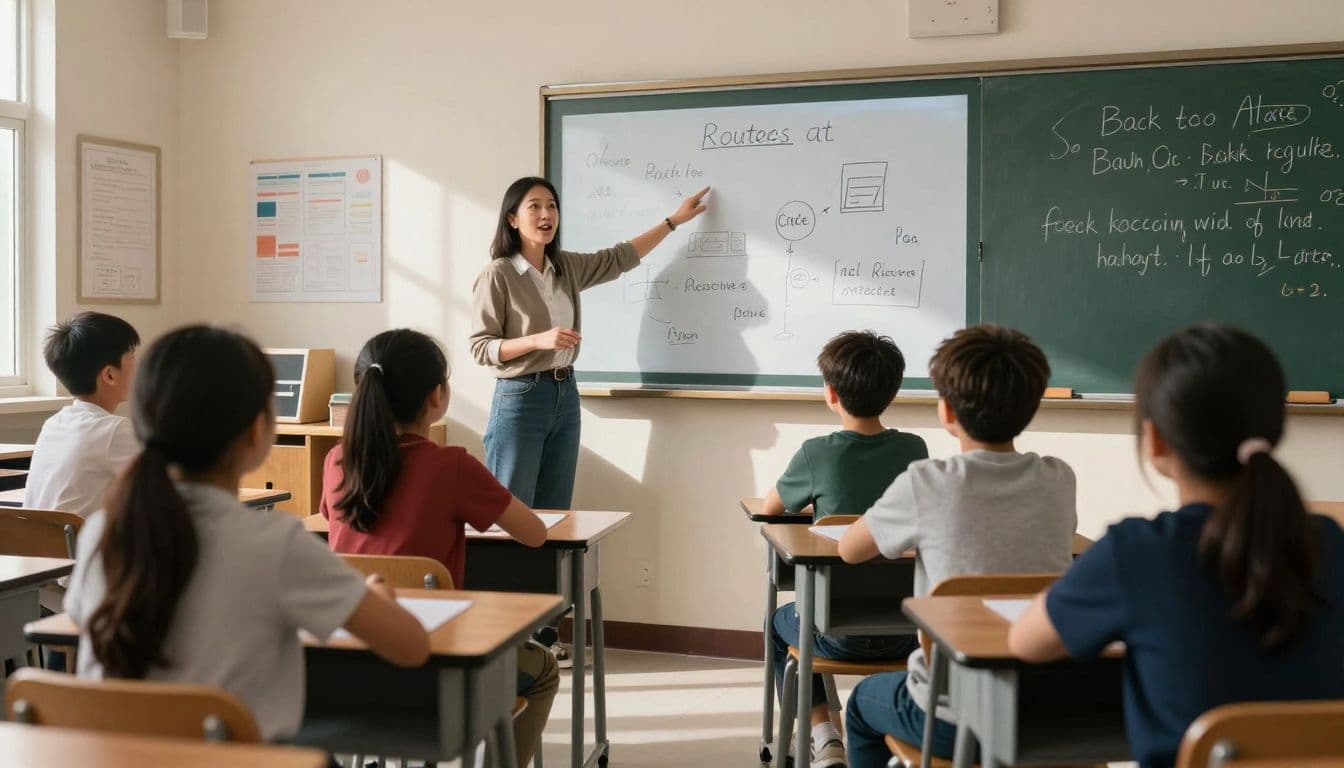
Practice the daily routines before real lessons begin
Before you jump into content, walk students through the routines they will use every day. Show them how to enter the room, turn in work, ask for help, line up, and pack up. Then let them try each step in short practice rounds.
Keep it simple and hands-on. You can model the routine once, have the class practice it, and then do it again with a small twist, like trying it faster or quieter. That kind of repetition feels more like rehearsal than lecture, and it helps the routine stick.
If you want those habits to last, start with the routines students need most. A smooth first week depends on creating predictable schedules for student success, and the same idea works inside the classroom. When students practice early, they spend less time guessing and more time learning.
Short practice rounds now can prevent a lot of confusion later.
Teach your attention signal early
A strong attention signal helps you regain the room without raising your voice. A clap pattern, hand sign, bell, or call-and-response can work well, as long as you teach it clearly and use it the same way every time. Students should know that the signal means, “Stop, look, listen.”
Consistency matters more than creativity here. If you change the signal often, students will treat it like background noise. However, when you repeat the same cue, it becomes part of the room’s rhythm.
You can make it feel student-friendly by practicing it like a game. Try the signal, let the class respond, and praise the students who freeze and focus right away. That quick feedback helps the whole group learn the expected response.
Show students how the classroom works
A classroom tour does not need to feel like a lecture. Treat it like an easy orientation and show students where supplies go, how to use materials, where important areas are, and what to do when they finish early. Walk, point, pause, and let them ask quick questions.
This is also the right time to show the room’s habits in action. For example, you can model how to borrow scissors, return books, or use the reading corner when work is done. The more concrete your examples, the less guessing students will do later.
You can even turn the walkthrough into a simple “show me” activity. Ask students to demonstrate where they would go for pencils, finished work, or extra help. That keeps the pace moving and makes the room feel familiar instead of formal.
A few well-placed reminders can make the room easier to use:
- Supplies should have one clear home.
- Help spots should be easy to find.
- Quiet finish tasks should be ready for early workers.
When students know how the classroom runs, they settle faster and act with more confidence. That structure gives you a steadier start, and it helps routines feel like part of the day instead of rules taped to a wall.
Easy first-week activities that build skills and teamwork
The first week goes better when students do more than sit and listen. A simple task can teach them how to share ideas, solve small problems, and work beside each other without stress.
These early activities should feel light, but they still need purpose. Give students something to think about, something to make, and something to talk through together. That mix helps the room warm up fast.

Set a simple goal for the school year
Ask students to draw, write, or share one goal they want to reach this year. A child might want to read a new chapter book, make a friend, or get better at math facts. Keep the prompt open enough for every student to join in.
This works well as a quick first-week activity because it gives you a small window into student hopes and needs. Some students will show confidence right away. Others may reveal worries, and that helps you support them early.
You can display the goals on a bulletin board, collect them in folders, or let students talk about them in pairs. For younger students, a picture plus one sentence works well. For older students, a short paragraph or sticky note response can work just as well.
Early goal-setting gives you more than cute classroom art, it gives you useful insight.
A goal activity also sets the tone for the year. Students start to see school as a place where their ideas matter, not just a place where they follow directions.
Plan a quick STEM challenge
A low-prep STEM challenge can turn nervous energy into teamwork. Use simple materials like paper, tape, straws, or cups, then give the class a task such as building the tallest tower, a paper bridge, or a cup stack that stays upright.
The challenge does not need to be long or fancy. In fact, a short task often works best because it keeps students moving and talking. When they test ideas, adjust their design, and try again, they practice problem-solving without feeling overwhelmed.
You can also make the task more social by assigning partners or small groups. One student can hold materials, another can test ideas, and another can explain the plan. That kind of shared work helps students learn how to listen and build together.
For more first-week inspiration, easy STEM activities for the first week can spark ideas that fit different grade levels. The key is to keep the challenge short, clear, and fun, so students finish feeling successful.
A few simple materials are usually enough:
- Paper and tape for bridges, towers, or ramps
- Straws and cups for stacking and balance
- Scrap paper for design-and-build tasks
Use a calm start activity when students arrive
The first few minutes of the day set the mood. A calm arrival task gives students something steady to do while they settle in, which keeps the morning from turning noisy and rushed.
Journal prompts work well because they are quiet and flexible. You might ask, “What is one thing you hope to learn this year?” or “What helps you feel ready for school?” Coloring pages and short seatwork can also help students ease in without pressure.
This kind of routine matters because it creates a peaceful start that students can count on. Instead of wandering or waiting with nothing to do, they know exactly what comes next. That small sense of order can make the whole morning smoother.
If you want to pair calm work with a stronger routine, age-appropriate activity ideas for kids can help you choose tasks that match student needs. Even a five-minute starter can work like a bridge, leading students from arrival to learning.
Add a mystery bag or show-and-tell moment
A mystery bag activity gives students a reason to guess, speak, and listen. Place one hidden object inside a bag, or ask a student to bring a personal item that tells a little about them. Then let the class ask questions and make guesses before the reveal.
This activity stays simple, but it opens the door to real conversation. Students enjoy the surprise, and they also learn how to pay attention to clues. More importantly, it gives quieter students a low-pressure way to share their voice.
You can keep the items friendly and age-appropriate, such as a favorite book, a small sports item, a family photo, or a toy with special meaning. After the reveal, ask a follow-up question so the student can say a little more.
That extra step turns a fun guess game into a chance for connection. It helps classmates see each other as real people with stories, not just names on a roster.
Small activities like these do a lot of heavy lifting in the first week. They build trust, ease nerves, and give students a safe way to join the room together.
How to prepare your classroom and mind before students walk in
The work before the first bell matters just as much as what happens after it. A ready room saves time, but a ready mind keeps that time calm and useful.
Before students arrive, aim for two things at once, a space that runs smoothly and a mindset that stays steady. When your room is organized and your head is clear, the day feels less like a scramble and more like a plan.
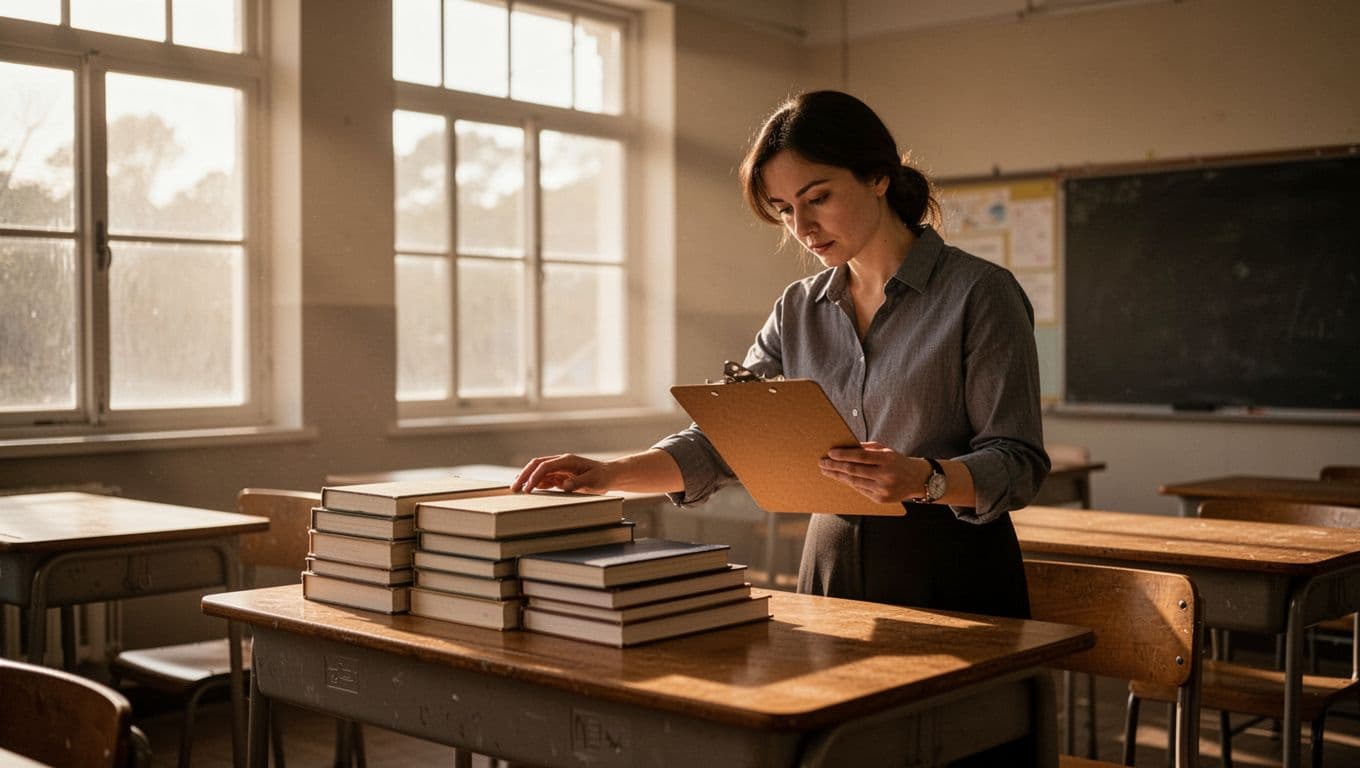
Organize supplies and spaces before day one
Start with the spots students will use right away. Labels, bins, pencils, folders, and learning centers should be easy to spot and even easier to reach. When materials have a clear home, students waste less time asking where things go, and you spend less energy repeating yourself.
A tidy room also changes how the day feels. It sends a quiet message: this space is ready for you. That sense of order helps students feel safe, and it helps you stay focused instead of chasing clutter from one corner to the next.
Begin with the basics, then move outward:
- Labels should mark shelves, drawers, and supply bins clearly.
- Bins should hold shared items in one simple place.
- Pencils and extras should be ready near student tables or group areas.
- Learning centers should be set up with only the materials needed for the first task.
Keep the room open where movement matters. Students do better when they can find what they need without stepping around piles or guessing where to turn in work. For more ideas on building systems that keep busy spaces calm, these family organization systems offer a helpful way to think about structure.
If students can find it fast, they can start working faster.
Refresh lesson plans for the opening week
The first week goes more smoothly when your plans are flexible. Short lessons, backup activities, and simple transitions help you handle the surprises that always show up early in the year. A fire drill, a late arrival, or a class that needs more time can throw off a perfect plan, so build in room to adjust.
Keep a few low-pressure options ready. A quick partner chat, a journal prompt, or a short review task can save the day when the schedule shifts. You do not need every minute packed. You need a plan that bends without breaking.
It also helps to trim your opening week lessons so they feel easy to launch. New routines already take up attention, so long or complex lessons can add stress fast. A smaller lesson with a clear goal often works better than a big one with too many steps.
A simple planning check can help:
- Choose one main goal for each day.
- Add one backup activity in case time changes.
- Prepare one quiet task for early finishers.
That kind of planning lowers pressure before the week begins. For a solid checklist-style approach, this first-week teacher checklist is a useful reference point.
Create a small self-care routine for busy school mornings
Teachers need a calm start too. A few quiet minutes before school can change the tone of the whole day. That might mean sitting with coffee, checking a short list, taking three slow breaths, or standing still before the building gets loud.
Your routine does not have to be fancy. It just has to help you feel grounded before you start answering questions and making decisions. Even five minutes of calm can keep the morning from feeling like a sprint.
A simple routine might look like this:
- Drink water and eat something light.
- Review your top three tasks.
- Take a short breathing break before students arrive.
- Leave one small buffer in your morning, so you are not rushing in last minute.
That kind of prep is practical, not indulgent. It helps you walk into the room with a steadier voice, a clearer head, and more patience for the unexpected. If you want another reminder for the first day, these first-day classroom tips fit well with a calm, organized start.
A smoother morning begins long before students sit down. When your room is ready, your plans are flexible, and your mind has a little space to breathe, the first day feels much more manageable.
Conclusion
The best back to school ideas for teachers do two things well, they help students feel welcome and they make the first week easier to manage. When the room feels calm, routines are clear, and students have a few friendly ways to connect, the whole year starts with more ease.
Teachers do not need to do everything at once. A few strong choices, like clear routines, warm greetings, and simple activities such as easy STEM activities for young learners, can build a strong start without adding extra stress.
A thoughtful beginning gives students a place to settle and gives you a better rhythm for the days ahead. That kind of start can set the tone for a great year.
Save pin for later

- Asperger’s Syndrome in Babies: Early Signs and Next Steps - October 7, 2026
- 12 Beautiful Baby Names That Mean Forest, Plus Woodland Picks - September 27, 2026
- 15 Fantastic Baby Nicknames for Boys, From Sweet to Playful - September 27, 2026