


Babies wake up crying for a simple reason most of the time, something feels off. It could be hunger, a wet diaper, gas, being too hot or too cold, or the jolt of moving between sleep cycles.
If your baby wakes up upset, you’re not failing, and it doesn’t always point to a serious problem. Often, crying is your baby’s quickest way of saying, “I need something,” whether that means a feeding, a cuddle, a quieter bedtime, or a little help settling after sleep changes.
As babies get older, overtiredness, teething, congestion, and even separation anxiety can make those wake-ups louder and harder to soothe. A calm check of the basics usually tells you a lot, and that small routine can make nights feel less scattered.
The most common reasons babies wake up crying
Babies usually wake up crying because they need help, feel uncomfortable, or get startled when sleep drops away. Their little bodies change fast, and a smooth nap can turn into tears in seconds.
The good news is that most wake-ups follow a pattern. Once you know the common triggers, you can check them one by one and calm the room much faster.

Hunger is often the first thing to check
A hungry baby often wakes with a sharp cry that feels urgent. Newborns and younger babies have tiny stomachs, so they may need frequent feeds, even overnight.
Look for clues like rooting, sucking on hands, or fussing that settles quickly after a bottle or breastfeed. If your baby calms down soon after eating, hunger was likely the problem.
For parents trying to sort out repeat night wakes, tips for better baby sleep can also help you spot patterns around feeding and bedtime.
A baby who wakes hungry often wants comfort fast, not a long soothing routine.
A dirty diaper or wet clothes can wake a baby fast
Simple discomfort can turn into loud crying before you even know what happened. A wet diaper, damp pajamas, or tight clothing can feel huge to a baby, especially if the skin is already sensitive.
Diaper rash makes this worse. When the skin is sore, even a small amount of wetness can sting and bring on harder crying.
Cold, clammy clothes can also upset a baby quickly. If your baby wakes upset after a long stretch of sleep, a quick diaper check is one of the easiest first steps.
Gas, reflux, and tummy trouble can make waking rough
Babies can wake crying when air gets trapped in the belly or when spit-up causes discomfort. Their bodies are still learning how to handle feeds, burps, and digestion, so the pain can feel bigger at night.
Watch for squirming, arching the back, pulling the legs up, or crying soon after a feed. Those signs often point to gas or reflux-related discomfort, especially if your baby seems fine at first and then suddenly gets upset.
If waking keeps happening after feeds, pausing to burp more often may help. For babies who seem hard to settle at bedtime too, why your baby fights sleep can give you a few more clues.
Teething pain can show up at night and during naps
Sore gums often feel worse when a baby is lying down and trying to settle. That is why a baby may seem okay at bedtime, then wake up upset an hour later.
Common signs include drooling, chewing on hands or toys, swollen gums, and extra clinginess. Some babies also want to nurse or suck more often because it feels soothing on sore gums.
Teething can bring short, cranky wake-ups that come and go. If your baby is old enough for teething, the crying may line up with the same days the gums look swollen or tender.
A quick wake-up can feel scary for some babies
Sometimes the crying starts because your baby wakes in a half-asleep state and feels startled. This happens more often when sleep is light, the room changes, or the baby wakes between sleep cycles.
That jolt can feel like being dropped into bright light without warning. Older babies may also cry because they notice you are gone and want reassurance right away.
A calm, familiar response helps here. If you keep lights low, speak softly, and stay steady, your baby often settles faster and wakes less fully. For babies who struggle to settle on their own, how to get your baby to sleep without being held may be useful later on.
When crying points to more than a simple wake-up
Most baby wake-ups come from basic needs, but some signs need closer attention. Fever, trouble breathing, unusual sleepiness, poor feeding, or crying that feels different from usual can point to illness or pain.
If the crying is constant and none of the usual fixes help, it makes sense to call your pediatrician. A quick check is better than guessing when your baby seems off.
Why sleep cycles can leave babies waking up in tears
Babies do not sleep like adults. Their sleep comes in short waves, and they often stir between cycles without warning. That tiny shift can feel like a trapdoor opening, especially if your baby wakes up in a different state than the one they fell asleep in.
Sometimes the tears start because the room, the body, or the bedtime routine feels changed. A baby who drifted off in your arms may wake in a crib and feel confused, startled, or unsure where the comfort went. That split-second mismatch can turn a sleepy stir into a full cry.

Many baby wake-ups start with a brief stir, then turn into tears when the next sleep cycle does not feel familiar.
Waking in a different place can feel scary to a baby
A baby who falls asleep while being held, rocked, or fed may wake up and feel lost for a moment. The body knows sleep happened, but the setting feels different, and that can be unsettling.
Babies look for safety in familiar sights, sounds, and touch. When those pieces disappear at wake-up, crying is often the fastest way to ask for them back. That is why a steady bedtime routine matters so much, it gives your baby the same cues every night.
Small details help, too. A dim room, the same sleep space, and a calm voice can make that wake-up feel less sudden. For more support with building consistent habits, gentle bedtime routine for 6-month-olds can help create a more familiar rhythm.
Overtired babies often wake more upset
When a baby stays awake too long, sleep gets harder to catch and harder to hold. The body gets tense, the brain stays alert, and the first stretch of sleep can be lighter than usual.
That lighter sleep can lead to more crying, shorter naps, and messy night wake-ups. Instead of sinking into rest, an overtired baby may keep popping back to the surface, like a stone skipping across water.
A well-timed nap or earlier bedtime often helps more than a long bedtime battle. If your baby has been fighting rest, why babies sleep so much also explains why young babies need frequent sleep windows to stay settled.
Some babies need the same sleep help to settle again
If your baby usually falls asleep by rocking, nursing, or being held, they may want that same help when they wake. The sleep cycle ends, they open their eyes for a second, and the missing comfort feels obvious.
That is why sleep associations matter. They are the habits a baby links with falling asleep, so when the baby wakes between cycles, they reach for the same pattern again. If bedtime starts in your arms and ends in a crib, the change can trigger protest.
A baby can learn new sleep cues over time, but the process is slow and gentle. For babies who rely on a lot of hands-on soothing, effective newborn sleep training techniques may offer a few calmer ways to build more independent sleep without a harsh approach.
When you look at wake-ups through this lens, the crying makes more sense. Your baby is often not starting the day, they are just trying to find their way back into sleep with the same comfort they expected before.
How to tell normal crying from a sign your baby needs help
Most baby crying is plain communication. Your baby may be hungry, uncomfortable, overtired, or startled awake, then settle once you meet the need. The key is to watch the whole picture, not just the tears.
A baby who cries and then calms after feeding, changing, cuddling, or burping is usually showing a normal need. A baby whose crying feels sudden, unusual, or hard to soothe may need closer attention.
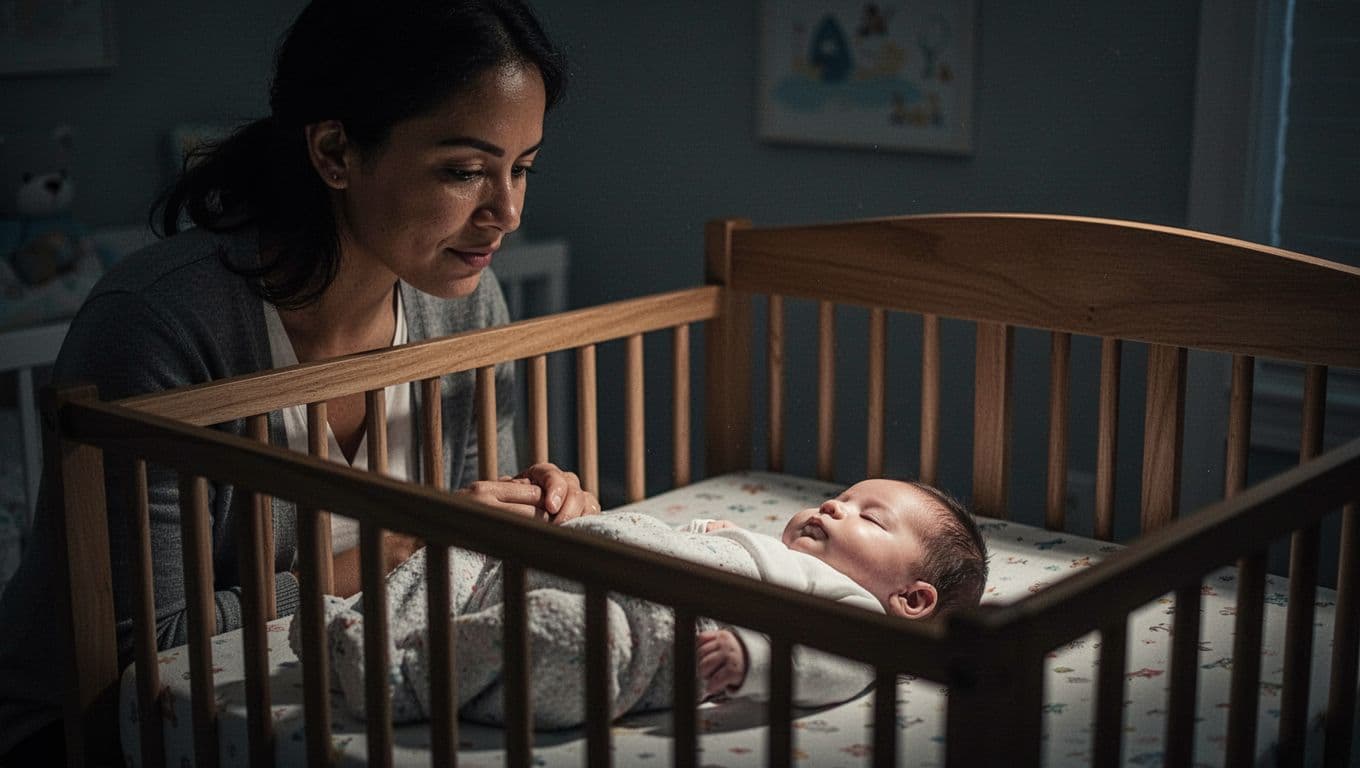
Look for patterns in the timing, sound, and intensity
The timing of the cry can tell you a lot. A hungry cry often shows up before a feed, a pain cry may start suddenly, and an overtired cry often appears after a long stretch of wake time.
The sound matters too. Hunger crying may come in waves and ease after feeding. Pain crying can sound sharper or more urgent. An overtired baby may cry hard, then fight sleep even more once you try to settle them.
Pay attention to what happens next. If the crying stops after a bottle, breastfeed, diaper change, cuddle, burp, or a darker room, that points to a normal baby need. If nothing changes the crying, keep watching the pattern and note when it started.
A simple check helps here:
- Before a feed: hunger is likely.
- After a feed: gas, reflux, or a need to burp may be more likely.
- After a long awake stretch: overtiredness often plays a part.
- After a diaper change or cuddle: the problem may have been discomfort or a need for closeness.
Check for fever, vomiting, rash, or breathing trouble
Some crying needs a safety check right away. If your baby suddenly cries more than usual and also has fever, trouble breathing, repeated vomiting, a rash, or poor feeding, call your doctor.
Other warning signs matter too. A baby who seems floppy, hard to wake, or unable to settle after a long crying spell needs prompt care. The same is true if the cry sounds very high-pitched, weak, or unlike your baby’s normal cry.
The Mayo Clinic notes that fever plus signs of illness should be taken seriously, especially in younger babies. When in doubt, trust the safer choice and call for medical advice.
Trust your instincts when something feels off
You know your baby’s normal sound, rhythm, and look better than anyone else. If the crying feels unusually intense, lasts a long time, or seems different from your baby’s usual pattern, take that seriously.
A baby who can’t be comforted, cries for long stretches, or seems worse instead of better after soothing may need help beyond the usual fixes. Even if you cannot name the problem, your concern is reason enough to ask a doctor.
When the crying is ordinary, your baby usually settles in pieces, a little faster with each try. When it is not, the crying often feels sharper, more constant, or paired with other changes you can see.
Gentle ways to calm a baby who wakes crying
A crying wake-up can feel sharp in the middle of the night, but a calm response often changes everything. Start small, move slowly, and look for the simplest fix first. Babies usually settle best when the room stays soft and your touch stays steady.

Start with the basics, feed, change, and burp
The easiest answer is often the right one. Before you assume your baby is overtired or upset for a bigger reason, check hunger, diaper comfort, and trapped air.
A feed can settle a baby who woke hungry, especially if the cry sounds urgent and stops quickly once feeding starts. A diaper change helps when wetness, tight clothing, or diaper rash is the real problem. If your baby squirms, arches, or pulls their legs up, a burp may be the missing piece.
Keep the process gentle and quiet. That way, you meet the need without turning the wake-up into a full reset.
Use soothing that matches your baby’s needs
Some babies settle in your arms. Others calm faster with rocking, shushing, or a pacifier if they already use one. A dark room and a quiet voice also help because they keep the moment from feeling too alert or too bright.
The trick is to read your baby, not a rulebook. One baby loves motion, while another gets fussier with too much movement. If the first method fails, switch once, then pause and watch.
A short list of calming options can help keep your mind clear:
- Hold and rock slowly when your baby wants closeness.
- Shush or hum softly to create a steady sound.
- Offer a pacifier if your baby already takes one.
- Keep lights low so the room still feels like night.
- Use a quiet, even voice instead of talking a lot.
The NHS also recommends gentle noise and soothing contact for a crying baby, which fits well with a calm night routine (Soothing a crying baby). Keep it simple. Babies usually prefer steady comfort over a lot of stimulation.
Create a calmer sleep routine before bedtime
A smoother bedtime often means fewer tearful wake-ups later. When your baby sees the same sleep cues each night, their body starts to recognize what comes next.
Gentle bedtime habits can look like a warm bath, a short feed, a lullaby, a diaper change, and a few quiet minutes in the same order each night. Consistency matters more than perfection. Even a small routine can act like a soft signal that sleep is coming.
Also, keep the sleep space comfortable. A room that is too bright, too warm, or too noisy can make it harder for your baby to stay settled. Soft darkness, a safe crib, and a steady sound in the background often help the night feel less jarring.
For many babies, night care should stay boring on purpose. Low lights, minimal talking, and little movement teach the body that wake-ups are brief and sleep is still nearby.
When crying is more than a sleep issue
Sometimes a baby wakes crying because sleep itself is not the problem. A stuffy nose, an earache, or a sore throat can turn rest into a rough ride. When that happens, the crying is a clue that the body needs attention, not just another lullaby.
Illness, ear pain, and congestion can wake babies suddenly
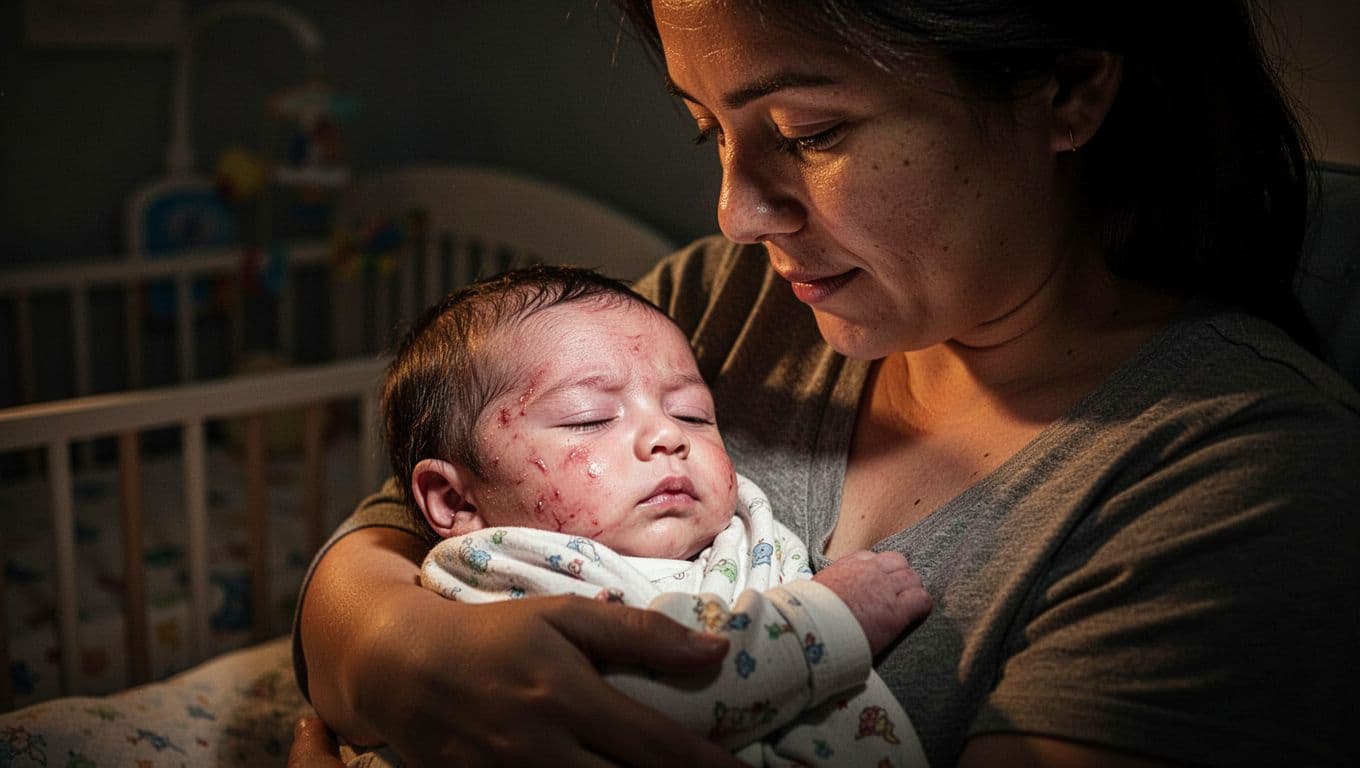
A blocked nose can make sleep feel miserable for a baby. Lying flat makes breathing harder, so they may wake upset, cough, or cry without much warning. If your baby seems extra fussy and congested, how to soothe a newborn with a cold can help you think through the next steps.
Ear pain can be even tougher at night. Pressure often feels worse when a baby lies down, so an ear infection may bring shorter sleep, more waking, and sharper crying. Sore throats, fever, and general body aches can also make a baby less settled and more hard to comfort.
Watch for signs like:
- A stuffy or runny nose
- Fever or unusual warmth
- Ear tugging or ear drainage
- Crying that gets worse when lying flat
- Less interest in feeding
When a baby wakes crying and also seems sick, the body may be asking for care, not just comfort.
Growth spurts and development can change sleep patterns
Babies often sleep differently during growth spurts. Their bodies need more energy, and that can make them wake more often or seem harder to settle. A baby who was calm yesterday may be restless tonight because their body is changing fast.
New skills can also shake up sleep. Rolling, crawling, sitting, and even more alert thinking can make sleep lighter for a while. The brain stays busy, the body feels new sensations, and a baby may wake crying instead of drifting back off.
This usually passes, but it can still feel intense in the moment. A few rough nights around a growth spurt do not always mean something is wrong. They often mean your baby is moving through a big stage of change.
If crying keeps happening, track the pattern and talk to a doctor
When crying shows up again and again, start looking for a pattern. Note the time, recent feeds, diaper changes, naps, temperature, and any symptoms like cough, congestion, fever, or ear tugging. Small details often point to the bigger issue.
If you see frequent crying, intense crying, or crying with warning signs, call your pediatrician. The same goes for poor feeding, vomiting, trouble breathing, a rash, or a baby who seems much sleepier than usual. Persistent pain can show up as a sleep problem first, and ear infection signs in babies are one reason that matters.
A simple log can help when you speak with the doctor. Write down:
- When the crying starts.
- What helped, if anything.
- Whether your baby had fever, congestion, or ear pulling.
- Any changes in feeding or diapers.
That record can make the next step clearer, especially when the crying is too frequent to brush off.
Conclusion
Babies wake up crying for clear reasons most of the time. Hunger, discomfort, sleep-cycle shifts, and illness are the main ones, and each one can show up in a different way.
A calm check of the basics usually tells you what your baby needs. Look at the diaper, feeding time, room temperature, and any signs of gas, teething, or sickness, then respond with simple soothing steps.
Most wake-up crying feels bigger in the middle of the night than it really is. With steady observation, a soft voice, and a familiar bedtime routine, many babies settle more easily, and you start to spot the pattern behind the tears.
Save pin for later


- Dry Cough in Kids: 5 Causes and Safe Solutions - September 23, 2026
- How to Help a Child Deal With Anxiety at Home - September 12, 2026
- How to Prepare Your Child for the First Day of School - September 12, 2026