

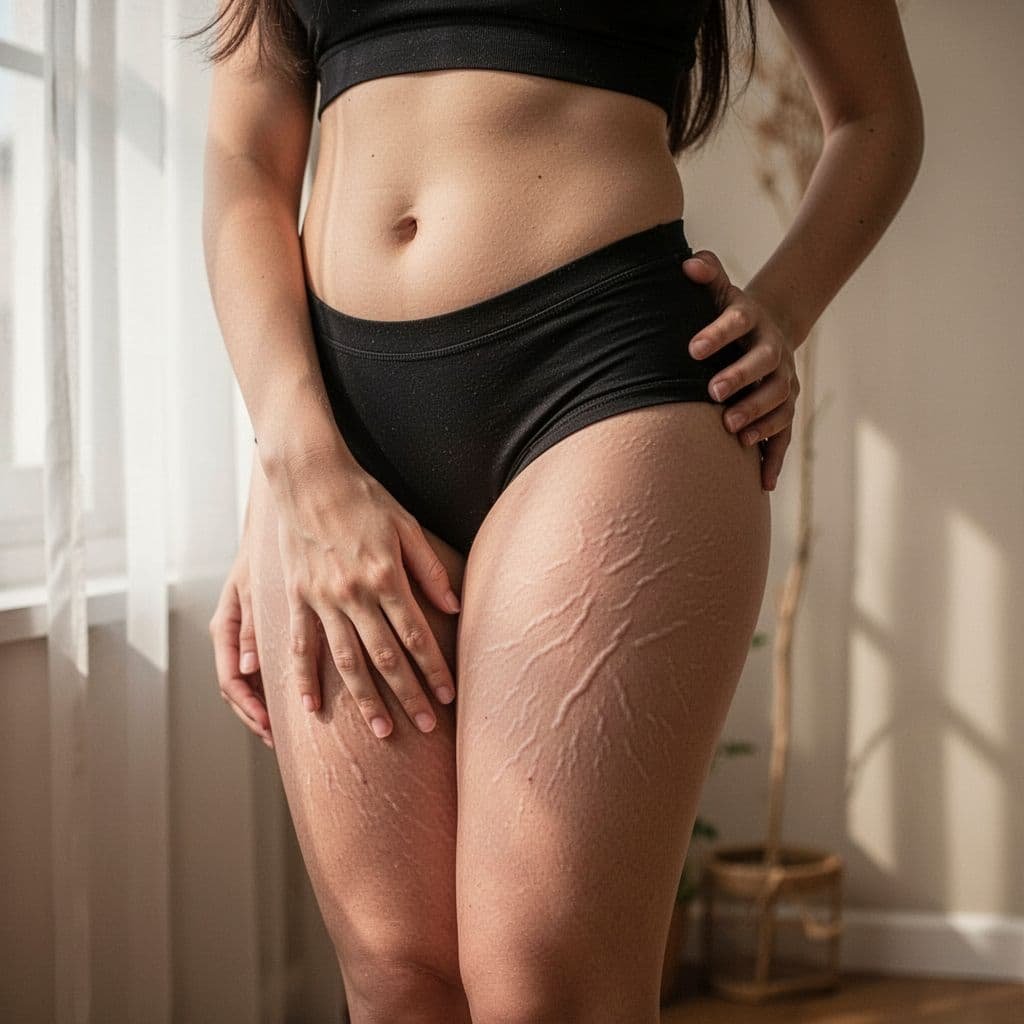
Finding stretch marks on your teen can be unsettling, but stretch marks in teenagers are common during growth spurts and usually harmless. They often show up when the body changes faster than the skin can stretch, especially during puberty.
They can appear on the thighs, hips, buttocks, breasts, or lower back, and they may start out red, pink, or purple before fading over time. If you’re worried about what’s normal, what needs a doctor’s attention, and how to talk to your teen without adding stress, this guide will help you handle it with calm and confidence.
Why stretch marks show up in teenagers
Teen years bring fast changes, and the skin often gets pulled along for the ride. When the body grows in a rush, stretch marks can appear where the skin is under the most pressure. They are common, normal, and not tied to poor hygiene or bad parenting.
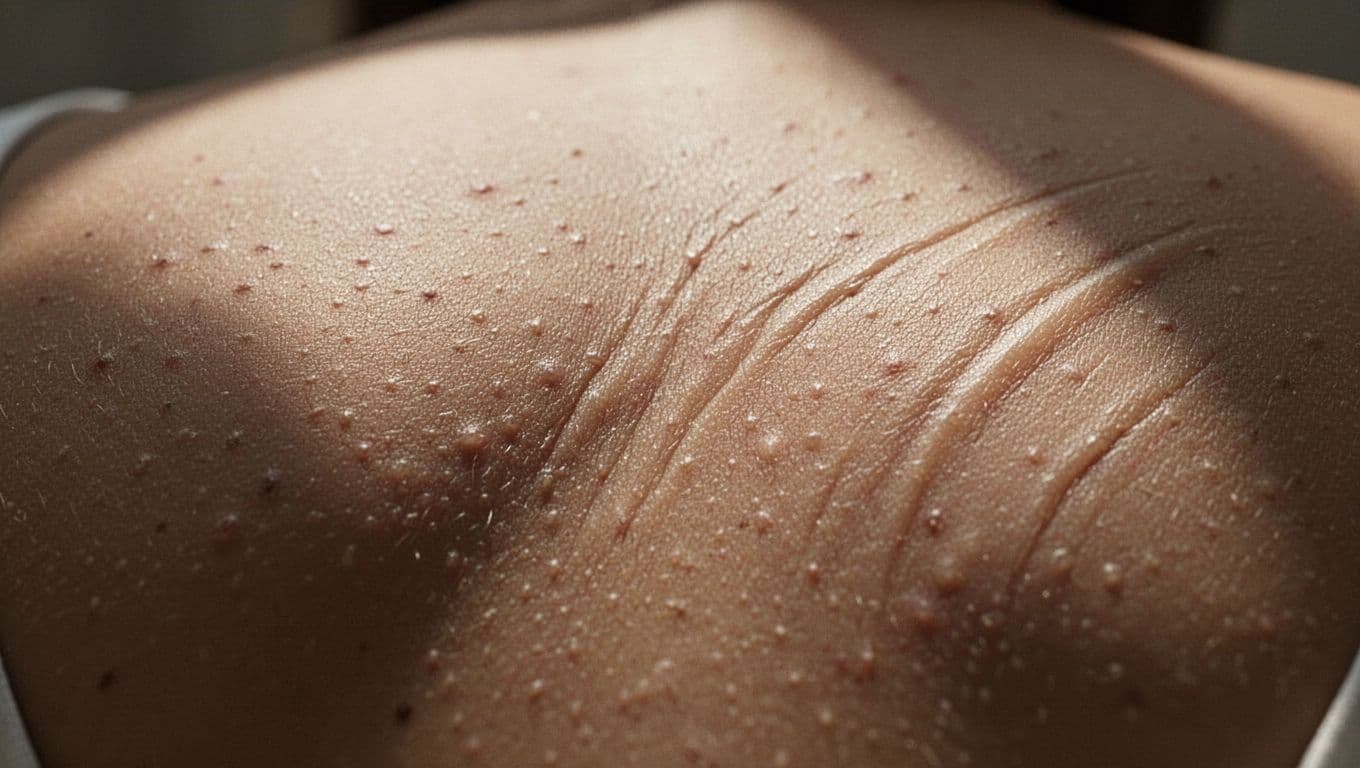
Puberty growth spurts can pull on the skin
During puberty, some teens seem to shoot up almost overnight. Legs get longer, shoulders widen, and hips shift shape. The skin does its best to keep up, but sometimes it stretches faster than the deeper layers can adjust.
That is when streaks can appear on the thighs, hips, back, and arms. A teen who outgrows jeans in a few months may notice thin lines on the outer thighs. Another may see marks on the upper arms after a sudden height spurt. The skin is not damaged by dirt or carelessness. It is simply reacting to rapid growth.
For more on the skin changes that happen in the teen years, KidsHealth explains stretch marks for teens.
Weight changes and muscle growth can also play a role
Stretch marks can show up when a teen gains weight quickly, loses weight quickly, or builds muscle fast through sports and workouts. The body changes shape, but the skin needs time to adjust. When that change happens too quickly, the surface can leave behind marks.
A teen who starts intense weight training may notice lines across the shoulders or biceps. A teen with rapid weight gain may see them around the stomach or hips. In each case, the skin is reacting to a fast change in size, not to anything they did wrong.
Family history may make stretch marks more likely
Genetics matter too. If stretch marks run in the family, a teen may be more likely to get them as well. Some people’s skin seems more prone to stretching marks, even with normal growth.
That can feel frustrating, but it is not a sign of a problem. It just means the skin inherited a certain pattern. If a parent, brother, or sister has them, a teen may see the same thing during puberty, even with healthy habits and regular care.
What teen stretch marks usually look and feel like
Teen stretch marks often show up as thin lines that catch the eye before they catch the hand. They usually start out more vivid, then soften over time. On different skin tones, that early color can look red, pink, purple, blue, or brown, so they do not all look the same.
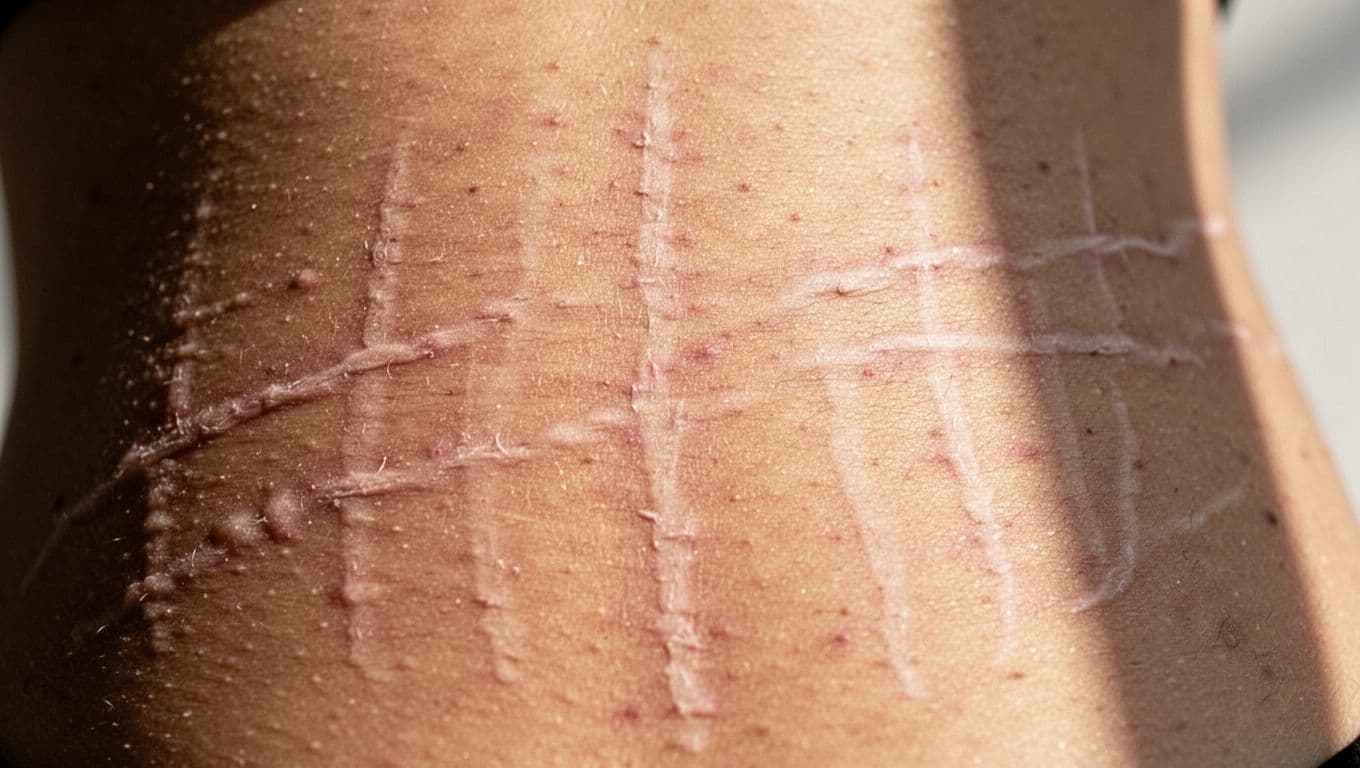
The first stage often looks red, pink, or purple
Fresh stretch marks are usually the easiest to spot. They can look brighter than the skin around them, almost like a line drawn across the surface. Over time, those marks fade and become lighter, flatter, and sometimes silvery.
That color change matters because parents may worry when the marks first appear. In most cases, the bold color simply means the marks are newer. According to the Mayo Clinic’s overview of stretch marks, they often fade after the skin has had time to adjust.
Common places parents may notice them
Stretch marks usually appear where the body grows or changes shape fastest. A quick look often shows them on:
- Thighs
- Hips
- Stomach
- Breasts
- Buttocks
- Upper arms
- Lower back
These spots are common because they stretch during puberty, growth spurts, or muscle gain. The marks may run in short, narrow lines or longer streaks, and they can sit in small clusters.
Stretch marks usually do not hurt, but they can bother a teen emotionally
Most stretch marks do not hurt. At first, they may itch a little or feel slightly raised or wrinkled, but pain is not typical. If a teen rubs or scratches them, the skin can feel more irritated for a short time.
Even when the marks are harmless, the emotional side can be real. A teen may feel self-conscious in shorts, swimsuits, or fitted clothes. That reaction matters, because embarrassment can sting more than the skin itself.
A teen may not need treatment, but they may need reassurance.
A calm response helps. Simple words, a steady tone, and no fuss can make the marks feel far less alarming.
When stretch marks are normal and when to get them checked
Stretch marks often look more alarming than they are. In many teens, they come with healthy growth, fast body changes, and puberty’s usual pace of change. The key is knowing when the marks fit that pattern and when they need a closer look.
Signs that point to a normal growth pattern
Stretch marks are usually part of normal teen growth when they show up during puberty, after a growth spurt, or after the body changes shape. A teen may get them after getting taller fast, building muscle, or gaining weight during a healthy stage of development.
These marks often appear on the thighs, hips, breasts, buttocks, or lower back. They may start red, pink, purple, or brown, then fade with time. That color change is common and usually means the skin is settling after stretching.
A few things often point to a normal pattern:
- The marks appeared during puberty or after clear body changes.
- They are in common areas like the thighs, hips, or stomach.
- They are not painful, swollen, or infected.
- Your teen otherwise feels well and is growing as expected.
If the marks show up during a growth spurt, they are often part of normal development.
For a plain explanation of what stretch marks can look like, Mayo Clinic’s stretch mark guide is a helpful reference.
Red flags that deserve a doctor’s opinion
Some stretch marks need a medical check, especially when the pattern feels sudden or unusual. Very fast changes can point to something more than normal growth.
Watch for these red flags:
- Stretch marks appear suddenly without a clear reason.
- Your teen gains weight quickly for no obvious cause.
- They bruise easily or seem tired all the time.
- They use steroid medicine, steroid creams, or inhaled steroids.
- The skin around the marks hurts, bleeds, or looks infected.
A doctor should also take a look if the marks come with body changes that seem out of step with puberty, such as a rounder face, a thicker neck, or extra weight around the middle with thinner arms and legs.
Why a medical check can offer peace of mind
A checkup can rule out hormone issues, medication side effects, or other causes that deserve treatment. That matters when the marks are new, widespread, or paired with other symptoms.
It can also calm a worried parent. If the doctor says the marks fit normal teen growth, you get a clear answer instead of guessing. If something else is going on, you catch it early and can act on it sooner.
When stretch marks appear in a sudden or unusual pattern, a healthcare provider should review them. A quick visit can turn worry into a plan, and that helps everyone breathe easier.
How parents can talk about stretch marks without hurting confidence
A teen who spots stretch marks may already feel exposed. Your response can either soften that moment or sharpen it. Calm words, steady body language, and a neutral tone help the marks feel ordinary instead of alarming.
When you treat stretch marks like a normal part of growing, your teen is more likely to do the same. That matters because kids often borrow their self-image from the adults around them. If you sound uneasy, they may hear, “Something is wrong with me.”

Use calm words and avoid making a big scene
Keep the moment light and steady. Try phrases like, “Bodies change like this during growth,” “A lot of teens get stretch marks,” or “This is a normal part of puberty.” Those words normalize the marks without turning them into a crisis.
If your teen brings them up first, listen before you explain. A simple reply such as, “I hear you, and I know this feels strange,” can ease tension fast. For more on how body image affects teens, KidsHealth’s guide to body image gives a helpful teen-focused view.
The goal is not to erase the marks. The goal is to keep shame out of the room.
Your reaction teaches your teen what to think next. Calm support says, “You are still fine.” Panic says, “This is a problem.” That difference can shape how they see themselves for years.
Avoid comments about weight, appearance, or comparison
Even kind comments can sting when they focus on looks. Saying, “You only got these because you gained weight,” or “Your sister doesn’t have them,” can leave a bruise that lasts longer than the marks themselves.
Comparisons are especially hard because teens already measure themselves against friends, siblings, and social media images. Instead, keep the focus away from appearance and toward reassurance. If you need help framing body-positive conversations, this guide to positive parenting and stronger bonds offers useful language for calmer talks.
Use this kind of language instead:
- “Your body is growing, and that can leave marks.”
- “These don’t change how I see you.”
- “You don’t need to compare yourself to anyone else.”
Focus on health, comfort, and confidence
Steer the conversation toward what the body does, not how it looks. Talk about strength, energy, sleep, movement, and healthy habits. That keeps the message grounded in care, not correction.
You can say, “Your body is doing a lot of work right now,” or “Strong bodies change in visible ways.” If your teen wants treatment ideas, frame them as comfort options, not fixes. A simple parent-child communication approach can also help you keep the tone warm and open.
A steady message sounds like this:
- Your body is growing normally.
- Stretch marks are common.
- You are still worthy, still attractive, and still enough.
That kind of support gives your teen room to breathe, and room to feel safe in their skin.
Treatment options for stretch marks in teenagers
Stretch marks in teenagers often need patience more than aggressive treatment. Many fade over time, especially as they move from bright red or purple to a softer, lighter shade. Parents can support skin comfort and talk through options without promising a full fix.
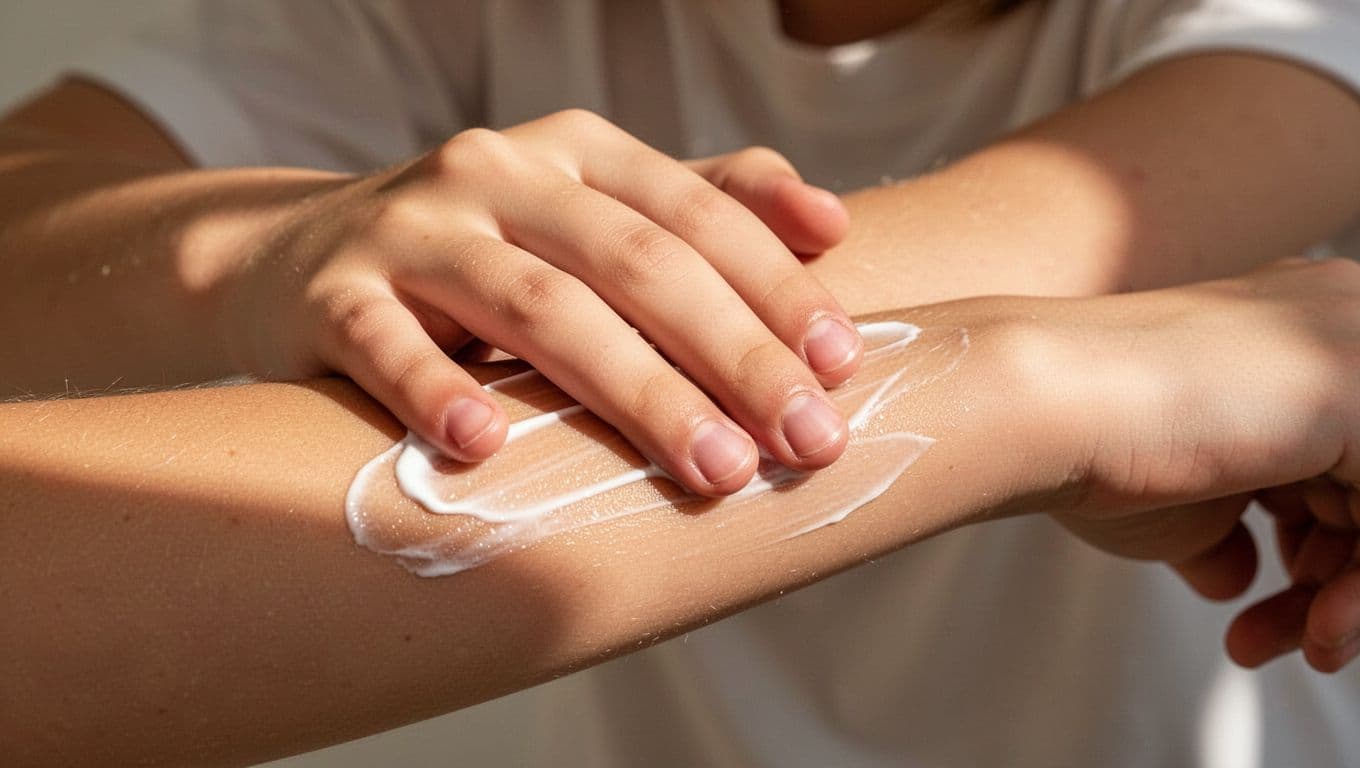
Simple skin care can help the skin feel better
Gentle skin care can make a teen feel more comfortable, even if it does not remove the marks. A fragrance-free moisturizer can help dry or itchy skin feel calmer, especially after a shower. Apply it to clean skin and keep the routine simple.
Avoid rough scrubbing, body brushes, and harsh exfoliants. These can irritate skin that is already stretching and make the area feel more sensitive. Warm water, mild soap, and soft towels are usually enough.
A few small habits can help:
- Use a thick, fragrance-free moisturizer daily.
- Pat the skin dry instead of rubbing it hard.
- Skip products with strong fragrance or alcohol.
- Keep the skin comfortable during growth spurts.
Moisturizing can soothe skin, but it does not erase stretch marks.
That matters because teens often want a fast fix. A calm routine is more realistic. It may ease itchiness and dryness, and that alone can make a difference in how the skin feels day to day.
Over-the-counter creams and oils have limits
Many creams, oils, and lotions are sold with big promises. In reality, most of them do not change stretch marks much. They may help the skin feel softer, but they rarely make a visible difference that lasts.
Parents should read labels carefully and watch for claims that sound too good to be true. Products that promise to “remove” stretch marks or “erase” them quickly often set families up for disappointment. A helpful rule is simple, if it sounds magical, it usually is not.
Some ingredients may help more than plain oil, but even then, results are limited. The American Academy of Dermatology notes that stretch marks are hard to treat, and over-the-counter options usually have modest effects at best.
Look for products that focus on:
- Moisture
- Mild ingredients
- Fragrance-free formulas
- Comfort instead of bold claims
Older stretch marks, especially lighter white ones, are harder to improve than newer marks. So even a well-chosen cream may only soften the look a little.
When a dermatologist may suggest stronger treatments
If a teen is older and the marks are bothering them a lot, a dermatologist may discuss stronger options. These can include prescription creams, laser treatment, microneedling, or other in-office procedures. They may help newer marks look better, but results vary from person to person.
Prescription retinoid creams are sometimes used for early stretch marks, although they are not for everyone. Laser and similar treatments may help with color and texture, yet they also take time, cost money, and may need several visits. No treatment guarantees a clean slate.
A doctor should guide the choice, especially for teens with sensitive skin or other medical concerns. That keeps expectations grounded and lowers the risk of irritation.
For parents who want the big picture in one place, the Mayo Clinic’s stretch mark treatment guide gives a clear overview of medical options.
Everyday habits that support healthy skin during the teen years
Healthy skin during the teen years starts with steady routines, not complicated fixes. Growth happens fast, hormones shift, and skin can feel more sensitive than usual. Simple habits can support skin comfort and overall wellness, even though they cannot promise stretch marks will never appear.

Encourage steady eating, movement, and sleep
Balanced meals help the body get the building blocks it needs. Protein, fruits, vegetables, healthy fats, and enough water support skin and the rest of the body as they grow. Regular movement also helps teens stay in a healthy range as their bodies change, and good sleep gives skin time to recover each night.
A predictable routine matters more than perfection. A teen who eats well most days, stays active, and gets enough rest is giving their body a solid base. For a broader parent-focused look at healthy routines, building healthy habits for children can help frame wellness without turning it into a weight-only issue.
Keep skin cared for, not overtreated
Teen skin usually does best with a simple routine. Gentle cleansing, a basic moisturizer, and sunscreen on exposed skin can go a long way. Harsh scrubs, strong acids, and fragranced products can irritate skin that is already under stress.
The skin care tips for teens from KidsHealth follow the same simple approach. Keep the goal modest, clean skin, calm skin, and fewer irritants.
Help teens feel okay in their changing body
Skin care also includes emotional care. A teen does better when they hear that change is normal and that a healthy body is a body that grows. Stretch marks do not cancel out strength, health, or beauty.
Keep the tone calm and matter-of-fact. Praise healthy habits, not appearance, and remind your teen that growth leaves marks on many bodies. Small family habits, like regular meals, screen-free sleep time, and daily movement, can support both skin health and confidence without promising to stop stretch marks entirely.
Conclusion
Stretch marks in teenagers are common, and they often show up when the body is growing faster than the skin can keep pace. They may fade in time, but even when they stay visible, they are usually part of normal development rather than a sign of harm.
The best support is simple, calm attention. Give honest answers, watch for unusual changes, and make room for your teen’s feelings without turning the marks into a problem.
Above all, remind them that confidence matters more than perfect skin.
Save pin for later


- 20 Baby Shower Table Decor Ideas - July 22, 2026
- How To Raise A Confident Child - June 19, 2026
- Age-Appropriate Chores For Kids (By Age Group) - June 19, 2026