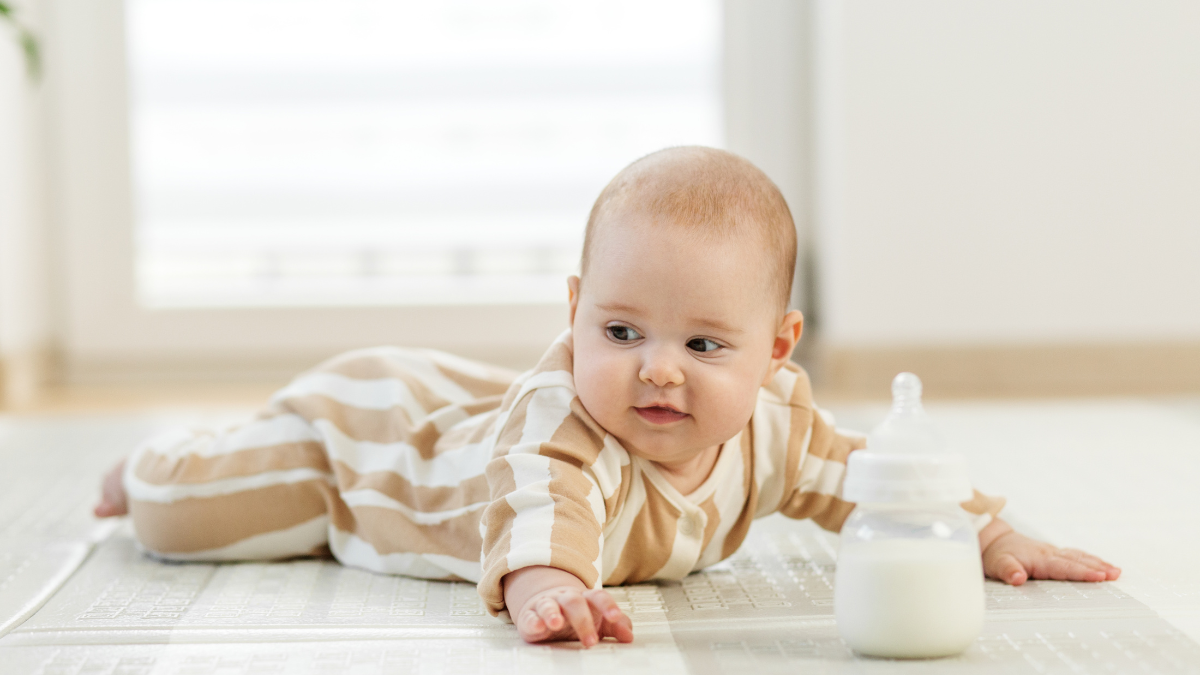
If your baby fusses the second you place them on their tummy, you’re not doing anything wrong. Tummy time simply means placing your baby on their stomach while they’re awake and fully supervised, and it’s a normal skill that takes practice.
Right now, the American Academy of Pediatrics advises starting from the newborn stage, as soon as your baby is home, with short sessions of about 2 to 5 minutes a few times a day on a firm floor surface. That early practice helps build neck, shoulder, arm, and core strength, and it can also help prevent flat spots on the head. If you want more fun newborn activities with tummy time, small playful moments can make a big difference.
The good news is that most babies get better with slow, steady practice, especially when the activity matches their age and mood. Up next, you’ll find age-based tummy time activities, simple safety tips, and easy ways to handle fussiness so this part of the day feels less stressful for both of you.
What tummy time helps babies learn and why daily practice is worth it
Tummy time is one of those small daily habits that pays off in a big way. While your baby is on their belly, they’re building the strength and control needed for head lifting, pushing up, rolling, sitting, and crawling later on.
It also helps work muscles that don’t get much practice while lying on the back, especially the neck, shoulders, back, arms, and core. Just as important, regular floor time can help lower the chance of flat spots on the head from spending too much awake time in one position. The best part is that short, frequent practice usually works better than one long session.
The simple daily goal by age, from short newborn sessions to longer floor play
In the early weeks, keep it simple and realistic. Newborns often do best with 2 to 5 minutes at a time, several times a day, usually after a diaper change, nap, or cuddle when they’re calm and alert. Those short rounds count.
By around 2 months, many babies can work up to at least 15 to 30 minutes total per day, spread across the day instead of packed into one stretch. As they get stronger, that total usually grows into longer periods of floor play. Guidance from HealthyChildren.org’s tummy time advice and the NICHD Safe to Sleep tummy time page supports this gradual build.
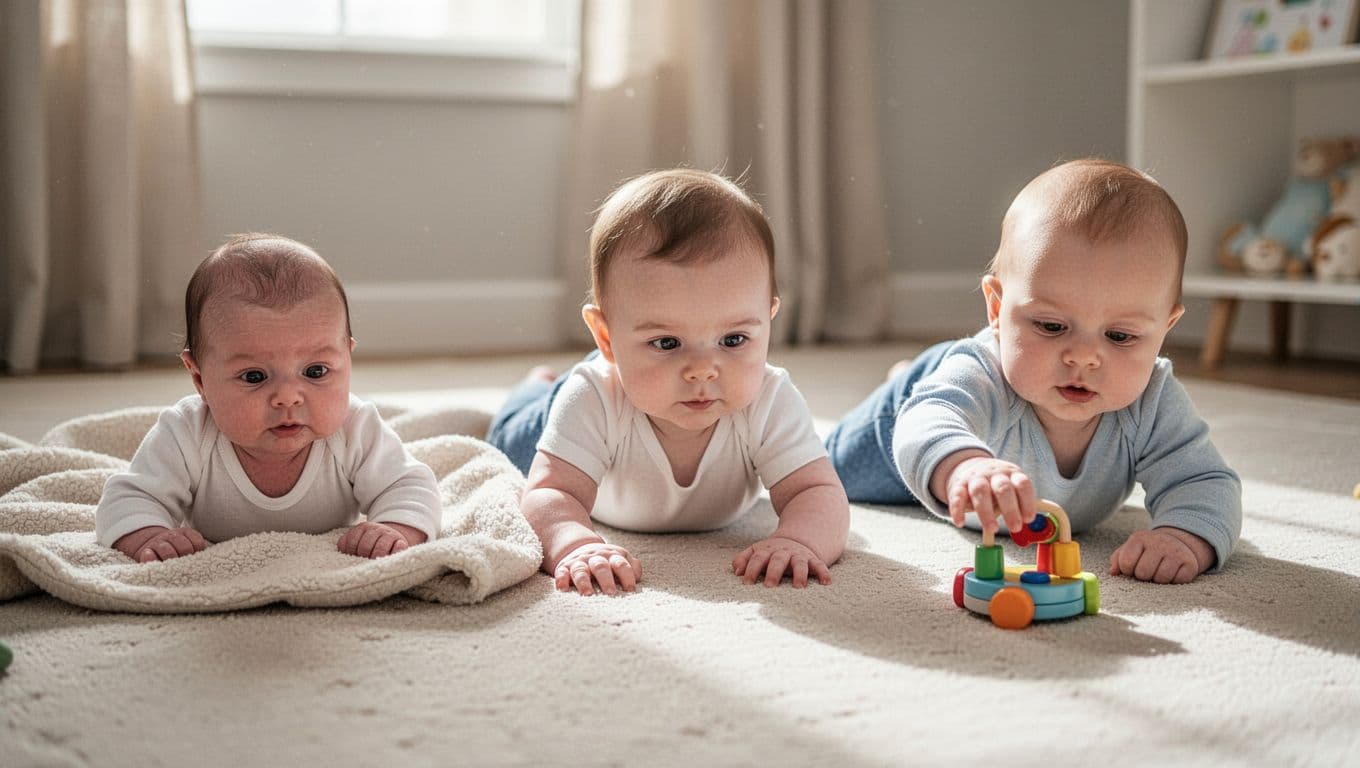
A simple progression can look like this:
- In the newborn stage, aim for a few brief sessions each day.
- By 6 to 8 weeks, many babies tolerate more total time, even if each session is still short.
- Around 2 to 3 months, babies often stay happier longer because they can lift and look around more.
- As your baby grows, add more supervised floor time because that is where strength and movement skills really build.
If your baby gets upset, stop and try again later. You do not need to force long stretches. A few calm minutes done often will help more than one stressful session. Over time, that steady practice supports better head control and sets up skills like the baby rolling over milestone and later, helping baby learn to sit independently.
Short sessions done often are usually the easiest way to make tummy time stick.
Signs tummy time is helping, even before big milestones show up
Progress usually shows up in small ways first. Your baby may lift their head a little higher, hold it up a little longer, or turn toward your voice instead of planting their face on the mat. Those tiny changes are real progress.
You may also notice your baby starting to push up on forearms, look side to side more easily, or show interest in a toy just out front. After that, some babies begin reaching, shifting weight, and making early rolling attempts. These are the building blocks for bigger moves later.
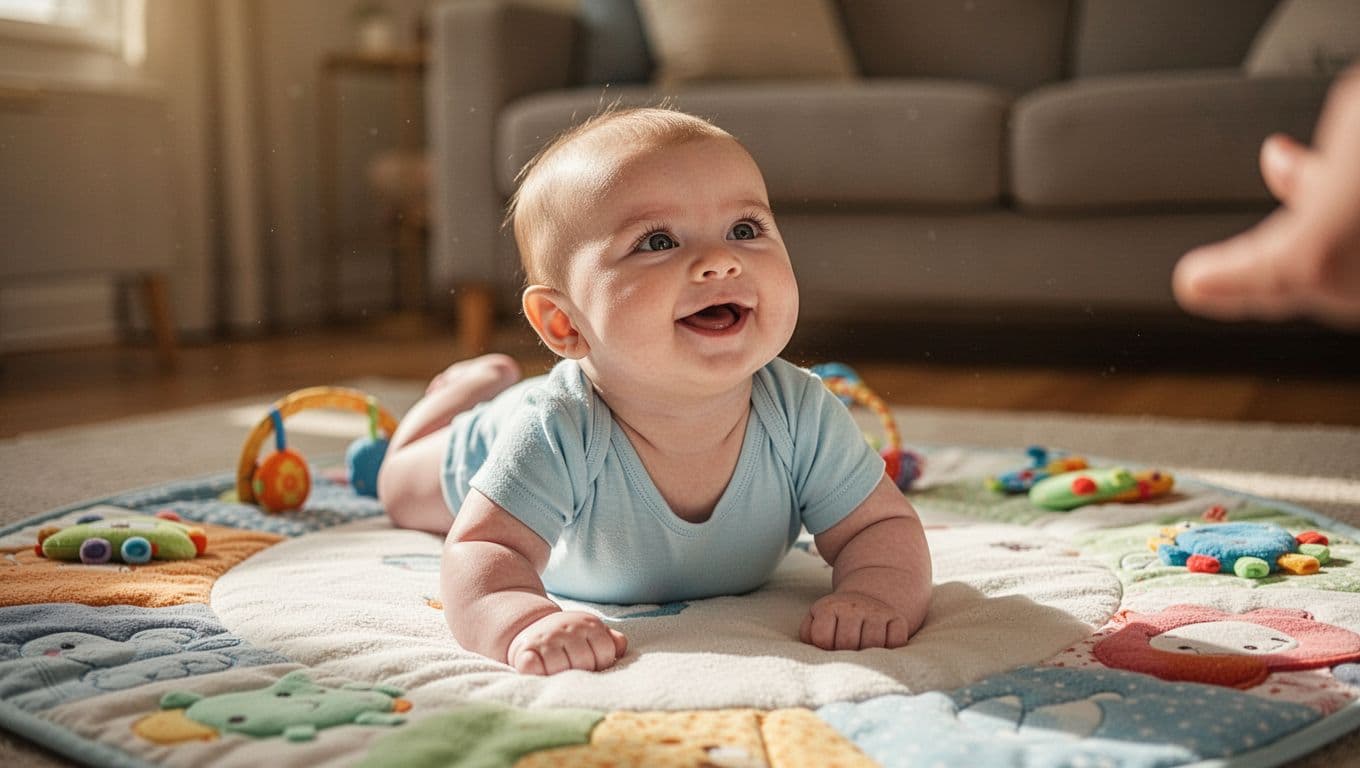
A few good signs to watch for include:
- Your baby stays on their tummy a bit longer before fussing.
- They lift their head with less wobble.
- They turn toward sounds or faces more smoothly.
- Their forearms start taking more weight.
- They reach toward toys or try to pivot.
- They make early rocking or rolling motions.
That kind of progress can feel slow day to day, but it adds up fast. One week your baby barely lasts a minute, and soon they’re propped on their arms like a tiny athlete in training. If you want another parent-friendly look at age-by-age progress, Cleveland Clinic’s tummy time guide is a helpful reference.
The best tummy time activities for newborns and young babies
For babies in the first 3 months, tummy time should feel gentle and doable. You do not need to start on the floor every time, and you do not need long sessions to make it count. A minute or two after a diaper change or after a nap can work well, as long as your baby is awake, calm, and not right after a feeding.
The goal at this age is simple: help your baby get used to the position, build early strength, and stay connected with you. If your baby protests on the floor, start with body-based positions first. That softer start often goes much better.
Chest-to-chest tummy time for bonding and first head lifts
Lean back on a couch, bed, or recliner so your baby is resting tummy-down on your chest. Keep one hand on your baby for support, and angle them so they can see your face. This is one of the easiest ways to begin tummy time in the newborn stage because your baby is close, warm, and already tuned in to you.
Skin-to-skin can make this even calmer, especially in the early weeks. Talk softly, smile, and hold eye contact. Your baby may try a tiny head lift just to look at you, and those little efforts are the first building blocks of stronger neck control. The AAP’s tummy time activity ideas also include parent-based positions like this for early practice.
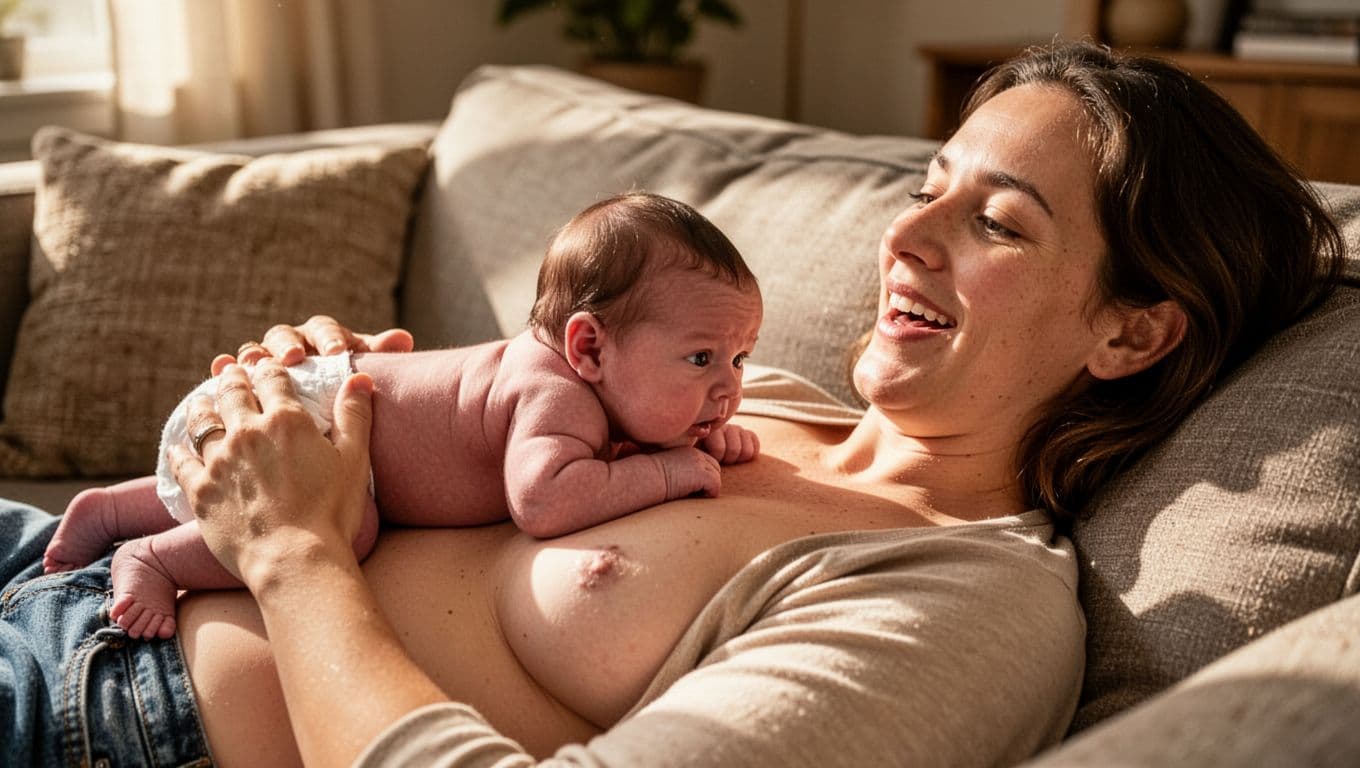
This position feels safer to many babies because it does not have the hard, flat feel of the floor. They can hear your heartbeat, feel your warmth, and settle more easily. If your baby resists tummy time, chest-to-chest practice is often the best place to begin.
Lap support and football hold positions when floor time feels too hard
Some babies do better when the pressure on their belly is lighter. In that case, lay your baby tummy-down across your lap, with their chest supported by your thighs and one hand steadying them. You can also place your baby over your forearm in a football hold, with their head near your elbow and your hand supporting the diaper area.
These positions change the angle a bit, which can make tummy time feel less intense. They also give your baby a new view of the room, and that alone can hold their interest for a moment longer. If the floor brings tears right away, this is a great middle step.
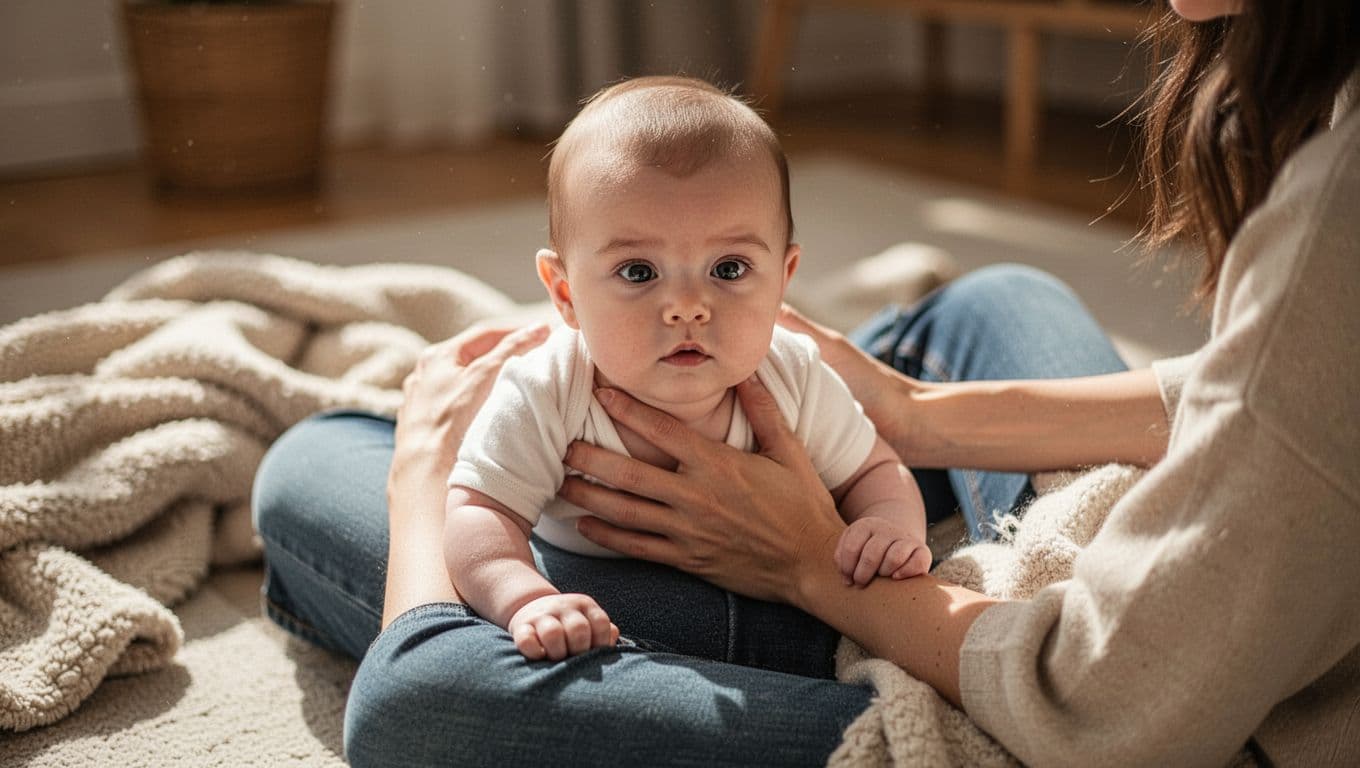
Keep these sessions very short at first. Try 30 seconds to 2 minutes after a nap or diaper change, then stop while your baby is still fairly calm. Over time, those brief tries add up, and many babies move to floor tummy time more easily after they get used to the feeling in your arms or on your lap.
When tummy time starts with comfort, babies often accept more of it later.
Mirror play, black-and-white cards, and rolled towel support on the floor
Once you move to the floor, keep the setup simple. Spread a firm blanket or play mat on the floor, then place your baby on their tummy while they are awake and alert. If they seem to struggle right away, slide a small rolled towel under the chest and armpit area to give a bit of lift. That extra support can make it easier to breathe, look around, and stay in the position longer.
A baby-safe mirror or one black-and-white card placed in front of your baby can give them a reason to look up. Young babies love faces, bold contrast, and simple shapes. You do not need a pile of gear. One mirror, one card, and your voice are usually enough.
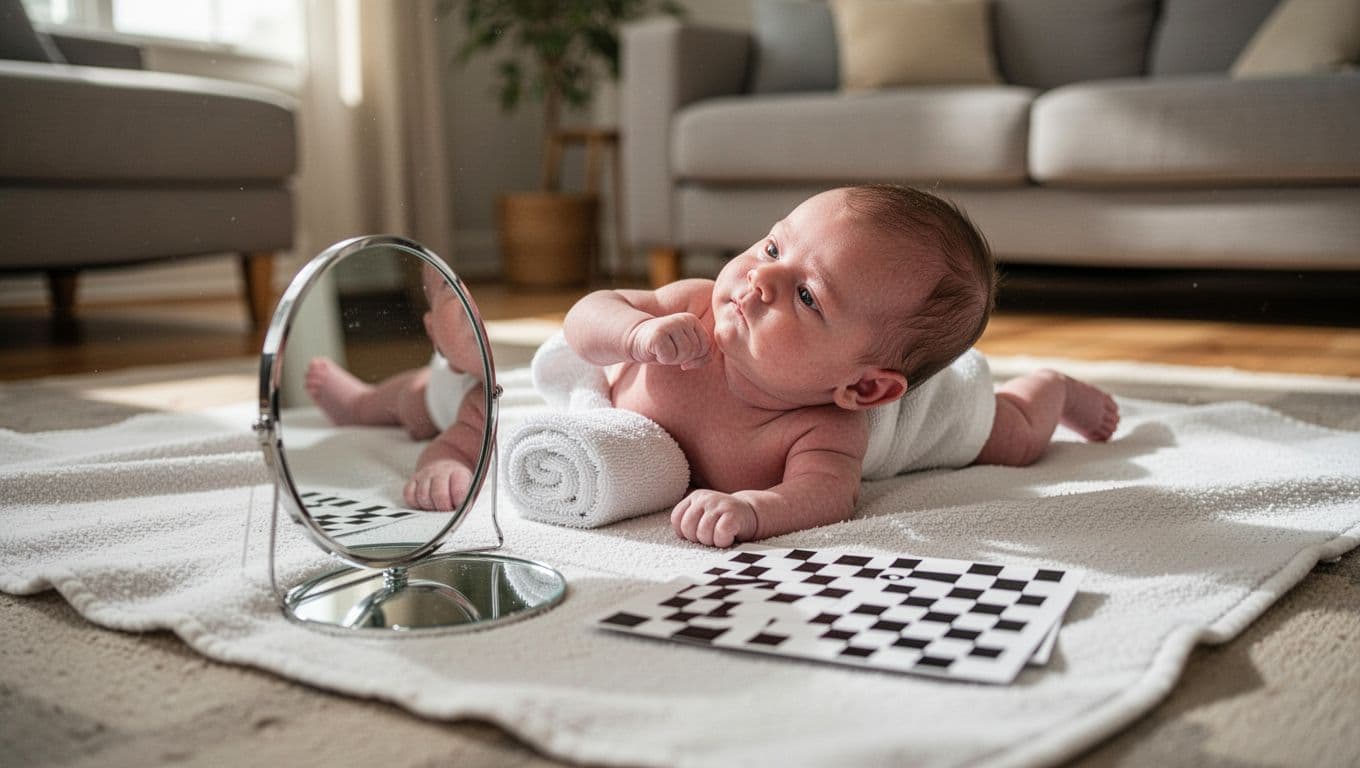
A few easy ways to make floor time work better:
- Place the mirror or card about 8 to 12 inches from your baby’s face.
- Get down at eye level and talk or smile.
- Keep elbows tucked under the shoulders if you can, but do not force the position.
- End the session before your baby gets very upset.
If you want another simple reference for early floor setups and short practice sessions, KidsHealth’s tummy time guide for parents is a helpful read.
Tummy time activities that keep older babies engaged as they grow stronger
Once babies can lift higher, push through their arms, and look around with purpose, tummy time starts to feel more like play. This is when simple interaction matters most. You don’t need more gear, you need a few smart ways to keep your baby moving, reaching, and curious.
At this stage, tummy time helps connect strength with skill. Your baby isn’t just holding their head up anymore. They’re learning to shift weight, turn, roll, pivot, and move toward crawling. According to HealthyChildren.org’s tummy time activities, supervised floor play with simple toys, songs, and face-to-face interaction is still the best setup.
For 3 to 6 months, use reaching games, peek-a-boo, and toy tracking
From 3 to 6 months, many babies can stay on their tummy longer because they can push up on their forearms or even straighten their arms for a quick “mini push-up.” That extra strength opens the door to more playful tummy time activities for older babies. Keep sessions short and upbeat, and aim for 5 to 10 minutes at a time when your baby is alert.
A toy placed just out of reach gives your baby a reason to stretch forward and shift weight through the shoulders. You don’t want it so far away that it feels impossible. Just a small challenge works best. A baby-safe mirror is also great here, because babies love faces, even their own.
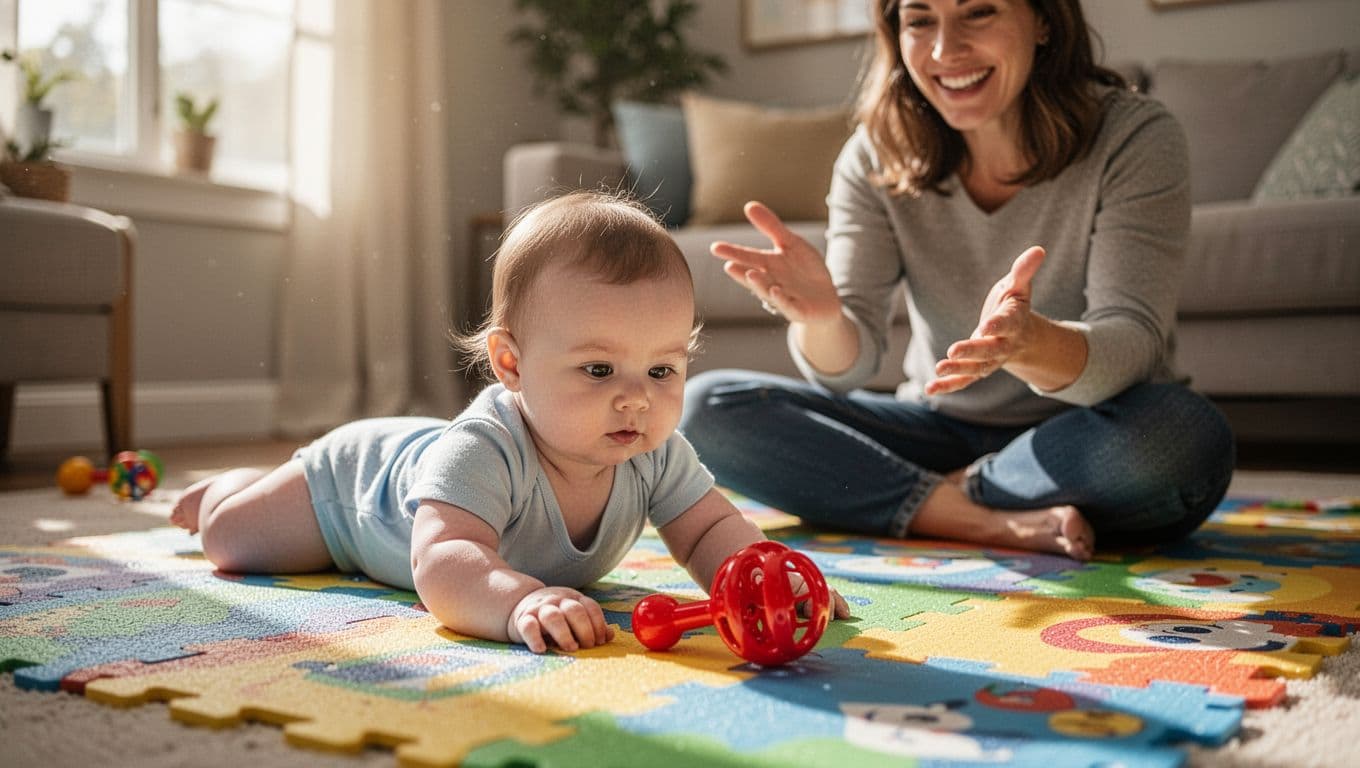
You can also turn tummy time into a quiet little game:
- Move a toy slowly from side to side so your baby turns their head and tracks it with their eyes.
- Get down on the floor and play simple peek-a-boo with your hands or a small cloth.
- Place the mirror in front, then shift it slightly to encourage looking left and right.
- Talk, smile, and pause, so your baby has time to react and reach.
These activities build more than neck strength. They also help with visual tracking, early coordination, and the small weight shifts that come before rolling. If your baby gets fussy fast, stop while the mood is still good and try again later. Short sessions often work better than pushing for one long stretch. For a parent-friendly breakdown of what tummy time can look like in this age range, this 3 to 6 month guide has useful examples.
For 6 to 9 months, add rolling practice, books, and music-based play
By 6 to 9 months, tummy time usually looks busier. Your baby may pivot in a circle, reach in different directions, or start pushing backward before figuring out how to move forward. Those funny little floor moves are part of the process. They help build the arm, shoulder, and core strength needed for early pre-crawling skills.
Rolling practice fits naturally here. Place a toy off to one side to encourage your baby to turn their body and roll toward it, then try the other side too. Many babies have a favorite direction, so it’s helpful to make both sides part of play.
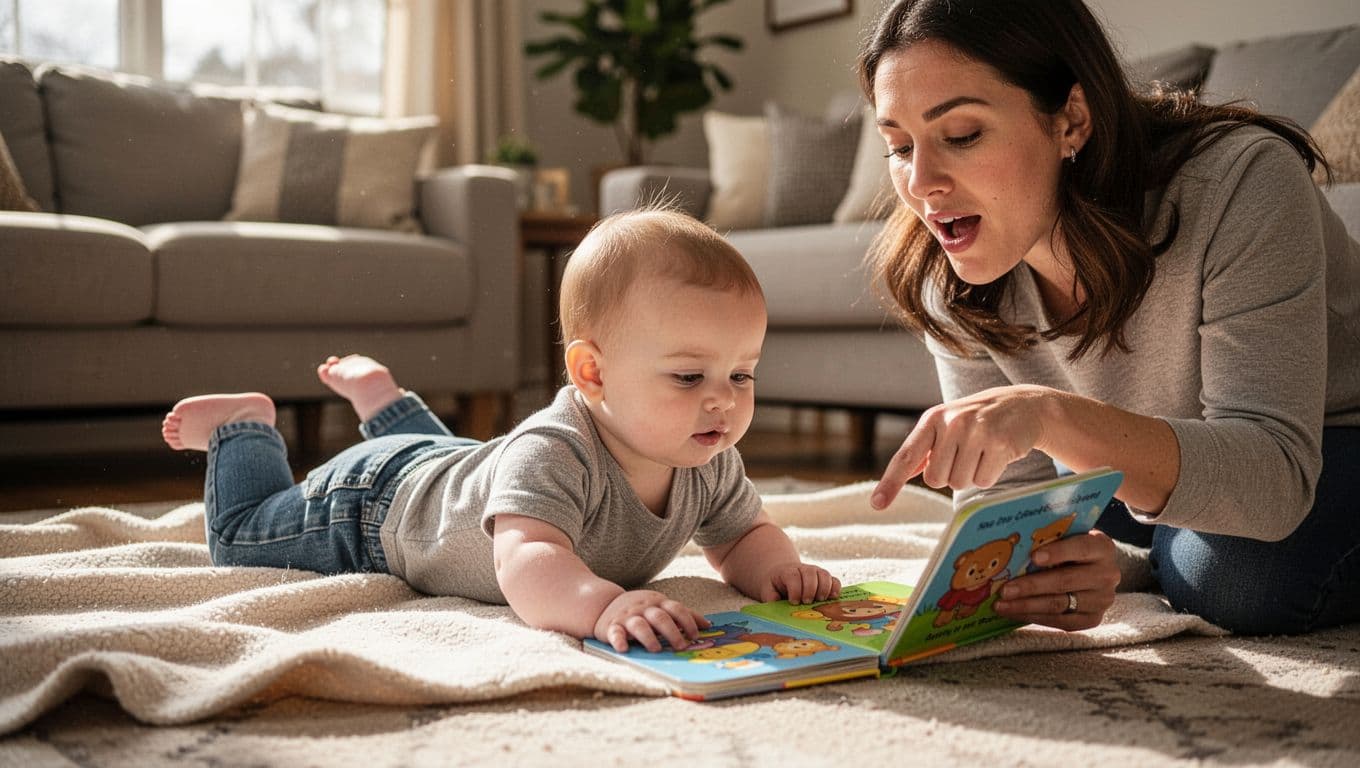
Floor-level reading also works surprisingly well. Prop up a sturdy board book in front of your baby, or hold it low enough that they can look, pat, and reach. Bright pictures, animal faces, and simple rhymes can hold attention longer than a regular toy. Meanwhile, songs add rhythm and energy. Clap softly, sing a favorite tune, or gently move a toy along with the beat.
A few easy ways to keep tummy time interesting at this age include:
- Place toys on different sides to encourage pivoting and turning.
- Read one short board book while your baby props up and reaches.
- Use songs during tummy time to help your baby stay engaged a bit longer.
- Roll a toy a short distance away so your baby watches and tries to move after it.
This stage often looks less tidy and more active, which is a good sign. Your baby is practicing how their body moves across space, one wiggle at a time.
For 9 months and up, turn tummy time into active floor play
After 9 months, tummy time often blends into the rest of your baby’s floor play. If your baby is scooting, rocking, army crawling, or crawling, they are still getting the same benefits. The position matters less now because the movement is doing the work. What still matters is supervised, awake play on a safe floor surface.
Simple obstacle courses can make this stage fun without turning your living room into a gym. Try placing a pillow on the floor to crawl over, rolling a soft ball a short distance away, or hiding a favorite toy under a light cloth so your baby has to move toward it and uncover it. These games encourage problem-solving, reaching, shifting weight, and changing direction.
Keep the setup basic and safe:
- Use pillows or folded blankets that won’t slide.
- Leave enough open space for crawling and turning.
- Stay close, especially if your baby is fast and curious.
- Skip raised surfaces, couches, or beds for this kind of play.
This is also the age when babies want a goal. They don’t want to stay still for long, and that’s normal. A ball rolling away or a toy peeking out from under a cloth gives them a reason to move. If your baby is getting close to more sensory-based floor play as they grow, these DIY sensory play ideas for toddlers can spark a few simple ideas for later on.
How to make tummy time easier when your baby fusses or seems to hate it
A lot of babies protest tummy time at first. That does not mean you’re doing it wrong, and it does not mean your baby will always hate it. For many families, the trick is to lower the difficulty, keep the mood light, and come back often. Small, calm repeats usually work better than trying to win one long session.
Pick the right moment so baby is fed, rested, and ready to play
Timing can change the whole feel of tummy time. A hungry, tired, or overfull baby is much more likely to fuss because their body is already working hard. If you wait for a calm, alert window, the same activity often goes much better.
Good times to try include after a diaper change, after a nap, or after your baby has had a little time to wake up and look around. Aim for that sweet spot when your baby seems content and curious, not glassy-eyed or winding up to cry.
It also helps to wait at least 30 minutes after a feeding. That pause can lower spit-up, pressure on the belly, and general discomfort. If your baby has reflux or seems extra sensitive, a little longer may feel better.
A simple routine can help:
- Change diaper.
- Let baby wake fully.
- Try a short tummy time round.
- Stop before frustration takes over.
That kind of rhythm is easier to repeat, and repetition is what builds progress. The CDC’s infant guidance also supports watching your baby’s mood and keeping play tied to awake, supervised time.
Start tiny, stay close, and use your face and voice as the main toy
If your baby cries within seconds, shrink the goal. Start with 1 to 3 minutes, or even less if needed. A short, calm attempt still counts, because you’re building comfort with the position, not testing endurance.
Many babies tolerate tummy time better when a parent is right there. Get down on the floor at eye level, then talk, sing, smile, or make soft sounds. Your face is often more interesting than any toy. When your baby lifts their head to find you, that effort is the exercise.
Calm practice counts, even if it only lasts a minute.
Stay close enough that your baby feels supported, but let them do the work. You can narrate what they’re doing, count slowly, or sing one short song. That keeps the moment playful instead of tense.
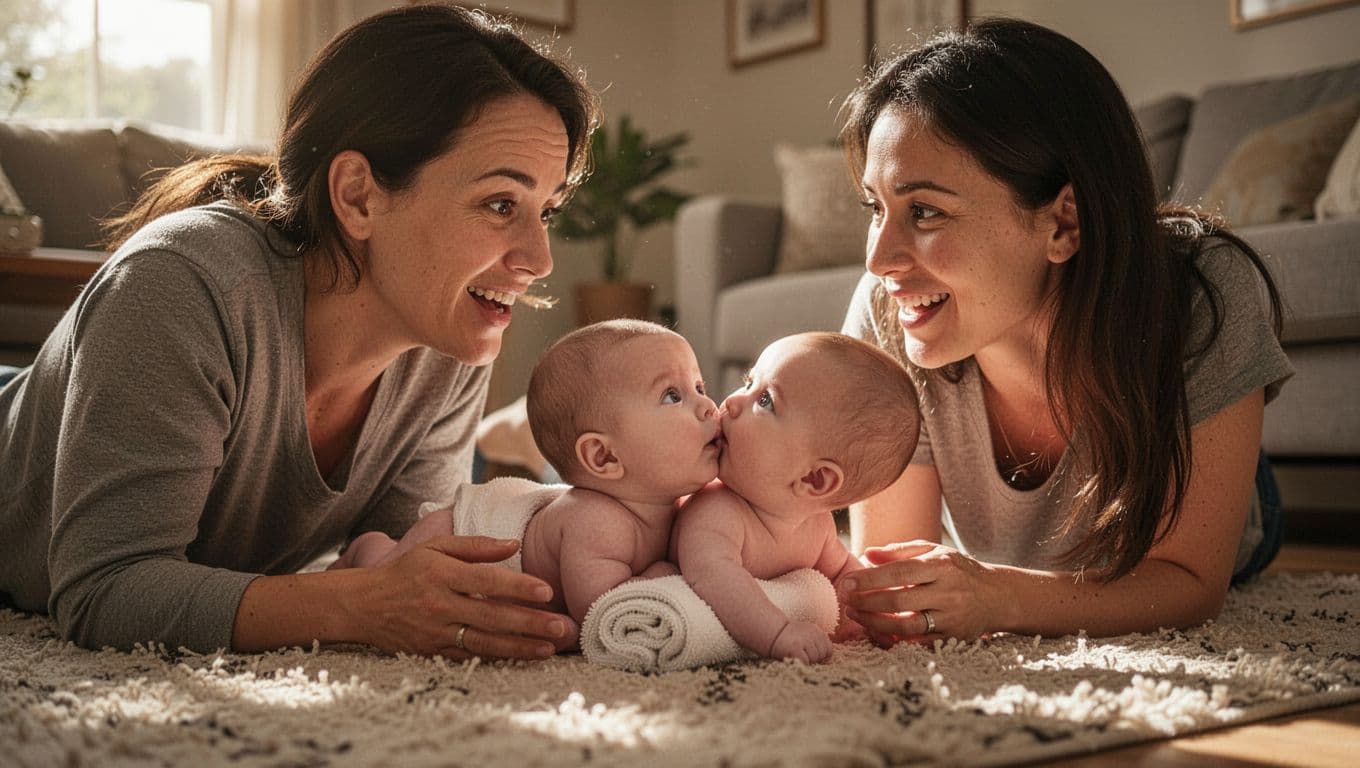
If your baby stays calm for 45 seconds today and 90 seconds tomorrow, that’s real progress. Babies rarely improve in a straight line, so don’t read too much into one fussy session.
Try easy alternatives first, then build toward more floor time
Floor tummy time is great, but it doesn’t have to be the first step every time. If your baby gets upset fast, start with easier versions and work up from there. This softer approach often helps babies accept more tummy time overall.
A few gentle options can bridge the gap:
- Chest-to-chest time lets your baby practice lifting while looking at you.
- Side-lying gives your baby a break from full belly pressure and still supports head and shoulder work.
- A rolled towel under the chest can make floor time feel less hard by giving a small lift.
- Lap support can also help if the floor feels too intense.
When frustration starts, switch the activity instead of pushing through. Move from floor time to chest-to-chest, or roll baby onto their side for a reset. Taking a break is fine. What matters most is coming back later the same day or the next day, because that steady exposure helps tummy time become familiar.
Watch for the difference between effort and distress. A few grunts or wiggles can be normal. Full crying, face-planting, or stiff frustration usually means it’s time to pause. Keep the session short, soothe, and try again later when your baby is calmer. Consistency beats perfection here, every single time.
Tummy time safety mistakes to avoid, plus the best simple tools to use
A safe tummy time setup is simple. Your baby should be awake, closely supervised, and on a firm, flat floor surface, not a bed, couch, pillow pile, or lounger. The goal is steady practice in a spot where your baby can move, lift, and turn without extra risk.
Small choices make a big difference here. Good timing, short sessions, and a few basic props can help tummy time feel easier without turning it into a gear-heavy project. Current guidance from the Safe to Sleep tummy time page also supports “back to sleep, tummy to play,” with tummy time only during awake, watched play.
The biggest tummy time mistakes parents make, and how to fix them fast
Most tummy time struggles come from timing or setup, not from your baby “hating” it. If your baby is crying hard and you keep them down anyway, the session usually gets worse. Pause, soothe, and try again later, or switch to chest-to-chest or lap support first.
A few common mistakes are easy to correct:
- Putting baby down right after a feed can lead to spit-up and belly discomfort, so wait a bit until your baby seems settled.
- Expecting too much too soon can backfire, especially with newborns, so start with a minute or two and build slowly.
- Using soft surfaces like beds, couches, pillows, or thick cushions raises the risk of suffocation and falls, so stick with the floor.
- Trying tummy time when your baby is overtired often ends in tears, so aim for a calm, alert window after a nap or diaper change.
- Leaving the room, even “for a second,” isn’t safe, so stay close enough to watch your baby’s face and breathing the whole time.
- Letting baby drift off to sleep on their tummy means playtime is over, so move them to their back right away.
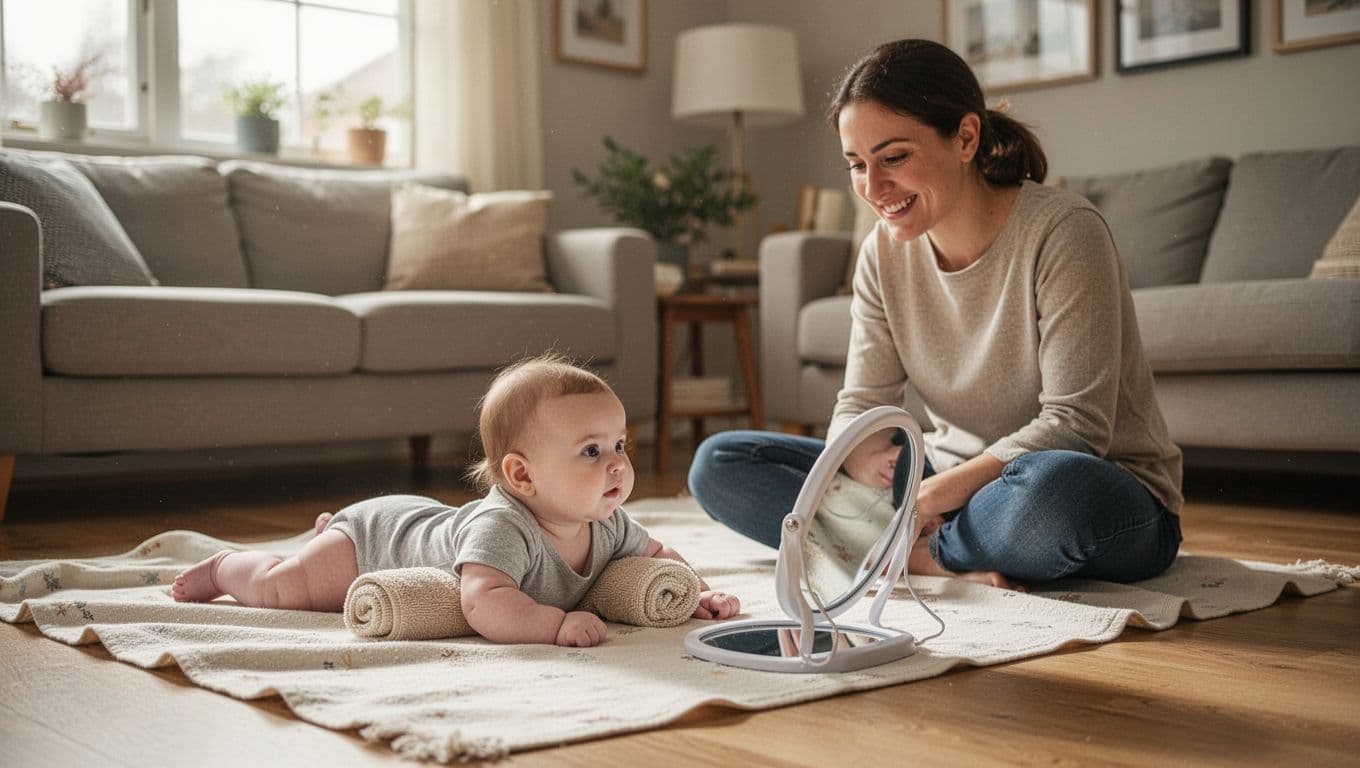
If you want a simple rule to remember, keep it this way: awake, watched, and on the floor. The AAP safe sleep guidance and CDC infant safety advice line up with that same basic message.
If tummy time turns into full distress, stop the session. Short, calm practice helps more than forced minutes.
Helpful tummy time toys and props that support play, not distract from it
You don’t need a shopping cart full of baby gear. The best tummy time tools are optional, easy to wipe down, and simple enough to keep your baby focused on moving, not staring at flashing lights.
A short list of useful categories works well for most families:
- Baby-safe mirrors help encourage head lifting and face tracking.
- High-contrast cards give young babies something clear to look at.
- Sensory mats add light texture under the hands without making the space too soft.
- Supportive tummy time pillows can give a small lift under the chest for babies who struggle on flat floor time.
- Soft rattles encourage reaching, grasping, and turning toward sound.
- Simple water mats can keep older babies curious enough to stay on their tummy a bit longer.
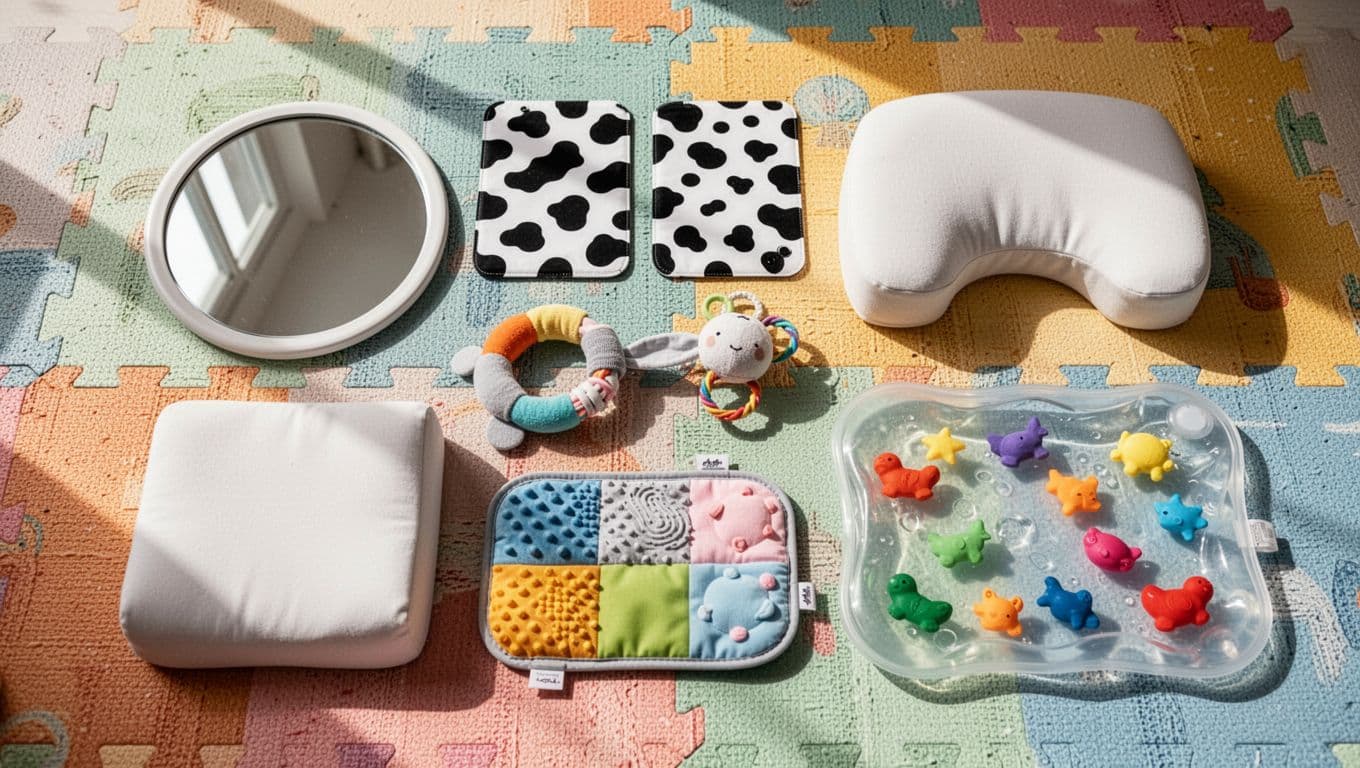
Use one or two items at a time, not the whole pile. A mirror in front, a rattle off to one side, or a small pillow under the chest is usually enough to encourage lifting, reaching, and turning. If a prop keeps sliding, bunching, or making your baby slump face-first, skip it. Simple tools should support movement, not get in the way.
Conclusion
Tummy time doesn’t have to look perfect to help your baby grow. What matters most is consistency, starting early, keeping sessions short and supervised, and following your baby’s cues so practice stays safe and manageable.
As your baby grows, the best tummy time activities will change with them. Newborns may do best with chest-to-chest time or a rolled towel for support, while older babies often enjoy mirrors, reaching games, books, and floor play that keeps them interested.
If one session goes badly, that doesn’t mean you’re behind. A few calm minutes here and there can still build real strength, better head control, and the confidence your baby needs for rolling, sitting, and crawling later on.
Save the pin for later


- 12 Things Pregnant Women Do When They’re Alone - June 7, 2026
- 25 Healthy Pregnancy Snacks You Should Try - June 7, 2026
- 100 Funny Baby Jokes That Will Make You Laugh - May 15, 2026