


Seeing mucus in your baby’s spit-up can feel alarming, but it’s often normal, especially in newborns and babies with congestion or reflux. In many cases, it clears on its own as your baby grows and feeds more smoothly.
This article breaks down the common causes of baby spitting up mucus, shows you how to tell normal spit-up from warning signs, and explains when to call your pediatrician. If feeding air seems to be part of the problem, burping after nursing can help, and the next section will make the red flags easier to spot.
What mucus in baby spit-up usually looks like
Mucus in baby spit-up often looks messier than it really is. Most of the time, it shows up in small amounts, mixed with milk or saliva, and it happens after a feed, a burp, or when the stomach is extra full.
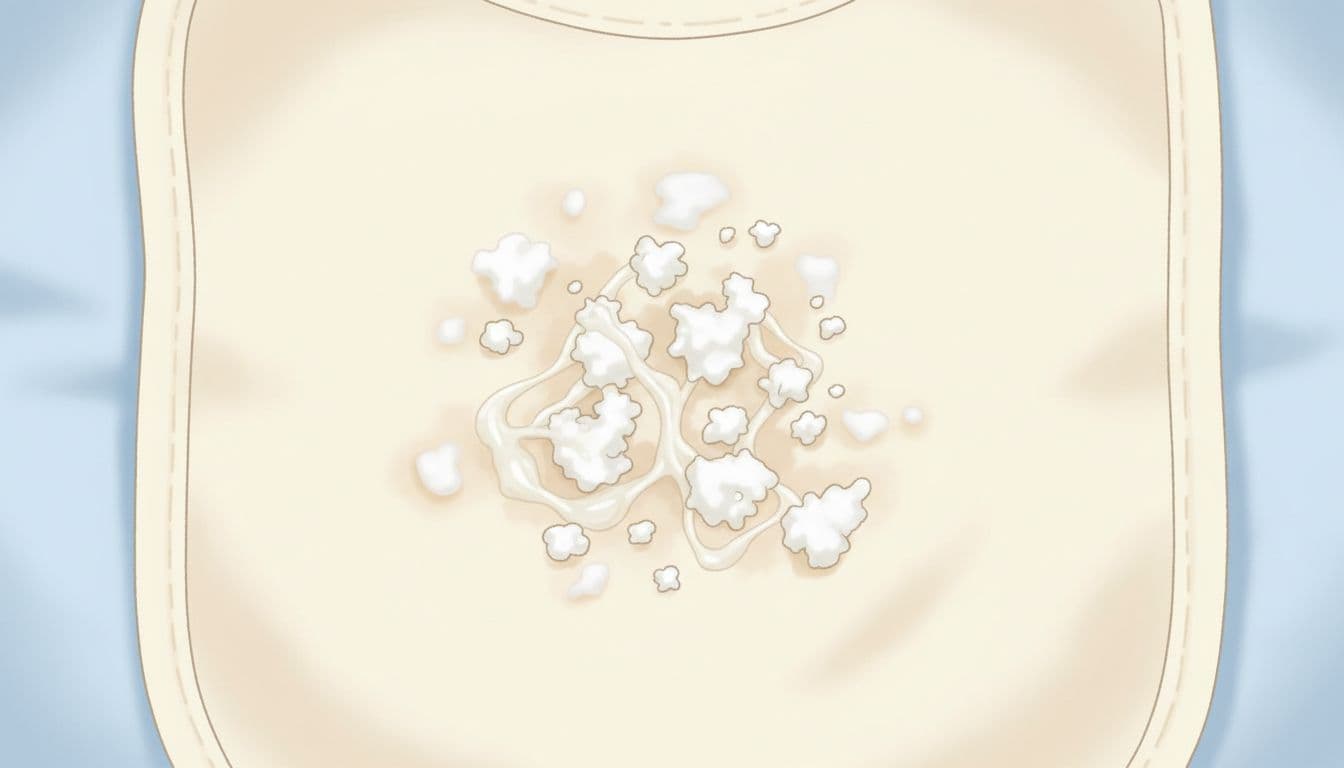
Common colors, textures, and amounts parents may see
Normal spit-up with mucus can look clear, white, cloudy, or slightly yellow. It may also look a little curdled, frothy, or stringy, almost like thin threads mixed into milk. If your baby is otherwise content, this usually points to normal spit-up rather than a serious problem.
A quick way to judge it is by how it moves and how much comes up. Normal spit-up often dribbles out gently, stains a bib, or leaves a small patch on your shoulder. It usually does not shoot out forcefully or fill a large cloth diaper. Babies may spit up more after a big feeding, after burping, or when they swallow extra air.
For a simple comparison of normal spit-up and more concerning vomiting, Mayo Clinic’s spit-up guide is a helpful reference.
| What you may see | What it often looks like | Usually fits normal spit-up |
|---|---|---|
| Clear mucus | Thin and watery | Yes, especially after burping |
| White or creamy spit-up | Curdled milk or small clumps | Yes, very common |
| Slight yellow tint | Milk mixed with stomach fluid | Often yes, if baby seems well |
| Stringy or frothy spit-up | Mucus mixed with saliva | Yes, if the amount is small |
If the spit-up is green, red, brown, or forceful, that is a different story and needs a call to the pediatrician.
Why mucus can show up even when baby seems fine
Babies swallow a lot of mucus from their nose and throat. Because they cannot clear it well, some of it comes back up with milk or saliva. That can happen during a cold, with mild congestion, or even on an otherwise normal day.
In many babies, this is just part of an immature digestive system. The spit-up may look dramatic, but if your baby is eating well, has normal wet diapers, and seems comfortable, the mucus itself is usually not a problem.
If spit-up happens more after larger feeds, signs of overfeeding your baby can help you sort out whether a full stomach is part of the picture.
The most common reasons babies spit up mucus
Mucus in baby spit-up usually has a simple cause. In many babies, it comes from a newborn body that is still adjusting, a stuffy nose, or a belly that filled a little too fast.
The good news is that this kind of spit-up is often part of normal baby life. The key is knowing which reason fits your baby best, so you can decide whether to wait, tweak a feeding habit, or call the pediatrician.
Newborn mucus left over after birth
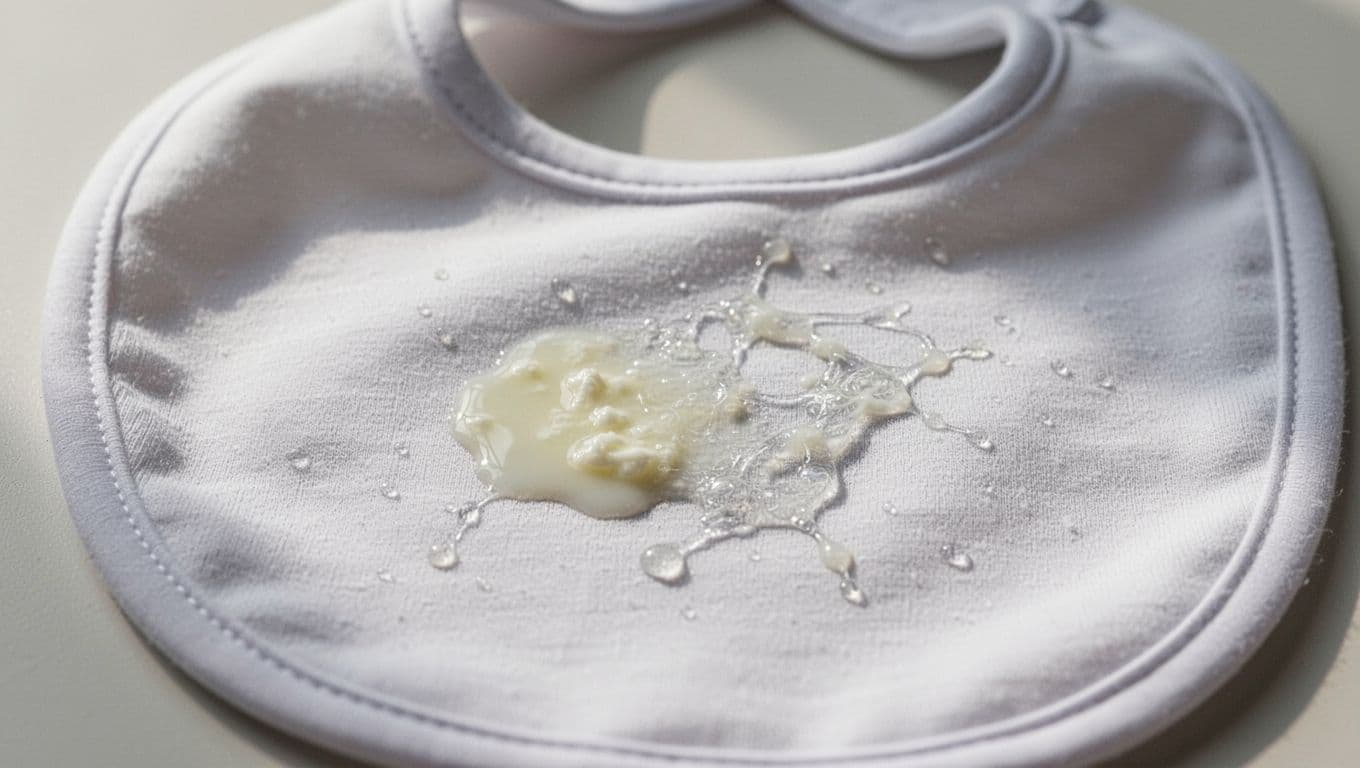
In the first days of life, newborns often have extra mucus left in their nose, throat, and stomach after birth. Some babies swallow it, and then it comes back up during spit-up. This can look slimy, stringy, or mixed with a little milk.
That extra mucus usually clears as your baby’s body settles in and starts working on its own schedule. As the days pass, feeding gets smoother, swallowing gets easier, and the spit-up often becomes less messy.
A baby who is otherwise feeding well, wetting diapers, and acting alert usually does not need special treatment for this. If the mucus is still showing up but your baby seems comfortable, it often points to a short-lived newborn phase rather than a problem.
Colds, congestion, and swallowed mucus

A stuffy nose can turn into spit-up fast. Babies cannot blow their noses, so they swallow a lot of the mucus that collects in the back of the throat. That swallowed mucus mixes with milk or formula, then comes back up later.
This happens during a cold, with simple congestion, and sometimes with mild upper respiratory irritation. The spit-up may look thicker or more cloudy than usual, especially if your baby has been sneezing, sniffling, or breathing through a blocked nose.
When babies cannot clear mucus out of their nose, they swallow it instead.
That is why congestion often shows up in the diaper area of life, too, not just the nose. If your baby has a cold, small spit-ups with mucus can happen more often for a few days. Gentle saline, suction when needed, and extra patience during feeds can help.
For a broader look at normal spit-up patterns, the HealthyChildren spit-up guide is a helpful parent reference.
Reflux, air swallowing, and a too-full stomach
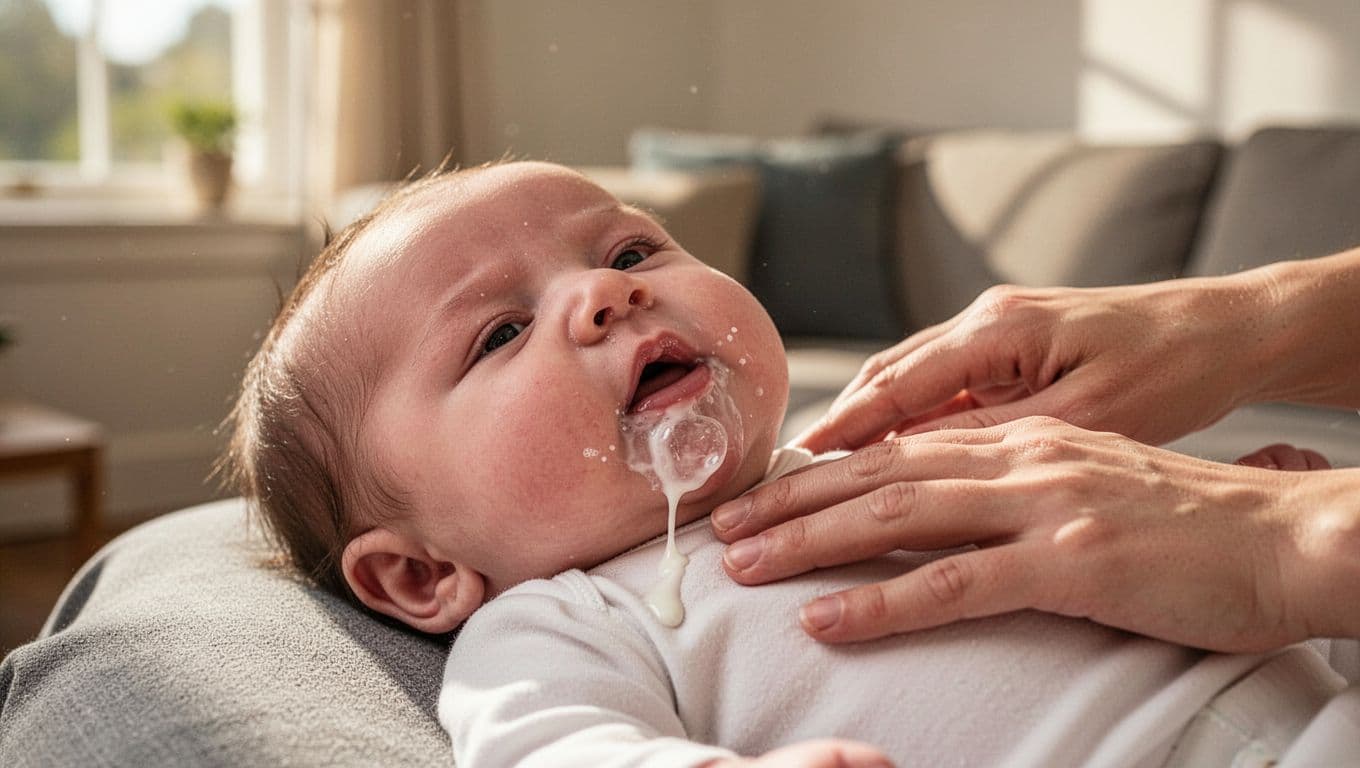
Reflux is one of the biggest reasons babies spit up mucus. A baby’s digestive system is still immature, so milk and stomach contents can move back up easily. When that happens, mucus from the throat or saliva often comes along for the ride.
Swallowed air can make the problem worse. Babies gulp air when they feed too fast, latch with a lot of air, or take in a bottle with a nipple flow that is too quick or too slow. A stomach that gets too full can also push milk back up, especially after large feeds or when a baby is bounced, laid down, or moved around right after eating.
A few common triggers can pile up quickly:
- Feeding too fast can fill the stomach before the baby has time to settle.
- Large feeds can leave too little room in a tiny stomach.
- Movement right after feeding can bring milk back up more easily.
- Extra air during feeds can add pressure and lead to more spit-up.
The Mayo Clinic reflux guide explains that mild reflux is common in babies, and the HealthyChildren spit-up guide also points out that smaller, more frequent feeds can help. If air seems to be the main issue, burping after feeds to prevent discomfort can make a real difference.
When spit-up mucus happens after a full feed, a rushed feed, or lots of movement, reflux or air swallowing is often the reason.
How to tell normal spit-up from a real problem
A little mucus in baby spit-up can look messy, but the context matters most. If your baby is comfortable, gaining weight, and having normal wet diapers, the spit-up is usually harmless.
The trick is to look at how much comes up, how it comes up, and how your baby acts after feeding. Mucus alone is not always a red flag, especially when it shows up in small amounts with milk or saliva.
| Usually normal | Needs a closer look |
|---|---|
| Small dribbles or stains on clothing | Forceful vomiting or large amounts |
| Baby seems calm after feeding | Baby seems painful, fussy, or weak |
| Normal weight gain | Poor weight gain or weight loss |
| Normal wet diapers | Fewer wet diapers or signs of dehydration |
| Clear, white, or slightly cloudy mucus | Green, red, or brown spit-up |
Signs that usually point to normal spit-up
Normal spit-up often stays small. It may come out as a little dribble, a wet burp, or a patch of milk-mucus on a bib. If your baby acts content afterward, that is a strong clue that the feeding was rough around the edges, not dangerous.
Healthy weight gain also matters. A baby who eats, pees, sleeps, and grows in a steady pattern usually has a digestive system that is doing its job, even if some milk comes back up. The same is true when mucus appears with congestion or extra saliva, because babies swallow mucus all the time.
Look for these simple signs:
- Small amounts after feeding or burping
- No pain or arching afterward
- Normal weight gain
- Normal wet diapers
- Baby acting calm and satisfied after feeds
Mucus by itself is usually less important than the baby’s behavior, diaper output, and growth.
If you want a deeper comparison, Mayo Clinic’s spit-up guide gives a clear rundown of what is usually normal.
Warning signs that need a closer look
Some spit-up patterns are not normal and should be checked. Forceful vomiting, repeated episodes through the day, or spit-up that looks green, red, or brown needs attention.
Call your pediatrician if you notice:
- Forceful vomiting that shoots out
- Green or red spit-up
- Poor weight gain
- Fewer wet diapers or a dry mouth
- Unusual fussiness, pain, or swelling
- Repeated vomiting throughout the day
Poor weight gain and dehydration are especially important. If baby does not seem to be keeping feeds down, the body may not be getting enough fluid or calories. A helpful overview of dehydration warning signs is available in this guide to insufficient breastmilk and hydration concerns.
When spit-up looks like vomiting instead of reflux
Spit-up usually dribbles or pours out gently. Vomiting is different. It comes out with force, often after a baby seems upset, and it may spray farther than expected.
That difference matters most in young babies. Forceful vomiting can point to a more serious issue, especially if it happens often, starts suddenly, or comes with poor feeding or less energy. If the spit-up seems to launch out instead of easing out, treat it as vomiting, not simple reflux.
A baby who vomits once may still be fine. A baby who vomits repeatedly, cannot keep feeds down, or seems weak needs prompt medical advice.
When to call the pediatrician right away
Most baby spit-up is harmless, but some changes need same-day medical advice. If the mucus comes with blood, bile-colored vomit, poor feeding, or signs that your baby is getting dehydrated, do not wait for the next checkup.
Green, yellow, bloody, or forceful vomiting is a call-now situation in babies.
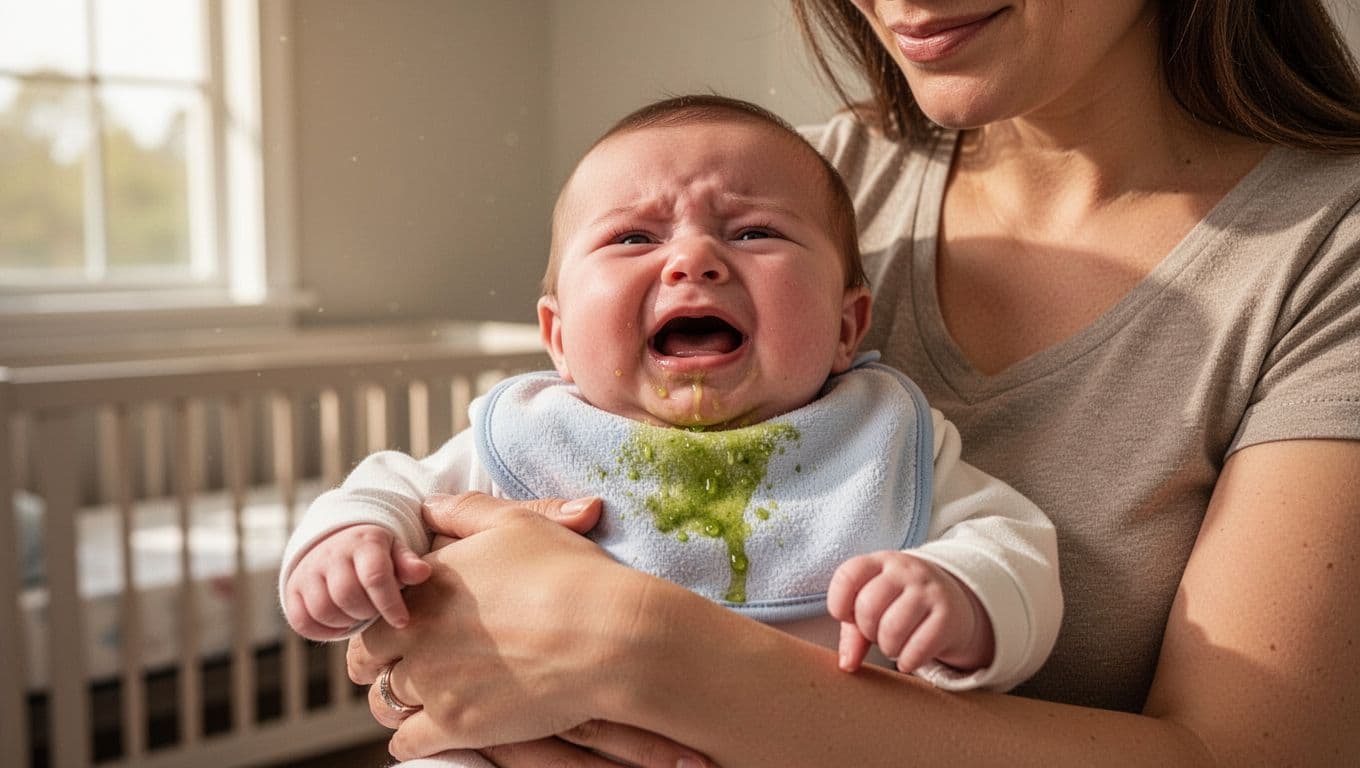
Symptoms that need same-day medical advice
Call your pediatrician right away if you see blood in the spit-up, even if it is just a streak. Green or yellow vomit is also a red flag, since it can point to bile and needs prompt attention, according to Mayo Clinic’s spit-up guide.
Other warning signs need the same response:
- Repeated vomiting after most feeds, or vomiting that keeps coming back.
- Poor feeding or refusal to eat, especially if your baby seems weak or frustrated.
- Dehydration signs such as fewer wet diapers, dry mouth, no tears, or unusual sleepiness. If diapers drop off, dehydration signs from poor feeding can help you compare what you are seeing.
- Fever, especially in babies under 3 months.
- Ongoing crying in pain, back arching, or a hard or swollen belly.
The HealthyChildren vomiting symptom checker also lists dehydration, fever in young babies, and green vomit as reasons to get checked quickly. When several symptoms show up together, the safest move is to call right away.
Rare but serious causes doctors want to rule out
Some babies spit up because of a problem that needs treatment, not just time. One example is pyloric stenosis, where the muscle at the stomach opening is too tight and milk cannot pass through well. It often causes forceful vomiting after feeds.
In other cases, the cause may be an infection or a blockage in the intestines. Those problems can bring repeated vomiting, pain, poor feeding, and a baby who looks less alert than usual.

Persistent or forceful vomiting should always be checked. If the spit-up is getting worse, happens after most feeds, or comes with low diapers or pain, your pediatrician should hear about it the same day.
What parents can do at home to ease mild spit-up
A little mucus in spit-up often settles down with small daily changes. The goal is to make feeds gentler, reduce swallowed air, and keep milk moving the way your baby’s body can handle it.
These steps can help when your baby is otherwise healthy. They may not stop spit-up completely, but they often make it less frequent and less messy.
Feeding habits that can reduce spit-up

Start with the feed itself. Smaller, more frequent feeds often put less pressure on a baby’s stomach, so milk is less likely to come back up. The HealthyChildren spit-up guide also points to burping more often and avoiding overfeeding as simple ways to help.
A few changes can make a real difference:
- Offer smaller feeds more often instead of stretching a baby to take a larger amount.
- Check latch or nipple flow so milk is not coming too fast or too slow.
- Burp during and after feeds to release air before it adds pressure.
- Slow the pace if your baby gulps air, pauses a lot, or sounds noisy while feeding.
- Watch for overfeeding, especially if spit-up gets worse after bigger bottles or longer nursing sessions.
If bottle flow is the issue, a different nipple speed may help. If breastfeeding feels rushed, a calmer position and brief pauses can also ease air swallowing. The aim is a steady feed, not a fast one.
A slower feed often works better than a bigger one.
After-feeding habits that may help
What you do after the feed matters too. Keep your baby upright for a short time so gravity can do some of the work. Many babies do better when they stay upright for about 20 to 30 minutes before lying down.
Try to avoid bouncing, rough play, or tight pressure on the belly right after feeding. A snug diaper or a curled-up position can push milk back up, especially if your baby is already prone to spit-up. Also, don’t lay baby flat right away unless it’s time for sleep in a safe sleep space.
For babies with reflux, Cleveland Clinic notes that keeping them upright after feeds and using smaller amounts can help reduce visible spit-up. A quiet stretch in your arms, a carrier, or a gentle hold is usually enough.
When congestion is part of the problem
If your baby is stuffy, some of the mucus may be coming from the nose and throat rather than the stomach. That can make spit-up look thicker or stringier, even when the feeding itself is fine.
Simple comfort steps can help. If your pediatrician recommends it, clear nasal mucus with saline drops and a gentle suction tool. A cool-mist humidifier may also make breathing easier, especially during a cold. For more context on what mild stuffiness can look like, common congestion in newborn nasal passages is often part of normal newborn adjustment.
Keep the approach gentle. Use only the amount of suction your pediatrician suggests, and avoid anything harsh or overdone. If congestion is making feeds hard, shorter and calmer feeds can help until your baby breathes more easily.
Conclusion
Mucus in baby spit-up is often normal, especially when your baby is happy, feeding well, and gaining weight. In many cases, it comes from mild reflux, swallowed mucus, or a stuffy nose, and it settles as your baby grows.
What matters most is the pattern. Call your pediatrician if the spit-up is forceful, green, red, or brown, or if your baby has poor feeding, fewer wet diapers, pain, or poor weight gain.
If something feels off, trust that feeling and ask for help. Parents know their baby best, and it is always fine to check in when you are unsure.
Save pin for later

- 5 Ways to Manage Your Toddler’s Anger Issues Without Losing Your Cool - September 22, 2026
- 7 Parenting Behaviors That Prevent Kids From Being Responsible - September 22, 2026
- Toddlerhood Can Make a Parent Life Awesome: What You Should Know - September 22, 2026