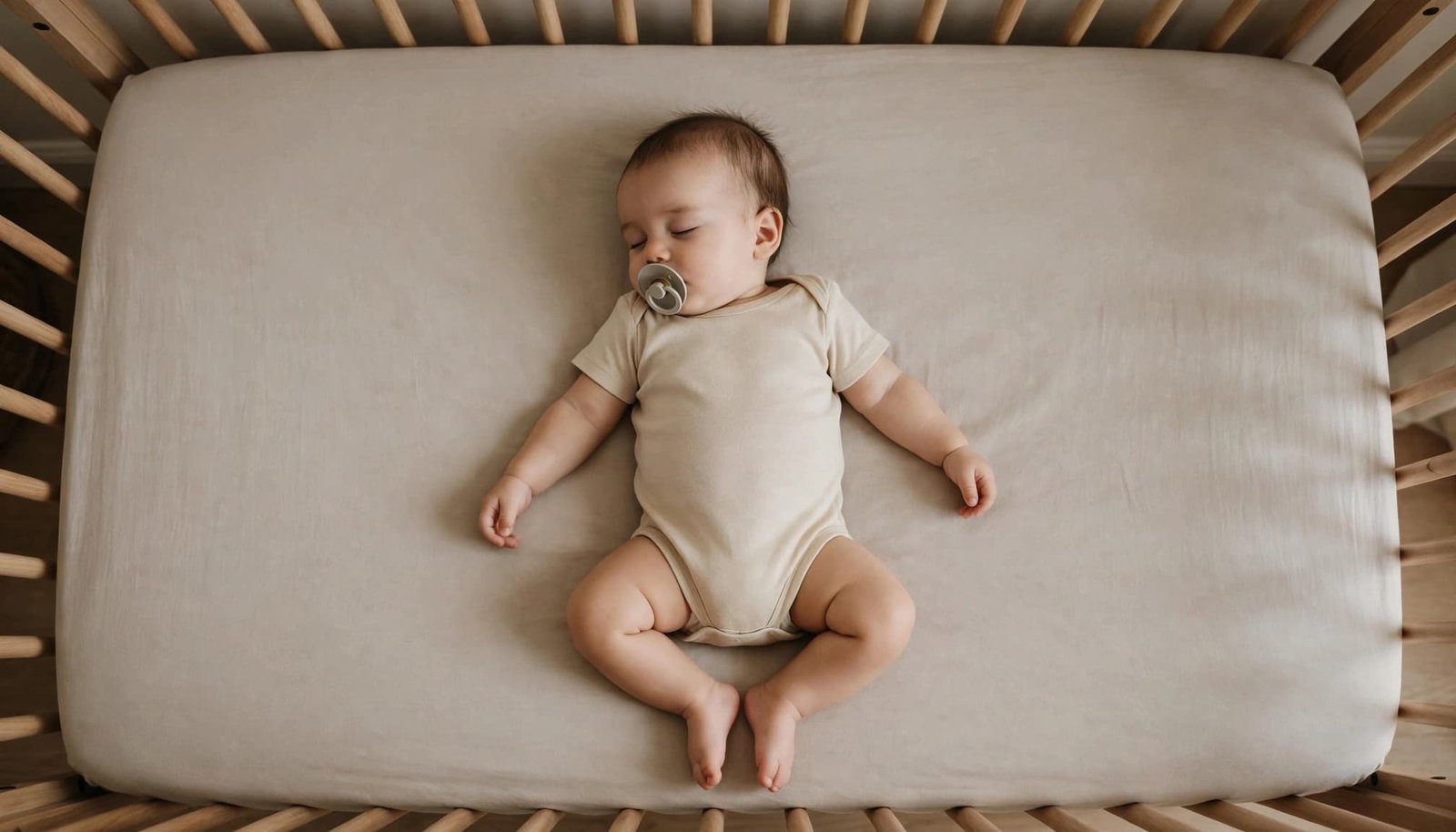
Helping a baby or toddler stop using a pacifier can feel harder than expected, especially when it has become part of every nap, bedtime, and nighttime wake-up. The good news is that using a pacifier during early infancy isn’t something you need to feel guilty about, since offering one for sleep may be associated with a lower risk of sudden infant death syndrome (SIDS), and it can help some babies settle.
As your child grows, though, frequent pacifier use may contribute to sleep disruptions, ear infections, or dental concerns, so many parents eventually wonder when and how to begin weaning. Every child’s readiness is different, and a gradual plan that includes comfort, consistency, and a predictable bedtime routine can make the change easier; you can also use these tips to help your toddler sleep through the night.
In this guide, you’ll learn the benefits and possible drawbacks of pacifiers, when to consider weaning, and how to stop using one with a gentle step-by-step approach that fits your child’s age and temperament. Start by understanding why pacifiers help in infancy and when their benefits begin to change.
The Benefits and Risks of Using Baby Pacifiers
Pacifiers can be helpful in early infancy, but their value depends on when and how often your child uses one. Sleep-only use in a young baby is different from carrying a pacifier all day as a toddler. Understanding that difference can help you decide when to keep offering it and when to start weaning.
How Pacifiers Can Support Sleep and Comfort
Sucking is a natural calming response for many babies. A pacifier may help an infant self-soothe after feeding, settle for a nap, or relax at bedtime. It can also provide comfort during short periods of fussiness, especially when your baby needs reassurance rather than food.
The American Academy of Pediatrics recommends offering a pacifier when placing a baby down for naps and nighttime sleep because sleep-time use is linked with a lower risk of sudden infant death syndrome (SIDS), particularly during the first six months. You can review the AAP safe-sleep recommendations for the full guidance.
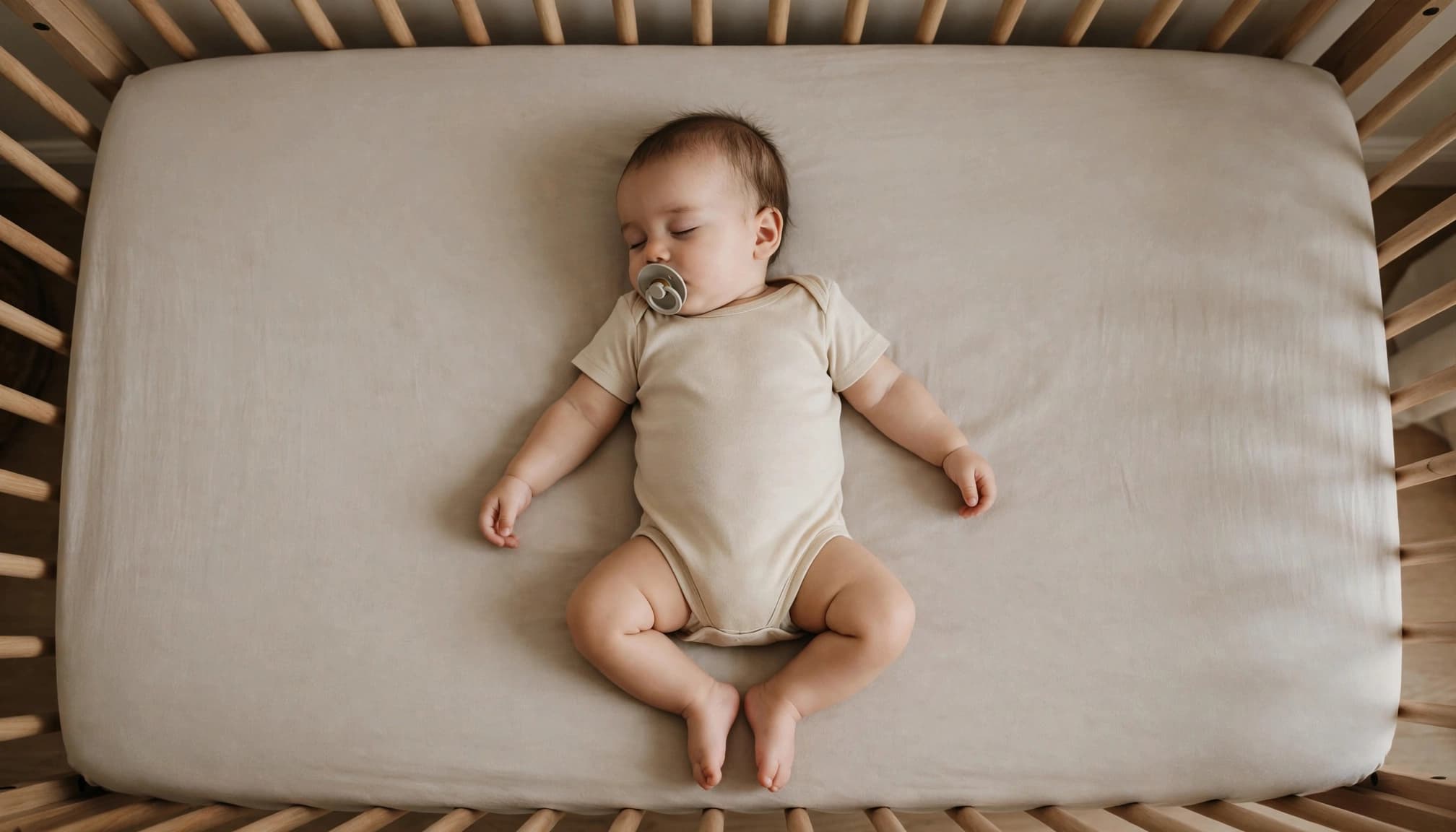
A pacifier doesn’t prevent SIDS, and it cannot replace safe-sleep practices. Your baby should sleep:
- On their back for every nap and nighttime sleep.
- On a firm, flat surface made for infant sleep.
- With only a fitted sheet, without loose blankets, pillows, bumpers, or stuffed toys.
If the pacifier falls out after your baby falls asleep, you don’t need to put it back in. Also, don’t force it on a baby who refuses it. For breastfed babies, many healthcare providers suggest waiting until breastfeeding is well established before introducing one. A healthy, full-term baby can often breastfeed successfully while using a pacifier, but feeding difficulty, low milk intake, or concerns about weight gain deserve a conversation with your pediatrician or lactation professional.
When Pacifier Use May Cause Problems
The concerns usually increase with frequent, long-lasting use, especially after infancy. Pacifier use is associated with a higher risk of middle-ear infections after the first year, and reducing use during the second half of the first year may lower that risk. If your child has ear tugging, fever, unusual irritability, or trouble sleeping, learn the signs of an earache in children.
Long-term use can also affect the developing mouth. Continued sucking past 18 months may contribute to an anterior open bite, posterior crossbite, or tooth misalignment. These changes don’t mean every child who uses a pacifier will need dental treatment, but they are a good reason to plan gradual weaning with your child’s age in mind.
Evidence about speech is limited. Research hasn’t proved that pacifiers directly cause speech delay. However, several hours of daytime use may reduce opportunities for babbling and talking, while brief use during sleep is less concerning. Limiting the pacifier to naps, bedtime, and short comfort periods can reduce these potential problems while preserving its early soothing benefits.
When Should You Stop Using a Baby Pacifier?
There isn’t one perfect age for every child, but most families benefit from a gradual plan. Pacifier use often shifts from an infant sleep aid to a toddler habit, so the goal is to reduce daytime dependence first and work toward stopping during the toddler years.
The American Academy of Pediatric Dentistry connects pacifier use after 12 months with a higher risk of acute middle-ear infections. After 18 months, prolonged sucking may affect bite and jaw development. You can review the AAPD pacifier guidance for more detail. Many pediatric and dental professionals encourage families to end the habit by age 3, when possible.
Start by Limiting Pacifier Use to Sleep
If your child carries a pacifier all day, sleep-only use is a gentle first step. Begin by removing it during play, meals, car rides, and relaxed daytime activities. At first, keep it available for naps and bedtime so your child still has a familiar way to settle.
Use the same short explanation each time, such as, “Pacifiers are for sleep.” Avoid long discussions, since toddlers may become more upset when the rule feels uncertain. When your child goes without it, offer specific praise: “You played without your pacifier. You are growing.”
During the day, replace the pacifier with another source of comfort. A hug, stuffed animal, song, water cup, or quiet activity can help your child handle small frustrations. A predictable routine also gives your toddler something else to rely on, especially before naps and bedtime. These gentle toddler weaning techniques can help you make changes one step at a time.
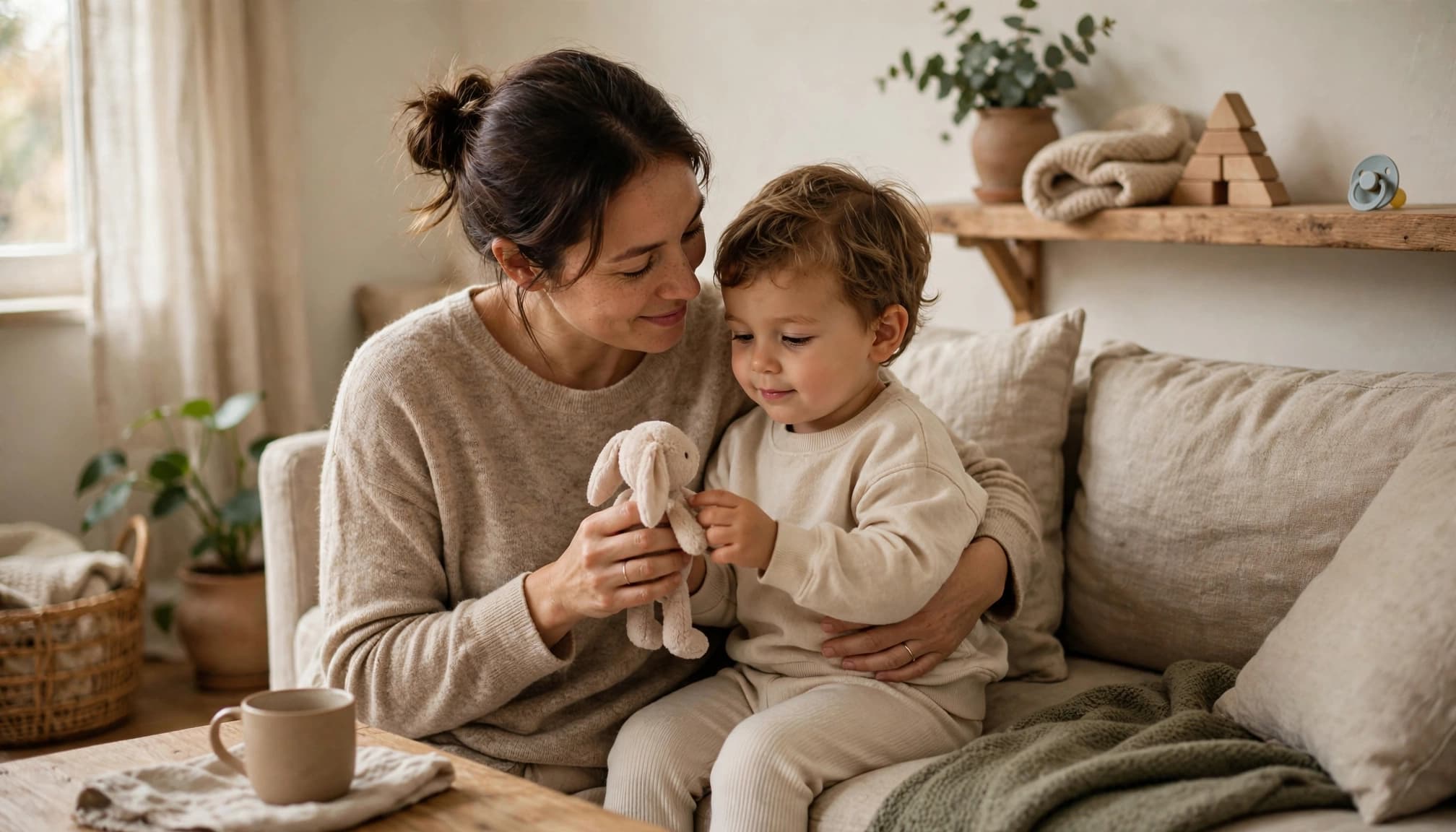
Daytime limits also reduce the amount of time your child has a pacifier in their mouth. That leaves more room for babbling, talking, eating, and practicing new sounds. It may also reduce the constant pressure on developing teeth and the jaw, even though research hasn’t shown that pacifiers directly cause speech delays.
Signs Your Child May Be Ready to Wean
Look for practical signs rather than waiting for your child to announce that they are ready. Your toddler may be ready for the next step if they:
- Keep the pacifier in their mouth for shorter periods.
- Accept a cuddle, toy, song, or blanket instead.
- Understand simple limits, such as using it only in bed.
- Sleep through part of the night without asking for it.
- Show interest in big-kid routines, such as brushing teeth or choosing pajamas.
- Forget about the pacifier during active play.
Your child doesn’t need to show every sign before you begin. Still, timing can affect how smoothly the process goes. Illness, travel, moving, toilet training, a new sibling, or another major family change may increase your child’s need for familiar comfort.
When possible, choose a calm period and make one change at a time. If your toddler is sick or sleeping poorly, wait until daily routines feel steadier. A child who uses the pacifier mainly for sleep may need a slower plan than one who rarely asks for it during the day. Pay attention to temperament, sleep patterns, and your child’s ability to calm down with support, then adjust the pace without abandoning the goal.
How to Stop Using Baby Pacifiers Gently
A gradual plan gives your child time to replace the pacifier with other ways to relax. Some children manage a quick goodbye, while others need several smaller changes. Choose the pace that fits your child, then stay consistent through naps, bedtime, and night waking.
Reduce Access Before Removing the Pacifier Completely
Begin with a clear rule your child can understand, such as, “Pacifiers stay in the crib” or “Pacifiers are for sleep.” Move from unrestricted daytime use to naps and bedtime. If your child adjusts well, remove the nap pacifier next, then work on nighttime use.
Keep pacifiers out of sight during play and meals. Store them in the crib, a closed container, or another place your child cannot reach easily. When one falls out during sleep, avoid automatically replacing it. Your child may settle again without it, especially if you give them a few minutes before responding.
Track the change for several days. Note when your child asks for the pacifier, how long settling takes, and which forms of comfort work best. This simple record can show whether your child is ready for the next step or needs more time with the current limit.
Never cut, puncture, shorten, or otherwise damage a pacifier to make it less appealing. A damaged nipple or shield can break apart and create a choking hazard. Replace worn pacifiers with intact ones while you follow a safe weaning plan. The AAPD’s pacifier safety guidance also warns against attaching pacifiers to cords, clothing, blankets, or stuffed toys.
Replace the Pacifier With Other Comfort Routines
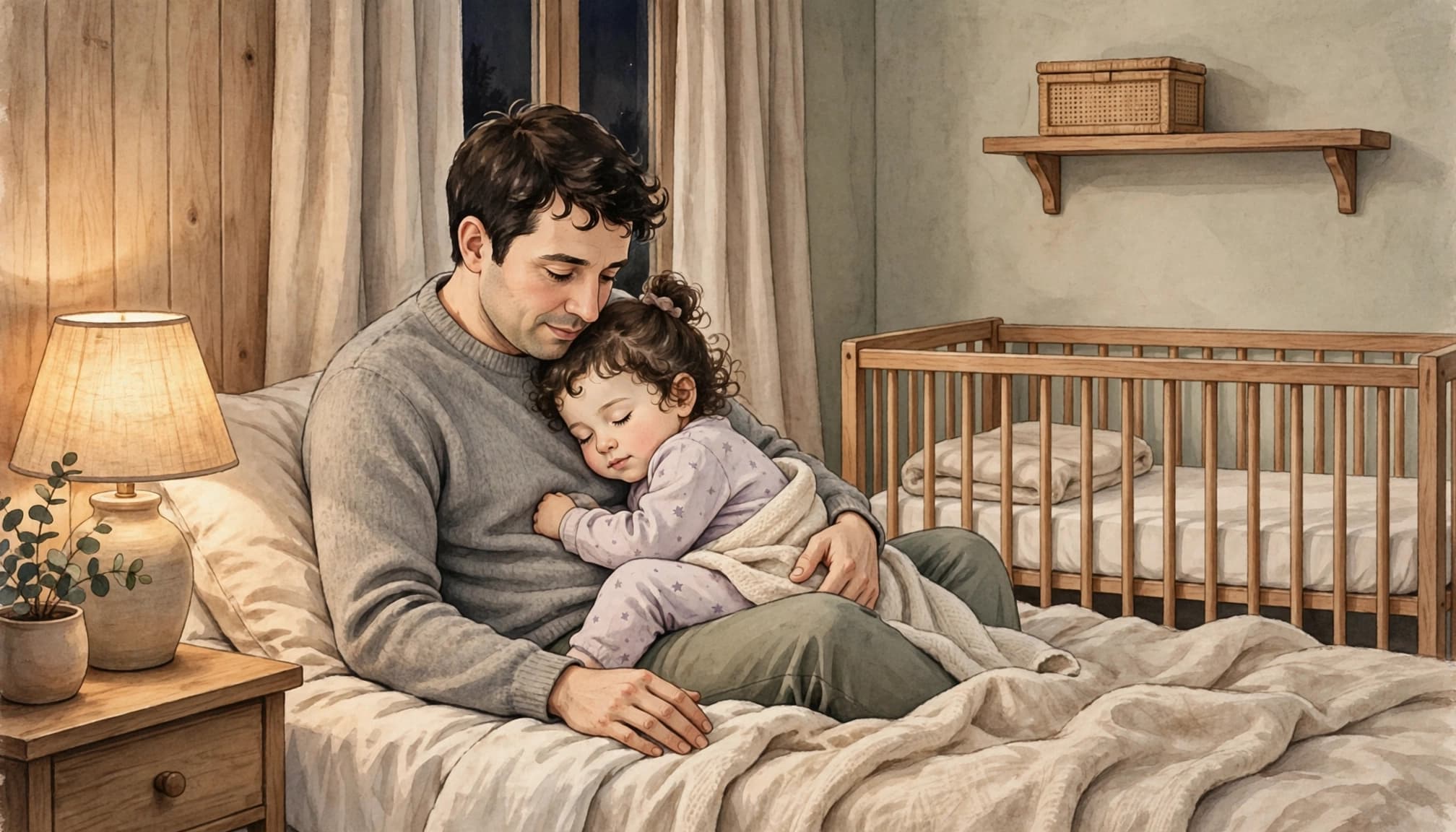
Removing the pacifier works better when you add comfort instead of simply taking comfort away. During naps and bedtime, try cuddling, rocking, singing, reading one short book, or rubbing your child’s back. A familiar phrase, such as “Your body is safe, and it’s time to rest,” can become a steady sleep cue.
Keep the routine in the same order each night. For example, your child might have a bath, put on pajamas, brush their teeth, read a book, sing a song, and receive a cuddle before lights out. A predictable sequence helps your child know what comes next. These calming bedtime rituals for toddlers can become the new pattern that replaces the pacifier.
Offer a safe comfort item only when it fits your child’s age and sleep environment. For children under 12 months, keep stuffed animals, blankets, pillows, and loveys out of the crib. Follow AAP safe-sleep recommendations, including a firm, flat sleep surface and no loose items.
Avoid replacing the pacifier with constant snacks, screens, or objects that could become unsafe. Your presence, voice, and predictable routine should do most of the soothing.
Use a Goodbye Plan for Toddlers Who Understand
Toddlers who understand simple explanations may respond well to a planned goodbye. Start with a short countdown, such as, “Three more nights, then the pacifiers go to their special box.” On the final night, let your child place the pacifiers in the box or say goodbye before you put them away.
You can offer a small non-food reward, such as choosing a new bedtime book or picking pajamas. Keep the story simple, and never call the pacifier “bad” or shame your child for wanting it. Give limited choices while keeping the main boundary firm: your child can choose the goodbye book, but the pacifier still stays in the box.
A few difficult nights are normal. Returning to unlimited pacifier use after setting a firm limit can make the next attempt harder, so decide in advance how you will respond.
Handle Crying, Night Waking, and Setbacks
Expect protests, extra waking, and repeated requests at first. Acknowledge the feeling without debating the rule: “You miss your pacifier. I’m here to help you.” Then offer a cuddle, back rub, song, or the same short sleep phrase each time.
Progress may take several nights or longer. If your child wakes, keep the room dark and your response calm. Avoid turning the wake-up into playtime or a long negotiation.
A setback doesn’t mean the plan failed. If your child becomes sick, extremely distressed, or faces a major change such as travel or a new sibling, pause when needed and try again later. Contact your pediatrician if sleep disruption, feeding problems, or distress becomes severe or continues despite consistent support.
Pacifier Safety While You Work Toward Weaning
If you aren’t ready to stop using a pacifier today, safer habits can reduce common risks while you work toward weaning. Choose a one-piece pacifier in the correct size for your child’s age, with a firm shield and ventilation holes. Inspect it often, especially before sleep and after washing.
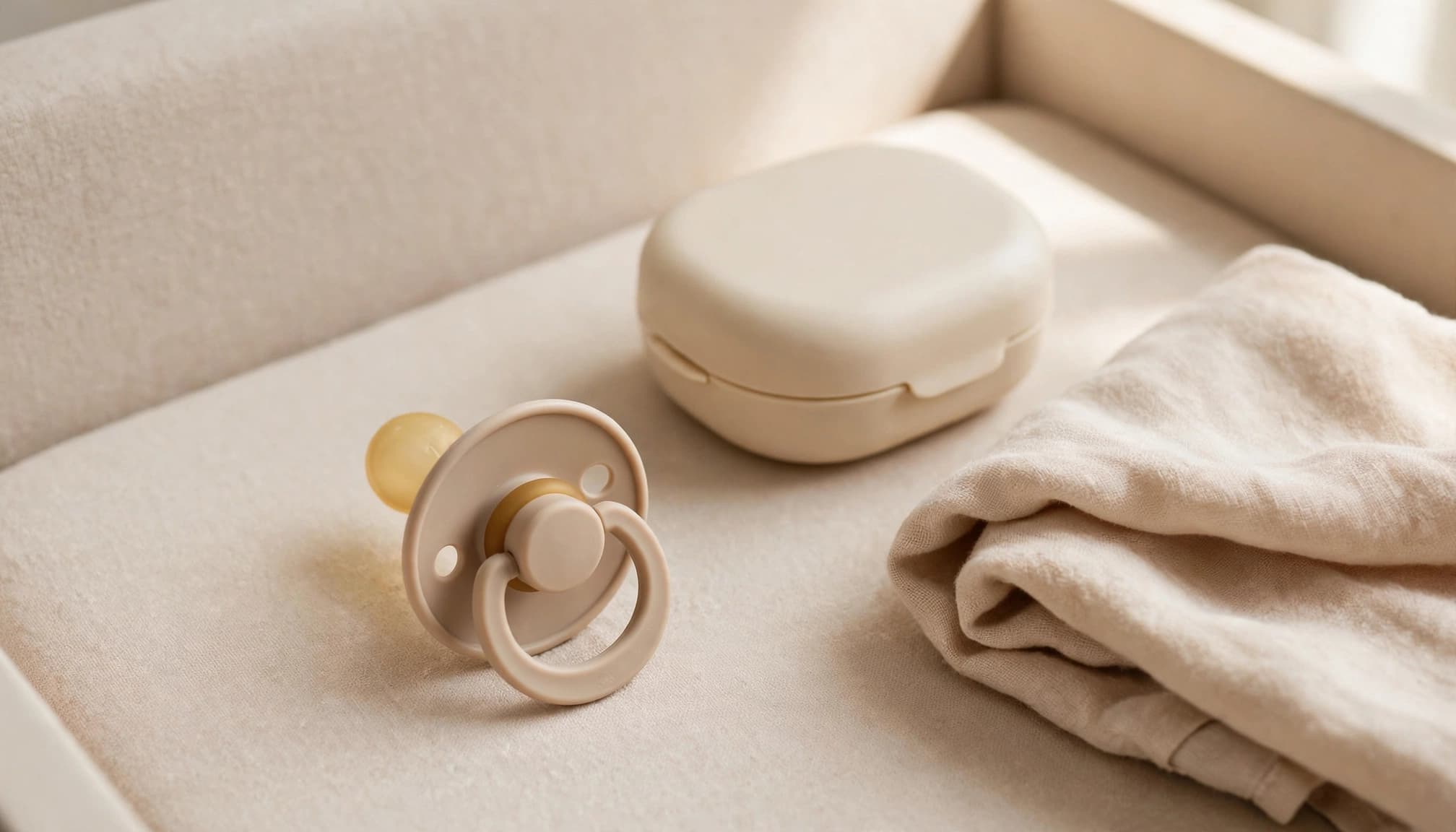
Discard the pacifier immediately if you notice:
- Cracks, tears, splits, or loose pieces.
- Sticky, swollen, discolored, or rough areas.
- A nipple that has changed shape.
- Damage from chewing, pulling, or repeated washing.
A damaged pacifier can break apart and create a choking hazard. Replace pacifiers according to the product instructions, and follow the manufacturer’s directions for cleaning. In general, wash them with soap and warm water. For young infants, the instructions may recommend boiling or sterilizing them before use. Wash a pacifier again if it falls on the floor, and never clean it by putting it in your own mouth.
Never attach a pacifier to a cord, ribbon, necklace, strap, or clip during sleep. These attachments can create a strangulation or choking risk in a crib, bassinet, or play yard. Remove clips and tethers before placing your child down, and review safe pacifier use during sleep along with your usual safe-sleep routine.
Do not dip a pacifier in honey, sugar, juice, syrup, jam, or any other sweet food. Sugar can increase the risk of tooth decay, while honey can expose babies under 12 months to botulism. Sweet coatings also make it harder to separate comfort from the pacifier later.
You don’t need to force a pacifier into your baby’s mouth. If your baby refuses it, stop and try another calming method. Likewise, don’t automatically put it back every time it falls out during sleep. Once your baby has settled, leaving it out can prevent the pacifier from becoming a condition they need each time they wake.
Know When to Ask a Pediatrician or Dentist for Help
Professional guidance can make weaning safer when another concern is involved. Talk with your pediatrician if your child has repeated ear infections, feeding difficulty, poor weight gain, or intense distress whenever the pacifier is unavailable. A pediatrician can help you balance sleep, feeding, safe-sleep needs, and your child’s overall development.
An early dental visit is also useful, even if your child still uses a pacifier. A pediatric dentist can look for changes such as an open bite, crossbite, or tooth misalignment, then explain whether reducing use now may allow the bite to improve naturally. The dentist can also discuss timing without treating one age as an emergency.
If your child still depends heavily on a pacifier after age 3, ask for personalized support rather than relying on pressure or punishment. A gradual plan may work best, especially when the pacifier is tied to sleep, anxiety, sensory needs, or a recent family change.
Conclusion
Pacifiers can offer comfort during early infancy and may support safer sleep when offered at naps and bedtime. However, frequent use over a long period can increase concerns about ear infections and dental development. The goal is to balance those early benefits with your child’s changing needs.
Begin by limiting pacifier use during the day, then build a consistent sleep routine with books, songs, cuddles, or another age-appropriate comfort method. Choose a calm time to start, remove the pacifier gradually or with a clear goodbye plan, and respond to protests with patience. A predictable approach matters more than following a perfect timeline.
If you have concerns about your child’s health, development, sleep, or ability to wean, speak with your pediatrician or pediatric dentist. Discussing pacifier habits during your baby’s first dental visit can also help you make decisions that support healthy teeth and a smoother transition.
Save pin for later

- Sticky Eyes in Babies: Causes, Treatment, and Warning Signs - September 20, 2026
- Baby Development Stages: Milestones From Birth to 12 Months - September 20, 2026
- 5 Elegant Baby Pictures to Take at Home - September 20, 2026