

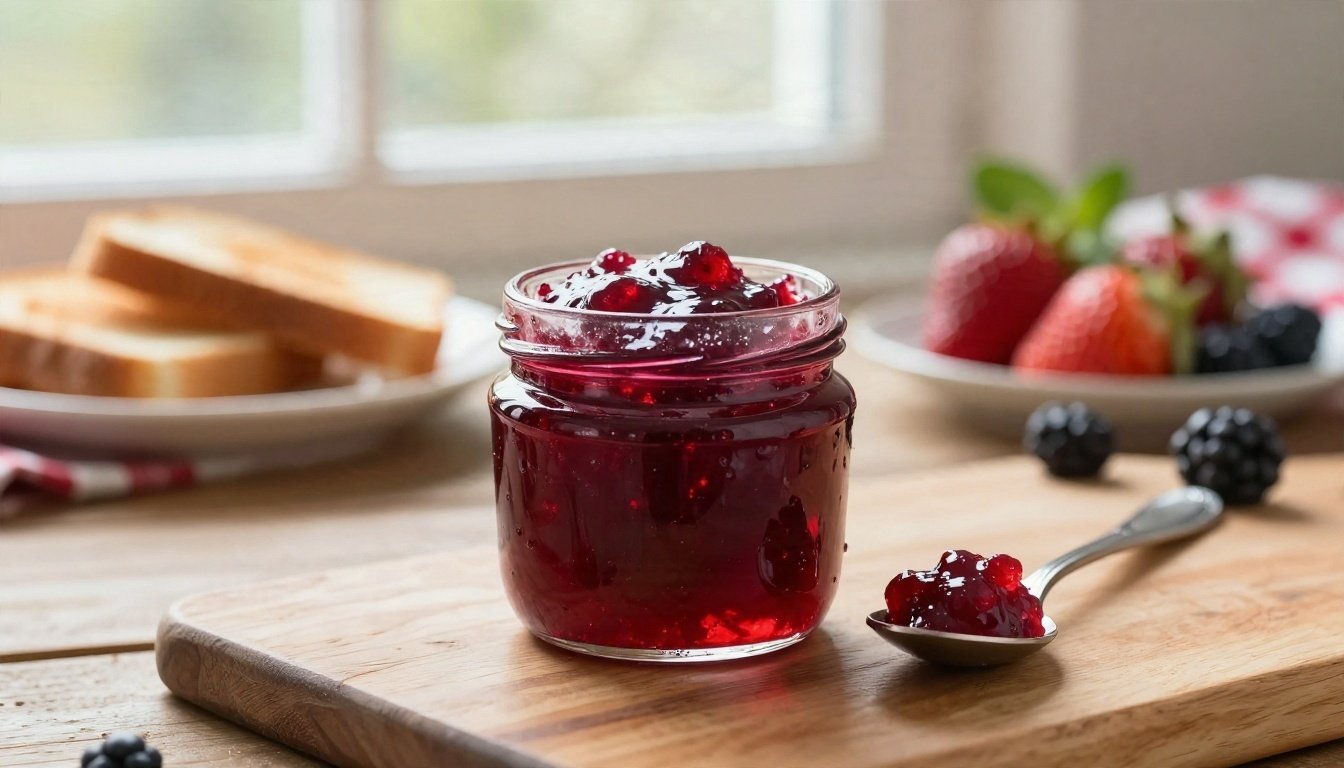
Ruby-red jam on warm toast brings a bright, berry-sweet touch to a winter morning, and a small jar makes a thoughtful homemade gift. These Christmas jam recipes begin with a simple berry refrigerator or freezer jam, not a shelf-stable canning recipe.
Follow the tested berry formula as written, and keep this batch refrigerated or frozen. Cranberry, citrus, and spice additions are ideas for cold-stored variations unless a tested canning recipe gives exact instructions; first, let’s start with the reliable berry base. For another cozy serving idea, pair it with scones served with jam and clotted cream.
Christmas Jam Recipes Start With This Simple Berry Jam
For a dependable starting point, make this small-batch berry jam with strawberries or blackberries. It follows the National Center for Home Food Preservation’s uncooked berry-jam formula, so it belongs in the refrigerator or freezer, not on a pantry shelf. Keep the fruit, sugar, pectin, and water amounts as written; cranberry, citrus, and spice additions have not been tested in this formula.
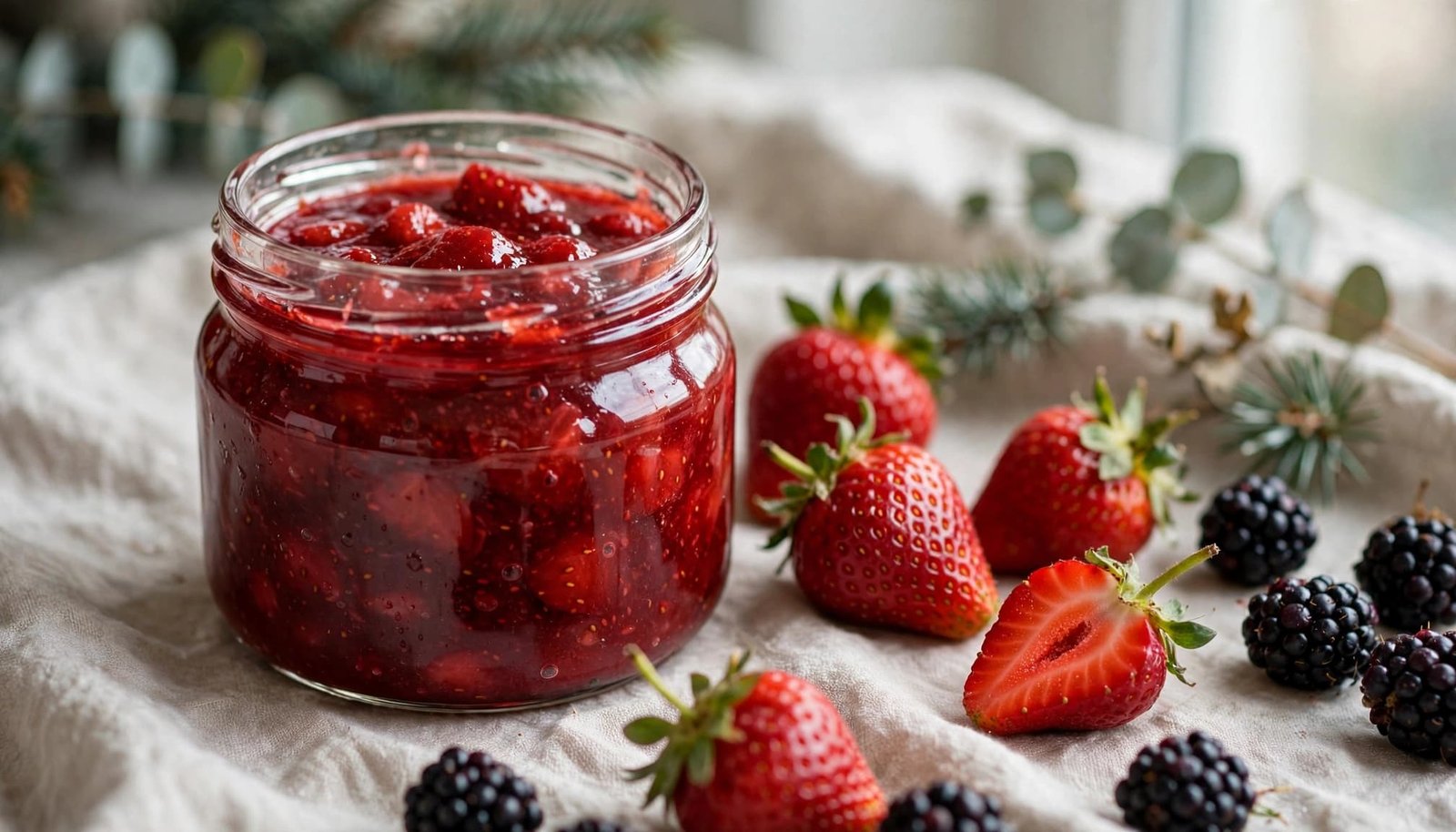
Gather the Four Ingredients for a Small Batch
This recipe makes a sweet, fruit-forward jam with a soft, spreadable texture. Measure the ingredients accurately, and use fresh powdered pectin so the jam has the best chance to set.
- 2 cups crushed strawberries or blackberries
- 4 cups sugar
- 1 package powdered pectin
- 1 cup water
The National Center for Home Food Preservation’s uncooked berry jam recipe uses these exact proportions. Strawberries contain little natural pectin, so don’t leave out the powdered pectin or adjust its amount. Follow the pectin package directions for the specified type, too, since pectin products can differ.
Rinse and prepare the berries, then crush them before measuring. Use the amount of crushed fruit called for, rather than estimating from whole berries. For Christmas jam recipes with seasonal flavors, keep this base formula unchanged; don’t add cranberry, citrus, or spices and assume the results will set the same way.
Make the Jam, Then Let It Set
Set out clean freezer-safe containers before you begin. The steps move quickly once the pectin boils, so having everything ready makes it easier to fill the containers without rushing.
- Stir the crushed fruit and sugar together in a bowl. Let the mixture stand for 20 minutes, stirring now and then.
- Meanwhile, dissolve the powdered pectin in 1 cup water in a saucepan. Bring it to a boil, then boil for 1 minute.
- Pour the hot pectin mixture into the fruit and sugar. Stir for 2 minutes, making sure everything is thoroughly combined.
- Ladle the jam into clean containers, leaving ½ inch of headspace at the top. Secure the lids and let the containers stand at room temperature for 24 hours.
That 24-hour rest gives the jam time to set. It does not make the recipe safe to store at room temperature afterward. Once the setting period ends, refrigerate the jam or transfer it to the freezer. Use refrigerated jam within 3 weeks, or freeze it for up to 1 year; thaw frozen jam in the refrigerator.
A small jar also makes a cheerful homemade treat to share with family. Pair it with easy homemade cookies for Dad for a simple kitchen-made gift.
Give the Berry Jam a Festive Twist Without Guesswork
A little seasonal flavor can make berry jam feel right at home on a holiday breakfast table. Keep the tested strawberry or blackberry base intact, though, and treat cranberry and spice additions as separate refrigerator or freezer experiments.
Choose a Berry Base That Sets Well
The base formula works with either crushed strawberries or crushed blackberries, measured after crushing. Choose one fruit and use the exact amounts in the recipe; swapping in a different berry or combining fruits changes the formula.
Commercial powdered pectin helps the jam gel. It matters especially with strawberries, which are naturally low in pectin. The National Center for Home Food Preservation’s strawberry jam recipe with pectin also uses specific fruit, sugar, and pectin proportions, showing why pectin needs to be paired with a tested recipe rather than added by guesswork.
If you want a cranberry-strawberry Christmas jam, look for a tested recipe that lists the exact amounts of both fruits and the correct pectin type and quantity. Cranberries have different properties from strawberries, so the amounts in this berry base can’t establish how a mixed-fruit batch will set or preserve. Keep the original formula unchanged when you want its expected texture and storage instructions.
Add Holiday Flavors Only to a Refrigerated or Frozen Batch
Cranberry, orange zest, cinnamon, cloves, and ginger all bring familiar holiday flavors. However, their quantities and effects on a mixed-fruit canning recipe haven’t been validated here. Adding them to this formula would change it, so don’t treat the result as tested or safe for shelf-stable storage.
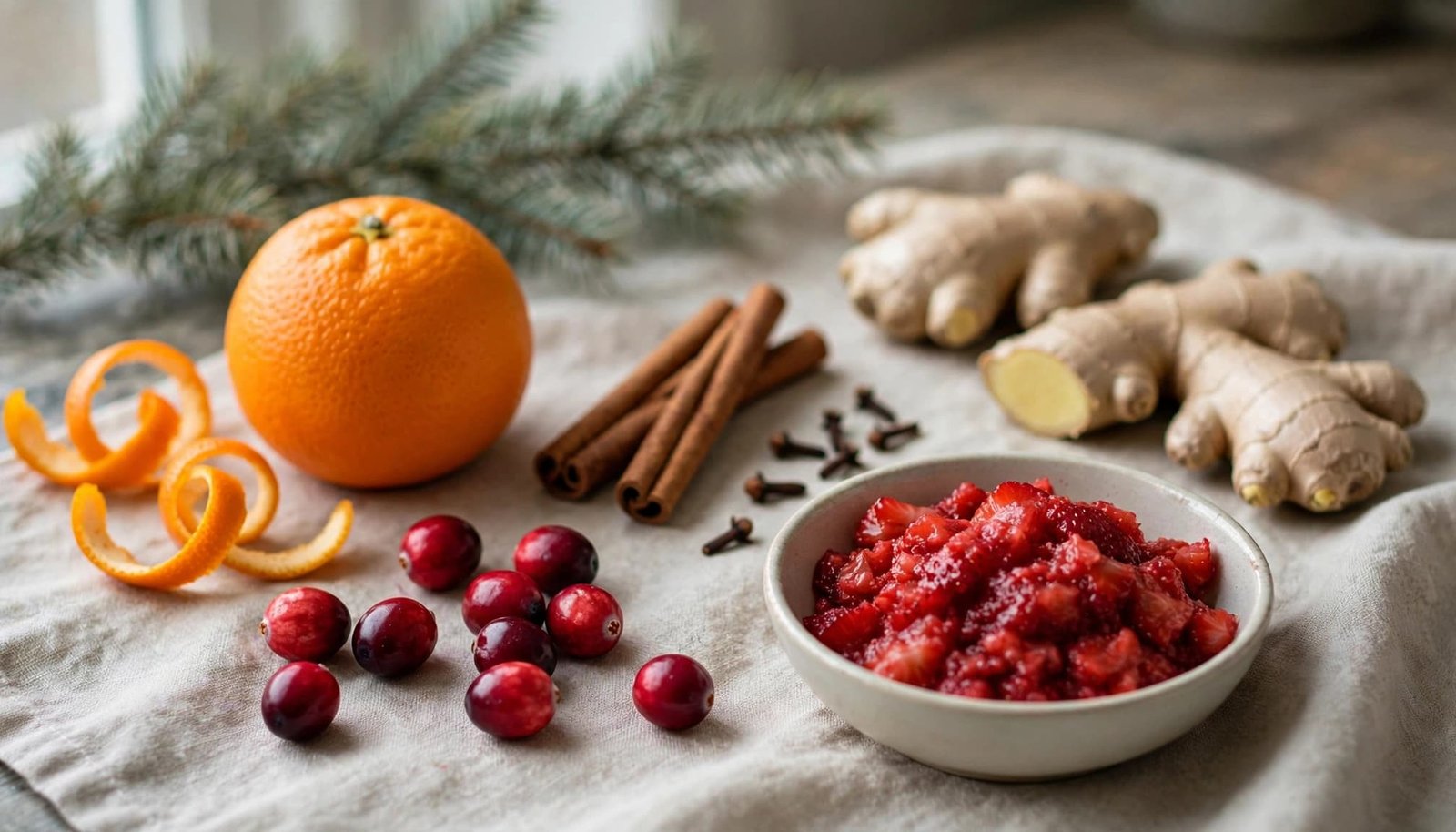
For a flavor experiment, make a small separate batch and keep it refrigerated or frozen. Additions can shift the balance of sweet and tart flavors, and they may also affect the jam’s texture or set. Since there isn’t a tested amount for these additions in this formula, avoid treating any amount as a dependable recipe adjustment.
Label each container with its contents and the date, especially if you have several versions in the refrigerator or freezer. Most importantly, a sealed lid doesn’t prove that an altered recipe is shelf-stable. Keep the batch cold, and use a tested canning recipe with exact ingredients and processing directions whenever you want pantry storage.
Know When Christmas Jam Needs the Fridge or the Canner
The berry jam in this recipe is refrigerator or freezer jam. Its 24-hour setting period does not make it shelf-stable, so keep it cold after it sets. For pantry storage, use a separate, tested canning recipe and follow its processing directions exactly.
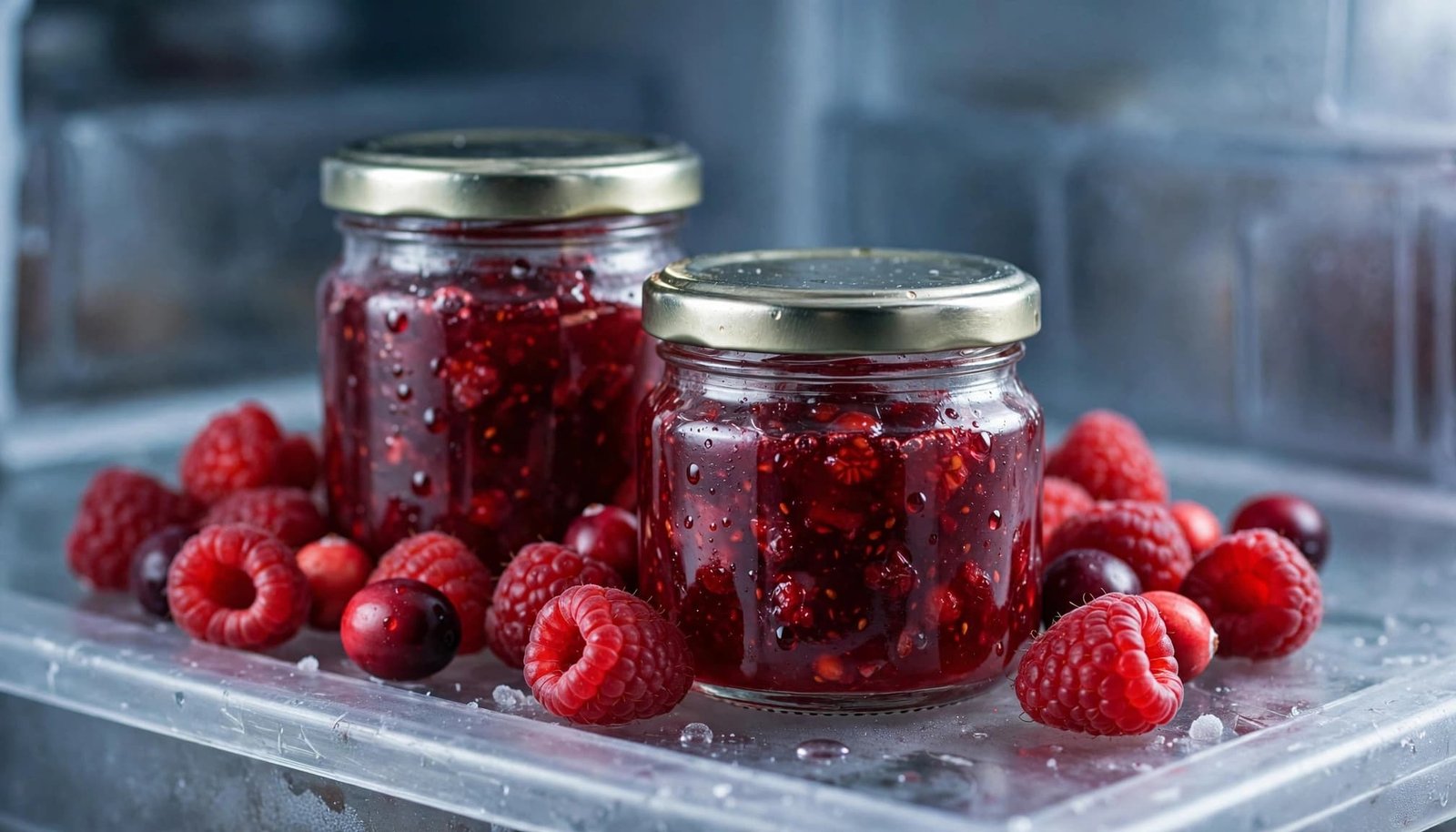
Store This Quick Refrigerator or Freezer Jam Safely
Once the jam has set, refrigerate it for up to 3 weeks or freeze it for up to 1 year. After opening, keep the container refrigerated and use the jam within a few days. Thaw frozen jam in the refrigerator, not on the counter.
Because this recipe isn’t processed for pantry storage, leaving it at room temperature can lead to mold or fermentation. Use a clean spoon each time you serve it, and return the jar to the refrigerator promptly.
Check the jam before serving. If you see mold, notice bubbles or other signs of fermentation, or smell something unusual and yeasty or alcohol-like, discard the entire container. Don’t scrape off mold and keep the rest. For more details on cold storage and opened preserves, see the National Center for Home Food Preservation’s jam storage guidance.
Use a Tested Recipe for Shelf-Stable Canning
Room-temperature storage requires a tested canning recipe that matches the fruit and pectin you plan to use. It must also specify the jar size, headspace, and boiling-water-canner process. Follow the full recipe, including its processing time and any altitude adjustments.
The berry freezer jam above hasn’t been tested for canning. Don’t convert it by adding fruit or acid, changing the pectin, or placing the filled jars in a canner. Even doubling a batch of a tested recipe can affect how it cooks and sets, so use the batch size specified.
A lid that seals after filling doesn’t prove the jam was safely processed. Shelf stability depends on the tested formula and the full canning process, not the seal alone. The National Center for Home Food Preservation’s canning guidance explains why tested recipes and correct processing matter.
Keep this distinction in mind when making Christmas jam recipes: enjoy this berry version from the refrigerator or freezer, and choose a tested recipe whenever you want jars for the pantry.
Fix Common Jam Problems and Serve It With Holiday Favorites
Even a well-measured batch can turn out softer or firmer than expected. Check the likely cause before adjusting it, and remember that this berry freezer jam must stay refrigerated or frozen.
Help Jam Set and Avoid a Too-Stiff Texture
If the jam is still loose after its 24-hour setting period, check that you used fresh powdered pectin and measured the crushed fruit, sugar, pectin, and water accurately. Also confirm that you followed the pectin package’s directions and boiled the pectin mixture for the specified time. Because this recipe depends on those proportions and timing, don’t boil the batch longer to force a set. Extended cooking can weaken pectin and may make the texture worse. The National Center for Home Food Preservation’s guide to jam problems offers more detail on common causes.
A batch that sets too firmly may have been overcooked or received too much pectin. To soften it for serving, gently reheat a small portion with a little water or fruit juice, stirring until it loosens. Add liquid sparingly so the berry flavor stays bright. The jam may not gel again after reheating, because overcooked pectin can lose its ability to form a gel. The NCHFP explains this in its guidance on stiff jams and jellies. Keep the softened jam refrigerated, and don’t reprocess it for pantry storage.
Spoon It Onto Breakfasts, Desserts, and Gift Treats
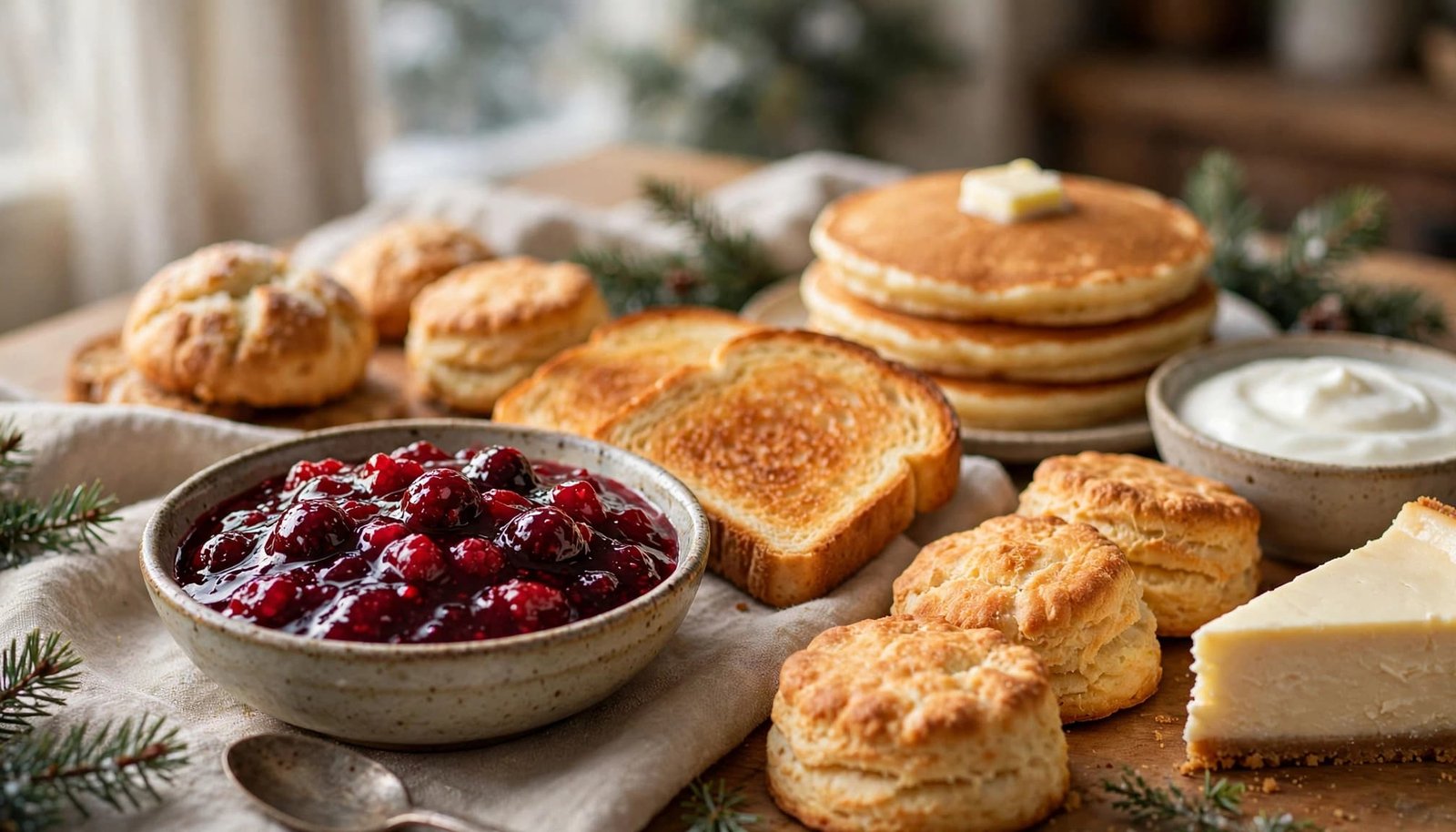
A spoonful of berry jam turns simple breakfast favorites into a festive spread. Serve it with warm toast, biscuits, or pancakes, or swirl it into plain yogurt for a quick snack. For dessert, spoon it over cheesecake or set it beside baked brie with crackers.
These Christmas jam recipes also make easy homemade gifts, as long as you share the jam with its storage needs in mind. Fill clean containers, label them with the jam’s name and preparation date, and keep them chilled or frozen until gifting. Include a clear note to refrigerate the jam or freeze it promptly, along with the recommended storage period. Small jars can also work well as homemade party favors, provided recipients know this freezer jam isn’t shelf-stable.
Conclusion
The best Christmas jam recipes start with the right formula for the fruit and pectin, then follow its directions exactly. This berry version is a simple, festive spread for toast, scones, and homemade treats, but it must stay refrigerated or frozen. For pantry-ready jars, use a separate tested canning recipe and its complete processing instructions.
A small batch can bring bright berry flavor to breakfast and add a personal touch to homemade gifts. Keep it cold, label it clearly, and enjoy every spoonful.
Save the pin for later

- Christmas Jam Recipes: A Simple Berry Freezer Jam - November 7, 2026
- Christmas Cake Ideas for Every Holiday Table - November 7, 2026
- Christmas Baking Recipes for a Festive Cookie Tray - November 7, 2026

