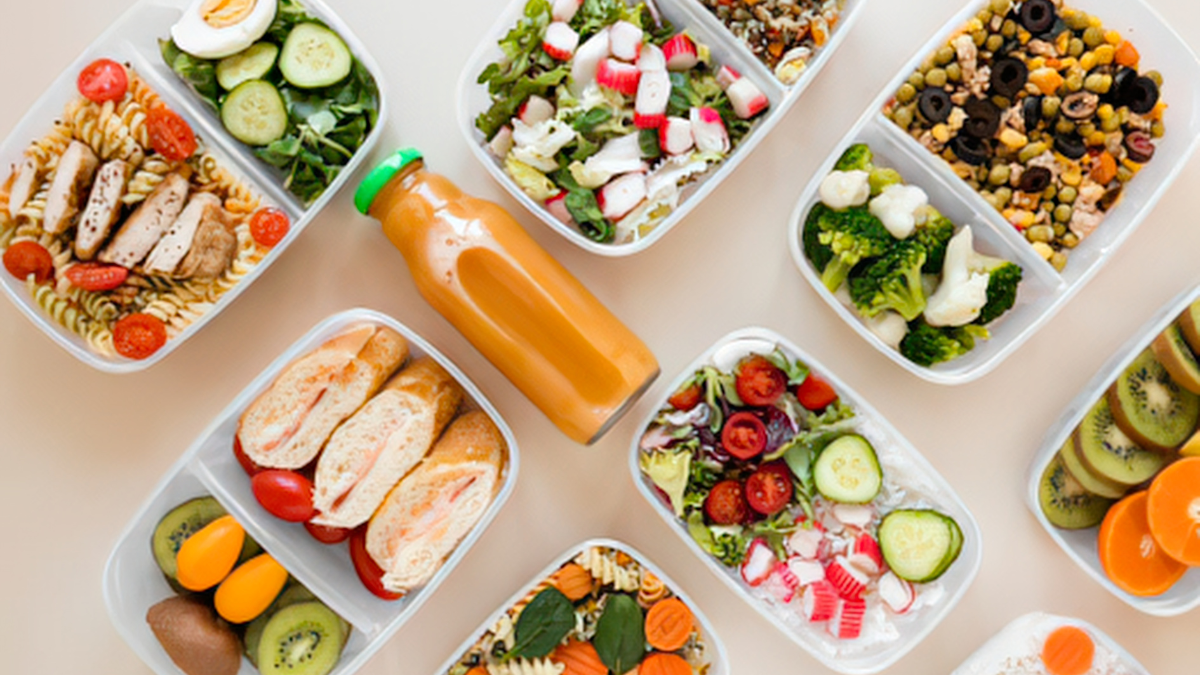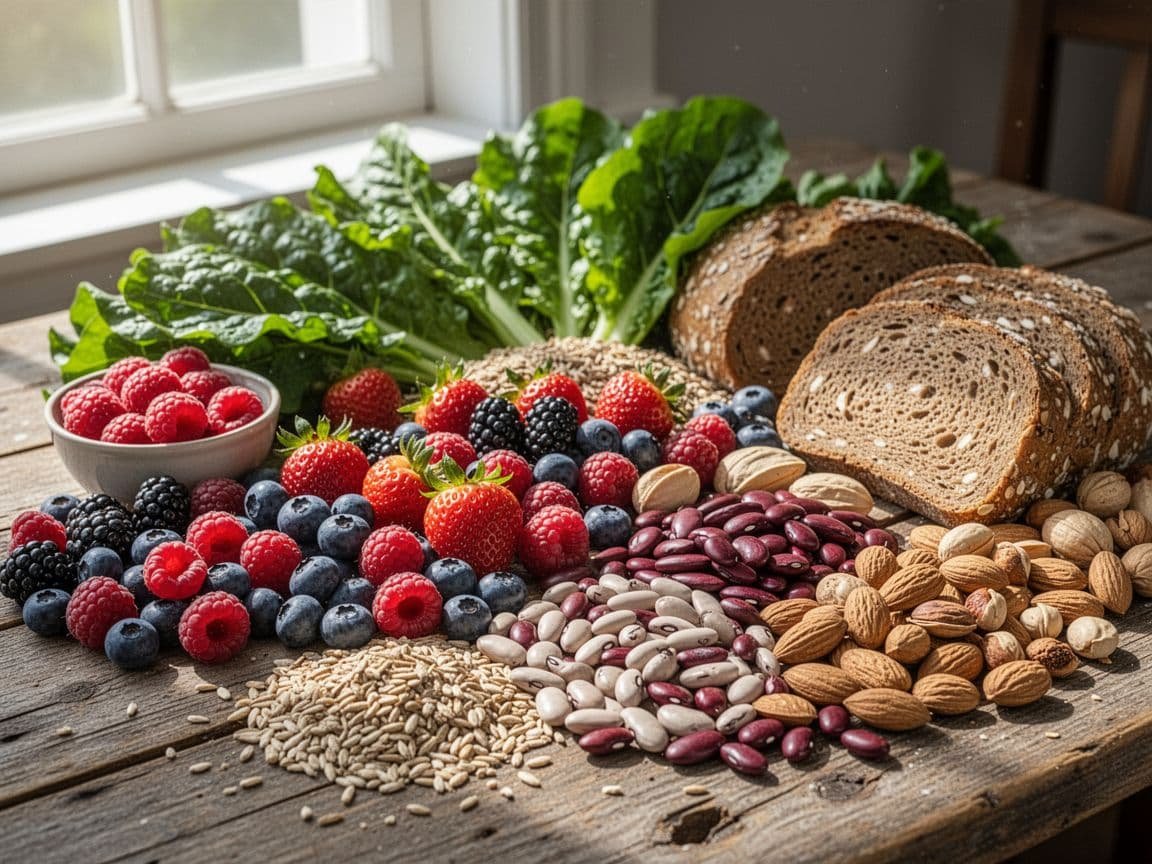
Building a high-fiber food list makes healthy eating a lot easier, because you’re not starting from scratch every time you plan a meal or shop for groceries. Fiber does more than keep digestion moving, it also helps you feel full, supports gut health, steadies blood sugar, and plays a part in heart health.
If you’ve ever stared at the fridge and wondered what to buy that’s both filling and good for you, you’re not alone. The best fiber choices are often simple foods you already know, like fruits, vegetables, beans, whole grains, nuts, and seeds.
This guide pulls those foods together in one place, then shows you easy ways to use them in everyday meals without overcomplicating your plate. Top 21 High-Fiber Foods + How Much Fiber You Really Need
What Makes a Food High in Fiber?
Fiber is the structural backbone of plant-based foods, and your body cannot digest it. While most nutrients break down into energy, fiber passes through you, acting like a gentle brush for your digestive tract. This roughage is found exclusively in plants, such as fruits, vegetables, whole grains, nuts, and legumes.
When you look for high-fiber items, you are really looking for foods that remain close to their natural state. These choices pack more punch than processed alternatives, which often have their fibrous parts stripped away during refining. Choosing whole foods does not need to be a perfect science; even small swaps, like choosing brown rice over white, add up quickly for your health.
Soluble fiber and why it helps
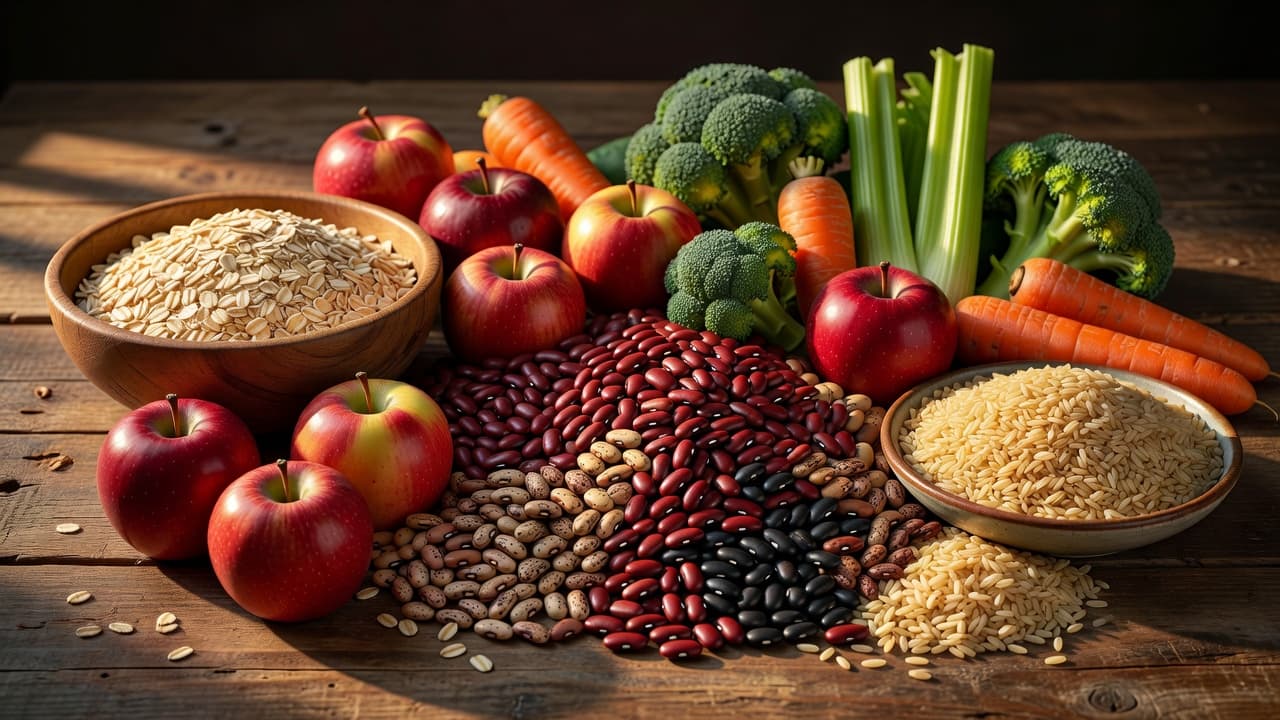
Soluble fiber acts like a sponge, absorbing water as it moves through your body. By turning into a gel-like substance during digestion, it performs several quiet miracles for your health. This process slows the speed at which food leaves your stomach, which helps your blood sugar stay steady after you eat.
In addition to managing sugar levels, this gel binds to cholesterol particles and carries them out of your body before they enter your bloodstream. You can find this type of fiber in heart-healthy staples like oatmeal, crisp apples, and various types of beans. If you want to understand more about these benefits, read about how soluble fiber works for your daily health.
Insoluble fiber and why it matters
If soluble fiber is the sponge, insoluble fiber is the broom. This type does not dissolve in water; instead, it remains intact, adding bulk to your digestive waste. It pushes materials through your intestines, which keeps you regular and prevents the frustration of constipation.
You will find plenty of this essential roughage in hearty whole-grain foods, like brown rice and whole wheat bread, as well as crunchy vegetables. Think of these foods as the reliable mechanics of your digestive system. While your body processes the nutrients, this fiber ensures everything moves at the right pace. Balancing your intake with these plant-based staples is a key part of maintaining healthy dietary habits during pregnancy and for general wellness.
Why whole foods usually win
The most reliable way to get enough fiber is to prioritize whole, minimally processed ingredients. When food remains in its original package, such as the skin on an apple or the bran on a wheat kernel, it holds onto its natural fiber content. Refining processes often remove these parts to improve shelf life or texture, but those are exactly the pieces your body needs.
You do not have to overhaul your entire pantry overnight to see the benefits. Simply choosing items that look like they came from the ground or a tree is a solid first step. Whether you are using efficient meal planning for busy schedules or just grabbing a quick snack, focus on whole grains and fresh produce. You will find that these choices are not just better for your digestion, but they also offer a wider array of vitamins and minerals. Research shows that health benefits of dietary fibers differ based on the source, so variety is your best friend when building a balanced plate.
The Best High-Fiber Food List for Everyday Meals
Building a high-fiber routine does not require specialized ingredients or complex prep. The best sources are often staples already sitting in your kitchen, waiting to be used. By focusing on whole plants, you naturally increase your fiber intake with every bite. The following list breaks down the most effective options by category, so you can easily spot your next grocery store addition or meal-time swap.
Fruits that bring fiber and natural sweetness
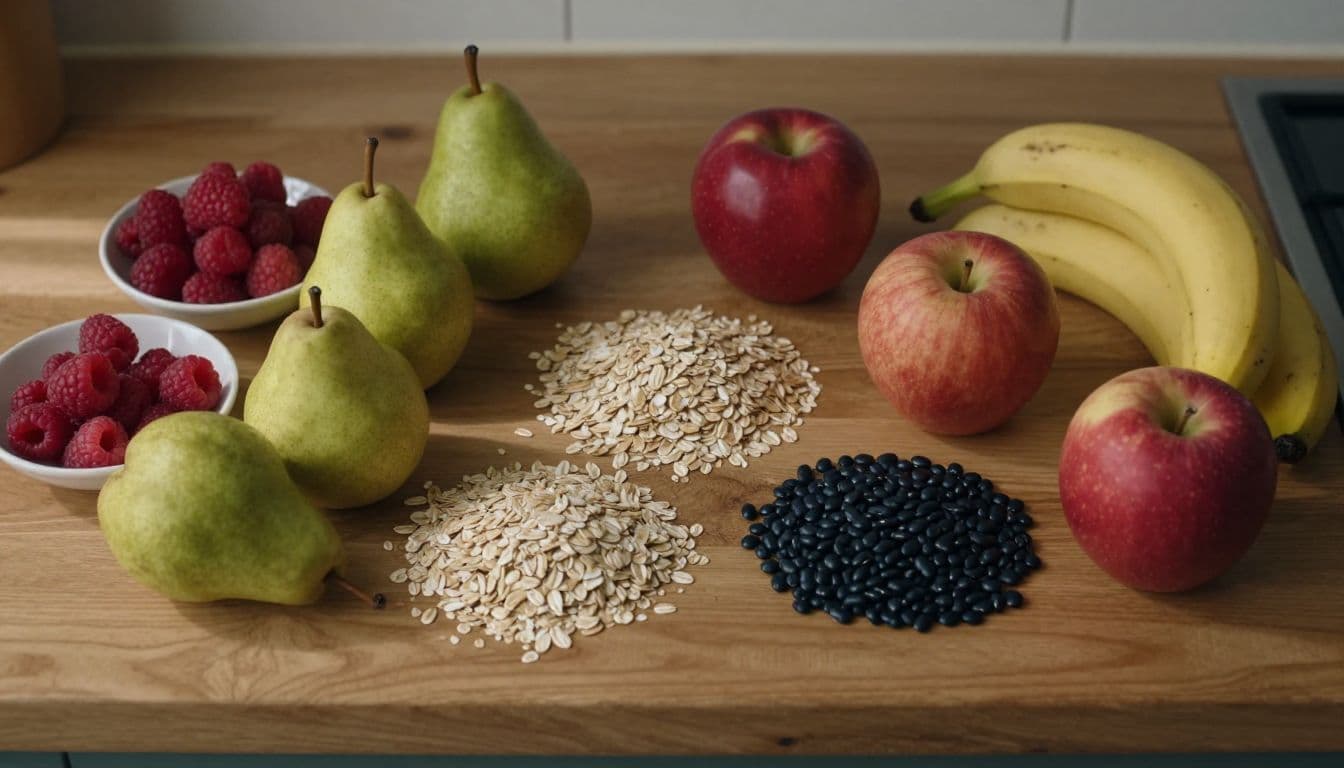
Fruits are a simple way to boost your daily fiber without much effort. Raspberries lead the pack, offering a significant fiber punch in every small handful. Pears and apples are also excellent, especially when you keep the skin on. That peel is where much of the plant’s structural fiber hides, so eating it provides a better nutritional return.
Bananas and oranges round out the list as accessible, portable snacks that fit into any busy day. To include these in your routine, stir fresh raspberries into your morning oatmeal, or toss sliced apples into a salad for a bit of crunch. Avocados are another heavy hitter, adding creamy texture and impressive fiber counts to your lunch or breakfast toast.
Vegetables that quietly add a lot of fiber
Vegetables often provide the bulk of your fiber during main meals. Broccoli and Brussels sprouts are reliable choices, whether you roast them for dinner or steam them as a quick side. Carrots provide a satisfying crunch, while sweet potatoes offer a hearty base that keeps hunger away for hours. Peas are another secret weapon, blending easily into soups or grain bowls for an extra fiber boost.
These vegetables do not need to feel heavy or complicated. You can add them to your plate at lunch or dinner to increase volume and satisfaction. If you are looking for creative ways to incorporate these into your family routine, check out some nutritious plant-based recipes for kids to help everyone get more greens in their diet.
Beans, lentils, and chickpeas that fill you up
Legumes are perhaps the most potent source of fiber you can keep in your pantry. Black beans, kidney beans, and chickpeas are incredibly versatile, forming the backbone of many filling stews, salads, and tacos. Lentils and split peas cook faster than many people realize and provide a steady supply of energy that prevents mid-afternoon slumps.
These ingredients are perfect for batches of cooking that serve you throughout the week. Because they are so dense in fiber and plant-based protein, they keep you full much longer than refined carbohydrates. For more ideas on how to incorporate these into your evening meals, look into simple kid-friendly noodle meals where beans or lentils act as a filling base. You can also explore a chart of high-fiber foods to see how different legumes stack up.
Whole grains that make meals more satisfying
Swapping out refined white grains for whole alternatives is one of the easiest ways to improve your diet. Oats, barley, and brown rice provide a hearty texture and a steady release of energy. Whole wheat bread and whole grain pasta are also simple, effective swaps that require no change to your favorite recipes.
Whole grains retain the bran and germ, which is where the fiber lives. When you choose these over processed options, you improve your digestion and support consistent energy levels. Make it a habit to scan labels for the word “whole” at the start of the ingredient list, ensuring you get the full nutritional benefit of the grain.
Nuts and seeds that add a small but strong fiber boost
Nuts and seeds serve as the perfect topping or quick snack. Chia seeds and flaxseed are tiny, but they pack a significant amount of fiber into just a tablespoon or two. Almonds, pistachios, and sunflower seeds offer a satisfying crunch that makes them ideal for snacking on the go.
Because they are calorie-dense, a small portion goes a long way. Sprinkle them over your morning yogurt bowl, add them to your lunchtime salad, or keep a small container in your bag for when hunger strikes. For further details on how to select and use these, reference high-fiber foods guidance to help round out your daily intake. Small, consistent additions of these crunchy powerhouses can change the way you feel throughout the day.
How High-Fiber Foods Support Health Beyond Digestion
While many people turn to fiber specifically to keep their digestion moving, its impact stretches much further. A diet rich in plants influences everything from how your heart functions to how your energy levels hold steady throughout the afternoon. When you prioritize these foods, you provide your body with the tools it needs to stay balanced, satisfied, and energized for the long haul.
A happier gut and more regular bathroom habits
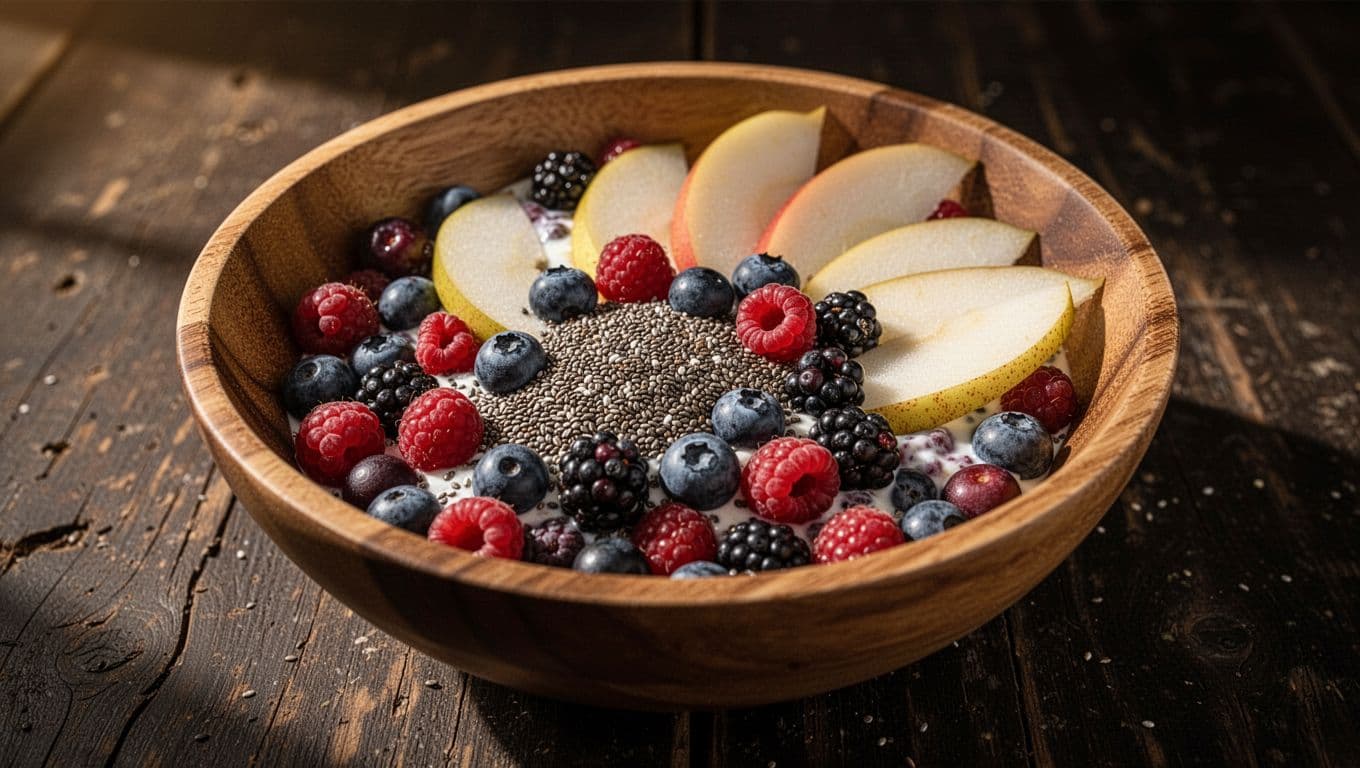
Fiber acts as the primary fuel for a smooth, predictable digestive rhythm. When you eat enough of it, fiber absorbs water, which softens your stool and increases its volume. This simple physical change makes bowel movements much easier to pass, which effectively prevents the discomfort of constipation.
Beyond just preventing issues, a high-fiber intake promotes an environment where good bacteria thrive in your gut. Think of fiber as the preferred food for your internal ecosystem. By consistently feeding these beneficial microbes, you support a calmer, more efficient digestive tract. If you want to learn more about maintaining healthy digestion as you age, small dietary adjustments are often the most sustainable place to start.
Better fullness for weight control
If you struggle with constant grazing or feeling hungry shortly after a meal, fiber is your best defense. Because your body cannot break down fiber, it stays in your stomach longer than other nutrients. This creates a sense of physical fullness that signals to your brain that you are satisfied, which naturally discourages overeating.
This satiating effect makes it easier to resist the urge for extra snacks. You avoid the cycle of highs and lows that comes from refined snacks, keeping your focus on the task in front of you instead of your next meal. Choosing fiber-dense whole foods like beans, lentils, and oats serves as an easy way to manage your intake without the stress of strict calorie counting.
Support for blood sugar and heart health
Fiber plays a vital role in how your body handles the sugar from your food. By slowing down the rate of digestion, it prevents the sharp spikes in blood sugar that often lead to energy crashes. This steady release provides a reliable stream of fuel for your body rather than a quick, fleeting burst. You can read more about how fiber helps with blood sugar management to see why this stability is so effective for overall energy.
The benefits extend to your heart as well. Certain types of fiber bind to cholesterol in your digestive system, preventing it from entering your bloodstream. Over time, this process helps lower levels of bad cholesterol, which keeps your cardiovascular system functioning well. Beyond these internal shifts, high-fiber habits are known for lowering blood pressure and reducing inflammation throughout the body. By simply choosing a piece of fruit or a handful of nuts, you protect your long-term health while enjoying a better meal right now.
How to Add More Fiber Without Feeling Bloated
Adding more fiber to your diet is a smart move for your digestion, but your body needs time to adjust. If you suddenly double your intake, your gut bacteria may produce excess gas, leading to uncomfortable bloating or cramps. The secret to success is patience. You want to ease into these changes rather than rushing, which keeps the process manageable and comfortable. If you find your stomach feels sensitive, add fiber-rich foods to your diet gradually to give your system time to catch up.
Start with one smart swap a day
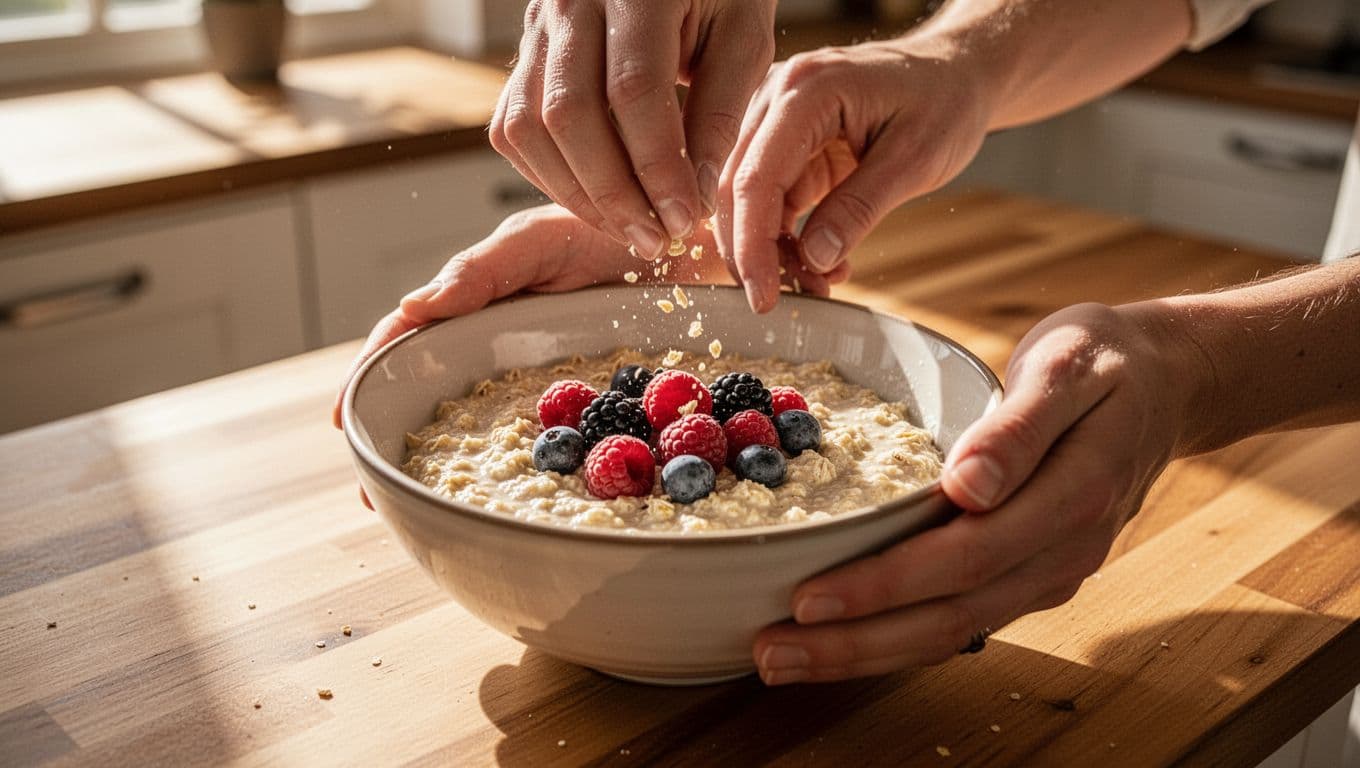
You don’t need to overhaul your entire pantry to see a difference. Start by picking just one meal where you can make a simple, fiber-forward switch. This tiny change prevents overwhelming your digestive system while helping you build better habits.
- Swap your sugary breakfast cereal for a bowl of creamy oatmeal topped with fresh berries.
- Replace plain white rice with a hearty serving of brown rice or nutty quinoa as your dinner base.
- Trade a portion of the meat in your taco or chili recipe for protein-packed black beans or lentils.
Build meals around fiber-rich ingredients
Making fiber the foundation of your plate is easier than it sounds. Instead of looking at vegetables or grains as an afterthought, put them at the center of your meal planning. This approach fills you up without the need for complex recipes or heavy portions.
Keep it simple by roasting a pan of broccoli and Brussels sprouts to serve as the base for a grain bowl. Alternatively, add sliced fruit like apples or pears to your midday salad for a crisp, sweet boost. For dinner, try filling half your plate with colorful, fiber-dense vegetables or a mix of cooked legumes. This keeps your meals satisfying and naturally boosts your nutrient intake throughout the week. You can find helpful tips on healthy pregnancy meal planning with fiber to see how these staples can easily anchor your daily routine.
Drink more water as fiber goes up
Fiber acts like a sponge in your digestive tract, soaking up fluid as it travels through. If you increase your fiber intake without matching it with extra water, things can get stuck. Drinking plenty of fluids keeps everything moving smoothly and is the best way to boost your fiber intake while minimizing bloating.
Aim to sip water consistently throughout the day rather than drinking a large amount all at once. If you find plain water boring, keep it interesting with a slice of lemon or cucumber. Staying hydrated ensures the fiber you add does its job, keeping you feeling light, regular, and comfortable. Remember, a gradual increase over several weeks is the most reliable path to a healthier gut without the unwanted gas.
A Simple High-Fiber Grocery List You Can Use Right Now
Eating well shouldn’t break the bank. You don’t need expensive superfoods to meet your daily fiber goals. By focusing on simple, whole-food staples, you can build a nutritional foundation that lasts all week. These items are versatile, easy to find at any local store, and keep well in your pantry or freezer until you need them.
Budget-friendly fiber foods to keep on hand
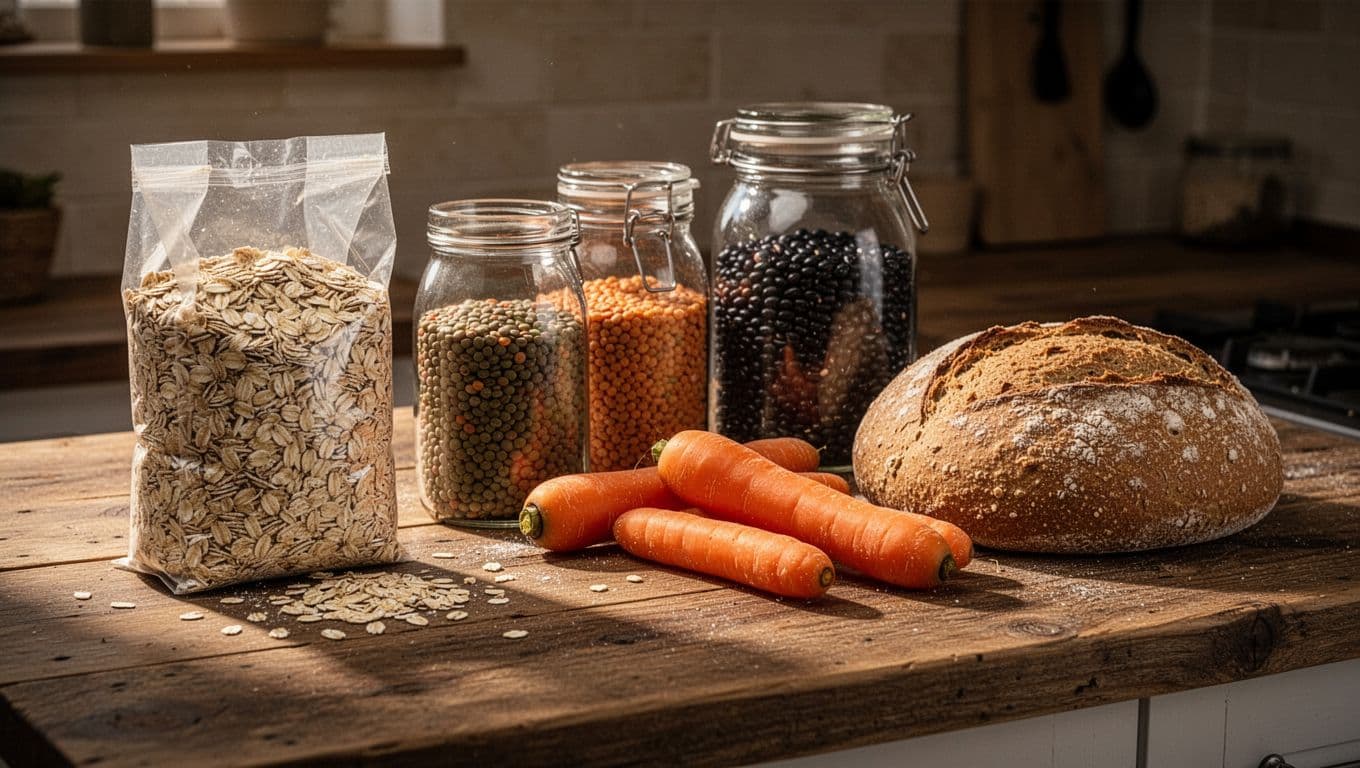
Your pantry is the starting point for consistent fiber intake. When you have reliable, low-cost ingredients ready, you’re much less likely to reach for processed snacks. Stocking up on dry goods and freezer staples allows you to stretch your grocery budget across multiple meals without sacrificing quality.
- Dried beans and lentils: These are absolute powerhouses. You can buy them in bulk for a fraction of the cost of canned goods, and they add incredible substance to soups, stews, and salads.
- Old-fashioned oats: A container of oats is one of the most affordable investments for your health. It serves as a base for breakfast or a thickening agent for baked goods.
- Frozen vegetables: Produce like broccoli, peas, and carrots are flash-frozen at their peak, retaining their nutrients and fiber. They are ready whenever you need a quick side dish or a stir-fry component.
- Whole wheat bread: Look for loaves where whole wheat flour is the first ingredient. It’s a simple swap that makes your daily sandwiches and toast more filling.
- Apples and carrots: These fresh items have a longer shelf life than most delicate produce. They are perfect for snacking or shredding into recipes to add volume and crunch.
For more insights on managing costs while eating well, check out these high-fiber pantry items to buy every week to keep your kitchen stocked.
Easy fiber foods for breakfast, lunch, and dinner
Incorporating fiber doesn’t have to change your routine. It’s about making smarter choices during the meals you already eat. By layering these ingredients into your day, you reach your goals almost automatically.
For breakfast, try a bowl of warm oatmeal topped with sliced bananas or berries. If you prefer something savory, whole wheat toast with smashed avocado offers a strong fiber start. Lunch is an ideal time for a hearty bean salad or a bowl of lentil soup; both are easy to prep ahead of time. When dinner arrives, pair your favorite protein with roasted carrots or steamed broccoli. Using brown rice or quinoa as a base instead of white rice also keeps your fiber intake high and your energy stable through the evening.
Healthy snacks that help you stay on track
Snacking is where most of us fall short of our fiber targets. Instead of reaching for chips or crackers, keep a few high-fiber options within arm’s reach. These combinations keep you satisfied until your next meal.
A crisp apple with a tablespoon of peanut or almond butter is a classic, fiber-rich choice. You can also roast a batch of chickpeas with olive oil and spices for a crunchy, satisfying alternative to processed snacks. Trail mix featuring nuts, seeds, and dried fruit is another great option, but watch the portion sizes since it’s calorie-dense. Finally, plain yogurt topped with chia seeds or flaxseed adds a boost of fiber to your day that keeps your digestion running smoothly. Keeping these simple snacks on hand makes it easier to stay consistent with your health goals.
Conclusion
A high-fiber food list is a simple tool for better everyday eating. It turns the guesswork of meal planning into a reliable rhythm. By keeping staples like whole grains, beans, and fresh fruits on hand, you provide your body with consistent energy and support for your heart and digestion.
These foods help you stay full and satisfied throughout the day without the need for complicated prep. You do not need to overhaul your entire kitchen at once to see the benefits. Start with one small change, like adding an extra piece of fruit or a scoop of beans to your lunch, and watch how it makes a difference in your day.
Save pin for later

- What Causes a Flat Head Shape in Babies? - September 20, 2026
- Baby Massage for Gas Pain: Step-by-Step Instructions - September 20, 2026
- Newborn Skin Peeling: Common Causes and Warning Signs - September 20, 2026