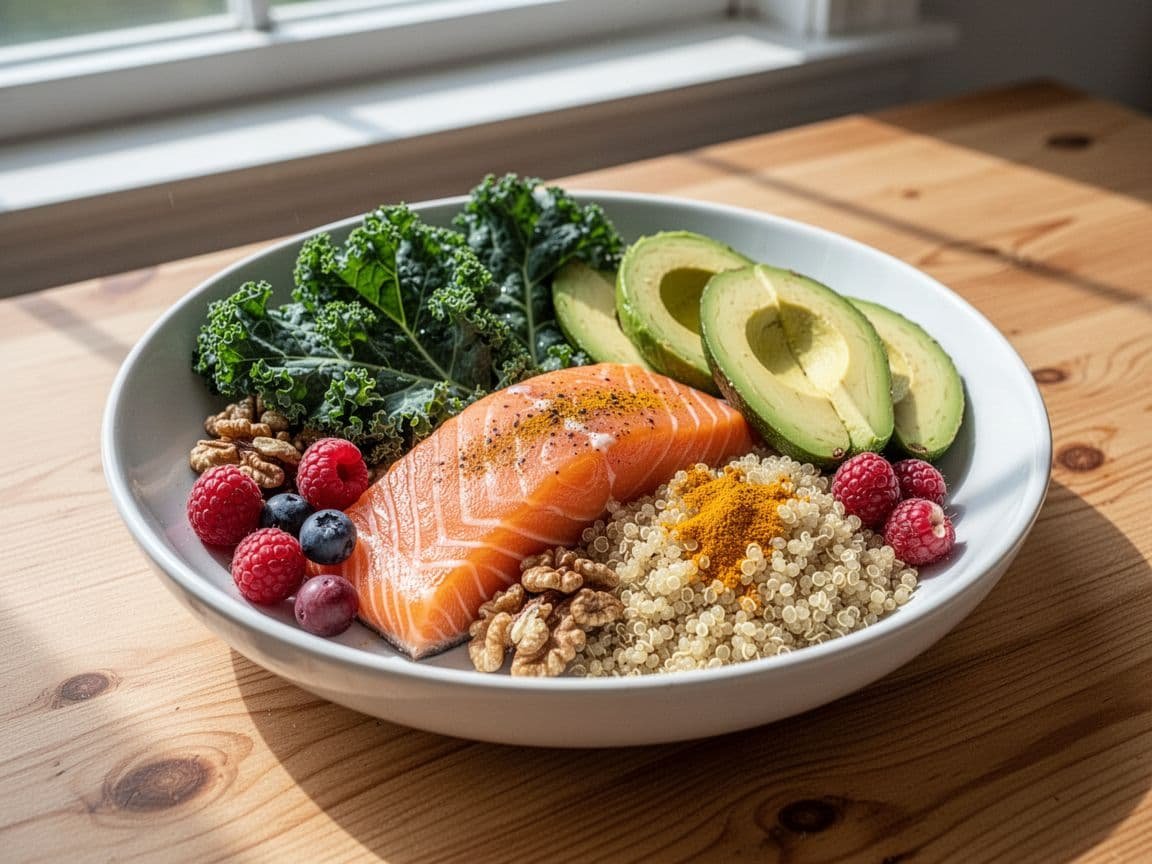
Just as a calm, slow morning sets the rhythm for your entire day, the food you place on the table can quiet the chaos of family life. Many parents find that shifting toward anti-inflammatory meals is a gentle way to help everyone feel more balanced, energized, and ready for whatever comes next.
These meals are simply dishes built around whole foods, like vibrant vegetables, fruits, healthy fats, and whole grains, while cutting back on heavily processed options and excess sugar. This approach to eating isn’t just for one person with specific health concerns; it is a nourishing choice for the whole house. When you focus on these nutrient-dense ingredients, you often notice steadier energy levels, better digestion, and fewer of those grumpy snack-time crashes that plague tired kids and adults alike.
If you are looking to simplify your routine, building healthy habits for moms can make this transition feel doable instead of overwhelming. This guide offers practical, tasty ideas to help you fill your kitchen with meals that support your family’s health every single day. For more visual inspiration on what this looks like in practice, you might enjoy this helpful video guide.
What anti-inflammation meals really mean for a family table
Think of inflammation as your body’s alarm system. When you face stress, your body triggers a fight-or-flight response to protect you. This system works well during emergencies, but modern life often keeps this alarm blaring on low volume. Chronic stress keeps your system active, which can lead to ongoing internal wear and tear. Choosing the right foods is one of the most effective ways to turn that alarm down and help your family recover from the daily grind.
The simple food pattern that works best
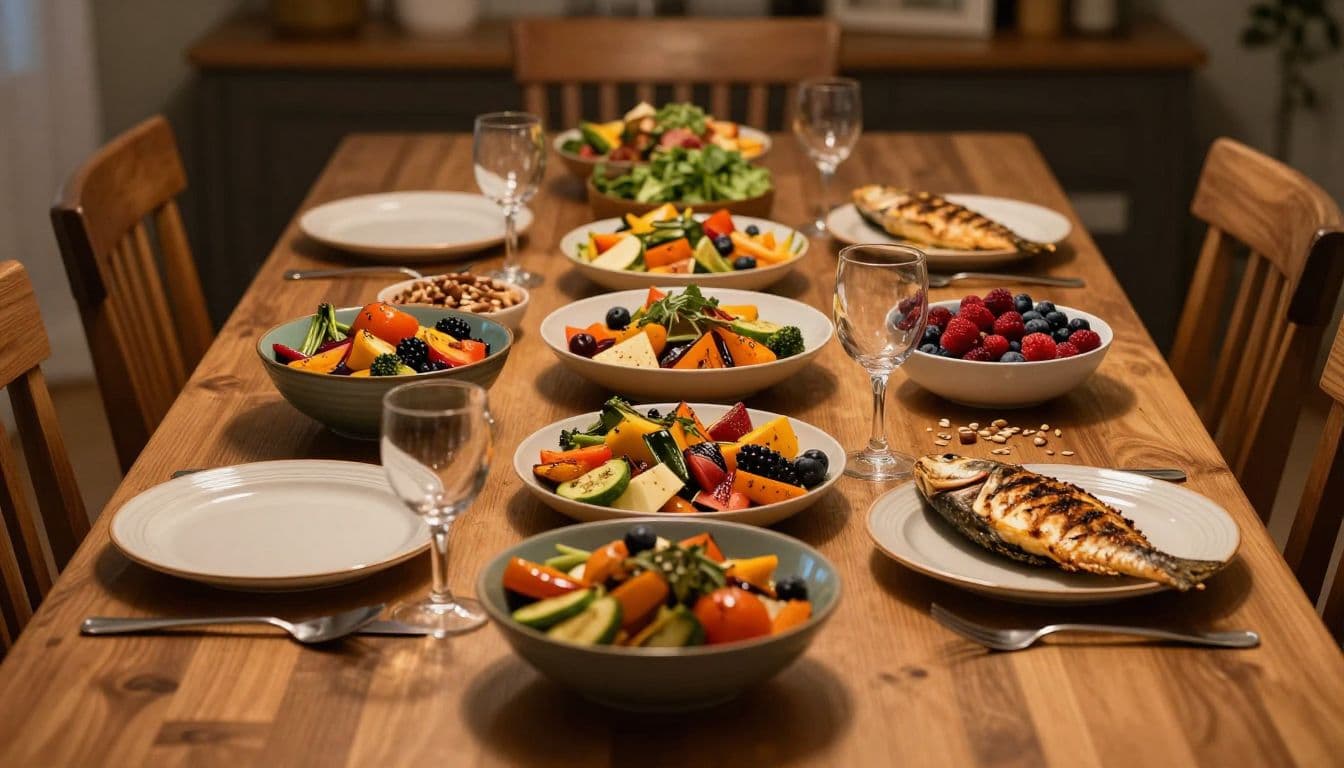
You do not need a complicated list of rules to follow an anti-inflammatory approach. The core pattern relies on filling your plate with color and variety rather than restriction. Think of it as a plant-forward way of eating that centers on ingredients your body recognizes and uses easily.
- Colorful produce: Aim for a rainbow of vegetables and fruits, as these provide the antioxidants needed to neutralize stress-related damage.
- Whole grains and legumes: Oats, brown rice, quinoa, beans, and lentils offer steady fiber that keeps your gut happy and your blood sugar stable.
- Healthy fats: Avocado, olive oil, nuts, and seeds provide the building blocks your brain and body need to function without unnecessary friction.
- Lean proteins: Fish, especially those rich in omega-3s, serves as a great centerpiece for your meals.
The goal is balance, not perfection. If you keep your kitchen stocked with these staples, you can pull together a nourishing meal without stress. When you need a little help organizing your kitchen for this, a meal prep guide for busy families can make the process feel much more natural.
Why this style of eating works well for kids and adults
This way of eating does more than just fill hungry bellies. It provides a foundation for better energy and mood regulation throughout the day. When you swap out processed items for whole foods, you avoid the spikes and crashes that often lead to irritability and afternoon fatigue.
Steadier blood sugar is a major win for parents and children alike. It helps everyone maintain focus during school or work and keeps moods consistent when things get busy. Furthermore, these nutrient-dense meals support a stronger immune system and better heart health for every generation at the table. Research on anti-inflammatory diets confirms that prioritizing these foods early in life helps reduce risks for chronic health issues as kids grow older. Digestion often improves as well, largely because fiber-rich plants keep your gut environment diverse and thriving. Eating this way is a simple, effective investment in your family’s future well-being.
Build meals around foods that help, not foods that drain energy
Filling your kitchen with ingredients that provide lasting fuel is the easiest way to keep your family feeling their best. When you center meals on whole, unprocessed items, you naturally crowd out the heavy, sluggish options that often cause energy crashes. This shift creates a rhythm where your pantry works for you, making daily cooking feel less like a chore and more like a simple, healthy habit.
Best anti-inflammatory foods to keep in the kitchen
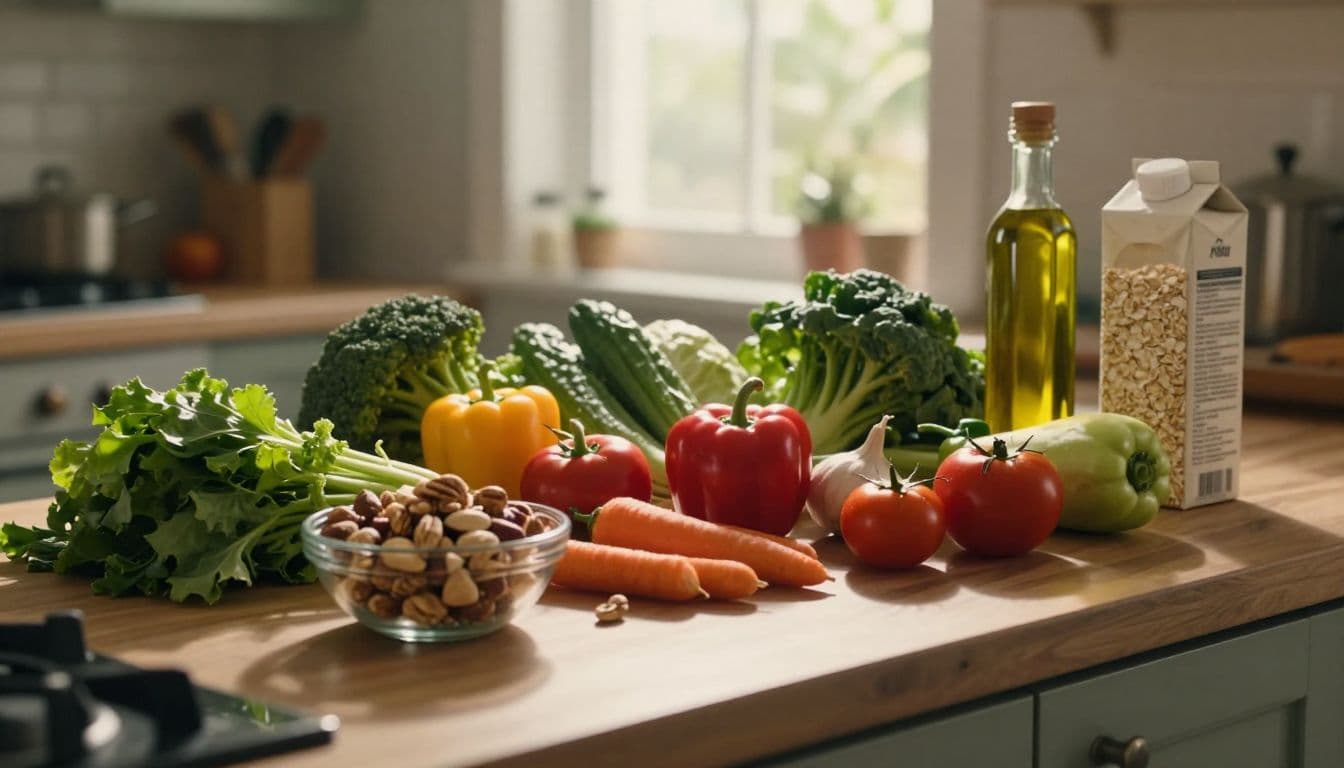
Having a well-stocked kitchen removes the stress of deciding what to cook after a long day. You can build flavorful, nutrient-dense meals by keeping a few core categories on hand. Frozen produce is a fantastic tool here; it is just as nutritious as fresh options, often costs less, and lasts much longer in your freezer.
- Colorful fruits and vegetables: Keep berries, leafy greens, broccoli, and peppers in your rotation. These provide the antioxidants your family needs to stay strong.
- Whole grains: Stock your pantry with oats, brown rice, and whole wheat pasta. They offer consistent fiber that keeps everyone feeling satisfied.
- Beans and lentils: These are affordable, plant-based powerhouses that add texture and nutrition to soups, stews, or salads.
- Healthy proteins and fats: Keep salmon, tuna, olive oil, nuts, and seeds stocked. These ingredients provide essential omega-3s, as noted by Johns Hopkins Medicine.
Foods to limit without making family meals feel strict
You don’t need a list of forbidden foods to improve how your family eats. Focus instead on adding more of the good stuff. When you fill your plates with vibrant, whole foods, there is simply less room for items that drain your energy. Gently limit sugary drinks, highly processed snacks, fast food, and refined flour by choosing better alternatives as they run out.
If you find yourself relying on convenience foods, it is often a sign that you need a simpler plan. Being aware of unhealthy habits affecting women’s wellness can help you reframe how you approach your pantry. Small, consistent changes are much easier to stick to than drastic, restrictive ones. By prioritizing fresh, wholesome ingredients over time, you build a sustainable way of eating that supports your whole family.
Easy anti-inflammation meals the whole family can actually eat
Switching your kitchen routine doesn’t mean spending hours prepping complex gourmet dishes. It is about simple swaps that keep your family satisfied without the heavy, sluggish feeling that follows many traditional meals. When you prioritize real, whole foods, the natural flavors shine and the health benefits add up with every bite.
Breakfast ideas that start the day with steady energy
Mornings are often a blur, so focus on options that provide sustained fuel rather than a quick spike of sugar. Preparing a few staples ahead of time ensures that even on the busiest days, you have a solid foundation to build on.
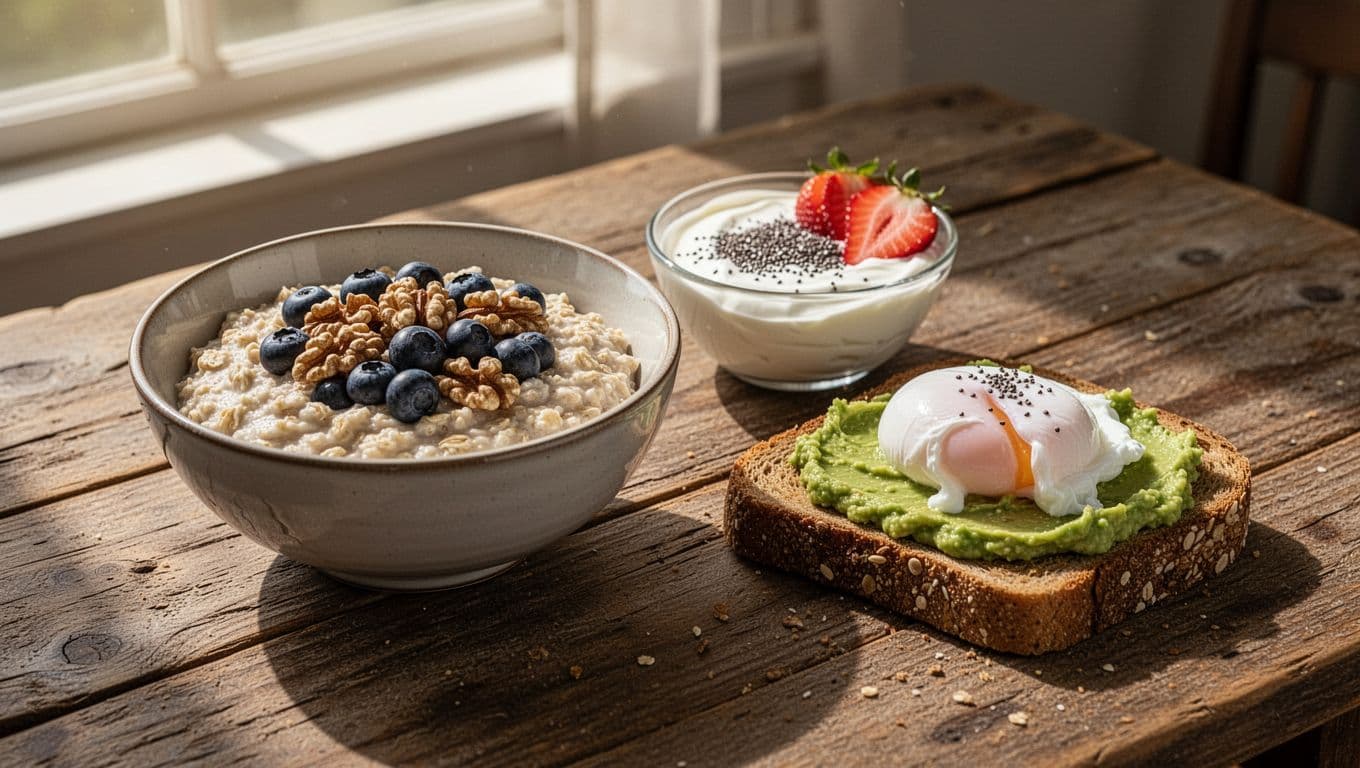
- Creamy oatmeal bowls: Simmer rolled oats with water or almond milk, then top them with a handful of fresh blueberries and crunchy walnuts. This provides fiber and omega-3 fatty acids that keep energy levels steady until lunch.
- Yogurt parfaits: Scoop plain Greek yogurt into small bowls and layer it with chia seeds, pumpkin seeds, and seasonal fruit. This combination is quick to assemble and offers a balance of protein and healthy fats.
- Savory avocado toast: Spread ripe avocado onto toasted whole-grain bread and top it with a soft-poached or fried egg. This savory option keeps hunger at bay longer than a standard bowl of cold cereal.
- Veggie-packed muffins: Whisk eggs with spinach, diced bell peppers, and onions, then bake them in a muffin tin. These are perfect for grab-and-go mornings when everyone is running out the door.
Lunch and dinner ideas that fit busy weeknights
When the evening schedule fills up, you need meals that minimize cleanup and maximize nutrition. One-pan cooking is your best friend here, as it traps all those healthy flavors together while saving you from a pile of dirty dishes.
- Sheet-pan salmon: Roast wild-caught salmon fillets alongside broccoli florets and sweet potato wedges tossed in olive oil. For more inspiration on these simple methods, check out anti-inflammatory sheet-pan dinners.
- Colorful stir-fry: Sauté chicken strips with plenty of snap peas, bell peppers, carrots, and bok choy in a light sesame and ginger sauce. Serve this over a small bed of brown rice or quinoa to keep it hearty.
- Hearty lentil chili: Simmer lentils with crushed tomatoes, kidney beans, and warming spices like cumin and chili powder. It’s a crowd-pleaser that stores well, making it a perfect kid-friendly plant-based dinner for later in the week.
- Roasted veggie pasta: Toss whole-wheat or legume-based pasta with a variety of roasted vegetables, such as zucchini, cherry tomatoes, and red onions, finished with a generous drizzle of extra virgin olive oil.
Snacks that satisfy without the sugar crash
Snack time is often the biggest hurdle for parents because it is the easiest moment to reach for processed convenience items. Keeping a few pre-portioned, nutrient-dense options in the pantry or fridge prevents those afternoon grumpiness spells.
- Crunchy veggie plates: Serve crisp cucumber slices or baby carrots with a side of creamy hummus for a quick, fiber-rich pick-me-up.
- Nut butter and fruit: Pair thin apple or pear slices with a tablespoon of almond or peanut butter to balance natural sweetness with healthy fats.
- Trail mix bowls: Create a custom blend of raw walnuts, almonds, pumpkin seeds, and a handful of dried cherries or cranberries.
- Simple yogurt bowls: A small serving of plain yogurt topped with fresh raspberries or blackberries is light enough to satisfy a craving without feeling heavy.
- Popcorn treats: Air-pop your own corn at home and toss it with a little olive oil and sea salt for a crunchy, whole-grain snack the kids will enjoy during movies.
Keep your portions small and simple so they don’t spoil appetites for the next meal. When you choose snacks that offer real substance, you help your family maintain an even, happy rhythm throughout the day.
How to make healthy family meals easier on real life days
The secret to a peaceful kitchen isn’t fancy cooking techniques, but rather having a solid plan that keeps you moving forward. When you remove the pressure to cook from scratch every single night, you create space to breathe. Healthy eating becomes an attainable rhythm instead of another exhausting chore on your endless to-do list.
A weekly plan that saves time and money
You can simplify your grocery trips by creating a rotating cycle of five or six reliable meals your family enjoys. This eliminates the need to reinvent the dinner menu each week. By keeping a master list of these core recipes on your phone, you save valuable time when you sit down to shop.
Base your grocery list on a few essential ingredients that cross over into multiple meals. If you buy a large bag of spinach, plan to use half in a dinner stir-fry and the rest for morning smoothies. You should also bake a double batch of grains like brown rice or quinoa early in the week. These cooked staples serve as the foundation for quick lunches or last-minute bowls when your schedule shifts unexpectedly.
Leftovers are another powerful tool in your kitchen strategy. Whenever you prepare a dish, make enough to cover two nights. This simple habit cuts your active cooking time in half and keeps you from ordering takeout during those frantic mid-week evenings.

Small prep habits that make dinner feel lighter
Decision fatigue often hits hardest right when you walk into the kitchen at five in the evening. You can avoid this by completing a few quick tasks during your weekend reset or during quiet moments in your morning. Wash and chop your vegetables as soon as you return from the store, so they are ready for the pan.
Keep a small collection of freezer staples handy for those nights when everything goes wrong. Frozen salmon fillets, bags of pre-cut broccoli, and cans of chickpeas provide a healthy fallback that takes minutes to assemble. Cooking grains in large batches also saves you from scrubbing pots every night.
Organize your pantry so that healthy snack options sit right at eye level. If your children see fruit and nuts first, they reach for those instead of processed chips. Small shifts like these keep your evenings calm because the hard work is already behind you. For more ideas on how to organize your day, these habits to stay focused provide a helpful framework for balancing home and work tasks.
How to handle picky eaters without a battle
Feeding children should never turn into a high-stakes standoff. You can lower the tension by serving familiar foods alongside something new. If you introduce a fresh vegetable, include a side that you know your child loves, such as roasted sweet potatoes or a favorite dip.
Offer your kids a voice in the process whenever possible. Let them choose which toppings to add to their tacos or pick the fruit for their morning yogurt bowls. This gives them a sense of control and makes them more likely to eat what they helped create.
Avoid the urge to pressure anyone to finish their plate. Your only job is to provide nourishing options, while your child decides how much they need to eat. Repeated exposure is the most effective way to help children discover new flavors. Keep calm, stay consistent, and remember that even small bites count as a victory toward healthier eating habits.
A sample day of anti-inflammation meals for the whole house
Bringing anti-inflammatory habits into your home kitchen becomes much simpler when you follow a steady, repeatable rhythm. This sample menu highlights how real, whole foods create a balanced day for both kids and parents. It focuses on keeping flavors bright while ensuring everyone gets the fuel they need without the heavy feelings that often follow processed alternatives.
Breakfast, lunch, and dinner in practice
A typical day starts with sustained energy and ends with a meal that leaves the whole family feeling light. By choosing ingredients that support your body, you take the guesswork out of the daily routine.
- Breakfast: Start with a bowl of steel-cut oats topped with fresh blueberries, a tablespoon of ground flaxseeds, and a handful of chopped walnuts. The berries offer a dose of antioxidants, while the walnuts provide essential fats to wake up your brain.
- Lunch: Serve a large salad built on a bed of dark leafy greens like kale or spinach. Add chickpeas, cucumber slices, shredded carrots, and a light dressing of extra-virgin olive oil mixed with fresh lemon juice. This provides a satisfying crunch and keeps you energized through the afternoon slump.
- Dinner: Roast a tray of wild-caught salmon, broccoli, and sweet potato cubes with olive oil and herbs. This meal works perfectly for the whole house because it is simple to assemble and delivers high-quality protein alongside fiber-rich vegetables.
Smart ingredient reuse to cut effort
You do not need to cook from scratch for every single meal. When you buy versatile staples, you naturally reduce kitchen waste and save time. For instance, the extra handful of walnuts from your breakfast porridge works well as a crunchy topping for the lunch salad. If you roast a large tray of sweet potatoes during dinner prep, keep the leftovers in the fridge for a quick snack or a side dish for the next day.
You can also prepare a large batch of chickpeas for the salad and use the remainder for a quick hummus dip for the kids after school. Focusing on these building blocks allows you to spend less time standing at the stove and more time enjoying the meal with your family. Maintaining this rhythm makes healthy eating for families feel like a natural part of life rather than a complicated chore.
save pin for later


- What Causes a Flat Head Shape in Babies? - September 20, 2026
- Baby Massage for Gas Pain: Step-by-Step Instructions - September 20, 2026
- Newborn Skin Peeling: Common Causes and Warning Signs - September 20, 2026