
Summer afternoons often bring a familiar challenge. The midday sun makes outdoor play feel draining, leaving kids restless and stuck inside. A sensory bin is your best tool for these moments because it offers a cool, hands-on way to play without needing a massive setup or expensive gear.
These bins are simply containers filled with items that encourage touch and exploration. When the heat rises, you can easily swap in water, ice, or chilled materials to create a refreshing indoor escape. You don’t need to be an expert to put these together, and most of the supplies are already sitting in your kitchen cabinets.
Building a simple rhythm with these activities keeps your days calm instead of chaotic. Whether you want to try 10 DIY sensory play ideas for toddlers or experiment with new textures, this guide will show you how to keep things easy, affordable, and fun for your little ones all summer long.
Why summer sensory bins are such a smart play idea
Sensory bins are far more than just a way to kill time on a hot afternoon. They are a intentional, low-stress environment where children learn through discovery rather than following a rigid set of instructions. Unlike a structured craft project that focuses on a specific final product, these bins prioritize the process itself. They allow your child to lead the play, explore textures, and engage their imagination without the pressure of getting things “right.”
When the temperature climbs, these containers become a reliable anchor for your day. They offer a cool, quiet activity that keeps children focused and happy indoors, preventing the midday restlessness that often sets in when it is too hot to run around outside.
What kids gain from touching, scooping, and pouring
The simple act of moving materials from one container to another is a workout for a child’s brain and body. Every scoop, pour, and pinch works to build strength in small hand muscles, which is essential for future tasks like holding a pencil or using scissors. According to experts, tactile play strengthens hand-eye coordination and dexterity.
As kids play, they naturally start to group items by color, size, or shape, laying the groundwork for early math and logic skills. You might notice them counting how many shells fit in a cup or pouring rice to see which container holds more. This is also an ideal time to build language skills. By talking about how the sand feels “gritty” or the water feels “cool,” you help them connect words to their physical experiences.
- Fine motor control: Repetitive motions like pouring and transferring objects refine coordination and hand strength.
- Problem-solving: Children learn to figure out how much a container holds or why a specific scoop works better than another.
- Calm focus: Engaging in repetitive sensory tasks often helps children regulate their emotions and find a quiet, steady state of mind.
How summer play changes the sensory bin setup
Summer calls for a shift in materials. When the air is heavy and hot, heavy fillers like dried beans can feel uninspiring. Instead, reach for items that provide a refreshing, cooling experience. Using water, ice cubes, or even chilled water beads can immediately lower the intensity of the room and keep your little ones interested.
If you are worried about the mess, consider where you place your setup. A towel on the kitchen floor works wonders for spills, or you can take the bin out to the porch or patio where water can drip freely. If you need inspiration, water-based sensory activities for kids provide excellent ways to integrate cooling elements into your routine. Remember, the best bins are simple, easy to clean up, and fit naturally into a relaxed summer schedule. You want to offer a space that feels like a treat for them and a moment of peace for you.
Easy base materials that make any sensory bin work
The true magic of a sensory bin lies in its foundation. The base does the heavy lifting, setting the mood for the entire activity, while your chosen themes add the finishing touches that capture a child’s interest. Choosing a base often comes down to what you have sitting in your pantry or craft closet, proving that you don’t need a trip to the store to spark discovery.
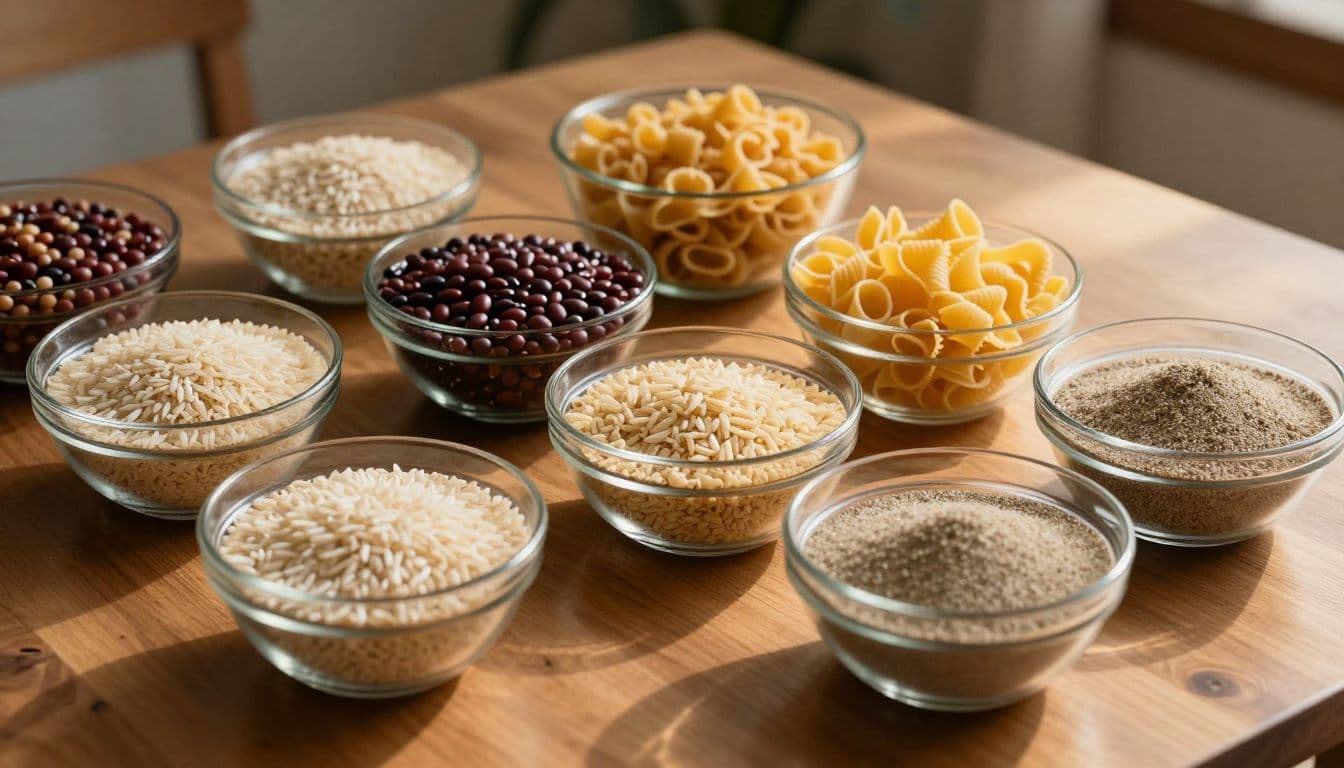
When selecting your materials, always consider your child’s age and their current comfort level with messes. Some toddlers prefer predictable, dry textures, while others are ready for the cooling sensation of water or the squish of water beads. Whether you seek sensory bin fillers for tactile play or something a bit more unconventional, start with what feels manageable for your home today.
Low-cost fillers you probably already have at home
You likely have everything you need to create an engaging, low-cost sensory experience right in your kitchen cabinets. Dry goods are the ultimate staple because they are cheap, easy to store, and provide a satisfying crunch that kids adore.
- Dry rice or pasta: These are pantry heroes. Rice offers a fine, flowing texture, while different pasta shapes like penne or bowties add interesting sizes for little hands to explore.
- Dried beans and lentils: These provide a heavier, weightier feel that creates a distinct sound when poured, which adds an auditory layer to the play.
- Oatmeal or cornmeal: These offer a softer, finer base that mimics sand, making them perfect for younger children who might still be testing everything with their mouths.
- Water and ice: On the hottest afternoons, nothing beats a basin of cool water. Toss in a few ice cubes to change the temperature and turn a simple splash session into a science experiment.
These items transform a plain plastic bin into a world of texture, and Montessori sensory bin ideas often highlight how these simple, raw materials encourage the most focused play. If you worry about scattered grains, lay down a large towel or a plastic tablecloth before you begin. That single step turns cleanup into a quick shake-off rather than a vacuuming project.
The small tools that make play more fun
Once your base is set, the real excitement begins with the tools you provide. You don’t need expensive gadgets to make the play memorable; simple household objects often work best because they are already familiar to your child. The key is to offer a variety of ways to move, manipulate, and measure the filler.
A handful of basic items can turn an hour of aimless shifting into a deep, concentrated session of exploration. Consider these staples:
- Scoops and spoons: Kitchen measuring spoons, plastic cups, or even small bowls allow kids to practice transferring materials.
- Funnels and colanders: These introduce the concept of cause and effect as children watch how different fillers flow through various openings.
- Tongs and tweezers: Using these tools builds those vital fine motor skills, requiring kids to pinch and grip with precision.
- Small containers and nesting toys: These help children experiment with capacity and volume, teaching them which scoops hold the most rice or beans.
- Toy animals or figurines: Adding plastic dinosaurs, sea creatures, or cars invites imaginative storytelling, turning the bin into a miniature landscape or a construction zone.
By keeping these tools simple and accessible, you encourage children to experiment on their own terms. When a child decides to use a slotted spoon to sift through beans or a funnel to fill a tiny cup, they are building confidence through their own discoveries. These small, everyday items provide the support needed to keep play fresh and engaging for weeks on end.
Summer sensory bin ideas kids will want to play with again and again
Bringing the magic of summer indoors is easier than you might think. By choosing themes that mimic the natural world or favorite seasonal treats, you create a dedicated space for discovery that keeps little hands busy and minds engaged. These sensory bins transform a simple container into a destination, offering a refreshing escape when the afternoon sun stays high and hot.
Beach and ocean bins for sandy, splashy play
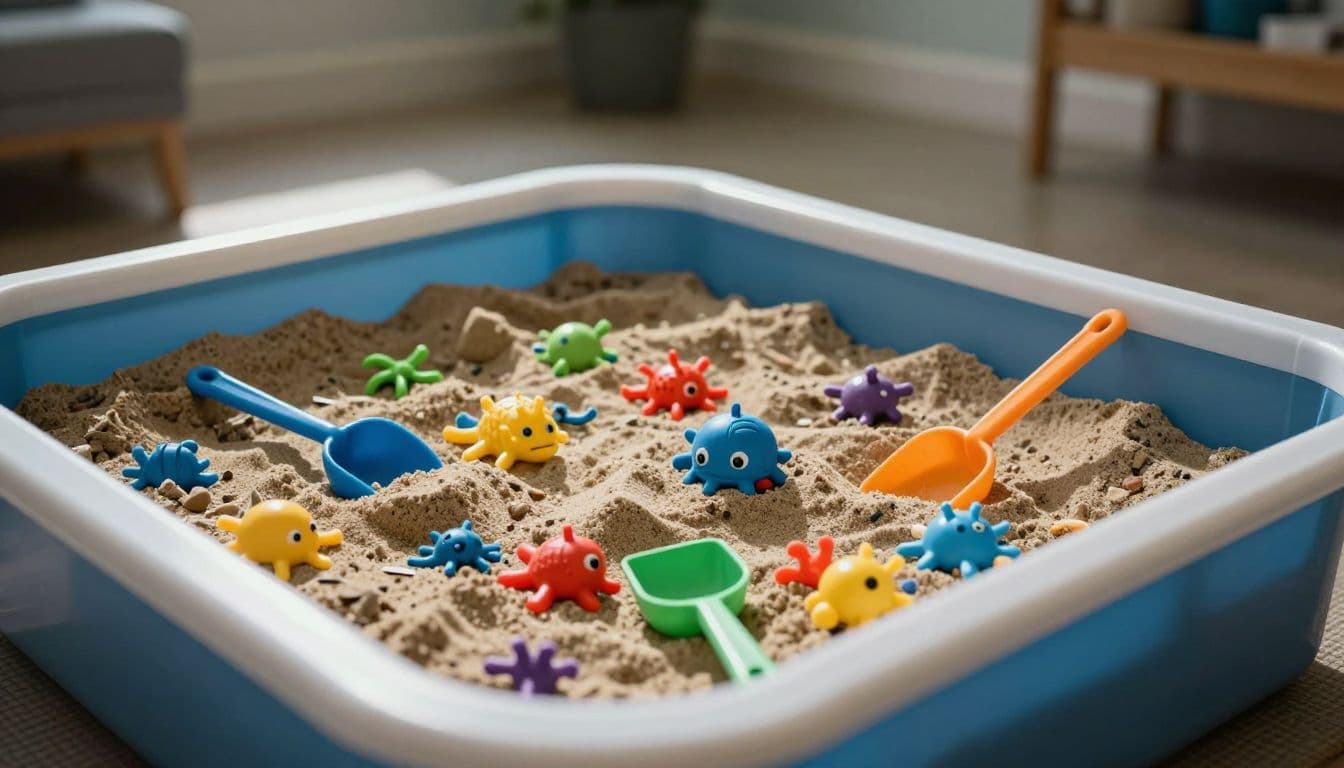
Nothing captures the spirit of the season quite like the shoreline. For a classic beach setup, start with a base of kinetic sand or traditional play sand. This provides the perfect gritty texture for digging and building tiny dunes. Add a collection of seashells, starfish, and plastic sea creatures to turn your living room floor into a miniature coastline.
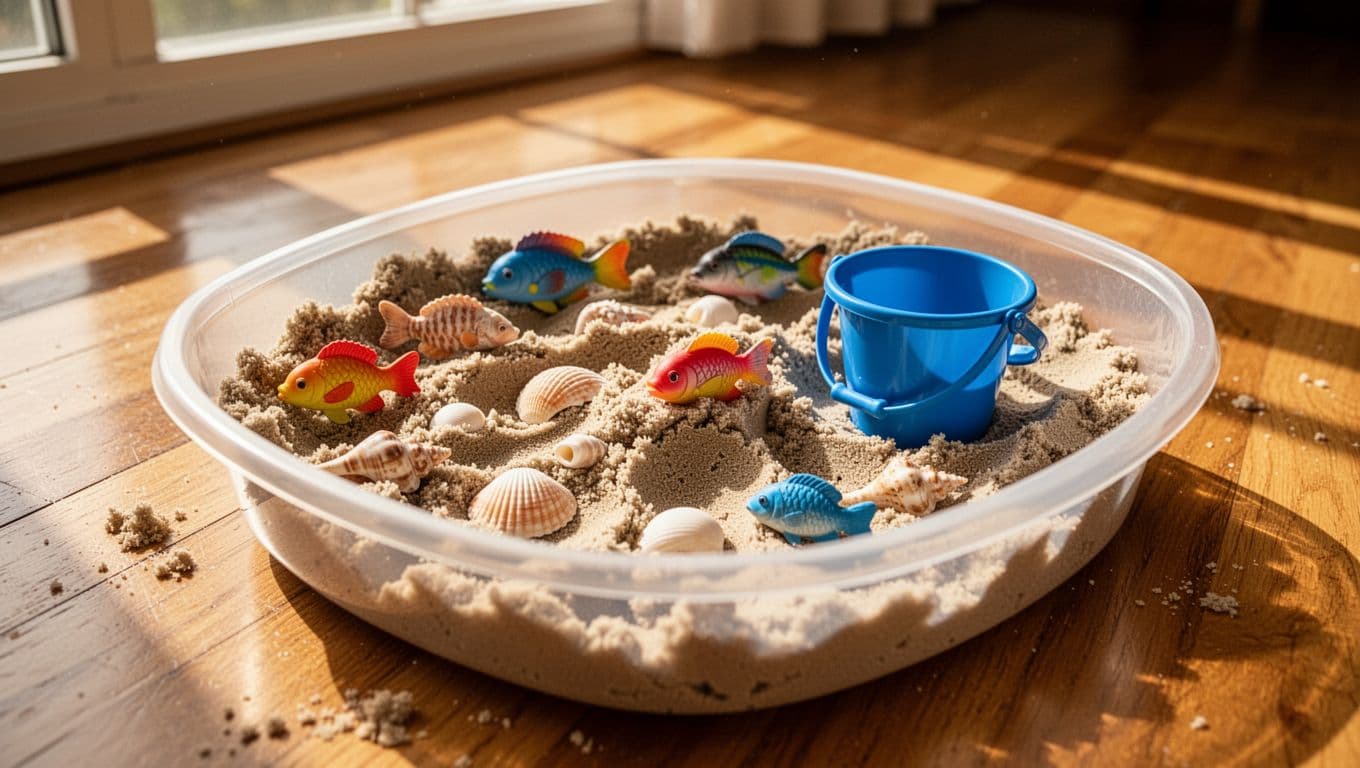
Include small buckets and shovels to encourage classic pretend play. Kids love to scoop, fill, and pour the sand, which naturally leads to sorting by shape or color. As they interact with these materials, they gain important tactile feedback that supports their cognitive development.
Water, ice, and melting bins for hot days
When the humidity spikes, water becomes the most refreshing tool in your sensory arsenal. Fill a shallow basin with cool water and provide sponges, cups, and droppers for splashing. The simple sound and feel of water play provide an instant cooling effect, keeping children calm and occupied through the warmest hours of the day.
For a unique twist, try a frozen rescue mission. Freeze small plastic animals or toys inside an ice tray or a large container of water the night before. Once they are solid, set the ice block in a dry bin and provide your kids with warm water or salt to help them “melt” the treasures free. This process turns a cooling activity into a mini science experiment that keeps them focused for long stretches.
Garden, picnic, and fruit stand bins for pretend play
Summer is the season for growth and outdoor snacks, so why not bring that experience inside? Use brown rice or soil as a foundation for a garden bin. Add artificial flowers, toy insects, and small garden tools to let your little ones practice planting or harvesting.
Picnic bins work just as well for storytelling. Pack a bin with play food, tiny plates, and cups, then encourage your child to serve a meal to their favorite stuffed animals. Sorting fruits by color or grouping items into sets for a pretend picnic lunch helps build early math and language skills. These setups invite creative roleplay where children take the lead as the host of their own miniature world.
Treasure hunt and ice cream shop bins for more active play
Games often keep kids engaged longer than open-ended play alone. A treasure hunt bin uses a base material like dry pasta or beans to hide small objects, such as colorful gems, plastic coins, or tiny figurines. Challenge your children to find all the hidden items, which turns the sensory experience into a focused seek-and-find activity.
An ice cream shop is another hit during the summer months. Use colorful pom-poms as scoops, white cotton balls for whipped cream, and real empty ice cream cones for the base. Provide spoons, bowls, and even some pretend sprinkles to complete the shop. The combination of bright colors and the familiar ritual of ordering treats makes this bin feel like a genuine game, keeping the play lively and fun for everyone involved.
How to set up a sensory bin without making a big mess
You might hesitate to start a sensory bin because the thought of loose rice or water everywhere feels daunting. However, you can easily control the environment with a few simple habits. The secret is to stop the mess before it starts, rather than cleaning it up once it spreads. With the right preparation, you can enjoy these quiet, focused play sessions without the stress of an endless cleanup later.
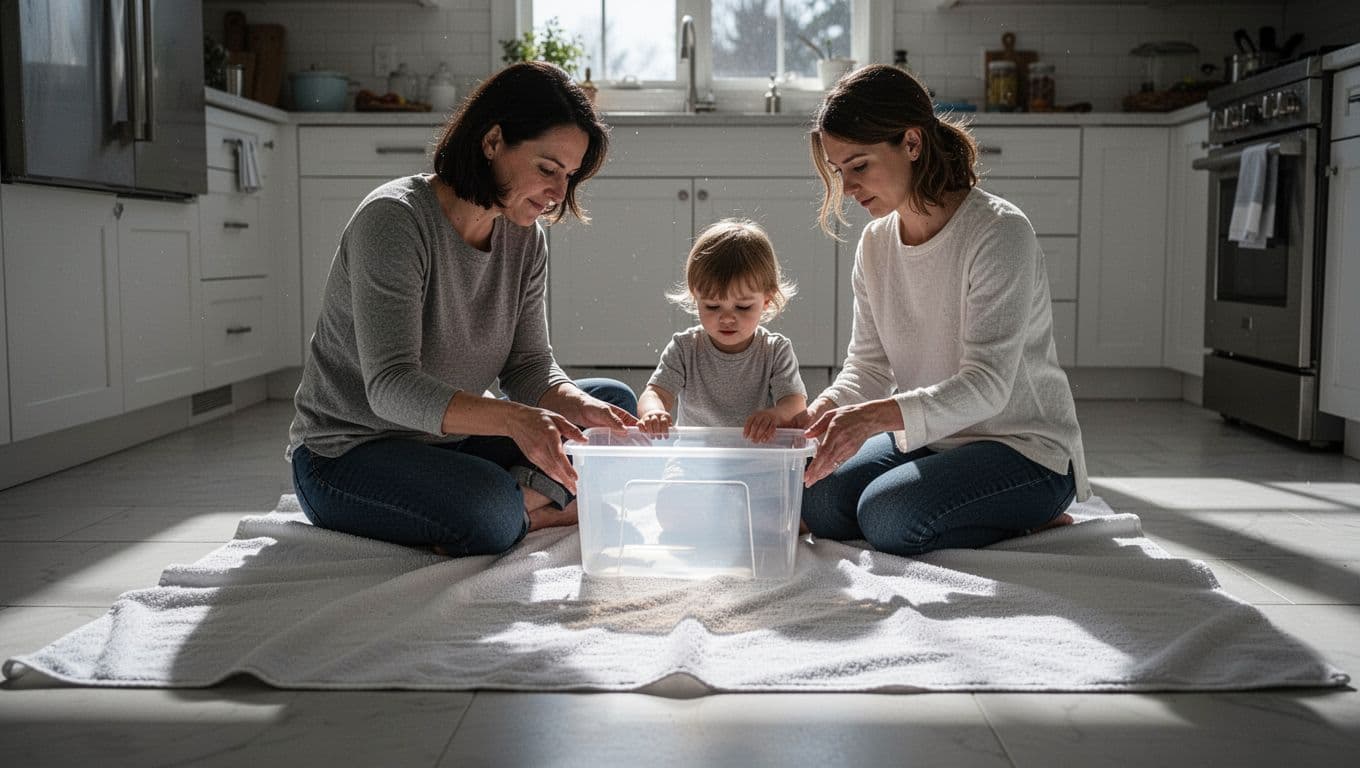
Pick the right spot before you pour anything in
Your choice of location dictates how much time you spend cleaning. Kitchens, bathrooms, or entryways with hard floors are always ideal because a quick sweep or mop handles spills in seconds. If you want to keep the play inside, avoid carpeted areas at all costs. Instead, spread a large plastic sheet, a vinyl tablecloth, or even an old shower curtain on the floor to catch any runaway materials.
If the day is nice, consider moving the action outdoors to the porch, a balcony, or the backyard. Outside, you don’t have to worry about stray grains of rice or splashes of water, as the ground can easily be swept or hosed clean. Whether you are indoors or out, placing your bin on a large towel or inside a kiddie pool creates an automatic barrier. This small effort keeps the filler contained, allowing your child the freedom to move and explore without you constantly watching for messes.
Keep cleanup easy from the start
Effective play is all about giving your child tools that guide their behavior. When you provide scoops, spoons, and funnels, you naturally encourage your child to transfer materials from one container to another. This focus on scooping limits the urge to dump or throw, which is the primary source of frustration for many parents. Providing specific containers to fill also helps keep the loose pieces clustered together instead of scattered across the room.
If you find that your child is still struggling to keep materials inside, consider these practical steps to maintain control:
- Start with less: Use only a small amount of filler to begin, as a shallow layer is much easier to manage than a bin filled to the brim.
- Keep tools handy: Place a handheld broom or a few cleaning wipes nearby so you can address small spills immediately, which prevents them from being tracked through the house.
- Limit variety: Start with just one or two types of items to keep the play simple and the potential for mess low.
You can find more helpful sensory bin activity ideas if you want to see how other parents manage their setups. Remember, the goal is to create a rhythm that works for your home. When cleanup feels manageable, you are much more likely to pull the bins out on a regular basis, providing your kids with the sensory relief they need during the heat of the summer.
Make the bin fit your child’s age, mood, and attention span
A sensory bin serves you best when it matches the child sitting in front of it. You might find a dozen complicated tutorials online, but the perfect setup is actually quite simple. It reflects what your child enjoys right now, how much patience they have, and how they like to explore the world. You don’t need a picture-perfect bin to make an impact. Often, the most successful activity is the one that respects where your child is today, whether that means a messy, high-energy session or a calm, quiet moment of focus.
Toddler-friendly choices that feel safe and simple
Toddlers naturally learn through touch and movement. They love to drop items, move things from place to place, and see what happens when they make a mess. Keep their bins very basic to avoid frustration for them and extra cleanup for you. Use larger objects that are easy for small hands to grasp and pose no choking risk.
- Edible foundations: Use cooked pasta or large dry cereal if your toddler is still in the phase of putting everything in their mouth. It removes the stress of supervision while they explore textures.
- Big scooping tools: Reach for plastic cups, oversized measuring spoons, or even clean yogurt containers instead of small tools. These help them practice pouring without the need for perfect aim.
- Simple hiding games: Tuck a few large, sturdy toys, like plastic trucks or soft animals, just under the surface of the base material. Let them discover these hidden treasures as they scoop.
Focus on the process rather than a finished product. If your toddler gets bored after five minutes, that is perfectly fine. You can try new sensory play ideas to keep things fresh, but don’t feel pressured to force a longer session.

Ways to stretch the activity for older kids
As children grow, their curiosity shifts from simple texture exploration to complex storytelling and structured tasks. Older kids often need more mental stimulation to stay engaged. You can easily adapt a basic bin into a challenge that lasts much longer by adding a narrative or a goal.
- Rescue missions: Bury several small items, such as colored gems or plastic figures, in a base of rice. Use painter’s tape to create a “grid” on the bottom of the bin and ask them to sort the found items into matching categories.
- Complex stories: Change the theme to reflect an interest, like a construction site or a deep-sea exploration. Provide props that allow them to build, fix, or rescue, which transforms the bin into a stage for their imagination.
- Math and sorting games: Introduce a set of tweezers or tongs for a fine motor challenge. Challenge them to count how many items they can pull out in one minute or ask them to sort by size, color, or shape as they play.
Some children prefer a calm, quiet experience, while others want a bin packed with movement and action. Watch how they play to see what draws them in. You can always adjust the tools or the challenge level to better suit their mood on any given day. A sensory bin is a flexible tool that should adapt to your family, not the other way around.
Save pin for later

- What Causes a Flat Head Shape in Babies? - September 20, 2026
- Baby Massage for Gas Pain: Step-by-Step Instructions - September 20, 2026
- Newborn Skin Peeling: Common Causes and Warning Signs - September 20, 2026