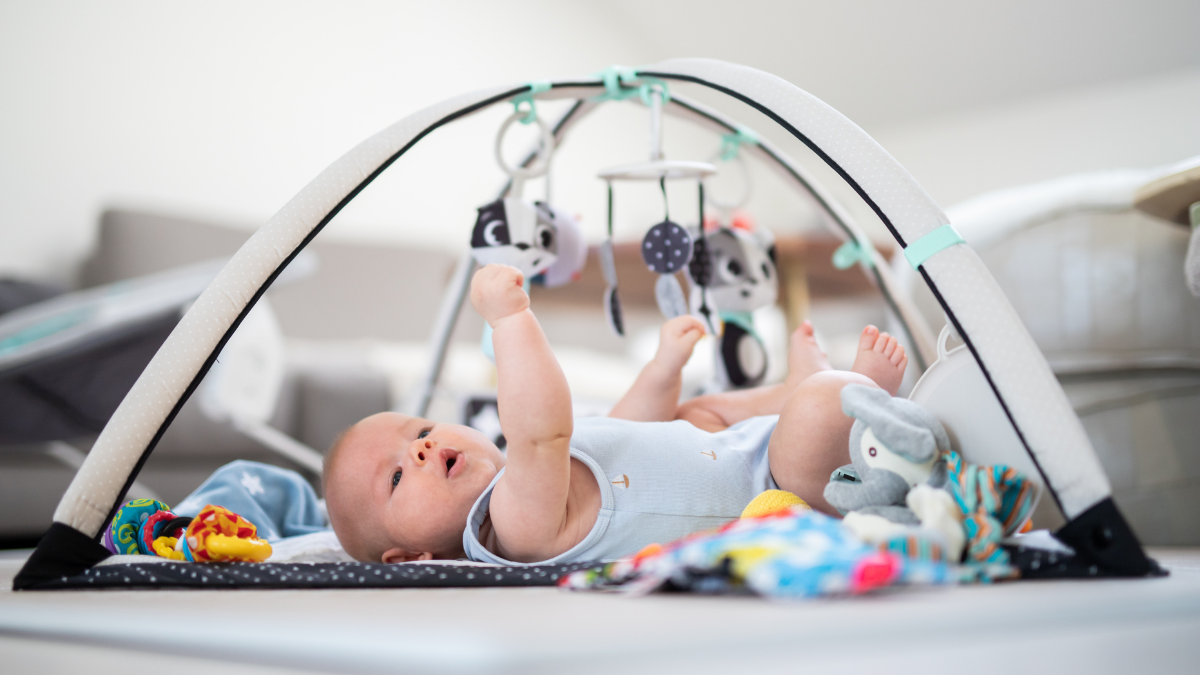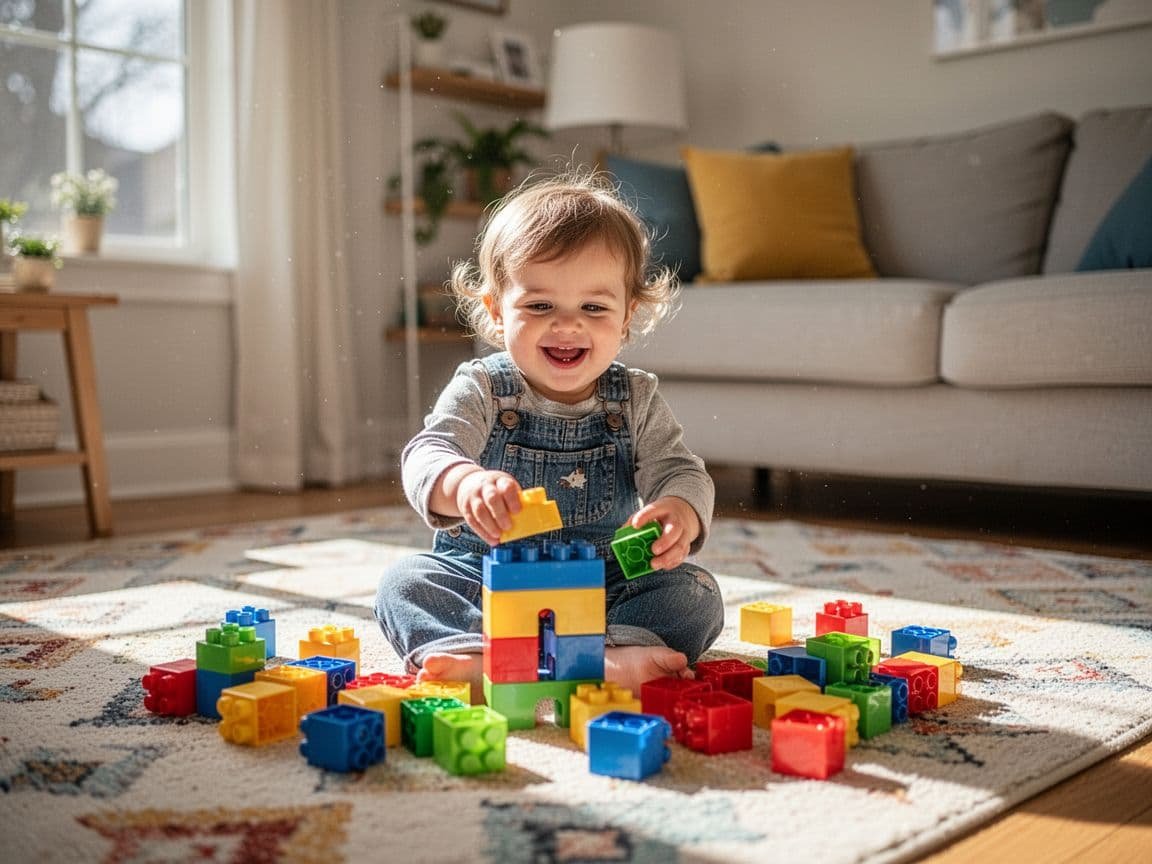
Your living room becomes a tiny playground the moment your toddler wakes up, yet their energy often outpaces the toys scattered on the floor. It is a common challenge for parents, especially when rainy days or busy schedules keep everyone indoors for hours. You need simple ways to channel that restlessness into something productive without needing a trip to the store for expensive gear.
You can turn ordinary household items into hours of entertainment by keeping a few flexible plans in your back pocket. The best activities support learning through play while adjusting to different moods and attention spans. Consistency works better than perfection, and having a few simple activities for 1 to 3 year olds ready can help your day feel calm and secure. Whether you need a quick distraction or a way to practice new skills, these ideas make home time easier.
If you are looking for inspiration for a quiet afternoon, check out this helpful video on toddler play ideas. Sometimes, using fun sensory play ideas to try at home is all you need to keep their focus. By staying patient and creative, you will find that a few moments of intentional play can transform the entire energy of your home.
How to choose toddler activities that actually fit your day
Finding the right balance for your toddler’s schedule isn’t about filling every minute with structured play. It is about reading the room and matching the moment to what your child needs right now. Some days, your toddler craves high-energy movement to burn off steam, while other moments require quiet focus to help them recharge. By observing their cues, you can pick activities that feel like a natural extension of your daily rhythm rather than another task on your to-do list.
Match the activity to your toddler’s mood
You can tell a lot about a child’s needs just by watching how they move through the room. If your toddler is bouncing off the walls or testing boundaries, they likely need a physical outlet. Channel that energy into jumping games, an indoor obstacle course, or a dance party in the kitchen. When they seem irritable or restless, these big movements provide the sensory input they are seeking.
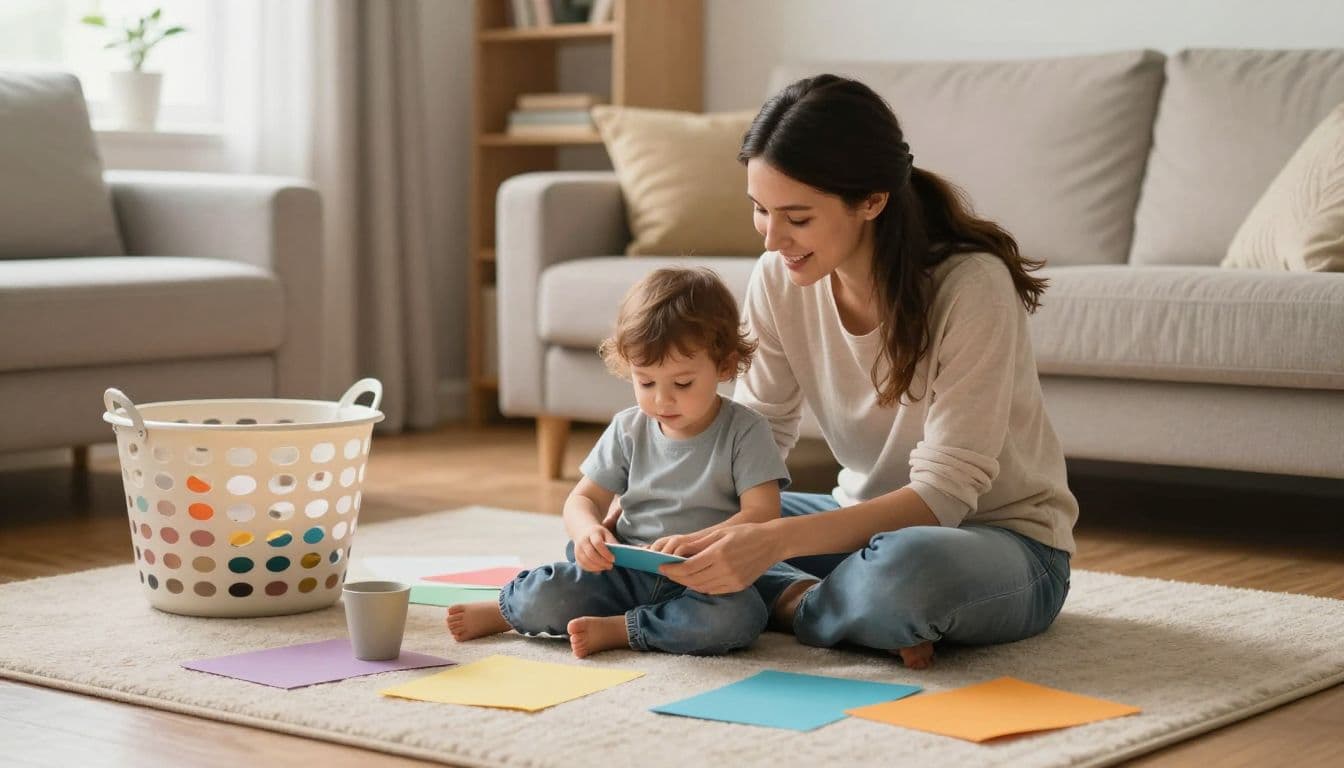
Alternatively, look for signs of fatigue or overstimulation like rubbing eyes or acting clingy. These moments call for calm, focused play that encourages comfort and stillness. Try setting out a collection of board books, a simple puzzle, or a quiet sorting game with colorful blocks. If you want more inspiration on fostering these skills, check out developmental activities for infants which can often be adapted for early toddler stages as well. When the mood is somewhere in the middle, sensory play like pouring water between cups or digging through a bin of dry pasta offers a middle ground that settles the mind without over-tiring the body.
Keep setup simple so you can say yes more often
Complex projects often end up staying in the closet because they require too much energy to start. The best activities are the ones you can pull together in sixty seconds using things already inside your junk drawer or pantry. If you have a few cups, a laundry basket, and some painters tape, you already have the building blocks for an entire afternoon of fun.
Sticking to simple supplies means you can say yes to play requests even when you are tired or busy. Using everyday objects also removes the pressure to have a perfect result. When a toddler uses a plastic spoon to scoop socks into a laundry basket, they are learning coordination just as much as they would with a branded toy. By lowering the barrier to entry, you make it easier to create spontaneous moments of connection throughout your day. For more ideas on how to turn daily tasks into learning, you can see UNICEF’s guide on toddler learning activities.
Use short play bursts to avoid meltdowns
Most toddlers have a surprisingly short attention span, and that is completely normal. You don’t need to commit to hour-long projects to keep them engaged. In many cases, five to fifteen minutes of dedicated play is enough to satisfy their curiosity or reset their mood. The secret is knowing when to stop before the fun shifts into frustration or tears.
Watch for the moment their interest begins to wander, such as when they start throwing toys or losing focus on the task. This is your cue to wrap things up or transition to something else, like a snack or a quick walk. These short bursts act as a reset button for your day. If you notice things getting difficult in the afternoon, try simple developmental activities that focus on quick wins rather than complicated setups. Switching gears before the tantrum begins keeps the home environment peaceful and helps you avoid burnout.
Indoor toddler activities that burn energy and build big skills
Movement is the engine that drives your toddler’s development. When they run, jump, or reach, they are doing more than just burning off steam. They are building the core strength, balance, and coordination needed for everyday tasks. Regular physical activity helps regulate their emotions, improves sleep quality, and keeps their mood stable throughout the day. If you want to know more about how these foundational movements support your child, read about the benefits of building gross motor skills.
Simple movement games for small spaces
You do not need a sprawling yard or expensive equipment to get your toddler moving. Hallways, living rooms, and bedrooms work perfectly fine as active zones. Animal walks are a favorite, where your child crawls like a bear, hops like a frog, or waddles like a penguin from one side of the room to the other. For a quick game of dance freeze, play their favorite music and pause it randomly, challenging them to stop in a funny pose until the beat starts again.
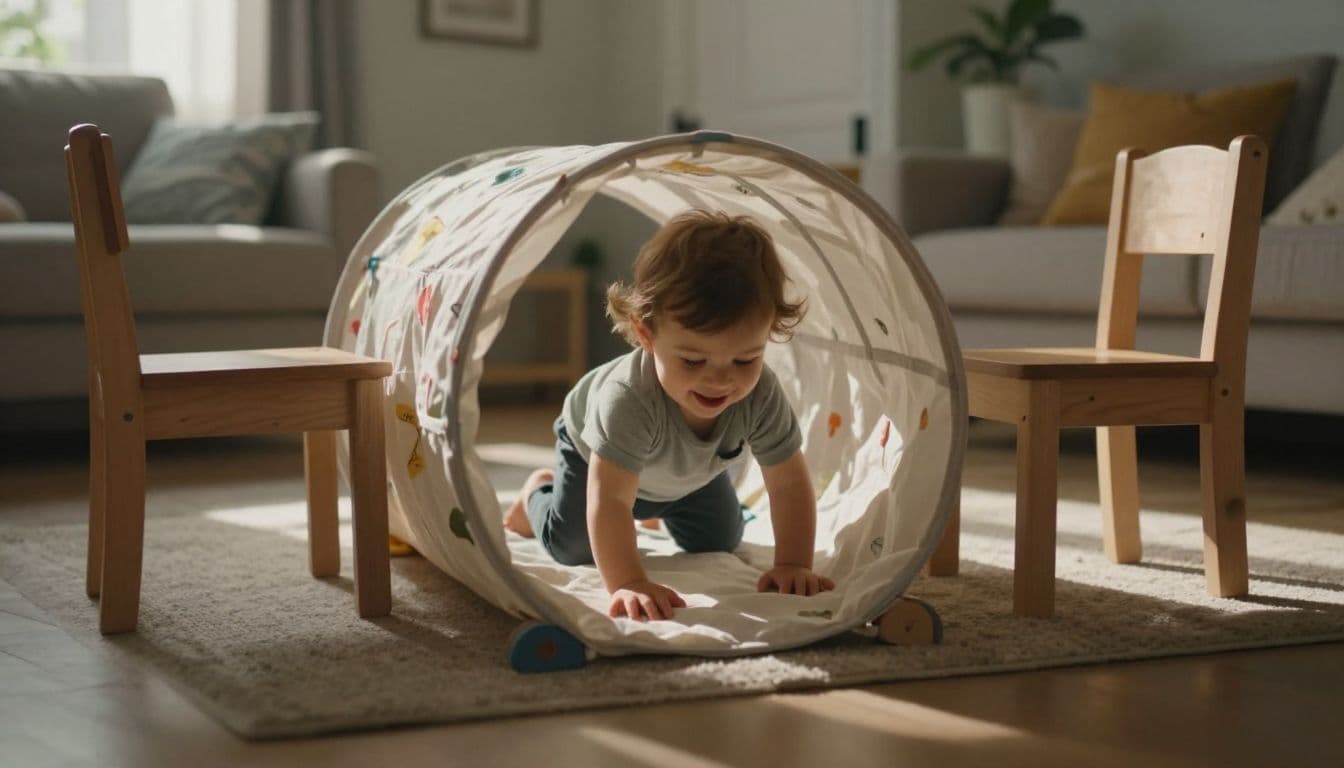
Obstacle courses are another fantastic way to use your space. Lay down a tape line for a makeshift balance beam, place pillows in a row for a jumping path, or set up a balloon volleyball match between two chairs. These simple indoor obstacle course ideas encourage spatial awareness without requiring a massive footprint. If you prefer to head outside when the weather allows, you can also explore various hands-on nature play ideas that keep kids moving in fresh air.
Balancing, crawling, and climbing play
Building body control starts with simple, repetitive movements that test their stability. Have your child crawl under dining chairs or move through a blanket tunnel to build their core muscles. Walking on a straight line of painter’s tape on the floor is a perfect challenge for developing their balance. You can also encourage them to carry a stuffed animal across the room while stepping over pillows, which helps refine their coordination.
Stacking cushions creates a safe indoor mountain for climbing and jumping. Even moving toys from one basket to another by crawling between stations helps them practice shifting weight and reaching. Focusing on these foundational movements is key to long-term physical confidence. For more perspectives on why this physical growth is so significant, you can explore information from NAEYC on gross motor development.
Silly action games that keep toddlers engaged
Sometimes, movement feels less like exercise and more like a game when you add a dash of imagination. Try pretend animal races where you race across the carpet like cheetahs or slither like snakes. Scarf dancing, where you wave light fabric pieces to the rhythm of a song, adds a playful element that makes them want to keep moving. March-and-stop games also work well, where you lead them in a silly parade through the house.
Pretend play turns simple movements into exciting adventures that are easy to repeat. When you pretend to be monsters, dancers, or explorers, your toddler is more likely to stay engaged. They forget they are practicing coordination and focus on the fun of the story instead. By keeping these games light and playful, you remove the pressure and help your child discover that movement is one of the most enjoyable parts of their day.
Quiet toddler activities at home for calm moments and focused play
Sometimes the best way to regain balance is to slow the pace. Quiet time is not about keeping your child bored, but rather offering a space for them to settle into their own rhythm. These moments help toddlers build concentration, process their environment, and recharge their emotional batteries. Consistent quiet play supports a calmer home atmosphere and allows you to catch your breath while your little one stays happily occupied.
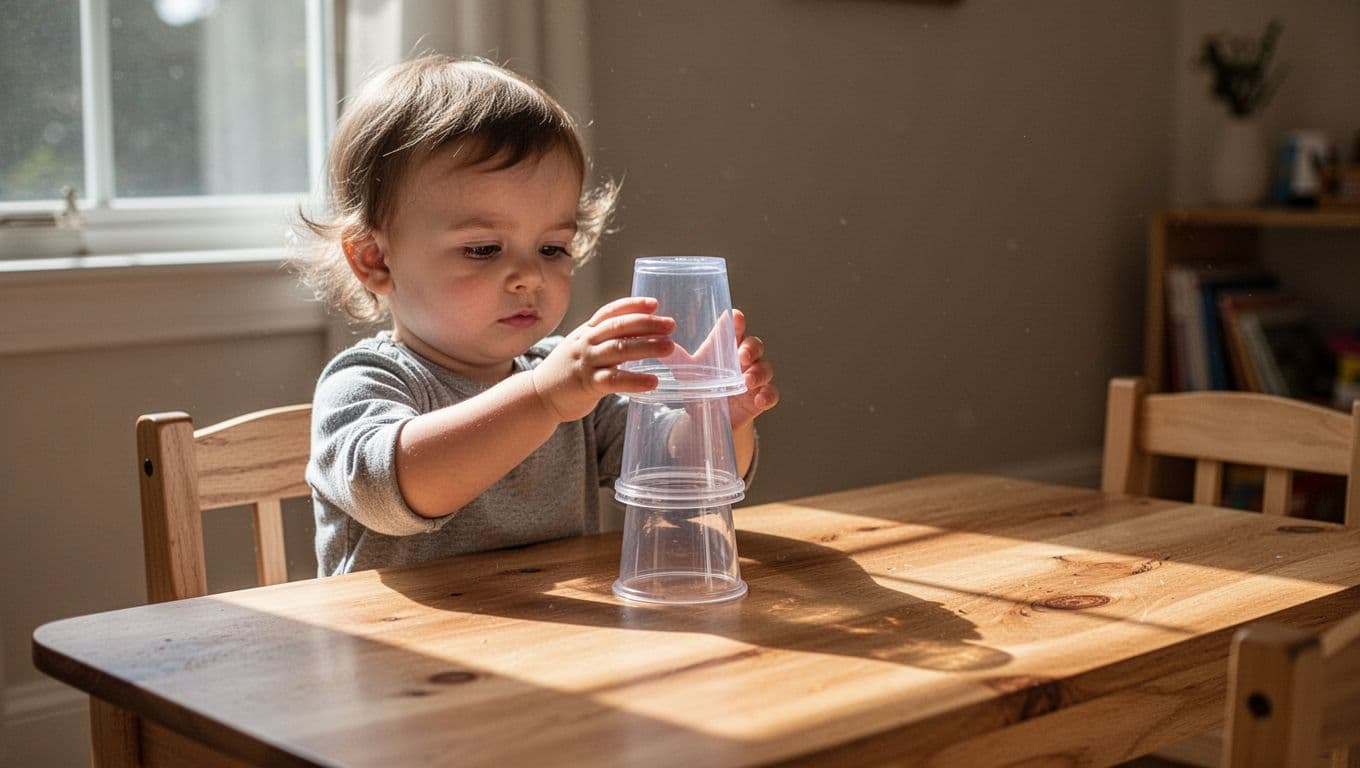
Hands-on play that works fingers and minds
Fine motor tasks offer a perfect outlet for a busy mind. When a toddler focuses on small movements, they build the tiny muscles in their hands and fingers that are essential for future writing and self-care skills. These activities encourage precision and patience as your child works to complete a task.
- Sorting: Place small items like buttons, pom-poms, or dried beans into muffin tins or bowls based on color or size.
- Stacking: Use nesting cups, wooden blocks, or even empty plastic food containers to build towers until they topple over.
- Threading: Help your child string large pasta shapes or chunky beads onto a piece of yarn or a pipe cleaner.
- Pouring: Set up a shallow tray with dried rice or water and provide various measuring cups and spoons for scooping.
- Sticking: Provide a piece of painter’s tape or a sheet of stickers and let your child peel and apply them to a piece of paper.
Easy learning games with everyday objects
You don’t need a formal classroom to spark early curiosity. Everyday objects in your kitchen or closet are excellent tools for introducing concepts like colors, shapes, and numbers. These games feel like play, allowing your child to explore new ideas without the pressure of an academic setting.
Try a color hunt where you ask your toddler to find items around the room that match a specific color card you hold. For shape matching, trace household objects like blocks or lids onto paper and let them place the real items over the corresponding outlines. During snack time, practice counting berries or crackers before they eat, turning a simple meal into a math exercise. Alphabet play is just as simple; use magnetic letters on the fridge to match them to a printed list of letters on a nearby piece of paper. These interactions are low-key, meaningful ways to build language and recognition skills during quiet stretches.
Screen-free independent play ideas
Independent play is a skill that grows with practice, and these activities give your toddler the tools to entertain themselves safely. Choose items that capture their imagination and keep them focused for longer periods. If you need a moment to prepare dinner or simply rest, these setups offer a reliable, quiet alternative to screens.
- Sticker books: Reusable sticker pads allow for endless rearrangement without the sticky mess on your furniture.
- Sensory bins: Fill a plastic bin with water, dried pasta, or sand and add scoops or small animal figurines for open-ended exploration.
- Nesting cups: These are simple, quiet, and offer multiple ways to stack, fill, or hide small items inside.
- Toy washing: Give your child a bowl of soapy water and a sponge to “clean” their plastic cars or dolls on a towel.
- Book baskets: Rotate a small collection of board books in a basket to keep their interest fresh and encourage quiet reading time.
Finding time for stillness creates a sense of security and balance for your toddler. When you weave these gentle activities into your daily routine, you help your child learn how to settle themselves. A calm environment fosters better focus and deeper play, making the entire day feel a little more manageable for everyone. For more inspiration on how these practices improve family flow, you can read about various quiet time activities that work for different developmental stages. By keeping things simple, you make it easy for everyone to stay centered and content.
Messy, sensory, and creative play toddlers love
Children learn about the world through their fingertips. Sensory play allows them to touch, pour, squish, and experiment, which builds fine motor skills and sparks their natural curiosity. While these activities often create a bit of a mess, they provide a necessary outlet for high-energy toddlers. Choosing the right activity helps your child focus, settle their mind, and explore textures in a safe space. You can manage the cleanup by keeping a towel nearby or moving the play to the kitchen floor or bathroom.
Water, foam, and pretend kitchen fun
Water play is often the simplest way to keep a toddler happy for long stretches. A plastic bin or the bathtub works as a perfect station for pouring, splashing, and washing. You can provide plastic cups, measuring spoons, or even a turkey baster to help them practice their pouring skills. If you want to change things up, try adding a few drops of soap to create a foam bath or giving them a clean sponge to “wash” their waterproof toys.
Pretend play in the kitchen is another easy win. Give your toddler a bowl of water, a whisk, and some plastic containers to make pretend soup or tea. They love mimicking the actions they see you perform every day. This type of play feels magical because it turns ordinary household items into tools for a creative adventure. By keeping these activities simple, you allow your child to focus on the textures and sounds of the water, which often has a calming effect on their mood.
Art projects that do not need fancy supplies
Creative expression doesn’t require a trip to the craft store. You likely have everything you need already tucked away in your desk or junk drawer. Torn paper collage is a great way to build hand strength, as toddlers enjoy the process of ripping construction paper into small, colorful pieces. You can provide a glue stick and a blank sheet of paper to let them create their own messy, beautiful masterpiece.
If you want to keep the mess contained, use stickers or sidewalk chalk on a large piece of butcher paper taped to the floor. Cotton ball painting is another fun alternative to traditional brushes. Simply clip a cotton ball to a clothespin, dip it in washable paint, and watch your child explore patterns on the page. To minimize cleanup, keep your paint portions small and have a warm, damp washcloth ready for hands and faces when the project ends. Your toddler will enjoy the freedom to create without worrying about the final result looking perfect.
Sensory bins and texture play
Sensory bins offer a world of discovery in a single container. You can fill a plastic bin with dry rice, pasta, or fabric scraps to create a tactile landscape for your child. These bins encourage exploration as toddlers sift through the materials with their hands, scoops, and small figurines. For a fun seasonal twist, try freezing a few plastic toys in an ice block and letting them “excavate” the items as the ice melts.
Because toddlers explore their environment through their mouths, you should always choose materials that are age-appropriate and supervise their play closely. Larger items like pom-poms or soft fabric scraps work well for younger toddlers who are still putting objects in their mouths. As they grow, you can introduce smaller items like dried beans or rice. Setting up these stations provides a focused, quiet activity that keeps your little one engaged while you fold laundry or prepare a meal nearby. By introducing different textures, you help them learn about the physical properties of objects in a safe, controlled way.
Pretend play ideas that turn an ordinary room into a little world
Toddlers view the world as a constant lesson. They watch you cook, clean, and talk on the phone, and they naturally want to join in. Pretend play is their way of processing these adult tasks. By stepping into roles, they stretch their vocabulary, practice social cues, and build creative muscles. You do not need expensive toys to create these experiences. A few common household objects are often enough to turn your living room into a bustling town.
Role-play games with simple props
Your kitchen and bedroom likely hold all the tools required for an afternoon of acting. When children take on roles, they experiment with empathy and cooperation. You can start by setting up a pretend doctor kit using plastic bandages, a toy thermometer, or even a soft cloth to serve as a blanket for a stuffed animal patient. Talk through the checkup as you go, which helps your toddler learn new words related to health and care.
Grocery store play is another simple way to practice turn-taking. Line up a few pantry items on a low shelf, hand your toddler a reusable bag, and let them browse the aisles. You might act as the cashier while they pack their goods, which builds patience as they wait for their turn to pay or bag items. Pet care and baby care also offer rich opportunities for nurturing. A stuffed dog needs a “bath” in a plastic bin, or a favorite doll might need to be tucked into a pillow fort for a nap. These activities show children how to copy the world around them while they develop kindness and responsibility.

Story-based play that keeps toddlers talking
Narrative play pulls children into a world of their own making. It forces them to organize their thoughts, which speeds up language development. You can start by acting out a favorite scene from a book you just read together. If the story features a hungry bear, find a bowl for the bear and let your toddler feed it pretend honey. This connects the book’s world to their real life.
Animal adventures also work wonders. Pile a few cushions together to form a “jungle” where plastic lions and tigers live. Narrate their day as you move them across the carpet, asking your toddler what the animals might say or do next. Using toys to tell a simple story encourages them to form full sentences and express complex emotions. Even if the plot is simple, the act of guiding a character through an adventure boosts their confidence and sharpens their imagination.
Make-believe setups from things already at home
A box is rarely just a box to a toddler. It is a boat crossing the ocean, a race car speeding on a track, or a cozy cave for a secret meeting. Blankets draped over chairs transform your couch into a castle, a fort, or even a tunnel leading to a new world. Use pillows to create soft mountains or boundaries for an imaginary garden. You do not need perfect decorations to sell the idea. The magic exists entirely in the story you build together.
Focus on the play itself instead of the visual setup. A laundry basket makes a perfect boat if you hum a sea song as you “sail” across the kitchen tile. If you tape a few paper plates to the floor, they instantly become stepping stones across a river of lava. These setups are temporary and easily cleared away, which keeps the house feeling open. By using the objects you already own, you show your child that creativity has no limits, even in a small room.
How to keep toddler play safe, simple, and easy to repeat
Creating a rhythm for daily play doesn’t mean you need to reinvent the wheel every single morning. The best experiences for your child are often the ones they know, trust, and can return to without complex directions. By focusing on safety and simple organization, you turn your home into a space that invites curiosity while keeping your stress levels low.
Safety checks before you start
Safety is the foundation of every great playtime. Before you set out materials, do a quick scan of your floor and surfaces. Always look for small objects that could pose a choking hazard, especially if your toddler still explores toys by putting them in their mouth. If an item fits inside a standard toilet paper roll, it is usually too small for independent play.
Check for slip risks by clearing rugs or spills before starting active games. Supervision remains your most effective tool, so stay within reach or sight during the activity. Always choose materials that match your child’s developmental stage. When you focus on these basics, you create a secure environment that lets you relax while your child focuses on their work.
Cleanup ideas that do not kill the fun
Cleanup often feels like the chore that stops the momentum of a good day. However, you can frame tidying as part of the play itself to make the transition easier. Use clear, low bins for storage so your child can help toss items back where they belong. Keep a dedicated basket or tray for “activity gear” to keep supplies grouped together.
Tucking a damp towel under a sensory bin catches spills before they hit the floor, which makes end-of-play wiping much faster. You might even play a upbeat song that signals it is time to put toys away. When you keep the ending consistent and simple, you lower the barrier for starting a new session tomorrow. A clean space at the end of a session ensures you are ready to say yes to play again later.
Why repeating favorite activities helps toddlers grow
You might notice your toddler wants to play the same game for days on end. This repetition is not just a habit, it is how their brain masters new information. Each time they pour that same cup of water or build that familiar block tower, they refine their coordination and logic. Familiar games provide a sense of security and confidence that helps them focus on smaller details they might have missed the first time.
Repeated play builds a deep foundation for language and problem-solving. As they master a task, their focus often shifts to experimenting with new ways to use the same objects. This mastery eventually boosts their independence during other parts of the day. A simple, consistent environment where children feel capable of succeeding is what keeps the joy of learning alive.

Remember that your child thrives on a steady daily structure. Good sleep, plenty of water, and consistent movement help keep their energy stable. When you pair these physical habits with predictable playtime, you create a home atmosphere that is calmer for both of you. Stay patient with the process, keep the setup light, and watch how your child flourishes when play feels like a natural part of their rhythm.
Conclusion
These activities are not about keeping a perfect schedule. Instead, they provide a flexible toolbox you can open whenever you need a boost. Your child thrives when they have a balanced mix of active movement, quiet focus, sensory exploration, and imaginative play.
Real, lasting contentment in your home comes from simple, steady daily habits. Good sleep, enough water, gentle care, and calm routines create a foundation that lasts much longer than any quick fix.
You already have everything you need to start. Pick just one simple activity from this list and begin today.
Save pin for later


- Newborn Skin Peeling: Common Causes and Warning Signs - September 20, 2026
- Sticky Eyes in Babies: Causes, Treatment, and Warning Signs - September 20, 2026
- Baby Development Stages: Milestones From Birth to 12 Months - September 20, 2026