
A child who lies, explodes, or seems cold once in a while is not automatically showing signs of psychopathy. What matters is the pattern, especially when the behavior keeps showing up, feels planned, or comes with little remorse.
That can leave parents, teachers, and caregivers uneasy, because it’s hard to tell the difference between a rough phase and a real concern. The safest approach is calm, careful attention, along with steady support like the kind shared in these positive parenting techniques for stronger bonds.
This guide looks at the early signs of psychopathy in children as warning patterns, not as a label. It’s about noticing what deserves attention, and knowing when to ask for help.
What people really mean when they talk about psychopathy in children
When people use the word psychopathy about a child, they are often talking about a cluster of troubling patterns, not a formal label slapped on after one bad day. In children, professionals usually choose terms like callous-unemotional traits, lack of empathy, or conduct problems because a child’s personality is still developing.
That distinction matters. A child can be hard to handle and still be very capable of caring, regret, and change. A deeper pattern looks different, because it keeps showing up across time, across settings, and in more than one relationship. When that pattern is left alone, it can spill into school, family life, friendships, and even safety.
Why a single behavior is not enough to worry about
One lie does not tell the whole story. A child may lie because they are scared of getting in trouble, want to avoid shame, or are still learning how to tell the truth under pressure. A child may also act selfish, refuse to share, or grab toys without thinking, especially when they are tired, hungry, overstimulated, or upset.
Age matters too. A preschooler who struggles with sharing is not showing the same thing as an older child who repeatedly takes, hurts, and shows no concern. Context matters as well. Stress at home, conflict with a parent, a move, bullying, sleep loss, or a big routine change can all make behavior look worse for a while.
That is why the real concern is pattern, not a single moment. If you are trying to sort out stubborn behavior from something more serious, it helps to look at repeated conduct, not one episode. Consistent structure, like effective behavioral management techniques, can also make it easier to see whether a child improves with clear limits.
A useful question is simple: does the behavior pass, or does it keep returning in the same cold, harmful way?
The role of callous-unemotional traits
Callous-unemotional traits mean a child seems to feel very little guilt, empathy, or concern when someone else is hurt. In plain language, they may not react much when another child cries, they may shrug off damage they caused, or they may seem emotionally cold after doing something mean.
This does not mean every child with rough edges has a serious disorder. Still, when low empathy and low remorse show up again and again, experts pay closer attention. Research on callous-unemotional behaviors in early childhood shows why repeated emotional coldness matters, especially when it appears alongside lying, aggression, or rule-breaking.
The concern grows when the child seems unmoved by the harm they cause and the pattern does not change with time.
A child with these traits may still be very smart, charming, or talkative. That can confuse adults. However, the key clue is often the emotional flatness underneath the behavior, especially when the child does not seem bothered by consequences that would upset most children.
Early awareness matters because strong patterns can shape how a child learns to relate to others. The earlier adults notice them, the sooner they can respond with structure, support, and the right kind of help.
9 early signs of psychopathy in children that deserve attention
A child can have a hard day, act rude, or push limits without raising serious concern. The pattern becomes troubling when the same cold, harmful behavior keeps coming back, especially across home, school, and friendships.
These signs are about repeated emotional emptiness, not one-off bad behavior. They can look small at first, but together they paint a clearer picture.
They seem not to care when other people are hurt
Low empathy often shows up in everyday moments. A child may watch another child cry, get a scraped knee, or sit alone at recess, and barely react. They may keep playing, shrug, or look annoyed that someone else is making a fuss.
That kind of response is different from shyness or awkwardness. A shy child may stay quiet. A child with low empathy often seems untouched by another person’s pain. You might even see no change in tone, face, or body language when someone is upset.
At home, this can show up when a sibling is hurt and the child keeps going as if nothing happened. At school, it may look like watching a classmate get teased without concern. When this happens once, it may not mean much. When it happens again and again, it deserves attention.
They do wrong things and do not seem sorry
Some children mess up and feel bad right away. They look uncomfortable, stop talking, apologize, or try to fix what they did. A child with a stronger psychopathic pattern may hurt, steal, lie, or break something, then stay calm, irritated, or flat when caught.
That lack of remorse is hard to miss. The child may seem more annoyed about being caught than upset about the harm itself. Real guilt usually shows in the face, voice, or behavior, even if the apology comes out clumsy.
For example, a child might break a sibling’s toy, deny it, and then shrug when the truth comes out. Another may cheat at school and act as if nothing happened. One bad moment is one thing. A repeated pattern of no guilt is something else.
They lie easily and often
All children fib sometimes. They may lie to avoid trouble, save face, or test limits. The concern grows when lying happens often, with little pressure, and with very little hesitation.
These children may change stories quickly and without much stress. They may tell one version at home, another at school, and a third to a sibling. The lies can be small or big, but the ease matters. Truth seems to slide off them like rain off a coat.
You might hear a child deny something that was seen plainly, then switch explanations without blinking. At school, this can mean blaming classmates for their own mistakes. At home, it may mean hiding broken rules and sticking to the lie even when the evidence is clear.
They use people to get what they want
Manipulation can look charming on the surface. A child may use sweet talk, guilt, threats, or tears to control other people. They may know exactly which button to press to get a parent, sibling, or teacher to give in.
Sometimes they play people against each other. Other times, they act like the victim to avoid consequences. They may say one thing to a parent, something different to a teacher, and a third version to a sibling. The goal stays the same, which is control.
This can feel like being pulled by invisible strings. One moment the child is affectionate, the next they are cold or demanding. That switch matters most when it happens often and seems tied to getting what they want, not to real feelings.
For parents who want to build firmer responses at home, practical strategies for parenting difficulties can help keep boundaries steady.
They show cruelty, bullying, or aggressive behavior
Cruelty is more than rough play or a sibling squabble. It becomes a warning sign when a child repeats hurtful behavior and seems to enjoy the power that comes with it. That can mean physical aggression, but it can also mean emotional harm.
Some children mock a brother or sister until they cry. Others threaten smaller kids, humiliate classmates, or seem amused by fear. In more serious cases, they may hurt pets or show a disturbing lack of care when animals or weaker children are scared.
A one-time fight is not the same as repeated cruelty. The difference is intent and pattern. When the child keeps targeting weaker people, keeps escalating, and keeps showing pleasure or pride in the harm, that deserves close attention.
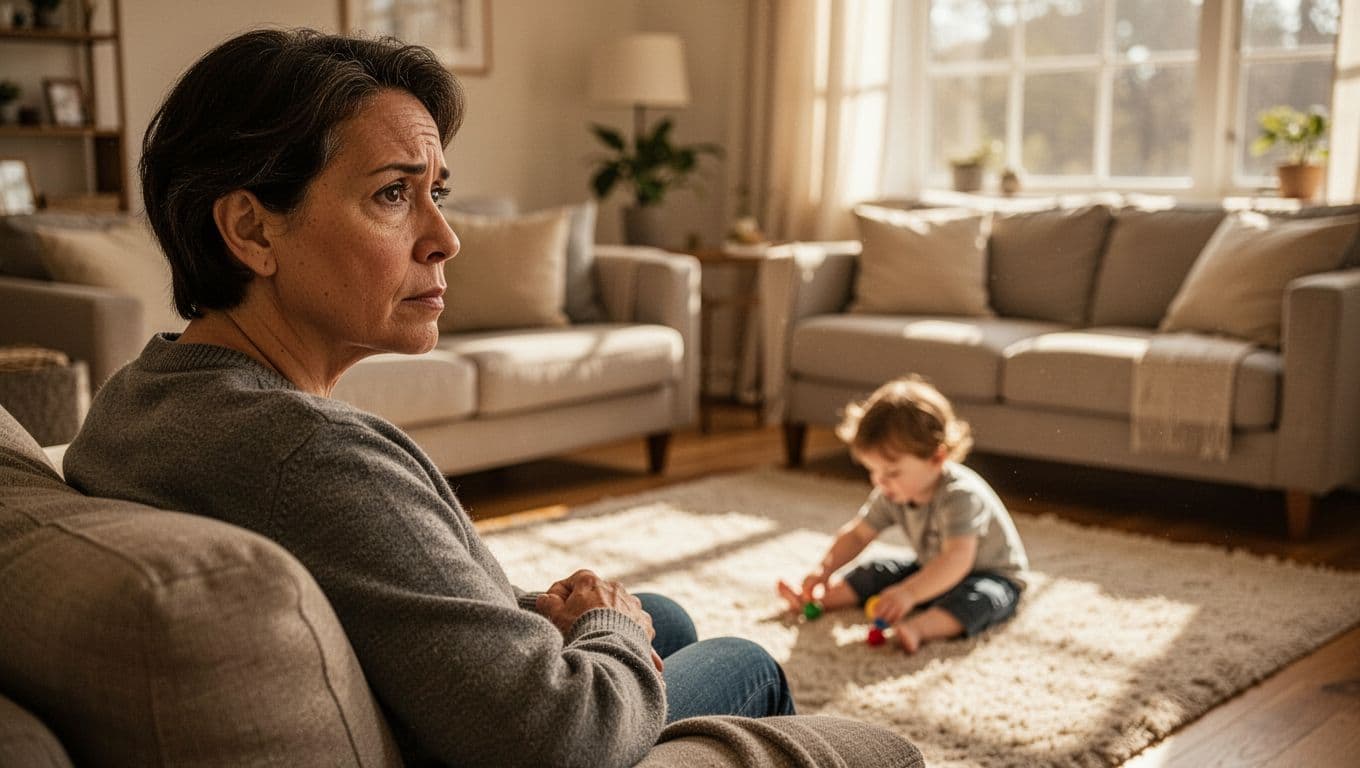
A single harsh moment can happen in any family. Repeated coldness, lying, and cruelty are the patterns that matter most.
If these signs keep showing up, the next step is careful observation, not panic. Write down what happens, where it happens, and how the child reacts afterward. That record can help you see whether the behavior is fading, or settling into a deeper pattern.
Other warning signs that can appear alongside the main ones
The main signs often show up first, but they rarely travel alone. As the pattern grows, you may also notice a child who keeps testing limits, looks oddly unshaken by danger, or seems emotionally sealed off in moments that should matter.
These signs can overlap like storm clouds. One clue by itself may not tell you much, yet a few together can point to a deeper problem that needs close attention and steady boundaries.
Rules and consequences do not seem to matter
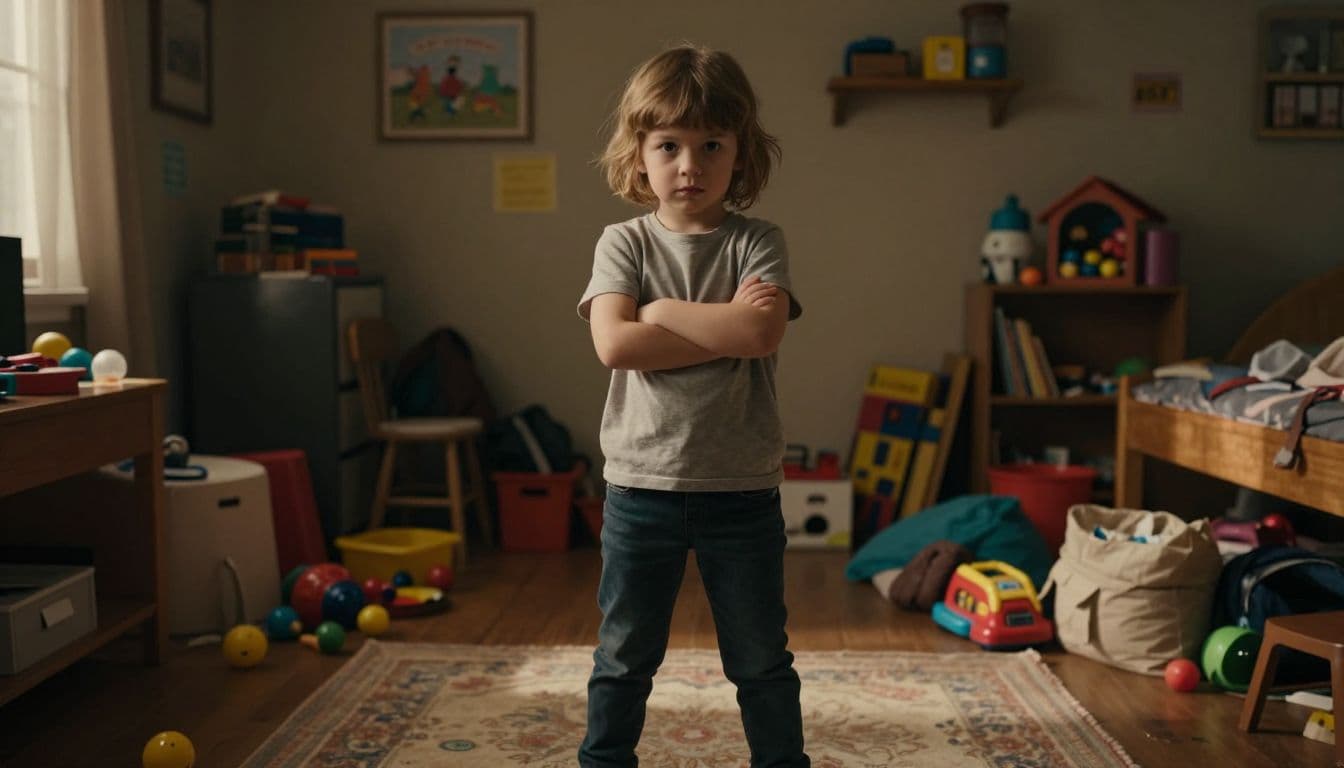
Some children act like every rule is a suggestion. They break limits, get caught, face a consequence, and then do the same thing again an hour later, as if nothing happened. That “reset” feeling is what worries parents most.
A child with this pattern may keep hitting, stealing, sneaking, or lying even after clear consequences. The punishment doesn’t seem to sink in, and the lesson never sticks, which is why repeated behavior matters more than one bad day. Support like stopping repeated bad behavior in kids can help parents respond with more consistency at home.
This can look different from ordinary defiance. A stubborn child may push back, then improve once limits stay firm. A more concerning pattern is when the child keeps returning to the same harmful act, almost untouched by correction.
When a child keeps repeating the same harmful choice, the issue is no longer the rule itself, it is the lack of concern behind breaking it.
For example, a child might insult a sibling, lose tablet time, and repeat the same behavior the next day. Or they may break something, deny it, and later repeat the act without visible worry. That loop is the red flag.
Research on oppositional behavior also shows that persistent rule-breaking can overlap with broader conduct problems, which is why repeated defiance deserves close attention. The Mayo Clinic overview of ODD gives helpful context on how ongoing defiance can show up in children.
They act unusually fearless or drawn to risky behavior
Some children seem almost too comfortable with danger. They chase dares, take unsafe risks, or push far past common sense, even when the chance of getting hurt is obvious.
That can mean jumping from unsafe heights, roughhousing with no caution, sneaking into risky places, or daring others to do something reckless. The pull is not just curiosity. It is a pattern of chasing thrill without much concern for the cost.
You may also notice that normal warnings do little good. A child may hear, “You could get hurt,” and still act as if the outcome does not apply to them. That kind of fearlessness can look bold, but it can also hide poor concern for safety.
In everyday life, this may show up as:
- reckless dares that keep escalating
- unsafe stunts done for attention
- repeated rule-breaking in places where injury is likely
- a strong pull toward chaos, even after close calls
A child who likes excitement is not automatically a concern. Still, when they seem drawn to danger the way a moth moves toward light, and they do not seem to learn from near misses, the pattern deserves attention.
Their emotions seem flat, cold, or hard to read
Sometimes the clearest warning sign is what you don’t see. The child may have a face that rarely shifts, a voice that stays even, and a reaction that feels oddly empty when most children would feel something stronger.
Shallow emotion means the child shows little depth of feeling on the outside, and often little response on the inside too. They may seem hard to comfort after a setback, uninterested in praise, or untouched by things that usually stir sadness, guilt, or excitement.
This is more than being quiet or shy. A reserved child may still feel a lot and simply keep it private. A child with this pattern seems disconnected, especially when a serious moment should bring tears, concern, or relief.
You might see it in small scenes that feel off:
- a sibling cries, and the child stays blank
- a pet is injured, and the child seems bored
- a parent comforts them, and they pull away or shrug it off
- they cause harm, then show no real change in tone or face
That emotional flatness matters most when it keeps happening across different situations. A child who stays cold, hard to read, and hard to reach in moments that usually pull people in may need closer support, not just firmer rules.
These warning signs often travel together. A child who ignores rules, seeks risk, and shows little emotion is sending a message that should not be brushed aside.
What these signs can mean, and what else may look similar
The signs in this article can point to a serious pattern, but they do not point to one cause. A child can look cold, hard to reach, or unusually aggressive for very different reasons, and the reasons matter.
That is why the goal is careful observation, not a quick label. When you understand what else can sit behind the behavior, you can respond with more clarity and less panic.
Why trauma and unstable home life matter
Children who live with fear, chaos, neglect, or repeated conflict often build armor around themselves. That armor can look like guarded behavior, sharp reactions, numbness, or even aggression. In other words, pain can change behavior in ways that look alarming from the outside.
A hurt child may stop trusting easily. They may lash out first because they expect hurt next. They may also seem flat or distant, not because they do not care, but because they have learned to shut down feelings to get through the day.
That is why labels can do harm when a child is actually wounded. A child who acts hard may be protecting a soft center. If home stress is part of the picture, support matters more than judgment. Steady routines, calm limits, and managing anger and triggers as a parent can help create the safety a child needs to settle.
A child who seems cold may be defending against pain, fear, or repeated disappointment.
Trauma can also make a child look defiant or aggressive in settings that feel safe enough to let the feelings out. The behavior still needs attention, but the response should start with understanding. If a child is scared, overwhelmed, or lacking support, that is a very different picture from a child who shows persistent callousness across many situations.
When behavior problems point to another condition
Some behavior problems come from conditions that affect attention, mood, learning, or sleep. ADHD can make a child impulsive and reactive. Depression can look like irritability, flatness, or low energy. Anxiety can create avoidance, clinginess, control battles, or angry outbursts. Sleep problems can make almost any child look more intense, less patient, and more disorganized.
Neurodevelopmental differences can also change the way a child shows empathy or emotion. Autism, for example, may affect eye contact, tone, social timing, or how a child expresses concern. That can be misread as coldness when the child is actually struggling to communicate in a typical way. Research on the overlap between autism and psychopathic traits shows why surface behavior alone can be misleading, especially without a full clinical picture. A review on psychopathy and autism shows how complex that comparison can be.
Careful evaluation matters here, because guesswork can send families in the wrong direction. A child who is withdrawn, reactive, or defiant may need therapy, school support, medical care, or changes at home, not a harsh label. If concerns keep showing up, a trained professional can sort out what is really going on and what help fits best.
What parents and caregivers can do next
If these signs keep showing up, the next step is calm action, not panic. A child’s behavior can shift with the right support, especially when adults respond early, stay consistent, and avoid turning every hard moment into a fight.
The goal is simple: gather clear information, set firm limits, and bring in help before the pattern grows roots.
Watch the pattern, not just the moment
Start by tracking what happens over time. Write down when the behavior happens, what set it off, and how your child acted afterward. A few short notes can reveal a lot that a tired memory will miss.
Keep it plain and specific. For example, note whether the behavior happens more at home or school, after screen time, during transitions, or around certain people. Also record whether your child shows any regret, calm, anger, or indifference after the incident.
That kind of record helps you see whether this is a passing rough patch or a repeat pattern. It also gives a pediatrician, child psychologist, school counselor, or therapist something concrete to work with. The CDC notes that behavior problems are best addressed early, especially when the behavior is strong or keeps returning.
Clear notes turn vague worry into useful information.
A simple pattern log can include:
- what happened
- where it happened
- who was there
- what came before it
- how your child responded after
Get help before the problem grows
If the behavior is strong, repeated, or showing up in more than one place, reach out early. You do not need to wait for a crisis. Early support can make a real difference, especially when a child is still young and habits are easier to shape.
Speak with your child in a calm voice, and keep the message short. Name the behavior, set the boundary, and avoid long lectures. Then follow through with consequences that are firm, fair, and predictable.
If the pattern keeps going, ask for a professional evaluation. A pediatrician can help with next steps, and a child psychologist or therapist can look at behavior, emotions, and family stress together. A school counselor can also help connect what is happening at home with what teachers are seeing in class.
The National Institute of Mental Health recommends getting help quickly when a child’s behavior is unsafe or seriously troubling. That matters because problems are easier to address before they spread into every part of daily life.
Keep the home steady while you wait for support. Use clear rules, close supervision if needed, and the same response each time. When adults stay calm and united, a child gets a better chance to change.
Conclusion
The earliest signs of psychopathy in children are really early signs of harmful traits and patterns, not a final label. What matters most is the repeat pattern, low empathy, little guilt, poor honesty, and a steady lack of concern when other people are hurt.
One difficult moment does not define a child. Still, when coldness, cruelty, and manipulation keep showing up across time and settings, parents should pay attention and trust what they are seeing.
Stay calm, watch the pattern, and get help when the behavior feels strong or persistent. If the changes come with other worrying shifts, these signs that a child needs to see a doctor can help you judge when professional guidance is the right next step.
Save pin for later

- 20 Baby Shower Table Decor Ideas - July 22, 2026
- How To Raise A Confident Child - June 19, 2026
- Age-Appropriate Chores For Kids (By Age Group) - June 19, 2026