
Yes, many people can breastfeed with nipple piercings, especially when the piercing has healed well. The bigger concerns are piercing placement, scar tissue, hygiene, and whether the jewelry is removed before nursing, since that can affect latch and safety.
A pierced nipple can sometimes leak milk through the hole, and in some cases, it can irritate milk ducts or raise the risk of infection if the piercing is new or poorly cared for. If you want a smoother feeding experience, good technique matters too, and these breastfeeding positions for newborns can help make latching easier.
The good news is that with the right precautions, most parents can breastfeed safely and protect both comfort and milk flow. Keep reading for the effects to watch for and the simple steps that lower risk.
How nipple piercings can affect breastfeeding
Nipple piercings do not affect every parent the same way. For some, breastfeeding feels almost unchanged. For others, the piercing leaves behind scar tissue, changes milk flow, or makes nursing feel less smooth at first.
The main thing to keep in mind is that the effect usually depends on healing, placement, and tissue damage. A piercing that healed well may cause little trouble, while a piercing that left scars or altered the nipple shape can change how a baby feeds.
Why milk supply is often still normal
Milk is made in the breast tissue behind the nipple, not in the piercing itself. Because of that, a healed piercing does not automatically lower supply. Many people still make a normal amount of milk and feed without major problems.
Problems are more likely when the piercing caused scar tissue, nerve damage, or blocked ducts. In those cases, the breast may not empty as easily, and that can affect comfort or flow. The body still knows how to make milk, but the path it travels may be a little different.
A piercing does not always change supply, but it can change how milk moves.
If supply seems low, the issue is often milk removal, not milk creation. That is why some parents notice one breast works better than the other, or that a pierced nipple feels different during feeding. For more support with supply concerns, see these natural ways to increase milk production.
When milk may leak through the piercing holes
Milk can sometimes come out through the old piercing holes, especially while a baby is nursing or when the breast feels full. This can look surprising the first time it happens. A tiny stream, drip, or spray may come from the pierced opening instead of only from the nipple tip.
That extra leakage is usually not dangerous. Still, it can make feeding feel messy and less predictable. Some parents notice wet shirts, extra cleanup, or milk pooling in more than one spot during a feed.

The flow can also feel uneven. One side may drip more than the other, or milk may come out faster than your baby expects. That does not always mean something is wrong, but it can change the rhythm of feeding and make you feel less in control.
How piercings can make latch and feeding harder
A baby needs a good seal around the nipple and areola to feed well. Scar tissue, a changed nipple shape, or leftover jewelry can get in the way of that seal. Even a small change in shape can make a baby slip off or latch shallowly.
When the latch is poor, feeding often feels harder on both sides. The baby may get less milk with each suck, which can lead to fussier feeding, longer nursing sessions, and sore nipples. The parent may also feel pinching or see the baby pulling on and off the breast more often.
A few common ways this shows up include:
- Sore nipples from repeated shallow latching
- Less efficient milk transfer, which can leave the baby frustrated
- More frequent breaks during a feed
- Fussiness at the breast when milk flow feels uneven
If the jewelry is still in place, it can add one more obstacle. It may bump the baby’s mouth, get in the way of suction, or make the nipple harder to shape for a deep latch. For that reason, a lot of parents find feeding easier when the breast is free of jewelry during nursing. If nipple soreness is already part of the picture, these nipple care tips for nursing moms may also help.
Every piercing tells a different story. Some breasts heal with no lasting change, while others keep a few reminders in the tissue. Either way, the main effect on breastfeeding usually shows up in milk flow, latch, and comfort, not in whether milk exists at all.
The risks to watch for during breastfeeding with nipple piercings
Most people with healed nipple piercings breastfeed without a major problem, but a few risks deserve attention. Some are minor and mostly annoying, like milk leaking from the piercing hole or a slightly uneven flow. Others need fast care, especially signs of infection or mastitis.
The main concern is that a piercing can leave scar tissue behind. That tissue may change how milk drains, how a baby latches, and how easily the breast empties. Once you know what to watch for, it becomes much easier to spot the difference between a small setback and a real warning sign.
Blocked ducts, scar tissue, and slower milk flow
Old piercing channels can sometimes act like tiny narrow spots in the breast. When scar tissue builds around them, milk may not move through as freely as it should. That can leave one breast feeling fuller than the other, or make one side drain more slowly during feeds.
This does not happen to everyone. Many people never notice a flow problem at all. Still, if you keep getting the same breast fullness, repeated tender spots, or a duct that seems to clog over and over, the piercing may be part of the reason.
You might also notice one breast feels softer after nursing while the other stays firm. That uneven drainage can make the breast more prone to blockages, since milk that sits too long can back up behind a tight area. If you are already working through latch or supply concerns, breastfeeding positions for newborns can help milk transfer happen more smoothly.
A few signs point to a likely flow issue:
- One breast stays heavier after feeds
- A small tender lump keeps coming back
- Milk seems to spray or leak unevenly
- Feeding takes longer on the pierced side
Infection and mastitis concerns you should not ignore
A recent piercing raises the risk of infection because the skin has not fully healed. Poor cleaning can also let bacteria settle into the piercing site. Once breastfeeding starts, any cracked skin or trapped moisture can make that risk higher.
Early infection may look like redness, swelling, warmth, or growing pain around the nipple. You might also see pus or notice a painful lump near the breast. If the breast feels hot, sore, and hard, mastitis may be developing, and that needs prompt care.
Fever, body aches, and a painful breast lump are not signs to wait out at home.
Mastitis can move quickly and make nursing miserable. If you notice fever, chills, a hard lump, or pain that worsens instead of easing, get medical help soon. For general warning signs and care steps, the Mastitis page from the Cleveland Clinic is a useful starting point.
Why nipple jewelry can be unsafe for babies
Nipple jewelry should not stay in place during nursing. A ring or barbell can scratch a baby’s mouth, gum, or tongue. It can also get in the way of a deep latch, which makes feeding harder and less comfortable for both of you.
There is also a choking risk. If jewelry loosens during feeding, it can slip into the baby’s mouth or come free at the wrong time. That is why removal before every nursing session is the safest choice.
A baby needs a soft, stable nipple and a secure latch. Jewelry turns that into a rough edge, and babies feel that fast. Even if the piercing feels harmless to you, it can be a problem for a small mouth.
Keep this rule simple: remove the jewelry before nursing, every time. If you want a piercing and plan to breastfeed later, make that habit part of your feeding routine from the start.
How to breastfeed safely if you have nipple piercings
Breastfeeding with nipple piercings can work well, but safety depends on a few simple habits. The biggest priorities are removing jewelry before each feed, keeping the piercing clean, and watching for any sign that your baby or your breast is being irritated.
A calm routine helps a lot here. When you treat the piercing like a small piece of care that needs its own steps, feeding usually feels more manageable and much safer.
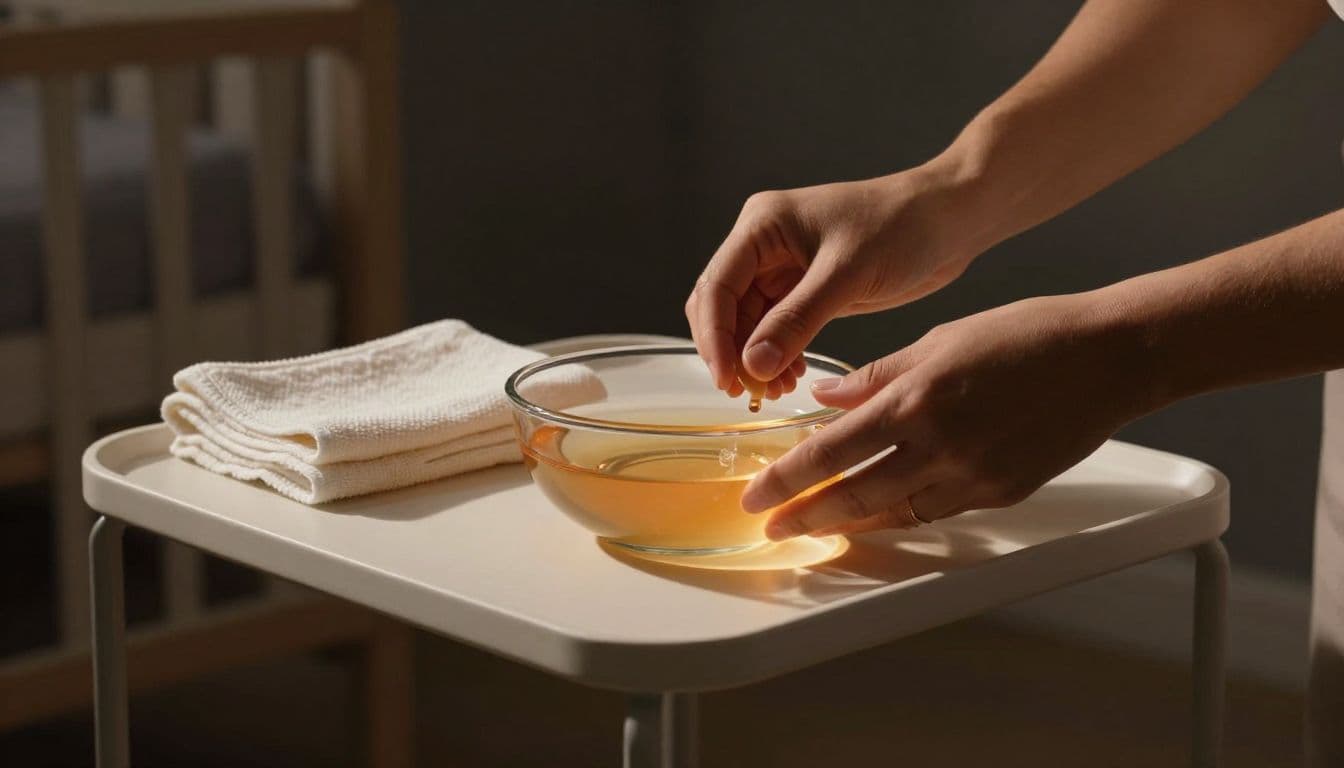
Remove jewelry before every feeding
Take out nipple jewelry before nursing or pumping every time. A ring or barbell can scratch your baby’s mouth, block a deep latch, or become a choking hazard if it loosens during a feed.
If you want to keep the piercing open, do that only after feeding and with clean hands. Place the jewelry in a clean container, keep it dry, and handle it gently when you reinsert it. Never leave it in while your baby is latched.
For moms who also pump, it helps to build a simple habit around the pump session. Remove the jewelry, feed or pump, clean the jewelry, then put it back only when the nipple area is dry and calm. That small routine lowers the chance of injury and keeps the feeding flow smoother.
Wait until the piercing is fully healed when possible
A fully healed piercing is easier to manage during breastfeeding. It is less likely to get infected, bleed, drain, or feel tender when your baby nurses. Scar tissue also tends to settle down once healing is complete, which can make the area less reactive.
If the piercing is recent, waiting before breastfeeding is the safest choice when you have that option. Fresh tissue is more vulnerable, and nursing can put extra pressure on a spot that still needs time to close and strengthen. The Lactation Network notes that healed piercings are usually less of a concern, which lines up with the basic goal here, less irritation and better milk flow.
Still, life does not always line up neatly with healing time. If you are already nursing, focus on careful cleaning, jewelry removal, and close attention to any pain or drainage. That keeps the risk lower while you work with the body you have right now.
Keep hands, skin, and jewelry clean
Wash your hands before touching the nipple area or the jewelry. Clean fingers matter because the nipple skin is delicate, and tiny germs can cause big problems when the skin is moist or cracked.
Clean the jewelry before reinserting it, then dry it fully. Use warm water and mild soap, and avoid harsh cleaners that can irritate the skin. Keep the piercing site dry as much as possible between feeds, since trapped moisture can invite infection.
A few simple habits help keep things steady:
- Wash hands before every feed or jewelry change.
- Clean the jewelry before putting it back in.
- Dry the nipple area gently after cleaning.
- Store removed jewelry in a clean container.
- Use clean breast pads if you leak between feeds.
These steps are plain, but they matter. Clean habits lower infection risk and help the piercing stay calm while you nurse or pump.
Watch your body and your baby for warning signs
Pay attention if nursing starts to hurt more instead of less. Pain, redness, swelling, fever, pus, or a breast that feels hot and firm can point to infection or mastitis. A baby who struggles to latch, pulls off often, coughs, or seems frustrated at the breast may also be reacting to a poor fit or leftover jewelry risk.
Milk flow issues can show up in smaller ways too. One side may stay hard after feeds, a lump may keep coming back, or the pierced nipple may leak in a way that makes feeding harder to track. If the setup is causing more stress than comfort, it needs a closer look.
Get medical help quickly if symptoms worsen or do not improve. Fast care protects you, and it protects your baby too. When something feels off, trust that signal and act on it.
When to get help from a lactation expert or doctor
Some feeding problems need more than time and patience. If pain keeps building, the baby is not feeding well, or the breast starts to look infected, it’s smart to ask for help early. Waiting can turn a fixable issue into a longer, harder struggle.
A lactation consultant can help you spot the small things that are throwing feeding off balance. A doctor should step in when infection or another medical issue may be present. Getting support sooner can save your nipples, your milk flow, and a lot of stress.

Signs that breastfeeding needs extra support
If breastfeeding hurts every time, that is a signal to slow down and get help. Ongoing nipple pain often means the latch is shallow, the baby’s mouth position is off, or the piercing site is irritated. A lactation consultant can watch a full feed and help adjust position, latch, and pumping routines so feeding feels less strained.
Other signs are just as telling. If your baby seems frustrated at the breast, feeds for a long time without seeming satisfied, or your breasts do not feel softer after nursing, milk transfer may be poor. Repeated clogged ducts also point to drainage trouble that needs attention, especially if the same area keeps filling up again.
You do not need to wait until things get severe. Support is smart when you notice:
- Ongoing nipple pain that does not ease after feedings
- Low milk transfer, such as a baby who seems unsatisfied after nursing
- Repeated clogged ducts in the same breast
- Trouble getting the baby to latch deeply and stay latched
A lactation consultant can also check whether the jewelry, scar tissue, or breast shape is affecting the feed. If you’re already dealing with feeding changes, breastfeeding and pumping basics for new moms can help you think through the setup.
Pain that keeps returning is a reason to ask for help, not a sign to push harder.
Symptoms that need urgent medical care
Some breast symptoms need same-day medical attention. Fever, severe breast pain, a hard lump, spreading redness, or pus can point to mastitis or an abscess, and those should not be watched at home for long. If the breast feels hot, swollen, and very sore, the infection may be moving quickly.
Pay close attention if you also feel chills, body aches, or a flu-like heaviness. That pattern often means the infection is affecting more than the breast tissue. The Cleveland Clinic mastitis guide notes that fever and a red, hard, swollen breast are key warning signs.
Get medical care quickly if you notice:
- Fever or flu-like symptoms
- A hard or painful lump that keeps getting worse
- Spreading redness across the breast
- Pus or yellow discharge
- Pain that is sharp, intense, or worsening
If the breast pain is severe or the lump is growing, do not wait for the next feed to see if it settles. Abscesses can need prompt treatment, and mastitis can become harder to manage if it is ignored. Early care keeps the problem smaller and protects breastfeeding for the long run.
Conclusion
Many parents can breastfeed with nipple piercings, and the main question is usually not whether milk is there, but whether the piercing changes how milk flows and how well baby latches. Once the jewelry comes out before every feed, the piercings are fully healed, and the skin stays clean, breastfeeding is often still very possible.
Keep a close eye on pain, redness, swelling, fever, or a breast that feels hot and hard. Those signs should never be brushed aside, because blocked ducts and infection can turn a small issue into a harder one.
The safest path is simple, remove the jewelry, protect the healing tissue, and watch for warning signs early. With that care in place, breastfeeding with nipple piercings can still be a calm and workable part of the journey.
Save pin for later

- 20 Baby Shower Table Decor Ideas - July 22, 2026
- How To Raise A Confident Child - June 19, 2026
- Age-Appropriate Chores For Kids (By Age Group) - June 19, 2026