


A fox, a goat, and a deep well make a simple story feel full of tension fast, especially when one wrong choice can change everything. In The Fox and the Goat short story for kids, the goat trusts too quickly, and the fox uses sharp words to get what he wants.
This old fable is small in size, but its lesson stays clear for children. It reminds young readers to think before they act, ask questions before they trust, and look ahead before they jump into trouble. If your child enjoys gentle stories with a clear lesson, you may also like these soothing bedtime stories for kids.
The tale feels playful at first, then turns serious in a way kids can understand. Watch the animated story here, then see how the moral fits the fox, the goat, and the well.
What Happens in The Fox and the Goat Story
The fox and the goat story starts with trouble and ends with a sharp lesson. A fox slips into a well and cannot climb back out, but he does not panic. He watches, waits, and starts thinking fast.

How the fox gets stuck and starts planning
The fox lands at the bottom of the well and realizes he needs help. Instead of wasting time with fear, he stays calm and looks for a way out. That is where his cleverness begins.
He hears footsteps above and sees a goat nearby. The fox knows this is his chance, so he starts planning his next move right away. He is trapped, but he still uses his head.
The fox does not fight the problem, he talks his way around it.
Why the goat jumps in without thinking
The goat stops at the well because he is curious and thirsty. He wants water, and he also wants to help when he sees the fox. His heart is kind, but his mind moves too quickly.
When the fox says the water is good, the goat believes him. He does not stop to check the well first. Instead, he jumps in, thinking only about the drink below. That single moment changes everything.
The story grows tense here because the goat is now stuck too. He came to help, but he walked straight into the fox’s trap. For a child, this is the part that shows how fast choices can turn into mistakes. For the original fable, see The Fox and the Goat at the Library of Congress.
How the fox tricks the goat and escapes
Once the goat is inside, the fox speaks sweetly and acts as if he has a plan for both of them. He tells the goat to stand still and let him climb out using the goat’s back and horns. The goat trusts him again, even though he is already in trouble.
The fox climbs out first and escapes safely. Then he leaves the goat behind in the well, where regret finally sinks in. The ending feels sudden, but it fits the fox’s nature perfectly. He uses charm to save himself, while the goat learns too late that trust needs caution.
The moral is clear: think before you jump.
Why this fable still matters for children today
The fox and the goat story may be old, but the lesson feels very current. Kids still face moments when someone sounds confident, a choice looks exciting, and their own warning signs get ignored.
That is why this fable works so well. It turns a simple animal story into a clear picture of everyday pressure, where a quick decision can lead to trouble.

Lessons about friendships and peer pressure
Children often want to fit in, so they may follow a dare or copy a risky idea just to avoid feeling left out. A friend might say, “Jump first,” “Sneak over there,” or “Try this, it’s fine,” and that confidence can sound convincing.
The goat in the story acts that same way. He trusts the fox too fast because the fox speaks smoothly and seems sure of himself. In real life, that can look like trusting a new friend before you know their habits, or going along with a group just because everyone else is laughing.
Healthy friendships feel different. Good friends do not rush you into danger, and they do not make you prove yourself by ignoring your own judgment. That is why stories like this still matter, they help children spot the difference between kindness and pressure.
For more ways to support this skill, see developing emotional intelligence in children.
How the story helps kids make safer choices
The fox and the goat story also gives kids a simple safety rule, slow down before you act. When something feels strange, they can pause, ask an adult, and check for danger before they join in.
A child who hears this lesson may remember it at school, on the playground, or in a group chat. If a message says, “Don’t tell anyone,” or a friend pushes a dare, the smartest move is to stop and think. According to guidance on peer pressure from the APA, kids do better when they practice these choices ahead of time.
Smart choices protect both the body and the heart. They keep children away from physical harm, and they also help them avoid the sting of regret later.
A few simple habits make a big difference:
- Pause first before answering yes.
- Ask an adult when something feels off.
- Walk away if a choice seems risky.
- Trust your gut when a situation feels wrong.
That message stays useful whether the danger is a deep well, a bad dare, or a friend who asks too much too soon.
Simple questions and activities to help kids remember the lesson
A story stays with children longer when they talk about it, draw it, or act it out. The fox and the goat fable is short, so it works well for quick practice at home or in class.
Use simple prompts first, then move into a hands-on activity. That gives kids a chance to hear the lesson, say it in their own words, and picture it again. For more screen-free learning activities for kids, keep the focus on easy, low-prep play.
Questions to ask after reading the story
Keep the questions short and open-ended. Children answer more freely when they don’t feel pressured to get everything right.
Try a few of these:
- What did the fox want?
- Why did the goat trust him?
- What happened when the goat jumped into the well?
- What could the goat have done first?
- What would you do if something felt risky?
- What lesson did the fox and goat learn?
These questions work well because they point kids back to the story’s choices, not just the ending. You can also ask, “Who made the safer choice?” or “What was the smartest moment in the story?” That helps children connect the fable to real life.
Fun ways to retell the fable
Children remember a story better when they do something with it. A few simple retelling ideas can turn the fable into a game.
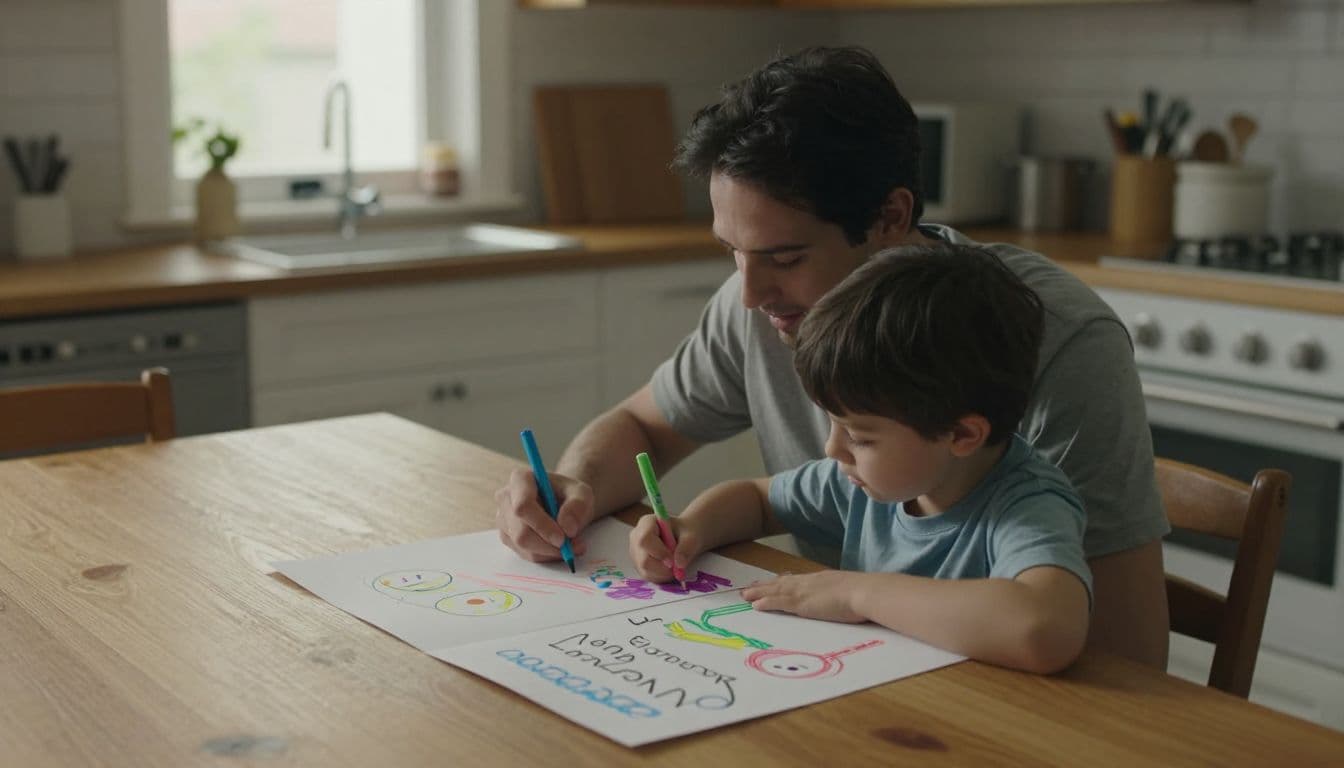
- Draw the well and label the fox, the goat, and the ground above.
- Act it out with two voices, one for the fox and one for the goat.
- Tell the story in five lines and keep each line short.
- Make a comic strip with one picture for each big event.
- Use toy animals and retell the story on a table or floor.
A short role-play can make the lesson stick fast. One child can be the fox, another the goat, and an adult can pause the scene to ask what each character should do next. That small pause often matters more than a long lecture.
Conclusion
The fox and the goat story stays memorable because it turns a simple well into a clear life lesson. The fox uses smart words, and the goat learns too late that a kind voice is not always a safe one.
For kids, the moral is plain, think before you act. Pause, look closely, and ask whether a choice is wise before you jump in. If you want more ideas that support that lesson at home, these tips for encouraging good behavior in kids can help turn story time into real-life growth.
This short fable leaves children with one strong truth, careful choices protect them better than quick trust ever can. The fox and the goat remind young readers to stay alert, use good judgment, and choose the safer path when words sound too sweet to question.
Save pin for later


- 20 Baby Shower Table Decor Ideas - July 22, 2026
- How To Raise A Confident Child - June 19, 2026
- Age-Appropriate Chores For Kids (By Age Group) - June 19, 2026